Top 20 Natural Monuments around El Hornillo
Best natural monuments around El Hornillo are found in a region characterized by diverse natural landscapes, including the Sierra de Gredos. This area features prominent peaks, mountain passes, and significant river systems. Visitors can explore a variety of natural features, from high-altitude viewpoints to river valleys. The landscape offers opportunities to experience the geological formations and hydrological elements of the region.
Best natural monuments around El Hornillo
- The most popular natural monuments is Fuente de los Barrerones, a natural…
Last updated: May 20, 2026
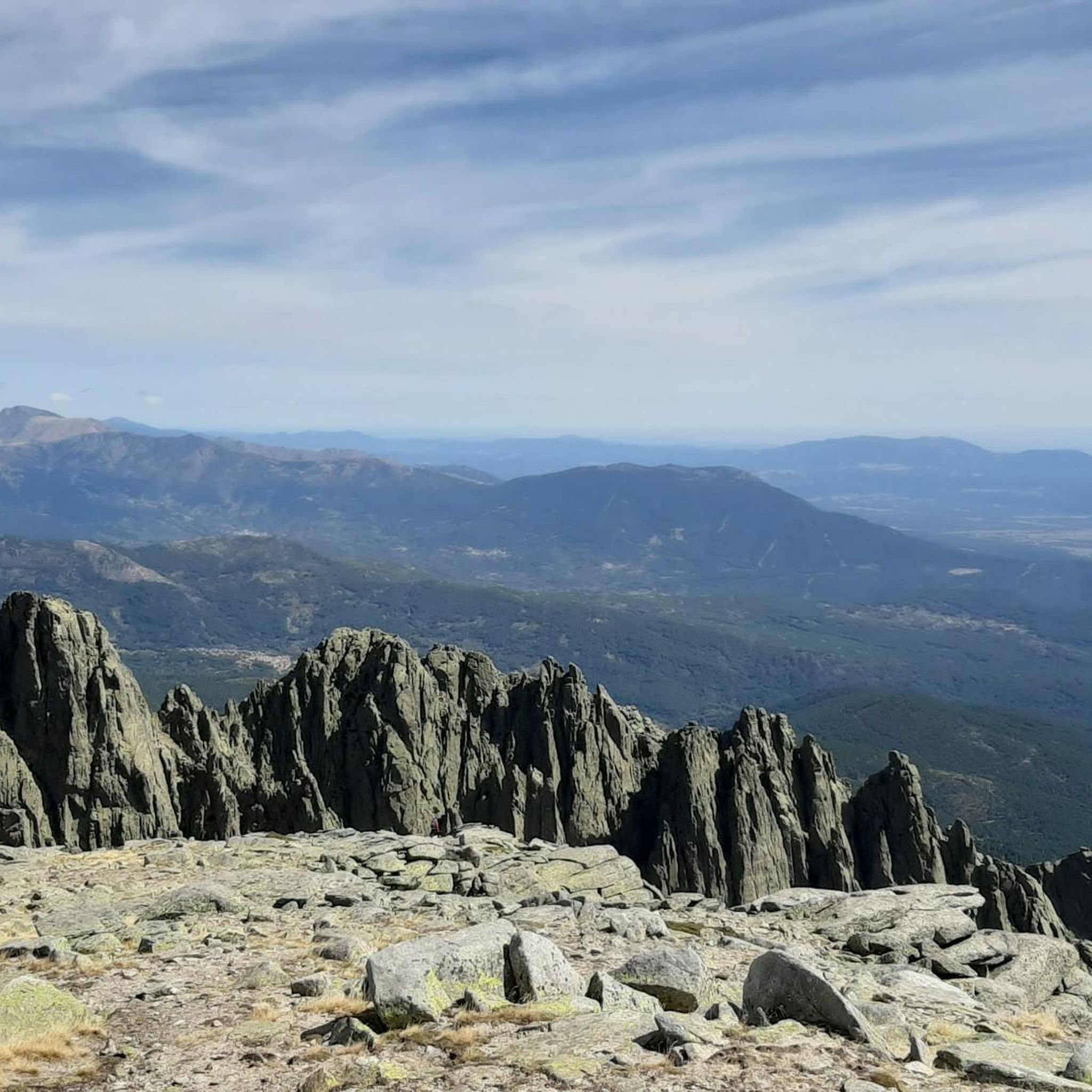
Morezón Peak
Highlight • Summit
Translated by Google •
Tip by

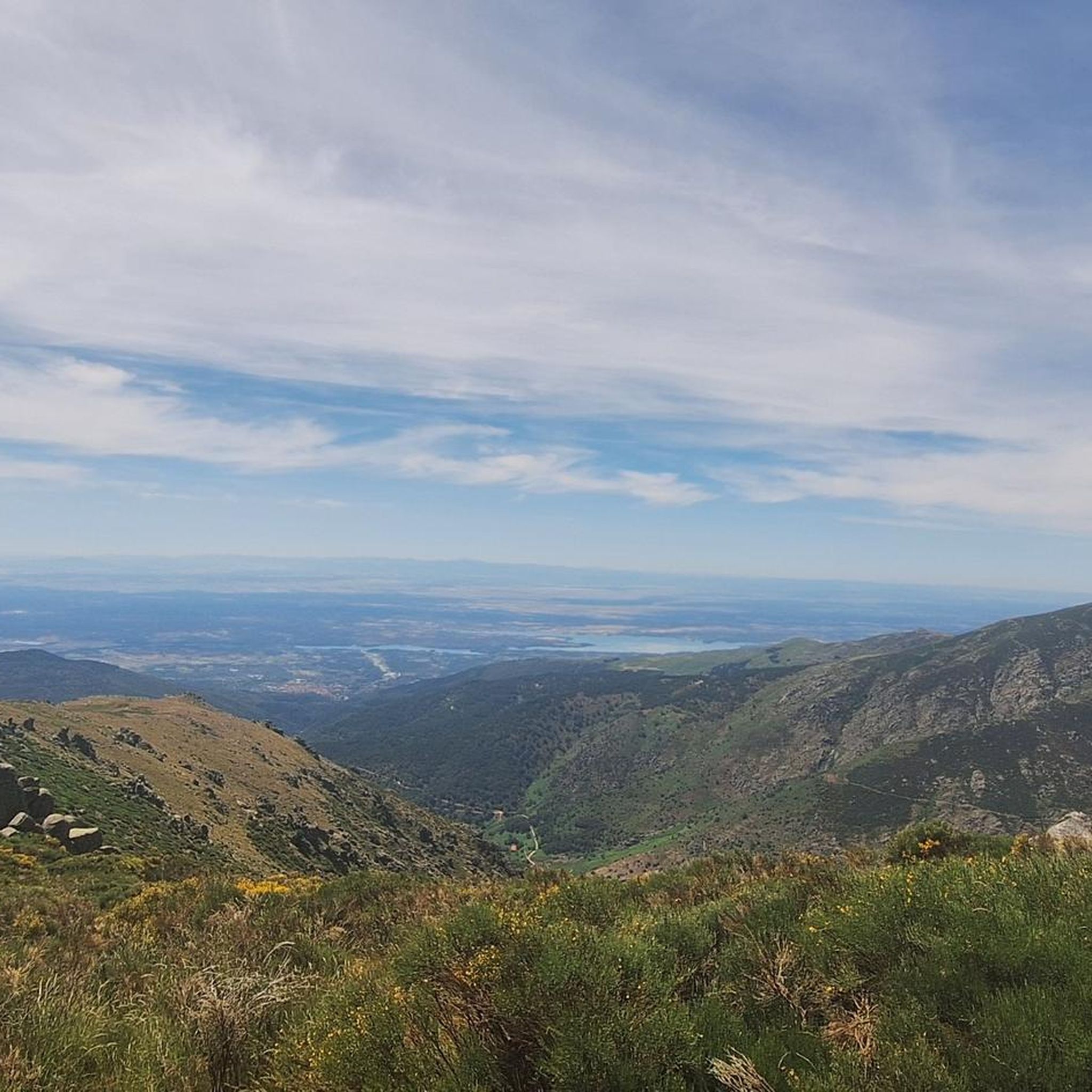
Puerto de Candeleda
Highlight • Mountain Pass
Translated by Google •
Tip by

Sign up now to discover places like this
Get recommendations on the best single tracks, peaks, & plenty of other exciting outdoor places.
Sign up for free
Tormes River
Highlight • River
Translated by Google •
Tip by

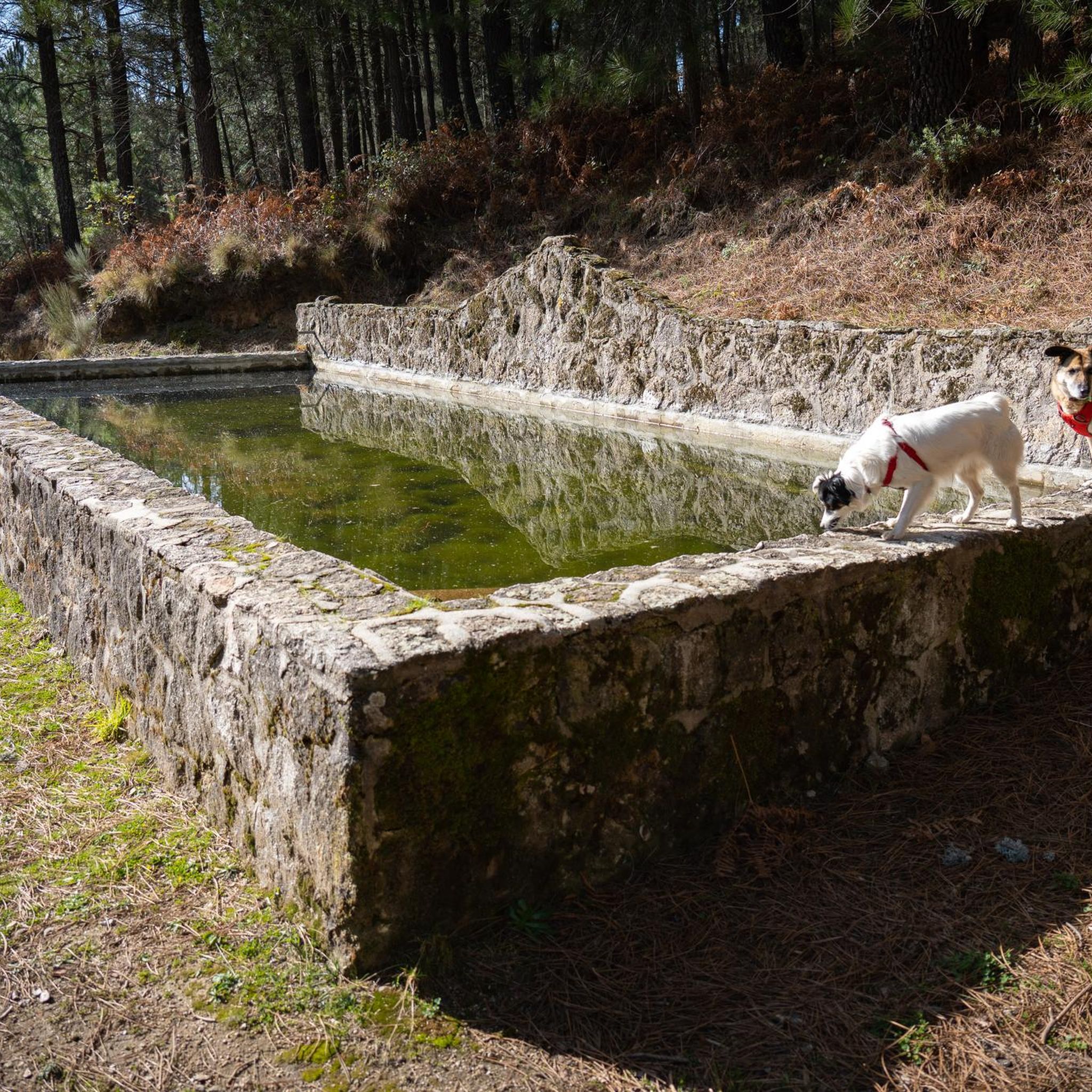
Fuente de los Barrerones
Highlight • Natural Monument
Translated by Google •
Tip by
Puente del Puerto
Highlight • Bridge
Translated by Google •
Tip by

Sign up for free to discover even more natural monuments around El Hornillo.
Sign up for free
Already have an account?
Start today with a free account
Your next adventure awaits.
Login or Signup


Tips from the Community

At the Barrerones spring we can refill our water and see some ibex.
1
0

Beware of bad weather; get good information before the ascent because from October to May it can be really problematic, especially in winter.
1
0

Fountain Los Barrerones
0
1

The Tormes River is a tributary of the Duero on its left bank, it runs through the Community of Castilla y León, crossing the provinces of Ávila, Salamanca and Zamora. The Tormes rises in the Tormejón meadow, in the Gredos mountain range. It feeds several reservoirs, the Santa Teresa and Villagonzalo reservoirs, the San Fernando reservoir and, close to its mouth in the Duero, the Almendra reservoir, where, sandwiched between rock walls, it forms the so-called arribes del Tormes.
1
0

This beautiful Roman stone bridge has a single arch and is located at an exceptional point, since the Garganta de Santa María is born there, but the Garganta Blanca and the Garganta Lóbrega also end.
1
0
originally Roman bridge that was restored in the Romanesque
0
0

El Morezón is a peak located in the Sierra de Gredos. It is 2,389 meters high1 and is one of the peaks that make up the Circo de Gredos. It is located in the municipality of Navalperal de Tormes, in the province of Ávila. From its top you have one of the best views of the Circo de Gredos with the Elola Refuge and the Laguna Grande in the foreground and the most emblematic peaks of the circus —such as Almanzor, La Galana and Ameal de Pablo— behind it.
2
0
The Port of Candeleda is a natural balcony with impressive views of the Tiétar Valley and the southern slope of Gredos.
1
0
Frequently Asked Questions
What kind of natural features can I expect to see around El Hornillo?
The region around El Hornillo, particularly within the Sierra de Gredos, is characterized by diverse natural landscapes. You'll find prominent peaks like Morezón Peak, significant mountain passes such as Puerto de Candeleda, and important river systems like the Tormes River. The area also features glacial cirques, high-altitude viewpoints, and river valleys.
Are there any natural monuments with impressive panoramic views?
Yes, several natural monuments offer stunning views. Morezón Peak, at 2,389 meters, provides one of the best views of the Circo de Gredos, including the Elola Refuge and Laguna Grande. Puerto de Candeleda is another natural balcony with impressive vistas of the Tiétar Valley, the Barbedillo River, and the Gredos hillside.
Where can I find fresh water sources during my hikes in the Gredos area?
For hikers in the Gredos circus, Fuente de los Barrerones is an excellent natural monument to find fresh water. It's a perfect spot to refill your water bottle before continuing your ascent or descent from the Gredos peaks.
Are there any historical natural monuments in the El Hornillo area?
Yes, the Puente del Puerto is a notable historical natural monument. This beautiful Roman stone bridge, with a single arch, is located at a significant point where the Garganta de Santa María begins and the Garganta Blanca and Garganta Lóbrega converge.
What outdoor activities can I do near these natural monuments?
The natural monuments around El Hornillo are ideal for various outdoor activities. You can explore numerous running trails, such as the 'Ruta de los Pescadores' or 'Refugio Victory loop'. For cyclists, there are road cycling routes like the 'Cinco Villas and La Centenera Loop' or 'Presa Navalcan y Ramacastañas'. You can find more details and routes on the Running Trails around El Hornillo, Road Cycling Routes around El Hornillo, and Cycling around El Hornillo guide pages.
Are there hiking trails near the natural monuments around El Hornillo?
Absolutely. The Sierra de Gredos, where many of these natural monuments are located, is a prime hiking destination. Trails often lead to viewpoints like Morezón Peak or through mountain passes like Puerto de Candeleda. You can find detailed hiking routes and information on the Running Trails around El Hornillo guide page, which includes many walking and running paths suitable for hiking.
What makes the Tormes River a significant natural monument?
The Tormes River is a significant natural monument as a major tributary of the Duero, flowing through the provinces of Ávila, Salamanca, and Zamora. It originates in the Gredos mountain range and feeds several important reservoirs, creating beautiful valleys and idyllic landscapes, especially where it forms the 'arribes del Tormes' between rock walls.
What is the difficulty level of trails leading to these natural monuments?
The difficulty varies depending on the specific natural monument and the chosen route. For instance, reaching Morezón Peak is considered challenging due to its elevation. The route to Puerto de Candeleda is generally an intermediate trail within the Sierra de Gredos Regional Park. Always check specific route details for difficulty ratings before heading out.
What do visitors enjoy most about the natural monuments in this region?
Visitors frequently highlight the spectacular settings and panoramic views. The Gredos circus, visible from Morezón Peak, is particularly appreciated. The refreshing experience of finding fresh water at Fuente de los Barrerones and the impressive landscapes seen from Puerto de Candeleda are also highly rated.
Are there any specific considerations for visiting Morezón Peak?
When planning a visit to Morezón Peak, be aware that it is a challenging ascent. It's crucial to get good weather information before your trip, especially between October and May, as conditions can be problematic, particularly in winter. Proper gear for high-altitude hiking is recommended.
What is the best time to visit the natural monuments around El Hornillo?
The best time to visit largely depends on the activity. For hiking to higher peaks like Morezón Peak, late spring to early autumn (June to September) generally offers the most favorable weather. However, for exploring lower areas or enjoying the river valleys, spring and autumn provide pleasant temperatures and beautiful scenery. Winter can be challenging in higher elevations due to snow and ice.
Most popular routes around El Hornillo
Most popular attractions around El Hornillo

Get inspired with the komoot mobile app


Explore more
Extend your search for the best caves by checking out these guides of the top ones around El Hornillo:
