The best running trails around El Hornillo
4.8
(5)
475
runners
43
runs
Jogging routes around El Hornillo are characterized by elevated, rugged terrain, offering a different type of natural scenery for runners. The region features a midlands setting with significant elevation changes, making it suitable for trail running. Many routes traverse hilly paths and provide views of the surrounding natural landscape. This area is known for its diverse trails, ranging from moderate to difficult, catering to various fitness levels.
Best jogging routes around El Hornillo
- The most popular jogging route is Ruta…
Last updated: July 2, 2026
5.0
(1)
32
runners
11.1km
01:28
200m
200m
Hard run. Good fitness required. Sure-footedness, sturdy shoes and alpine experience required.
5.0
(1)
66
runners
9.79km
02:11
830m
830m
Hard run. Very good fitness required. Sure-footedness, sturdy shoes and alpine experience required.

Sign up for free
20
runners
30.1km
03:51
980m
980m
Hard run. Very good fitness required. Mostly paved surfaces. Suitable for all skill levels.
13
runners
Moderate run. Good fitness required. Mostly paved surfaces. Suitable for all skill levels.
12
runners
24.1km
03:43
960m
970m
Hard run. Very good fitness required. Sure-footedness, sturdy shoes and alpine experience required.
Get access to more routes and recommendations from other explorers.
Sign up for free
Already have an account?
Our route recommendations are based on thousands of hikes, rides, and runs completed by other people on komoot.
Start today with a free account
Your next adventure awaits.
Login or Signup
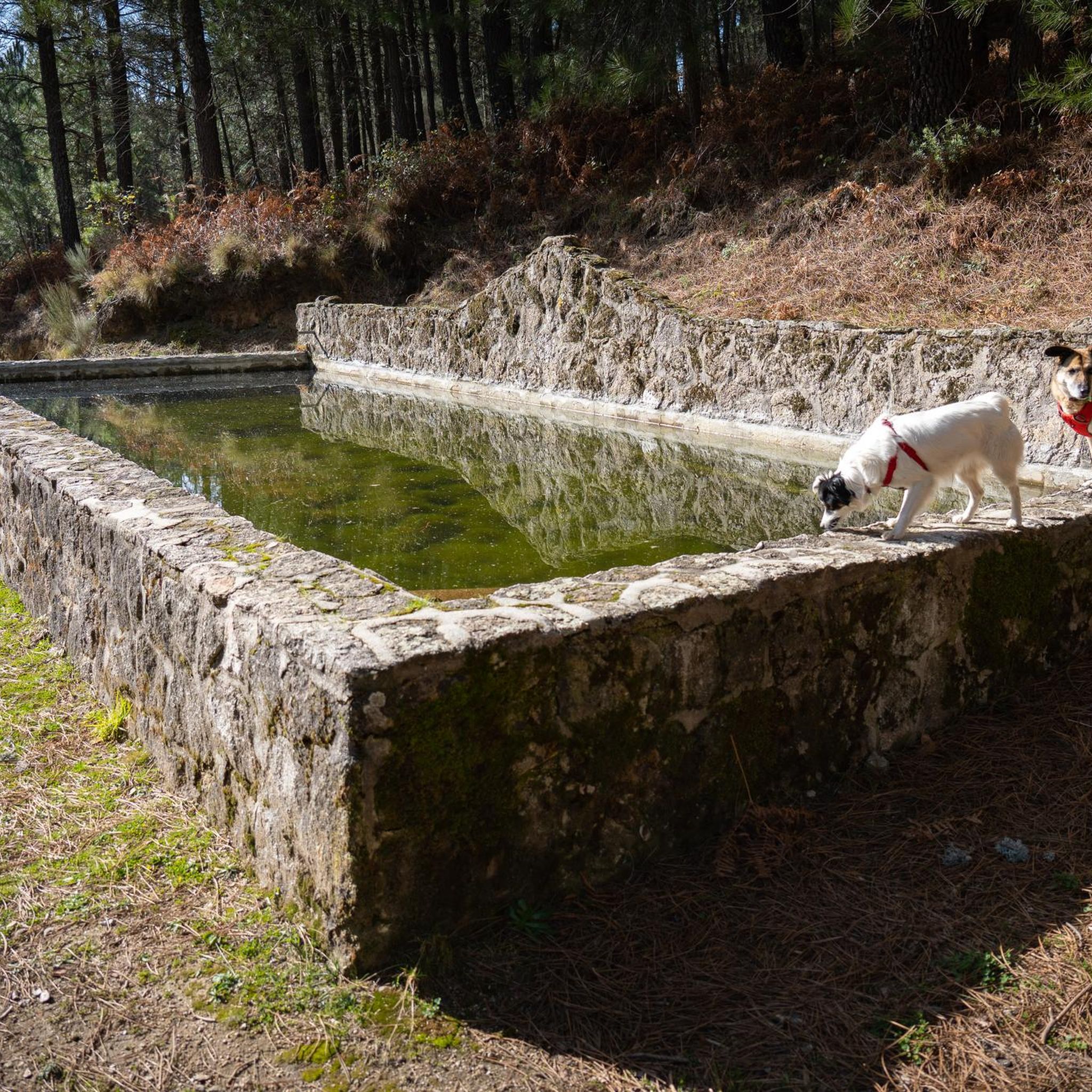
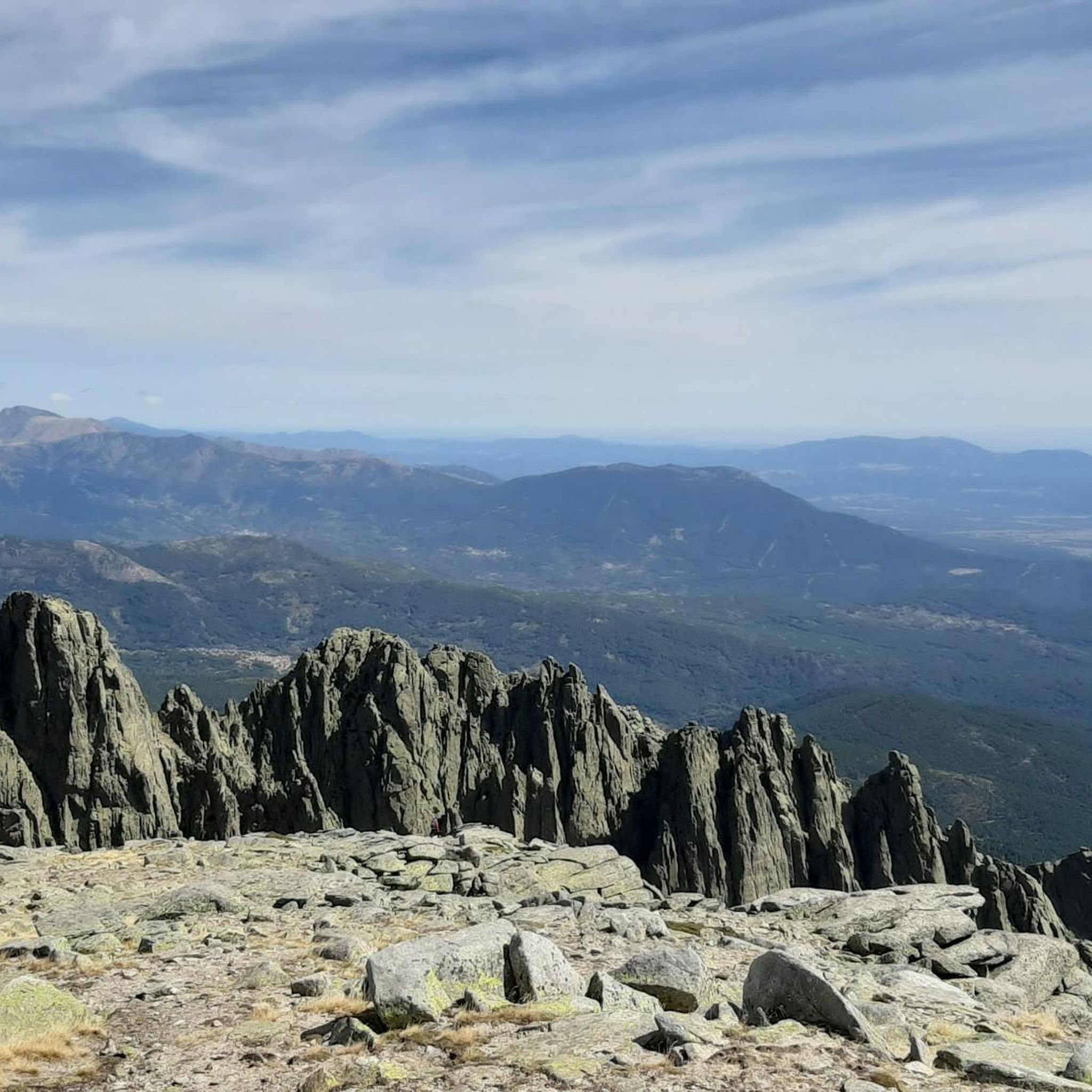
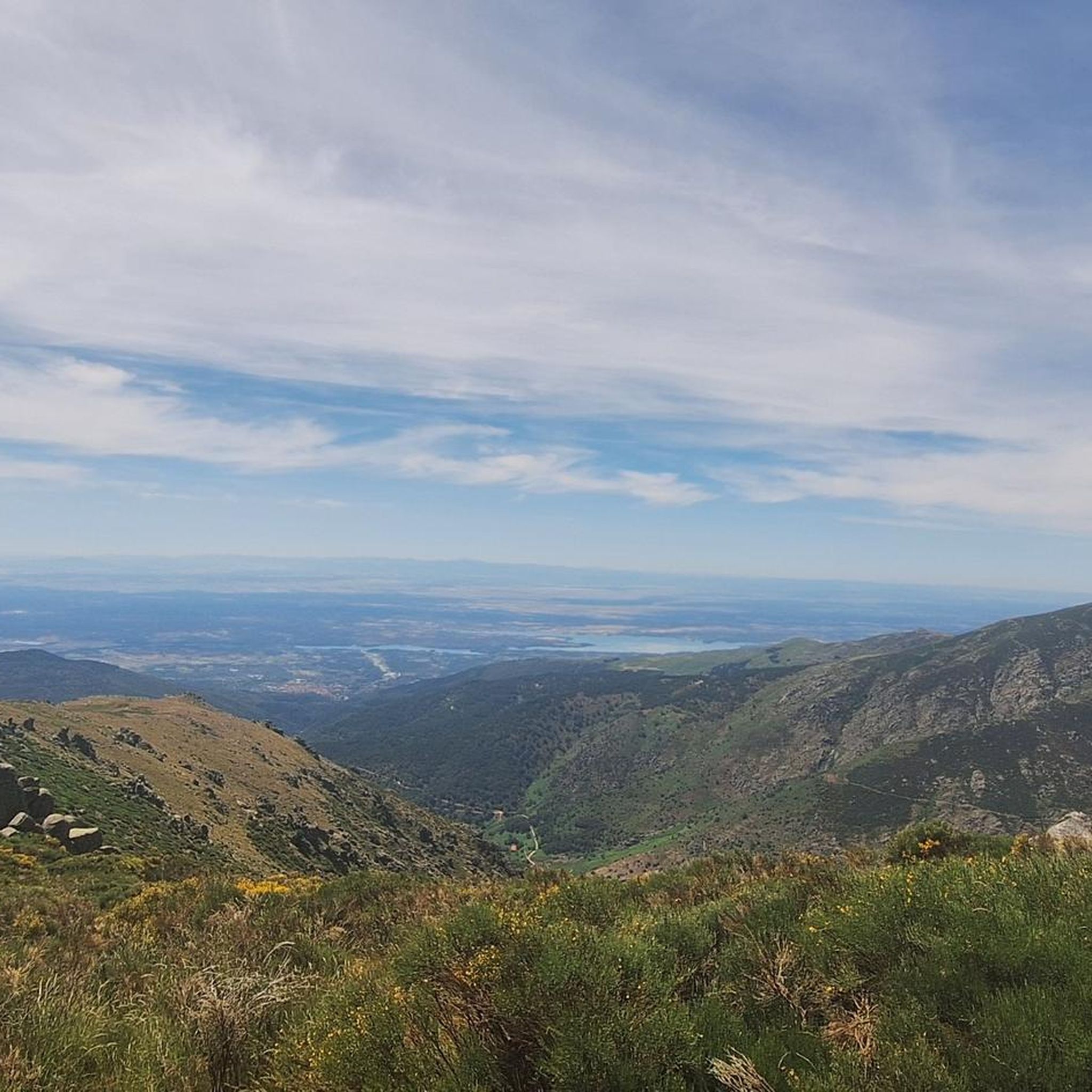
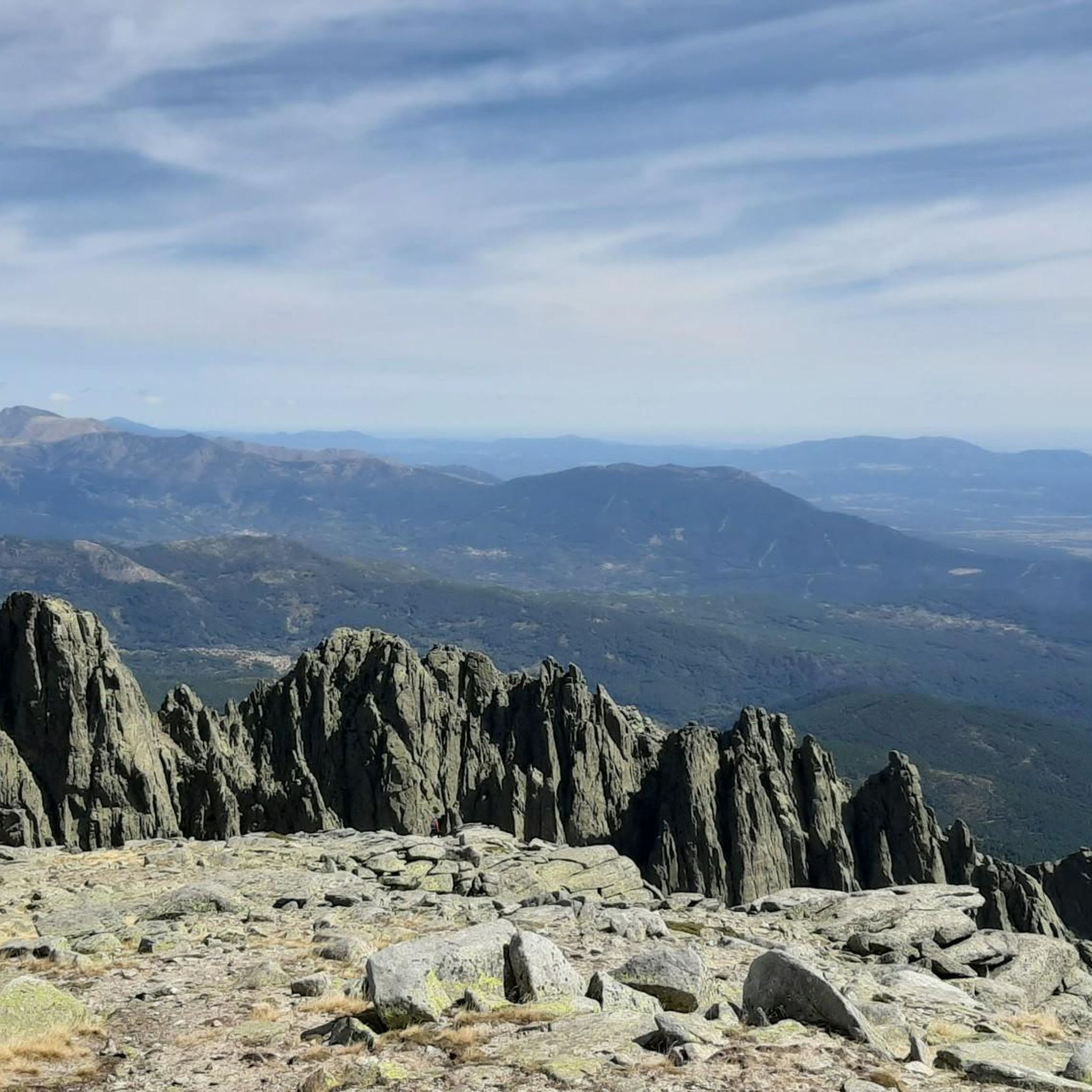


Tips from the Community

This village is located in the Sierra de Gredos mountains (Ávila) and is famous for its natural surroundings, the Castle of Constable Dávalos, the Mosquera Palace, and the Eagle Caves. It is also ideal for hiking and rural tourism.
7
0

Good place to stop for lunch or lodging
0
0
In addition to its extensive heritage, Arenas de San Pedro is a tourist attraction for its famous Eagle Caves, discovered in 1963 and located six kilometers from the town. In its town center, highlights include the Castle of the Triste Condesa, with its large Keep; the 16th-century Gothic Church of Nuestra Señora de la Asunción, with its splendid bell tower; and the palace of Infante Don Luis de Borbón. Also a must-see is the 16th-century Sanctuary of San Pedro de Alcántara, declared a Historic-Artistic Monument in 1972. Located three kilometers from Arenas, it was renovated in the 18th century following the directives of architect Ventura Rodríguez, who built a magnificent funerary chapel. A thornless rosebush grows in the sanctuary's garden, which, according to legend, is a miraculous work of Saint Peter of Alcántara. The Royal Chapel Museum displays interesting collections of liturgical goldsmithing.
3
0

Be careful after passing the monastery, do not miss the sign for La Cruz.
0
1

Since 2010 it has been owned by the Gredos de Montaña Group, when renovations were started to make it more welcoming.
0
0
The castle was built in the 15th century by order of the constable Rui López Dávalos. It is the oldest monument in Arenas de San Pedro, and its construction spans from the end of the 14th century to the beginning of the 15th century. 😊🏰
3
0
Castle built in the 15th century. In the year 1393, King Henry III granted the title of Villa to Arenas de San Pedro, handing over its lordship to Ruy López Dávalos, constable of Castile, who began its construction. It is known as the Castle of the Sad Countess, because after the execution of Don Álvaro de Luna in 1453, Juan II allowed the town to remain in the possession of his widow, Doña Juana de Pimentel, popularly known by this nickname.
10
0
The Aquelcabos Bridge is commonly called a Roman bridge (since it was built on a previous, presumably Roman, bridge). It is the oldest bridge in Arenas de San Pedro. It is expected that it was built in the 11th century, so it is of medieval origin. It was widely used by travelers and nomadic shepherds, paying in advance for the portage or ferry. It consists of three arches, the central one being the largest of all. Its pavement has been restored with paving imitating the original. On both sides there is a stone parapet one meter high and several parts of its layout have been repaired with cement.
10
0
Frequently Asked Questions
What kind of terrain can I expect on running routes around El Hornillo?
Running routes in El Hornillo are characterized by elevated, rugged terrain, offering a midlands setting with significant elevation changes. You'll find many hilly paths suitable for trail running, providing diverse natural scenery.
How many running routes are available in El Hornillo?
There are nearly 50 running routes available around El Hornillo, catering to various fitness levels from moderate to difficult.
Are there any easy jogging routes in El Hornillo for beginners?
While many routes feature significant elevation, there are a few easier options. The region offers a network of routes with varying difficulty levels, including some suitable for beginners, though the overall character is more challenging.
What are some notable landmarks or points of interest I might see while running in El Hornillo?
While jogging, you might encounter historical and natural landmarks. For example, the Aquelcabos Medieval Bridge is a point of interest, and you can also find the San Pedro de Alcántara Sanctuary. The area also features mountain passes like Puerto de Pedro Bernardo and Centenera Pass, offering scenic views.
Are there any circular running routes in El Hornillo?
Yes, many routes in El Hornillo are circular. An example is the Ruta de los Pescadores — circular desde Arenas de San Pedro, which is a difficult 6.9-mile trail.
What do other runners say about the trails in El Hornillo?
The running routes in El Hornillo are highly rated by the komoot community, with an average score of 4.8 stars from over 5 reviews. Runners often praise the varied terrain and natural scenery, making it a popular choice for those seeking a challenging outdoor experience.
Can I find routes with significant elevation gain for a challenging run?
Absolutely. El Hornillo is known for its elevated terrain. For instance, the Refugio Victory loop from Guisando is a difficult 6.1-mile path with an elevation gain of over 2,700 feet (830 meters), perfect for a challenging trail run.
Are there any routes that pass by historical castles?
Yes, the region around El Hornillo features several historical castles. You can explore routes that might take you near the Castle of Arenas de San Pedro or the Castle of the Constable Dávalos.
What is the typical duration for a running route in El Hornillo?
Route durations vary significantly based on distance and difficulty. For example, the Río Cuevas Reservoir – Aquelcabos Medieval Bridge loop from Arenas de San Pedro, a moderate 5.4-mile route, typically takes about an hour to complete, while longer, more difficult trails can take several hours.
Are there any longer running routes for endurance training?
For endurance training, you can find longer routes such as the Arenas de San Pedro – Poza de Quirol loop from Arenas de San Pedro. This difficult trail spans 18.7 miles (30.0 km) and leads through varied landscapes with significant elevation, often completed in about 3 hours 50 minutes.
What kind of natural features define the running experience in El Hornillo?
The running experience in El Hornillo is defined by its midlands setting, characterized by elevated, rugged terrain and a network of hilly paths. You'll encounter diverse natural scenery, making it ideal for trail running and enjoying the outdoors.
Most popular routes around El Hornillo
Most popular attractions around El Hornillo

Get inspired with the komoot mobile app


Explore more
Browse the best Running Trails & Routes in other regions.
