Top 20 Natural Monuments around Alhaurín De La Torre
Best natural monuments around Alhaurín De La Torre offer diverse natural beauty and recreational opportunities. Situated in the Valle del Guadalhorce and on the slopes of the Sierra de Mijas, the area features a rich natural landscape. Visitors can explore mountain ranges, fertile valleys, and tranquil town parks. This region provides various settings for outdoor activities and appreciating scenic views.
Best natural monuments around Alhaurín De La Torre
- The most popular natural monuments is Malaga Park, a forest that…
Last updated: July 1, 2026
Malaga Park
Highlight • Forest
Translated by Google •
Tip by

Translated by Google •
Tip by

Sign up now to discover places like this
Get recommendations on the best single tracks, peaks, & plenty of other exciting outdoor places.
Sign up for free
Seabird Observatory
Highlight • Viewpoint
Translated by Google •
Tip by
Molino de Inca Botanical Garden
Highlight (Segment) • Structure
Translated by Google •
Tip by

Guadalhorce Estuary Nature Reserve
Highlight • Natural Monument
Translated by Google •
Tip by
Sign up for free to discover even more natural monuments around Alhaurín De La Torre.
Sign up for free
Already have an account?
Start today with a free account
Your next adventure awaits.
Login or Signup
Popular around Alhaurín De La Torre
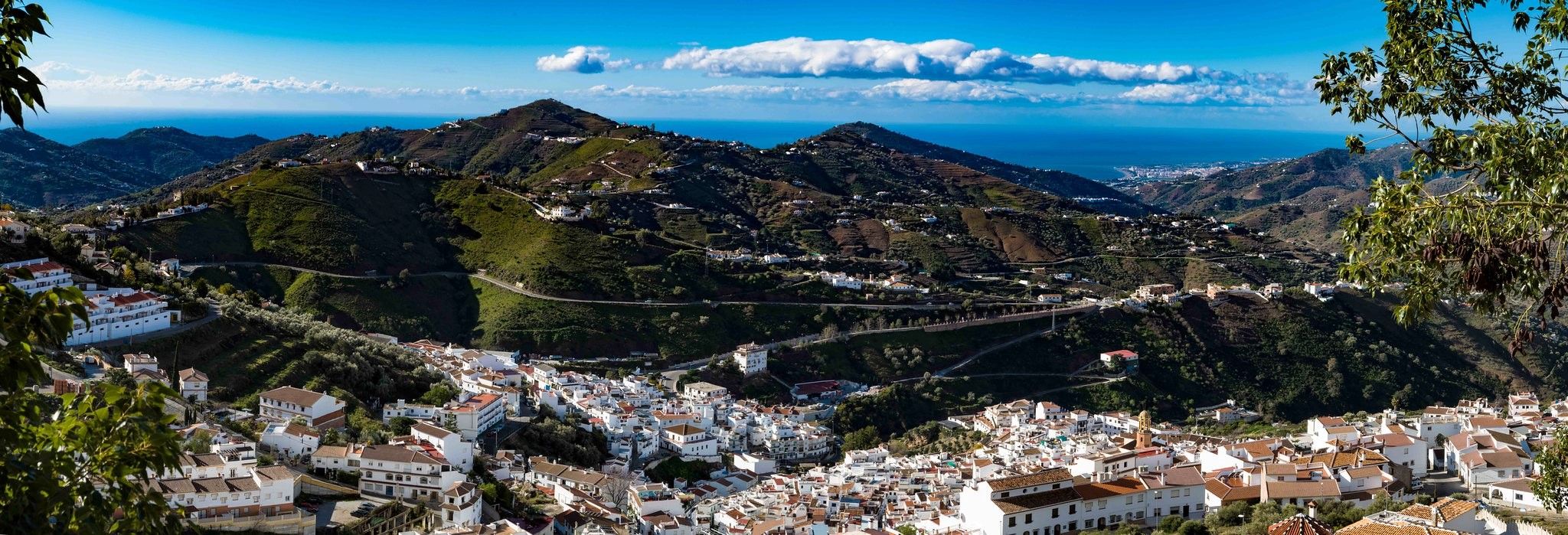
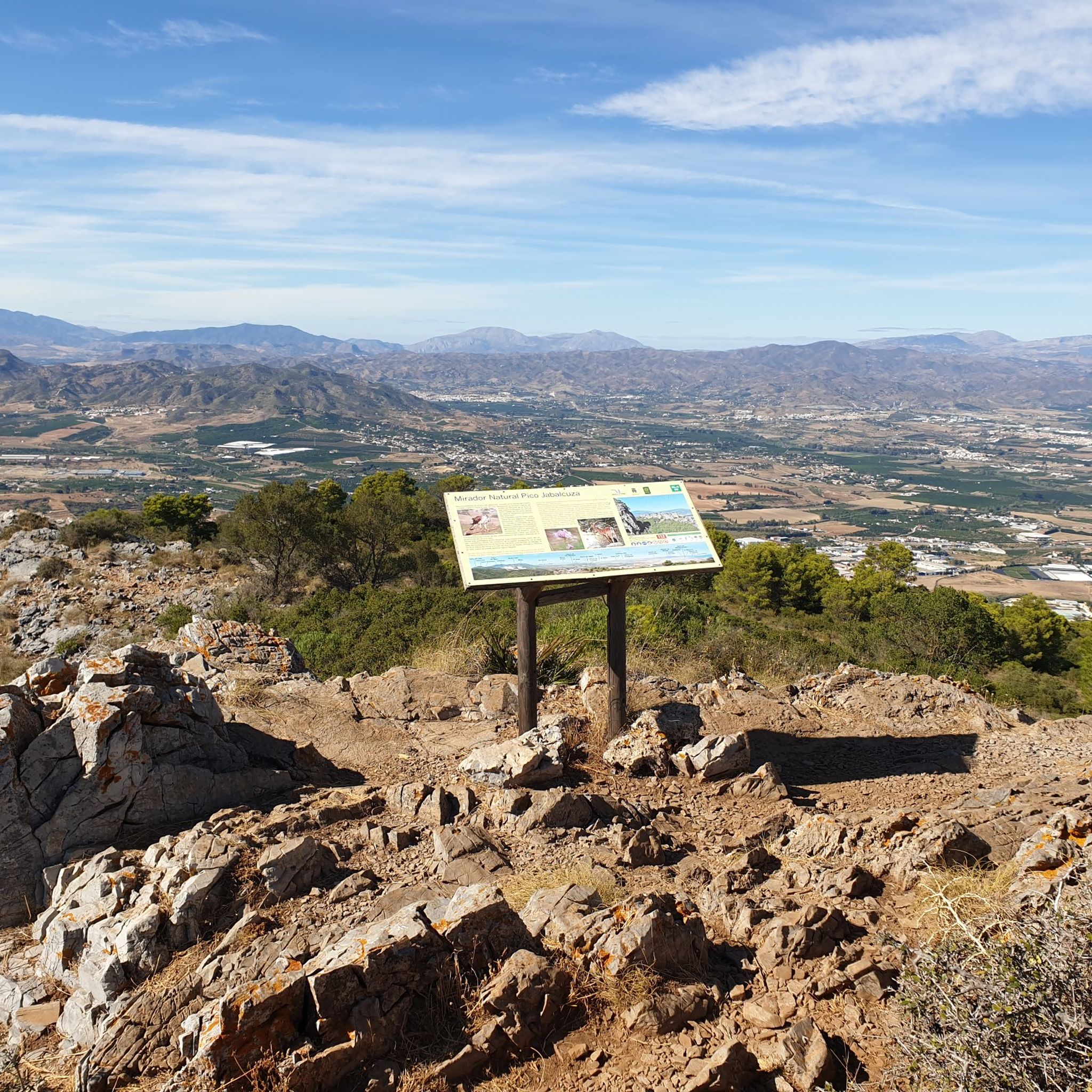
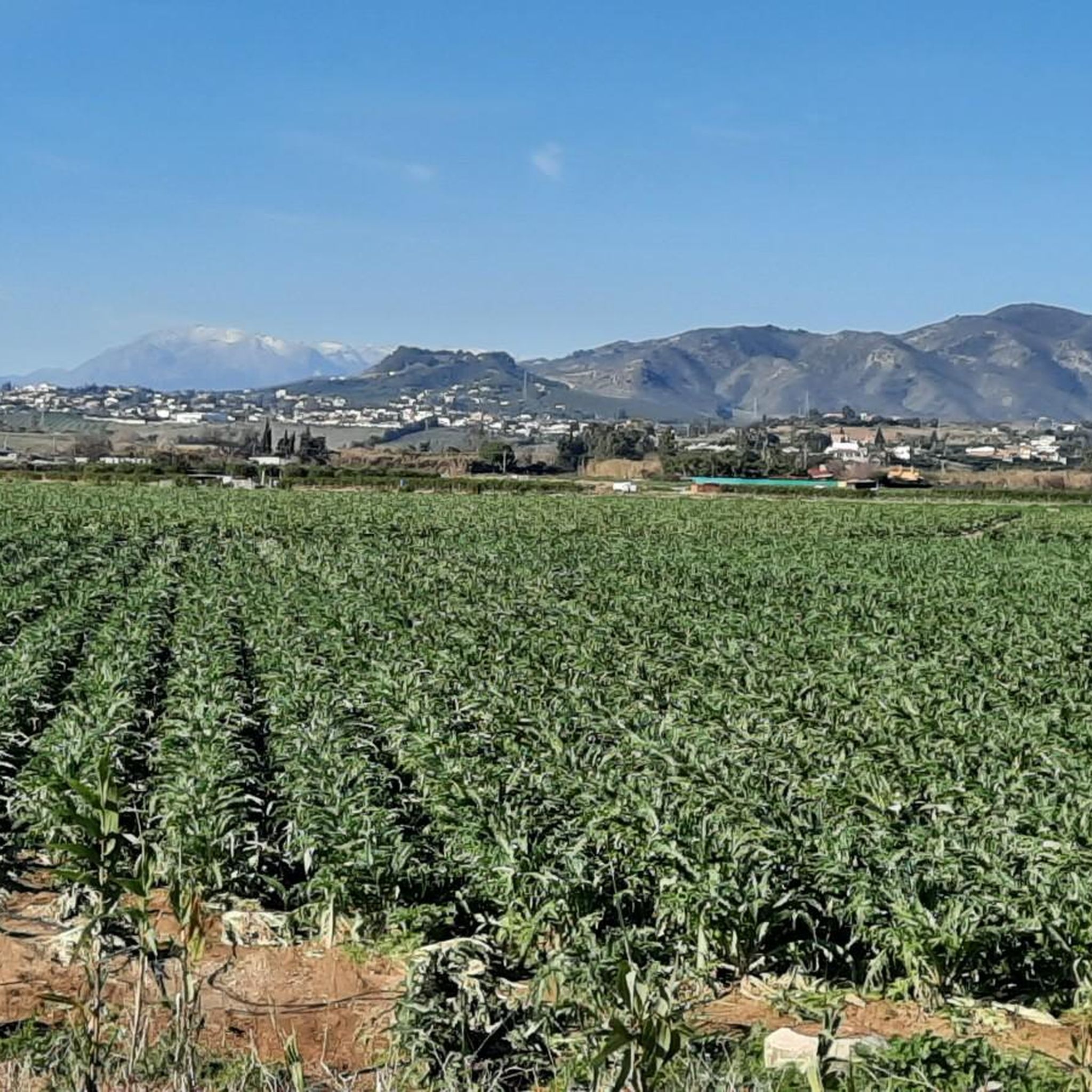

Other adventures around Alhaurín De La Torre

Tips from the Community

The Guadalhorce Estuary, known as the Guadalhorce Natural Park, is a beautiful nature reserve located on the coast of Málaga. This area covers approximately 67 hectares and is an important ecosystem for a wide range of flora and fauna. The estuary is a refuge for several species of birds, including flamingos, herons and wading birds. It is a popular spot for birdwatchers. The area is home to a rich variety of plants and trees, including reed beds, saltwater plants and Mediterranean vegetation. The river splits into several branches before flowing into the Mediterranean Sea, creating several lagoons and wetlands. The nature reserve is open to visitors and offers walking trails and observation points to enjoy the nature without disturbing it.
9
0

The Aves Marinas Gualdemar observation point is a valuable site for birdwatchers, nature lovers, and anyone interested in the biodiversity of the Andalusian coast. It demonstrates the close connection between the natural environment and the biodiversity that makes this region a special destination for nature conservation and ecotourism. The viewpoint is strategically located on the coast and offers uninterrupted views of the Mediterranean Sea. Here, visitors can observe seabirds flying over the water and discover a variety of species that inhabit the area.
6
0
Located at the mouth of the Guadalhorce River near Málaga, the Desembocadura del Guadalhorce Nature Reserve is one of the most important wetlands in Andalusia. This approximately 67-hectare protected area is an important nature reserve, particularly known for its biodiversity and as a refuge for migratory birds. The area consists of several lagoons and river branches that branch off just before the mouth into the Mediterranean. The lagoons provide the ideal habitat for a variety of animal species, especially birds. The Desembocadura del Guadalhorce Nature Reserve is a wonderful example of how natural spaces can be preserved and protected close to cities. It offers both locals and tourists the opportunity to experience a unique natural setting right on the doorstep of Málaga.
9
0
The Rio Guadalhorce is the largest river in the province of Málaga and flows into the Mediterranean southwest of the city of Málaga. The mouth of the Guadalhorce is an ecologically valuable area and is known as the Paraje Natural Desembocadura del Guadalhorce, a protected nature reserve. The Guadalhorce is a typical Mediterranean river. It rises in the Betic Cordillera and flows through an agricultural valley. Before its mouth, the river divides into two branches that shape the delta and the lagoon landscape. In the past, there were floods that were mitigated by river regulation and the construction of dams. Nevertheless, the renaturation and protection of the estuary is a focus of regional environmental policy.
12
0

Super beautiful, if you can enjoy plants, trees, water and peace, the birds are behind bars. Very beautiful place.
0
0

The Desembocadura del Guadalhorce Natural Area covers an area of approximately 67 hectares and belongs entirely to the municipality of Malaga. This space was declared a Natural Area by Law 2/1989 and the Spatial Inventory approved Natural Areas of Andalusia. The lagoon complex at the mouth of the Guadalhorce is framed between the city of Malaga and the sea. Most of its lagoons have their origin in old restored gravel pits and, in addition, it has the longest stretch of beach in a natural state on the entire Malaga coast: Despite its small size, this protected area is of great ornithological interest, due to the variety of habitats, the fact that it is basically made up of permanent wetlands and its proximity to the Strait of Gibraltar, where one of the main migratory routes converges. birds between Europe and Africa. For a better observation of the landscape and fauna of this area, the Ministry of Agriculture, Fisheries and Environment offers five observatories and has marked two hiking trails, the Laguna Grande Trail and the Rio Viejo Trail.
6
0

This seabird observatory marks the end of the last stage of the GR 248 trail (Gran Senda del Guadalhorce) in the southern area, being at the same time an ideal place to rest while listening to the waves. Here, you can enjoy panoramic views of the entire bay of Malaga and its mountains. On the other side, you see the Torremolinos coast fading into the horizon.
2
0

There are many great streets in Malaga.
47
3
Frequently Asked Questions
What types of natural monuments can I explore around Alhaurín De La Torre?
The region around Alhaurín De La Torre offers a diverse range of natural monuments, from lush botanical gardens and expansive parks to significant river estuaries and coastal viewpoints. You can find places like Malaga Park, known for its Mediterranean garden and exotic flora, or the Guadalhorce River Mouth, an important nature reserve for migratory birds.
Are there family-friendly natural monuments in the area?
Yes, several natural monuments around Alhaurín De La Torre are ideal for families. Malaga Park offers benches and a small playground, while the Guadalhorce River Mouth and Guadalhorce Estuary Nature Reserve provide easy walking trails and birdwatching opportunities. The Seabird Observatory is also a great spot for all ages to enjoy coastal views.
What hiking opportunities are available near these natural monuments?
The Sierra de Mijas, which borders Alhaurín de la Torre, offers fantastic hiking opportunities. You can find trails of varying difficulty, including routes like 'Pico Jabalcuza – circular from Alhaurín de la Torre' or the 'Convicts' Trail'. For more detailed information and routes, explore the Hiking around Alhaurín De La Torre guide.
Which natural monuments offer the best viewpoints?
For breathtaking views, visit the Seabird Observatory, which provides uninterrupted views of the Mediterranean Sea and the Bay of Malaga. The Molino de Inca Botanical Garden also features several viewpoints within its beautifully landscaped grounds. Additionally, the Sierra de Mijas offers numerous scenic spots overlooking the Valle del Guadalhorce.
Can I observe wildlife at the natural monuments?
Yes, the Guadalhorce River Mouth and the Guadalhorce Estuary Nature Reserve are particularly valuable for wildlife observation, especially for birdwatching. These protected wetlands are a refuge for migratory birds, including flamingos, herons, and wading birds. The Seabird Observatory is also excellent for spotting seabirds.
Are there any natural monuments suitable for dog walking?
While specific dog-friendly policies can vary, many natural outdoor areas like the trails in the Sierra de Mijas and the general areas around the Guadalhorce River Mouth are often suitable for dogs on a leash. It's always recommended to check local regulations for specific parks or reserves before visiting with your pet.
What is the best time of year to visit the natural monuments around Alhaurín De La Torre?
The spring and autumn months are generally the most pleasant for visiting the natural monuments, as the weather is mild and comfortable for outdoor activities like hiking and exploring. During these seasons, the landscapes are vibrant, and birdwatching opportunities are often at their peak, especially during migration periods at the river estuaries.
Are there cycling routes near the natural monuments?
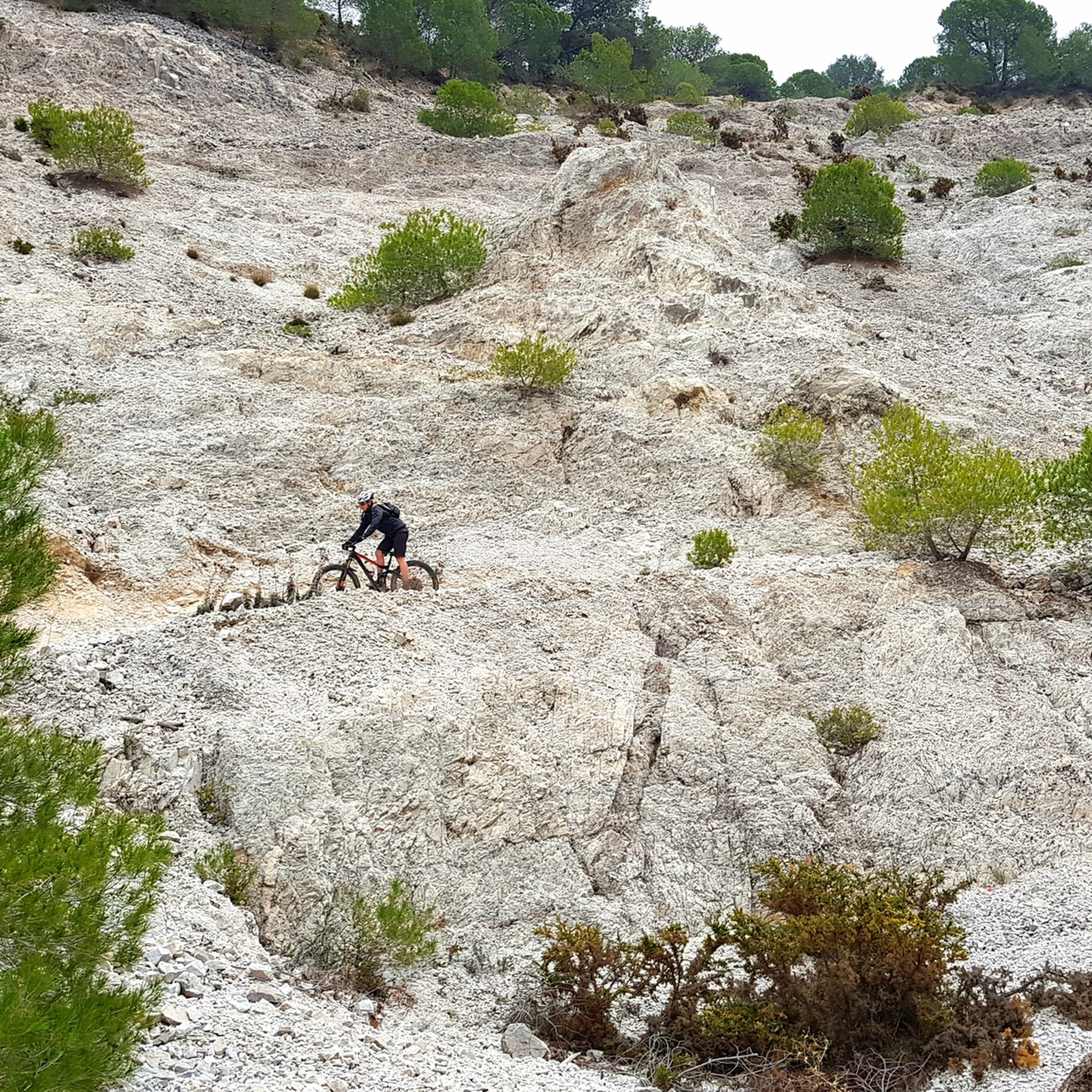
Absolutely. The region offers various cycling opportunities, including gravel biking and mountain biking. You can find routes that pass through scenic areas, such as those around the Guadalhorce River. For detailed routes and difficulty levels, check out the Gravel biking around Alhaurín De La Torre guide and the MTB Trails around Alhaurín De La Torre guide.
What unique natural features can I expect to see?
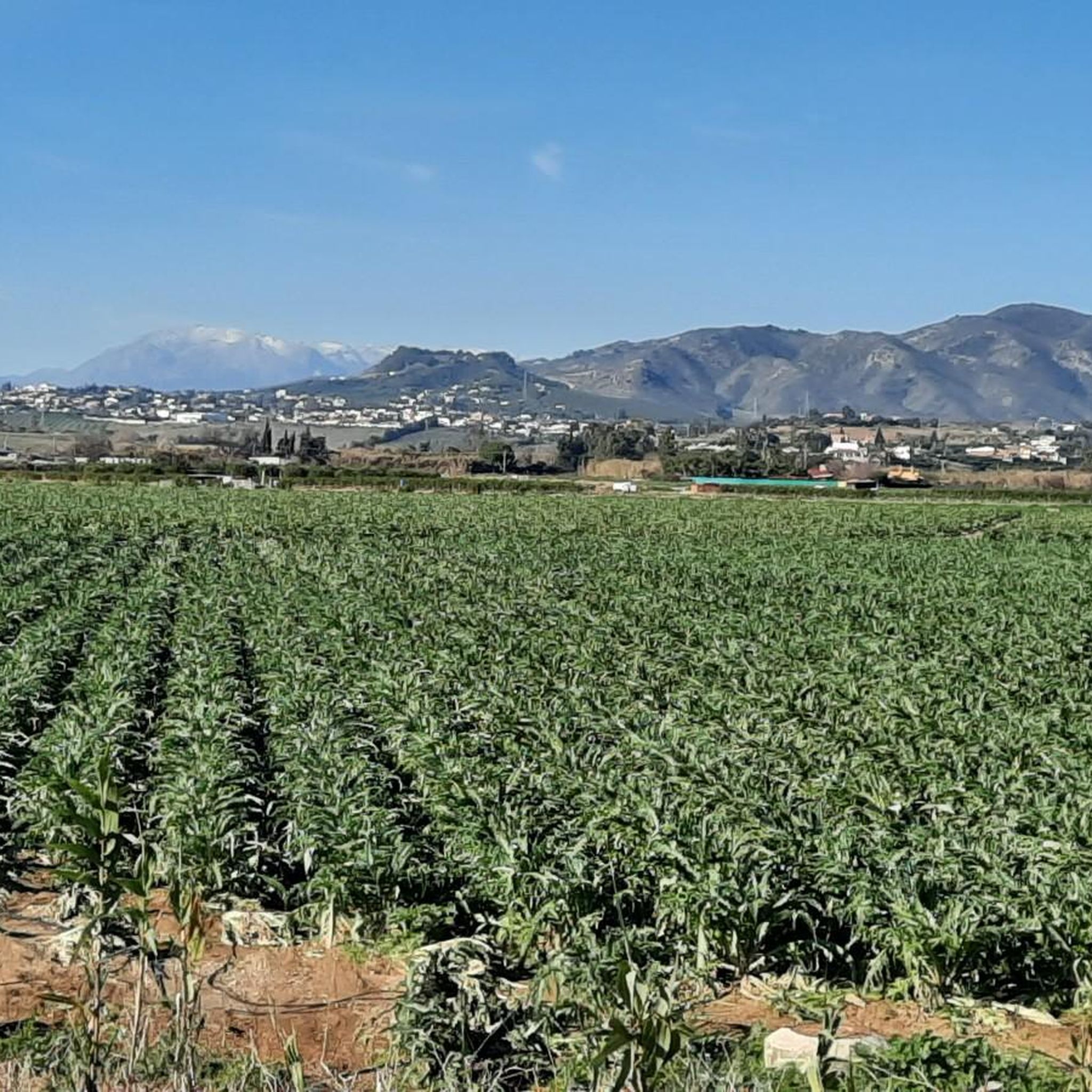
Beyond the specific monuments, Alhaurín de la Torre is nestled in the fertile Valle del Guadalhorce, known for its agricultural landscapes of fruit trees and vegetables. The town also sits on the slopes of the Sierra de Mijas, offering impressive peaks and fragrant air from avocado and citrus plantations. Within the town, the Jardín Oriental Bienquerido provides a unique Japanese-inspired garden experience with pagodas and ponds.
Are there any less crowded natural attractions to visit?
While popular spots can attract visitors, the expansive nature of the Sierra de Mijas and the various trails within the Guadalhorce Estuary Nature Reserve offer opportunities for quieter exploration, especially during weekdays or outside of peak tourist hours. The local parks like Jardín Oriental Bienquerido can also provide peaceful retreats.
What amenities are available near the natural monuments?
Many natural monuments, especially those closer to urban areas like Malaga Park or the Molino de Inca Botanical Garden, are typically near cafes, restaurants, and public transport options. For more remote trails in the Sierra de Mijas, it's advisable to carry your own provisions, though some trailheads might have small local establishments nearby.
How long should I plan for a visit to these natural monuments?
The duration of your visit depends on the specific monument and your activity. For places like Malaga Park or the Molino de Inca Botanical Garden, a couple of hours might suffice for a leisurely stroll. For the Guadalhorce Estuary Nature Reserve, you could spend half a day exploring the trails and observatories. Hiking in the Sierra de Mijas can range from a few hours to a full day, depending on the chosen route.
Most popular routes around Alhaurín De La Torre
Most popular attractions around Alhaurín De La Torre

Get inspired with the komoot mobile app


Explore more
Extend your search for the best caves by checking out these guides of the top ones around Alhaurín De La Torre:
