Top 9 Natural Monuments around Villalcampo
Best natural monuments around Villalcampo are found within the Arribes del Duero Natural Park, a protected area in the province of Zamora, Spain. This region is characterized by dramatic landscapes shaped by the Duero River and its tributaries, forming a natural border with Portugal. It features impressive canyons, diverse wildlife, and unique geological formations. The area offers several notable natural monuments for exploration.
Best natural monuments around Villalcampo
- The most popular natural monuments is São João das Arribas Viewpoint,…
Last updated: July 1, 2026
Abelón Waterfall
Highlight • Waterfall
Translated by Google •
Tip by

São João das Arribas Viewpoint
Highlight • Viewpoint
Translated by Google •
Tip by
Sign up now to discover places like this
Get recommendations on the best single tracks, peaks, & plenty of other exciting outdoor places.
Sign up for free
Viewpoint of the Confluence of the Esla and Duero Rivers
Highlight • Viewpoint
Translated by Google •
Tip by

Ricobayo Reservoir
Highlight • Lake
Translated by Google •
Tip by
Cadozos Waterfall
Highlight • Waterfall
Translated by Google •
Tip by
Sign up for free to discover even more natural monuments around Villalcampo.
Sign up for free
Already have an account?
Start today with a free account
Your next adventure awaits.
Login or Signup

Tips from the Community

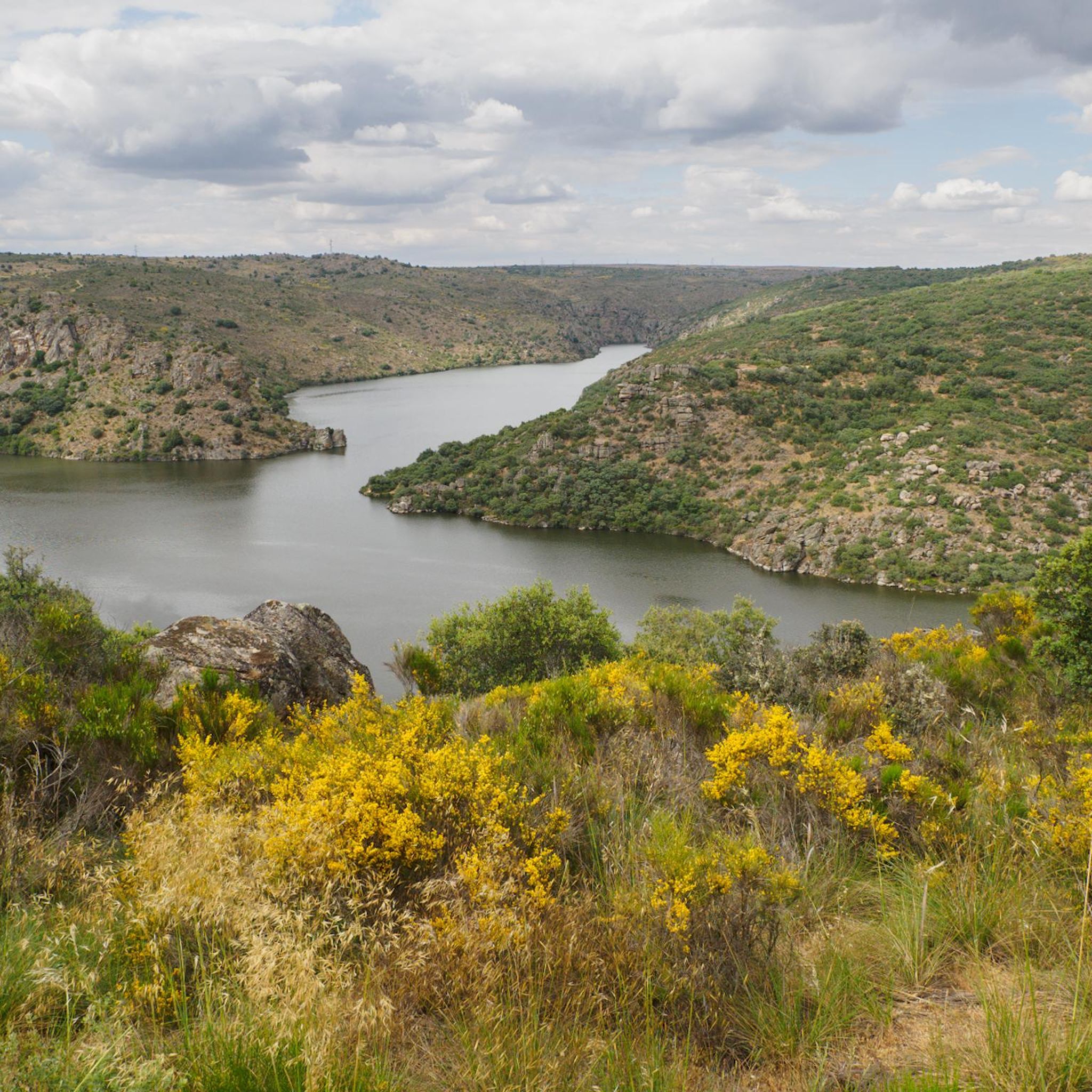
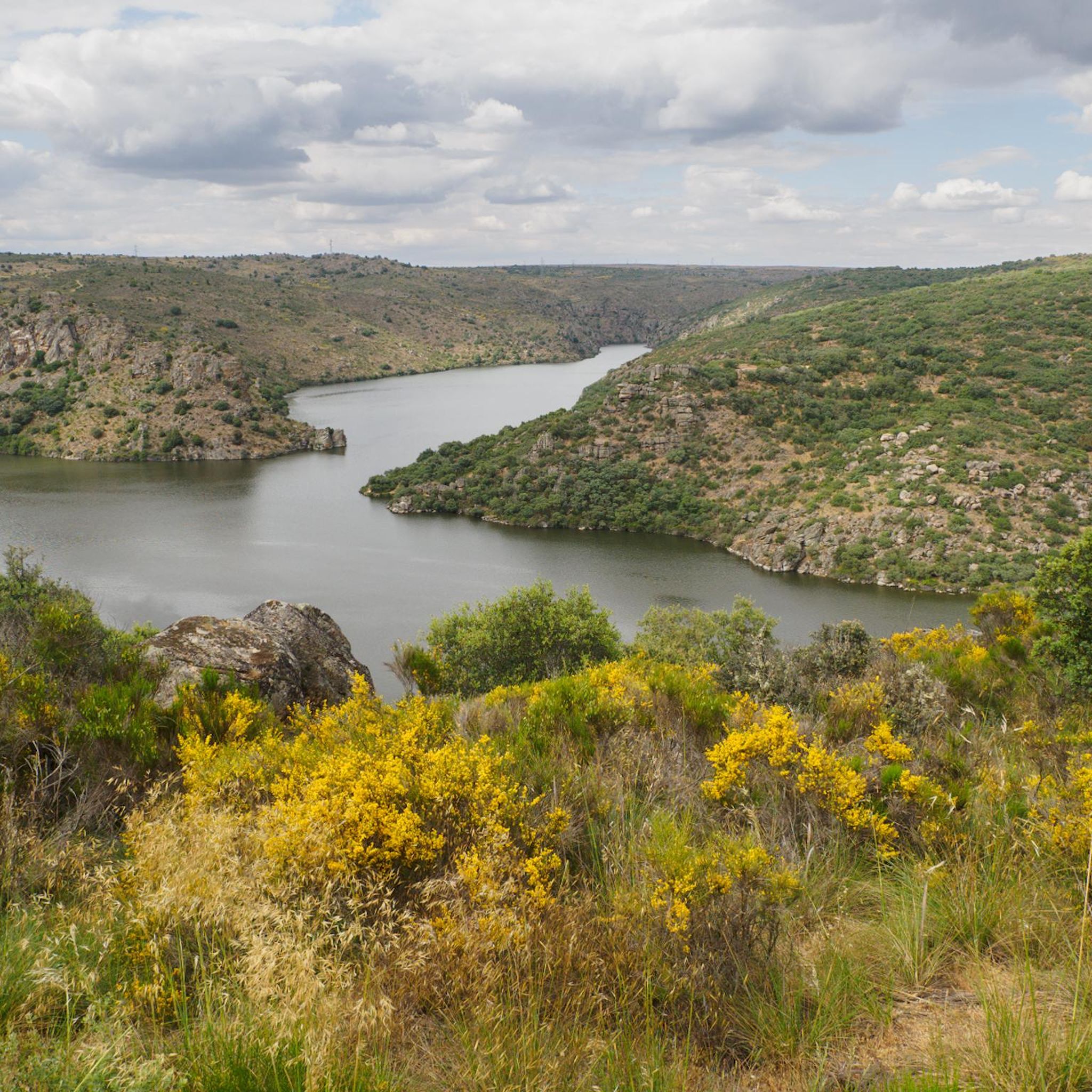
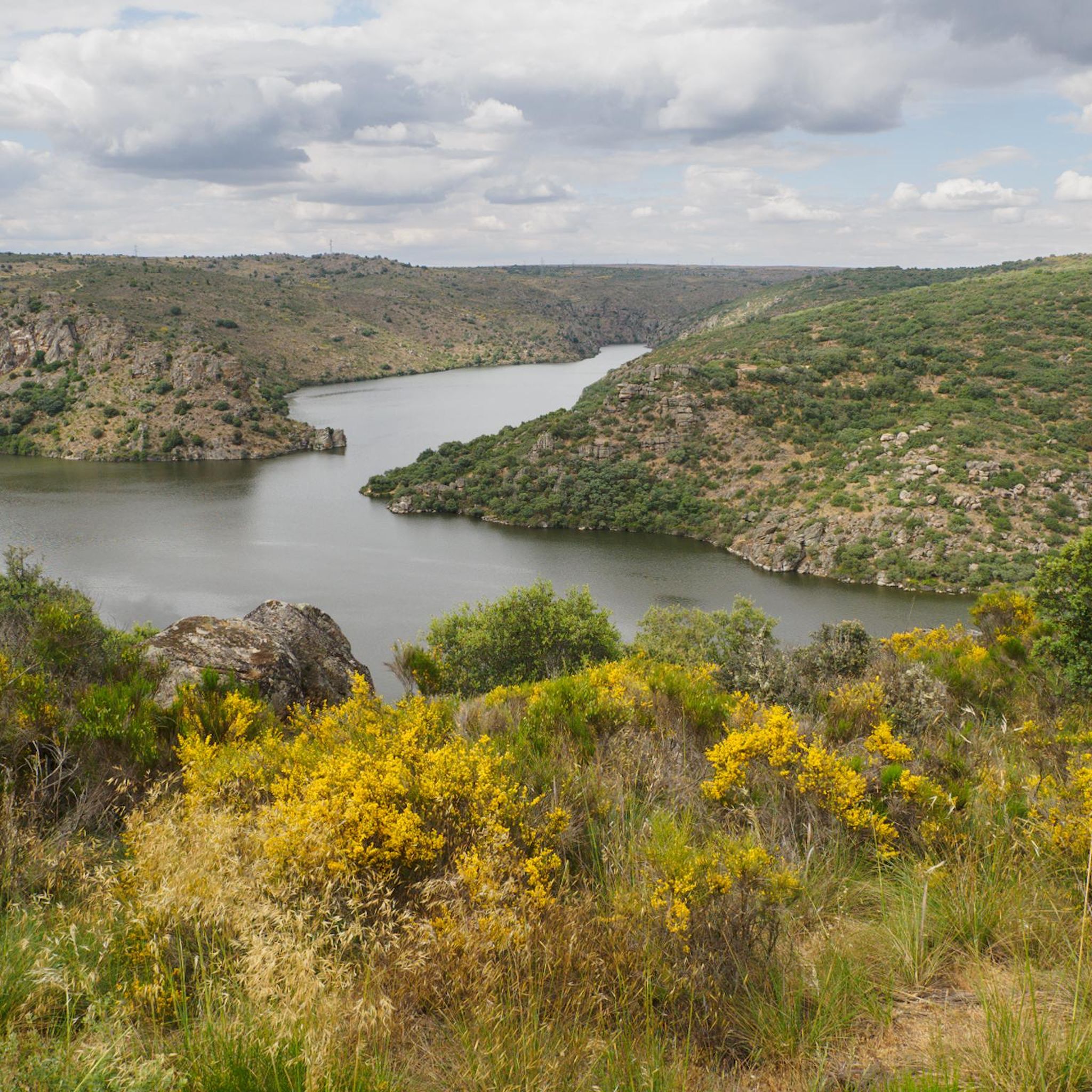
The Ricobayo Reservoir, also known as Salto de Ricobayo or Embalse del Esla, is an impressive hydroelectric engineering project located on the Esla River, less than 1 km from Ricobayo de Alba, in the municipality of Muelas del Pan. The reservoir is located in the area known as the Arribes del Esla, a deep geographic depression with spectacular landscapes.
1
0
The Cadozos Waterfall, located in Muelas del Pan (Zamora), is a little-known but very special natural spot, ideal for hiking and nature lovers. It's a seasonal waterfall, meaning its flow depends on rainfall, being most spectacular in spring or after days of heavy rain.
1
0

This viewpoint over the Duero and its cliffs is very close to the town of Aldeia Nova. From the centre of the town you have to descend about 2 km until you reach the hermitage and the viewpoint. If you arrive by car, you can leave it at the exit of the town and you will only have to walk 1 km to reach the viewpoint.
0
0
The Miradouro da Capela de São João das Arribas is located in the Douro International Natural Park, near the Aldeia Nova. This viewpoint offers stunning views of the Douro River and the rugged rock formations that surround it.
8
0
The Miradouro da Capela de São João das Arribas is located in the Douro International Natural Park, near the Aldeia Nova. This viewpoint offers stunning views of the Douro River and the rugged rock formations that surround it.
9
0

Steep gravel path but worth it
1
0
The Abelón Waterfall is a natural treasure in the Sayago region, on the Zamora slope of the Arribes del Duero. This beautiful waterfall, formed by three torrents of water that fan out, is one of the most popular waterfalls in the area.
4
0

The waterfall enclave is well worth the walk. Although we have seen it without water (May 2023) we have loved the place. The remains of the flour mills that once existed in this area give an idea of what it was like for the people of this land.
1
0
Frequently Asked Questions
What are some of the most popular natural monuments around Villalcampo?
Visitors frequently enjoy the São João das Arribas Viewpoint for its stunning panoramic views of the Douro River canyon. The Abelón Waterfall is also a favorite, especially during the thaw season, offering a picturesque setting with historical mill remnants. Another highly appreciated spot is the Viewpoint of the Confluence of the Esla and Duero Rivers, where you can observe the two rivers merging.
What kind of natural features can I expect to see in the Villalcampo area?
The region is characterized by dramatic landscapes shaped by the Duero River and its tributaries, featuring impressive canyons, rugged rock formations, and significant waterways. You'll encounter beautiful waterfalls like the Abelón Waterfall and the seasonal Cadozos Waterfall, as well as large reservoirs such as the Ricobayo Reservoir, all set within the Arribes del Duero Natural Park.
When is the best time to visit the natural monuments around Villalcampo?
The thaw season (typically late winter to spring) is ideal for experiencing the waterfalls, such as the Abelón Waterfall, at their most abundant flow. Spring and autumn generally offer pleasant temperatures for hiking and enjoying the viewpoints, with lush greenery or vibrant fall colors. Summers can be hot, but are suitable for early morning or late afternoon visits.
What wildlife can be observed in the natural monuments area?
The Arribes del Duero Natural Park is a haven for diverse wildlife. You can spot large birds of prey like Egyptian vultures, griffon vultures, and red kites soaring over the canyons. The black stork also nests in the vertical walls where the Esla and Duero rivers meet. Mammals such as otters, martens, foxes, and wild boars inhabit the area, benefiting from the Mediterranean microclimate.
Are there any historical or cultural sites associated with these natural monuments?
Yes, several natural monuments have historical connections. Near the Abelón Waterfall, you can find the remains of old flour mills, including a rare bucket mill, that once harnessed the water's power. The São João das Arribas Viewpoint, while primarily natural, also features a historical 'castro' (an Iron Age settlement) and a chapel, adding a cultural dimension to the natural spectacle.
What outdoor activities can I do near these natural monuments?
The area around Villalcampo is excellent for various outdoor activities. You can explore numerous hiking trails, such as the 'Abelón's Waterfalls and San Vicente Hermitage Viewpoint' route. There are also dedicated routes for running and mountain biking. For more details on routes, check out the Hiking around Villalcampo, Running Trails around Villalcampo, and MTB Trails around Villalcampo guides.
Are there hiking trails suitable for different skill levels near the natural monuments?
Yes, you'll find a range of hiking options. For an easy walk, consider the 'Abelón's Waterfalls and San Vicente Hermitage Viewpoint' circular route from Abelón. Many trails are rated as moderate, such as the 'Route of the Perones and Cadozos waterfall' or 'Peña el Carro and banks of the Duero River'. Some highlights, like the Abelón Waterfall, can involve challenging descents to the bottom, especially when wet. Always check route details for difficulty before heading out.
Are there any natural monuments that are particularly good for photography?
Absolutely. The São João das Arribas Viewpoint offers breathtaking panoramic vistas, perfect for landscape photography, especially at sunrise or sunset. The Abelón Waterfall, with its three fanning torrents and historical mill ruins, provides excellent opportunities for nature and detail shots. The dramatic canyons and river confluences also make for striking compositions.
What should I wear when visiting the natural monuments?
Given the varied terrain and potential for hiking, comfortable and sturdy footwear is essential. Layers are recommended as temperatures can change, especially in the canyons. A hat, sunscreen, and plenty of water are advisable, particularly during warmer months. If visiting waterfalls during the thaw, waterproof gear might be useful, and be aware that paths can be slippery.
Is the Villalcampo Reservoir worth visiting, and what can I see there?
While a man-made structure, the Villalcampo Reservoir is integrated into the natural environment of the Arribes del Duero Natural Park and offers unique natural aspects. It provides opportunities for observing local wildlife and serves as a scenic backdrop. The broader park area around the reservoir supports diverse flora, including orange, almond, olive, and vineyards, making it a pleasant area for a visit.
What makes the Arribes del Duero Natural Park unique for natural monuments?
The Arribes del Duero Natural Park is unique due to its dramatic geological formations, primarily the deep canyons carved by the Duero River and its tributaries, which form a natural border with Portugal. This creates a distinctive microclimate supporting rich biodiversity, including rare bird species and Mediterranean flora. The combination of impressive river landscapes, waterfalls, and viewpoints makes it a truly special area for natural monuments.
Can I find viewpoints that offer views of both Spanish and Portuguese landscapes?
Yes, the São João das Arribas Viewpoint, though technically on the Portuguese side, provides magnificent panoramic views of the Douro River canyon stretching into both Portugal and Spain. It's an excellent spot to appreciate the shared natural beauty of the border region.
Most popular attractions around Villalcampo

Get inspired with the komoot mobile app


Explore more
Extend your search for the best caves by checking out these guides of the top ones around Villalcampo:
