Top 20 Natural Monuments around Valle De Losa
Natural monuments around Valle De Losa showcase a landscape rich in geological formations and natural beauty within the province of Burgos, Spain. The region features mountain ranges with distinctive cuesta relief, dramatic cliffs, and karst landscapes characterized by caves, sinkholes, and chasms. Water erosion has sculpted many of these features, creating diverse ecosystems and scenic vistas. This area offers opportunities for outdoor activities and exploration of its varied topography.
Best natural monuments around Valle De Losa
- The most popular natural…
Last updated: July 1, 2026
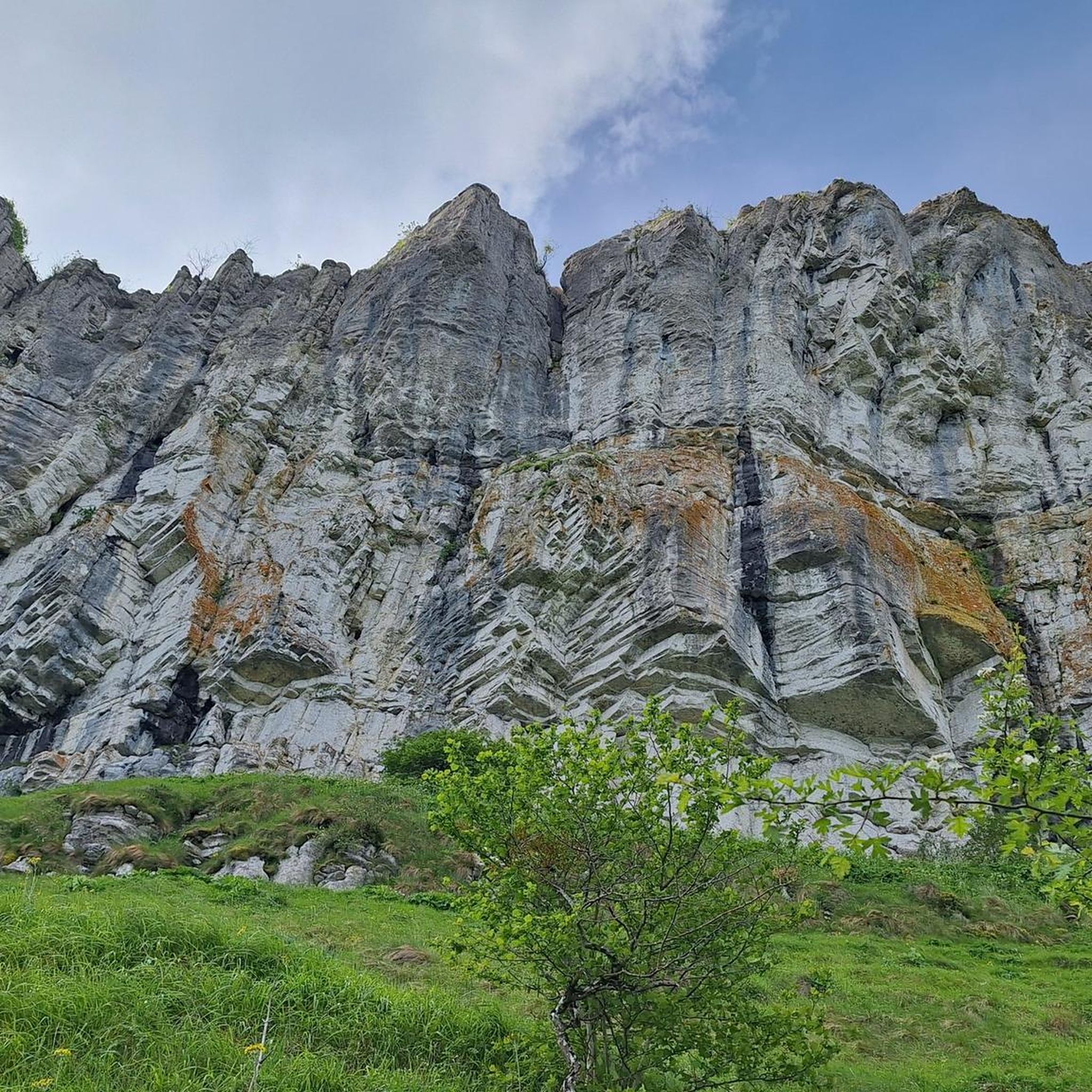
Views of Pico del Fraile
Highlight • Summit
Translated by Google •
Tip by

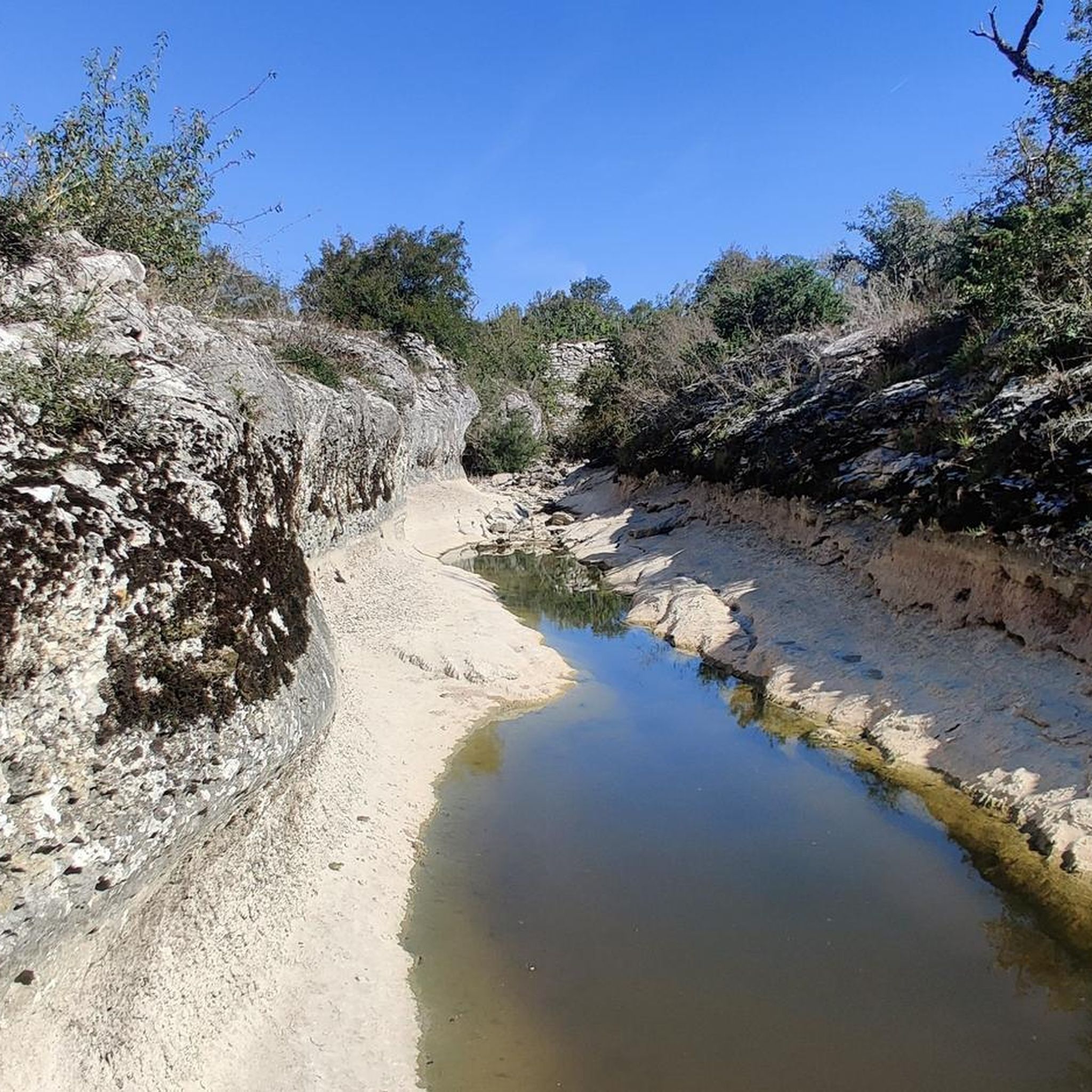
Purón River Gorge
Highlight (Segment) • Gorge
Translated by Google •
Tip by

Sign up now to discover places like this
Get recommendations on the best single tracks, peaks, & plenty of other exciting outdoor places.
Sign up for free
Nervión River
Highlight • Waterfall
Translated by Google •
Tip by
Santiago Spring
Highlight • Natural Monument
Translated by Google •
Tip by

Nervión Waterfall
Highlight • Waterfall
Translated by Google •
Tip by

Sign up for free to discover even more natural monuments around Valle De Losa.
Sign up for free
Already have an account?
Start today with a free account
Your next adventure awaits.
Login or Signup
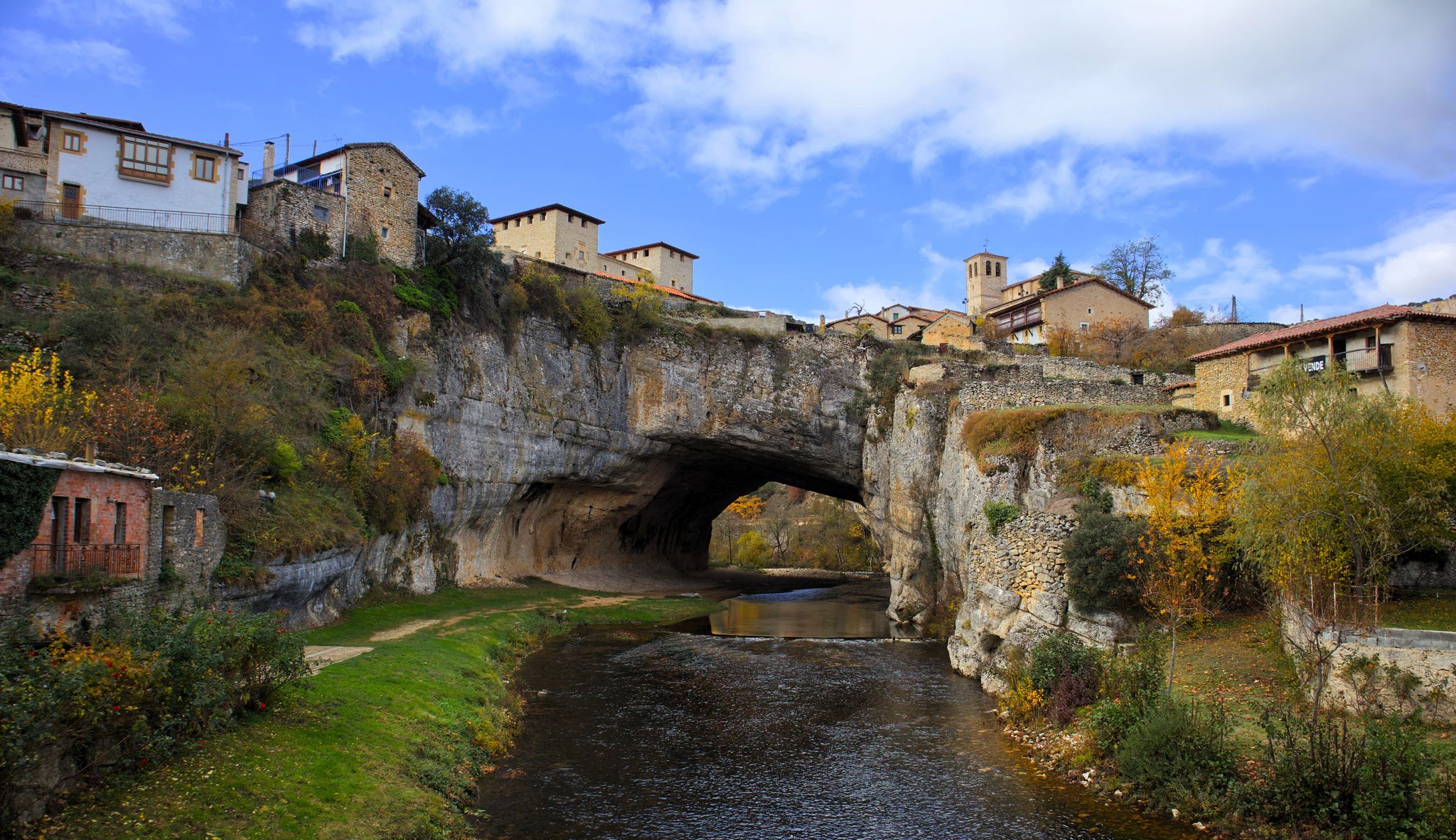

Other adventures around Valle De Losa

Tips from the Community

A nice area for activities.
1
0

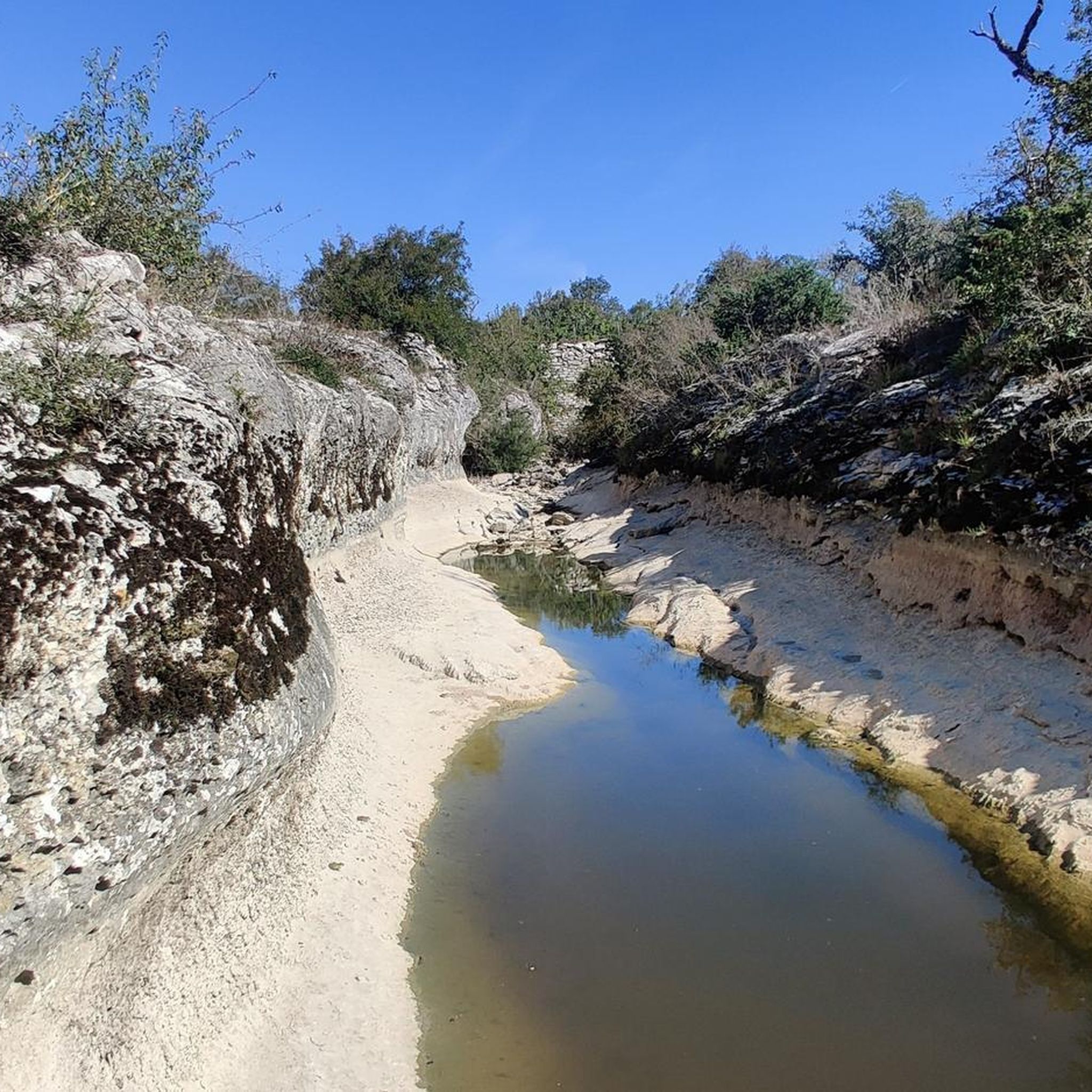
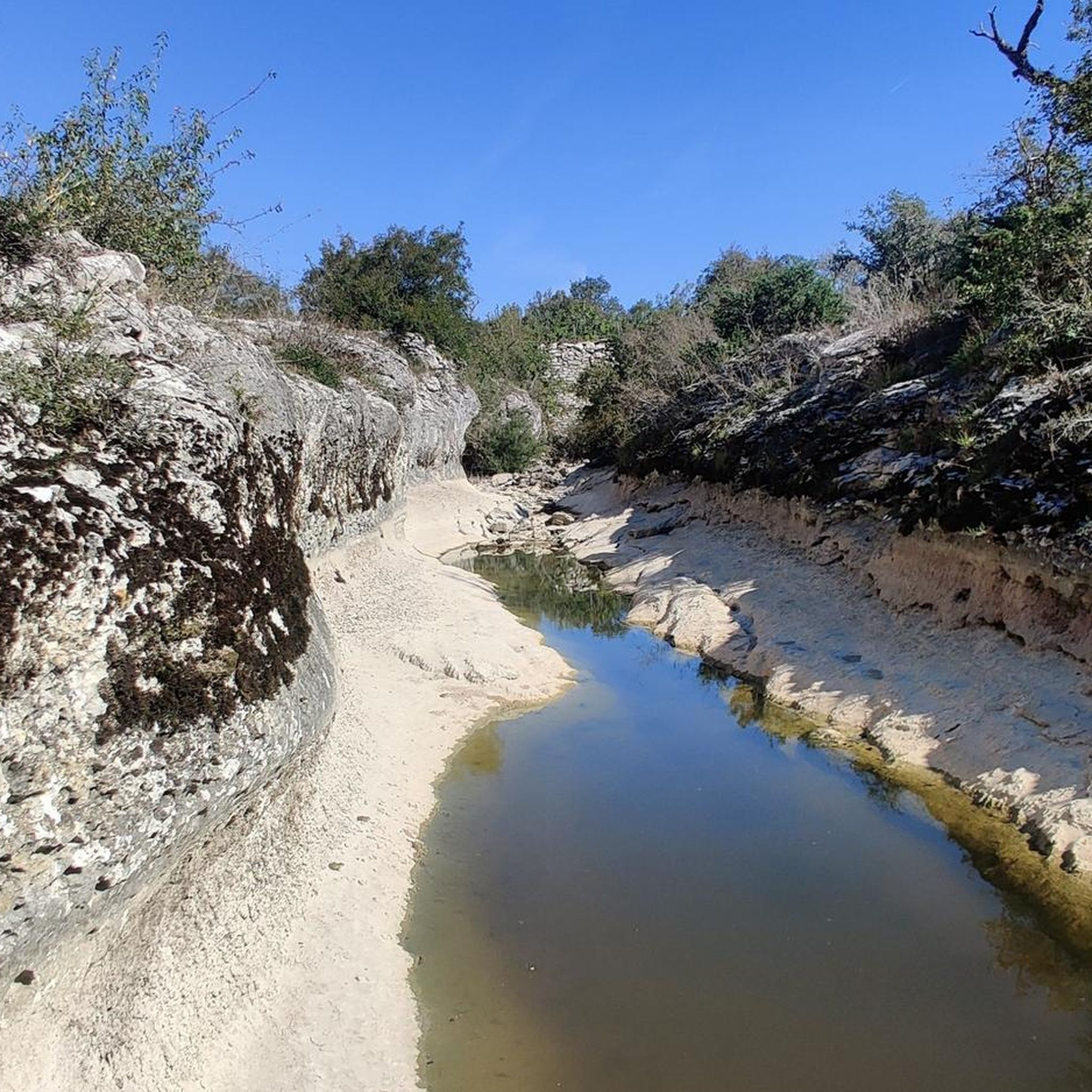
Gorge eroded by the Puron River creating a privileged environment with its pools and waterfalls.
0
1

Pico del Fraile (864 m) is a mountain in the Cordillera. There is a path to the top. The nearest mountain refuge is Refugio del Tolope, located 1,037 m/3,402 ft NNW from the summit.
3
0
After rain you can have a beautiful 222 meter high waterfall in a picturesque setting with cycling and walking paths and monastery ruins. Beautiful to look at, even without water.
1
0

Small environment equipped with fences and bridges, to see the fountain and the small karst spring.
2
0

Impressive views, very bearable route but the jump has to be caught with water
2
0

Nice stretch bordering the river without difficulty.
1
0

The fountain of Santiago is part of the natural monument of Monte Santiago. It is a spring of water that quickly disappears behind some rocks. Nearby are the ruins of a monastery, an interpretation center and a beech forest with a monumental specimen.
2
0
Frequently Asked Questions
What unique geological features can I explore in Valle de Losa?
Valle de Losa is rich in geological formations, including distinctive cuesta relief, dramatic northern cliffs, and extensive karst landscapes. These areas feature numerous caves, sinkholes (dolines), and chasms carved by water erosion. You can also find striking monoliths like Pico del Fraile, offering spectacular panoramic views.
Are there any impressive waterfalls to visit in the region?
Yes, the region is known for its waterfalls. The Nervión River features an impressive waterfall, particularly spectacular after heavy rain or during thaw. When conditions are right, strong winds can even make the water appear to rise upwards. Another notable waterfall is the San Miguel Waterfall, which is approximately 200 meters high and most impressive during snowmelt or heavy rainfall.
What are some family-friendly natural monuments or activities in Valle de Losa?
For a family-friendly experience, the Purón River Gorge offers a scenic and easy route with waterfalls and cascades, including opportunities to descend to the riverbed. The Santiago Spring area is also family-friendly, featuring a small environment with fences and bridges to explore the spring and nearby ruins.
What kind of hiking trails are available near the natural monuments?
Valle de Losa offers a variety of hiking trails. You can find moderate routes like the circular climb to Peña Colorada via the Ermita de Nuestra Señora de las Nieves, or the San Miguel El Viejo Cave – San Miguel Waterfall loop. For more options, explore the hiking guide for Valle de Losa, which includes routes of varying difficulty.
Can I find cycling routes around the natural monuments?
Absolutely. The region provides diverse cycling opportunities. For instance, you can find challenging routes such as the Salto del Nervión Viewpoint – Views of Pico del Fraile loop from Orduña, or the Ordunte Reservoir loop. More cycling routes are detailed in the cycling guide for Valle de Losa.
Are there any historical sites connected to the natural landscape?
Yes, the natural landscape often intertwines with history. On the ascent to Pico del Fraile, you can find the 19th-century Túnel de la Complacera, an old engineering work that facilitated trade. Additionally, near the Santiago Spring, you can explore the ruins of a monastery, adding a historical dimension to your visit.
What is the best time of year to visit the natural monuments in Valle de Losa?
The best time to visit often depends on what you want to see. Waterfalls like the Nervión and San Miguel are most impressive during periods of snowmelt or heavy rainfall, typically in late winter or spring. For hiking and general exploration of the karst landscapes and viewpoints, spring and autumn offer pleasant temperatures and vibrant scenery. Summer can also be good, but some waterfalls might have less water.
What kind of wildlife can I expect to see in the natural monument areas?
The mountain ranges of Montes de la Peña and Sierra Salvada are recognized for their rich biodiversity, boasting one of the largest and most diverse reserves of flora and fauna on the Iberian Peninsula. These areas are ideal for wildlife observation, offering opportunities to spot various plant and animal species within their diverse ecosystems.
Are there any hidden gems or less-known natural spots worth exploring?
While not a hidden gem in the traditional sense, the source of the Jerea River, fed by the Cueva del Agua spring near Pico del Fraile, is an interesting hydrological feature known for its irregular flow. Exploring the extensive karst formations in Montes de la Peña and Sierra Salvada can also lead to discovering unique geological wonders off the main paths.
What do visitors enjoy most about the natural monuments in Valle de Losa?
Visitors frequently praise the spectacular panoramic views, especially from summits like Pico del Fraile. The scenic beauty of routes like the Purón River Gorge, with its waterfalls and cascades, is also highly appreciated. Many are impressed by the sheer height and grandeur of the waterfalls, particularly after rain, and the unique geological formations throughout the region.
Are there any specific viewpoints I should seek out?
Beyond the panoramic views from Pico del Fraile, the various waterfalls and gorges often have designated viewpoints. The San Miguel Waterfall, for example, offers a spectacular display. The distinctive cuesta relief of the mountain ranges also provides numerous vantage points for appreciating the dramatic northern cliffs and gentler slopes of Valle de Losa.
Most popular routes around Valle De Losa
Most popular attractions around Valle De Losa

Get inspired with the komoot mobile app


Explore more
Extend your search for the best caves by checking out these guides of the top ones around Valle De Losa:
