Top 5 Natural Monuments around Little Wolford
Best natural monuments around Little Wolford are situated within the Cotswolds National Landscape, an area known for its rolling hills and diverse habitats. This region offers a variety of natural features and historical landmarks. Visitors can explore ancient sites and elevated viewpoints that showcase the area's geological and historical significance. The landscape itself provides numerous opportunities for outdoor activities.
Best natural monuments around Little Wolford
- The most popular natural monuments is The King Stone, an ancient standing stone believed…
Last updated: May 19, 2026
The King Stone
Highlight • Monument
Tip by

The Rollright Stones Stone Circle
Highlight • Historical Site
Tip by

Sign up now to discover places like this
Get recommendations on the best single tracks, peaks, & plenty of other exciting outdoor places.
Sign up for free
The Whispering Knights
Highlight • Historical Site
Tip by
Ebrington Hill Summit
Highlight • Natural Monument
Tip by

Russell Spring
Highlight • Historical Site
Tip by

Sign up for free to discover even more natural monuments around Little Wolford.
Sign up for free
Already have an account?
Start today with a free account
Your next adventure awaits.
Login or Signup
Tips from the Community

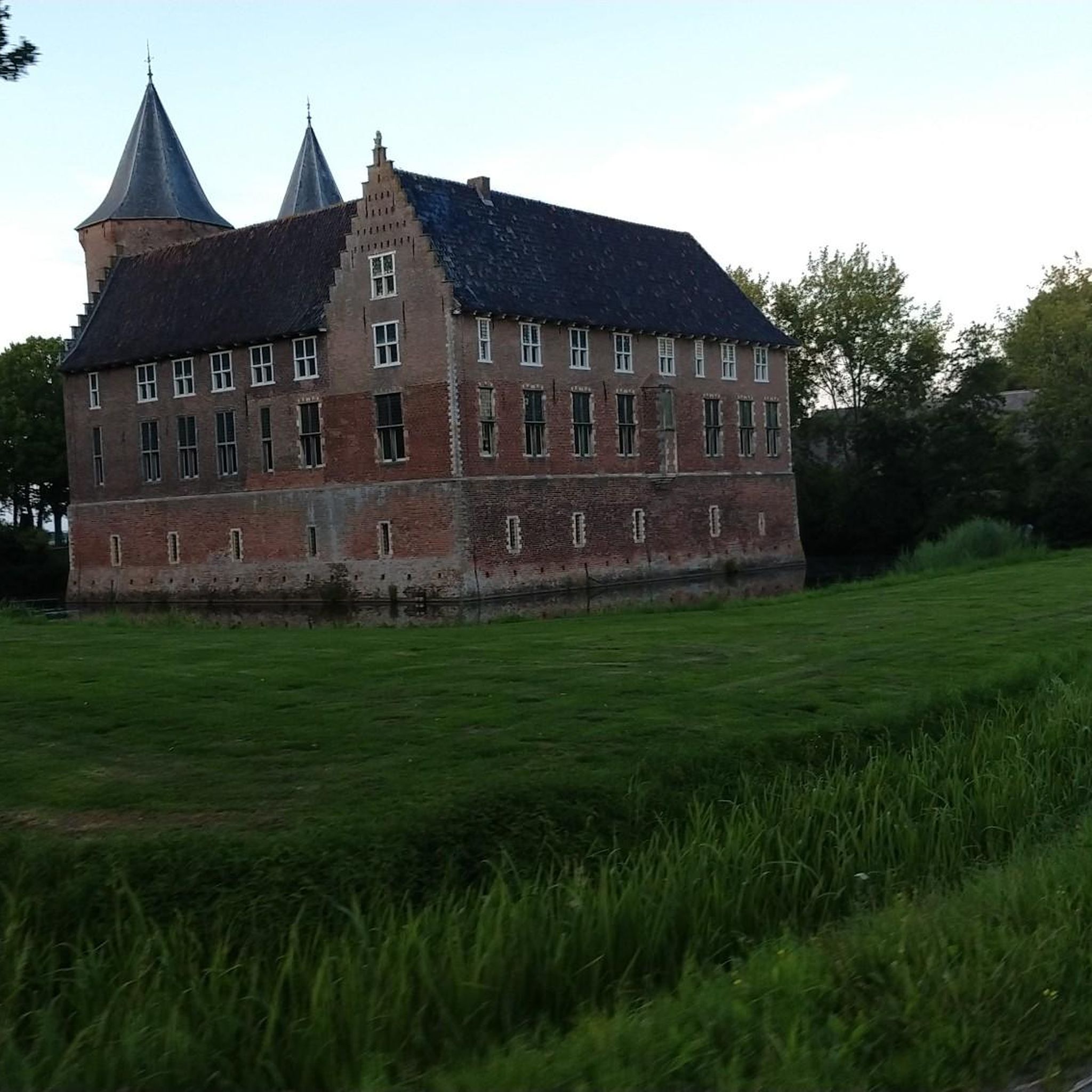
"This 19th century roadside spring was a main source of clean water for the village into the 20th century. The spring was donated to the village by Mrs. William (Lucy) Russell. The later inscription reads: "Water from the living rock God's precious gift to man". The spring is part of a structure that is a Grade II Listed Building." Source: https://commons.m.wikimedia.org/wiki/File:Russell_Spring,_Blockley.jpg
1
0

Fabulous walk allowing you to see the stone monuments erected 3,800 years BC. Special attention when you park by the road as there are thief’s that break your car window and take your belongings. This couple that arrive 10 minutes before us had their passports stolen! We opted to park in Salford and do the walk starting there. Safe parking there and plenty of spaces.
1
0

The King Stone is a standing stone in the Cotswolds, England, which dates back to the Bronze Age. It is believed to have been a marker for ancient trade routes or a ceremonial site.
1
0
Read up on the fascinating history attached to the Whispering Knights stones, the third of the Rollright Stones collection in Oxfordshire.
1
0

Remember to always keep a pace when going up a big hill
0
0


Standing at 856 feet (261 m), Ebrington Hill is the highest point in Warwickshire. From the summit, you can see Birmingham’s skyline to the north and the grand ridge of the Malvern Hills to the west. The hill is topped with radio masts and pleasant crop fields.
2
0

The King Stone was erected in early to middle Bronze Age, probably around 1,500 BC. Rather than relating directly to the much older Neolithic Stone Circle, the King Stone was likely erected as a permanent memorial to the Bronze Age round cairn 17m across with a central chamber, which lies immediately to the north-east set exactly on the top the ridge.
1
0
Frequently Asked Questions
What are some of the most popular natural monuments to visit near Little Wolford?
The area around Little Wolford is rich in ancient history and natural beauty. Highly regarded sites include The King Stone, an ancient standing stone from the Bronze Age, and The Rollright Stones Stone Circle, a ceremonial site dating back to 2,500 BC. Visitors also appreciate King's Men Stone Circle, another impressive historic landmark with around 77 limestones.
Are there any family-friendly natural monuments or sites suitable for children?
Yes, several natural monuments in the area are suitable for families. The ancient stone circles, such as The Rollright Stones Stone Circle and King's Men Stone Circle, offer open spaces for exploration and a chance to learn about history. The broad, open landscapes of the Cotswolds National Landscape also provide gentle walks and picnic opportunities.
What kind of historical or geological features can I expect to see?
The region is notable for its ancient historical and geological features. You can explore Neolithic and Bronze Age sites like The Whispering Knights, a dolmen built around 3,800 BC. The stone circles themselves are composed of heavily weathered local oolitic limestone, showcasing the area's unique geology. Additionally, elevated points like Ebrington Hill Summit offer panoramic views of the landscape formed over millennia.
What outdoor activities can I do near these natural monuments?
The area provides excellent opportunities for outdoor activities, primarily hiking and road cycling. You can find various routes, from easy strolls to more challenging hikes. For hiking, explore options like the 'Long Compton and Macmillan Way Loop' or the 'King's Men Stone Circle – The King Stone loop from Long Compton' found in the Hiking around Little Wolford guide. For cycling, routes such as 'Moreton-in-Marsh — Market town – Long Compton Village loop' are available in the Road Cycling Routes around Little Wolford guide.
Are there any easy hiking trails around the natural monuments?
Yes, there are several easy hiking trails suitable for a relaxed experience. For example, the 'Shipston Cemetery Chapel – St Martin's Church, Barcheston loop from Burmington' is an easy route. You can find more options in the Easy hikes around Little Wolford guide, which includes various loops from Long Compton.
What is the best time of year to visit the natural monuments around Little Wolford?
The Cotswolds National Landscape is beautiful year-round. Spring offers blooming wildflowers and active wildlife, particularly in areas like Welcombe Hills & Clopton Park where brimstone butterflies are numerous. Summer provides longer daylight hours for exploration. Autumn brings vibrant foliage, and even winter walks can be atmospheric, especially around the ancient stone sites, though paths might be muddy.
Are there any viewpoints offering expansive vistas of the region?
Absolutely. Ebrington Hill Summit, the highest point in Warwickshire, provides extensive views, including the Birmingham skyline and the Malvern Hills. Dover's Hill, near Chipping Campden, also offers breathtaking long-distance views, with a toposcope illustrating visible landmarks up to 60 miles away.
Are permits required for hiking or visiting natural monuments in the Little Wolford area?
Generally, permits are not required for accessing public footpaths and visiting the natural monuments in the Cotswolds National Landscape. However, it's always good practice to respect private land and follow local signage. For specific sites like Wolford Wood (a Site of Specific Scientific Interest), access might be restricted to designated paths to protect its ecological value.
What kind of wildlife can I observe in the natural areas?
Areas like Welcombe Hills & Clopton Park are rich in biodiversity. You might spot diverse birdlife, including great spotted woodpeckers, sparrowhawks, little owls, treecreepers, and finches. Ravens breed there in spring. The grasslands are home to unique flora like woolly thistle and quaking-grass, and you can observe distinctive anthills created by yellow meadow ants. Brimstone butterflies are also numerous in spring.
Is there parking available near the natural monuments?
Parking availability varies by site. For popular locations like The Rollright Stones, there is often roadside parking or small designated areas. When visiting sites that are part of larger walking routes, consider parking in nearby villages or trailheads. Always check local signage for parking restrictions and be mindful of local residents.
What do visitors enjoy most about the natural monuments around Little Wolford?
Visitors frequently highlight the sense of ancient mystery and awe evoked by sites like The Rollright Stones Stone Circle, often described as a 'noble, rustic sight.' The panoramic views from elevated points such as Ebrington Hill Summit are also highly praised. Many appreciate the opportunity to combine historical exploration with scenic walks in the tranquil Cotswolds landscape.
Are there any natural sites with significant ecological importance nearby?
Yes, Wolford Wood, located near Little Wolford, has been designated as a Site of Specific Scientific Interest (SSSI). This designation indicates its ecological importance, likely due to unique flora, fauna, or geological characteristics that contribute to its natural value. It's a key area for understanding the local ecosystem.
Most popular attractions around Little Wolford

Get inspired with the komoot mobile app


Explore more
Extend your search for the best caves by checking out these guides of the top ones around Little Wolford:
