Top 20 Natural Monuments around St. Juliot
Best natural monuments around St. Juliot showcase the diverse natural beauty of Cornwall. This region features dramatic coastal geology, rugged moorland, and serene river valleys. Visitors can explore a variety of landscapes, from the highest points in Cornwall to picturesque harbors and unique cliff formations. The area offers numerous natural attractions for outdoor enthusiasts.
Best natural monuments around St. Juliot
- The most popular natural monuments is Willapark Lookout and Rocky Valley, a viewpoint that features beautiful cliff formations. This…
Last updated: October 31, 2026
Brown Willy Summit
Highlight • Natural Monument
Tip by

Rough Tor
Highlight • Summit
Tip by
Sign up now to discover places like this
Get recommendations on the best single tracks, peaks, & plenty of other exciting outdoor places.
Boscastle Harbour
Highlight • Settlement
Tip by

Willapark Lookout and Rocky Valley
Highlight (Segment) • Viewpoint
Sure-footed shoes are definitely recommended. Take enough water during the summer months. There are hardly any shade spots and it goes up and down.
Translated by Google •
Tip by

Tintagel Castle Bridge
Highlight • Viewpoint
Tip by

Sign up for free to discover even more natural monuments around St. Juliot.
Already have an account?
Start today with a free account
Your next adventure awaits.
Tips from the Community


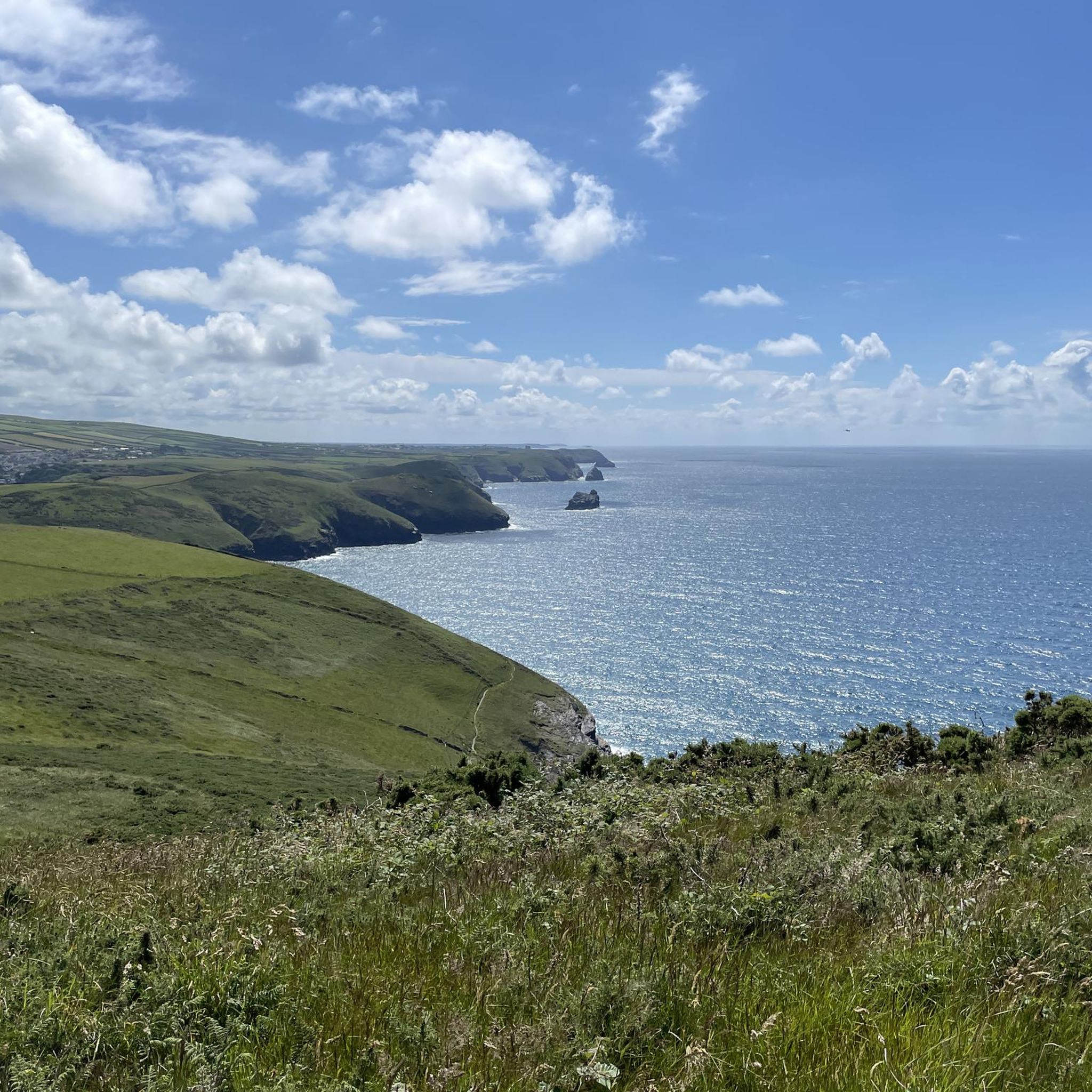
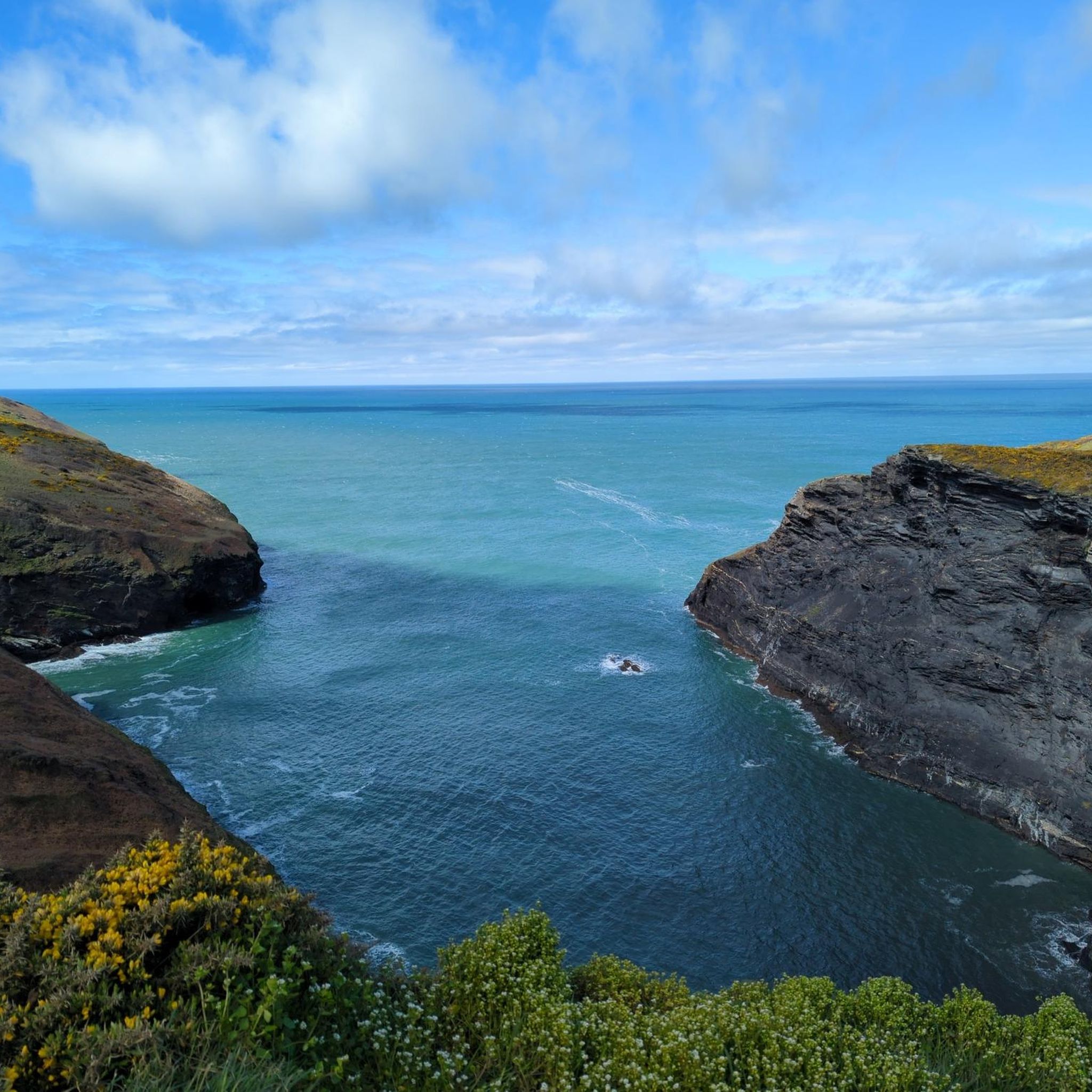
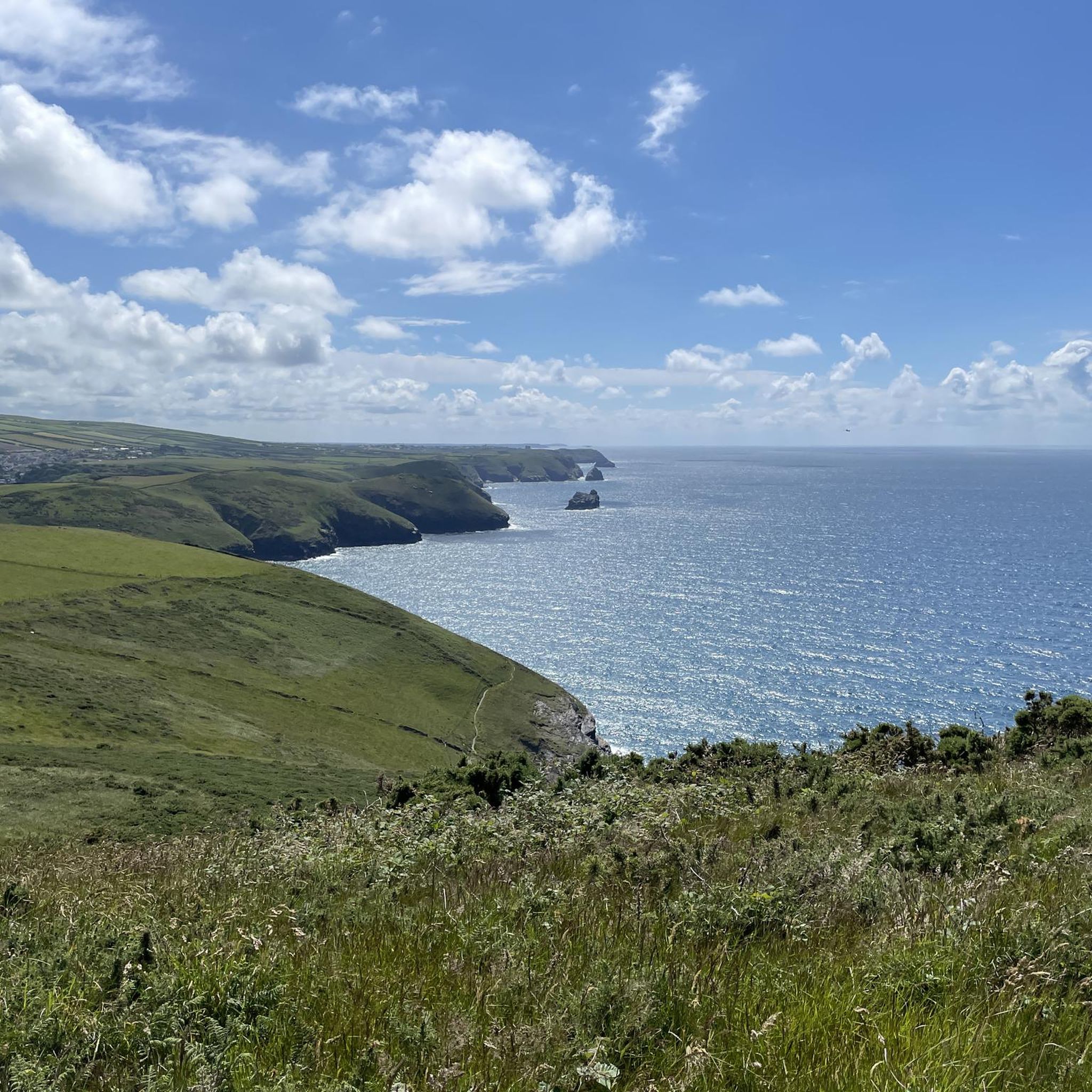
Beautiful view of the wide sea with rocks and cliffs. You can also go for a swim in Boscastle Harbour. That's what the locals do here. So pack your swimming trunks/swimsuit.
0
0

So in strong winds the bridge is closed. However, the rune can also be seen very clearly from Hotel Camelot and at the café below the peninsula.
0
0

Brown Willy at 420 m is the highest point in Cornwall. The rocky granite summit offers great views across Bodmin and over Rough Tor out to sea.
0
0

This will take you to Tintagel Grad with the castle ruins.
0
0

With a bit of luck you can see seals here :-)
0
0
Frequently Asked Questions
What are some of the most prominent natural monuments to visit near St. Juliot?
The area around St. Juliot boasts several impressive natural monuments. You can explore the highest point in Cornwall, Brown Willy Summit, offering expansive views across Bodmin Moor. Another popular spot is Willapark Lookout and Rocky Valley, known for its dramatic cliff formations and sea views. Don't miss Boscastle Harbour, a serene natural harbor nestled among cliffs.
Are there any family-friendly natural monuments around St. Juliot?
Yes, Boscastle Harbour is considered family-friendly, offering beautiful views and a tranquil atmosphere. While many natural monuments involve walking on varied terrain, the harbor area provides a more accessible experience for families. For other locations, consider the difficulty and terrain before visiting with young children.
What kind of geological features can I expect to see at these natural monuments?
The natural monuments around St. Juliot showcase diverse geological formations. You'll find the granite summits of Brown Willy and Rough Tor on Bodmin Moor. Along the coast, High Cliff stands as the tallest cliff in Cornwall, composed of black shale, quartz, and sandstone. St Nectan's Glen features Devonian slate carved by the Trevillet River, creating a stunning waterfall and natural arch at St Nectan's Kieve.
What is the best time of year to visit the natural monuments near St. Juliot?
The natural monuments are beautiful year-round, but the best time to visit is generally during spring, summer, and early autumn (April to October). During these months, the weather is typically milder and more predictable, making hiking and exploring more enjoyable. Winter can offer dramatic scenery, but paths may be muddy or slippery, and weather conditions can change rapidly.
What outdoor activities can I do near these natural monuments?
The region offers excellent opportunities for outdoor activities. You can enjoy various hiking trails, from easy strolls to more challenging routes. For example, there are numerous options for hiking around St. Juliot, including coastal paths and moorland treks. Mountain biking is also popular, with several MTB trails around St. Juliot.
Are there any challenging hikes to natural monuments in the area?
Yes, for those seeking a challenge, the ascent to Brown Willy Summit is a rewarding climb, often combined with Rough Tor for an 8-mile loop. The terrain can be rugged, especially on Bodmin Moor. Coastal paths around areas like Willapark Lookout and Rocky Valley can also be challenging, with steep ascents and descents, requiring sure-footed shoes.
What should I wear when visiting the natural monuments?
Given the varied terrain, it's highly recommended to wear sturdy, sure-footed hiking shoes or boots. Layers of clothing are advisable, as weather conditions can change quickly, especially on the moorland and coast. Waterproof outerwear is also a good idea, even on sunny days, due to potential sudden showers. Don't forget sun protection and plenty of water, particularly during warmer months.
Are there any hidden gem natural monuments worth discovering?
St Nectan's Glen, with its enchanting wooded valley and the stunning 60-foot waterfall of St Nectan's Kieve, is often considered a hidden gem. It offers a serene and mystical natural setting, carved by the Trevillet River through Devonian slate. It's a truly captivating sight away from the more frequented coastal spots.
What are the parking options for visiting these natural monuments?
Parking availability varies by location. For Rough Tor, there is an easily accessible car park. For coastal areas and other natural monuments, designated car parks are often available near popular trailheads or villages like Boscastle. It's always advisable to check local signage for parking regulations and fees.
Can I find circular walking routes that include natural monuments?
Yes, many of the natural monuments can be incorporated into circular walks. For instance, a popular 8-mile loop includes both Brown Willy and Rough Tor. The coastal paths also offer opportunities for circular routes, often starting and ending in villages like Boscastle. You can find various hiking guides that detail these options.
What do visitors enjoy most about the natural monuments around St. Juliot?
Visitors frequently praise the spectacular views, especially from high points like Brown Willy Summit and coastal lookouts such as Willapark Lookout. The impressive rock formations and the rugged, wild beauty of Bodmin Moor and the Cornish coastline are also highly appreciated. Many enjoy the sense of tranquility and the opportunity for invigorating hikes.
Are there any historical sites integrated with the natural monuments?
Yes, several natural monuments have historical significance. Rough Tor is not only a striking granite summit but also a historical site, featuring ancient settlements. Boscastle Harbour, while a natural monument, also has a rich history as a bustling port. Additionally, the nearby Tintagel Castle Bridge connects to the historic Tintagel Castle ruins, offering both natural beauty and historical context.
Most popular attractions around St. Juliot

Get inspired with the komoot mobile app


Explore more
Extend your search for the best caves by checking out these guides of the top ones around St. Juliot:
