Top 9 Natural Monuments around Lanivet
Best natural monuments around Lanivet include granite hills, ancient woodlands, and diverse wetlands. Lanivet, a parish in central Cornwall, England, is surrounded by natural beauty, offering sites that combine striking geological features with ecological and historical significance. These areas provide opportunities to explore varied landscapes and historical features. The region's natural monuments are appealing to nature enthusiasts and those interested in local history.
Best natural monuments around Lanivet
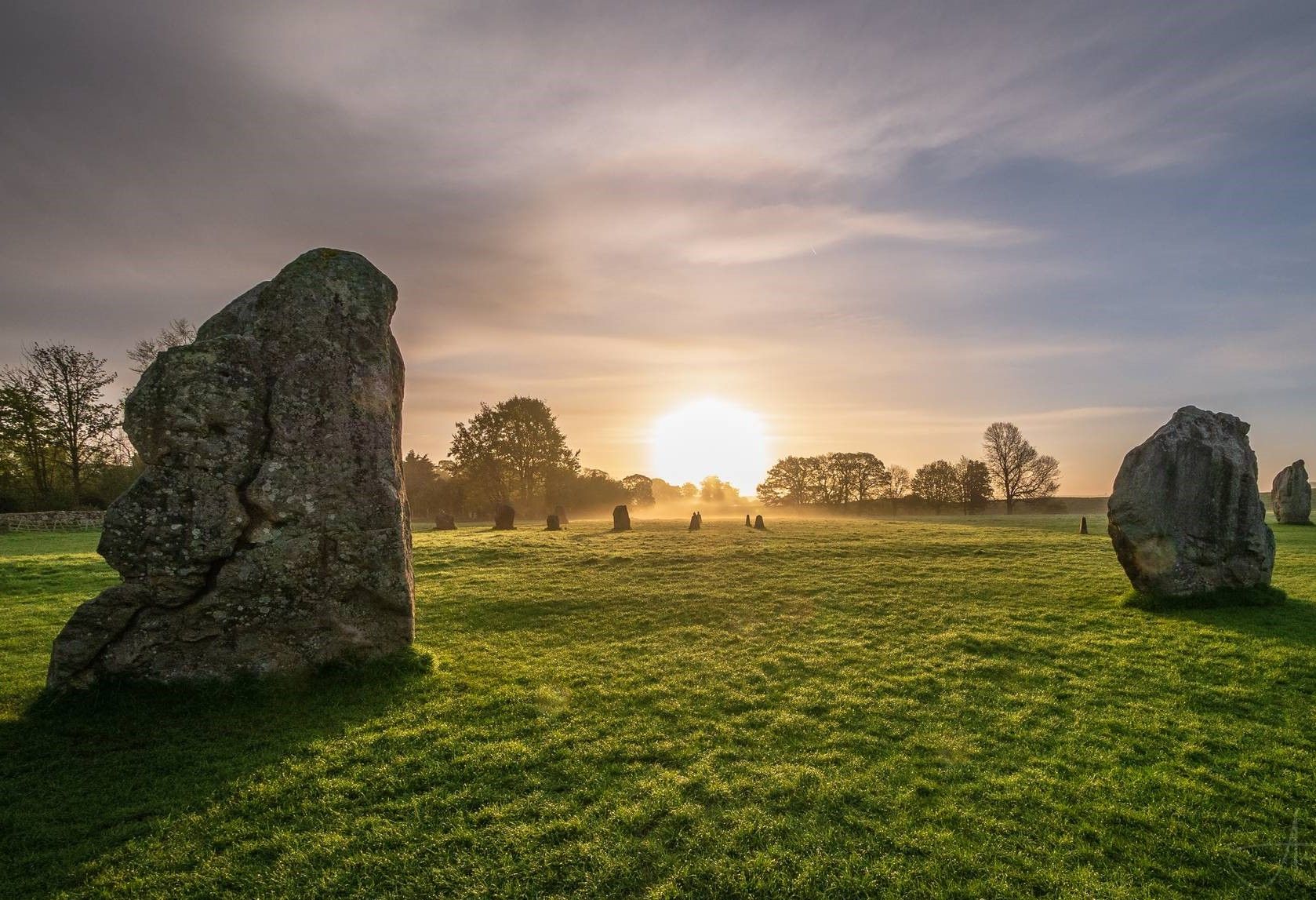
- The most popular natural monuments is Helman Tor, a historical site that offers great views in every direction. This granite outcrop is a nature reserve with a prehistoric hill fort and a stone hut circle settlement.
- Another must-see spot is Roche Rock Chapel Ruins, a religious building and viewpoint. This granite outcrop features the ruin of a chapel built in 1409, surrounded by local legends.
- Visitors also love Breney Common Nature Reserve, a lake and forest area. This important wetland, open water, and dry heathland site supports a wide variety of plants and animals, including several dragonfly and damselfly species.
- Lanivet is known for its granite outcrops, wetlands, and ancient routes. Visitors can explore a variety of natural monuments, from prominent tors to serene nature reserves.
- The natural monuments around Lanivet are appreciated by the komoot community, with 18 upvotes and 4 photos shared.
Last updated: August 10, 2026
Roche Rock Chapel Ruins
Highlight • Religious Site
There are plenty of legends surrounding the chapel. It is thought to have been lived in by a hermit and his daughter, hence another popular name for it being Roche Rock Hermitage. In medieval times it is said to have been occupied by a landowning family who had leprosy and wanted to protect loved ones from catching it.
The demon of Jan Tregeagle, an evil Cornish magistrate who was said to have made a pact with the devil in return for power, fame and success, tried to hide at Roche Rock after being set a series of impossible tasks to keep him out of hell until Judgement Day.
When the wind is blowing you might even hear wailing coming from the chapel walls.
Tip by

Helman Tor
Highlight • Historical Site
Tip by

Sign up now to discover places like this
Get recommendations on the best single tracks, peaks, & plenty of other exciting outdoor places.
Sign up for free
Eden Project
Highlight • Structure
Tip by

Par Beach Nature Reserve Lake
Highlight • Natural Monument
In years gone past it was a model boating lake but now a tranquil nature reserve.
Tip by
Great Treverbyn Skytip
Highlight • Monument
Tip by

Sign up for free to discover even more natural monuments around Lanivet.
Sign up for free
Already have an account?
Start today with a free account
Your next adventure awaits.
Login or Signup

Other adventures around Lanivet

Tips from the Community

Beehive always important
0
0


Just behind Par beach is a small wetland. A few chalets from Par Sands Holiday Park look out across the lake which must make for a beautiful view at sunrise & sunset. In years gone past it was a model boating lake but now a tranquil nature reserve.
0
0
Roche Rock is a granite outcrop looming 20m high. On top of the rock is the ruin of a chapel built in 1409. There are plenty of legends surrounding the chapel. It is thought to have been lived in by a hermit and his daughter, hence another popular name for it being Roche Rock Hermitage. In medieval times it is said to have been occupied by a landowning family who had leprosy and wanted to protect loved ones from catching it. The demon of Jan Tregeagle, an evil Cornish magistrate who was said to have made a pact with the devil in return for power, fame and success, tried to hide at Roche Rock after being set a series of impossible tasks to keep him out of hell until Judgement Day. When the wind is blowing you might even hear wailing coming from the chapel walls.
1
0


Helman Tor is a nature reserve managed by the Cornwall Wildlife Trust, with great views in every direction. There is a prehistoric hill fort and a stone hut circle settlement on the site. There is evidence of walls constructed in Neolithic period, around 6,000 years ago, as well as some level platforms, thought to be house sites, one platform has a network of post holes. There is also remains of a field system.
3
1

The wonderful world of plants can be admired in the Eden Project. The James Bond movie: Die Another Day "was filmed there
0
0
Frequently Asked Questions
What are some unique natural features to explore around Lanivet?
Lanivet is known for its striking granite outcrops, diverse wetlands, and ancient routes. You can explore prominent tors like Helman Tor, which offers panoramic views and geological formations dating back 280 million years. The Breney Common Nature Reserve showcases important wetland and dry heathland ecosystems, rich in plant and animal life.
Are there any historical natural monuments near Lanivet?
Yes, Helman Tor is a significant historical natural monument. It features a Neolithic tor enclosure, traces of a Bronze Age field system, hut circles, and ancient stone walls. Additionally, the Roche Rock Chapel Ruins, perched atop a granite outcrop, date back to 1409 and are steeped in local legends.
What kind of wildlife can I spot at the natural monuments around Lanivet?
The natural monuments around Lanivet are rich in biodiversity. At Breney Common Nature Reserve, you can find a wide variety of plants and animals, including several species of dragonflies and damselflies. The Luxulyan Valley, with its dense woodlands, is home to various bat species, otters, and numerous birds, making it ideal for birdwatching and botany enthusiasts.
Are there family-friendly natural monuments in the Lanivet area?
Yes, Par Beach Nature Reserve Lake is a tranquil wetland area just behind Par beach, offering a peaceful setting for families. While not strictly a natural monument, the Eden Project is also nearby and is highly recommended for families, providing an engaging experience with its biodomes and focus on human-environment connection.
What are the best walking trails near Lanivet's natural monuments?
The Saints' Way, an ancient pilgrimage route, passes directly by Helman Tor, offering extended walks through diverse Cornish landscapes. The Luxulyan Valley also provides numerous walking trails that allow visitors to connect with nature amidst its dramatic, wooded scenery. For more options, you can explore various walking routes around Lanivet.
Can I go cycling near the natural monuments in Lanivet?
Absolutely! The area around Lanivet offers excellent cycling opportunities. You can find various routes, including those passing by natural monuments. For example, there are cycling loops from Bodmin that incorporate Helman Tor. Explore more options in the Cycling around Lanivet guide.
What is the terrain like for walking at natural monuments near Lanivet?
The terrain varies significantly. At Helman Tor, you'll encounter granite outcrops and heathland, with some uphill sections. The Luxulyan Valley features steep-sided, heavily wooded paths carved by the River Par. Breney Common Nature Reserve offers wetland and dry heathland paths, which can be boggy in places.
Is public transport available to reach natural monuments near Lanivet?
While Lanivet is a rural area, some public transport options might get you close to certain sites. For example, bus routes might connect to areas near Helman Tor. However, for many natural monuments, having your own transport or being prepared for a walk from the nearest bus stop is often recommended.
What is the best season to visit the natural monuments around Lanivet?
Spring and summer are generally ideal for visiting, as the weather is milder and the natural landscapes are in full bloom, making wildlife spotting easier. Autumn offers beautiful foliage, especially in wooded areas like the Luxulyan Valley. Winter can be atmospheric but may present challenging conditions on higher ground like Helman Tor, with potentially muddy or slippery paths.
Are there any pubs or cafes near the natural monuments in Lanivet?
Lanivet village itself has local pubs and cafes where you can refresh. While specific natural monuments might not have facilities directly on-site, you'll often find options in nearby villages or towns. Planning your visit to include a stop in Lanivet or a larger town like Bodmin will ensure you have access to refreshments.
What should I wear when visiting natural monuments in Lanivet?
Given the varied terrain and often unpredictable Cornish weather, it's advisable to wear sturdy walking shoes or boots, especially if you plan to explore areas like Helman Tor or the Luxulyan Valley. Layered clothing is recommended, including waterproofs, as conditions can change quickly. Even in summer, a light jacket can be useful.
Are permits needed for hiking or visiting natural monuments near Lanivet?
Generally, permits are not required for visiting the natural monuments and public footpaths around Lanivet, such as Helman Tor or the Luxulyan Valley. These areas are typically open for public access. However, always respect local signage and any specific rules for nature reserves, especially regarding conservation efforts.
Most popular attractions around Lanivet

Get inspired with the komoot mobile app


Explore more
Extend your search for the best caves by checking out these guides of the top ones around Lanivet:
