Top 20 Natural Monuments around St. Levan
Best natural monuments around St. Levan offer a diverse landscape of coastal scenery, unique geological formations, and historical sites. This parish in Cornwall, England, features rugged cliffs, sandy beaches, and ancient monuments. The area provides opportunities to explore the natural grandeur of the Cornish coastline and its rich biodiversity. Visitors can experience significant landmarks and tranquil natural spaces.
Best natural monuments around St. Levan
- The most popular natural monuments is Cape Cornwall Chimney Monument, a man-made monument that marks…
Last updated: May 19, 2026
Land's End
Highlight • Viewpoint
Tip by

RMS Mülheim Shipwreck
Highlight • Structure
Tip by

Sign up now to discover places like this
Get recommendations on the best single tracks, peaks, & plenty of other exciting outdoor places.
Sign up for free
Cape Cornwall Chimney Monument
Highlight • Monument
Tip by

Logan Rock and Treryn Dinas Iron Age Cliff Castle
Highlight • Historical Site
Tip by
Lanyon Quoit
Highlight • Natural Monument
Tip by

Sign up for free to discover even more natural monuments around St. Levan.
Sign up for free
Already have an account?
Start today with a free account
Your next adventure awaits.
Login or Signup
Popular around St. Levan
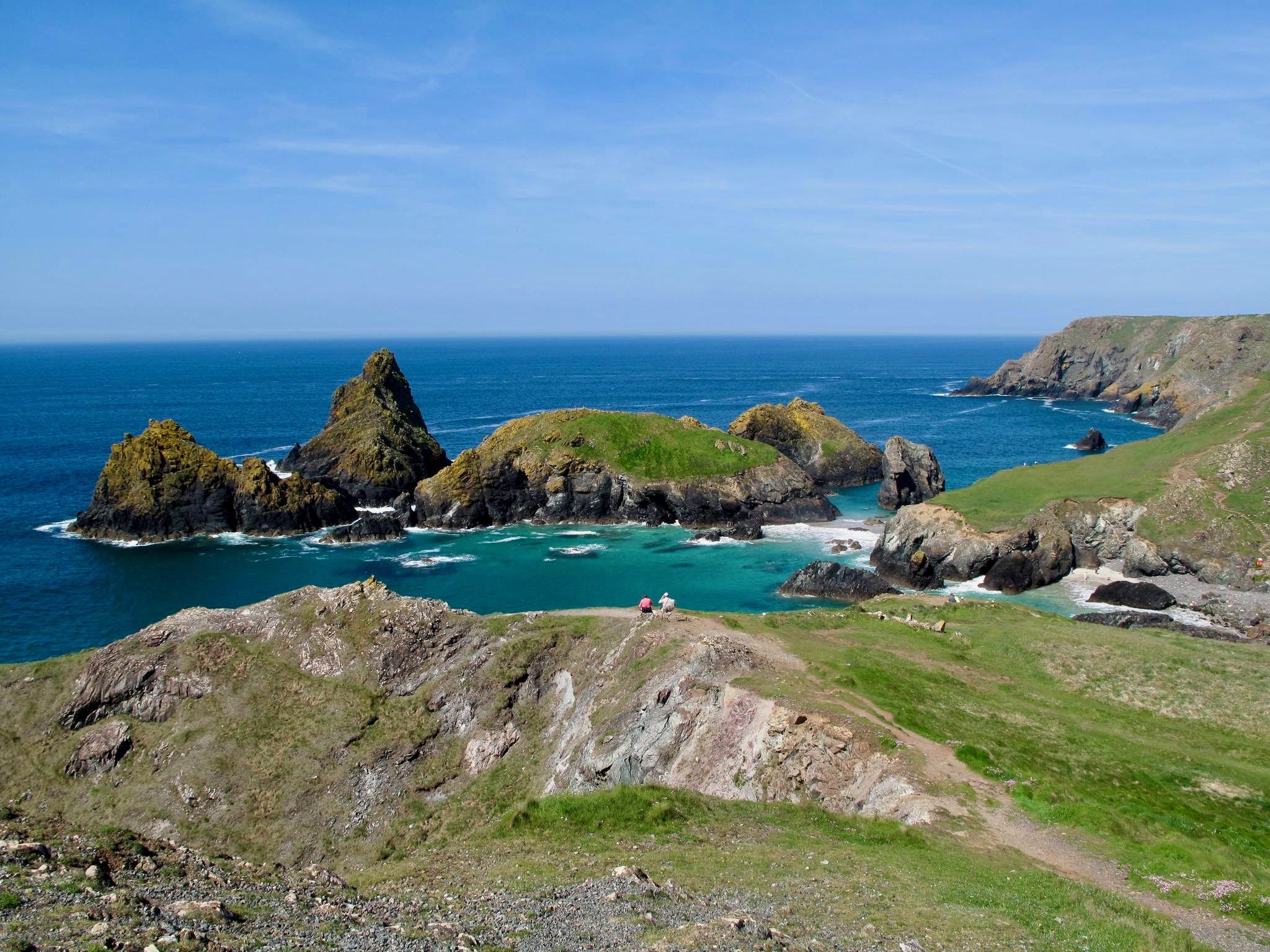
Cornwall's coastline — cliffs, ocean and a charming way of life
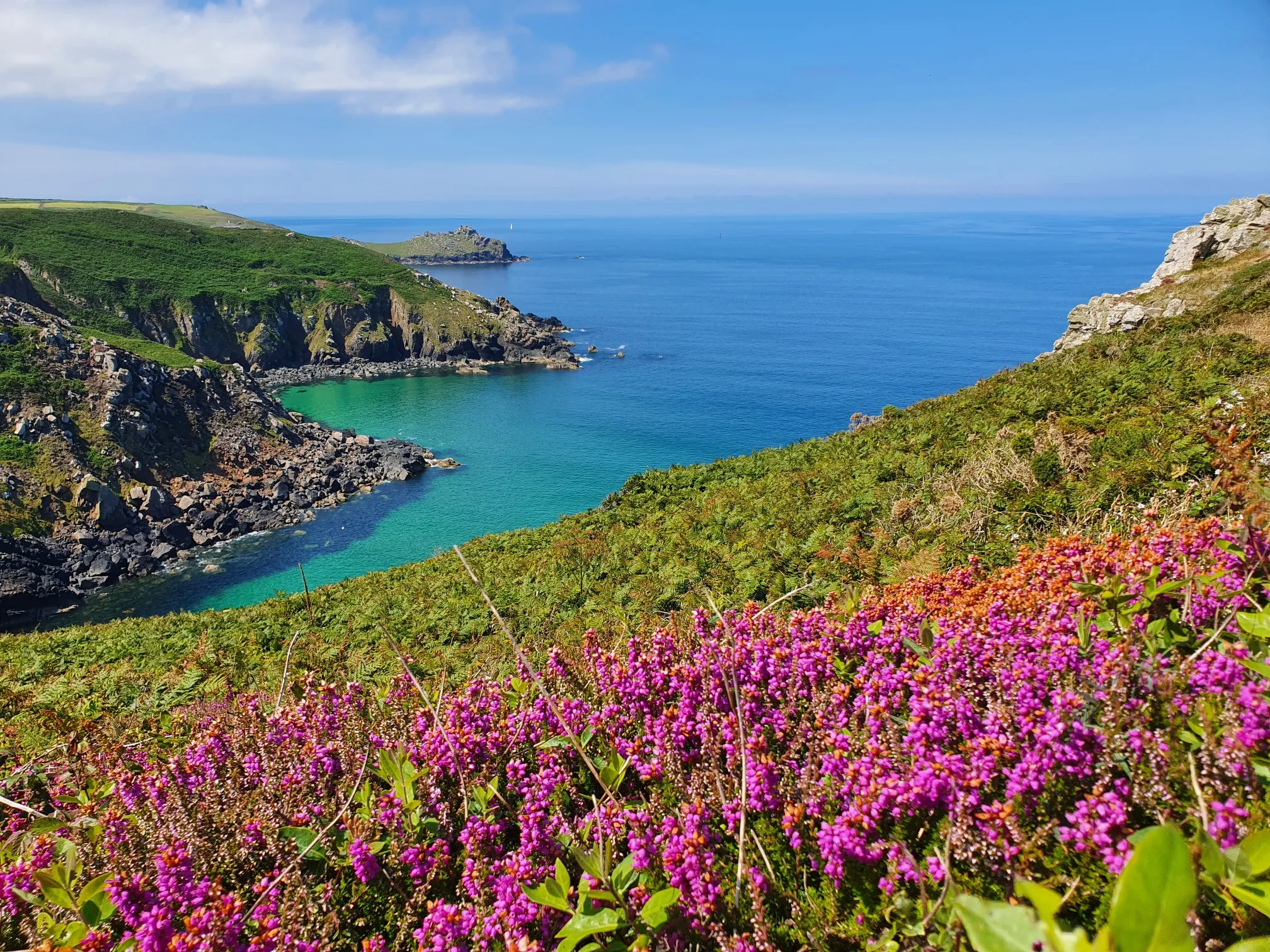
Rugged Cornish coast – beautiful trail runs around Land’s End
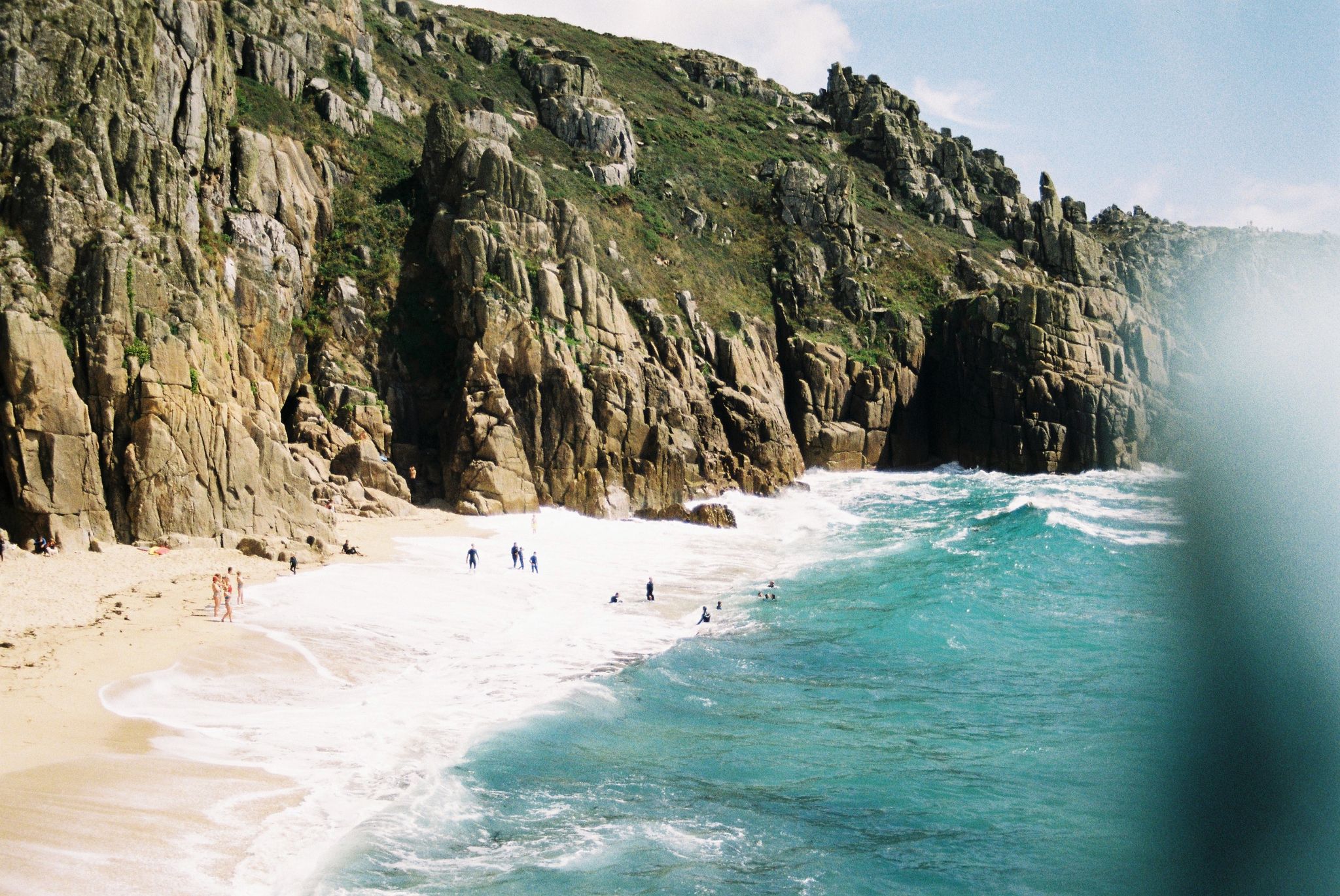
My favourite Cornish hikes and wild swim spots
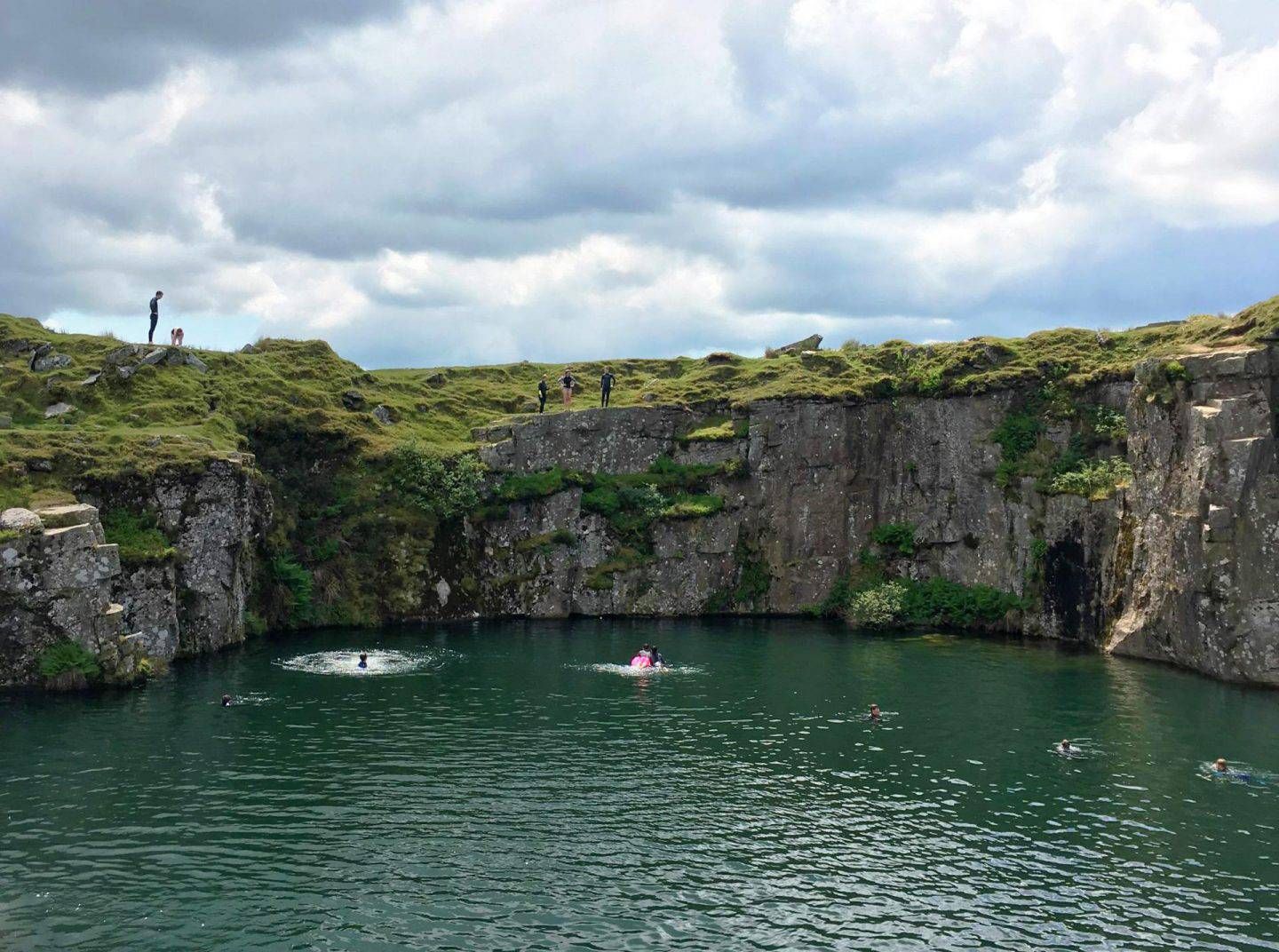
Magical wild swim spots to discover on foot
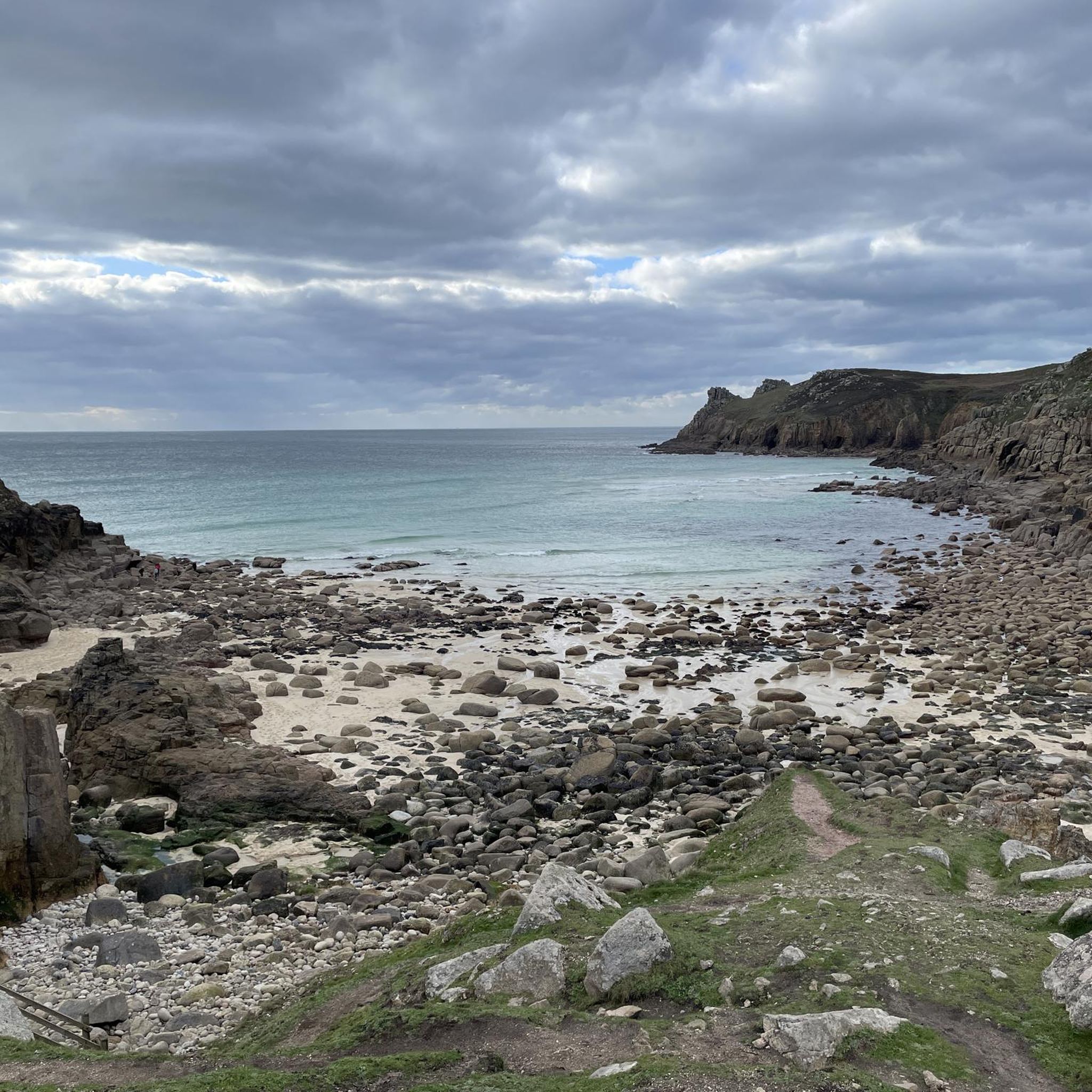
Hiking around St. Levan
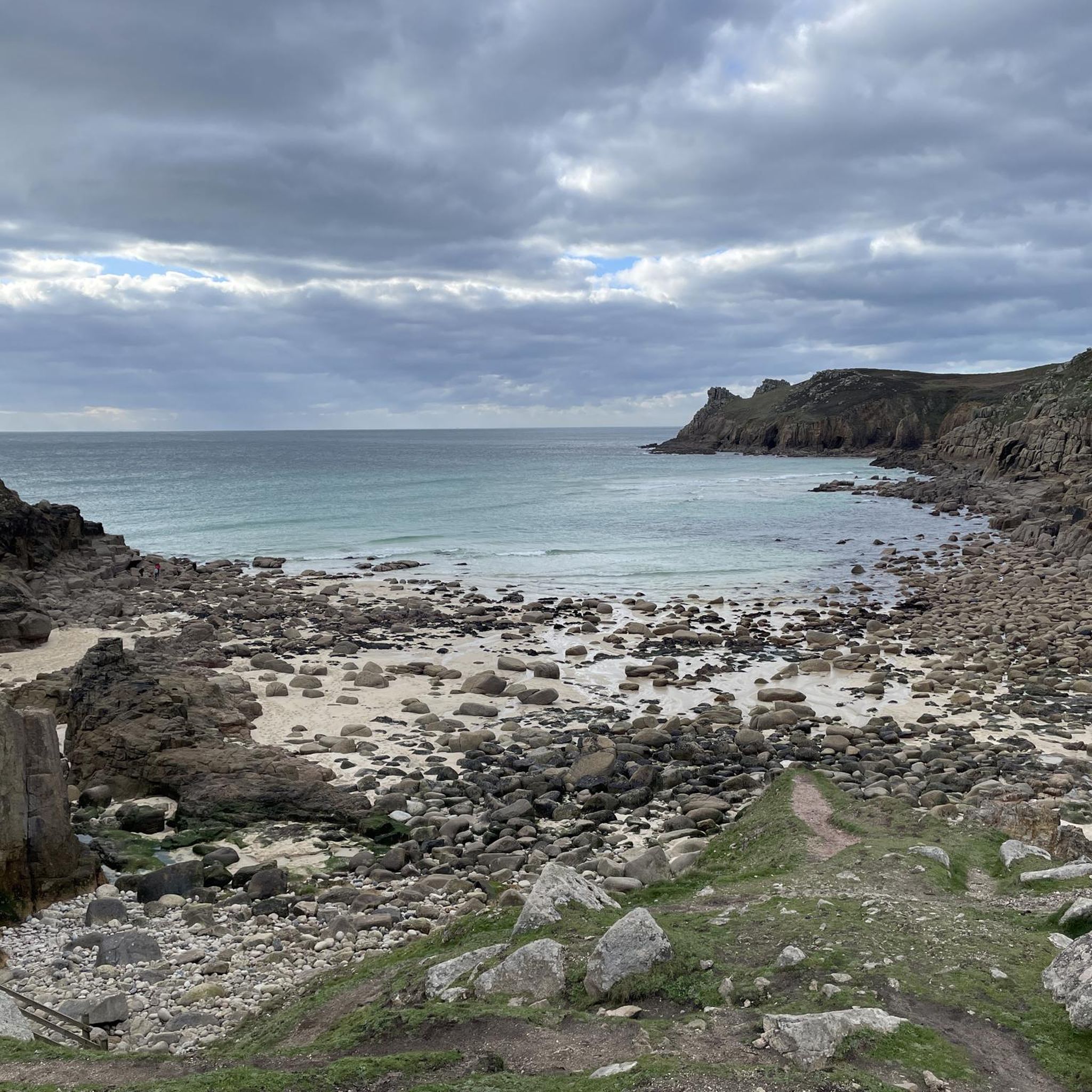
Road Cycling Routes around St. Levan
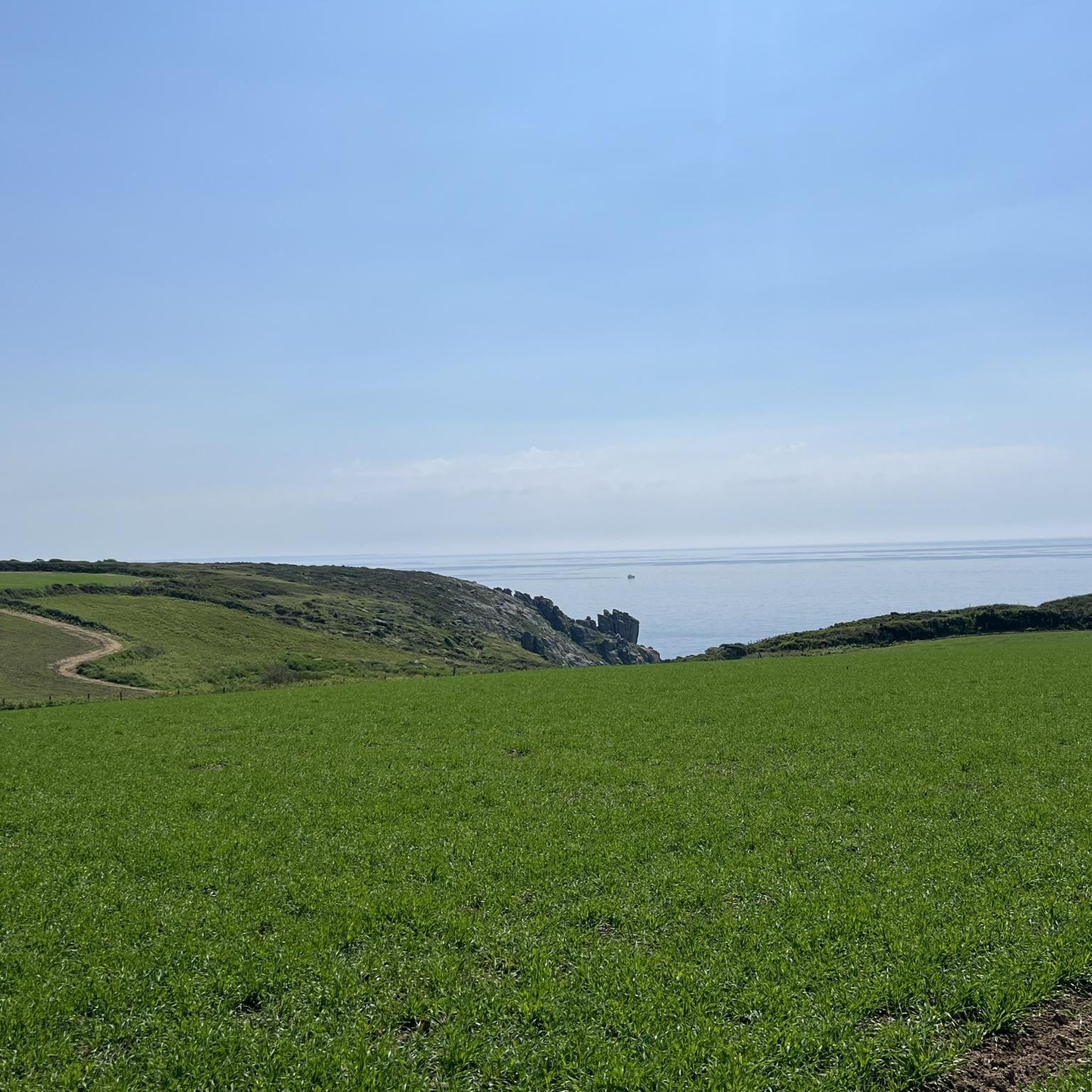
Running Trails around St. Levan
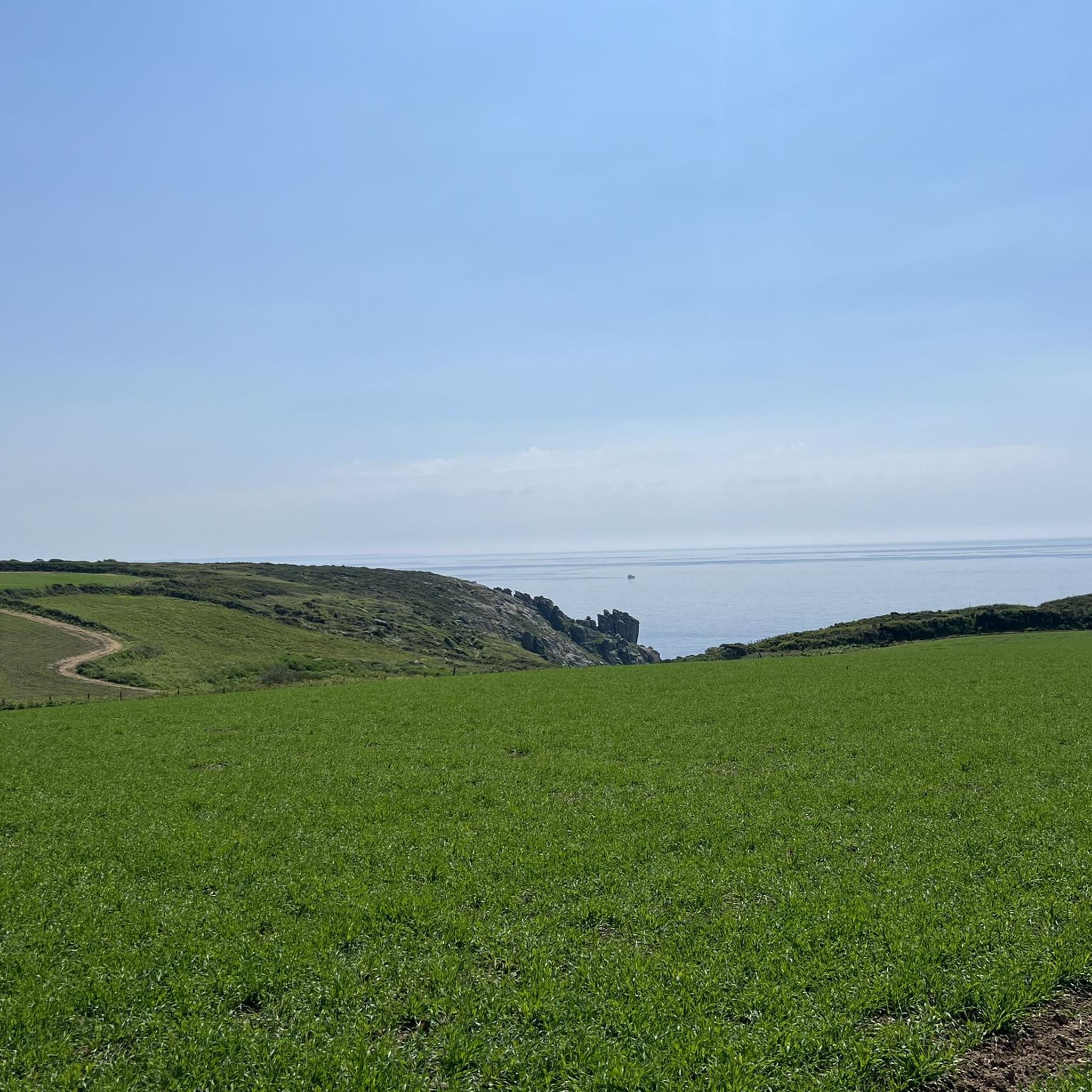
Cycling around St. Levan
MTB Trails around St. Levan
Other adventures around St. Levan


Tips from the Community

Lanyon Quoit is a Neolithic dolmen. That said, it collapsed in a storm in 1815 and was re-erected nine years later, it is thought that it is now different from its original appearance. The granite capstone weighs more than 12 tons. The quoit stands at the north end of a long barrow, but the barrow has been damaged and is often overgrown and difficult to see.
0
0

This point is of course the classic one and you have to head there just for the photos. But it's better to leave the tourist center to one side and continue walking along the wonderful coastal path.
4
0

The quoitiest quoit in quiotsville this beautiful quoit sits in a field adjacent to the road with a small stile to access. Great views all around
0
0

Cape Cornwall is a much quieter alternative to Land's End and has the added element of being seeped in Cornish Mining History. The chimney of Cape Cornwall Mine, which operated from 1838 to 1883, is still standing on the small peninsula.
0
0
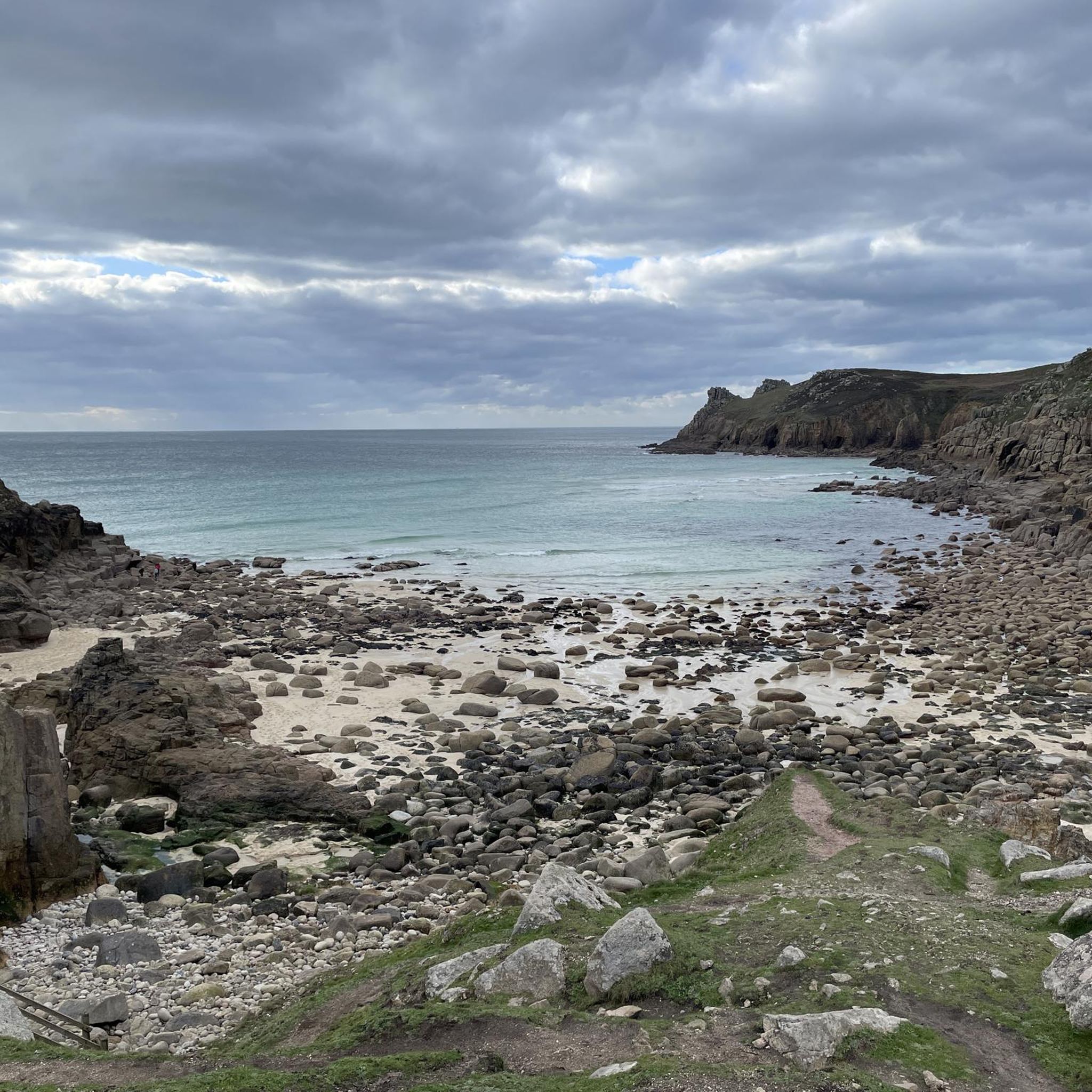
The RMS Mülheim was a German Cargo ship that was wrecked here in between Sennen Cove and Lands End. At first the whole ship, which was carrying scrap plastic from cars, was stranded on the rocks but over time the hull broke in two and it was washed up into the cove known as Castle Zawn.
0
0
This spot is named after an 80-ton stone on top of the outcrop that used to rock if pushed in the right place. Sadly, it rocked it's last rock in 1824 when a group of sailors pushed it into the sea. The sailors were made to replace the rock with their own money and you can see the paperwork relating to the incident on display in the Logan Rock Inn.
0
0

Lanyon Quoit is one of Cornwall's best known prehistoric monuments and stands just east of the road from Trevowhan to Madron. Originally built in the neolithic period (3500-2500 BCE), the quoit would have been made up of 4 upright stones. Sadly, due to storm damage, it had to be re-erected in the 19th century and now consists of three granite pillars (1.5m in height) which support a large slab capstone.
0
0

Nice wreck… it’s dangerous so don’t be tempted to go exploring as the air ambulance crew will be cursing you when you injure yourself
0
0
Frequently Asked Questions
What are some of the most popular natural monuments to visit in St. Levan?
Visitors frequently enjoy Cape Cornwall Chimney Monument, known for marking where Atlantic currents split and its seabird nesting cliffs. Another favorite is Logan Rock and Treryn Dinas Iron Age Cliff Castle, famous for its 80-ton rocking stone and historical significance. Land's End, the most westerly point of mainland England, also draws many for its dramatic cliffs and ocean views.
What kind of landscapes can I expect to see among St. Levan's natural monuments?
St. Levan offers a diverse landscape, primarily characterized by rugged, wave-battered cliffs, picturesque coves, and expansive coastal views. You'll find sandy beaches like Porthcurno, dramatic headlands, and areas of heathland, all contributing to the unspoiled natural grandeur of the Cornish coastline.
Are there any historical natural monuments in St. Levan?
Yes, St. Levan is rich in historical natural monuments. Beyond the Logan Rock and Treryn Dinas Iron Age Cliff Castle, you can visit Lanyon Quoit, an ancient neolithic monument. The St Levan Stone, located in the parish churchyard, is also a significant natural and historical monument, believed to have pagan origins.
Are there family-friendly natural monuments around St. Levan?
Many natural monuments in St. Levan are suitable for families. Lanyon Quoit is a historical site that can be interesting for all ages. Porthcurno Beach, with its clear waters and soft sand, is excellent for family relaxation and swimming. The Tanglewood Wild Garden, though managed, offers a peaceful, dog-friendly environment to connect with nature.
What outdoor activities can I do near these natural monuments?
The area around St. Levan is ideal for various outdoor activities. You can enjoy coastal walks along the South West Coast Path, offering spectacular views. For cycling, there are routes like the 'View of St Michael's Mount – Mousehole Village and Harbour loop from Sennen' which can be found in the Cycling around St. Levan guide. Mountain biking trails are also available, such as the 'Levant Mine Coastal Path – Botallack Mines loop from St Just' in the MTB Trails around St. Levan guide.
Are there hiking trails near the natural monuments in St. Levan?
Absolutely. The St. Levan section of the South West Coast Path offers easy walks through heathland with stunning coastal views. Specific easy hiking routes include the 'Logan Rock & Porthcurno loop from Treen' and the 'Porthgwarra Beach – View of Porthchapel Beach loop from St. Levan'. You can find more options in the Easy hikes around St. Levan guide.
What is the best time to visit the natural monuments in St. Levan?
Spring is a particularly scenic time to visit, as the gorse flowers are vibrant, and newly arrived migrant birds can be spotted along the coastal paths. The weather is generally milder, making it pleasant for exploring the rugged coastline and beaches.
Are there any unique geological features to explore?
Yes, St. Levan boasts several unique geological features. The dramatic cliffs and rock formations at Land's End and Nanjizal Beach are prime examples. The 80-ton Logan Rock, a naturally balanced rocking stone, is another remarkable geological curiosity.
Can I visit a shipwreck near St. Levan's natural monuments?
Yes, the RMS Mülheim Shipwreck is located near Land's End. This German cargo ship ran aground in 2003, and its remains are still visible, gradually disintegrating over time. It offers a unique, albeit challenging, viewpoint.
What do visitors enjoy most about the natural monuments in St. Levan?
Visitors consistently praise the breathtaking coastal scenery and the dramatic, rugged beauty of the area. The far-reaching views across the Atlantic Ocean, the unique geological formations, and the sense of history found at sites like Logan Rock are frequently highlighted as memorable experiences.
Are there any tranquil natural spaces or gardens to visit?
Yes, for a more tranquil experience, you can visit the Tanglewood Wild Garden. This nine-acre space features four ponds and emphasizes native trees and plants, attracting local wildlife. It's designed to be a natural and wild space, offering a peaceful environment to connect with local flora and fauna.
What is the Penwith Heritage Coast?
The Penwith Heritage Coast is a broader area encompassing many of the stunning natural features around St. Levan. It's characterized by its dramatic cliffs, coves, and rich biodiversity, making it an excellent location for experiencing the unspoiled natural grandeur of the Cornish coastline.
Most popular attractions around St. Levan

Get inspired with the komoot mobile app


Explore more
Extend your search for the best caves by checking out these guides of the top ones around St. Levan:
