Top 13 Natural Monuments around Sydling St. Nicholas
Best natural monuments around Sydling St. Nicholas include the chalk hills of the Dorset Downs and the tranquil Sydling Water. This area, part of the Dorset National Landscape, features rolling chalk hills and serene river valleys. The landscape is characterized by lush water meadows and ancient earthworks, reflecting a long history of human interaction. Visitors can explore a variety of natural features and protected areas.
Best natural monuments around Sydling St. Nicholas
- The most popular natural monuments is Cerne Abbas…
Last updated: May 19, 2026
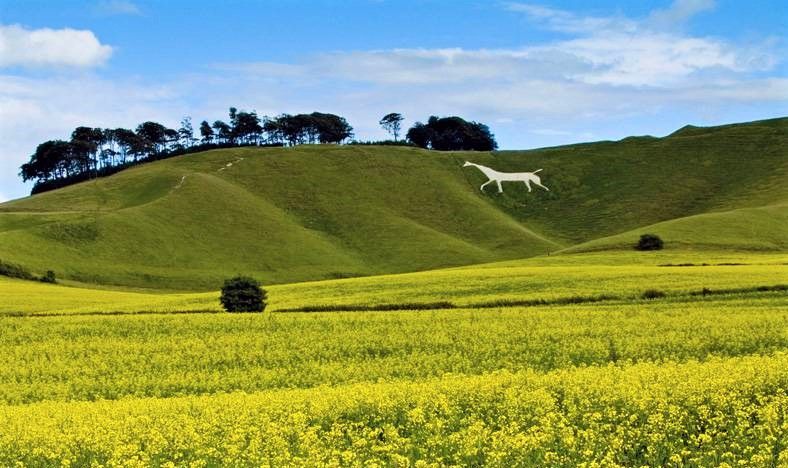
Cerne Abbas Giant
Highlight • Monument
Measuring at 55 metres (180 ft) high, the origin of the figure of a man wielding a …
Tip by

Maiden Castle hillfort
Highlight • Viewpoint
Tip by

Sign up now to discover places like this
Get recommendations on the best single tracks, peaks, & plenty of other exciting outdoor places.
Sign up for free
Maumbury Rings
Highlight • Natural Monument
Tip by

St Augustine’s Well
Highlight • Historical Site
Tip by

The Dorsetshire Gap
Highlight • Viewpoint
Tip by
Sign up for free to discover even more natural monuments around Sydling St. Nicholas.
Sign up for free
Already have an account?
Start today with a free account
Your next adventure awaits.
Login or Signup
Popular around Sydling St. Nicholas
Other adventures around Sydling St. Nicholas

Tips from the Community

Hidden behind the church lies the Silver Well, a mystical pool where Saint Augustine allegedly tapped the ground and told the water to "get a move on." It’s famous for "healing" properties, though mostly it’s just great at chilling your ankles. Legend says drinking the water at sunrise brings babies or visions; nowadays, it just brings hikers looking for a quiet spot to contemplate why they wore sandals. A peaceful, leafy nook for some holy hydration!
0
0
Towering over the village is Britain’s most "well-endowed" landmark, a 180-foot chalk giant who clearly forgot his trousers—and his modesty. Carved into the hillside with a massive club and an even more massive... ego, he’s been blushing hikers for centuries. Legend says sleeping on his "manhood" boosts fertility, but most people just settle for a breathless selfie. He’s ancient, he’s shameless, and he’s definitely the only hillside that’s genuinely happy to see you.
0
0
Dominating the Dorset landscape, Maiden Castle is one of Europe’s largest and most complex Iron Age hillforts. Its massive, labyrinthine earthworks were engineered around 400 BC to protect a thriving community of hundreds. The site is famous for its "war cemetery," detailing a fierce struggle against the Roman Second Legion in 43 AD. Today, its sweeping ramparts remain a masterclass in ancient defensive architecture.
0
0

Quite casually, you'll find yourself standing in the middle of a millennia-old place, which Celts, Romans, Anglo-Saxons, and Normans have repeatedly reshaped to suit their culture and needs. Those familiar with Old Sarum will recognize or compare many things (Salisbury). Two information panels allow you to immerse yourself in this tranquil place.
0
0

It is very impressive to walk along the extensive ramparts and enjoy the view of the surrounding countryside.
1
0

The view of giant is best from the opposite hill. When I took my photo the chalk was very dull so viewing wasn’t brilliant but I know they restore him every now and again so he should be bright again.The climb up past the giant is very steep so if hiking poles would be a great addition and grippy footwear 👟
0
0

This provides a perfect viewpoint from which to observe the large hill figure of the Cerne Giant. It's at just the right distance, not too far, to see the figure in its entirety.
0
0
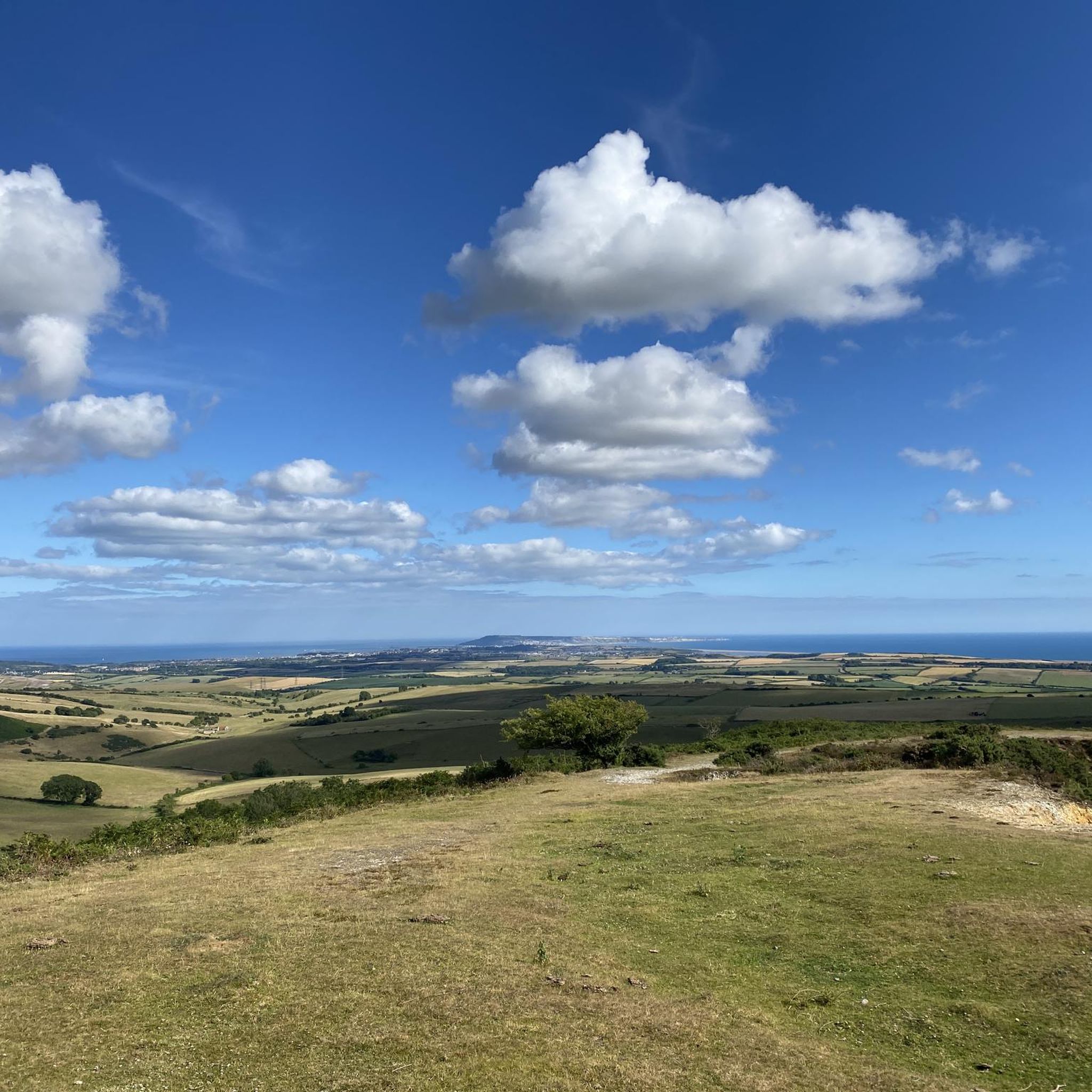
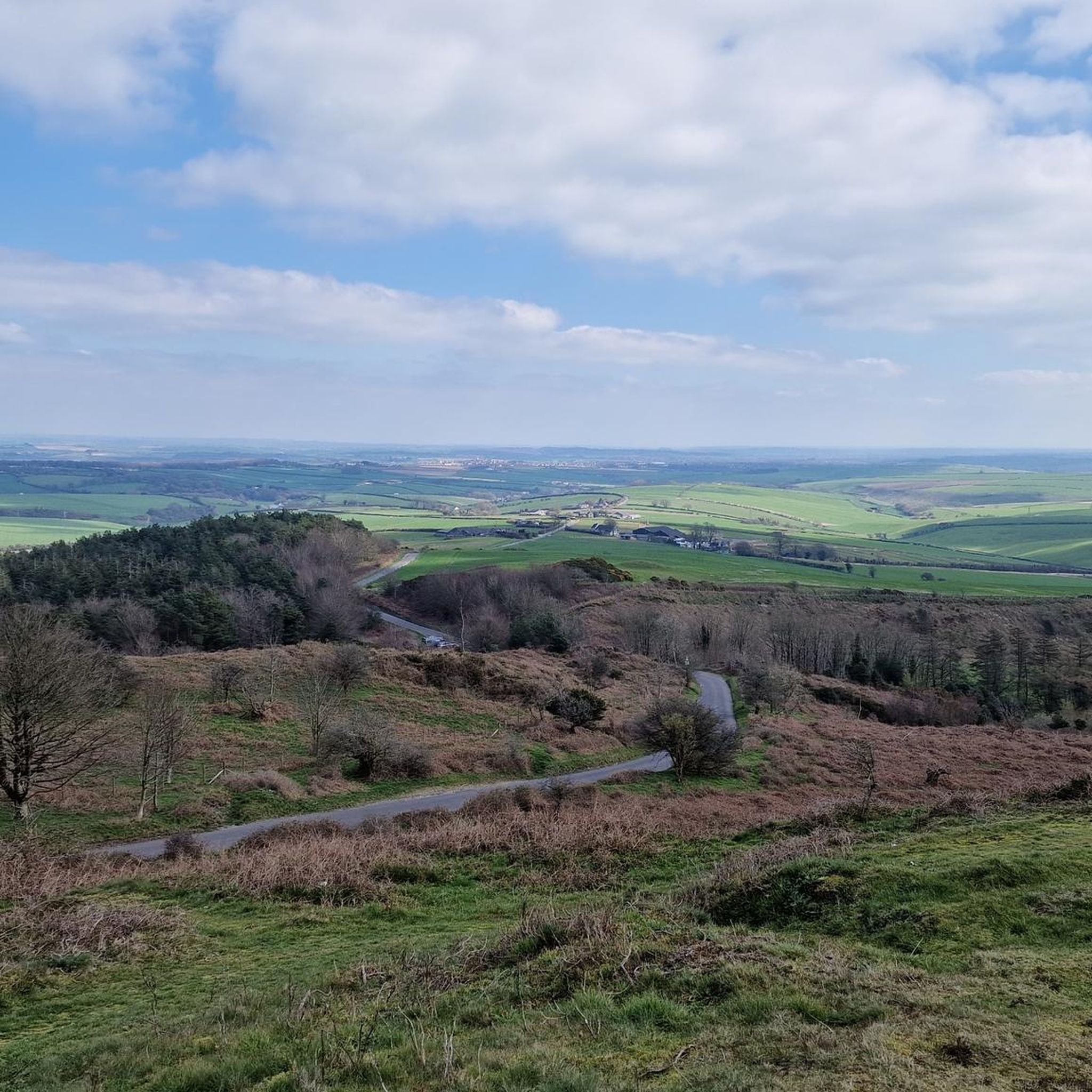
Once you're at this well-known junction, also known as the Dorsetshire Gap, it doesn't matter which direction you head because the landscape in this area is breathtaking.
0
0
Frequently Asked Questions
What are the most notable natural monuments to visit around Sydling St. Nicholas?
Beyond the village itself, you can explore the iconic Cerne Abbas Giant, a 55-meter-high chalk figure with mysterious origins. Another significant site is Maiden Castle hillfort, one of Europe’s largest Iron Age hillforts offering expansive views. Also, consider Maumbury Rings, a large circular earthwork that began as a Neolithic henge.
Are there any natural monuments with historical significance in the area?
Yes, several. Maiden Castle hillfort is a prime example, engineered around 400 BC as a thriving Iron Age community and later the site of a fierce struggle against the Romans. Maumbury Rings also has a rich history, starting as a Neolithic henge over five thousand years ago and later adapted by the Romans as an amphitheater. The Cerne Abbas Giant, while its exact age is debated, is believed to be around 1,000 years old and is steeped in local folklore.
What kind of natural features define the landscape around Sydling St. Nicholas?
The area is characterized by the rolling chalk hills of the Dorset Downs, such as Gore Hill, which offer elevated perspectives. The tranquil Sydling Water, a chalk stream, flows through the valley, creating lush water meadows. The entire region is part of the Dorset National Landscape, featuring a patchwork of pasture fields, scrub woodland, and ancient earthworks that blend into the natural contours of the land.
Are there family-friendly natural monuments or activities in the region?
Yes, Maumbury Rings is noted as family-friendly and serves as a public open space that hosts events. The Hardy Monument is also considered family-friendly, offering fantastic 360-degree views from its base and the option to climb its tower for a small fee when open.
What outdoor activities can I do near these natural monuments?
The area offers excellent opportunities for hiking, road cycling, and running. You can find various routes, including those that pass by the Cerne Abbas Giant. For hiking, explore options like the 'Minterne Magna and the Cerne Giant loop' or the 'Sydling St Nicholas and Wessex Ridgeway Loop' as detailed in the Hiking around Sydling St. Nicholas guide. Road cyclists can enjoy routes like 'View of Weymouth Bay – Rhododendron Mile loop' from the Road Cycling Routes around Sydling St. Nicholas guide.
Are there protected natural areas around Sydling St. Nicholas for nature observation?
Yes, the region includes significant protected areas such as the Hog Cliff National Nature Reserve and the Cerne and Sydling Downs Special Area of Conservation. These designations indicate areas of high ecological value, likely supporting diverse flora and fauna typical of chalk grasslands and downland environments, offering excellent opportunities for nature observation and appreciation.
What is the best time to visit the natural monuments in Sydling St. Nicholas?
The natural monuments and trails around Sydling St. Nicholas can be enjoyed year-round. In winter, the rushing Sydling Water creates a distinct beauty. Spring and summer offer lush landscapes, while autumn provides pleasant conditions for walking and vibrant colors. The fast-draining chalk hills make for enjoyable exploration in most weather conditions.
Can I find viewpoints with panoramic scenery among the natural monuments?
Absolutely. Maiden Castle hillfort provides breathtaking views over the Dorset countryside from its extensive ramparts. The Hardy Monument offers fantastic 360-degree views of Dorset and the English Channel. Additionally, the chalk hills of the Dorset Downs, like Gore Hill, provide elevated perspectives with far-reaching vistas.
What is the significance of the Sydling Water in the valley?
Sydling Water is a vital chalk stream that rises north of Sydling St. Nicholas and flows through the village. Historically, it supported watercress farms and today provides a crucial habitat for local wildlife. The stream divides as it enters the village, with many cottages accessible via small bridges, adding to the area's unique charm. It's a central feature of the valley's natural beauty.
What is the <a href="https://www.komoot.com/highlight/1579777" target="_blank" rel="noopener">Dorsetshire Gap</a> and why is it notable?
The Dorsetshire Gap, or Dorset Gap, is a significant dip in the Dorset Downs chalk ridge. It's an atmospheric location thought to have been part of ancient trading routes dating back to the Middle Ages. Several bridleways, including the ancient Wessex Ridgeway, run through this pass, making it a well-known junction for hikers and cyclists, offering breathtaking landscapes.
What do visitors particularly enjoy about the natural monuments around Sydling St. Nicholas?
Visitors appreciate the stunning views from sites like Maiden Castle hillfort and the Hardy Monument. The historical depth of places like the Cerne Abbas Giant and Maumbury Rings is also a major draw. The overall rural beauty, the tranquility of Sydling Water, and the opportunities for exploring ancient landscapes are frequently highlighted.
Are there any challenging routes or climbs for experienced outdoor enthusiasts?
Yes, the chalk hills of the Dorset Downs, such as Gore Hill (rising to 265 meters or 869 ft), offer rewarding climbs with far-reaching views. Some routes around Maiden Castle hillfort are also categorized as challenging due to their elevation and terrain. For running, the 'View of the Cerne Abbas Giant – Cerne Giant loop from Sydling St. Nicholas' is a difficult 37.7 km route.
Most popular routes around Sydling St. Nicholas
Most popular attractions around Sydling St. Nicholas

Get inspired with the komoot mobile app


Explore more
Extend your search for the best caves by checking out these guides of the top ones around Sydling St. Nicholas:
