The best walks and hikes around Sydling St. Nicholas
4.5
(401)
2,140
hikers
186
hikes
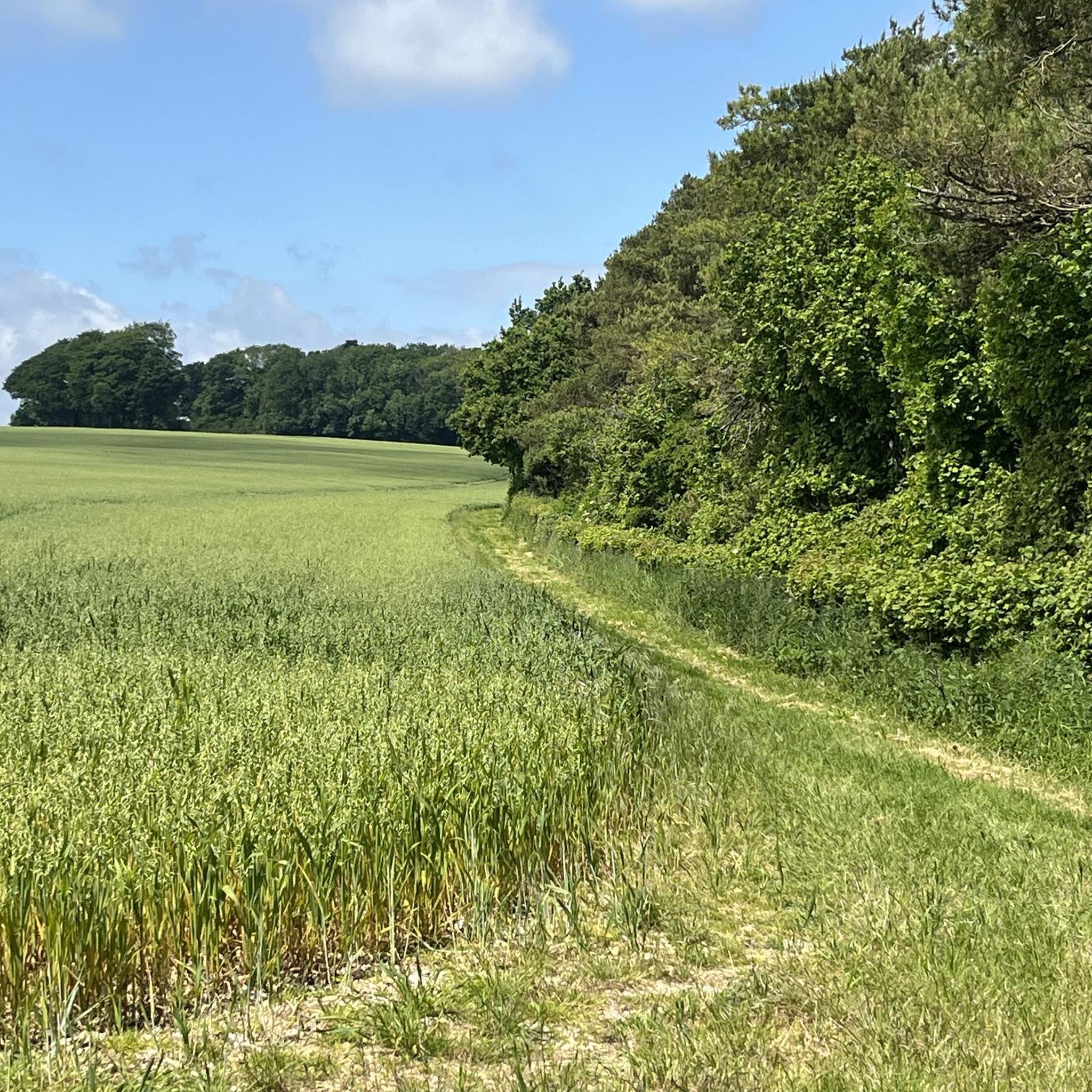
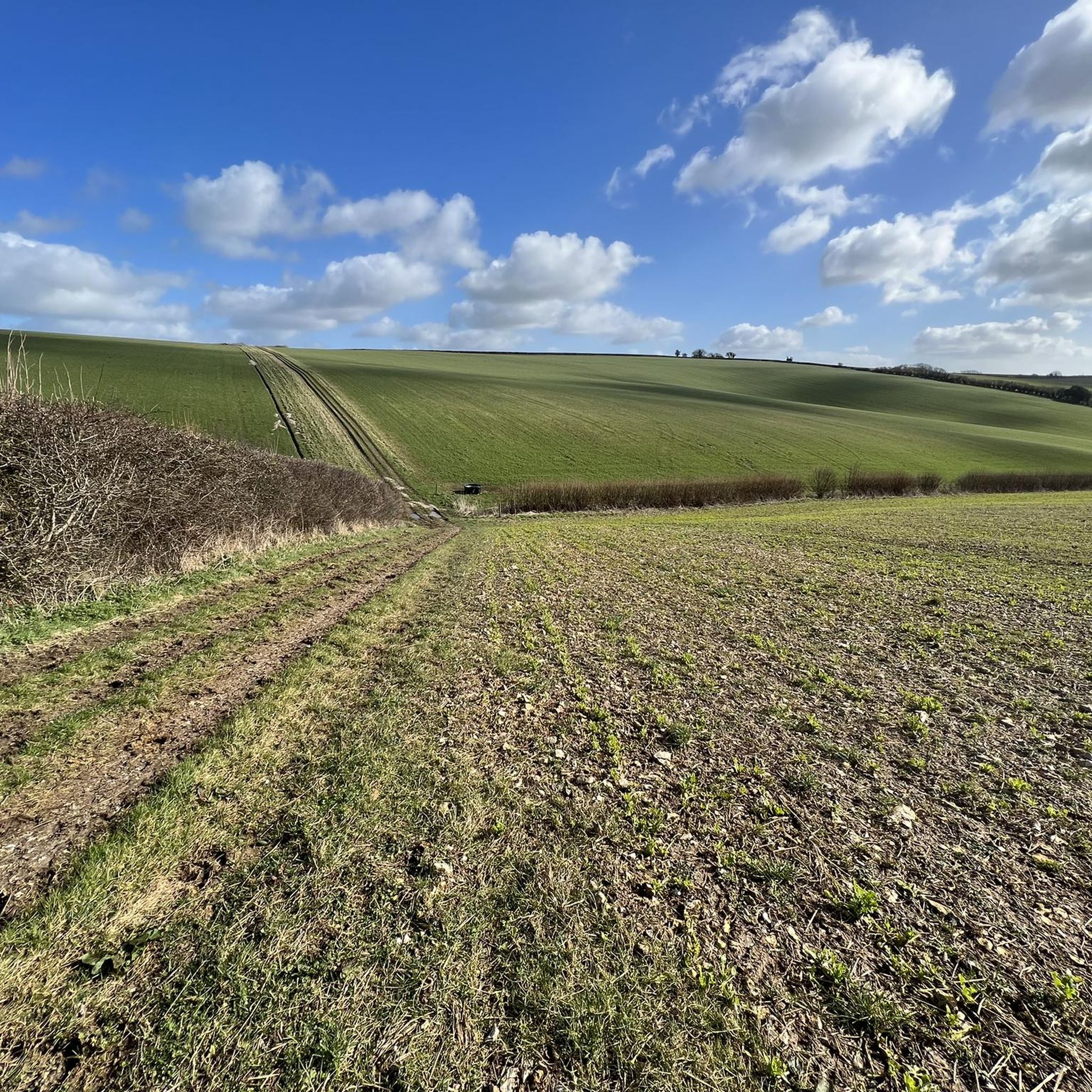
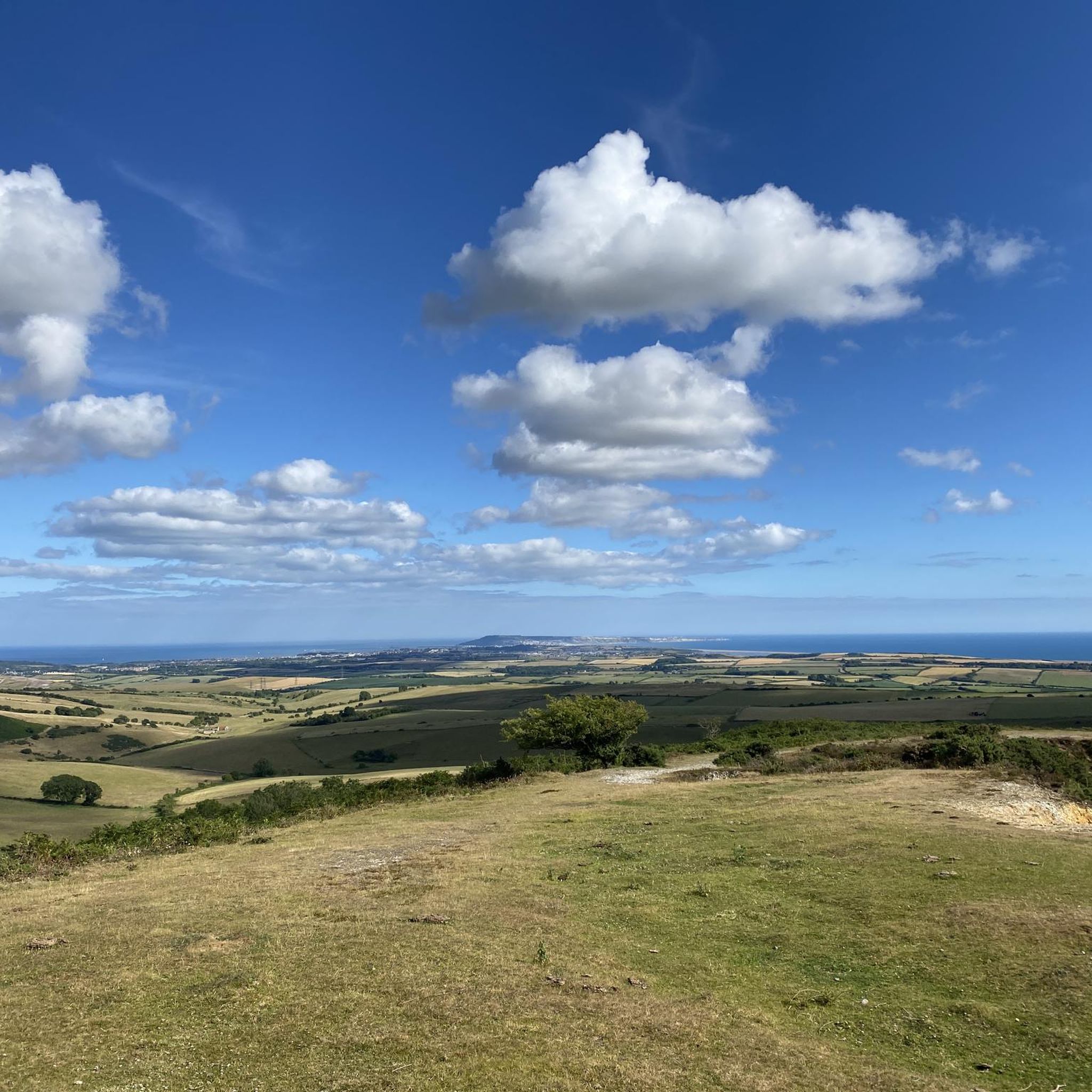
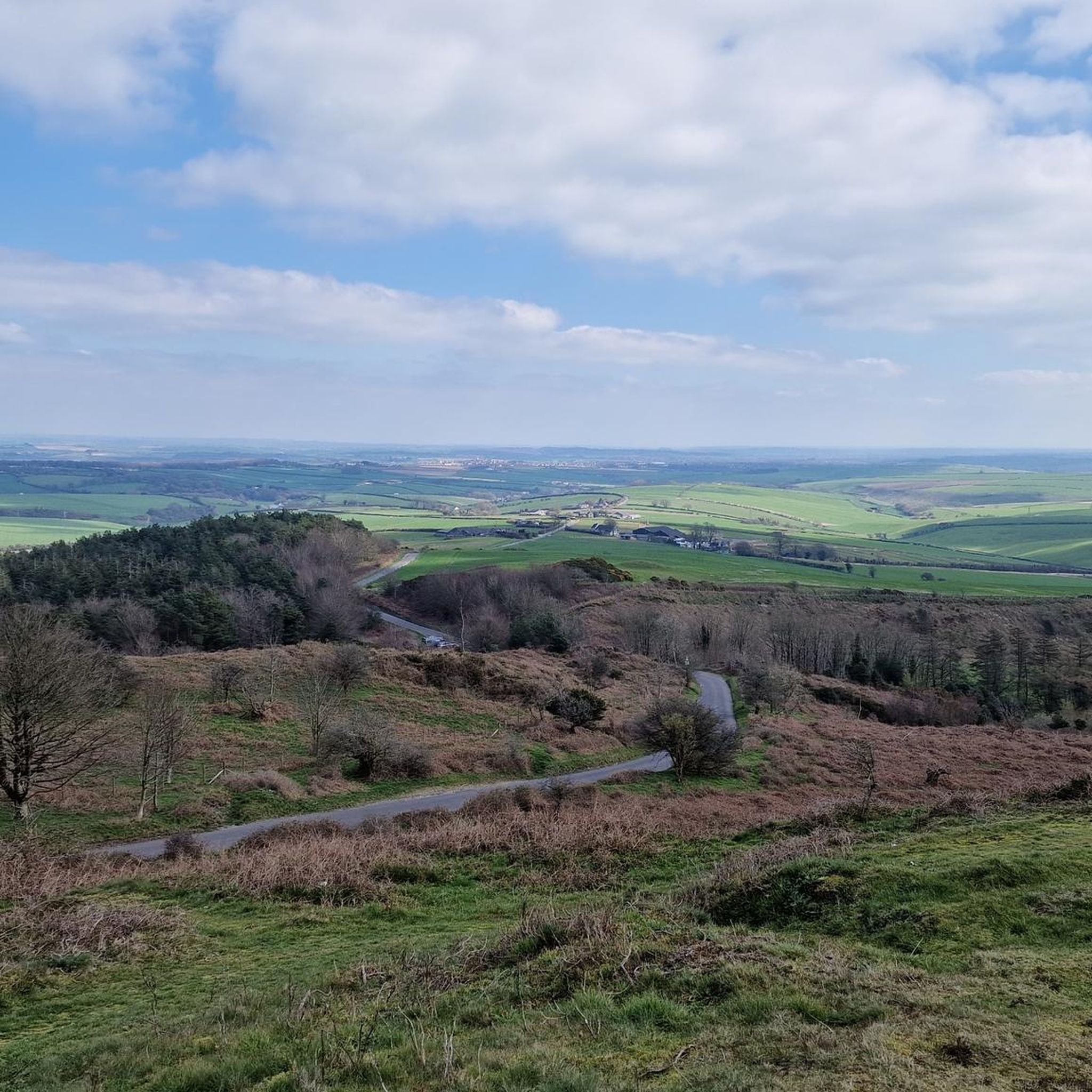
Hikes around Sydling St. Nicholas explore the heart of the Dorset Area of Outstanding Natural Beauty. The village is set within a chalk stream valley, and the surrounding landscape is characterized by rolling chalk hills, open meadows, and ancient field patterns. Routes often follow a mix of tracks, paths, and fields that traverse the gentle slopes of the Sydling Valley.
Best hiking trails around Sydling St. Nicholas
- The most popular hiking route is Jackman's Cross loop from Sydling St Nicholas…
Last updated: July 7, 2026
4.7
(48)
191
hikers
11.0km
03:02
190m
190m
Moderate hike. Good fitness required. Mostly accessible paths. Sure-footedness required.
4.4
(16)
95
hikers
4.34km
01:16
120m
120m
Easy hike. Great for any fitness level. Easily-accessible paths. Suitable for all skill levels.

Sign up for free
3.5
(2)
11
hikers
12.4km
03:25
210m
210m
Moderate hike. Good fitness required. Mostly accessible paths. Sure-footedness required.
4.9
(7)
46
hikers
6.86km
01:56
140m
140m
Easy hike. Great for any fitness level. Easily-accessible paths. Suitable for all skill levels.
4.8
(11)
25
hikers
13.8km
03:49
250m
250m
Moderate hike. Good fitness required. Easily-accessible paths. Suitable for all skill levels.
Get access to more routes and recommendations from other explorers.
Sign up for free
Already have an account?
Our route recommendations are based on thousands of hikes, rides, and runs completed by other people on komoot.
Start today with a free account
Your next adventure awaits.
Login or Signup

Other adventures around Sydling St. Nicholas

Tips from the Community

Well,somebody needs to cut down the bushes and trees, as that is all that can be seen here. oh, and ouch.. big, BIG nettle stings!!!
0
0
Not a lake. The water "behind" Up Cerne Manor is a specific formal water feature—a serpentine canal pond—as well as the River Cerne itself, which flows through the valley just behind the house. Here is the breakdown of what you see in that specific area: 1. The Serpentine Canal Directly to the west (behind the main house structure), there is a long, formal canal. It is distinct for its "serpentine" or curved shape. This was a classic 18th-century landscaping technique designed to make formal water appear more natural and graceful while still functioning as a grand garden feature. 2. The River Cerne The house is nestled in the valley floor, and the River Cerne flows immediately behind the grounds. It is a classic English chalk stream, known for its crystal-clear water and abundance of brown trout. The river was used historically to feed the manor's ponds and create the water meadows that characterize the landscape. 3. The Water Meadows The flat land directly behind the manor consists of ancient water meadows. In the 17th and 18th centuries, these were highly engineered systems of "carriers" and "drains" used to divert river water across the grass to prevent frost and encourage early spring growth for sheep. Today, they appear as lush, damp pastures that provide a scenic backdrop to the house.
0
0
The gardens were influenced by the legendary Capability Brown, but they are most famous for their "Himalayan" style, featuring a world-renowned collection of rhododendrons and azaleas sourced from early botanical expeditions. Fascinating Residents The halls of Minterne have seen some truly eclectic characters: Admiral Henry Digby: A naval hero who commanded HMS Africa at the Battle of Trafalgar. Jane Digby: Perhaps the most scandalous resident, she was a Victorian adventuress who had several high-profile marriages before eventually marrying a Bedouin Sheikh and spending her final 25 years in Syria. Pamela Harriman: Born Pamela Digby, she was a socialite and diplomat who eventually became the U.S. Ambassador to France. Today, the house remains a private family home, though the Minterne Gardens are open daily for visitors. While the house itself is generally closed to the public, exclusive guided tours led by Lord Digby himself are occasionally offered, providing a rare look at the
0
0
Minterne House is a grand Dorset estate that Lord Digby famously calls the "cradle of the Churchill dynasty." While the current house was rebuilt in 1905 after a nasty bout of dry rot, the story of the land and its families stretches back centuries. A Tale of Two Families The house has been the seat of just two families since 1620: the Churchills and the Digbys. The Churchill Connection: The first Sir Winston Churchill (ancestor to the PM) lived here in the 1600s. His eldest son, the Great Duke of Marlborough, spent his childhood at Minterne but famously had to "settle" for Blenheim Palace after his younger brother inherited the family home instead. The Digby Takeover: In 1768, Admiral Robert Digby bought the house on a "walk-in, walk-out" basis, meaning he bought everything—even the furniture and the original Churchill tapestries, which remarkably still hang in the house today. A "Himalayan" Oasis:
0
0
The Cerne Abbey Abbot's Porch is a stunning, three-story fragment of history that serves as a grand reminder of the abbey's former glory. It’s the kind of place where you can just sit and admire the intricate stonework and that iconic two-story oriel window. It feels wonderfully peaceful, tucked away at the end of Abbey Street. Since it’s one of the few pieces of the 15th-century monastery still standing, it has a very grounded, quiet presence. It’s perfect for a slow wander when you want to soak up the medieval atmosphere without any rush.
0
0
Standing tall since the 1300s, St Mary’s is where you go to feel ancient and slightly judged by stone gargoyles. It boasts a stunning 15th-century tower and a posh stone screen that’s older than your family tree. Don't miss the medieval wall paintings—they’ve survived centuries of damp and hymns. It’s the perfect, holy spot to pray for forgiveness after giggling at the Giant’s nakedness just five minutes up the road. Amen to that!
0
0
Towering over the village is Britain’s most "well-endowed" landmark, a 180-foot chalk giant who clearly forgot his trousers—and his modesty. Carved into the hillside with a massive club and an even more massive... ego, he’s been blushing hikers for centuries. Legend says sleeping on his "manhood" boosts fertility, but most people just settle for a breathless selfie. He’s ancient, he’s shameless, and he’s definitely the only hillside that’s genuinely happy to see you.
0
0
Frequently Asked Questions
Are there many circular walks starting from Sydling St. Nicholas?
Yes, the area is well-suited for circular hikes. Many routes begin and end in the village, allowing you to explore the surrounding chalk hills and the Sydling Valley before returning. These loops vary in length and difficulty, from gentle strolls to more strenuous treks on the ridges.
What are the trail conditions like around Sydling St. Nicholas?
The trails consist of a mix of tracks, footpaths, and open fields. The terrain is primarily chalk downland, which can become muddy and slippery after rainfall. It's always a good idea to wear sturdy, waterproof hiking boots.
Can I see the Cerne Abbas Giant on a walk from the area?
Absolutely. While not starting directly in Sydling St. Nicholas, the nearby Cerne Abbas Giant – View of the Cerne Abbas Giant loop from Cerne Abbas is a popular choice. This easy walk offers excellent views of the famous and ancient chalk figure.
Are the hiking trails suitable for families with children?
Yes, there are several family-friendly options. The region offers easier, shorter walks that are great for children. For a manageable outing that still feels like an adventure, consider the Cerne Abbas Giant — National Trust North and West Dorset trail. At under 3 miles, it's a great way to see the landscape without committing to a long day.
Can I bring my dog on the trails?
Most trails in the area are dog-friendly, but you will be walking through farmland with grazing livestock, particularly sheep. It is essential to keep your dog on a lead and under control at all times to ensure the safety of the animals and other walkers.
What kind of scenery and historical sites can I expect to see?
Walks around Sydling St. Nicholas feature classic Dorset scenery: rolling chalk hills, panoramic valley views, and the clear Sydling Water chalk stream. The landscape is rich in history, with routes passing ancient field patterns, Roman-era paths, and offering distant views of hillforts.
Where is a good place to park for a hike?
For walks starting in the village, there is on-street parking available in Sydling St. Nicholas. Please be considerate of residents when parking. For routes starting in nearby Cerne Abbas, there is a dedicated car park for visitors.
How do I get to the trailheads using public transport?
Public transport options to Sydling St. Nicholas are limited, as it's a rural village. Reaching the trailheads is most convenient by car. It is advisable to check local bus schedules in advance if you plan to travel from larger towns like Dorchester, but services may be infrequent.
Are there any challenging, long-distance hikes available?
Yes, for those seeking a more demanding hike, the View of the Cerne Abbas Giant – Abbey House, Cerne Abbey loop from Hilfield Hill offers a significant challenge. This moderate route covers nearly 14 km and includes steep climbs, rewarding you with expansive views across the downlands.
What do other hikers think of the trails around Sydling St. Nicholas?
The area is highly regarded by the komoot community, with an average rating of 4.5 stars. Hikers often praise the stunning panoramic views from the ridges, the tranquility of the chalk stream valleys, and the quintessential English countryside scenery.
How many hiking trails are there to choose from?
There is a wide variety of options, with nearly 200 hiking routes mapped around Sydling St. Nicholas. These range from short, easy strolls to more difficult all-day treks, ensuring there's a trail for every fitness level.
What are some popular places to hike in the wider Dorset area?
The entire region is part of the Dorset National Landscape, a highly-regarded nature preserve known for its rolling hills, coastal cliffs, and rich history. Many trails explore this protected area, offering some of the best scenery in southern England.
Most popular routes around Sydling St. Nicholas
Most popular attractions around Sydling St. Nicholas

Get inspired with the komoot mobile app


Explore more
Browse the best Hikes in other regions.
