Top 4 Natural Monuments around Buckland Newton
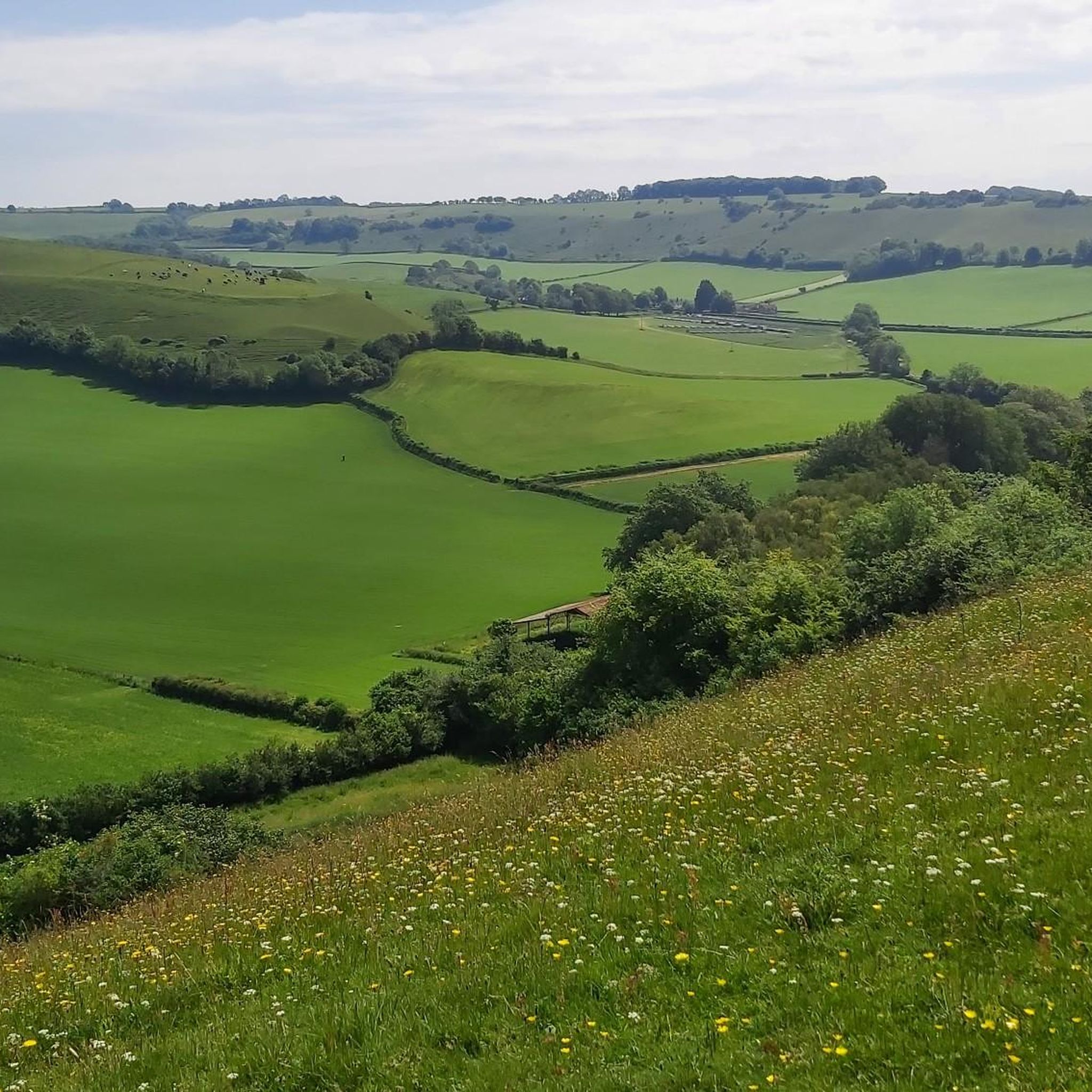
Natural monuments around Buckland Newton are found within the Dorset National Landscape, an area characterized by rolling hills and diverse natural features. The region sits at the head of the Blackmore Vale, known for its lush meadows and gentle hills. This landscape encompasses varied geology, including chalk downland, deciduous woodlands, and calcareous grasslands, which are significant for supporting butterfly populations. Exploring these areas provides opportunities to appreciate rich biodiversity and varied topography.
Best natural monuments around Buckland Newton
- The most…
Last updated: July 1, 2026
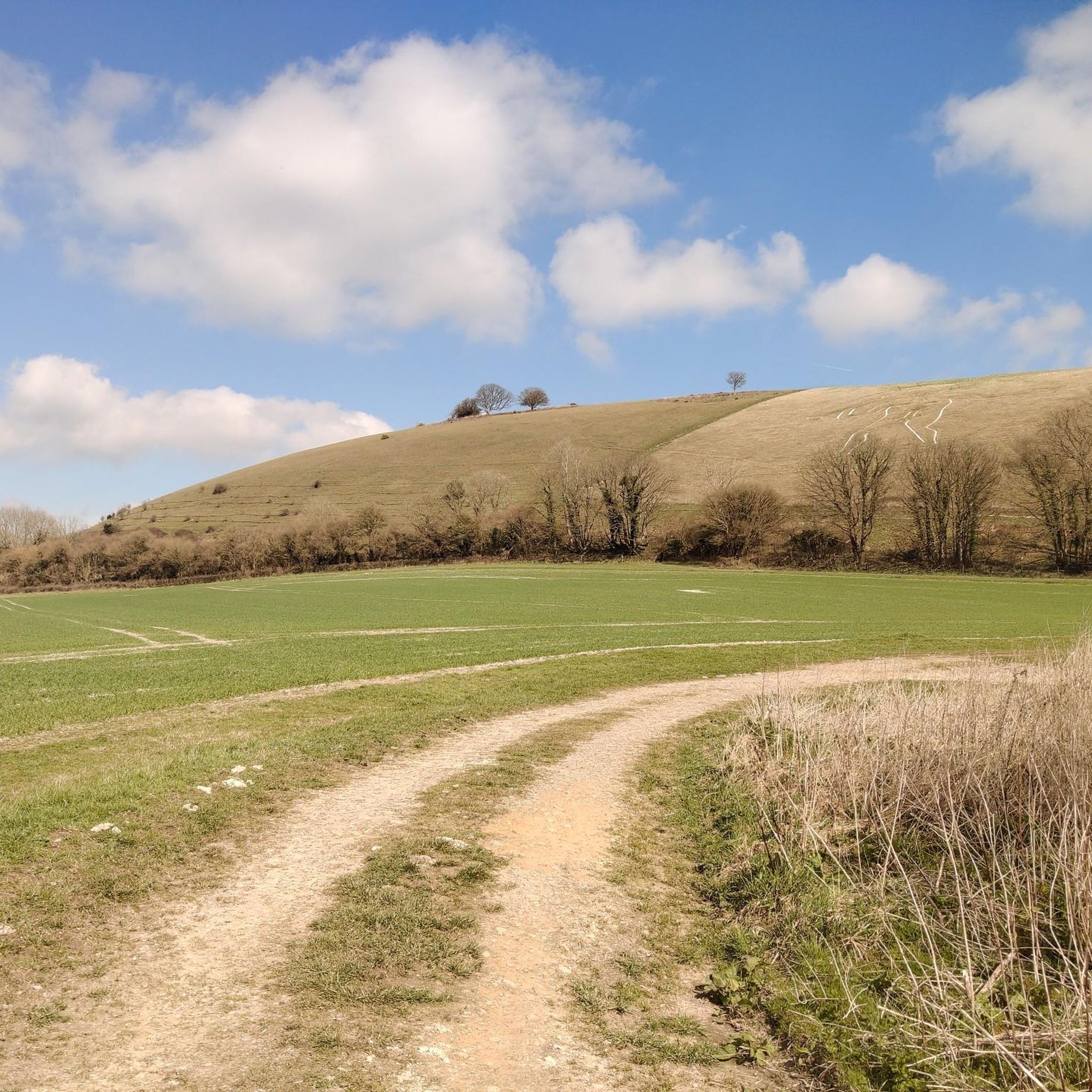
Cerne Abbas Giant
Highlight • Monument
Measuring at 55 metres (180 ft) high, the origin of the figure of a man wielding a …
Tip by

St Augustine’s Well
Highlight • Historical Site
Tip by

Sign up now to discover places like this
Get recommendations on the best single tracks, peaks, & plenty of other exciting outdoor places.
Sign up for free
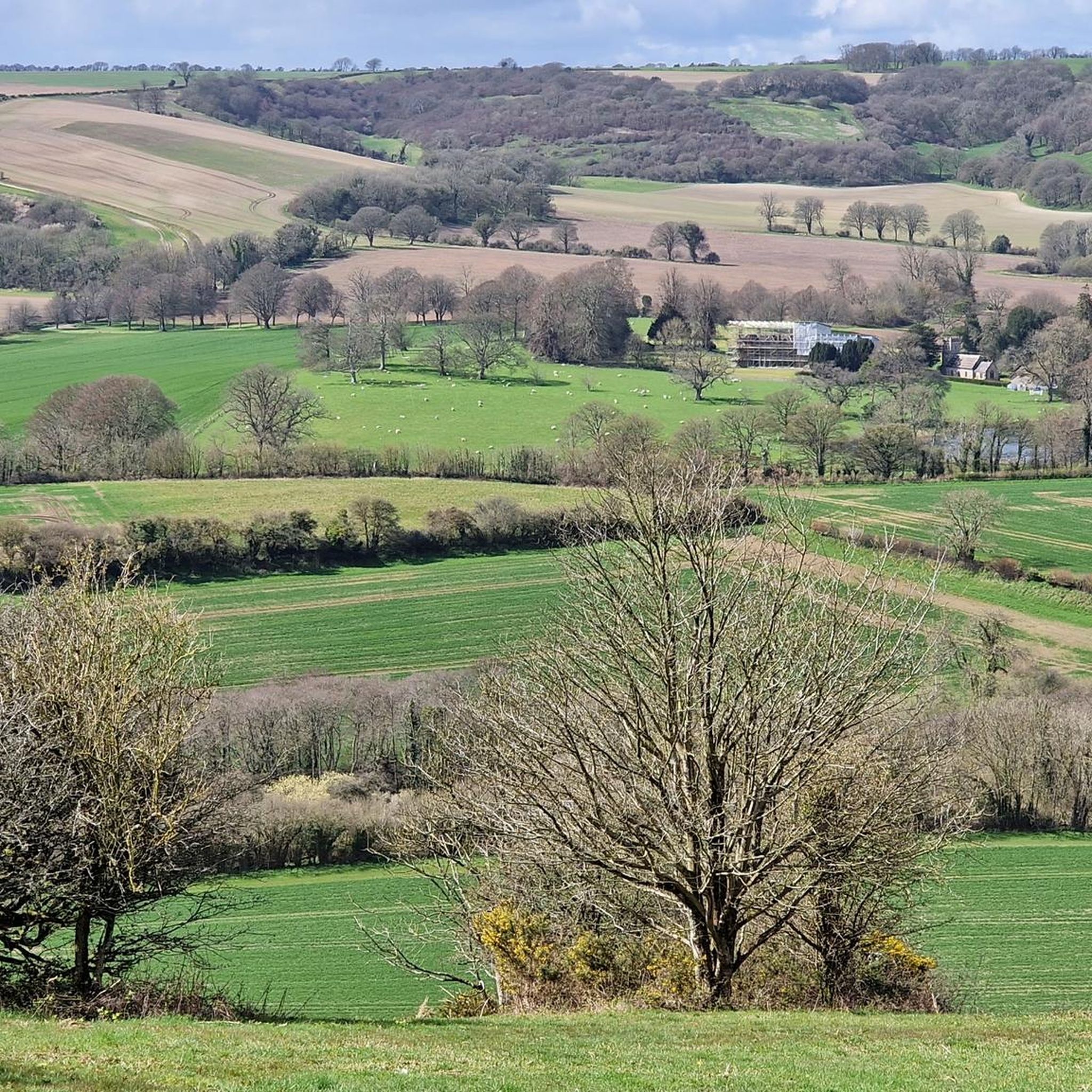
The Dorsetshire Gap
Highlight • Viewpoint
Tip by
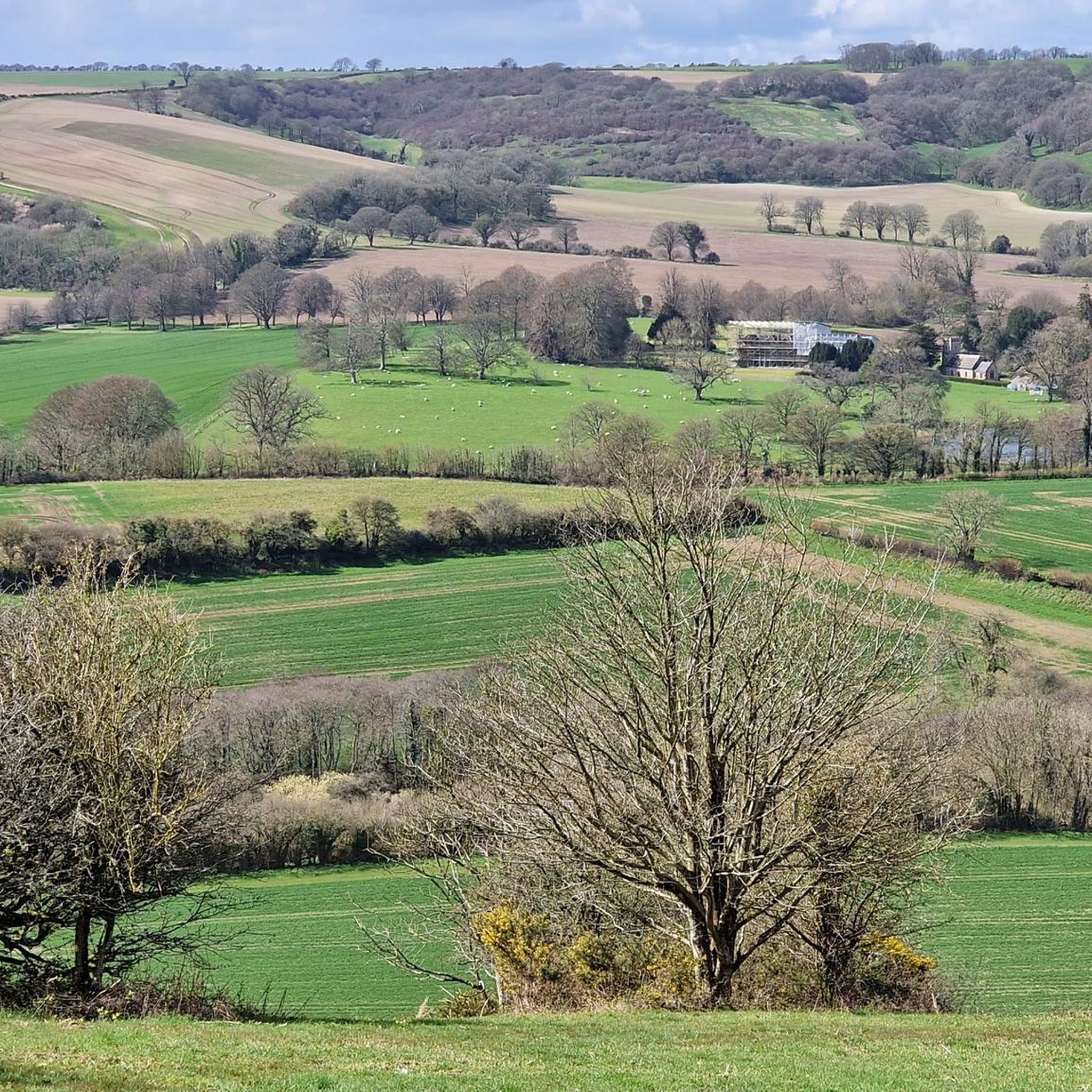
Minterne Gardens
Highlight • Lake
Tip by

Lankham Bottom Nature Reserve
Highlight • Forest
butterfly-conservation.org/our-work/reserves/lankham-bottom-dorset
Tip by

Sign up for free to discover even more natural monuments around Buckland Newton.
Sign up for free
Already have an account?
Start today with a free account
Your next adventure awaits.
Login or Signup
Tips from the Community

This was the part that I was longing for dry weather. The proper ridgeway from here on eastward is stunning but if less than knobby tyres you'll need to drop down.
0
0

Hidden behind the church lies the Silver Well, a mystical pool where Saint Augustine allegedly tapped the ground and told the water to "get a move on." It’s famous for "healing" properties, though mostly it’s just great at chilling your ankles. Legend says drinking the water at sunrise brings babies or visions; nowadays, it just brings hikers looking for a quiet spot to contemplate why they wore sandals. A peaceful, leafy nook for some holy hydration!
0
0
Towering over the village is Britain’s most "well-endowed" landmark, a 180-foot chalk giant who clearly forgot his trousers—and his modesty. Carved into the hillside with a massive club and an even more massive... ego, he’s been blushing hikers for centuries. Legend says sleeping on his "manhood" boosts fertility, but most people just settle for a breathless selfie. He’s ancient, he’s shameless, and he’s definitely the only hillside that’s genuinely happy to see you.
0
0

The view of giant is best from the opposite hill. When I took my photo the chalk was very dull so viewing wasn’t brilliant but I know they restore him every now and again so he should be bright again.The climb up past the giant is very steep so if hiking poles would be a great addition and grippy footwear 👟
0
0

fabulous landscaped gardens at all times of year, especially the autumn
0
0

This provides a perfect viewpoint from which to observe the large hill figure of the Cerne Giant. It's at just the right distance, not too far, to see the figure in its entirety.
0
0
Once you're at this well-known junction, also known as the Dorsetshire Gap, it doesn't matter which direction you head because the landscape in this area is breathtaking.
0
0
Frequently Asked Questions
What are some of the key natural monuments and features to explore around Buckland Newton?
The region around Buckland Newton is rich in natural beauty. You can explore the iconic Cerne Abbas Giant, an impressive 180-foot-high outline carved into a chalk hillside. Another significant spot is Lankham Bottom Nature Reserve, known for its diverse butterfly and moth populations. Don't miss The Dorsetshire Gap, a historical dip in the chalk ridge offering breathtaking views and a junction for ancient bridleways.
What kind of outdoor activities can I enjoy near Buckland Newton's natural monuments?
The area offers a variety of outdoor activities. You can find numerous hiking trails, including easy options like the 4.3 km loop around the Cerne Abbas Giant. For cycling enthusiasts, there are road cycling routes such as the 'Plush Village – The Brace of Pheasants loop' from Buckland Newton. Running trails are also available, with moderate options like the 'Cerne Abbas & Minterne Magna loop'. You can find more details on these activities in the easy hikes, road cycling, and running guides for the area.
What is the typical terrain and difficulty level of walks in the area?
The landscape around Buckland Newton is characterized by rolling hills, chalk downland, and deciduous woodlands, all within the Dorset National Landscape. While some paths can be gentle, many walks involve moderate ascents and descents, especially when exploring prominent hills like Ball Hill and Lyscombe Hill. Trails like those leading to The Dorsetshire Gap can be challenging in places, but there are also easier, shorter loops available, such as those around the Cerne Abbas Giant.
Are there family-friendly natural monuments or walks around Buckland Newton?
Yes, several spots are suitable for families. Minterne Gardens offers beautiful landscaped gardens that are enjoyable for all ages. While the Cerne Abbas Giant itself is a fascinating sight, there are easy, shorter walks around it, such as the 4.3 km 'Cerne Abbas Giant — National Trust North and West Dorset' route, which is generally considered family-friendly.
When is the best time of year to visit the natural monuments around Buckland Newton?
The Dorset National Landscape is beautiful year-round. Spring and summer are ideal for enjoying the lush meadows and woodlands, especially for spotting butterflies at places like Lankham Bottom Nature Reserve. Autumn brings vibrant foliage, while winter offers crisp walks and clear views, though some paths may be muddy. Always check local conditions before heading out.
What kind of wildlife can I expect to see in the natural areas?
The diverse habitats, including calcareous grasslands and deciduous woodlands, are particularly important for supporting butterfly populations. Lankham Bottom Nature Reserve is specifically known for its variety of butterflies and moths. You may also encounter various bird species and other small mammals typical of the English countryside.
Are there any historical or cultural sites near the natural monuments?
Absolutely. The Cerne Abbas Giant is a significant historical curiosity, with its origins debated and no evidence pre-dating the early 1700s. The Dorsetshire Gap is thought to have been part of ancient trading routes dating back to the Middle Ages. Additionally, you can find sites like the Church Hill Enclosure, a square earthwork whose purpose is still undetermined, located near the Wessex Ridgeway.
Where can I find the best viewpoints for panoramic scenery?
For expansive views, head to prominent hills such as Ball Hill (820 ft / 250 m) and Lyscombe Hill (860 ft / 260 m) near The Dorsetshire Gap. Watts Hill is also a great starting point for walks offering panoramic vistas over the Blackmore Vale. The area around The Dorsetshire Gap itself provides breathtaking scenery.
Are there dog-friendly trails and areas around Buckland Newton's natural monuments?
Many of the public footpaths and bridleways throughout the Dorset National Landscape are dog-friendly, provided dogs are kept under control, especially near livestock. The walks around the Cerne Abbas Giant and the trails leading to The Dorsetshire Gap are popular choices for dog walkers. Always remember to clean up after your dog.
What are the main natural features that define the Buckland Newton area?
Buckland Newton is situated at the head of the Blackmore Vale, characterized by lush meadows and gentle hills. The wider area is part of the Dorset National Landscape, featuring varied geology including chalk downland, deciduous woodlands, and calcareous grasslands. The River Lydden also originates from numerous springs around the village, contributing to its fresh, rural feel.
Are there any hidden natural gems or lesser-known spots worth discovering?
Beyond the well-known highlights, the region boasts 11 locally recognized Sites of Nature Conservation Interest and areas of Ancient Woodland. These sites, often less frequented, are crucial for their protected deciduous woodland and calcareous grassland habitats, offering a chance to engage with local wildlife and serene natural beauty away from the main trails.
What should I bring for a hike to the natural monuments?
For a comfortable hike, we recommend bringing appropriate footwear for varied terrain, water, snacks, and weather-appropriate clothing. Depending on the season, waterproofs and sun protection are advisable. A map or GPS device is also useful for navigating the network of paths and bridleways.
Are there places to eat or stay near the natural monuments?
Buckland Newton and the surrounding villages offer local pubs and cafes where you can find refreshments. For example, the 'Plush Village – The Brace of Pheasants loop' is a cycling route that passes through areas with amenities. For accommodation, there are various options ranging from B&Bs to guesthouses in the nearby villages, providing a comfortable base for exploring the natural monuments.
Most popular routes around Buckland Newton
Most popular attractions around Buckland Newton

Get inspired with the komoot mobile app


Explore more
Extend your search for the best caves by checking out these guides of the top ones around Buckland Newton:
