The best road cycling routes around Buckland Newton
4.7
(51)
2,403
riders
86
rides
Road cycling routes around Buckland Newton traverse a landscape characterized by rolling hills, chalk uplands, and ancient woodlands within the Dorset National Landscape. The area sits beneath the scarp slope of the Dorset Downs, providing varied terrain for cyclists. Routes often feature challenging climbs and exhilarating descents, with prominent hills like Ball Hill (250 m) and Lyscombe Hill (260 m) adding to the elevation. This region offers diverse cycling experiences across its expansive countryside.
Best road cycling routes around Buckland…
Last updated: July 4, 2026
4.2
(11)
1,692
riders
88.5km
04:17
870m
870m
Moderate road ride. Good fitness required. Mostly well-paved surfaces and easy to ride.
5.0
(1)
22
riders
26.9km
01:22
210m
210m
Easy road ride. Great for any fitness level. Mostly well-paved surfaces and easy to ride.

Sign up for free
5.0
(1)
19
riders
56.6km
02:52
540m
540m
Moderate road ride. Good fitness required. Mostly well-paved surfaces and easy to ride.
17
riders
34.0km
01:59
420m
420m
Moderate road ride. Good fitness required. Mostly well-paved surfaces and easy to ride.
12
riders
40.1km
02:03
380m
380m
Moderate road ride. Good fitness required. Mostly well-paved surfaces and easy to ride.
Get access to more routes and recommendations from other explorers.
Sign up for free
Already have an account?
Our route recommendations are based on thousands of hikes, rides, and runs completed by other people on komoot.
Start today with a free account
Your next adventure awaits.
Login or Signup
Tips from the Community

Towering over the village is Britain’s most "well-endowed" landmark, a 180-foot chalk giant who clearly forgot his trousers—and his modesty. Carved into the hillside with a massive club and an even more massive... ego, he’s been blushing hikers for centuries. Legend says sleeping on his "manhood" boosts fertility, but most people just settle for a breathless selfie. He’s ancient, he’s shameless, and he’s definitely the only hillside that’s genuinely happy to see you.
0
0
The bridge you are referring to is officially known as Town Bridge (or Sturminster Newton Bridge), though it is often referred to as a "County Bridge" due to its historical significance and maintenance. Here are the key details about this historic structure in Sturminster Newton, Dorset: Historical Significance and Features Age: It is a remarkably old bridge, dating from the late 15th or early 16th century (circa 1500). It replaced a historic fording point on the River Stour. Structure: It is a multi-span stone arch bridge with six two-centred arches spanning the River Stour. Listing Status: It is a Grade I Listed Building (List Entry Number: 1110531) by Historic England, which means it is of exceptional interest. Widening: The bridge was widened from 12ft to 18ft in the 17th century. Later, in 1820, one of the central cutwaters (the pointed projections on the piers) was repaired. Pedestrian Refuges: The bridge features larger, central cutwaters that are corbelled out to form pedestrian refuges (small alcoves) to either side of the roadway. The "Transportation for Life" Plaque One of the most famous and curious features of the bridge is an iron plaque affixed within one of the downstream pedestrian refuges. The inscription on this plaque reads: "ANY PERSON WILFULLY INJURING ANY PART OF THIS COUNTY BRIDGE WILL BE GUILTY OF FELONY AND UPON CONVICTION LIABLE TO BE TRANSPORTED FOR LIFE." This plaque is a reminder of the harsh laws of the 19th century, though it is reported that no one was ever transported for damaging this specific bridge. Literary Connection The bridge holds a connection to English literature. It is the one featured in the poem "On Sturminster Bridge" by Thomas Hardy, who lived in the town from 1876 to 1878 while writing his novel The Return of the Native.
0
0
Here are the key details about this historic structure in Sturminster Newton, Dorset: Historical Significance and Features Age: It is a remarkably old bridge, dating from the late 15th or early 16th century (circa 1500). It replaced a historic fording point on the River Stour. Structure: It is a multi-span stone arch bridge with six two-centred arches spanning the River Stour. Listing Status: It is a Grade I Listed Building (List Entry Number: 1110531) by Historic England, which means it is of exceptional interest. Widening: The bridge was widened from 12ft to 18ft in the 17th century. Later, in 1820, one of the central cutwaters (the pointed projections on the piers) was repaired. Pedestrian Refuges: The bridge features larger, central cutwaters that are corbelled out to form pedestrian refuges (small alcoves) to either side of the roadway.
0
0

I can only agree with the last tip. We have had less than stellar service recently, not felt especially welcome and the cycle provision is not good. As recommended head onto the Dovecote at Moreton. If you get a coffee the cafe is the best for quality but you have to drink it in the Cafe. When we asked to have our coffee in a flask they were not keen. Sculptures and grounds are lovely, let down by cafe
0
0

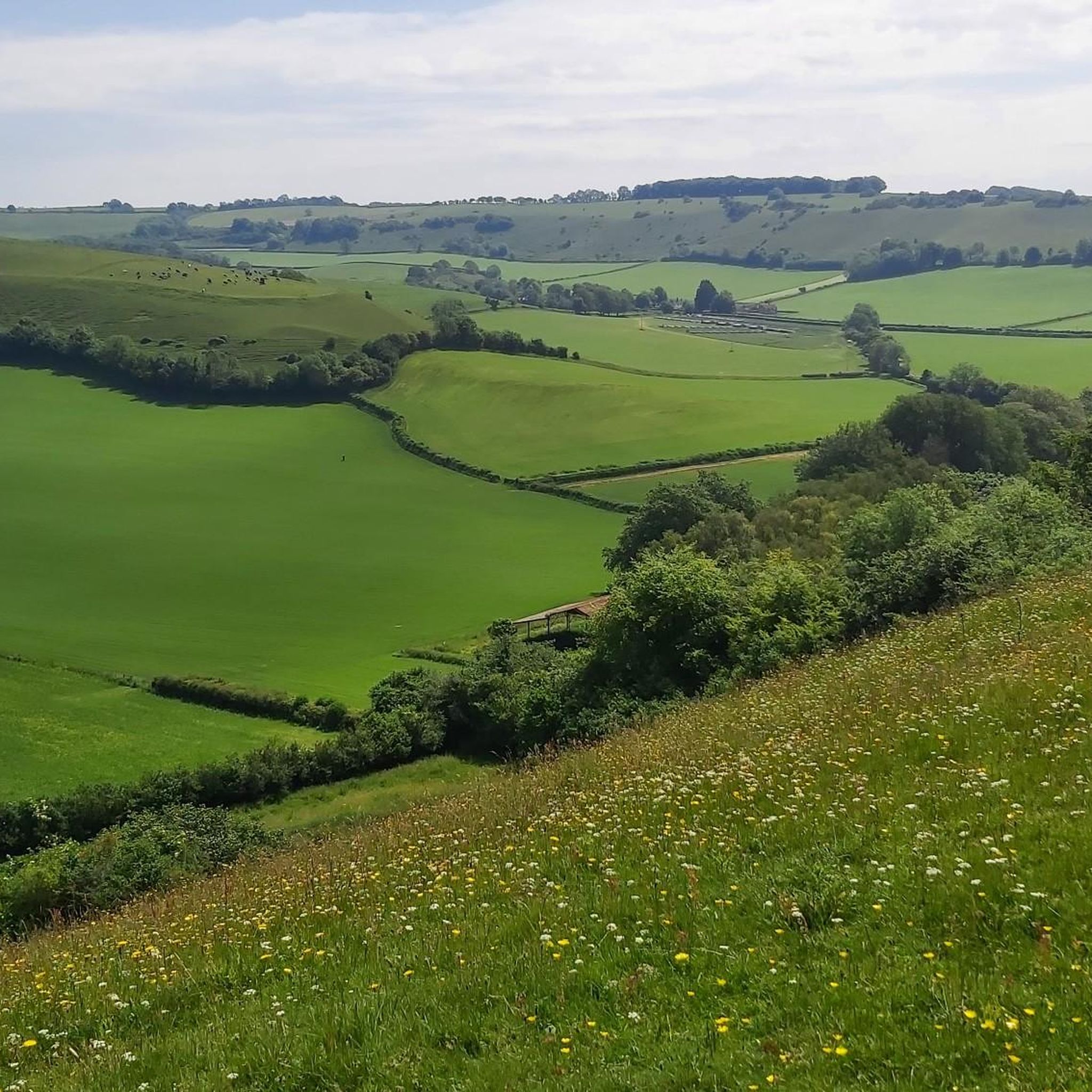
The view of giant is best from the opposite hill. When I took my photo the chalk was very dull so viewing wasn’t brilliant but I know they restore him every now and again so he should be bright again.The climb up past the giant is very steep so if hiking poles would be a great addition and grippy footwear 👟
0
0

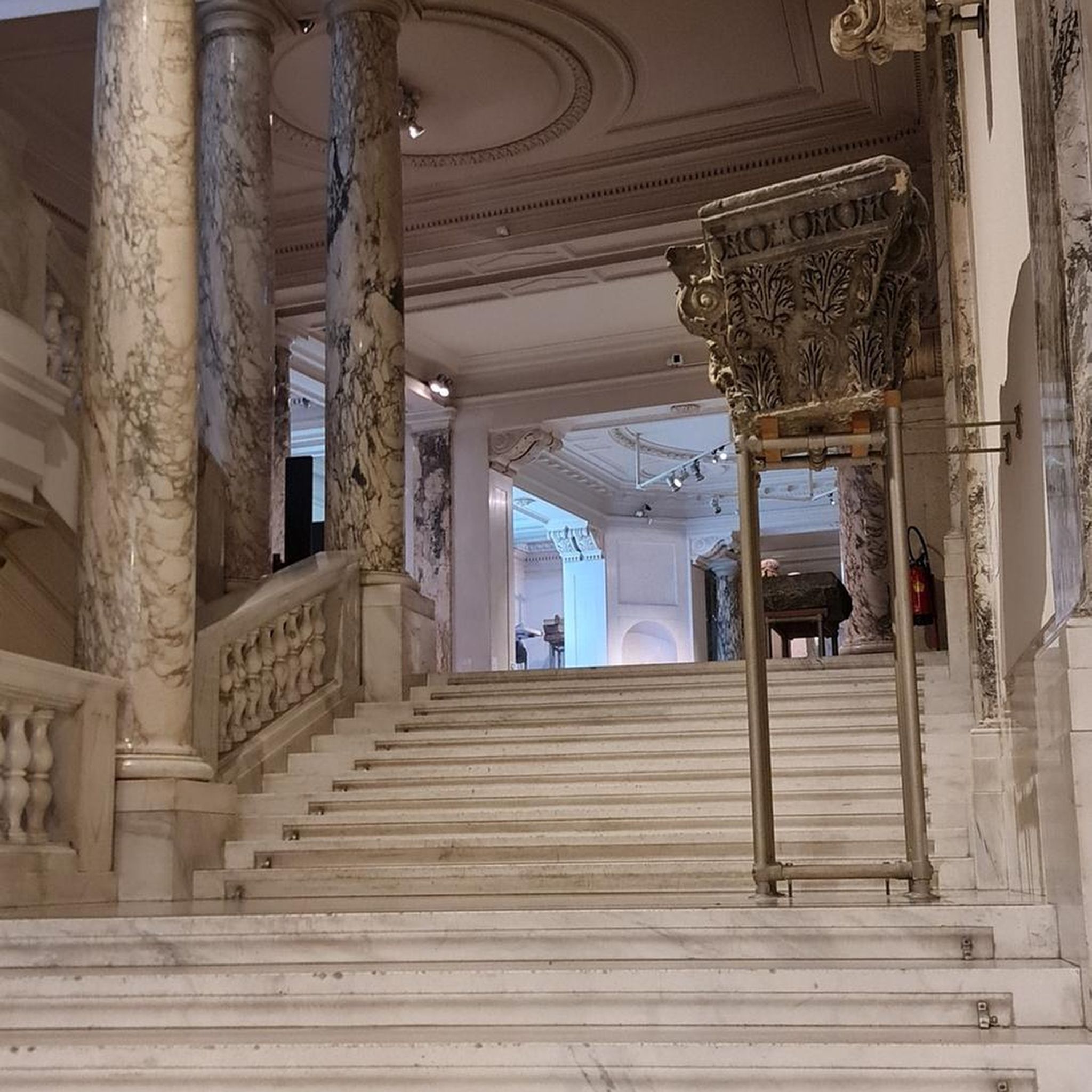
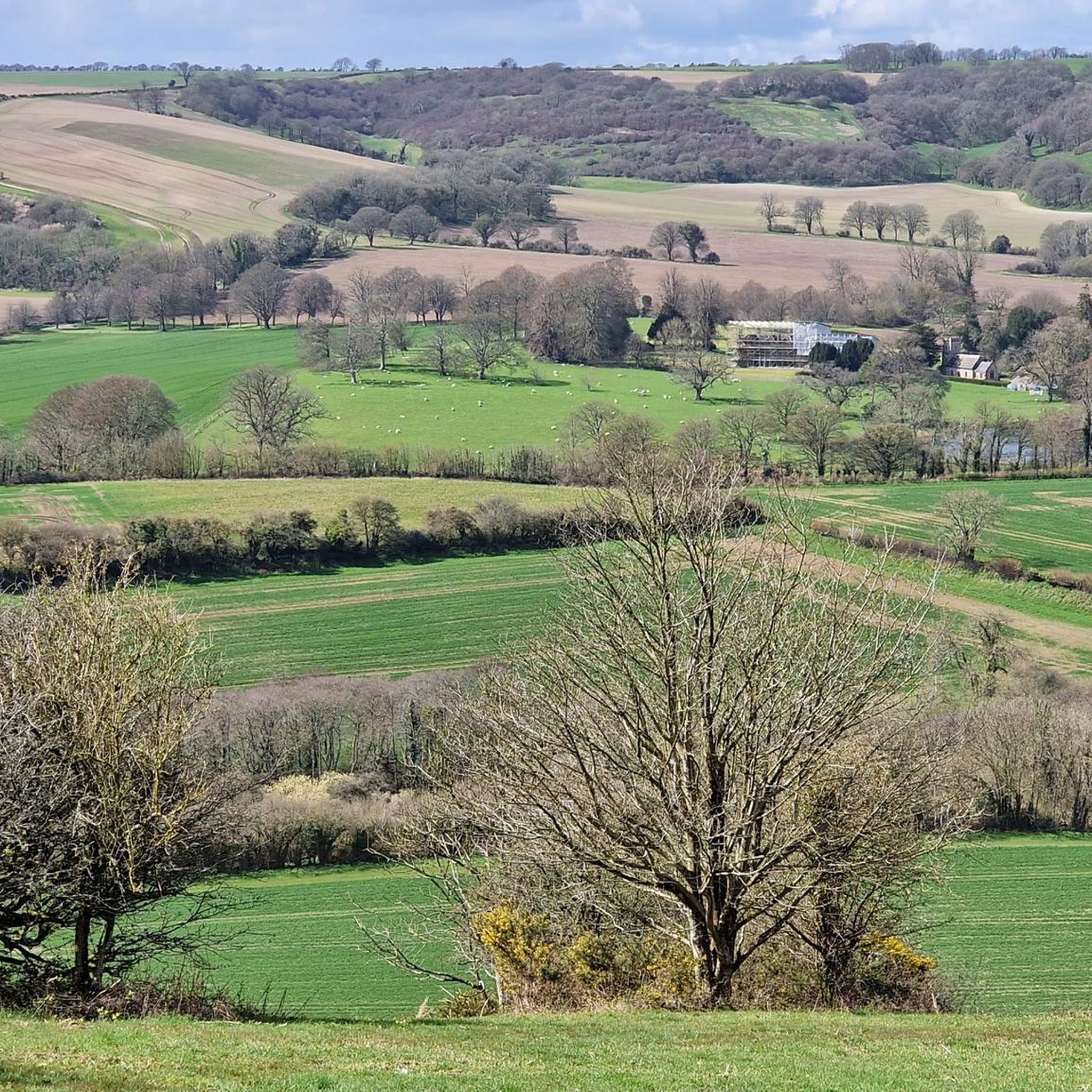
manor house with 17th century origins, extensively rebuilt after a fire in 1863 and remodelled in 1911. Inspiration for Weatherbury Farm in Thomas Hardy's novel, Far from the Madding Crowd. Grade I listed
0
0

Frequently Asked Questions
What is the general terrain like for road cycling around Buckland Newton?
The region around Buckland Newton is characterized by rolling hills, chalk uplands, and ancient woodlands, offering a diverse landscape for road cyclists. You can expect varied terrain, from challenging climbs on the Dorset Downs to more leisurely paths through expansive countryside. Prominent hills like Ball Hill (250 m) and Lyscombe Hill (260 m) provide significant elevation gains.
Are there road cycling routes suitable for beginners in Buckland Newton?
Yes, there are routes suitable for beginners. For instance, the Broad Alders Coppice loop from Glanvilles Wootton is an easy 16.7-mile (26.9 km) trail that offers a gentle introduction to the local countryside.
What kind of challenging climbs can I expect on road cycling routes here?
Road cycling around Buckland Newton often involves challenging climbs, particularly as routes ascend the scarp slope of the Dorset Downs. Hills such as Ball Hill (250 m) and Lyscombe Hill (260 m) are notable features that provide rewarding ascents and exhilarating descents.
What interesting landmarks or attractions can I see along road cycling routes near Buckland Newton?
Many routes offer glimpses of local history and natural beauty. You might pass by the iconic Cerne Abbas Giant, a chalk figure carved into a hillside, or explore picturesque villages like Milton Abbas. The The Smiths Arms – Cerne Abbas Giant loop from Up Cerne is one route that takes you past this famous landmark.
Are there any road cycling routes that include a café or pub stop?
Yes, some routes are designed with amenities in mind. The Cycling Café Stop – Round Chimneys Farm loop from Minterne Magna is a moderate 35.1-mile (56.5 km) path that specifically includes a café stop opportunity, allowing you to refuel and relax.
How many road cycling routes are available around Buckland Newton?
There are over 90 road cycling routes available around Buckland Newton, catering to various fitness levels and preferences. This includes 27 easy routes, 61 moderate routes, and 4 difficult routes.
What do other road cyclists enjoy most about cycling in Buckland Newton?
The area is highly rated by the komoot community, with an average score of 4.7 stars from over 45 reviews. Cyclists often praise the diverse terrain, from rolling hills to ancient woodlands, and the well-maintained paths that offer a mix of challenging climbs and scenic, moderate rides.
Are there circular road cycling routes available in the area?
Yes, many of the road cycling routes around Buckland Newton are circular, allowing you to start and end your ride in the same location. An example is the Plush Village – The Brace of Pheasants loop from Buckland Newton, which is a 21.1-mile (34.0 km) circular trail.
What is the best time of year to go road cycling in Buckland Newton?
The region's diverse landscapes are enjoyable throughout much of the year. Spring and autumn offer pleasant temperatures and beautiful scenery with changing foliage or blooming wildflowers. Summer provides longer daylight hours, though some climbs can be more strenuous in warmer weather. Winter cycling is possible, but be prepared for potentially wet or colder conditions.
Can I find routes that pass through historic villages or offer cultural insights?
Absolutely. The region is rich in history. For example, the picturesque, planned village of Milton Abbas, commissioned in the 1770s, offers unique architectural beauty and a fascinating history that can be explored on routes passing nearby. You might also encounter historic churches like the Holy Rood Parish Church in Buckland Newton itself.
Are there any road cycling routes that explore the Blackmore Vale or Dorset Downs?
Yes, Buckland Newton is situated at the head of the Blackmore Vale, offering expansive views across the countryside, and beneath the scarp slope of the Dorset Downs. Many routes will take you through these iconic landscapes, providing both scenic beauty and varied terrain. The Sturminster Newton Castle – Sturminster Newton Mill loop from Pulham offers a glimpse into the wider area.
Most popular attractions around Buckland Newton

Get inspired with the komoot mobile app


Explore more
Browse the best Road cycling routes in other regions.
