Top 6 Natural Monuments around Tarrant Crawford
Best natural monuments around Tarrant Crawford include notable Iron Age hillforts and extensive bluebell woodlands. This village in Dorset, England, is situated in a landscape characterized by ancient earthworks and diverse natural habitats. The area offers opportunities to explore historical sites integrated with natural features, providing insights into both ancient history and local ecology. These natural features contribute to the region's appeal for outdoor activities.
Best natural monuments around Tarrant Crawford
- The most popular natural monuments is Hod Hill,…
Last updated: May 19, 2026
Badbury Rings Iron Age hillfort
Highlight • Viewpoint
Tip by

Hod Hill
Highlight • Viewpoint
Tip by

Sign up now to discover places like this
Get recommendations on the best single tracks, peaks, & plenty of other exciting outdoor places.
Sign up for free
Bluebell Woodland
Highlight • Natural Monument
Tip by

View from the Ramparts, Dorset National Landscape
Highlight • Historical Site
Tip by

Hod Hill Iron Age Hill Fort
Highlight (Segment) • Historical Site
The running around the earthworks or over the top is fun, …
Tip by

Sign up for free to discover even more natural monuments around Tarrant Crawford.
Sign up for free
Already have an account?
Start today with a free account
Your next adventure awaits.
Login or Signup
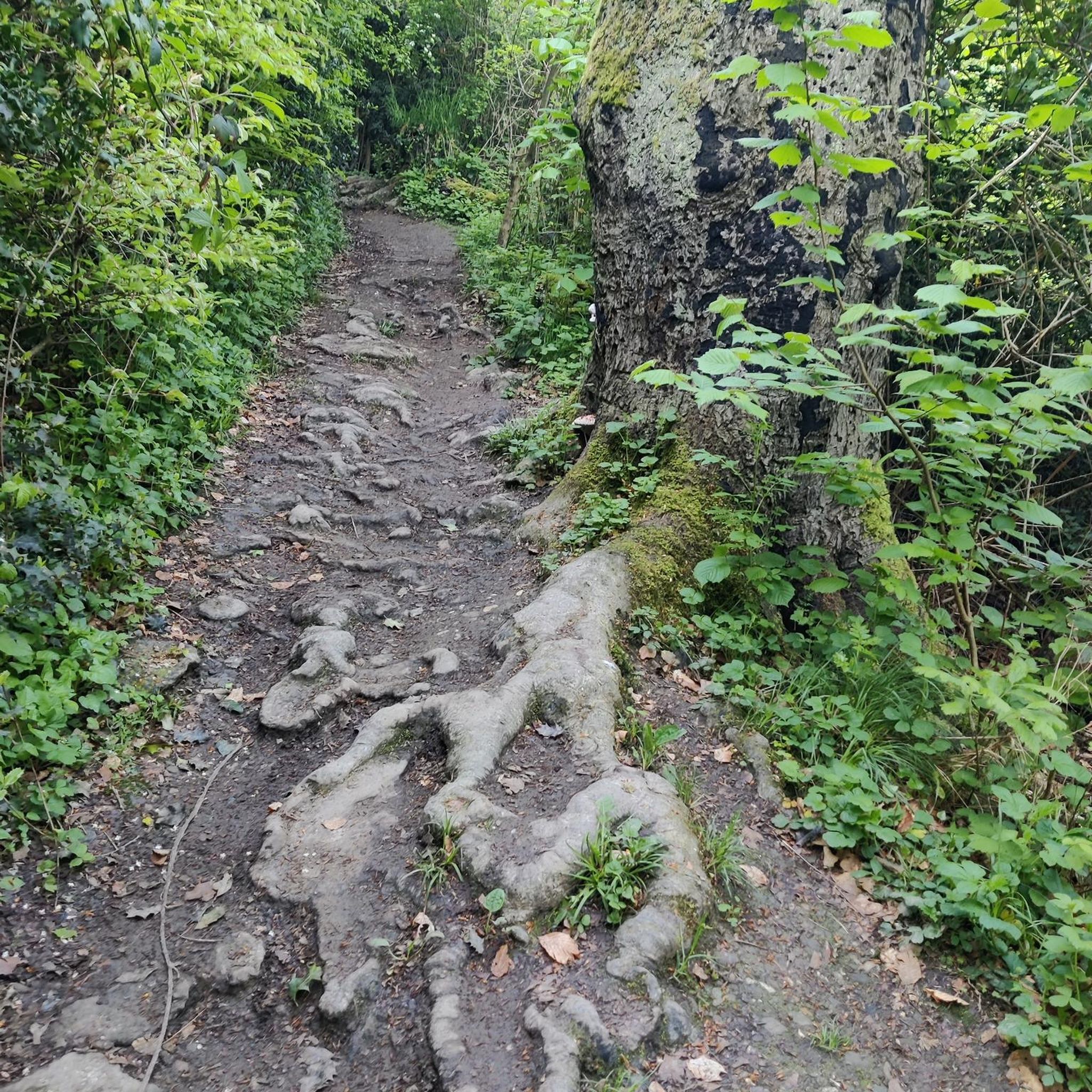
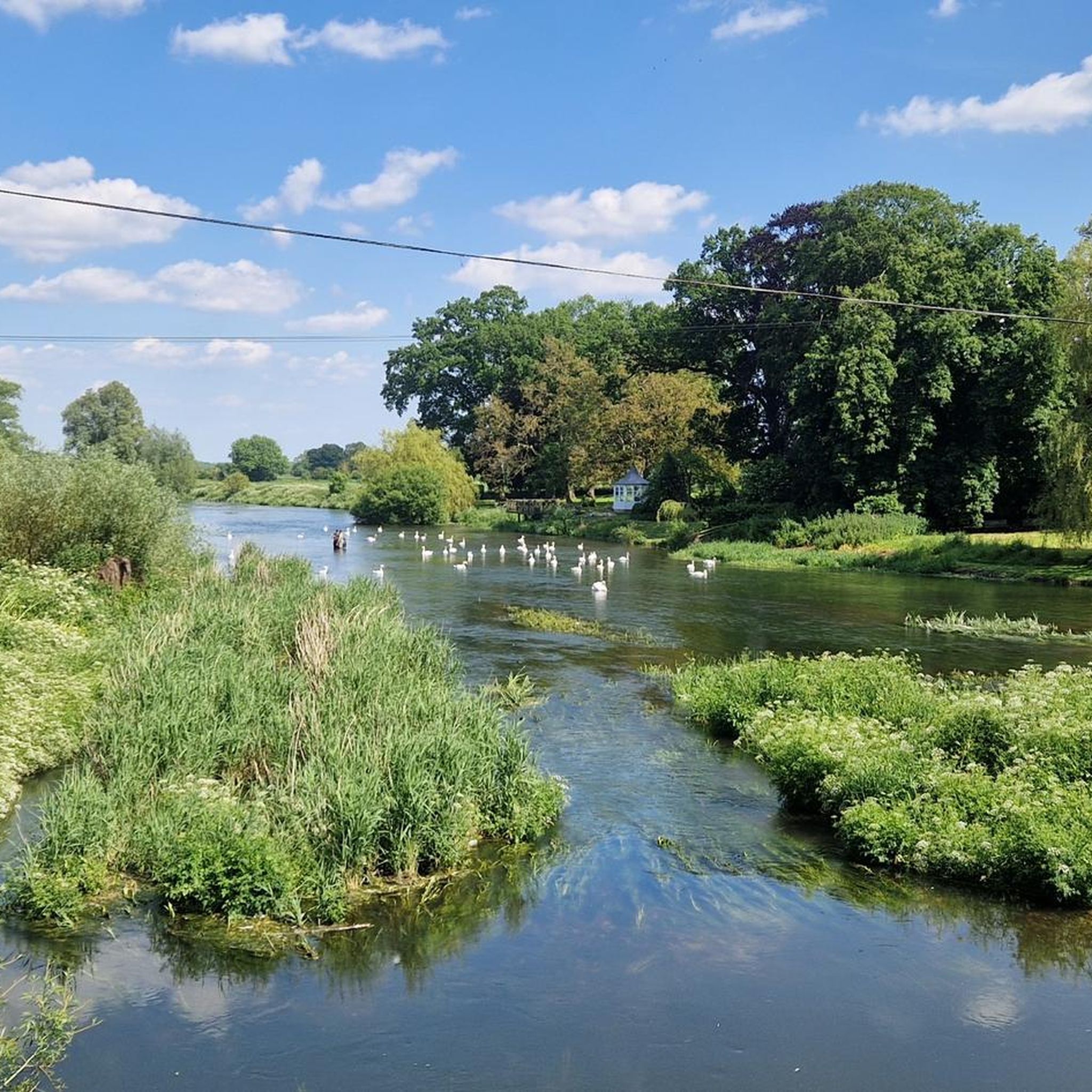
Tips from the Community

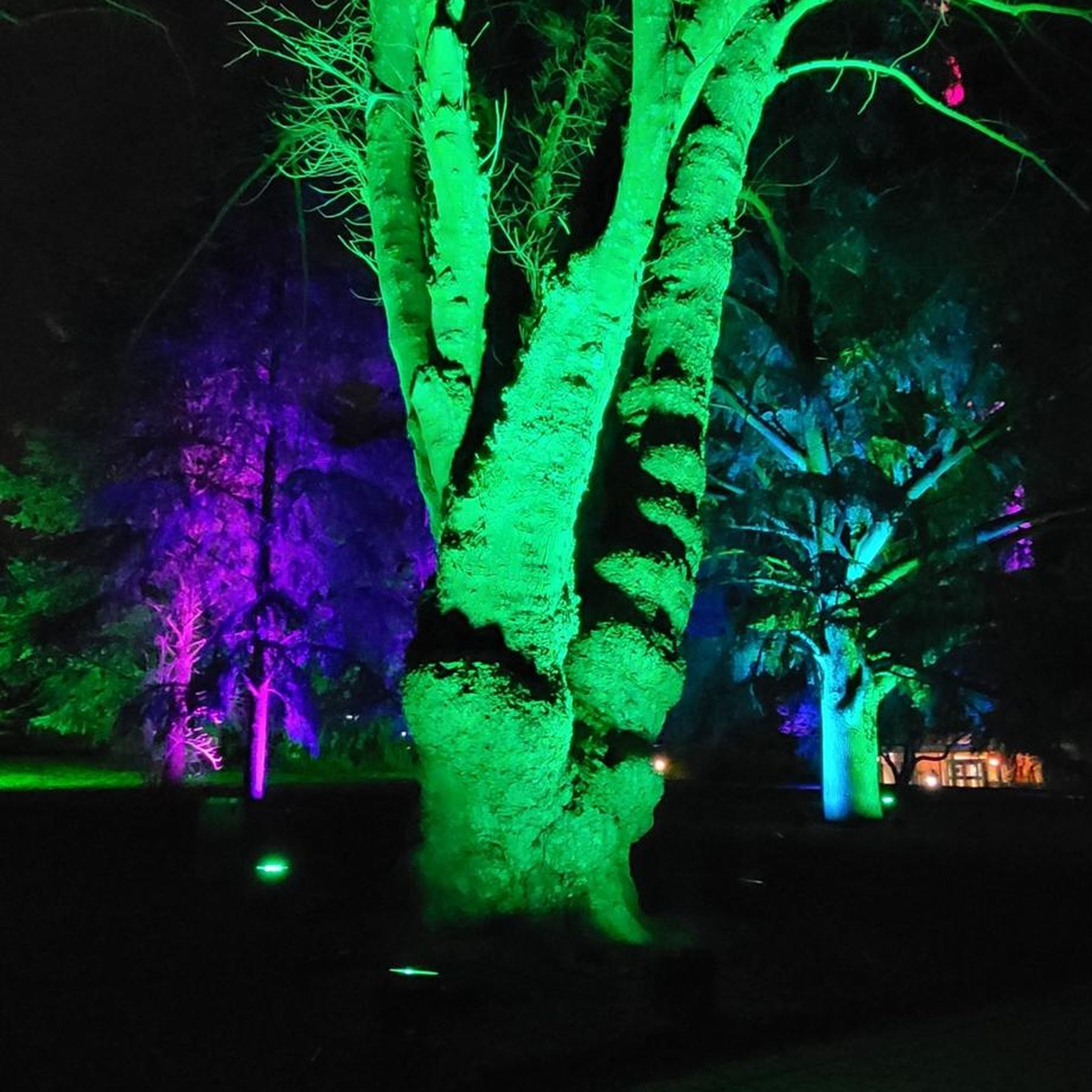
Beautiful snowdrops in February highly recommend these gardens
1
0
Great views and not far from the pub at stourpaine
0
0

Badbury Rings is an Iron Age hill fort and Scheduled Monument in east Dorset, England. In the Roman era a temple was located immediately west of the fort, and there was a Romano-British town known as Vindocladia ( Known today as Shapwick ) a short distance to the south-west. It sits over 300 feet above sea level, and there are two main phases of construction; the first covered 18 acres and was defended by multiple ditches, while the second was more than twice the size, covering 41 acres and defended by a single ditch and rampart. These ramparts make for great walking, but imagine the terror of trying to scale one whilst under attack from the occupants. Once you'd scaled one, there were more waiting for you. No wonder it was the last fort to be sacked by the Romans. Wonder just how many soldiers died trying to take it. Until 1983 Badbury Rings was privately owned as part of the Kingston Lacy estate, and the owners discouraged investigation of the site.[2] The site now belongs to the National Trust.[2] A survey of the hillfort by the RCHME was begun in 1993. The summit area was cleared of undergrowth by the National Trust in 1997 and the conifer plantation was thinned out. A survey in 1998, which recorded 28 potential hut sites within the ramparts, although some depressions are probably caused by uprooted trees. The first excavations, led by Martin Papworth, took place in 2004, when three evaluation trenches were dug. Almost all of the pottery found was dated to the Late Iron Age. The current evidence does not suggest that the hillfort was a principal settlement in the Early Iron Age. It seems likely that the hillfort became depopulated towards the end of the Late Iron Age, perhaps as the Vindocladia settlement near Shapwick developed.
1
0
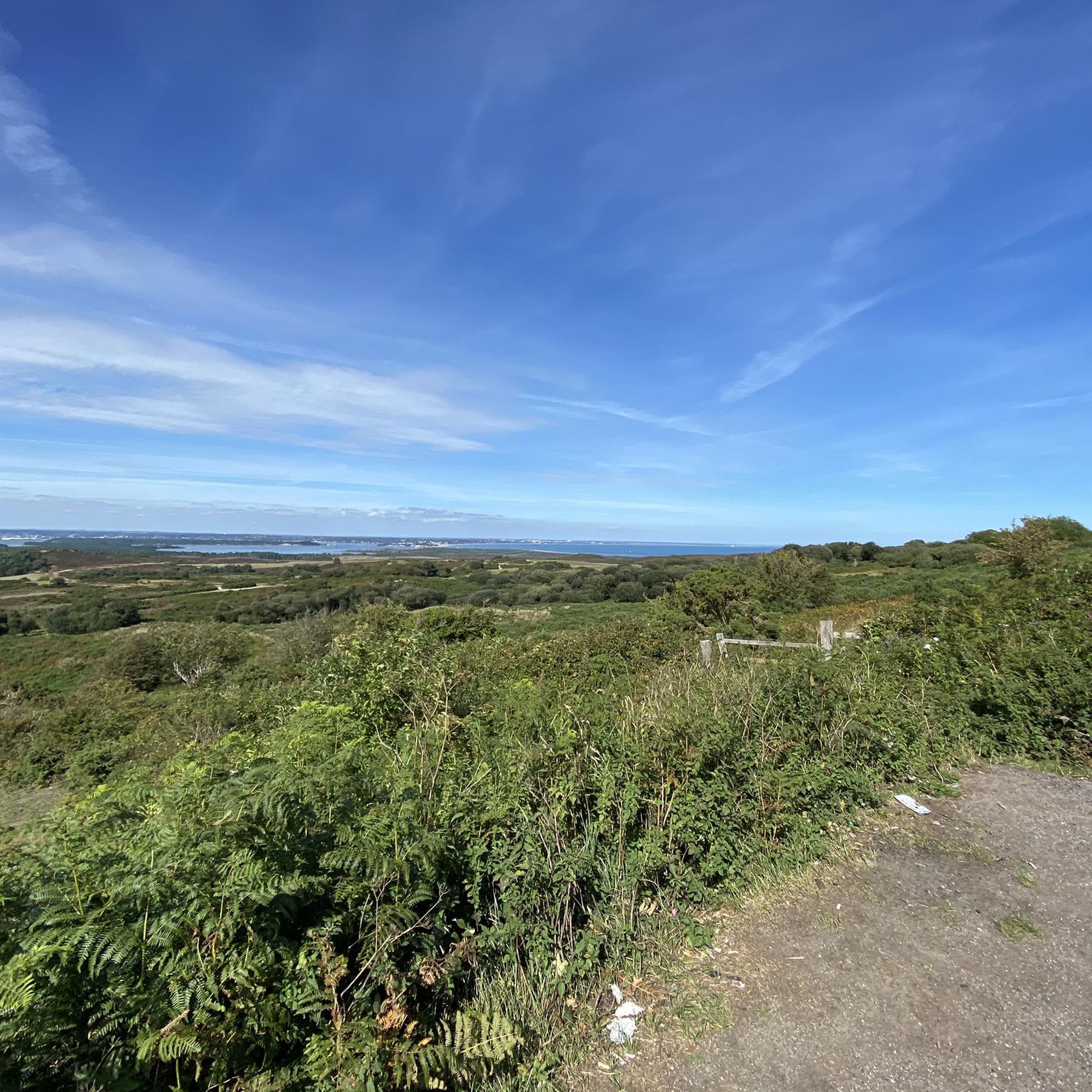
I came on a very wet and windy day, but could still see for miles when walking along the ramparts.
0
0

Hod Hill is fabulous at any time but in my opinion is best visited at cowslip time - you’ll never have seen so many in one place in your lifetime. It’s simply stunning.
0
0

Bradbury Rings is an Iron Age hill fort. The Romans built a temple here and there was a Romano-British town known as Vindocladia nearby. Today, you can run the earthworks and around the edge, it's fun and fascinating. The National Trust own and manage the site but it's open access to all.
0
0
Frequently Asked Questions
What are the most popular natural monuments around Tarrant Crawford?
Among the most popular natural monuments are Hod Hill, an Iron Age hillfort with a Roman fort, offering fantastic views over the River Stour. Another highly regarded site is Badbury Rings Iron Age hillfort, known for its impressive ramparts and sweeping views across the Dorset countryside. Visitors also appreciate Bluebell Woodland for its stunning spring displays.
When is the best time to visit the natural monuments in Tarrant Crawford?
Spring, particularly mid-to-late April to early May, is ideal for experiencing the bluebell woodlands like Ashley Wood Nature Reserve and Pamphill Bluebell Wood at their most vibrant. For Badbury Rings, spring offers bluebells and blackthorn blossom, summer is great for picnics, and autumn brings berries. The lack of light pollution at Badbury Rings also makes it special for stargazing.
Are there family-friendly natural monuments in the Tarrant Crawford area?
Yes, several natural monuments are suitable for families. Hod Hill, with its deep ramparts, is a fun place for children to explore. Badbury Rings is also family-friendly, offering open spaces for walking and picnicking. The Bluebell Woodland provides tranquil, easy walks for all ages.
What kind of wildlife can I spot at these natural monuments?
The natural monuments in Tarrant Crawford are rich in wildlife. At Badbury Rings, you can expect to see various flora and fauna, including bluebells and blackthorn blossom in spring. Ashley Wood Nature Reserve is home to woodland birds and butterflies like speckled wood, white admiral, and silver-washed fritillary. Hod Hill abounds in insects, butterflies, and diverse plant life, especially cowslips in spring.
Are there walking routes or hiking trails near the natural monuments?
Yes, the area offers numerous walking and hiking opportunities. The Stour Valley Way path runs through the center of Hod Hill, providing excellent views. Badbury Rings offers great walking opportunities along its ramparts. For more structured routes, you can find many easy hikes around Tarrant Crawford, including trails near Badbury Rings and Spetisbury.
What historical significance do the natural monuments hold?
Many natural monuments in the area have significant historical importance. Badbury Rings is an impressive Iron Age hillfort dating back to 800 BC, with Roman-era structures nearby. Hod Hill is another Iron Age hillfort that also housed a Roman fort. These sites offer insights into ancient defensive structures and Roman occupation in Dorset.
Is there parking available at the natural monuments?
Yes, parking is generally available. For Badbury Rings, there is a National Trust car park. Specific parking information for other sites like Ashley Wood Nature Reserve or Pamphill Bluebell Wood can often be found on local nature reserve websites or by checking maps before your visit.
Are dogs allowed at the natural monuments?
Many natural monuments in the Tarrant Crawford area are dog-friendly. Badbury Rings is a popular spot for dog walkers, offering open spaces and trails. When visiting bluebell woodlands, it's generally advised to keep dogs on leads to protect the delicate flora and local wildlife.
What other outdoor activities can I do near these natural monuments?
Beyond hiking, the Tarrant Crawford area provides opportunities for cycling. You can explore various road cycling routes or mountain biking trails that pass by or are close to these natural sites, offering different ways to experience the Dorset countryside.
Are the natural monuments accessible for everyone?
While many natural monuments involve walking on uneven terrain, such as the ramparts of Badbury Rings or the trails at Hod Hill, some areas may offer easier access. Bluebell woodlands often have well-trodden paths. It's advisable to check specific site details for accessibility information if you have particular requirements.
What makes the bluebell woodlands around Tarrant Crawford special?
The bluebell woodlands, such as Ashley Wood Nature Reserve and Pamphill Bluebell Wood, are particularly special because they host spectacular displays of bluebells in spring. Almost half of the world's bluebells are found in the UK, and they are a protected species. These ancient woodlands provide a tranquil setting to witness this stunning natural phenomenon, often accompanied by wood anemones and diverse woodland birds and butterflies.
Most popular attractions around Tarrant Crawford

Get inspired with the komoot mobile app


Explore more
Extend your search for the best caves by checking out these guides of the top ones around Tarrant Crawford:
