Top 6 Natural Monuments around East and West Buckland
Best natural monuments around East and West Buckland showcase a diverse landscape, from the rare temperate rainforest of Buckland Wood to the distinctive rolling hills and valleys of the Blackdown Hills National Landscape. The region features varied topography, including ancient woodlands, heathland, and significant geological formations. Visitors can explore a range of natural features, with 6 natural monuments available for discovery. This area provides opportunities to experience unique ecosystems and historical natural landmarks.
Best natural monuments around East and West…
Last updated: June 30, 2026
Wistlandpound Reservoir Bird Hide
Highlight • Viewpoint
Tip by

Shoulsbury Castle Earthworks
Highlight • Historical Site
Tip by

Sign up now to discover places like this
Get recommendations on the best single tracks, peaks, & plenty of other exciting outdoor places.
Sign up for free
Wood Barrow
Highlight • Natural Monument
Tip by

Coddon Hill Climb
Highlight (Segment) • Viewpoint
Tip by

The Dripping Well, Anchor Woods
Highlight • Historical Site
Tip by

Sign up for free to discover even more natural monuments around East and West Buckland.
Sign up for free
Already have an account?
Start today with a free account
Your next adventure awaits.
Login or Signup
Tips from the Community

The Dripping Well in Anchor Woods, Barnstaple, is a natural spring historically associated with water-cure treatments and possibly a holy well. It's known for a brick and stone surround added in the 19th century and was once a popular stop for those seeking its waters for medicinal purposes
0
0

This is a Bronze Age bowl barrow in private ownership that used to serve as a boundary marker for Exmoor Forest.
0
0
This Bronze Age barrow sits at an elevation of 480 meters above sea level, right on the boundary dividing the counties of Devon and Somerset. It is recognized as a Scheduled Monument by both counties.
3
0

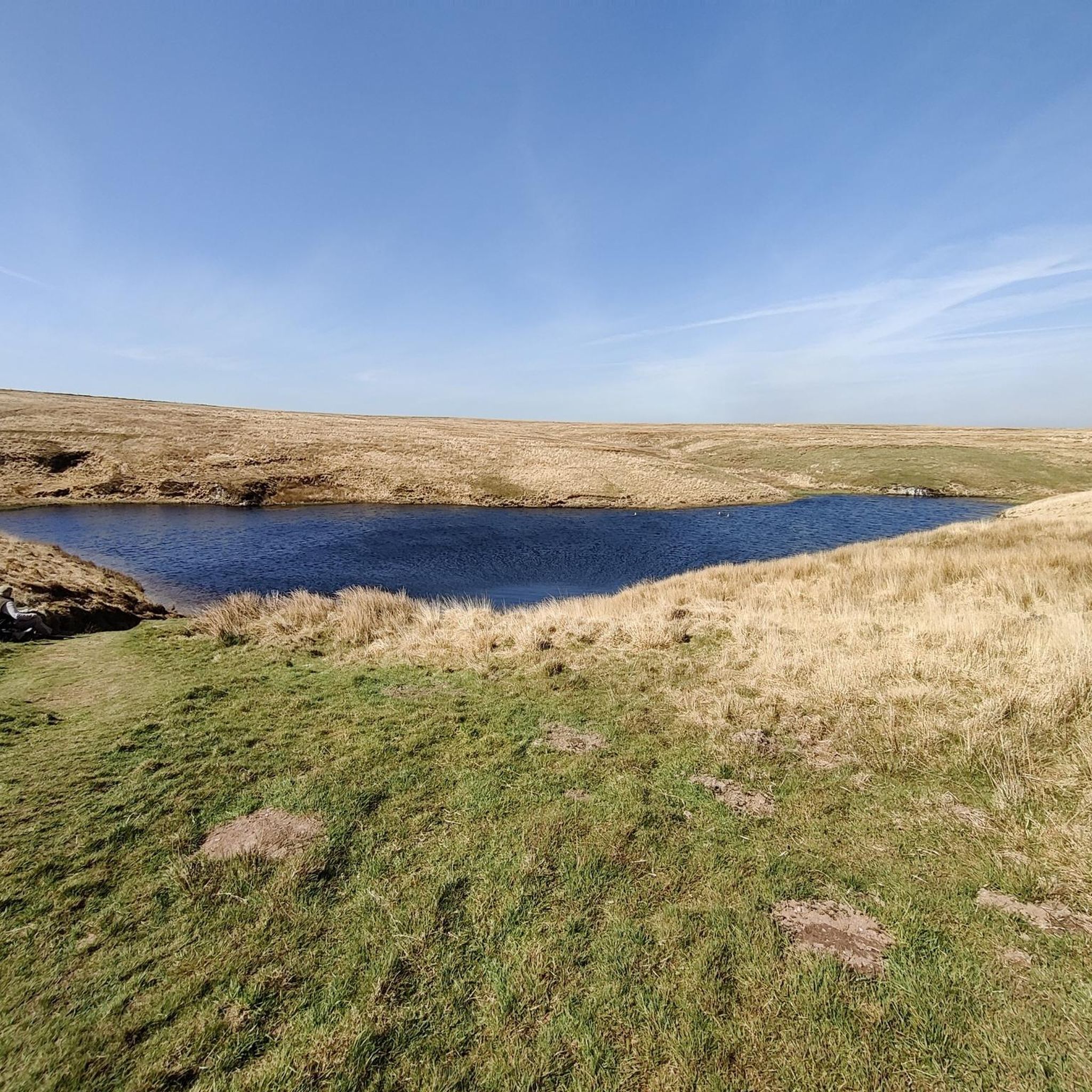
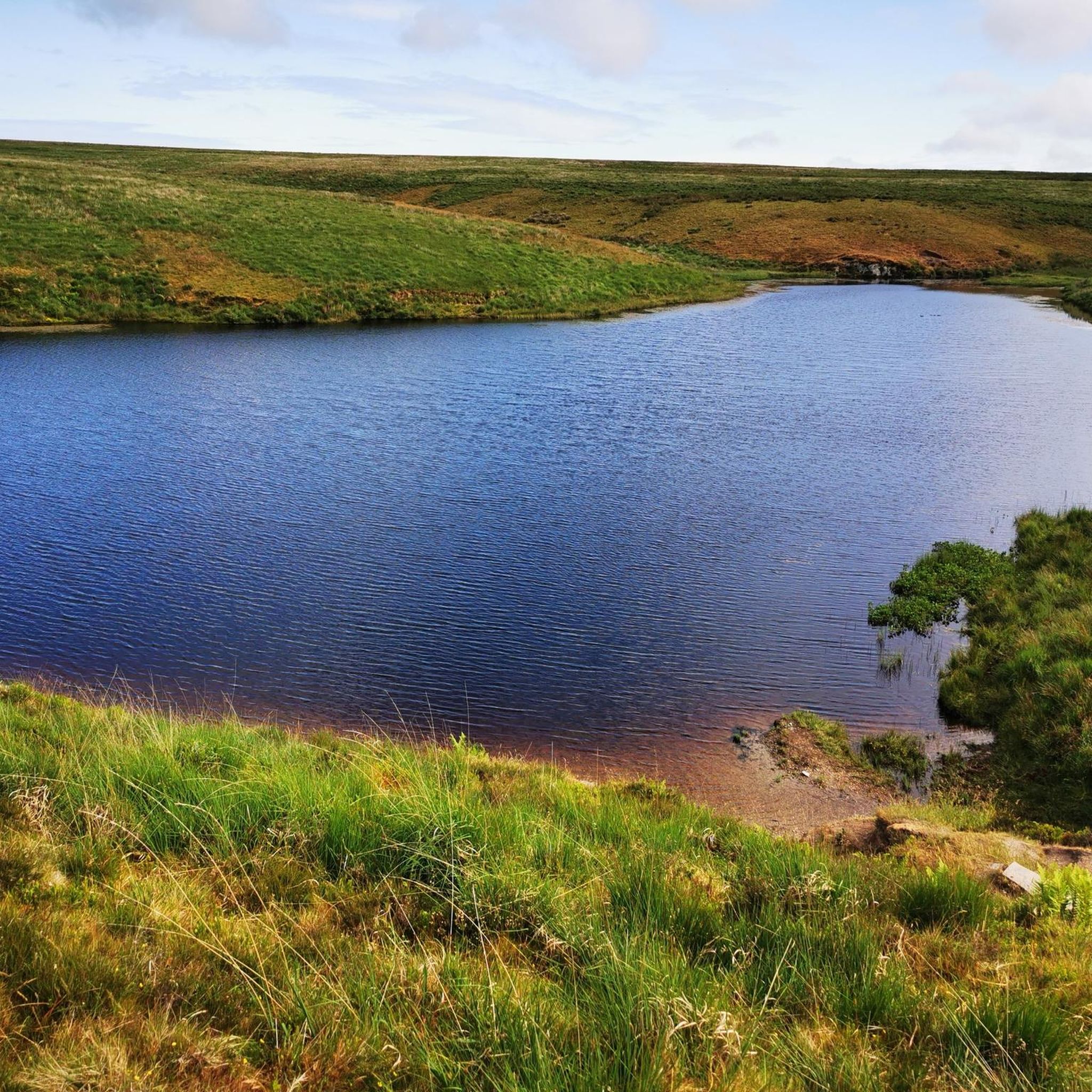
Wistlandpound Reservoir is a tranquil place where you can feel close to nature. It is an easy 2.6km hike around the edge of the lake which takes you through the forest and along the water's edge. All the while surrounded by beautiful rolling countryside. The path around the reservoir is accessible for both wheelchairs and pushchairs. The reservoir supplies drinking water to nearby Ilfracombe, Barnstaple and Combe Martin. If the water levels are low, look out for the ruins of the Lynton and Barnstaple Railway which used to run though the valley until the reservoir was built in 1956.
1
0

On the southern shores of Wistpoundland Reservoir, take a break in the bird hide to see what wildlife you can spot. You're fairly likely to see western cattle egret, and might be lucky to see a great white egret in the winter. There have also been recent sightings of white-tailed eagles up here! You can see all different waterfowl by taking a jaunt around the reservoir on the path. Check out more about the reservoir and what to look out for here at:https://www.swlakestrust.org.uk/wistlandpound
0
0

Tricky descent or a tough climb, either way, the bottom section is good fun, it levels out a bit at the solitary tree halfway up but then maintains a steady climb to the monument. Bracing! Great news! the steps have been fixed so there isn't the trip Hazard there any more. Enjoy!
0
0

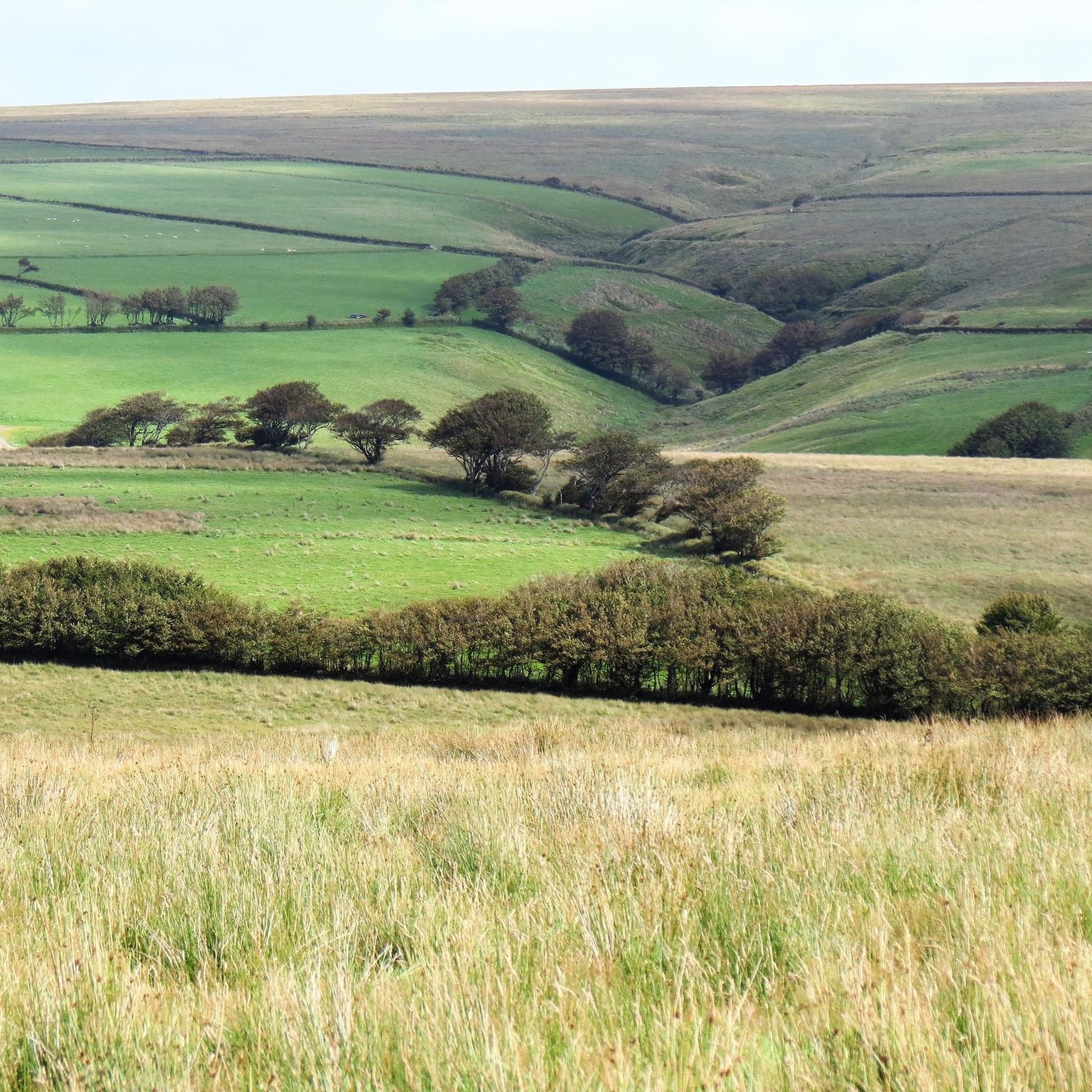
The largest defensive earthworks in greater Exmoor, Shoulsbury Castle was named after the Roman-Celtic God Sulius Minerva. It is thought to date back to either the Iron Age or Roman times. You can still see the ditches and rampart, although none of the original castle remains. The hill is 472 metres (1,549 feet) metres above sea level and has great views over Exmoor.
0
0
Frequently Asked Questions
What are some of the most popular natural monuments around East and West Buckland?
Visitors frequently enjoy exploring Shoulsbury Castle Earthworks, which offers expansive views over Exmoor from its 472-meter elevation. Another popular spot is Wood Barrow, a Bronze Age barrow marking the Devon and Somerset boundary, and Coddon Hill Climb, known for its challenging ascent to a monument with bracing views.
What unique natural features can I discover in the Blackdown Hills National Landscape?
The Blackdown Hills National Landscape, located along the Somerset-Devon border, is characterized by its unique geology, featuring extensive outcrops of Upper Greensand. This creates a varied topography of rolling hills, steep valleys, ancient woodlands, and heathland. You can find diverse habitats supporting rare plant and animal species, and several significant rivers like the Culm, Otter, and Yarty originate here.
What makes Buckland Wood a significant natural monument?
Buckland Wood is a globally rare temperate rainforest in Devon's Dart Valley, known for its lush lichens, mosses, and ferns. It's a biodiversity hotspot, providing crucial habitat for species like bats, otters, and dormice, and is particularly notable for unique lichen assemblages. Conservation efforts are ongoing to restore and protect this precious ecosystem.
Are there any historical natural monuments in the area?
Yes, the region features several historical natural monuments. Shoulsbury Castle Earthworks is a large defensive site thought to date back to the Iron Age or Roman times. Wood Barrow is a Bronze Age bowl barrow. Additionally, The Dripping Well in Anchor Woods is a natural spring historically associated with water-cure treatments.
What wildlife can I expect to see near these natural monuments?
The diverse habitats around East and West Buckland support a rich array of wildlife. In Buckland Wood, you might spot bats, otters, dormice, and various birds, alongside unique lichens. The Blackdown Hills are home to kingfishers, otters, Daubenton's bats, and a wide variety of butterflies. The River Culm within the Blackdown Hills even hosts one of Devon's last populations of white-clawed crayfish.
Are there family-friendly natural monuments around East and West Buckland?
Yes, Wistlandpound Reservoir Bird Hide is an excellent family-friendly option. It offers an easy 2.6km hike around the lake, accessible for both wheelchairs and pushchairs, and features a bird hide where you can spot various waterfowl and other wildlife.
Are there wheelchair-accessible natural monuments in the area?
The path around Wistlandpound Reservoir is accessible for both wheelchairs and pushchairs, making it a great option for those seeking an accessible natural monument experience.
What outdoor activities can I do near these natural monuments?
The region offers various outdoor activities. You can find numerous road cycling routes, such as the 'Chelfham Viaduct – Barnstaple Long Bridge loop from Swimbridge', or explore running trails like the 'Running loop from Stoke Rivers'. For more options, you can explore the full range of activities in the area on the Road Cycling Routes around East and West Buckland, Running Trails around East and West Buckland, and Cycling around East and West Buckland guides.
Are there hiking trails near these natural monuments?
Yes, the Blackdown Hills provide numerous opportunities for serene walking and cycling trails through unspoiled rural landscapes. While specific hiking trails for individual natural monuments are not detailed, you can find various running and cycling routes that often include walking sections. For more details on routes, refer to the Running Trails around East and West Buckland guide.
What is the best time of year to visit the natural monuments in East and West Buckland?
The Blackdown Hills offer scenic views year-round. Spring and summer are ideal for enjoying the diverse habitats and wildlife, including wildflowers and butterflies. Autumn brings beautiful foliage, especially in woodlands like Buckland Wood. Even in winter, the exposed hilltops provide expansive views, and the temperate rainforest of Buckland Wood maintains its lush character.
What do visitors enjoy most about the natural monuments in East and West Buckland?
Visitors appreciate the diverse landscape, from the rare temperate rainforest of Buckland Wood to the distinctive rolling hills and valleys of the Blackdown Hills National Landscape. The area's ancient earthworks, Bronze Age barrows, and scenic viewpoints are highly valued. The komoot community has shared 11 photos and given 12 upvotes, highlighting the visual appeal and engaging experiences these sites offer.
Are there dog-friendly walks near the natural monuments?
Many of the natural areas and trails in East and West Buckland are dog-friendly, particularly in the Blackdown Hills National Landscape. It's always recommended to keep dogs under control, especially near livestock or wildlife habitats, and to check specific site regulations before visiting.
Most popular attractions around East and West Buckland

Get inspired with the komoot mobile app


Explore more
Extend your search for the best caves by checking out these guides of the top ones around East and West Buckland:
