Top 6 Natural Monuments around Horton-Cum-Studley
Best natural monuments around Horton-Cum-Studley are found in this village located on the south-east edge of Otmoor in Oxfordshire. The area features significant natural areas, including Sites of Special Scientific Interest (SSSIs) and ancient woodlands. These locations are recognized for their ecological value and historical landscape, providing insight into natural habitats.
Best natural monuments around Horton-Cum-Studley
- The most popular natural monuments is Wetlands Watch Hide, a viewpoint that offers views over fields and ponds. It is particularly suitable for…
Last updated: May 18, 2026
J. R. R. Tolkien Memorial Bench and Trees
Highlight • Natural Monument
Tip by

Wetlands Watch Hide
Highlight • Viewpoint
Tip by

Sign up now to discover places like this
Get recommendations on the best single tracks, peaks, & plenty of other exciting outdoor places.
Sign up for free
The Shotover Oak Stump
Highlight • Natural Monument
Tip by
Bernwood Forest Butterfly Trail
Highlight • Forest
Tip by
Waterperry Wood
Highlight • Natural Monument
Tip by

Sign up for free to discover even more natural monuments around Horton-Cum-Studley.
Sign up for free
Already have an account?
Start today with a free account
Your next adventure awaits.
Login or Signup
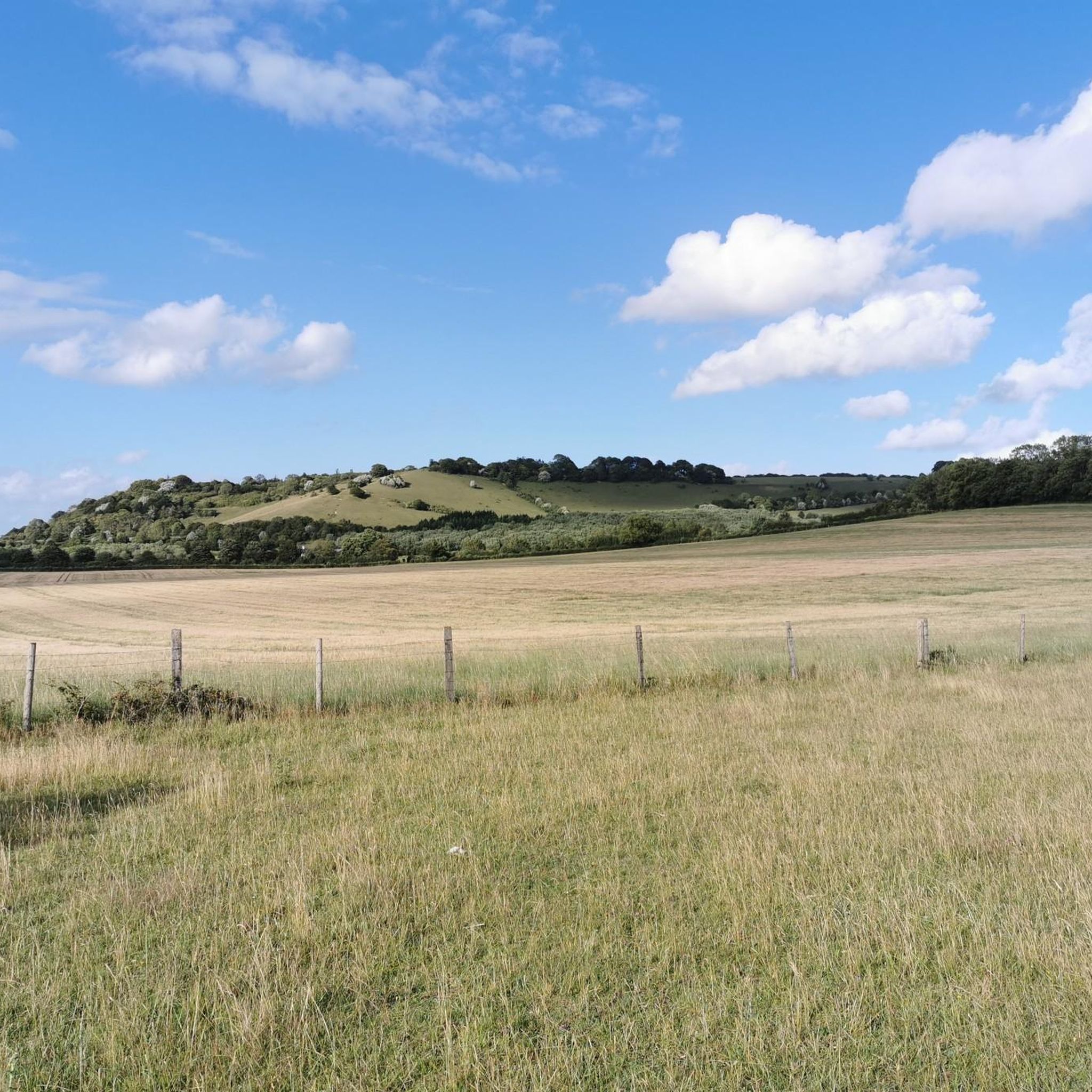
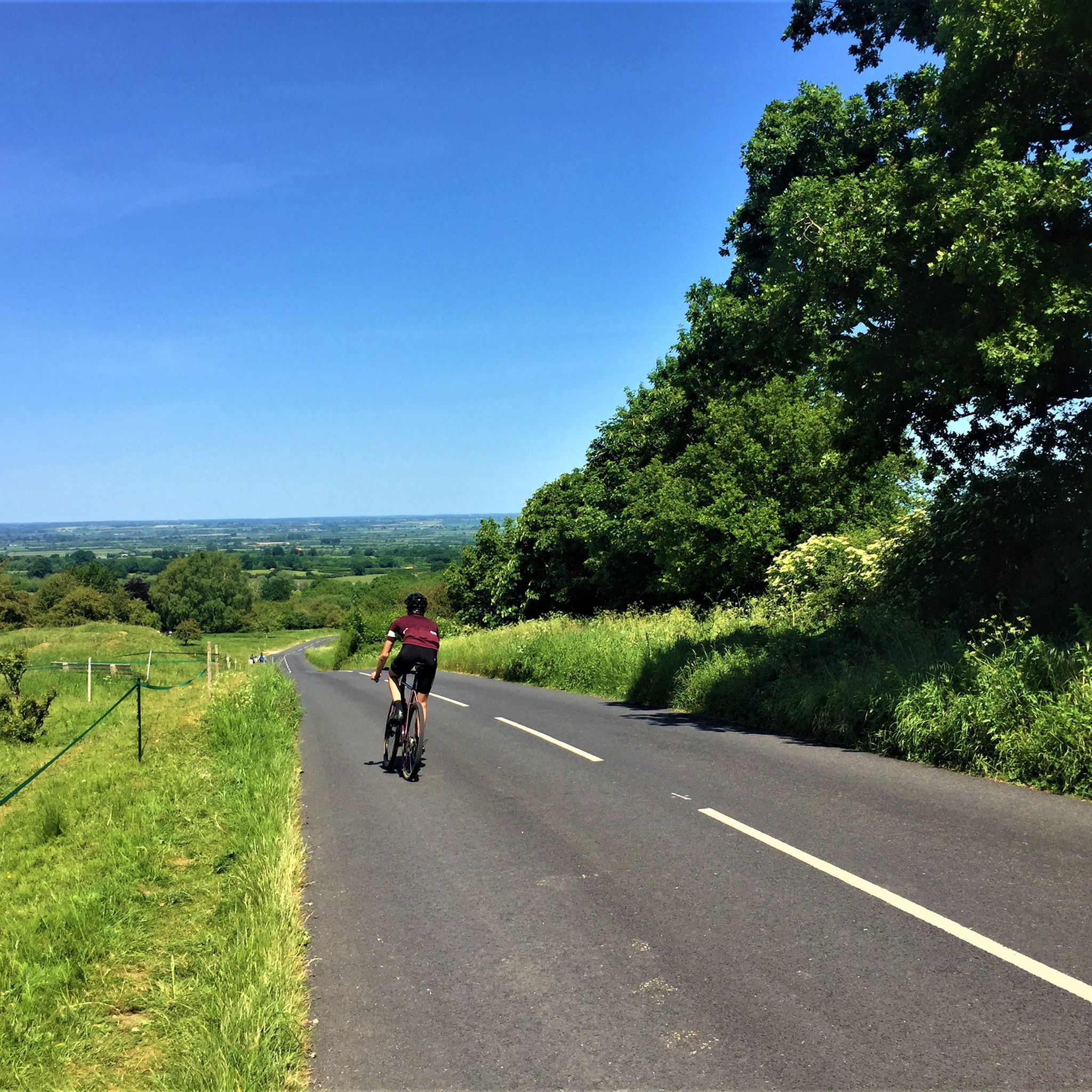
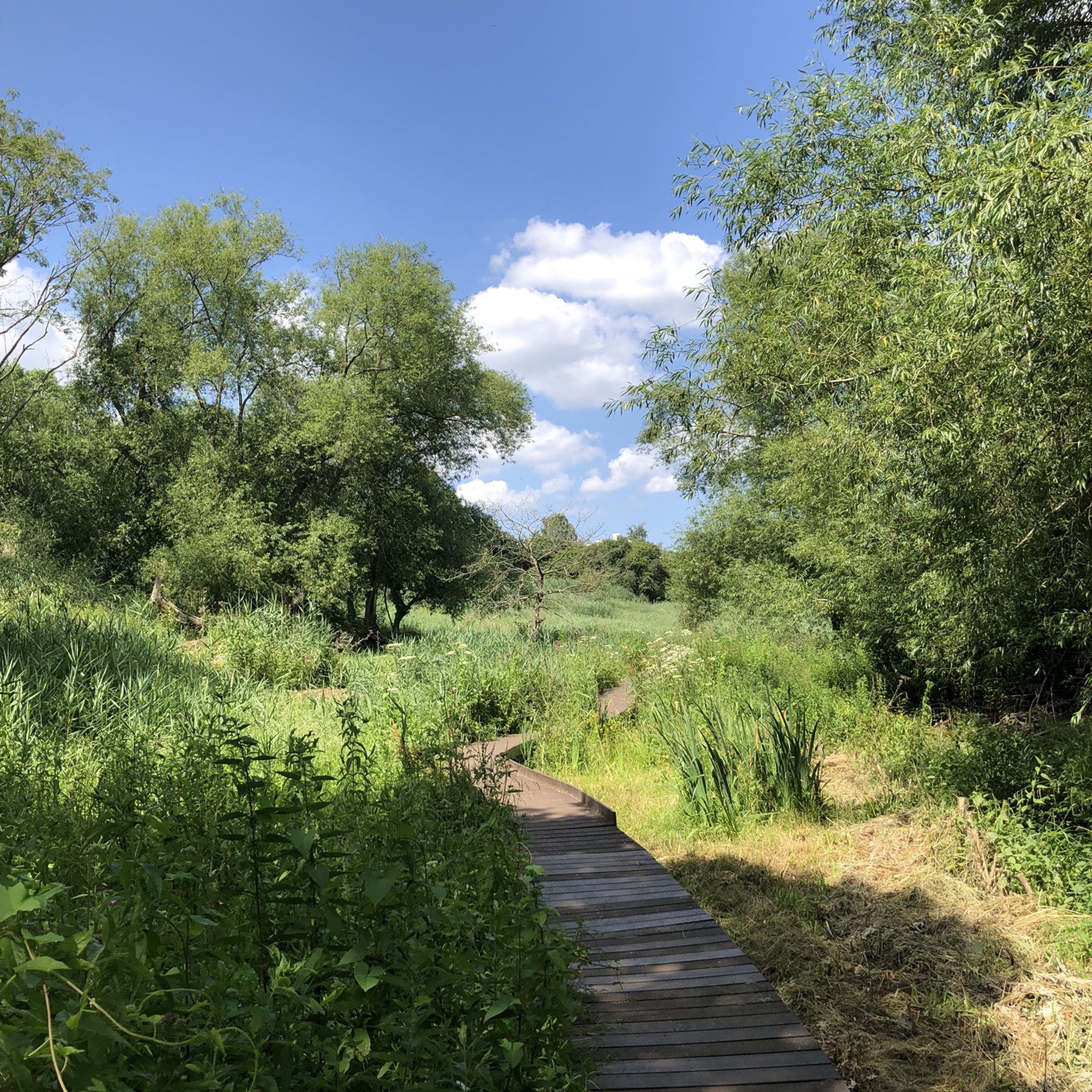
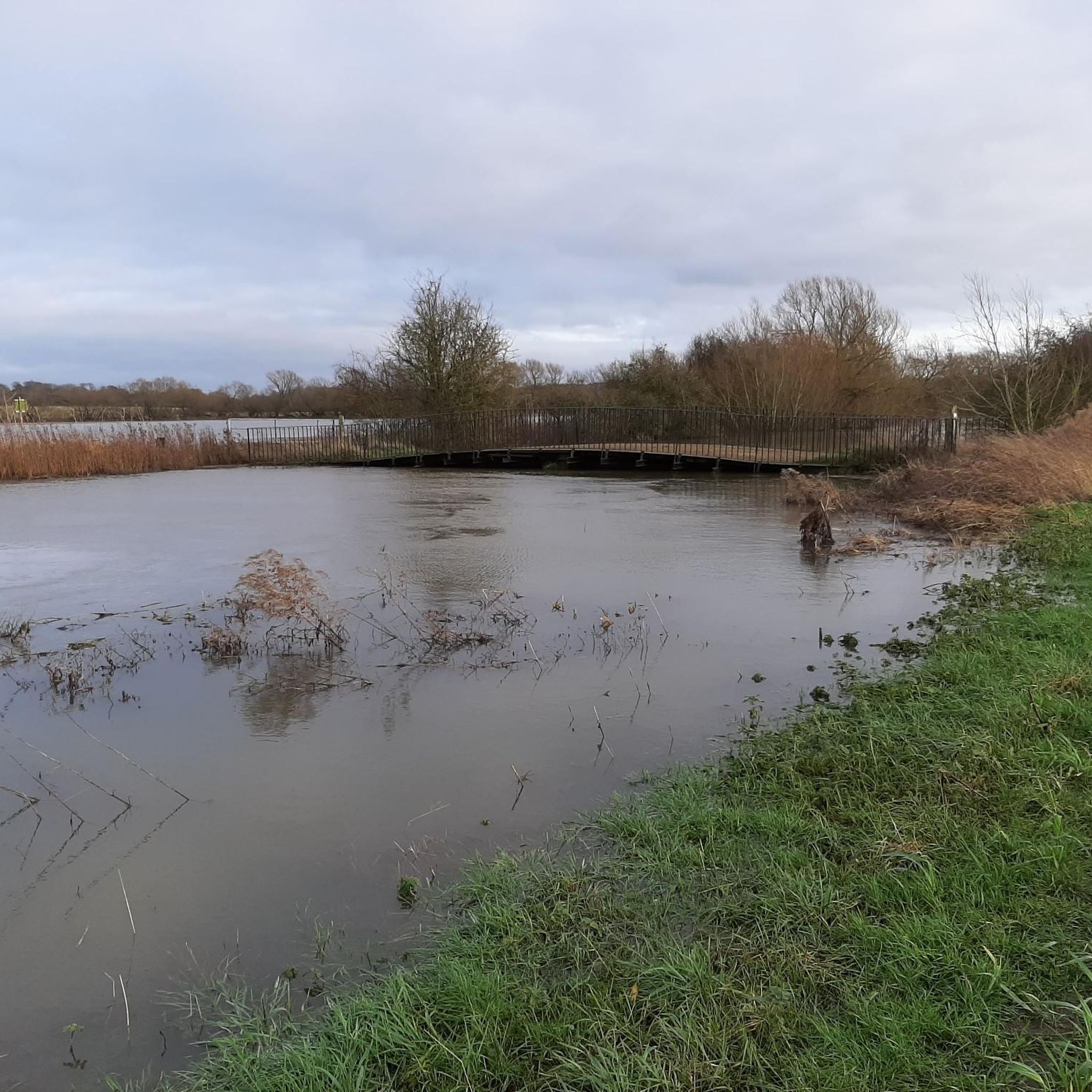

Tips from the Community

In 2012, Lisa Kuppler (Frankfurter Allgemeine Sonntagszeitung) paid tribute to the writer J.R.R. TOLKIEN (1892 to 1973), who invented a fictional world called Middle Earth inhabited by 'hobbits', with the words: "It is this complex creation of an entire world that makes 'The Lord of the Rings' the original text of the fantasy genre." Two decades earlier - on the occasion of his 100th birthday - a bench and two trees were dedicated to him here, in Oxford's university park. Tolkien's most popular work to date includes the volumes: "The Fellowship of the Ring" (Volume 1); "The Two Towers" (Volume 2); "The Return of the King" (Volume 3). Many people may not have read his books, but they know the film version of this great myth.
0
0

The wood contains about forty species of butterflies making it one of the most important habitats in Britain.
4
0

It is a fantastic hide with views over the fields & ponds. DOGs are NOT allowed. This also means that you cannot use the direct footpath towards Beckley if you have a DOG. Instead you have to take the path via the RSPB car park, which adds 2k to the walk if you go back to the footpath, rather than follow the road up to the Abingdon Arms at Beckley
1
0

The Wetlands Watch lookout and viewing screens are especially great to visit in the autumn and winter months when large numbers of wildfowl and waders are spotted on the floodplains.
2
0

nice wooded area with traditional british forestation.
0
0
The ancient Shotover Oak (Quercus robur) fell on 13th of July 2015 after a severe drought, having survived much turmoil including the decimation of the Royal Forest by both Royalist and parliamentary armies in the siege of Oxford 1644-46. The new shoots on the base of its trunk are guarded from rabbits and deer by a chestnut palling fence. Hopefully this ancient oak will rise again in time.
4
0
In 1992, to commemorate the centenary of Tolkien’s birth, the Tolkien Society and the Mythopoeic Society organised held a special collection for the installation of a memorial bench and planting of two trees in University Parks. The trees represent Laurelin (a false acacia) and Telperion (a silver maple) from The Silmarillion.
6
0

Bernwood Forest is a magnificent woodland and a great place to enjoy butterflies in the warmer months — it even has dedicated trails for this very reason. Made up of Shabbington Wood and Waterperry Wood, it was once part of the Royal Hunting Forest of Bernwood, which has granted the trees here protection for over 700 years.
1
0
Frequently Asked Questions
What unique natural monuments can I visit around Horton-Cum-Studley?
Beyond the well-known spots, you can explore the historical and natural significance of J. R. R. Tolkien Memorial Bench and Trees, a site commemorating the author with two trees representing Laurelin and Telperion from The Silmarillion. Another unique spot is The Shotover Oak Stump, an ancient oak that fell in 2015 but is now showing new shoots, symbolizing its potential regrowth.
What kind of natural features can I expect to see in Horton-Cum-Studley?
Horton-Cum-Studley is rich in ecological value. You'll find significant natural areas like Murcott Meadows SSSI, known for its flower-rich hay meadows, and ancient woodlands that have been continuously wooded for centuries. The area also offers expansive views of Otmoor, a historic moorland landscape. For wildlife spotting, the Wetlands Watch Hide is excellent for observing wildfowl and waders, especially in autumn and winter.
Are there family-friendly natural monuments around Horton-Cum-Studley?
Yes, several natural monuments are suitable for families. Wetlands Watch Hide offers a great opportunity for birdwatching, though dogs are not permitted directly to the hide. Bernwood Forest Butterfly Trail and Waterperry Wood are also excellent choices, providing gentle trails and opportunities to see diverse wildlife, including numerous butterfly species.
What is the best time to visit the natural monuments in Horton-Cum-Studley?
The best time to visit depends on your interest. For birdwatching, autumn and winter are ideal at the Wetlands Watch Hide when large numbers of wildfowl and waders are present. For butterfly spotting and enjoying lush woodlands, the warmer months are perfect for places like Bernwood Forest Butterfly Trail and Waterperry Wood.
Are there easy walking trails suitable for beginners near these natural monuments?
Yes, there are several easy hiking options. You can find easy hikes around Horton-Cum-Studley, including routes like the Shabbington Woods loop or the Beathwood Butterfly Trail. For more details and route options, refer to the Easy hikes around Horton-Cum-Studley guide.
Can I explore ancient woodlands in Horton-Cum-Studley?
Absolutely. Horton-Cum-Studley contains areas of ancient woodland, which have been continuously wooded since at least 1600 AD. These woodlands are vital for nature conservation, offering a glimpse into centuries-old ecosystems and providing habitats for diverse wildlife. Waterperry Wood is a notable example, part of the historic Bernwood Forest.
What outdoor activities can I do near these natural monuments?
Besides exploring the natural monuments themselves, the area offers various outdoor activities. You can enjoy gravel biking, with routes like the Beckley Bridleway Singletrack, or cycling, with options such as the Oxford Canal loop. For more detailed routes and guides, check out the Gravel biking around Horton-Cum-Studley and Cycling around Horton-Cum-Studley guides.
Are dogs allowed on trails around the natural monuments?
While many outdoor areas are dog-friendly, it's important to note specific restrictions. For example, dogs are not allowed directly at the Wetlands Watch Hide. If you have a dog, you might need to take alternative paths, such as via the RSPB car park, which can add to your walk. Always check local signage for specific rules regarding dogs in nature reserves and SSSIs.
Where can I find parking near the natural monuments?
Parking availability varies by location. For areas like the Wetlands Watch Hide, there is an RSPB car park nearby. For other natural monuments and woodlands, look for designated parking areas or roadside parking where permitted. It's always advisable to check specific access points before your visit.
What is the significance of Murcott Meadows SSSI?
Murcott Meadows is a Site of Special Scientific Interest (SSSI) within Horton-cum-Studley. It's a group of hay meadows that have retained their natural, flower-rich character because they've avoided modern agricultural improvements. This type of grassland is a national nature conservation priority, making it a valuable site for appreciating diverse flora and traditional meadowland preservation. It is managed as a nature reserve called Asham Meads.
Are there places to eat or drink near the natural monuments?
Yes, Horton-Cum-Studley and its surrounding villages offer options for refreshments. You can find local pubs and cafes in nearby areas. For example, The Abingdon Arms in Beckley and The Nut Tree Inn in Murcott are well-regarded establishments that could be visited after exploring the natural monuments.
What do visitors particularly enjoy about the natural monuments here?
Visitors appreciate the tranquility and natural beauty of the area. The opportunity for birdwatching at the Wetlands Watch Hide is a highlight, especially during peak seasons. The historical and literary connection of the J. R. R. Tolkien Memorial Bench and Trees also draws interest, as does the resilience shown by The Shotover Oak Stump. The diverse ecosystems of the ancient woodlands and meadows are also highly valued.
Most popular routes around Horton-Cum-Studley
Most popular attractions around Horton-Cum-Studley

Get inspired with the komoot mobile app


Explore more
Extend your search for the best caves by checking out these guides of the top ones around Horton-Cum-Studley:
