Top 20 Natural Monuments around Little Marlow
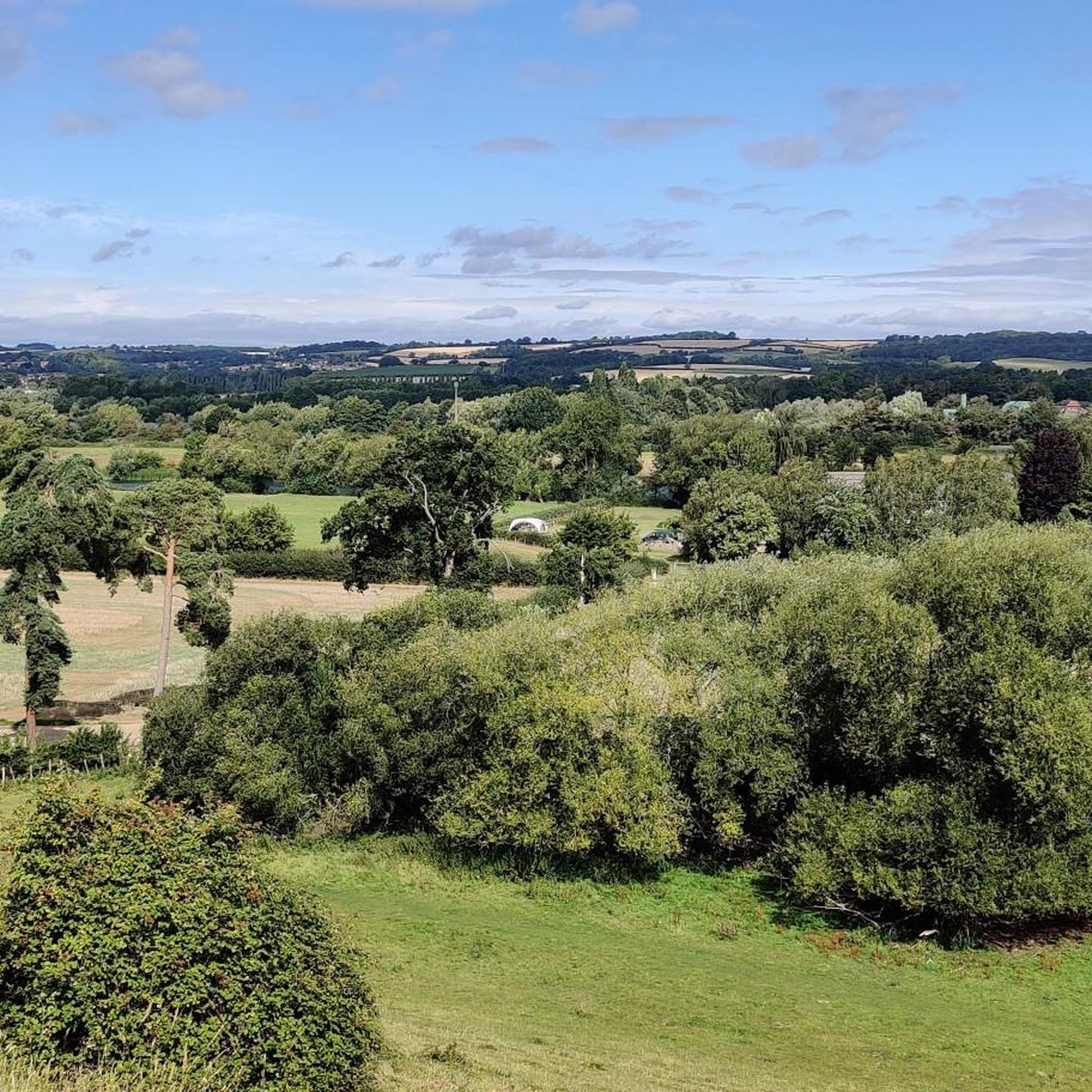
Best natural monuments around Little Marlow are characterized by a diverse landscape shaped by the River Thames and its proximity to the Chiltern Hills. The region offers a variety of natural environments, including expansive country parks, wetlands, and woodlands. These areas provide opportunities for outdoor activities and wildlife observation. The natural features contribute to the ecological significance and scenic beauty of the area.
Best natural monuments around Little Marlow
- The most popular natural monuments is Burnham Beeches, a historical…
Last updated: June 29, 2026
Cock Marsh Wetland Walkway
Highlight • Trail
Tip by

The Brick and Tile Works
Highlight • Historical Site
Tip by

Sign up now to discover places like this
Get recommendations on the best single tracks, peaks, & plenty of other exciting outdoor places.
Sign up for free
Pond in Park Wood
Highlight • Lake
Tip by
Bluebell Woodland in Chilterns National Landscape
Highlight • Forest
Tip by
Burnham Beeches
Highlight • Historical Site
Tip by

Sign up for free to discover even more natural monuments around Little Marlow.
Sign up for free
Already have an account?
Start today with a free account
Your next adventure awaits.
Login or Signup
Tips from the Community

The Brick and Tile Works, established by Charles Cooper in the early 1800s, employed about 150 people and produced bricks, tiles, gargoyles, and pinnacles. The site, which closed in 1967, is now owned by the National Trust and features lowland ponds with diverse aquatic life and a variety of woodland birds and plants.
1
0

Burnham Beeches is a Site of Special Scientific Interest, National Nature Reserve, and Special Area of Conservation thanks to its ancient beech woodland and rich wildlife. More than sixty species of plants and animals that call the 927-acre (375 ha) site home are rare or under threat. The historic woodland is also home to relics of times gone by. Located in the southwest of the woodland, you can visit Seven Ways Plain hill fort which dates to the Late Bronze Age and Early Iron Age. Neighbouring film studios have used the Beeches as a shooting location in various productions such as Doctor Who, Harry Potter, Goldfinger, and Robin Hood Prince of Thieves.
0
0

The Brick & Tile Works The Brick and Tile Works was established by Charles Cooper in the early 1800s, exploiting a local deposit of Reading Clay. At its peak, the Works employed about 150 people, and cottages were built in Golden Ball Lane for the skilled craftsmen. In 1950, the Cooper family sold the Works to the Maidenhead Brick and Tile Company, and the site eventually closed in 1967. In addition to bricks and tiles, the works produced gargoyles and pinnacles, many of which can be seen in the locality today. The National Trust acquired the site in 1989. The industrial activity left a legacy of lowland ponds, inhabited by an impressive range of aquatic invertebrate fauna, including several species of dragonfly. There are also three species of newt and a wide range of woodland birds and other aquatic or semi-aquatic plants and animals.
1
0
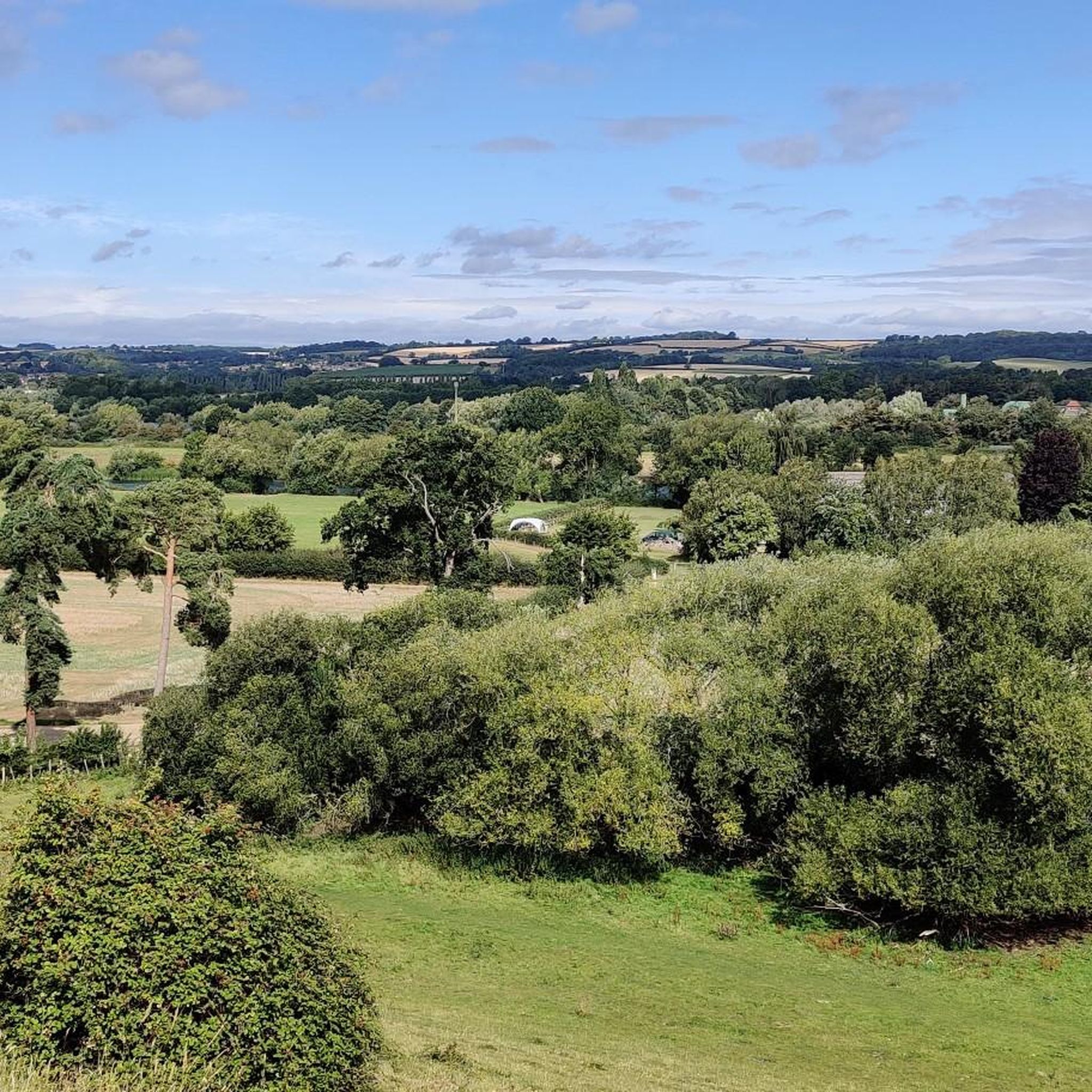
The wetland meadows of Cock Marsh are very important for rare plant species, breeding waders and overwintering birds. Part of the site is designated as a Site of Special Scientific Interest (SSSI). The steep chalk grassland swiftly changing into marshy, acid meadows has created an ecosystem of rare and interesting species. As part of the historic channel of the Thames, the ponds here support specialist plants like water violet, marsh arrowgrass, marsh stitchwort, marsh pennywort and water hemlock. The rare sedge Cyperus fuscus (brown galingale) is found here and in only a handful of other sites in Great Britain. It relies on cattle to tread or poach the ground on the pond edges to create the perfect habitat to grow. The cattle here work hard to help to maintain a rich botanical diversity of grassland habitat. https://www.nationaltrust.org.uk/maidenhead-and-cookham-commons/trails/cookham-and-cock-marsh-walk
1
0
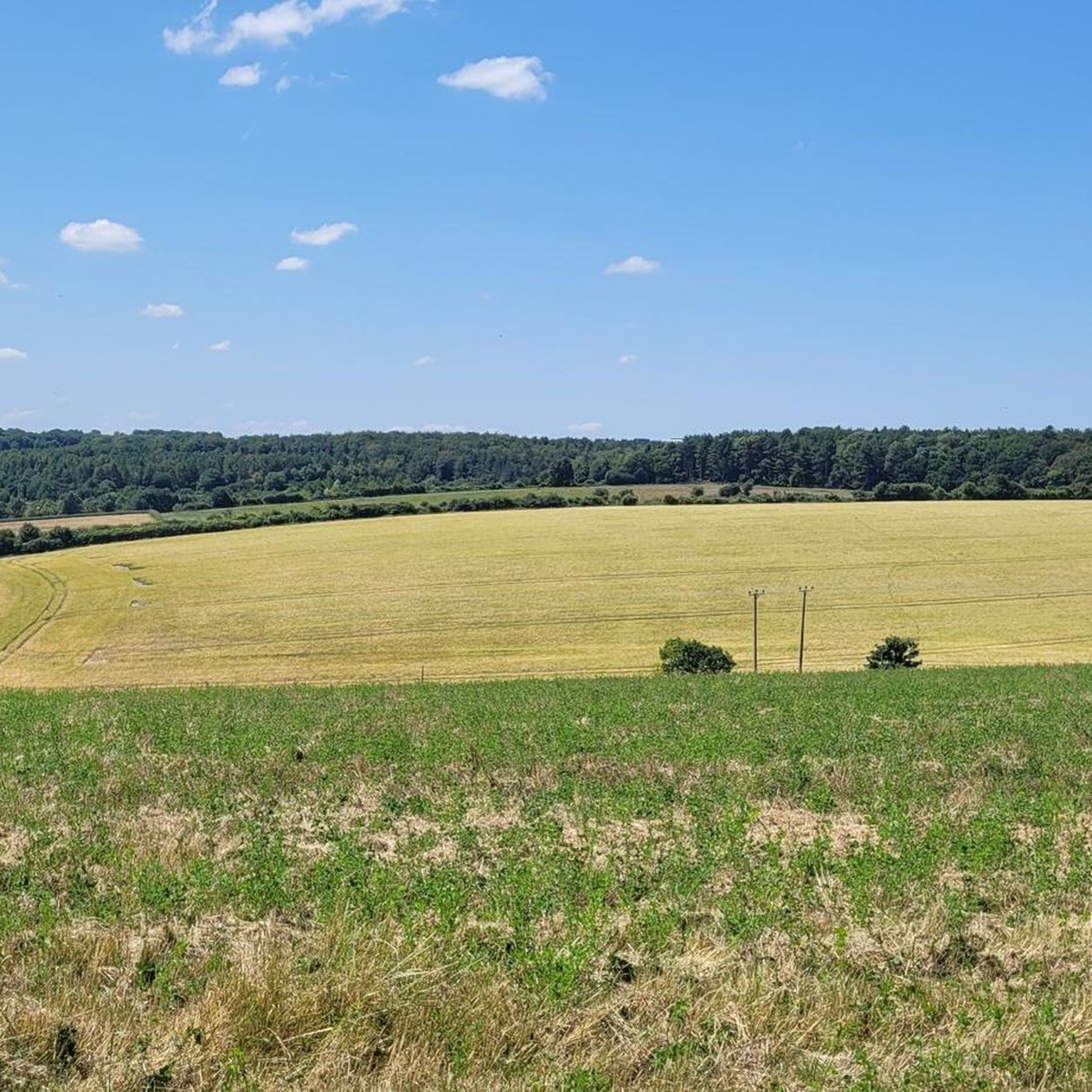
Archaeological Surveys undertaken in Park Wood have revealed a fascinating past for this quiet area of deciduous woodland. Lynchets and banks within the woods give evidence of ancient field systems which may date back to the late Iron Age/early Roman period (or they may be medieval). In the beech woodland opposite the pond is evidence of a late thirteenth/early fourteenth homestead in the woodlands and in Tudor times (1485 – 1603) the woodland was a deer park. Much of Park Wood was converted to beech woodland from the late 18th until the early 20th century to cater for the High Wycombe furniture industry. Associated features include sawpits, tracks and charcoal burning platforms. https://www.nationaltrust.org.uk/chilterns-countryside/trails/bradenham-beech-woods-and-bunkers-trail
0
0
Bluebells are well-known for forming carpets of bright blue flowers beneath our oak and beech woodlands in the late spring. At this time of year, they can also be found along hedgerows and in woodland clearings. Their spectacular floral displays are exclusive to northern Europe, with Britain containing more than half of the world’s population of bluebells. Bluebells, which are inedible members of the asparagus family of plants, are perennial bulbous herbs with flowering stems to about 50cm tall. They spend most of the year as bulbs underground and emerge to flower from mid-April onwards, although they are usually at their peak in the first two weeks of May, depending on the spring weather. Up to twenty sweetly-scented flowers are borne on a flower stalk which droops to one side. The flowers are bell-shaped and although they are usually blue, they can be white or rarely pink. https://www.nationaltrust.org.uk/chilterns-countryside/features/discover-bluebells-in-the-chiltern-countryside
0
0
Frequently Asked Questions
What are some of the most notable natural areas to explore around Little Marlow?
Little Marlow is surrounded by diverse natural landscapes. Key areas include the expansive Little Marlow Lakes Country Park, the wildlife-rich Spade Oak Nature Reserve, and the scenic River Thames. You can also find significant natural monuments like Burnham Beeches, known for its ancient woodland and diverse wildlife, and the unique wetland meadows of Cock Marsh Wetland Walkway.
What kind of natural features can I expect to see in the Little Marlow area?
The region offers a variety of natural features, from tranquil lakes and river meadows within Little Marlow Lakes Country Park to ancient woodlands like Pond in Park Wood. You'll also encounter diverse habitats such as wetlands, grasslands, and scrubland, especially along the River Thames and within reserves like Spade Oak. The area is also close to the rolling hills and extensive woodlands of the Chilterns National Landscape.
Are there any historical or cultural sites integrated with the natural monuments?
Yes, several natural areas around Little Marlow have historical significance. Burnham Beeches, for instance, is not only an ancient woodland but also home to the Late Bronze Age and Early Iron Age Seven Ways Plain hill fort. Pond in Park Wood reveals evidence of ancient field systems and a late Iron Age/early Roman homestead. Additionally, The Brick and Tile Works, now a natural site with lowland ponds, was once a significant industrial hub.
Is there good birdwatching or wildlife spotting in the area?
Absolutely. Spade Oak Nature Reserve, located within Little Marlow Lakes Country Park, is a regionally important site for migrating, wintering, and breeding wading birds, with over 200 species recorded. You might spot kingfishers, herons, and terns, as well as otters and various fish species. Cock Marsh Wetland Walkway is also crucial for breeding waders and overwintering birds, and its ponds support specialist plants and aquatic life.
Are the natural monuments around Little Marlow family-friendly?
Many natural areas are suitable for families. Little Marlow Lakes Country Park offers open spaces for picnics and leisurely strolls. Highlights like Burnham Beeches and Pond in Park Wood are listed as family-friendly, providing opportunities for exploration and nature observation. The accessible paths at Spade Oak Nature Reserve also make it easy for families to enjoy birdwatching.
Can I bring my dog to these natural areas?
Many natural areas and public footpaths around Little Marlow are dog-friendly, especially within Little Marlow Lakes Country Park and along the River Thames Path. However, specific nature reserves like Spade Oak or sensitive wetland areas like Cock Marsh Wetland Walkway may have restrictions or require dogs to be on a lead to protect wildlife. Always check local signage.
When is the best time of year to visit the natural monuments around Little Marlow?
The best time to visit depends on your interests. Spring (April-May) is ideal for seeing the spectacular bluebell displays in woodlands like Bluebell Woodland in Chilterns National Landscape. Summer offers pleasant weather for riverside walks and picnics. Autumn brings beautiful foliage to the woodlands. Winter can be excellent for birdwatching, especially for overwintering birds at Spade Oak Nature Reserve and Cock Marsh Wetland Walkway.
What kind of outdoor activities can I do near these natural monuments?
The area around Little Marlow is excellent for various outdoor activities. You can enjoy hiking and walking along the River Thames Path or explore routes through woodlands and nature reserves. Mountain biking and gravel biking are also popular, with numerous trails available. For detailed routes and guides, you can explore options like Hiking around Little Marlow, MTB Trails around Little Marlow, and Gravel biking around Little Marlow.
Are there easy walking routes suitable for all abilities near Little Marlow's natural areas?
Yes, there are several easy walking routes. The Thames Path National Trail offers flat, scenic riverside strolls. Within Little Marlow Lakes Country Park, you'll find a network of footpaths suitable for leisurely walks. Specific easy hiking routes include the 'Spade Oak Nature Reserve & Warren Wood loop' and the 'St John's Church – Spade Oak Nature Reserve loop from Little Marlow', both listed in the Hiking around Little Marlow guide.
Where can I find longer or more challenging hiking trails?
For more challenging hikes, you can venture towards the Chilterns National Landscape, which offers varied topography and extensive trails. While closer to Little Marlow, routes like the 'Marlow Suspension Bridge – Marlow Lock loop from Marlow' are rated as moderate. The Hiking around Little Marlow guide provides details on various routes, including those with moderate difficulty.
Are there any wheelchair-accessible natural monuments or paths?
While specific designated wheelchair-accessible natural monuments are limited, some areas offer more accessible paths. The Thames Path along the river often provides relatively flat and wide surfaces. Within Little Marlow Lakes Country Park, some main paths may be suitable, but it's advisable to check specific trail conditions before visiting, especially after wet weather.
Where can I find parking near these natural areas?
Parking is generally available at key access points for larger natural areas. For Little Marlow Lakes Country Park, there are often designated car parks. For specific highlights or trailheads, local car parks in nearby villages like Marlow or Bourne End can serve as starting points. Always check local signage for parking regulations and fees.
Are there pubs or places to eat near the walking routes?
Yes, the villages surrounding Little Marlow, such as Marlow and Cookham, offer a good selection of pubs and eateries. Many walking routes, especially those along the Thames Path or through Little Marlow Lakes Country Park, are designed to pass near or through these villages, providing convenient stops for refreshments or a meal.
Are there any lesser-known or unique natural spots worth discovering?
Beyond the main attractions, exploring the smaller, interconnected woodlands and riverine paths can reveal hidden gems. For instance, the lowland ponds at The Brick and Tile Works, now owned by the National Trust, offer a unique blend of industrial history and diverse aquatic life. The varied habitats within Little Marlow Lakes Country Park also hold many quiet corners for discovery.
Most popular routes around Little Marlow
Most popular attractions around Little Marlow

Get inspired with the komoot mobile app


Explore more
Extend your search for the best caves by checking out these guides of the top ones around Little Marlow:
