Top 14 Natural Monuments around Southease
Best natural monuments around Southease are characterized by the rolling chalk hills and dramatic coastlines of Southeast England. This region, part of the South Downs National Park, offers diverse landscapes from high chalky peaks to unique geological formations. Southease serves as a gateway to these varied and historically rich natural landmarks, providing numerous opportunities to explore ancient woodlands, expansive views, and significant natural features.
Best natural monuments around Southease
- The most popular natural monuments is Firle Beacon summit, a…
Last updated: October 2, 2026
Firle Beacon summit
Highlight • Summit
Tip by

Blackcap Summit and Trig Point
Highlight • Viewpoint
Tip by

Sign up now to discover places like this
Get recommendations on the best single tracks, peaks, & plenty of other exciting outdoor places.
Seaford Head Viewpoint
Highlight • Trail
Tip by

Lewes Brooks
Highlight • Natural Monument
Tip by

Arlington Reservoir
Highlight • Natural Monument
Tip by

Sign up for free to discover even more natural monuments around Southease.
Already have an account?
Start today with a free account
Your next adventure awaits.
Popular around Southease
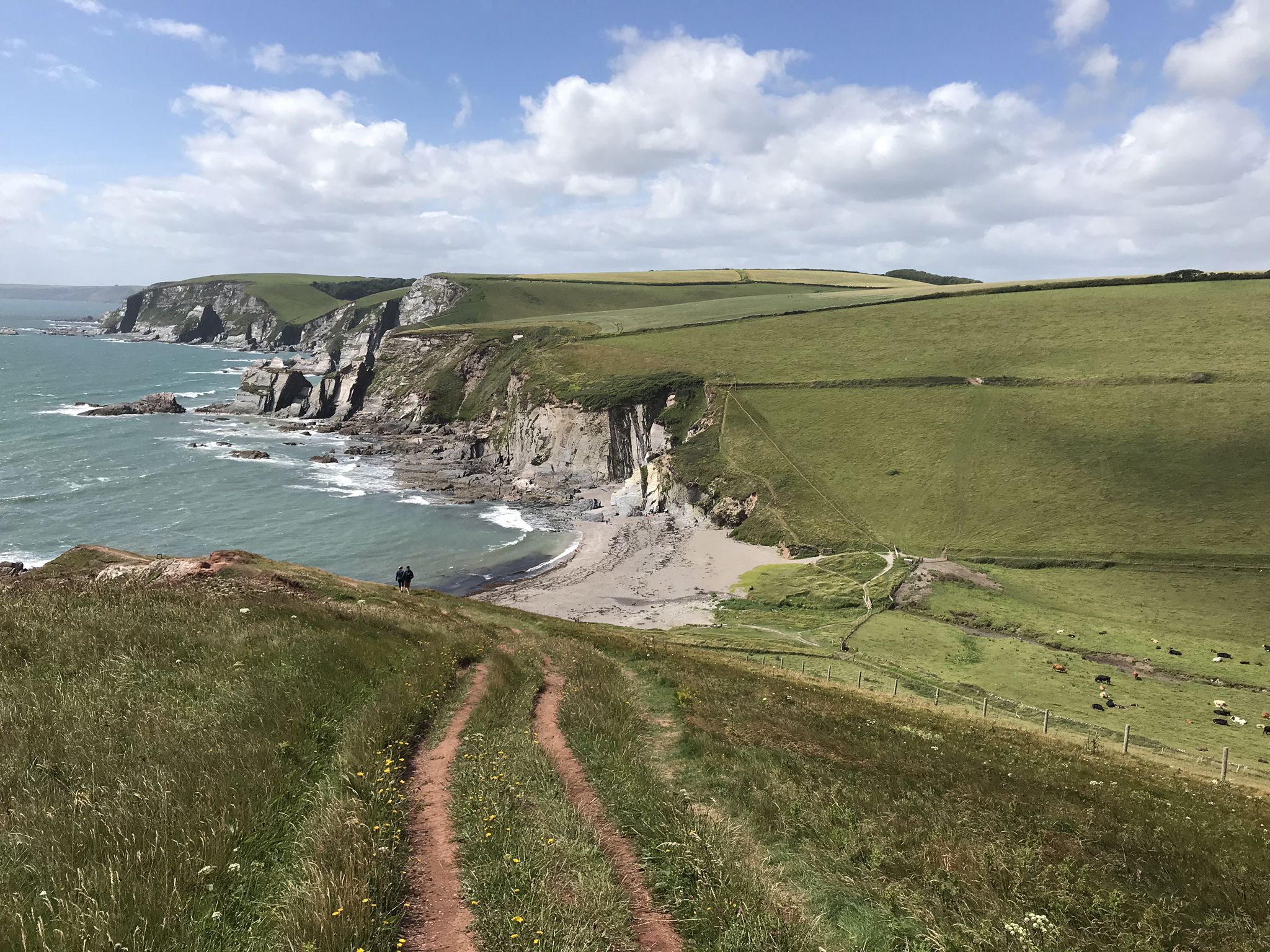
E9 Plymouth to Dover — An epic exploration of England's south coast
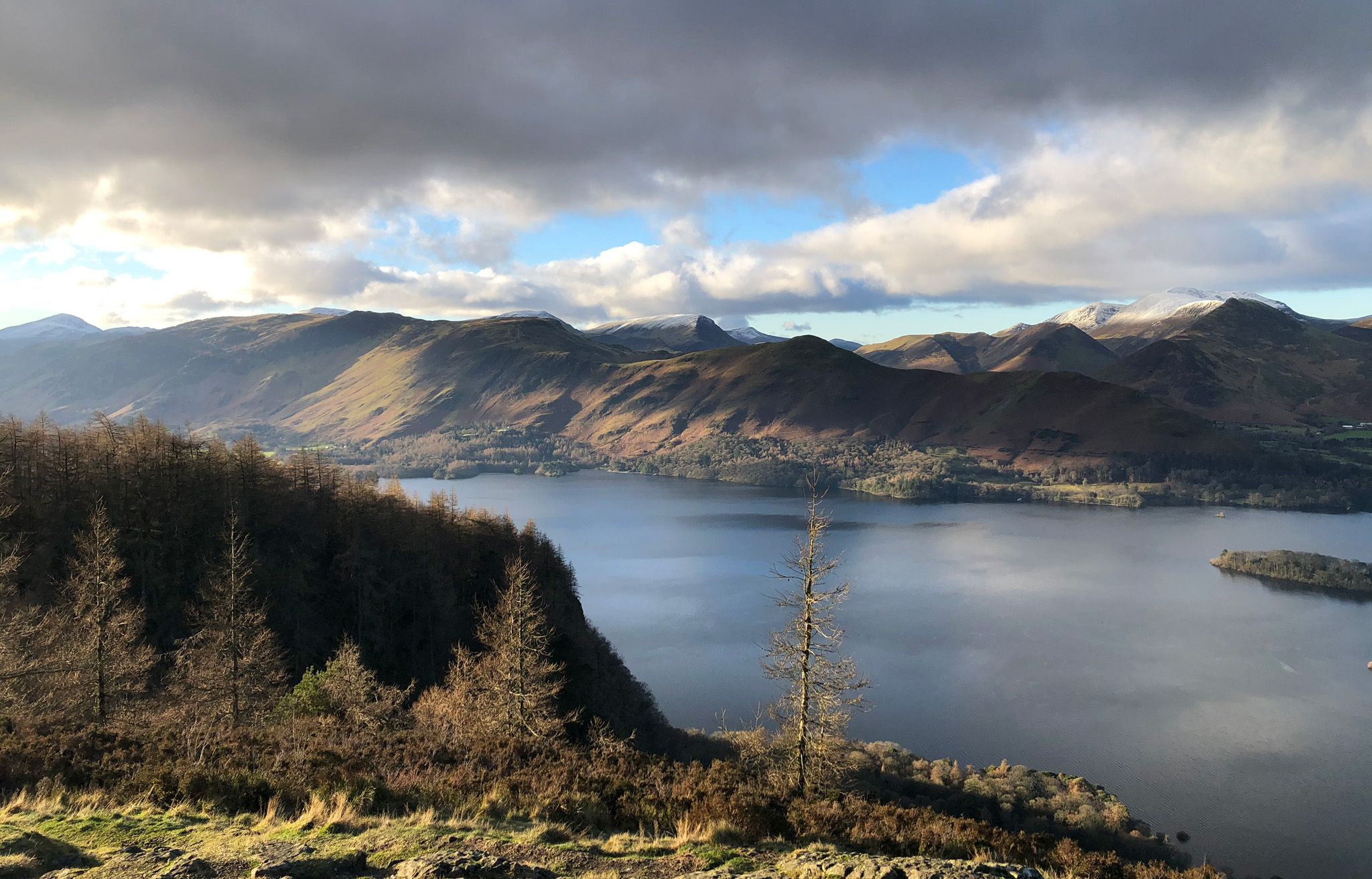
Breathtaking Walks in England’s National Parks
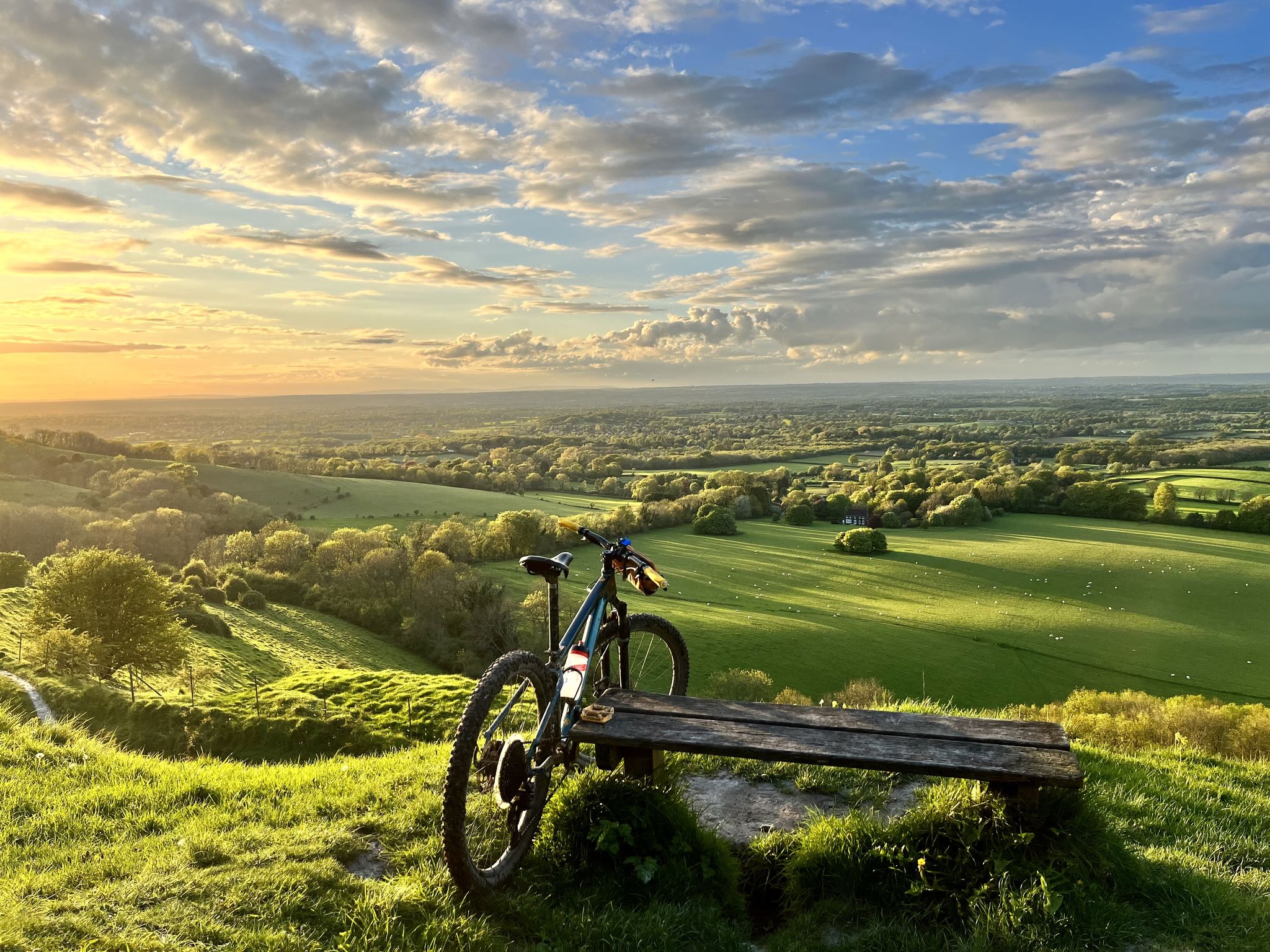
Discover the South Downs National Park — 20 rail to trail rides
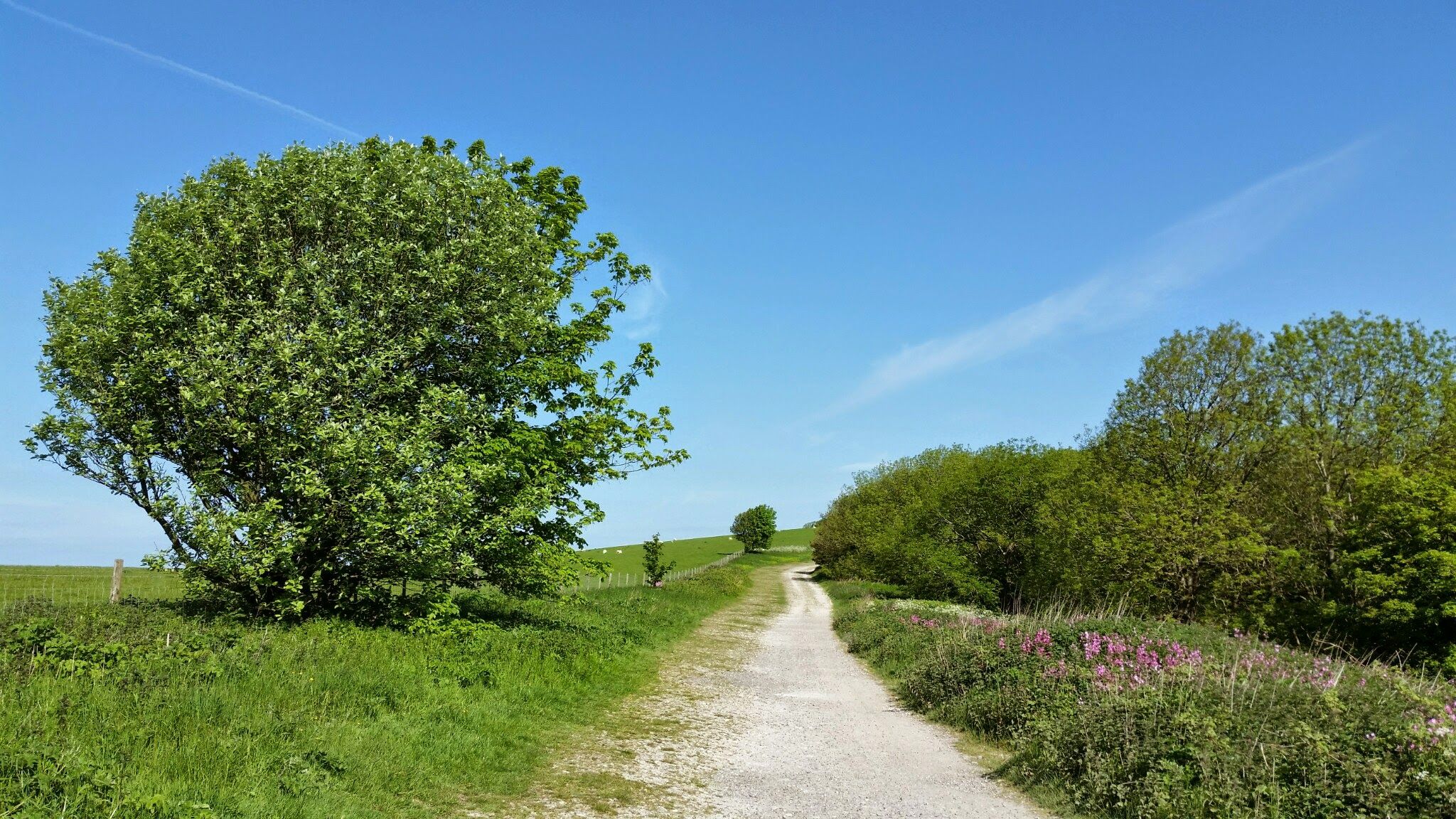
So Sussex - The Living Coast by Mountain Bike
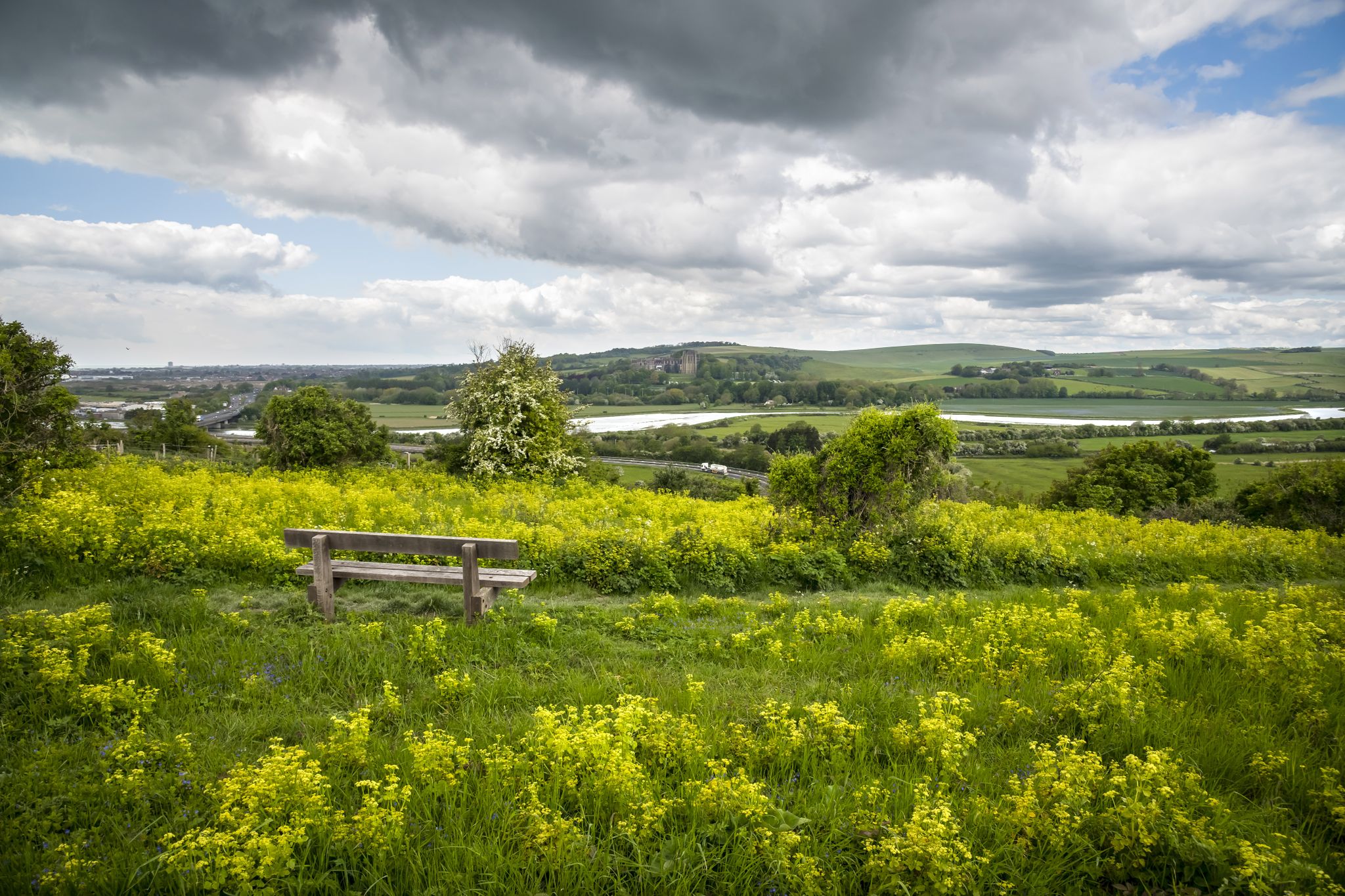
So Sussex - The Living Coast by Bike
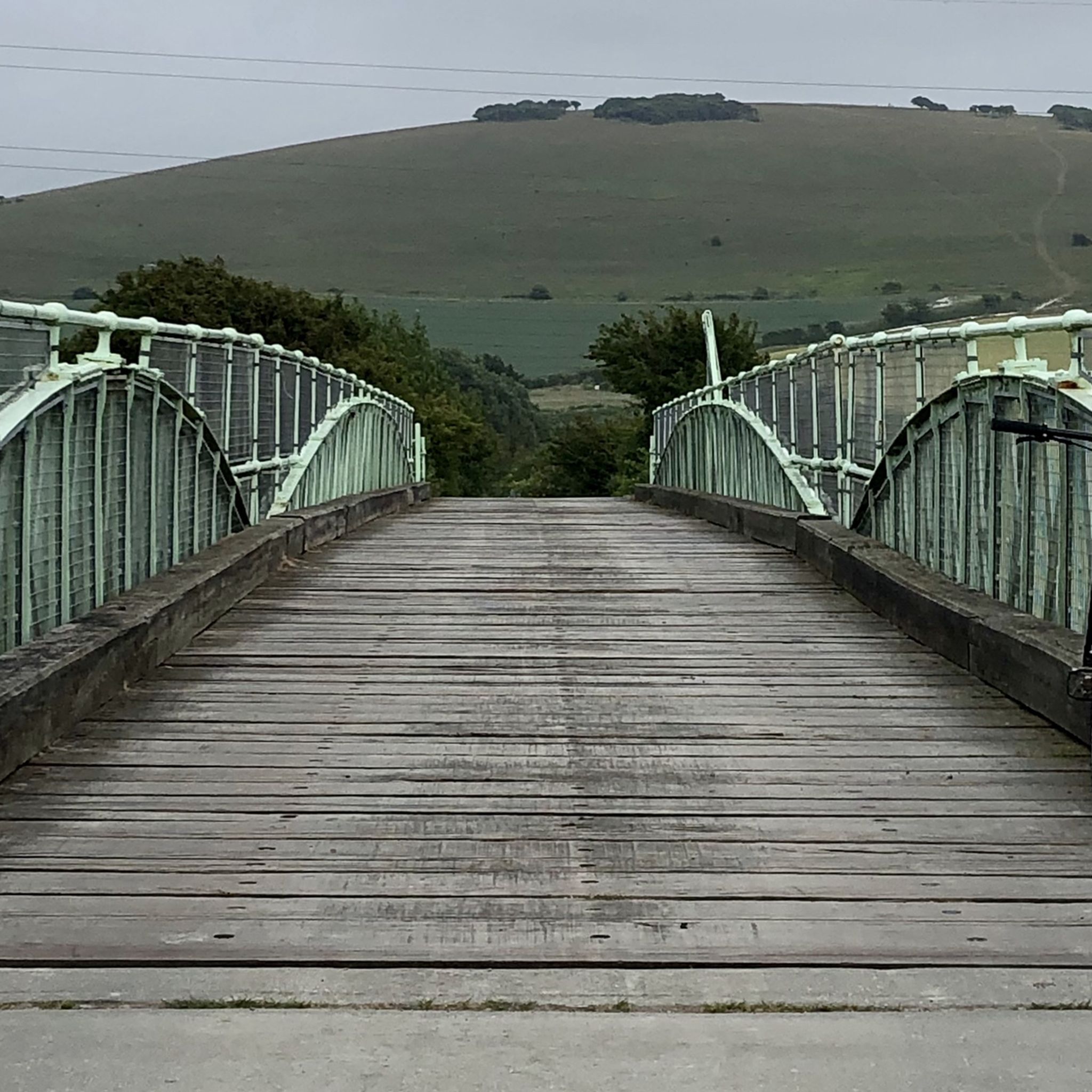
Hiking around Southease
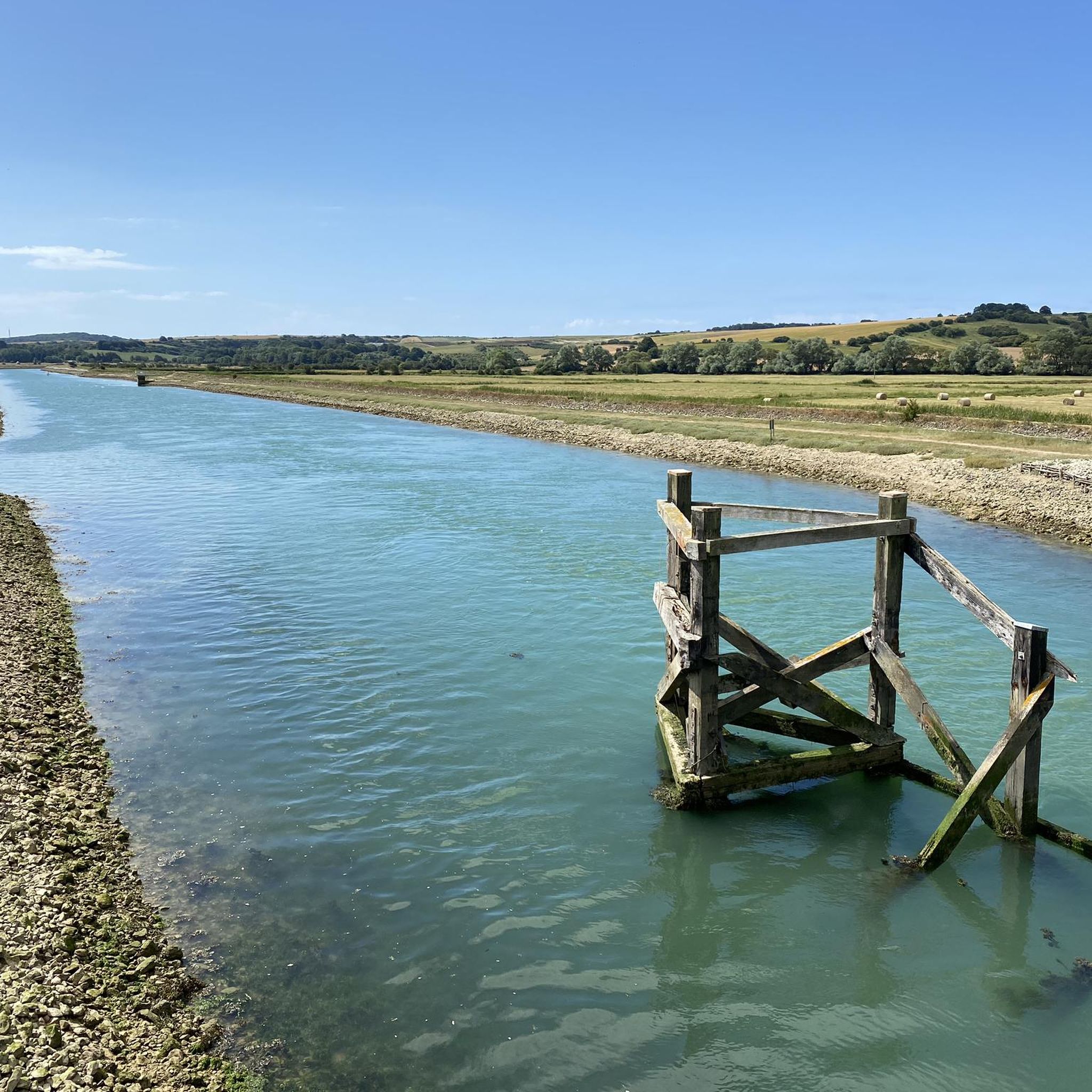
Road Cycling Routes around Southease
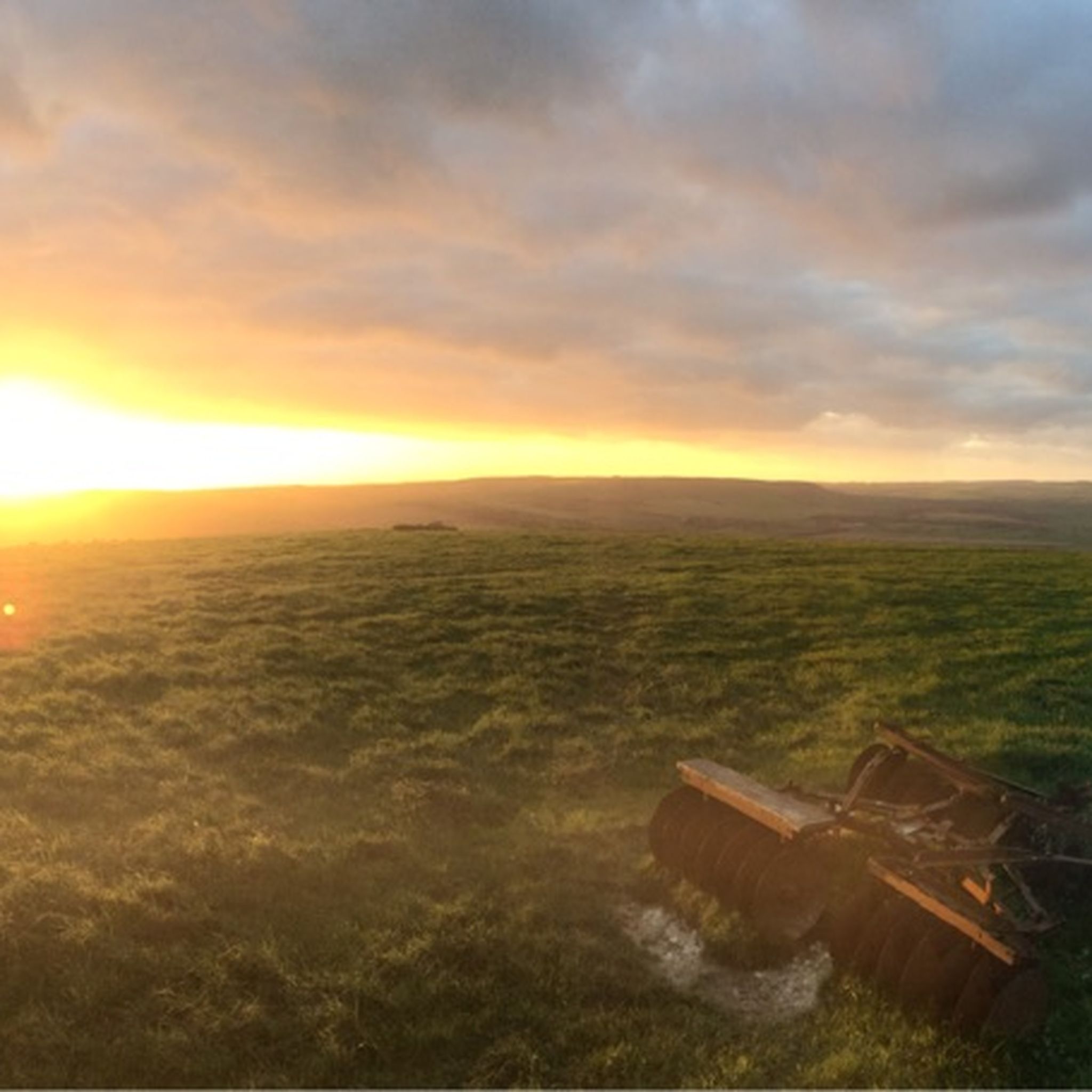
Cycling around Southease
MTB Trails around Southease
Running Trails around Southease
Other adventures around Southease


Tips from the Community


Nice enough trig pointed hilltop and easy enough to get to with grand views out over the South Downs.
0
0

Black Cap is a prominent hill located in the South Downs National Park in East Sussex. The hill stands at 206 m high and provides some glorious panoramic views across the surrounding countryside and coastline.
1
0
An amble up Firle Beacon in the South Downs of southern England. It is 217 metres high and is a Marilyn. It commands a far-reaching view. It is a trig pointed summit and a designated Marilyn.
3
0


Seaside town with a long stretch of pebbly beach, lots of seating and an all access promenade to stroll along the seafront. Plenty of parking along there too. An easy set off point for a walk over the cliffs to the seven sisters.
0
0

So peaceful up here! On a clear day you’ll be able to see for miles!
2
0

pretty village with a great promenade and many pubs. From here you can start a beautiful hiking tour to the Seven Sisters.
1
0
Frequently Asked Questions
What are some prominent natural features to explore around Southease?
The Southease area, nestled within the South Downs National Park, offers a variety of striking natural features. You can explore the dramatic white chalk cliffs, such as those at Seaford Head Viewpoint and the White Chalk Cliffs of Seaford Head, which are part of the iconic Seven Sisters. Inland, discover high chalky peaks like Firle Beacon summit and Blackcap Summit and Trig Point, offering expansive views over the landscape.
Are there family-friendly natural monuments in the Southease area?
Yes, several natural monuments around Southease are suitable for families. The Seaford Head Viewpoint is a great option, offering accessible paths and stunning coastal views. The area around the Seven Sisters Cliffs also provides opportunities for walks with varying difficulty, many of which are enjoyable for families looking to experience the dramatic coastline.
What kind of wildlife can I expect to see at the natural monuments near Southease?
The natural monuments around Southease are rich in biodiversity, especially within the chalk grasslands. At sites like the View of Lewes and the Ouse Valley, which is a Site of Special Scientific Interest, you might spot rare minibeasts such as Adonis Blue and Small Blue butterflies, and the nationally rare wart-biter cricket. Birdwatching is also popular, particularly along the coast at places like Beachy Head, known for migratory birds.
Where can I find panoramic views of the South Downs and coastline?
For breathtaking panoramic views, head to Firle Beacon summit, which stands at 217 meters and offers extensive vistas over the South Downs. Blackcap Summit and Trig Point also provides glorious views across the surrounding countryside and coastline. Additionally, View of Lewes and the Ouse Valley offers beautiful perspectives over the historic town of Lewes and the river.
Are there historical or archaeological sites among the natural monuments?
Yes, the natural monuments in the Southease region often have significant historical and archaeological connections. Firle Beacon summit, for instance, features many ancient burial sites that are still visible today. Other sites in the broader Southeast England area, such as Ditchling Beacon and Devil's Dyke, also contain remains of Iron Age hillforts, highlighting the long human history intertwined with these natural landscapes.
What are some options for easy walks around the natural monuments near Southease?
If you're looking for easy walks, the Southease area has several gentle routes. You can find options like the 'Southease Church and Drinking Water Tap – St Peter's Church, Southease loop from Rodmell' or the 'St Peter's Church, Southease – Southease Church and Drinking Water Tap loop from Southease'. For more easy hiking ideas, explore the dedicated guide: Easy hikes around Southease.
What outdoor activities can I do near these natural monuments?
Beyond simply visiting, the natural monuments around Southease are excellent starting points for various outdoor activities. You can enjoy extensive hiking, from moderate to difficult trails, exploring the South Downs. Gravel biking is also popular, with routes that take you through scenic landscapes. For detailed routes and guides, check out Hiking around Southease and Gravel biking around Southease.
What do visitors enjoy most about the natural monuments around Southease?
Visitors frequently praise the stunning views and the sense of tranquility found at these natural monuments. Many appreciate the dramatic coastal scenery, especially the white cliffs, and the expansive vistas from the high summits. The opportunity for walking and photography is also a major draw, with many sharing photos of the beautiful landscapes and unique geological formations. The rich history and diverse plant life, particularly in the chalk grasslands, also add to the appeal.
Are there any specific geological formations worth noting?
Absolutely. The region is famous for its chalk geology. The White Chalk Cliffs of Seaford Head are a prime example of the dramatic erosion shaping the coastline. Further afield, but within Southeast England, Devil's Dyke is a unique geological formation, known as the longest, deepest, and widest 'dry valley' in the UK, believed to have formed during the last ice age.
Can I bring my dog to the natural monuments in the Southease area?
Many natural monuments and trails in the South Downs National Park, including those around Southease, are dog-friendly. However, it's always recommended to keep dogs on a lead, especially near cliff edges, livestock, or areas with ground-nesting birds. Always check local signage for specific restrictions at each site to ensure a safe and enjoyable visit for everyone.
What is the best time of year to visit the natural monuments near Southease?
The natural monuments around Southease can be enjoyed year-round, but each season offers a different experience. Spring and summer bring vibrant wildflowers to the chalk grasslands and offer pleasant weather for walking. Autumn provides beautiful changing colors across the landscape, while winter can offer crisp, clear views, though paths may be muddy. Always check weather conditions before your visit.
Are there any natural monuments that are also designated as Sites of Special Scientific Interest (SSSIs)?
Yes, several natural monuments in the area hold SSSI status due to their ecological importance. The escarpment at the View of Lewes and the Ouse Valley is a prime example, recognized for its rich chalk grassland and rare insect species. Coombe Hill in the Chilterns, also in Southeast England, is another SSSI, noted for its rare chalk grassland habitat and diverse wildflowers.
Most popular routes around Southease
Most popular attractions around Southease

Get inspired with the komoot mobile app


Explore more
Extend your search for the best caves by checking out these guides of the top ones around Southease:
