Churchill And Blakedown
Churchill And Blakedown
Top 15 Natural Monuments around Churchill And Blakedown
Best natural monuments around Churchill And Blakedown offer a blend of natural beauty and historical significance. The area features diverse landscapes, including ancient woodlands, unique geological formations, and sites with industrial heritage. Visitors can explore well-preserved natural features and historical monuments that showcase both ecological value and human ingenuity. This region provides opportunities for experiencing varied natural environments.
Best natural monuments around Churchill And Blakedown
- The most popular natural monuments is The Four Stones, Clent Hills, a viewpoint and…
Last updated: June 29, 2026
Kinver Edge
Highlight • Historical Site
Tip by

The Four Stones, Clent Hills
Highlight • Viewpoint
Tip by

Sign up now to discover places like this
Get recommendations on the best single tracks, peaks, & plenty of other exciting outdoor places.
Sign up for free
Jubilee Plantation, Waseley Hills Country Park
Highlight • Forest
Tip by
Chaddesley Wood National Nature Reserve
Highlight • Natural Monument
Tip by

Redstone Caves
Highlight • Natural Monument
Tip by

Sign up for free to discover even more natural monuments around Churchill And Blakedown.
Sign up for free
Already have an account?
Start today with a free account
Your next adventure awaits.
Login or Signup
Tips from the Community

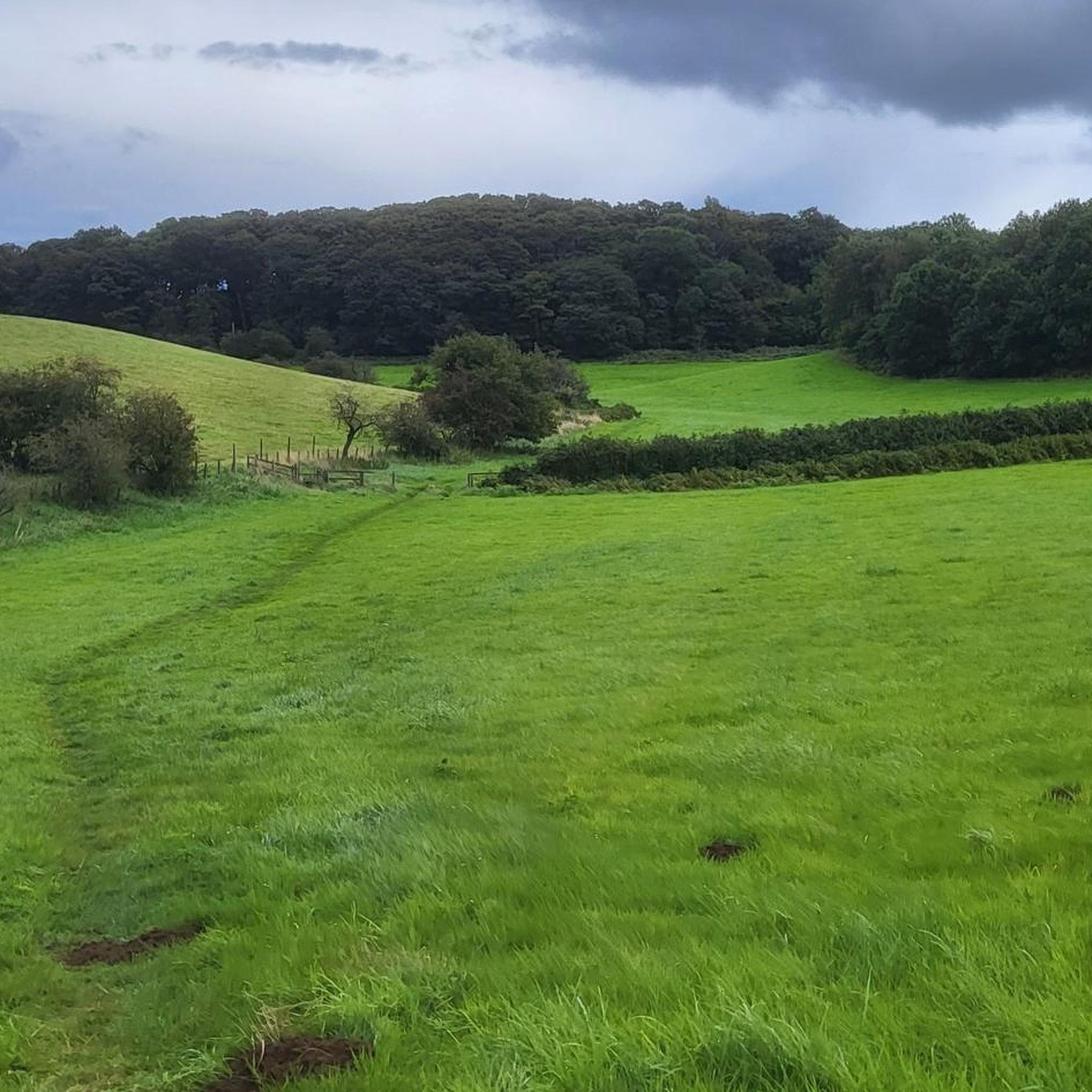
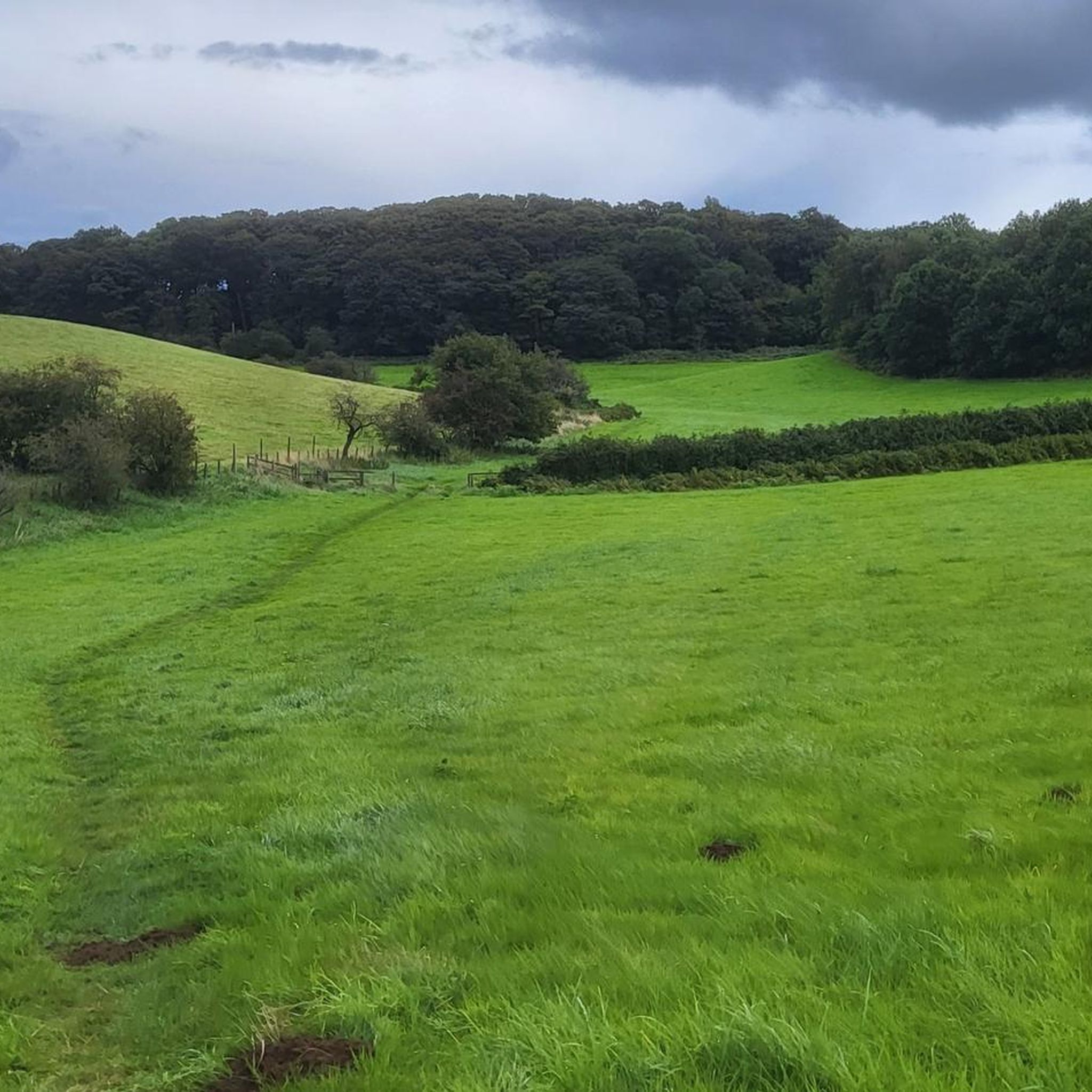
A fine stand of trees at the top of Waseley Hill
0
0


Worth a visit not only at sunset!
1
0

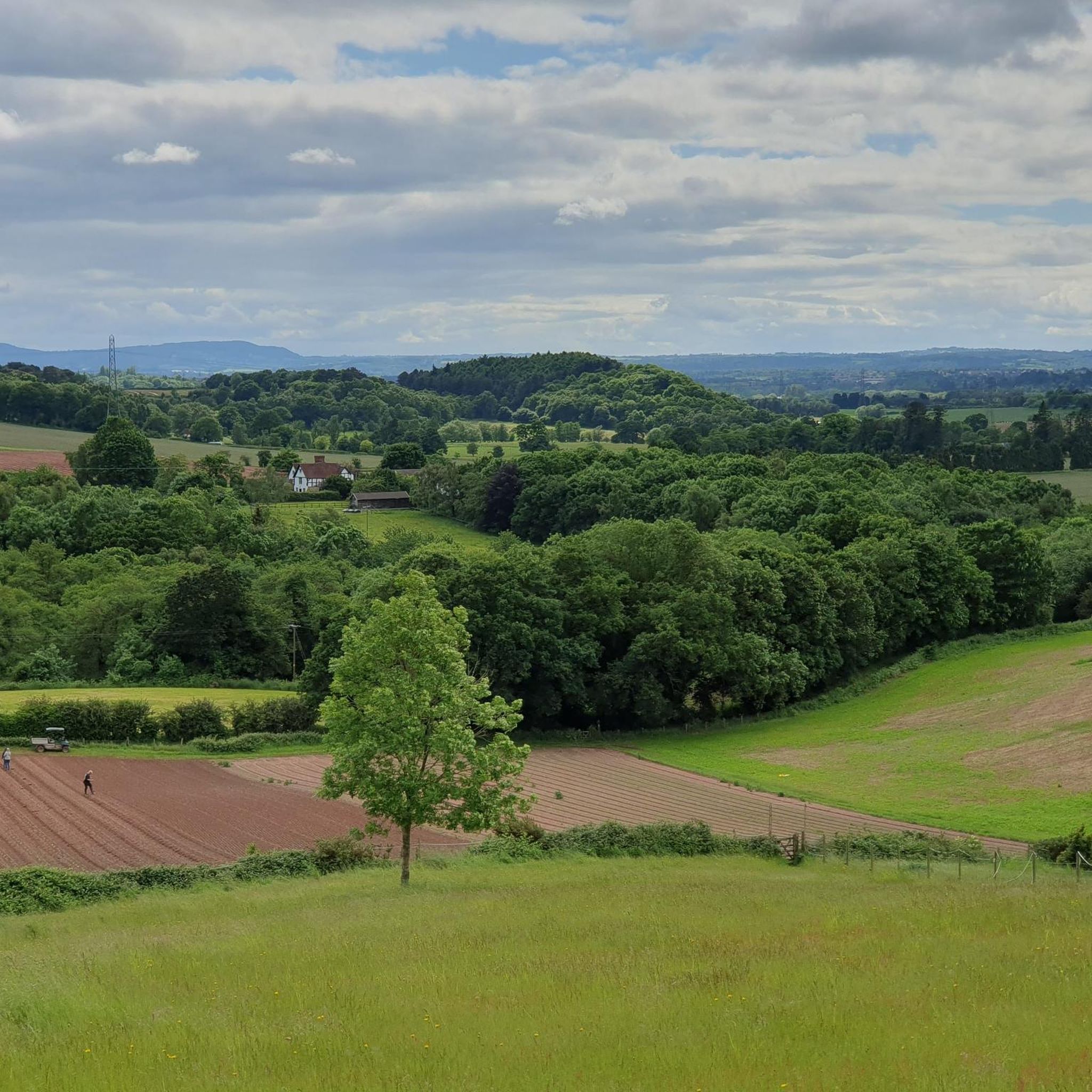
A great place to visit and wide veiws
0
0

The Four Stones were erected by Lord Lyttelton of Hagley Hall in the 18th century. Brilliant views over nearby Walton Hill and further towards the Cotswolds, Shropshire Hills and the Welsh Borders.
0
0

Geological overview Just south of Stourport a magnificent river cliff of fine grained red sandstone is seen. Although mainly homogenous in terms of geology, there are white streaks and thin bands of coarse material running throughout the section. The soft sandstone of Redstone Rock is easily carved and there is evidence of human-made habitation in the cliff face since Stone Age times. The caves that can be seen today were mostly made in the 12th century, when a hermitage was established there, conveniently located for the hermits to be on hand to offer blessings and prayers for passers-by in return for alms. It was said to house up to 500 men, who may have also manned the ferry crossing, which was there due to the presence of a ford until the river was dredged. The caves were later used as domestic dwellings and were inhabited almost continuously until the mid twentieth century. Source: Geopark.org
0
0
Frequently Asked Questions
What unique natural features can I discover around Churchill And Blakedown?
The area boasts diverse natural features. At Churchill Forge, you can find the endangered Black Poplar tree by the mill pond. Hurcott Wood and Pools is a Site of Special Scientific Interest known for its extensive wet woodland, including the largest area of alder carr in Worcestershire, and vibrant wetland flora like bluebells, marsh marigold, and yellow flag iris. Kinver Edge features a high sandstone ridge with heathland and woodland, while Redstone Caves are carved into Triassic sandstone cliffs.
Are there any natural monuments with historical significance in the area?
Yes, several natural monuments also hold historical importance. Churchill Forge is a Scheduled Monument with a well-preserved water management system and early 19th-century brick buildings, showcasing industrial heritage. The pools at Hurcott Wood and Pools were created in medieval times to power mills. Kinver Edge features ancient hill forts and the famous Holy Austin Rock Houses, cave dwellings inhabited until the 1960s. Redstone Caves were carved in the 12th century, serving as a hermitage and later as dwellings.
What kind of wildlife can I expect to see at the natural monuments?
Hurcott Wood and Pools is a haven for wildlife, with numerous species of dragonflies (including the rare scarce chaser), grass snakes, common toads, and herons. Great crested grebes nest in the reed beds, and the alder and willow trees provide habitats for otters. The old boathouse is also a haven for bats. At Kinver Edge, you might spot adders, common lizards, skylarks, buzzards, and great spotted woodpeckers. Chaddesley Wood National Nature Reserve is home to a variety of birds, including winter thrushes, and is a rare habitat for the land caddis.
Are there family-friendly natural monuments around Churchill And Blakedown?
Yes, several spots are great for families. The Four Stones, Clent Hills, offers a gentle climb and magnificent views, making it suitable for families. Jubilee Plantation, Waseley Hills Country Park, is a nature reserve with picturesque hilltops and woodlands, perfect for family walks and enjoying panoramic views. Hurcott Wood and Pools also offers serene walks through ancient woodlands and along stunning pools, popular with families and dog walkers.
What is the best time to visit the natural monuments in this region?
Spring is particularly beautiful, especially at Hurcott Wood and Pools when bluebells carpet the forest floor. Early mornings are ideal for birdwatching. Summer allows for spotting dragonflies at Hurcott Wood and enjoying the heathland at Kinver Edge. The views from The Four Stones, Clent Hills, are magnificent year-round, including stunning sunsets.
Are there opportunities for hiking or walking near these natural monuments?
Absolutely. The region offers numerous walking opportunities. You can enjoy serene walks through ancient woodlands at Hurcott Wood and Pools. Kinver Edge provides rambles along its escarpment with dramatic views. For more structured routes, explore the many walking paths and trails available. You can find detailed hiking routes around the area on the Churchill And Blakedown guide page.
What other outdoor activities can I do near the natural monuments?
Beyond walking and hiking, the area around Churchill And Blakedown offers excellent opportunities for cycling and mountain biking. You can find various routes for cycling, gravel biking, and MTB trails, catering to different skill levels. These routes often pass by or are close to the natural monuments, allowing you to combine your visit with an active outdoor experience.
How long should I plan for a visit to these natural monuments?
The duration of your visit depends on the specific monument and your interests. For places like The Four Stones, Clent Hills, a quick visit for the views might take an hour, while exploring the wider Clent Hills could be a half-day activity. Sites like Hurcott Wood and Pools or Chaddesley Wood National Nature Reserve could easily fill 2-3 hours with leisurely walks and wildlife spotting. If visiting Churchill Forge on an open day, allow time for demonstrations.
Are there any viewpoints offering panoramic scenery?
Yes, the region is known for its scenic viewpoints. The Four Stones, Clent Hills, offers magnificent panoramic views from its summit. Similarly, Jubilee Plantation, Waseley Hills Country Park, provides fantastic panoramic views over Worcestershire. From Kinver Edge, you can enjoy dramatic vistas that include the Clent Hills, Shropshire Hills, Wenlock Edge, and the Malvern Hills.
What are the accessibility options for natural monuments in Churchill And Blakedown?
While specific wheelchair accessibility varies, many natural monuments offer paths suitable for general walking. For example, Hurcott Wood and Pools provides serene walks, and some areas of Waseley Hills Country Park may have more accessible routes. It's advisable to check specific site information for detailed accessibility before visiting, especially for those with mobility concerns, as some areas may involve uneven terrain or inclines.
Can I bring my dog to these natural monuments?
Many natural monuments in the area are dog-friendly, making them great for walks with your canine companion. Hurcott Wood and Pools is a popular spot for dog walkers, offering extensive woodlands and trails. Similarly, the open spaces of Clent Hills and Kinver Edge are generally welcoming to dogs. Always ensure dogs are kept under control, especially around wildlife or livestock, and follow any local signage regarding leads.
Are there any cafes or pubs near the natural monuments?
While specific cafes or pubs might not be directly adjacent to every natural monument, the Churchill And Blakedown area, and nearby towns like Kidderminster and Stourbridge, offer various options. After exploring, you can find local establishments for refreshments. For example, the area around Kinver Edge has village amenities. It's recommended to check local listings for current operating hours and locations.
What makes Chaddesley Wood National Nature Reserve special?
Chaddesley Wood National Nature Reserve is particularly special due to its ancient woodland status, with parts believed to have been wooded since the Ice Age. It's home to rare ancient woodland indicator species like yellow archangel and small-leaved lime. The reserve features mature oak and hazel coppice, supporting diverse flora and fauna, including a Worcestershire speciality, the land caddis. It also contains two meadows, Hockley Meadow and Black Meadow, which are rich in wildflowers.
Most popular routes around Churchill And Blakedown
Most popular attractions around Churchill And Blakedown

Get inspired with the komoot mobile app


Explore more
Extend your search for the best caves by checking out these guides of the top ones around Churchill And Blakedown:
