Top 15 Natural Monuments around East Hampshire
Best natural monuments around East Hampshire are primarily located within the South Downs National Park, offering diverse landscapes and experiences. The region features rolling chalk downland, wooded hills, and heathland, providing a variety of natural settings. These areas are known for their ecological interest and scenic views. East Hampshire's natural monuments offer opportunities for outdoor recreation and appreciation of the region's landscape.
Best natural monuments around East Hampshire
- The most popular natural monuments is Butser Hill, a natural monument that is the highest point on the South Downs. Its chalk grassland is a national nature reserve, known for rare flora and fauna, and offers expansive views.
- Another must-see spot is Shoulder of Mutton Viewpoint, a natural monument with views across the south towards the rolling landscape of the South Downs and the town of Petersfield. This location provides a perspective of the surrounding area.
- Visitors also love Mill Lane Waterfall, a natural monument located within a residential area. This small waterfall is situated near a walking route, making it an accessible point of interest.
- East Hampshire is known for its diverse natural monuments, including viewpoints, waterfalls, and ancient trees. Visitors can explore a variety of natural features, from high points with panoramic vistas to secluded forest areas.
- The natural monuments around East Hampshire are appreciated by the komoot community, with more than 120 upvotes and over 25 photos shared by users.
Last updated: May 17, 2026
Butser Hill
Highlight • Natural Monument
Tip by

South Downs National Park Boundary Marker
Highlight • Monument
The idea for a national park on the South Downs emerged as early as the 1920s, when there was growing concern about increasing threats to the beautiful landscape, especially the impact of uncontrolled speculative housing development on the eastern Sussex Downs. The national park has a rich industrial heritage and history, such as old iron mines, watermills, castles and country houses. The national park also has great biodiversity and is home to more than 3,000 species of plants and animals, including rare orchids, butterflies, birds and bats.
Translated by Google •
Tip by

Sign up now to discover places like this
Get recommendations on the best single tracks, peaks, & plenty of other exciting outdoor places.
Sign up for free
Grandfather's Bottom
Highlight • Viewpoint
Tip by

Mill Lane Waterfall
Highlight • Natural Monument
Tip by
Ancient Yew Tree at St. Mary’s Church, South Downs National Park
Highlight • Historical Site
Tip by

The King Oak
Highlight • Forest
Tip by

Petersfield Heath Lake
Highlight • Historical Site
The 21 Bronze Age long barrows here pay homage to the area’s ancient history. Some are obviously visible, whilst other are more difficult to spot.
Tip by

View of the South Downs from Harvesting Lane
Highlight (Segment) • Trail
Tip by

Shoulder of Mutton Viewpoint
Highlight • Natural Monument
Tip by

View from Weatham Hill Trig Point
Highlight • Natural Monument
Tip by

Sign up for free to discover even more natural monuments around East Hampshire.
Sign up for free
Already have an account?
Start today with a free account
Your next adventure awaits.
Login or Signup
Popular around East Hampshire

King Alfred's Way — History, chalk, grassland and forest
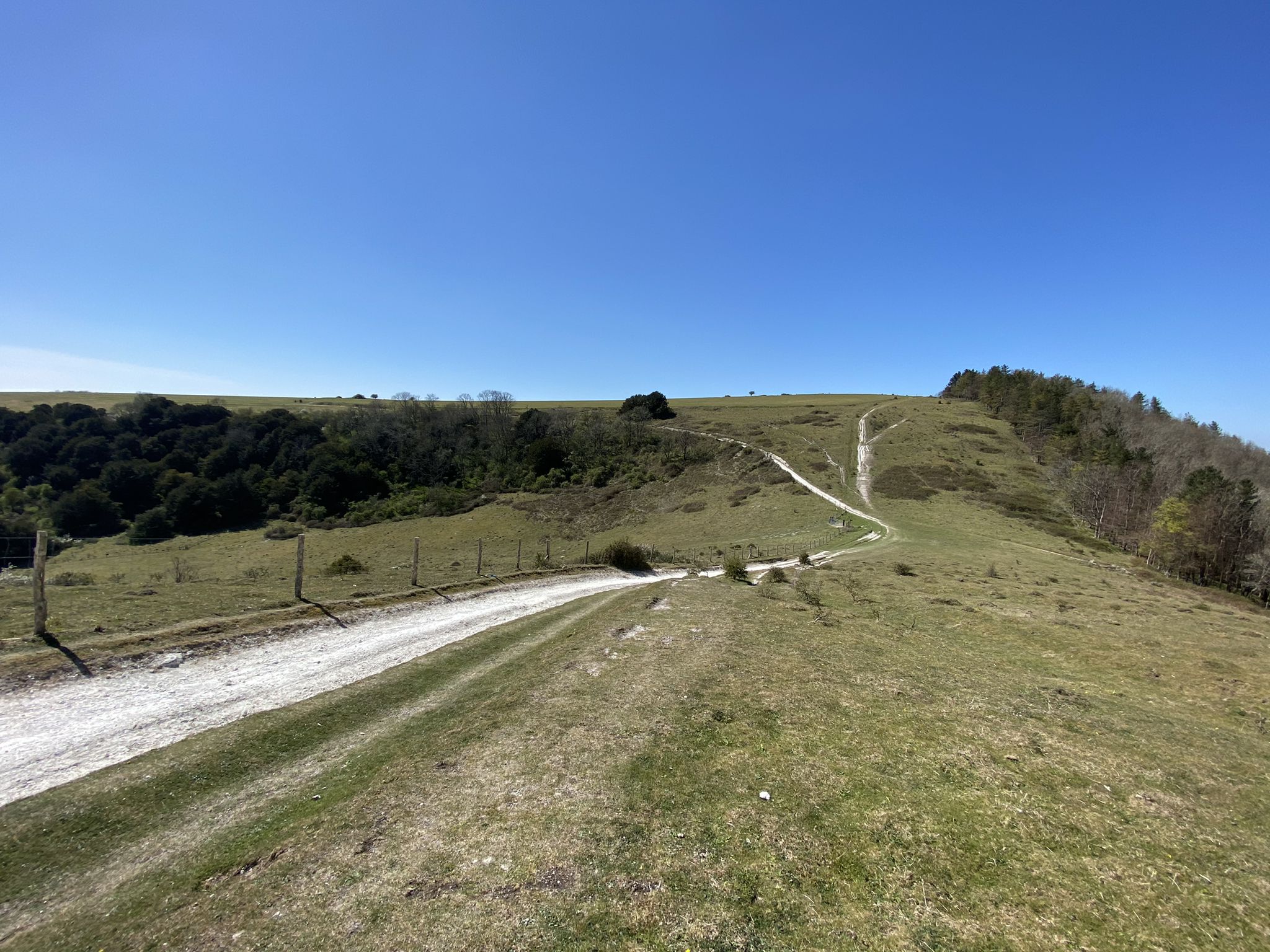
South Downs Way – a 100-mile run across the national park
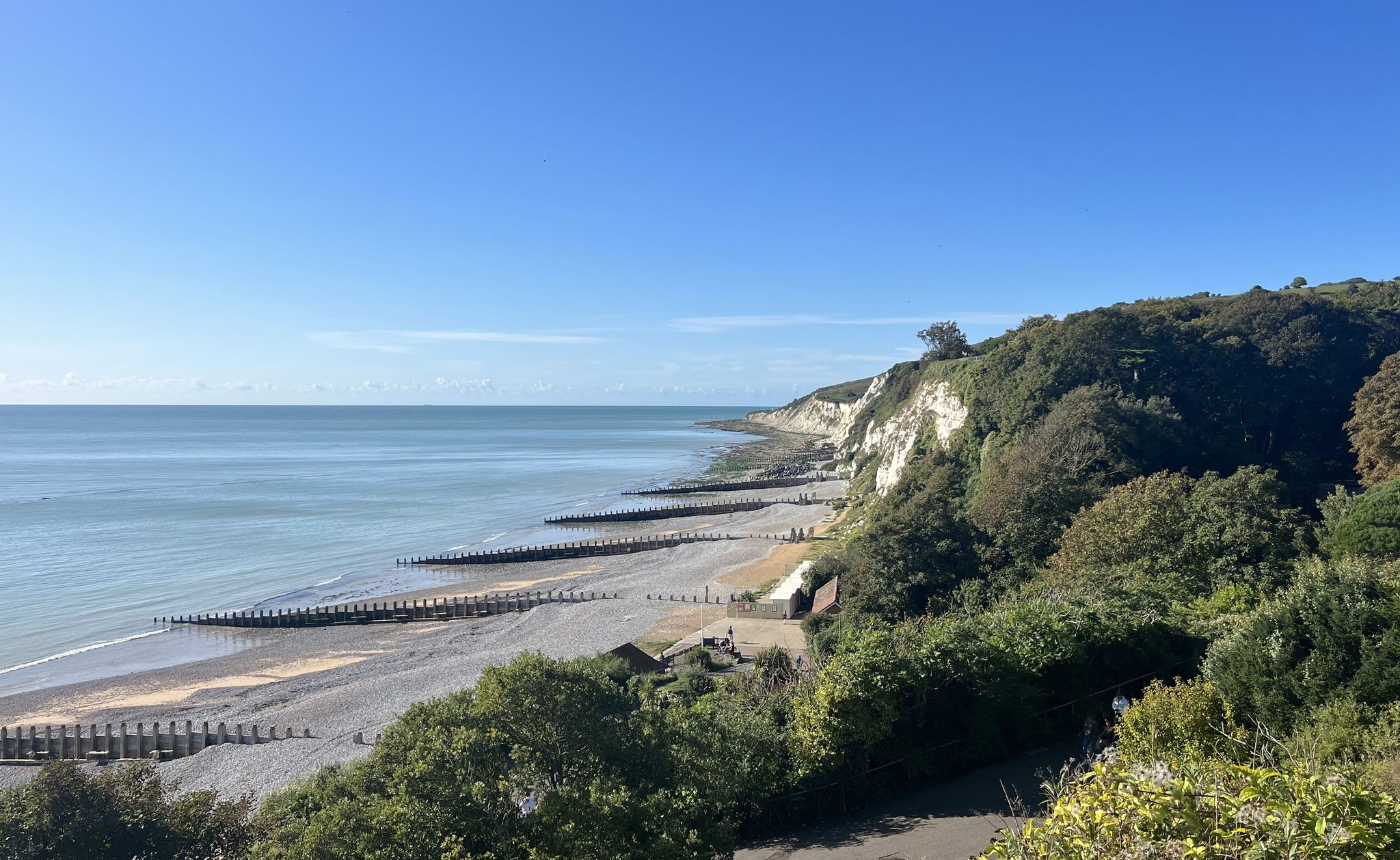
South Downs National Park – A Walk in the Parks
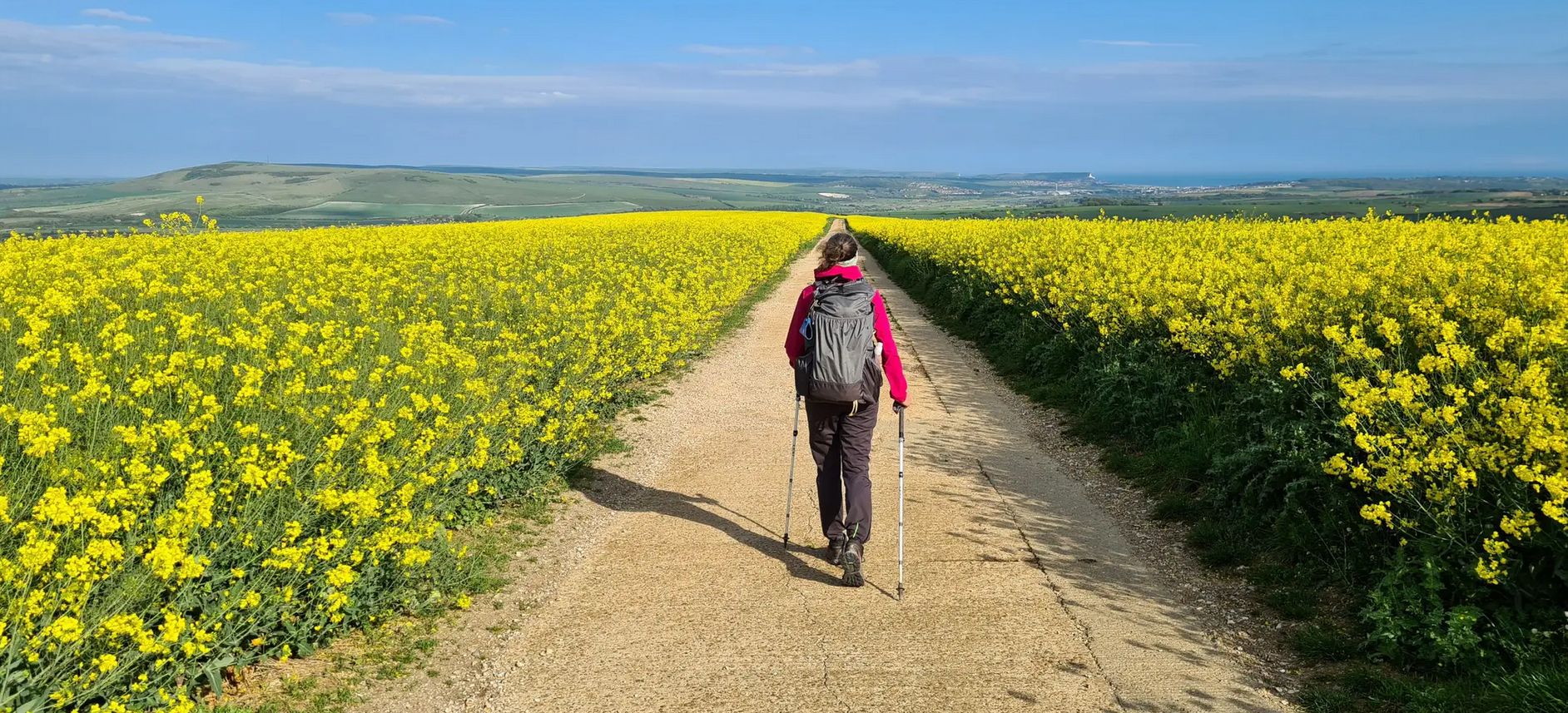
South Downs Way – A captivating hike across Southern England
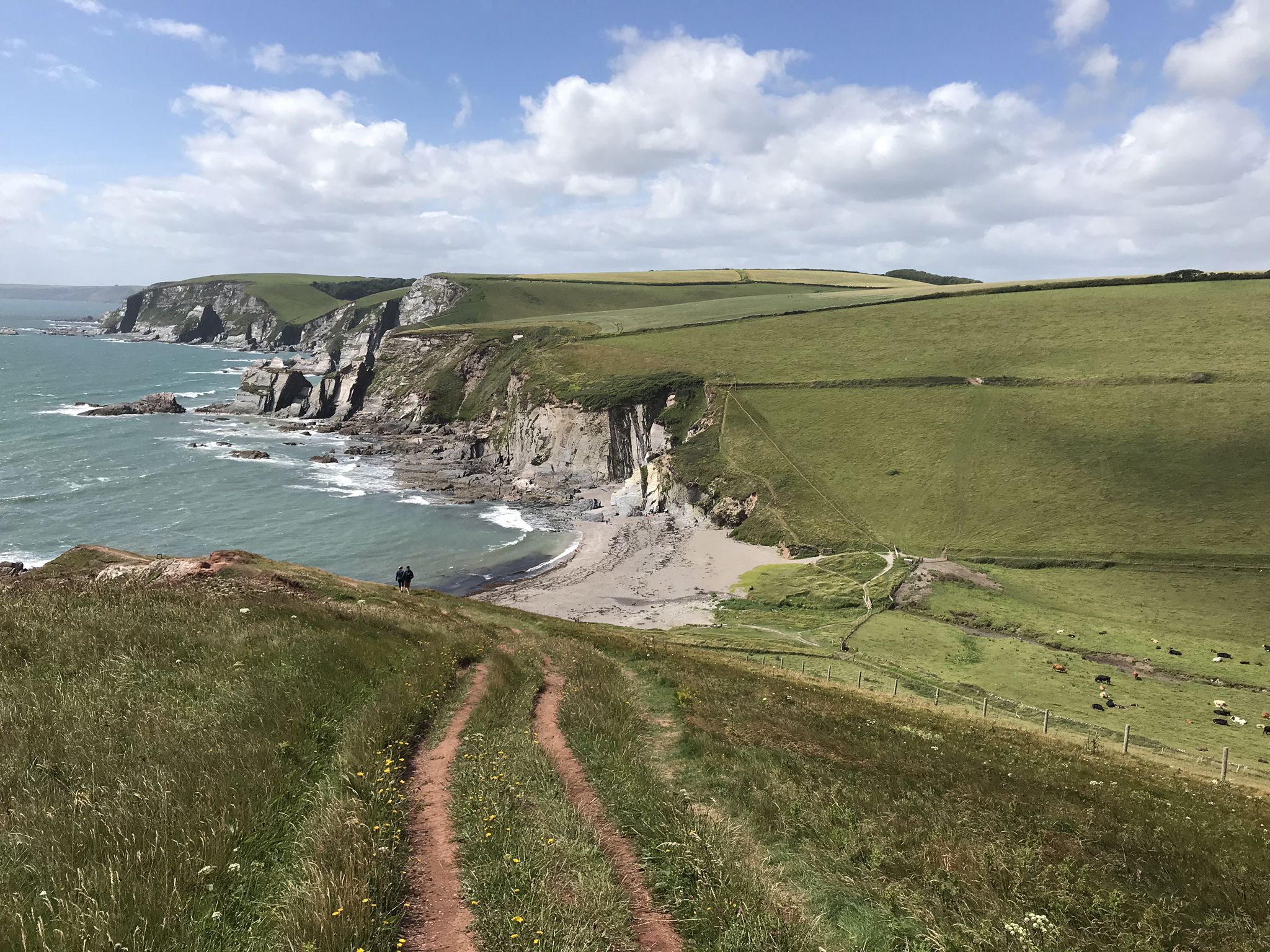
E9 Plymouth to Dover — An epic exploration of England's south coast
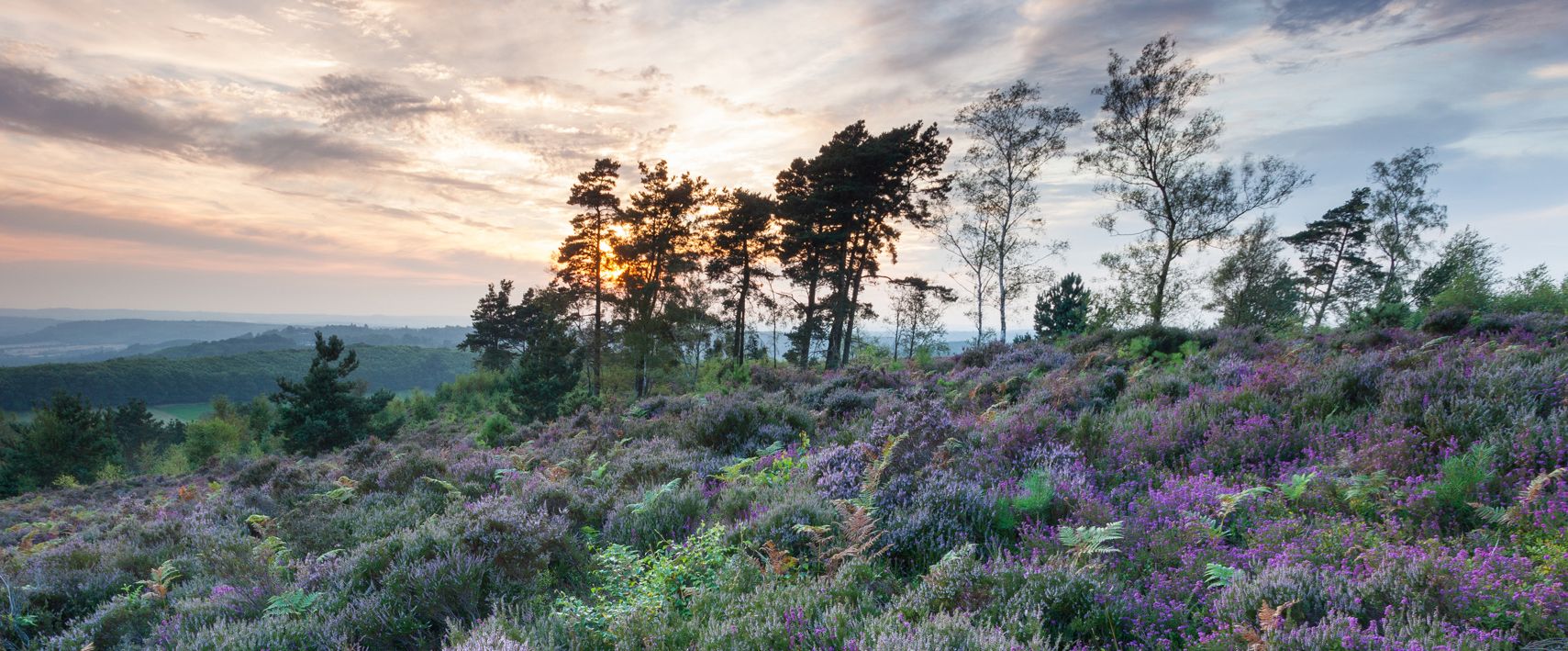
Hiking the Serpent Trail — Snake across Sussex's vibrant Greensand Hills
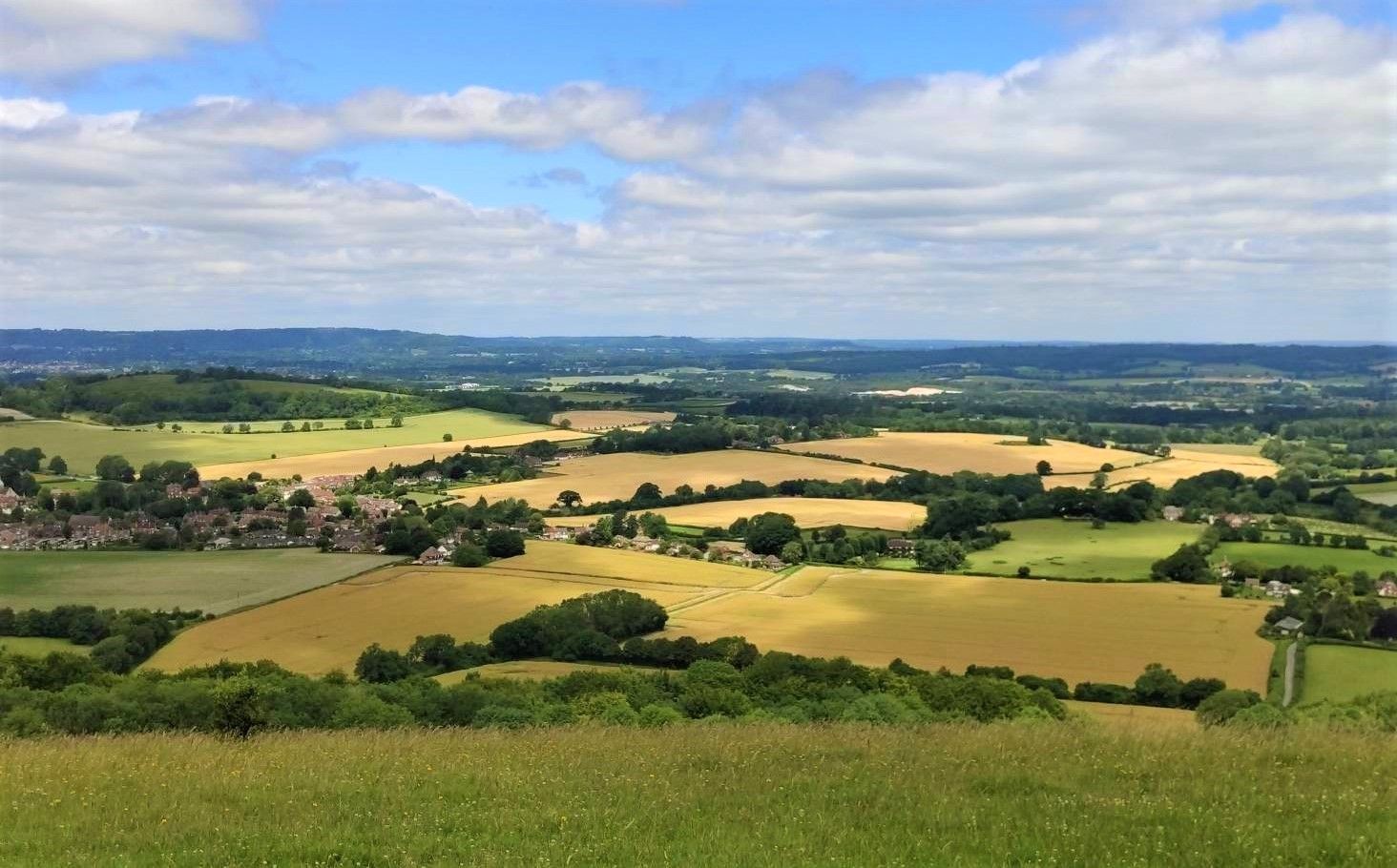
Sussex Border Path — A historic hike through medieval landscapes
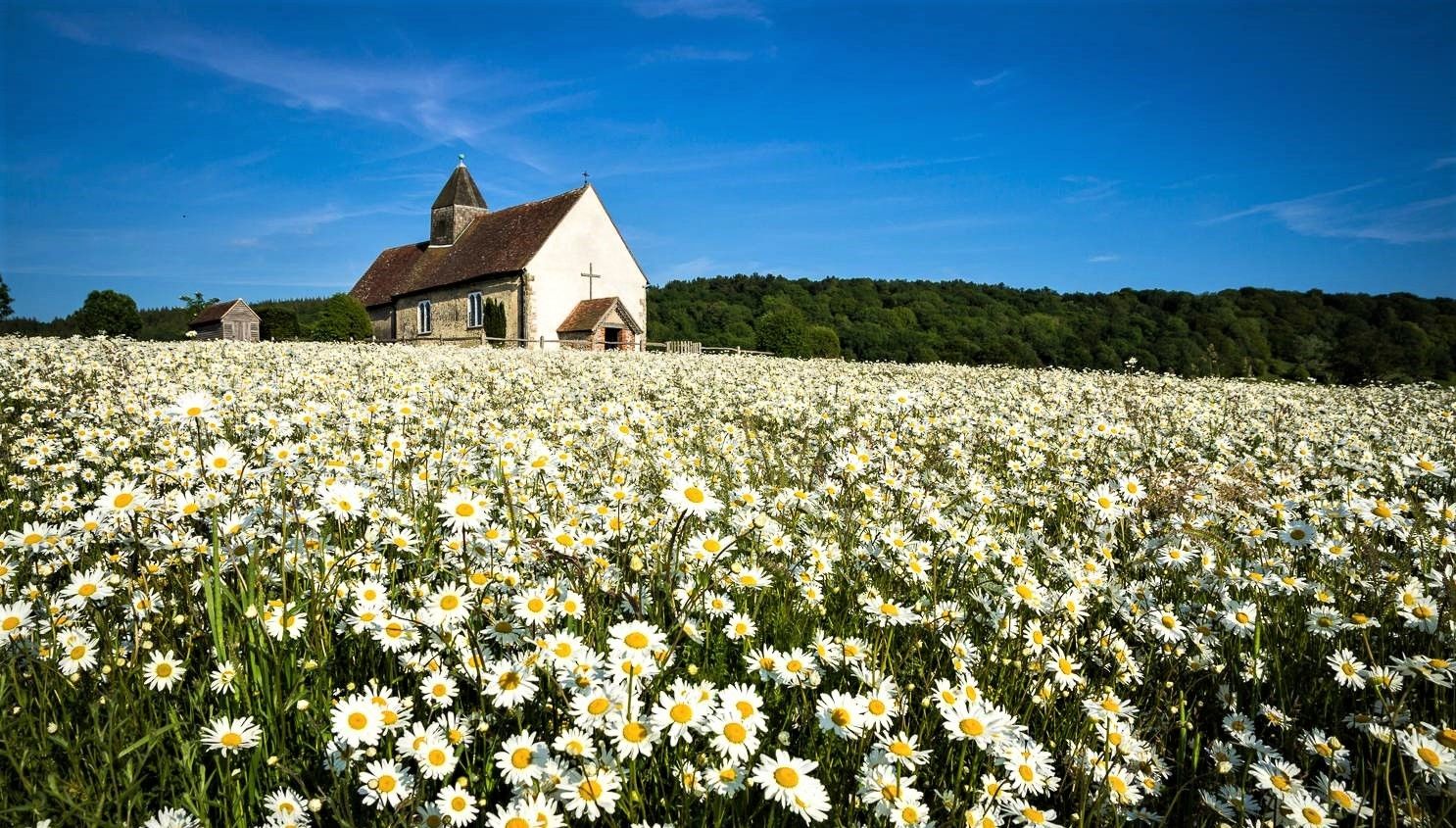
Shipwrights Way — Hike through the heart of the South Downs to the sea
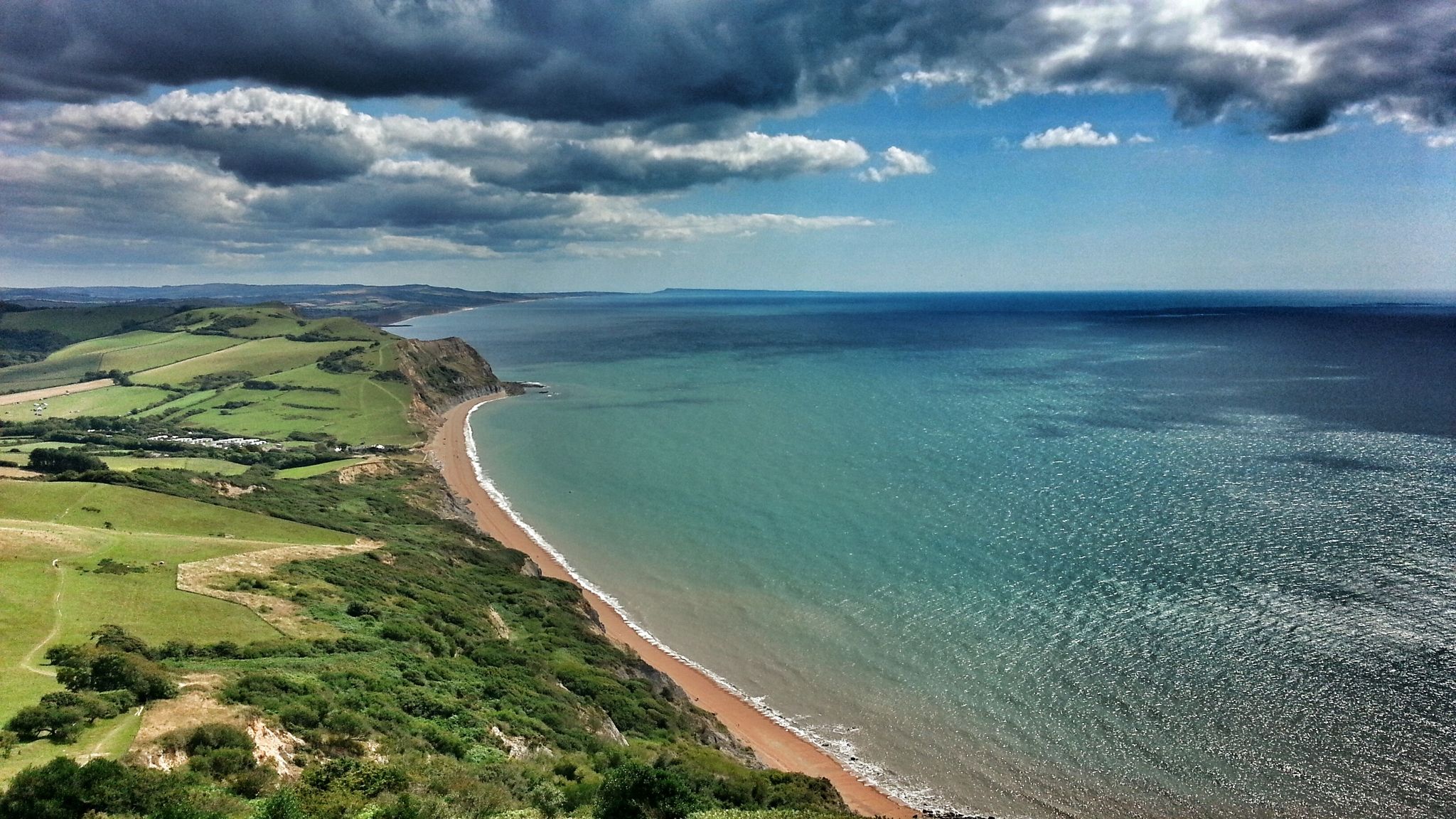
Monarch's Way: Part 3 — Conquer the longest inland trail in England
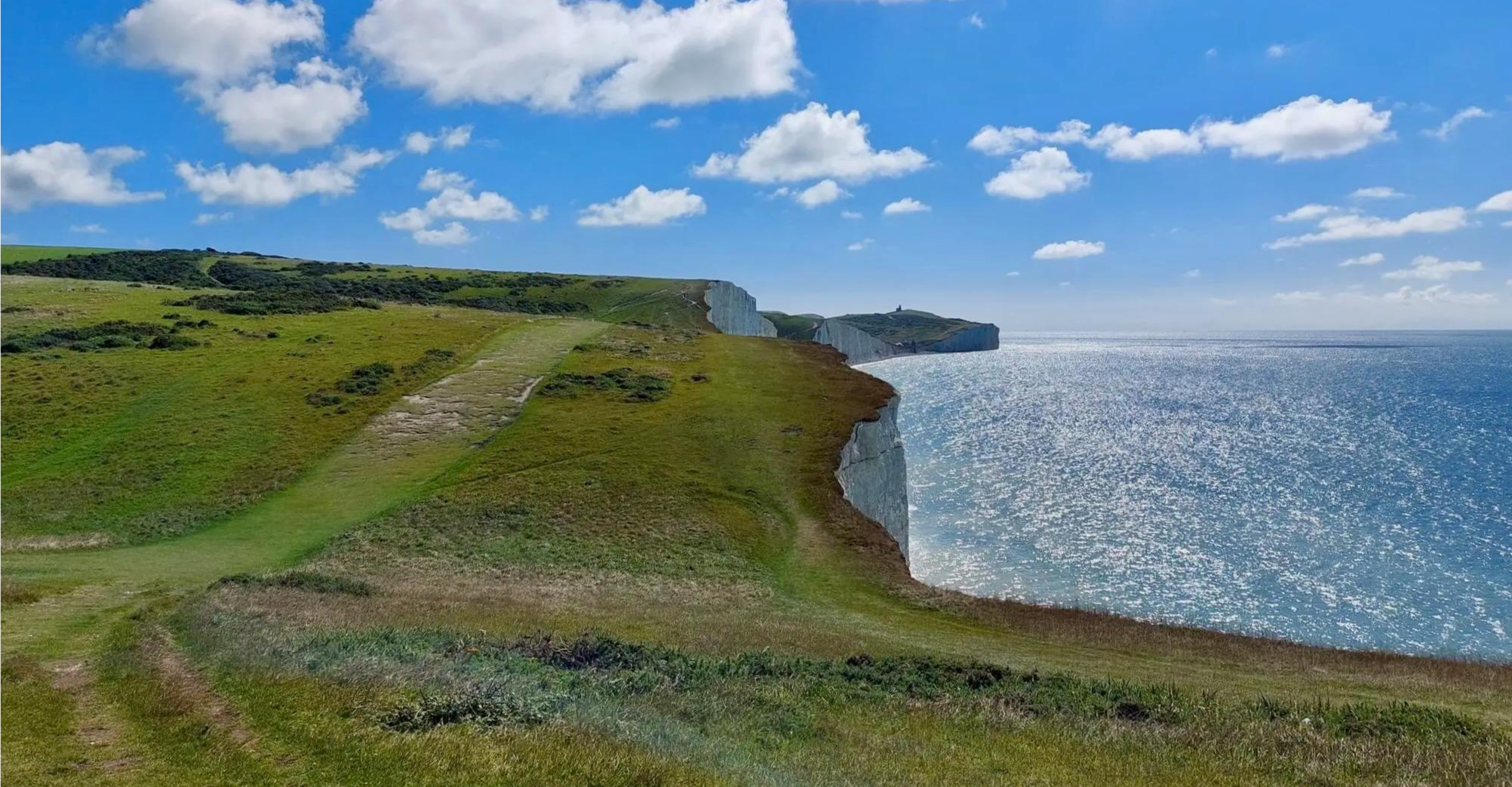
South Downs Way — Hike ancient paths and unique landscapes
Other adventures around East Hampshire


Tips from the Community

Great views of this ‘crease’ in the hill. Lots of wildlife on view here, with its natural steep sides, birds of prey are often circling and hoovering. Grazing livestock are also common here.
0
0

I'm glad I included this church yard in my hike. It was a pleasant detour. I recommend it.
0
0

It was a struggle to find the correct tree for me.
0
0

A bench and the viewpoint perfect for looking out onto the downs and watching the world go by
0
0

Road is very broken up at the bottom if you descend so beware potholes.
0
0

The photos don’t really do it justice. It’s a nice view.
0
0

This is just a little waterfall but worth going to have a look at. It is quite amazing that the waterfall is located in a lane that is right in the middle of a residential area. It is however close to a good walking route.
1
0

Really lovely second part to the walk. The climb up is straightforward but quite taxing and steep in places. Difficult if you have knee problems etc
0
0
Frequently Asked Questions
What are some of the most notable natural monuments to visit in East Hampshire?
East Hampshire offers several remarkable natural monuments. Among the most popular is Butser Hill, the highest point in the South Downs, known for its expansive views and chalk grassland nature reserve. Another significant spot is Shoulder of Mutton Viewpoint, offering magnificent vistas across the South Downs towards Petersfield. For a unique experience, visit Mill Lane Waterfall, a small but charming waterfall located within a residential area yet close to a walking route.
Are there natural monuments in East Hampshire that are suitable for families?
Yes, several natural monuments in East Hampshire are family-friendly. Mill Lane Waterfall is easily accessible and near a walking route, making it a good short stop. Ancient Yew Tree at St. Mary’s Church offers a historical and natural point of interest. Additionally, The King Oak and Bluebell Copse provide pleasant woodland environments for family strolls.
What kind of wildlife can I expect to see at natural monuments in East Hampshire?
The natural monuments in East Hampshire, particularly those within the South Downs National Park, are rich in biodiversity. Butser Hill's chalk grassland is a national nature reserve, home to rare flora and fauna. In areas like Grandfather's Bottom, you might spot birds of prey circling and various grazing livestock, alongside other local wildlife.
Are there any natural monuments with historical significance in East Hampshire?
Absolutely. Butser Hill is not only the highest point in the South Downs but also an ancient scheduled monument. The Ancient Yew Tree at St. Mary’s Church also represents a living piece of history. The wider region, including Alice Holt Forest, has a rich past, historically providing timber for Royal Navy ships.
What are the best times to visit the natural monuments in East Hampshire?
The natural monuments in East Hampshire can be enjoyed year-round, but each season offers a different experience. Spring brings vibrant wildflowers, especially in areas like Bluebell Copse. Summer is ideal for long walks and enjoying panoramic views from spots like Butser Hill. Autumn showcases beautiful foliage in the wooded areas, while winter offers crisp air and unique perspectives, as noted by visitors enjoying winter ambles up Butser Hill.
Are there accessible natural monuments or trails for those with mobility needs?
While many natural monuments involve varied terrain, the South Downs National Park Boundary Marker is noted as wheelchair accessible. The Meon Valley Trail, though not a specific natural monument highlight, is an 11-mile path following a former railway line, offering a mostly flat and wide surface suitable for pushchairs, wheelchairs, and mobility scooters, allowing access to the picturesque landscapes of East Hampshire.
What outdoor activities can I do near these natural monuments?
East Hampshire's natural monuments are excellent starting points for various outdoor activities. You can find numerous hiking opportunities, including easy loops like the Butser Hill loop from Queen Elizabeth Country Park. For more challenging hikes, explore routes like the Old Winchester Hill loop from East Meon. Mountain biking is also popular, with trails such as the Queen Elizabeth Country Park & Butser Hill loop available.
Where can I find panoramic views of the East Hampshire landscape?
For breathtaking panoramic views, head to Butser Hill, the highest point in the South Downs, offering vistas across Hampshire and the English Channel. Another excellent spot is Shoulder of Mutton Viewpoint, which provides magnificent views towards the rolling landscape of the South Downs and Petersfield. Additionally, the View from Weatham Hill Trig Point offers a lovely perspective towards the North.
Are there designated nature reserves among East Hampshire's natural monuments?
Yes, Butser Hill's chalk grassland is a designated national nature reserve, recognized for its rare flora and fauna. The area around Weatham Hill Trig Point is also part of a nature reserve, contributing to the region's protected natural sites.
Can I find easy walking routes around the natural monuments?
Yes, there are several easy walking routes. For instance, an easy loop around Butser Hill from Queen Elizabeth Country Park is a popular choice. The Meon Valley Trail, while not a highlight itself, offers a gentle and accessible path for leisurely exploration. You can also find easy walks around woodland areas like Alice Holt Forest.
What are some lesser-known natural monuments or 'hidden gems' in East Hampshire?
While not widely publicized, places like Grandfather's Bottom offer a beautiful, quintessential English countryside experience with abundant wildlife. The small but unique Mill Lane Waterfall, tucked away in a residential area, is another charming discovery for those seeking something off the main path.
What kind of terrain can I expect when visiting natural monuments in East Hampshire?
The terrain around East Hampshire's natural monuments is varied, reflecting the region's diverse landscapes. You'll encounter rolling chalk downland, such as at Butser Hill, which can involve steep ascents. There are also extensive wooded hills, like those found in Queen Elizabeth Country Park and Alice Holt Forest, offering softer forest paths. Some areas, such as Grandfather's Bottom, feature valley bowls with challenging, steep sections.
Most popular routes around East Hampshire
Most popular attractions around East Hampshire

Get inspired with the komoot mobile app


Didn’t find what you were looking for?
Find even more amazing natural monuments around East Hampshire by checking out the top Highlights region by region:
Explore more
Extend your search for the best caves by checking out these guides of the top ones around East Hampshire:
