Top 4 Natural Monuments around South Tyneside
Best natural monuments around South Tyneside feature a coastline rich in geological formations and diverse ecosystems. The area is characterized by dramatic magnesian limestone cliffs, sea stacks, and rocky bays, shaped by coastal erosion. These natural features provide significant habitats for seabirds and unique coastal flora. The region's varied landscape includes rocky shores, sandy beaches, and coastal grasslands.
Best natural monuments around South Tyneside
- The most popular natural monuments is South Shields Coastal Cliffs, a natural monument characterized by…
Last updated: June 29, 2026
Marsden Rock and Marsden Grotto
Highlight • Natural Monument
Tip by

South Shields Coastal Cliffs
Highlight • Natural Monument
Tip by

Sign up now to discover places like this
Get recommendations on the best single tracks, peaks, & plenty of other exciting outdoor places.
Sign up for free
Marsden Rock
Highlight • Cave
Tip by

Marsden Rock Seabird Colony
Highlight • Natural
Tip by

Trow Point and Quarry
Highlight (Segment) • Historical Site
Tip by

Bede's Well
Highlight • Natural
Tip by

Start today with a free account
Your next adventure awaits.
Login or Signup
Other adventures around South Tyneside

Tips from the Community


Café, restaurant and hotel, in a cave :) Took the bike down in the lift and they were absolutely fine with it
0
0

Don't use the lift. Slow, jerky, and claustrophobic. 😱
0
0

The coastline here is rugged with many limestone stacks, caves and headlands. The cliffs are a haven for seabirds. The following are regular visitors or have been seen here so look out for: European Shag, Common Eider, Kittiwake, Northern Fulmar and Herring Gull. Inland on the grasslands and coastal moorland you may spot Purple Sandpiper, Eurasian Oystercatcher and Ruddy Turnstone.
1
0

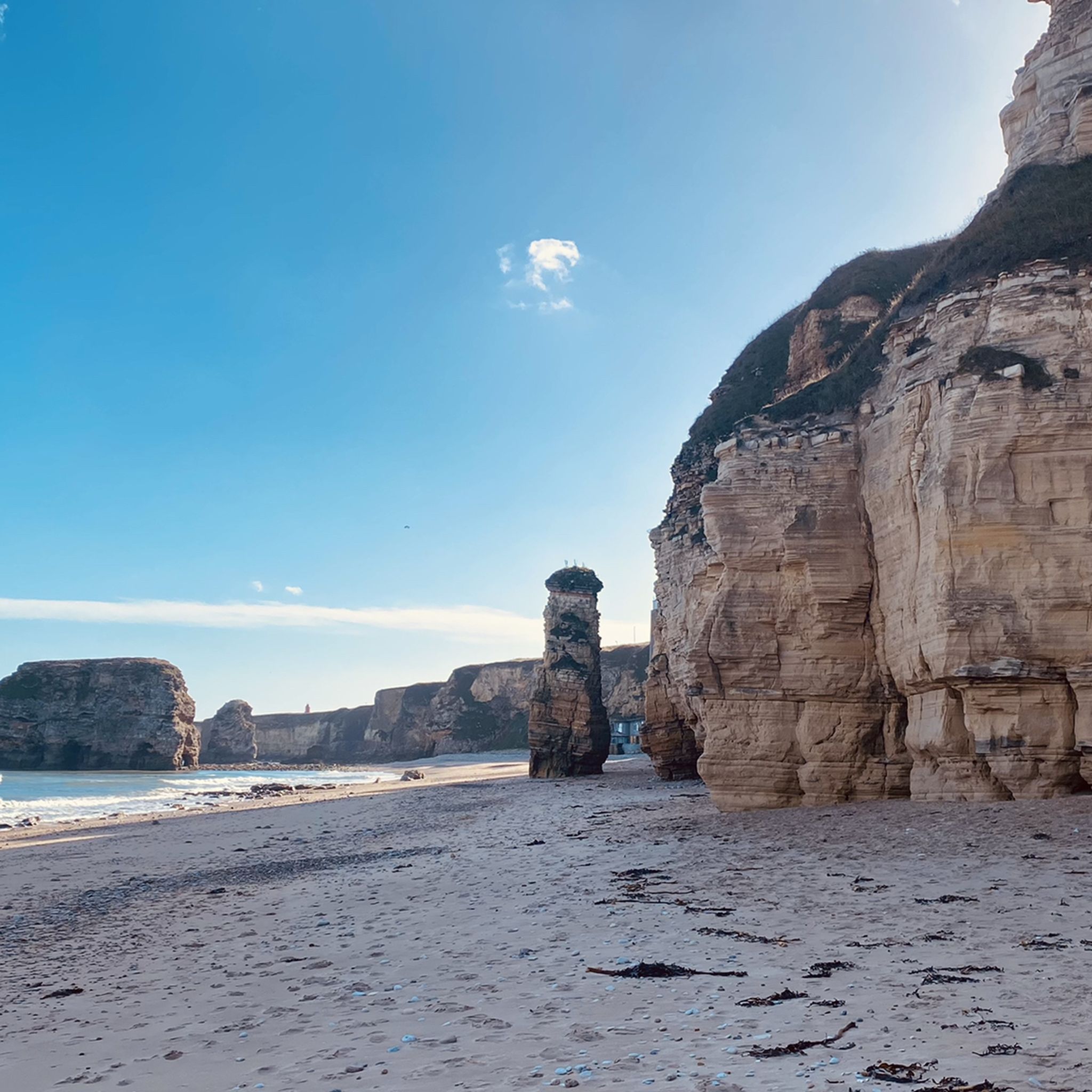
Marsden Rock is a 90 feet sea stack of Magnesian Limestone which lies approximately 300 feet off the main cliff. It used to have an arch, which collapsed in 1996 following a run of bad storms. The cliffs surrounding Marsden Rock are a breeding ground for seabirds and colonies can often be seen on top of the rock itself, including kittiwakes, herring gulls, and razorbills.
0
0

The rock is about 30m tall and has a massive seabird nesting presence. If you head down at low tide you can get right up to the rock and explore the small caves and rock pools under and around it. At high tide it's totally surrounded by water. Apparently in days gone by it had wooden stairs to reach the top.
1
0
kittiwakes, fulmars, gulls and cormorants nesting in their thousands on the rock outcrops
0
0

Just off Lizard Point is one of the many rock formations that line the coast. If you're a bird watcher it's a good place to stop and view the species or take a photo.
0
0
Frequently Asked Questions
What are the most prominent natural monuments to visit in South Tyneside?
South Tyneside's coastline is rich in natural beauty. Key natural monuments include the dramatic Marsden Rock and Marsden Grotto, a 90-foot sea stack of Magnesian Limestone, and the rugged South Shields Coastal Cliffs, known for their limestone formations and seabird colonies. Another significant area is Whitburn Coastal Park and Souter Lighthouse, offering unique clifftop grasslands and diverse wildlife.
Are there family-friendly natural monuments in South Tyneside?
Yes, several natural monuments in South Tyneside are suitable for families. Marsden Rock and Marsden Grotto is a great option, with its beach, rock pools, and the unique Grotto pub built into the cliff. Whitburn Coastal Park and Souter Lighthouse also offers easy walks and opportunities for wildlife spotting, making it enjoyable for all ages.
What kind of wildlife can I expect to see at South Tyneside's natural monuments?
South Tyneside is a haven for wildlife, especially seabirds. At Marsden Rock Seabird Colony, you can observe thousands of nesting kittiwakes, fulmars, gulls, and cormorants. The South Shields Coastal Cliffs are home to European Shags, Common Eiders, and Northern Fulmars. The Leas and Whitburn Coastal Park are crucial feeding and breeding grounds for wading birds, and you might even spot grey seals, dolphins, and porpoises offshore.
Are there hiking trails near the natural monuments in South Tyneside?
Absolutely. The South Tyneside coastline offers numerous scenic hiking opportunities. You can find routes like the 'Souter Lighthouse & Marsden Bay loop' or 'The Souter Saunter' which take you past these natural features. For more detailed information and a variety of trails, explore the Hiking around South Tyneside guide.
What geological features are notable along the South Tyneside coastline?
The South Tyneside coastline is defined by its dramatic magnesian limestone cliffs, sea stacks, and rocky bays. Marsden Rock is a prime example of a limestone sea stack formed by coastal erosion. The cliffs around South Shields Coastal Cliffs and The Leas also showcase these unique limestone formations, creating a rugged and picturesque landscape.
Can I find historical sites alongside natural monuments in South Tyneside?
Yes, history and nature often intertwine here. Trow Point and Quarry is a notable example, offering scenic walks along the cliffs with an old war gun still in situ. Additionally, the historic Souter Lighthouse, distinctive with its red and white hoops, stands proudly overlooking the natural clifftop grasslands and coastline.
What are the best times to visit South Tyneside's natural monuments?
The best time to visit depends on your interests. For birdwatching, the breeding season (spring/early summer) is ideal to see seabirds nesting on cliffs like Marsden Rock Seabird Colony. Autumn to spring is excellent for spotting internationally important populations of wading birds along The Leas and Whitburn Coastal Park. Generally, spring and summer offer pleasant weather for coastal walks and exploring rock pools.
Are there cycling routes near the natural monuments?
Yes, South Tyneside offers various cycling opportunities. While not directly on the monuments, you can find road cycling routes that pass near areas like Marsden Rock. For a comprehensive list of routes, including gravel biking and road cycling, refer to the Gravel biking around South Tyneside and Road Cycling Routes around South Tyneside guides.
What do visitors enjoy most about the natural monuments in South Tyneside?
Visitors frequently praise the dramatic scenery, the abundance of wildlife, and the opportunities for coastal walks. The unique geological formations, like the limestone stacks and caves, are a major draw. Many also appreciate the chance to observe thousands of seabirds nesting, especially around Marsden Rock, and the family-friendly atmosphere of places like Whitburn Coastal Park.
Are there places to eat or drink near the natural monuments?
Yes, you'll find options near some of the natural monuments. The Marsden Grotto, a pub built into the cliff face at Marsden Bay, offers a unique dining experience. There are also cafes and restaurants in the surrounding areas, particularly near popular spots like Souter Lighthouse and along the South Shields coastline.
Can I access the natural monuments using public transport?
Public transport options are available to reach various points along the South Tyneside coastline, including areas near Marsden Bay and Souter Lighthouse. Local bus services connect the main towns and attractions, making it possible to explore the natural monuments without a car. Specific routes and schedules can be checked with local transport providers.
Are the natural monuments suitable for dog walking?
Many areas along the South Tyneside coastline are dog-friendly, offering extensive paths and open spaces for walks. However, it's important to be aware of seasonal restrictions on certain beaches, especially during summer, and to keep dogs under control, particularly in areas with nesting birds or sensitive wildlife habitats like Whitburn Coastal Park. Always check local signage for specific rules.
Most popular routes around South Tyneside
Most popular attractions around South Tyneside

Get inspired with the komoot mobile app


Explore more
Extend your search for the best caves by checking out these guides of the top ones around South Tyneside:
