Top 10 Natural Monuments around Le Rœulx
Best natural monuments around Le Rœulx are found in a peaceful, green, and rural setting, situated between the urban centers of La Louvière, Mons, and Soignies. The area offers several natural sites and features for exploration. Visitors can discover extensive wooded areas, diverse nature reserves, and tranquil waterways. These natural spaces provide opportunities for nature enthusiasts to engage in various outdoor activities.
Best natural monuments around Le Rœulx
- The most popular natural monuments is View from the Terril de l'Héribus…
Last updated: June 28, 2026
Hyon Waterfall and Ponds
Highlight • Waterfall
Translated by Google •
Tip by

The Neolithic Menhir
Highlight • Monument
Translated by Google •
Tip by

Sign up now to discover places like this
Get recommendations on the best single tracks, peaks, & plenty of other exciting outdoor places.
Sign up for free
View from the Terril de l'Héribus
Highlight • Viewpoint
Translated by Google •
Tip by
The Liberty Tree (Bois-là-Haut, Mont-Panisel)
Highlight • Natural Monument
Translated by Google •
Tip by

Bluebells in Hallerbos
Highlight • Forest
Translated by Google •
Tip by

Sign up for free to discover even more natural monuments around Le Rœulx.
Sign up for free
Already have an account?
Start today with a free account
Your next adventure awaits.
Login or Signup
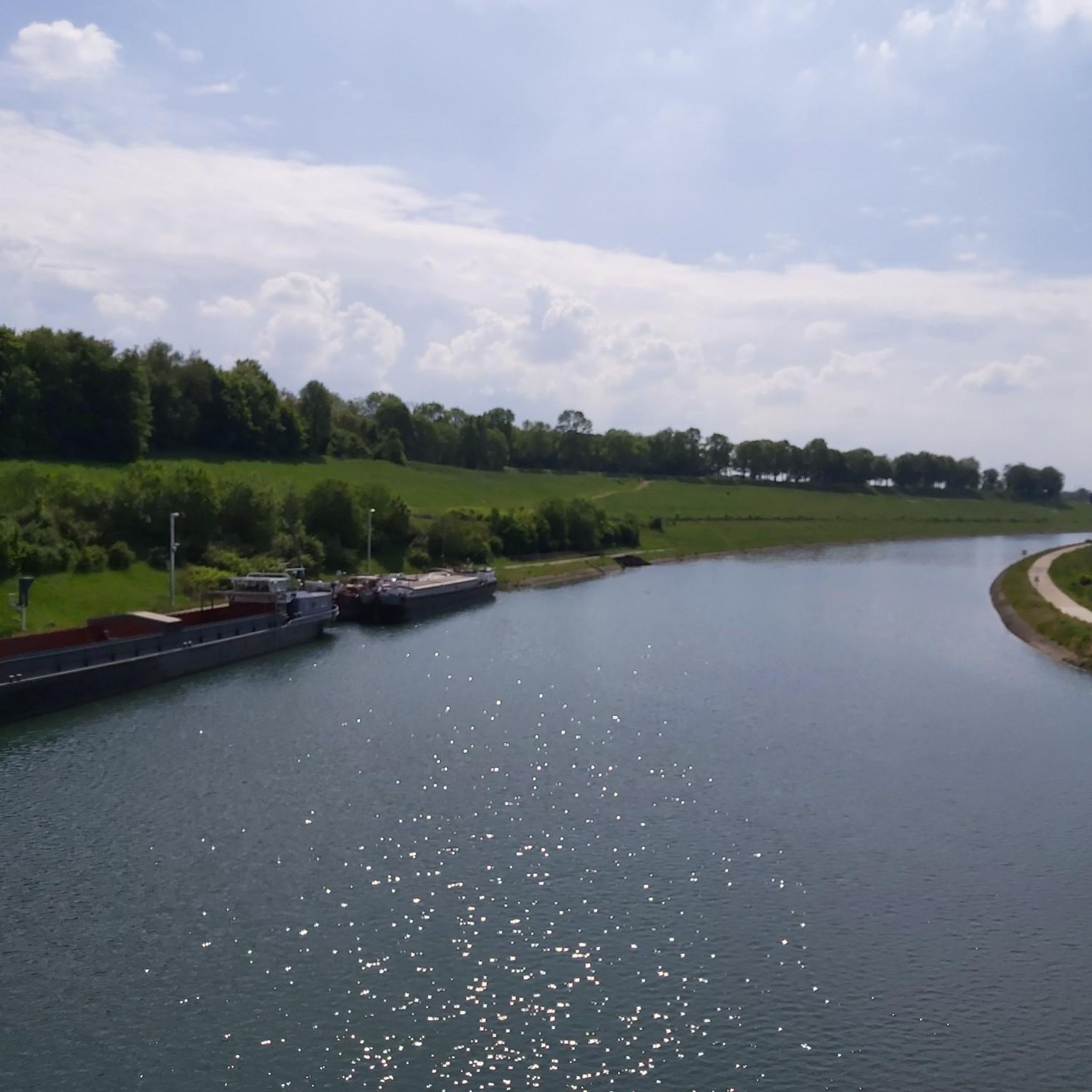
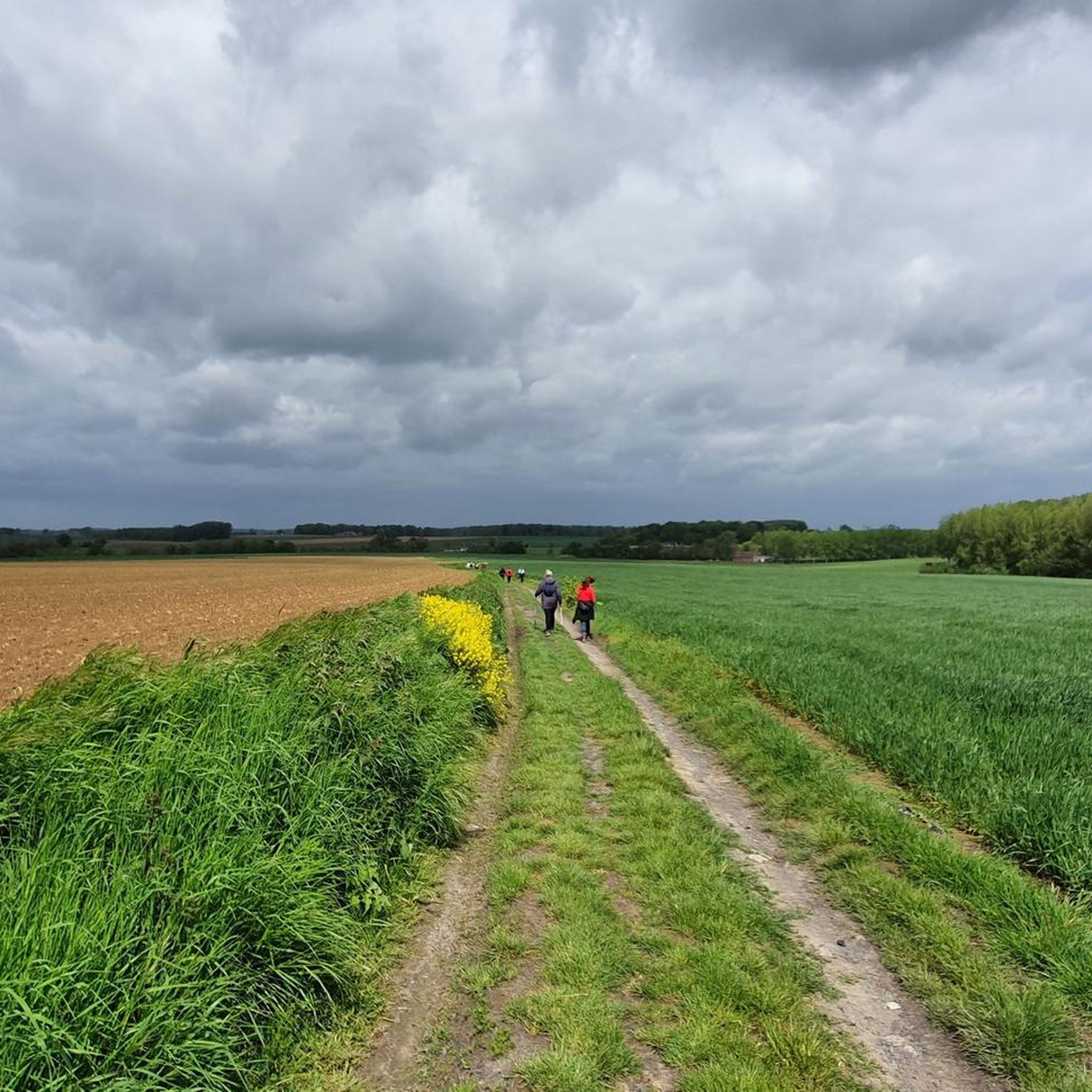
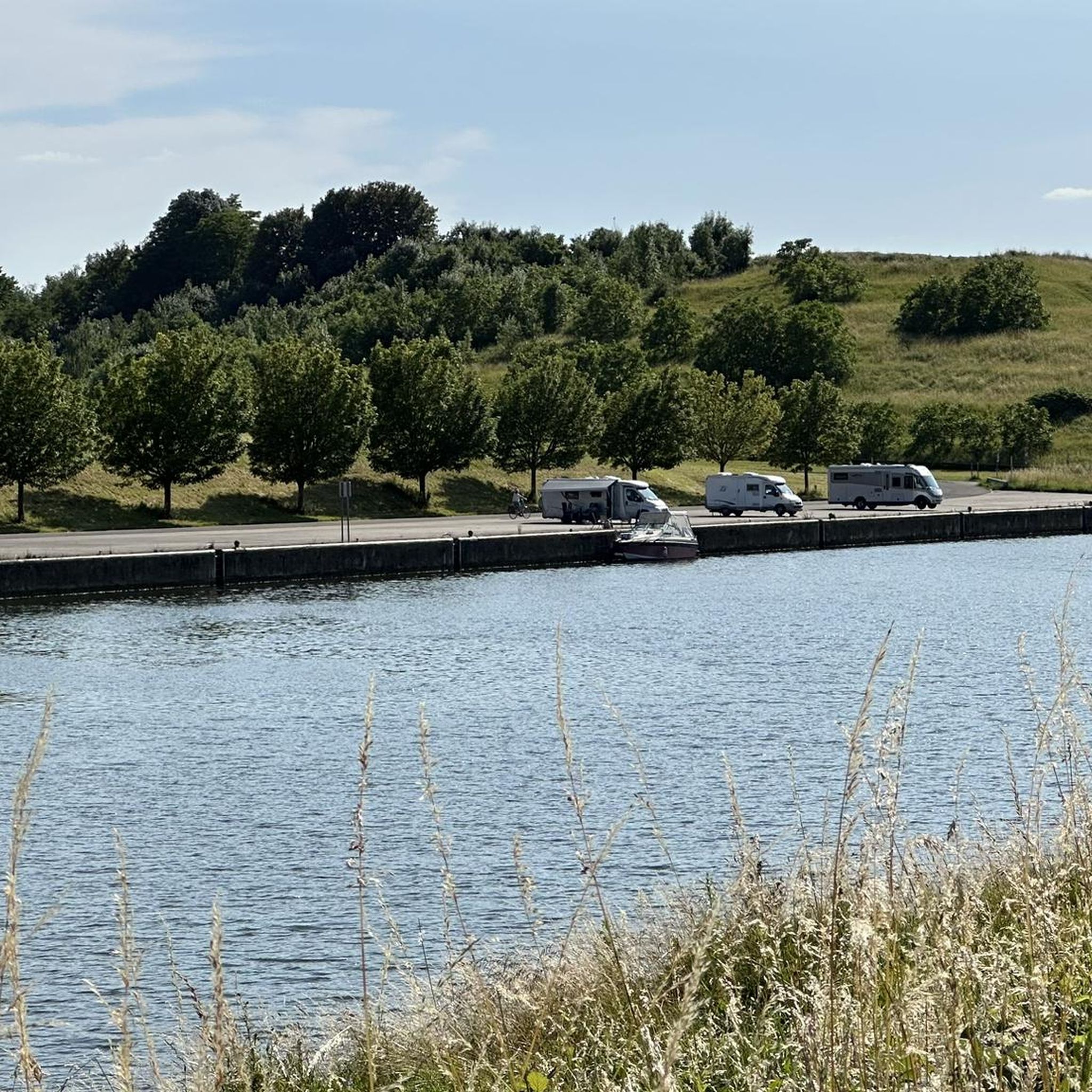

Tips from the Community

Added to the collection: komoot.com/de-de/collection/3600632/-naturdenkmaeler-besondere-baeume-und-weitere-schaetze-der-natur
2
0

When I was still "able-bodied", I climbed it several times... The climb is also well laid out as a staircase with railway "balls"... Once at the top, you can enjoy a splendid view of Mons (in particular of Sainte Waudru) as well as of Hyon and in particular, its church with its greenish bell tower.
1
2

Want some super steep gravel climbing? This terril offers 25% or more! Great view on the town of Mons
1
0

It is at the confluence of the Trouille and the Nouvelles river that this waterfall bridge was born. Originally there was a mill, which was turned into a tannery after the First World War. Today it is a bucolic place surrounded by nature.
2
0

By definition, a menhir is a vertical standing stone during the Neolithic era. The menhir of Saint-Symphorien, 2m50 high, 1m30 wide, weighing 2500 kg, also served as a Neolithic ribbon brush for flint tools. It was discovered in 1860 by Mr. Piscart, a farmer who broke his ploughshare while plowing his field, located at the end of the Violette path, on the border of Harmignies. The menhir was then excavated to stand in the park of the Maigret de Priches castle, where it remained for 90 years. On October 17, 1951, the megalith was presented by Miss Emmy Maigret de Priches to the city of Mons. At the request of the Sint-Symphorien Brotherhood, he was reinstalled on March 20, 2007 in the village. http://www.confrerie-saint-symphorien.be/?page_id=307
8
0
If you've been dreaming of climbing a slag heap all your life, go to the Héribus slag heap... It was the last mine in the Borinage that opened its doors (1918) only to close them 50 years later. Nothing remains of the factory chimneys and shaft trestles. Below you can see a concrete transport tower. The slag heap – 138 meters high – is a beautiful piece of nature. Several hiking trails lead to the top. First you stroll between the birch trees. Then the color of the soil changes and it becomes increasingly spicy. Only do the walk with sturdy footwear and preferably not alone. Above, a coal car rests on a rusted rail. You have a 360° view of the surroundings. The belfry of Mons and the boat lift of Strépy-Thieu are at your feet. A nice spot to relax or have a picnic. If you get hot, it's not just because of the effort. The coal remains still radiate heat. Insiders claim that the temperature in a slag heap can reach up to 2,000° C and that - after digging a well - you can boil an egg there without blinking. https://www.parkoers.be/terril-van-heribus/
5
0
Among the numerous slag heaps, the one at Héribus in Cuesmes is definitely worth a visit. Your calves will have known it, but what a walk!
8
0

The bridge/waterfall was built at the confluence of the Trouille and the Rivière de Nouvelles. In the early, late 12th century, there was an old domanial mill on the site, the Moulin-au-Bois. Imagine that there was a dike on the site of the current street, a large fish pond on the site of the pasture, and that there were three mill wheels instead of one. This is what the site used to look like. In 1823 the mill was sold by the city of Bergen and after the First World War it was converted into a tannery. The only remnant of the mill that is still visible today is part of the wall along the street, just before the bridge. Still, the waterfall remains one of Hyon's most symbolic places.
3
0
Frequently Asked Questions
What are some unique natural features to explore around Le Rœulx?
Le Rœulx offers a variety of natural features. You can discover the extensive wooded area of Bois de la Haye du Rœulx, known for its numerous ponds and marked walking itineraries. The Thieu Nature Reserve, a 30-hectare site, features marshlands and ponds, providing a vital habitat for diverse wildlife. Additionally, the banks of the historic Canal du Centre offer tranquil waterways and towpaths for leisurely strolls.
Are there any historical natural landmarks in the area?
Yes, the region features several historical natural landmarks. One notable example is The Liberty Tree (Bois-là-Haut, Mont-Panisel), a majestic lime tree planted at the end of the 18th century by Revolutionaries. Another is The Neolithic Menhir, a 2.5-meter tall standing stone from the Neolithic era, discovered in 1860 and now reinstalled in the village of Saint-Symphorien.
What kind of wildlife can I expect to see in the natural monuments around Le Rœulx?
The Thieu Nature Reserve is particularly rich in wildlife, recognized for its diverse ecosystem that supports amphibians, birds, and insects. It's considered a paradise for wildlife observation. The wooded areas like Bois de la Haye du Rœulx also provide habitats for various local fauna.
What is the best time of year to visit the natural monuments around Le Rœulx?
The natural monuments around Le Rœulx are enjoyable throughout the year. Spring and autumn offer pleasant temperatures for walking and cycling, with vibrant foliage or blooming nature. Summer is ideal for longer outdoor activities, while winter can provide peaceful, crisp walks, especially along the Canal du Centre or in the woods.
Are the natural monuments around Le Rœulx suitable for families with children?
Many natural sites are family-friendly. Hyon Waterfall and Ponds offers a bucolic setting with a water cascade and small lake, perfect for a relaxing break. Mayeur Garden, with its old trees and the 'Ropieur' fountain, is also a pleasant spot for families. The marked itineraries in Bois de la Haye du Rœulx are also suitable for family walks.
Can I bring my dog to the natural areas and trails?
Generally, dogs are welcome on trails and in many natural areas around Le Rœulx, especially in wooded areas like Bois de la Haye du Rœulx and along the Canal du Centre. It's always recommended to keep them on a leash and clean up after them to respect wildlife and other visitors.
What are the typical terrain and difficulty levels of trails near these natural monuments?
The terrain varies from easy, flat paths along the Canal du Centre and in some parts of Bois de la Haye du Rœulx, to more challenging ascents. For instance, the paths leading to the top of View from the Terril de l'Héribus are steep but well-equipped, offering an intermediate to challenging hike. Overall, you'll find options suitable for various fitness levels.
Is there parking available near these natural sites?
Parking is generally available near the main access points for natural areas and trailheads. For specific natural monuments or trail starting points, it's advisable to check local signage or online maps for designated parking areas.
How can I reach the natural monuments using public transport?
Le Rœulx is situated between larger urban centers like La Louvière and Mons, which have public transport connections. From these towns, local bus services might connect to villages or areas closer to the natural monuments. However, direct public transport to every specific natural site might be limited, so combining it with a short walk or cycle is often the best approach.
What outdoor activities can I do near the natural monuments in Le Rœulx?
The region is excellent for various outdoor activities. You can enjoy hiking on trails like the 'Bois de la Haye Lake loop' or the 'Strépy-Thieu Boat Lift loop'. Cycling is also popular, with routes such as the 'Strépy-Thieu Boat Lift – The Strépy-Thieu boat lift loop' for touring bicycles or the 'Thieu Drawbridge – Pont du Sart Aqueduct loop' for road cycling. Explore more routes on the Hiking around Le Rœulx or Cycling around Le Rœulx guide pages.
Are there any viewpoints offering panoramic views of the area?
Yes, View from the Terril de l'Héribus is an exceptional slag heap that offers a 360° panoramic view of the surroundings. From its summit, you can see landmarks like the belfry of Mons and the boat lift of Strépy-Thieu. It's a rewarding spot after a steep but well-equipped climb.
Where can I observe diverse birdlife and marshland ecosystems?
For birdwatching and experiencing marshland ecosystems, the Thieu Nature Reserve is the prime location. This 30-hectare reserve is a significant site for biodiversity, providing a habitat for numerous bird species, amphibians, and insects. You can find more information about this reserve on Visit Wallonia.
Most popular routes around Le Rœulx
Most popular attractions around Le Rœulx

Get inspired with the komoot mobile app


Explore more
Extend your search for the best caves by checking out these guides of the top ones around Le Rœulx:
