Top 20 Natural Monuments around Sint-Truiden
Best natural monuments around Sint-Truiden are found within the Haspengouw region, characterized by its gently rolling landscape and extensive fruit orchards. This area offers significant ecological value and scenic beauty, particularly known for its traditional high-stem orchards. The region's natural features, including sunken roads and green panoramas, contribute to a tranquil environment for outdoor exploration. Sint-Truiden serves as a central point for experiencing these diverse natural attractions.
Best natural monuments around Sint-Truiden
- The most popular natural monuments is Herkenrode Abbey…
Last updated: August 8, 2026
Herkenrode Abbey Site
Highlight • Historical Site
Translated by Google •
Tip by

Floating Chapel of Helshoven
Highlight • Monument
Showing Translation
Tip by

Sign up now to discover places like this
Get recommendations on the best single tracks, peaks, & plenty of other exciting outdoor places.
Sign up for free
Lake Het Vinne
Highlight • Lake
Translated by Google •
Tip by

Heks Castle
Highlight • Castle
The palatial castle was built from 1770, probably …
Translated by Google •
Tip by

Observation tower Nature reserve De Herkwinning
Highlight • Viewpoint
Translated by Google •
Tip by

Sign up for free to discover even more natural monuments around Sint-Truiden.
Sign up for free
Already have an account?
Start today with a free account
Your next adventure awaits.
Login or Signup
Popular around Sint-Truiden
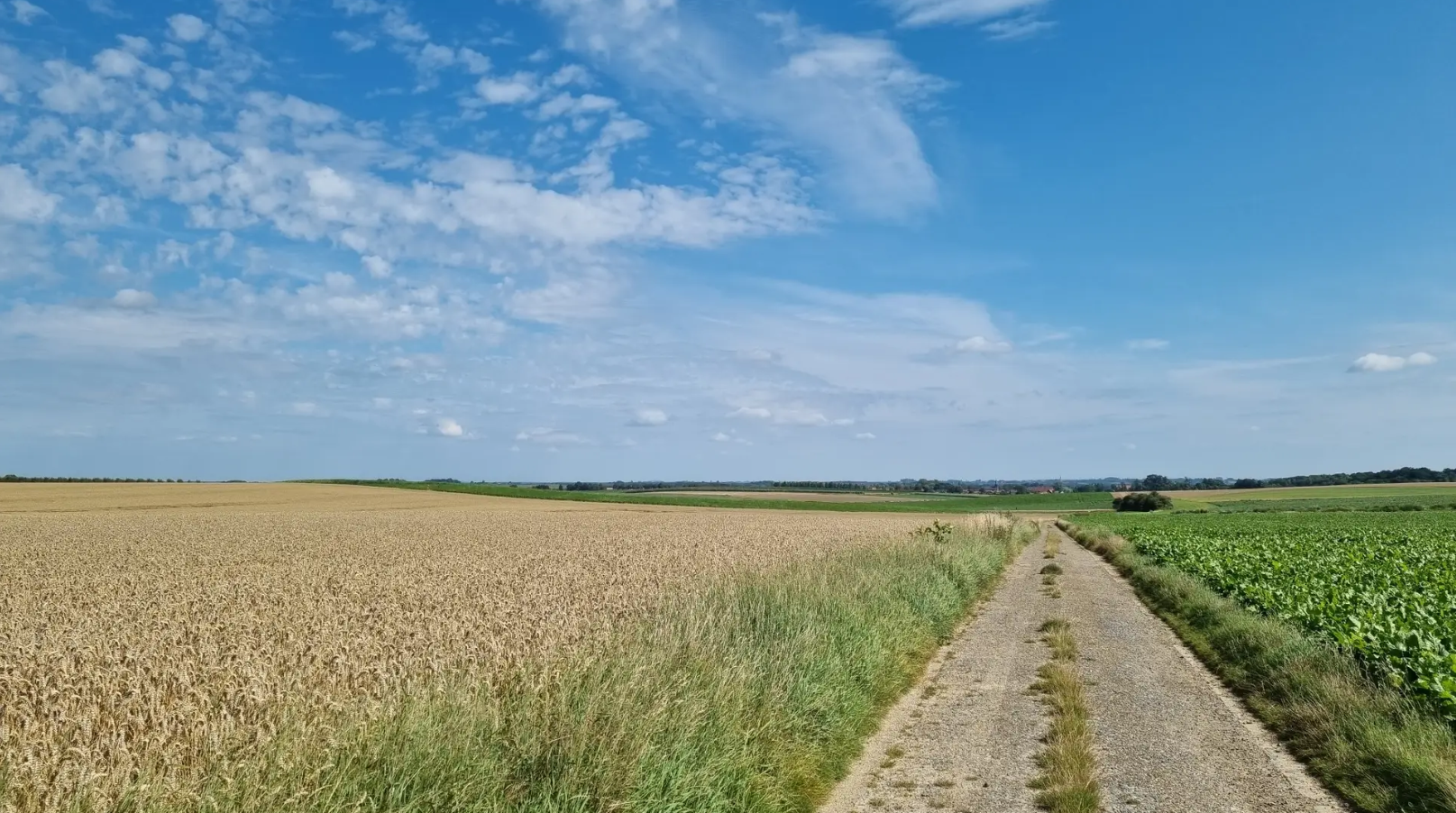
Bloesems, Forests and hidden Heritage – Streek-GR Haspengouw
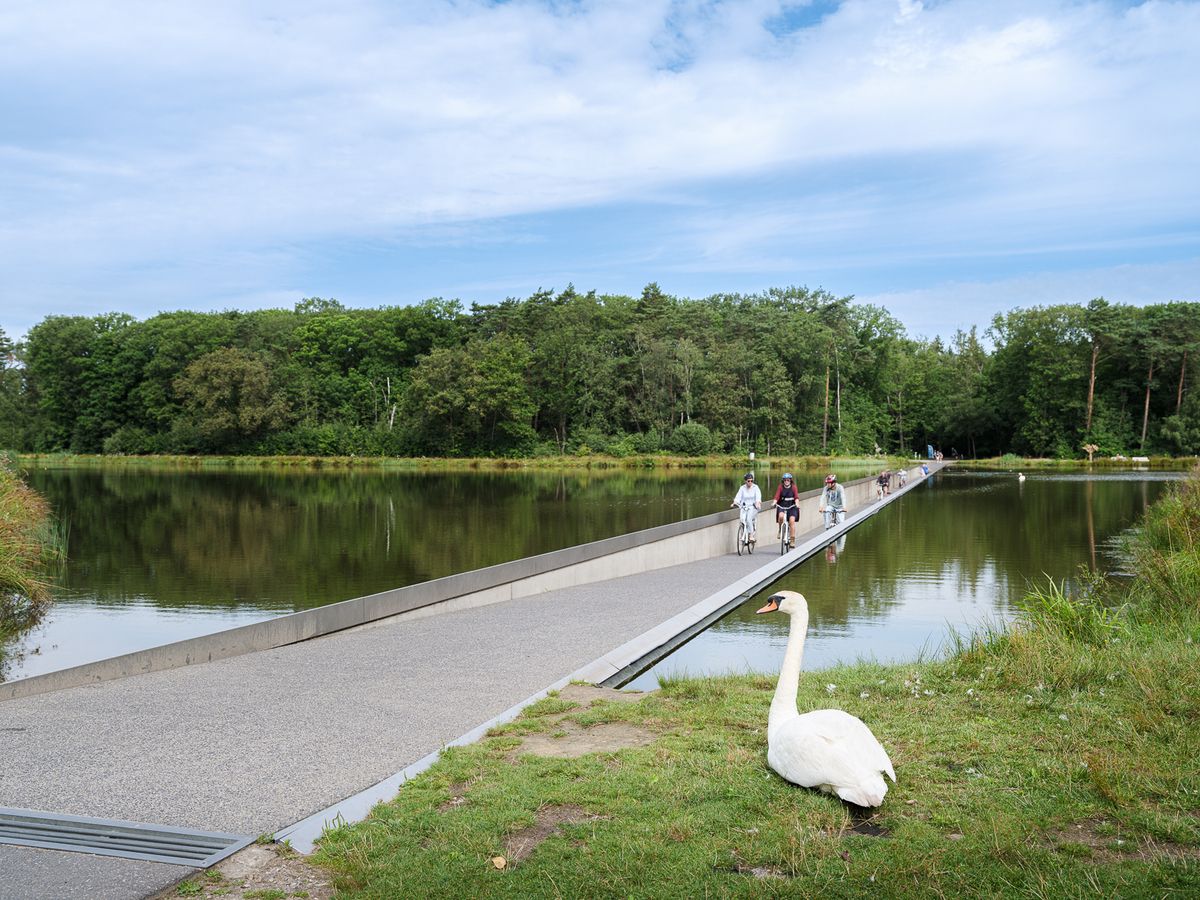
Flanders' Finest Cycle Routes: routes to discover Flemish nature and heritage
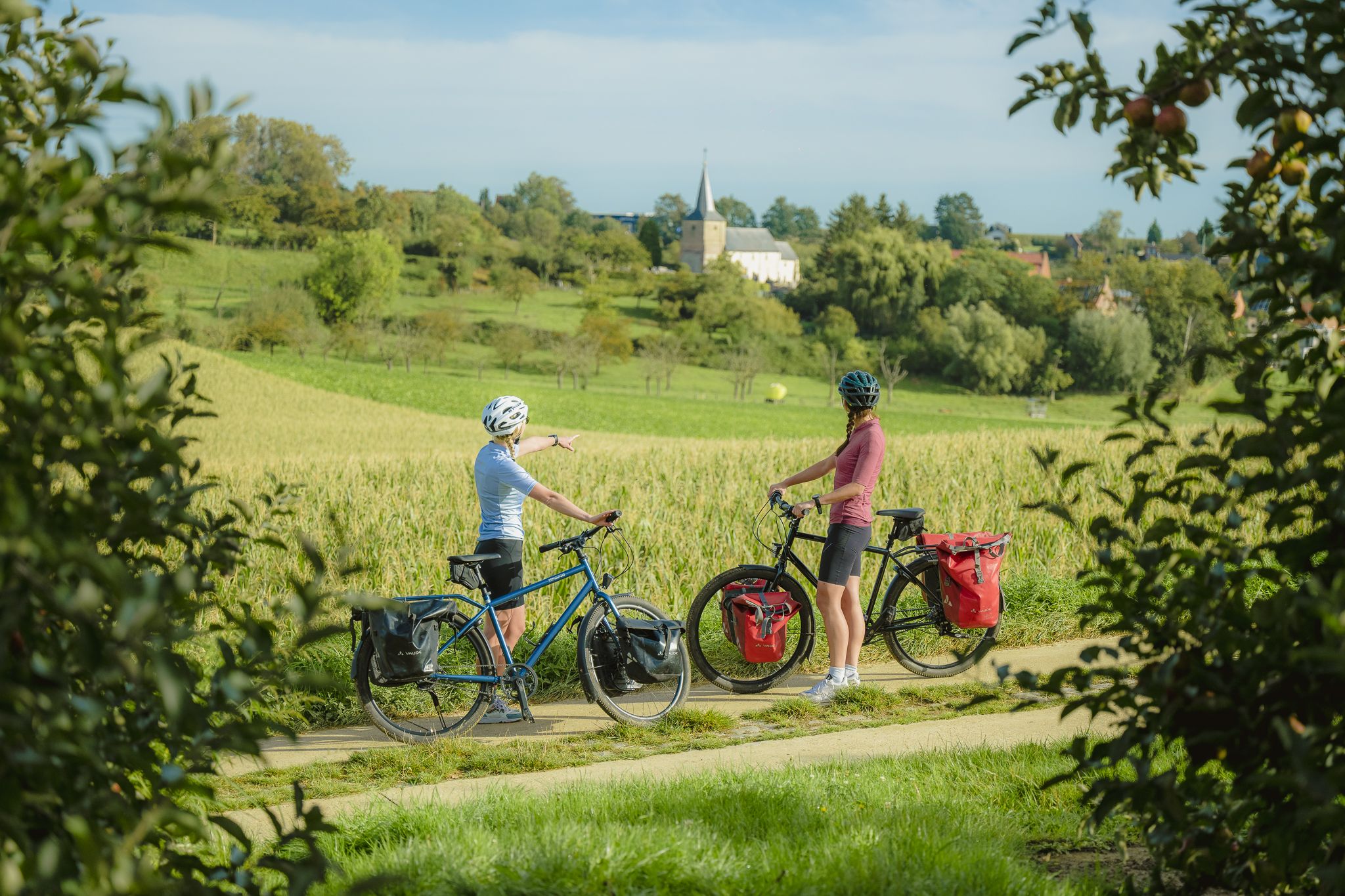
The best of Flanders — the Flanders Route
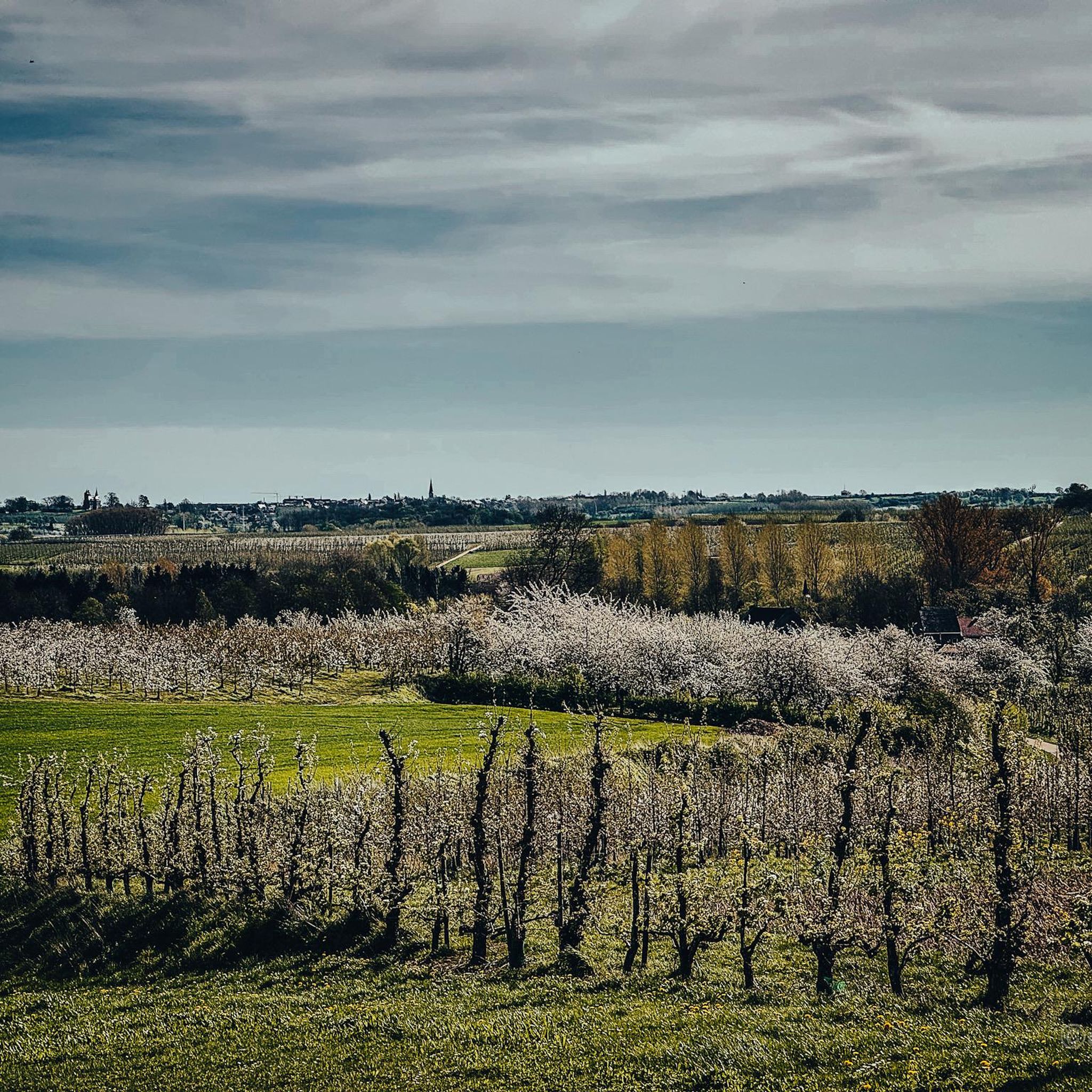
Hiking around Sint-Truiden
Cycling around Sint-Truiden
Road Cycling Routes around Sint-Truiden
Running Trails around Sint-Truiden
MTB Trails around Sint-Truiden

Gravel biking around Sint-Truiden
Other adventures around Sint-Truiden


Tips from the Community

At the highest point of Helshoven, you can now enjoy a breathtaking view over the Haspengouw landscape. Artist Frits Jeuris has created a unique work of art from dozens of felled fruit trees from the area. “Helsh(ea)ven”, a wooden work of art consisting of 90 standard cherry trees, each fifty years old, was hit by the cherry plague virus at the end of 2016, a contagious plant disease that causes small fruits on cherries. Now the felled trees are getting a second life. The work of art symbolizes the dynamic landscape of Haspengouw.
2
0

With luck, spot a deer?!
0
2

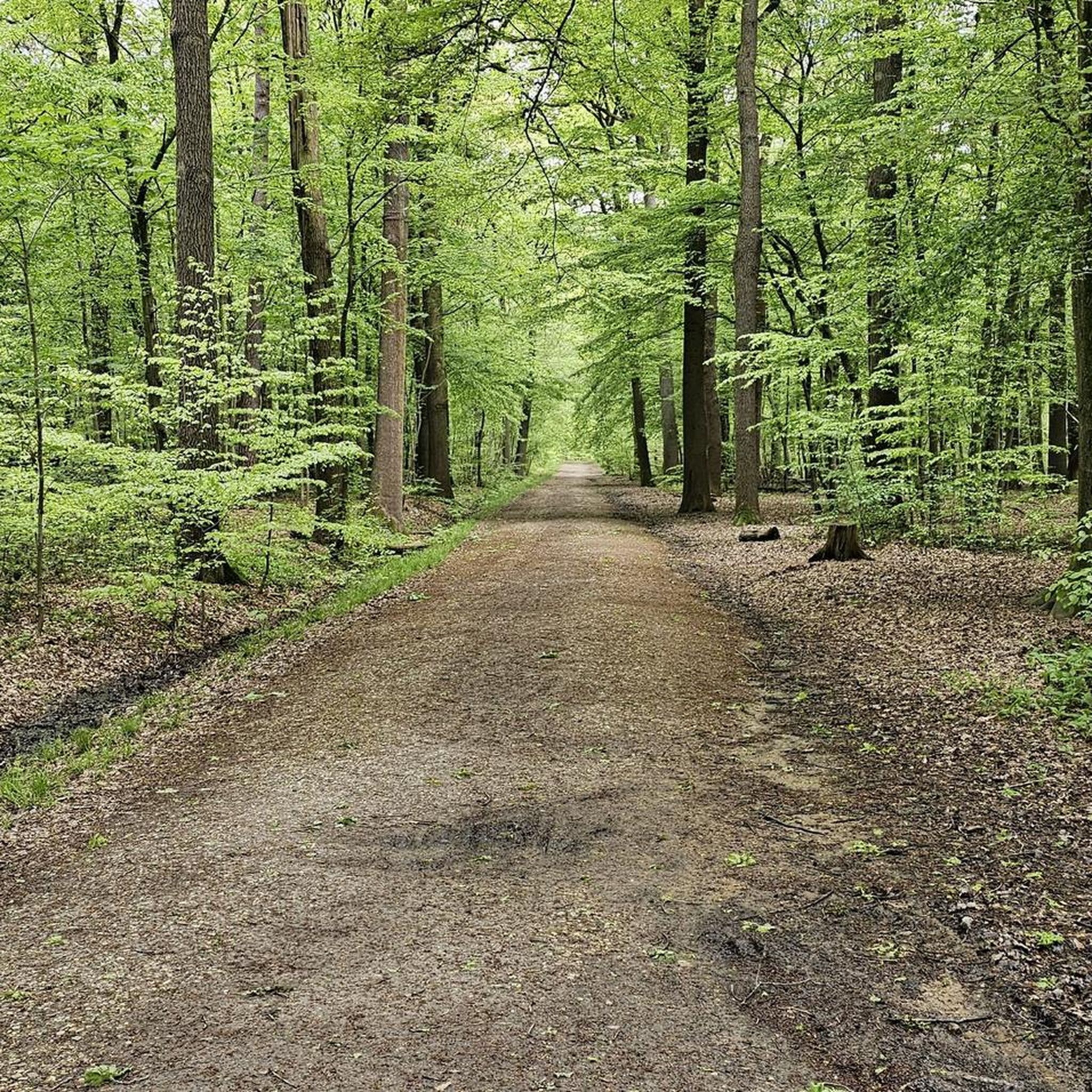
Very relaxing, beautiful well-maintained paths.
0
0

The Herkenrode Abbey site is an interesting combination of culture, history, nature and an ideal starting point for walks.
10
0

Experience the divine feeling of floating here...
9
0

Here, at the gallows, you are at the highest point in Helshoven. The artwork 'Helsh(ea)ven' by Frits Jeuris, known to most as the 'floating chapel', invites you to enjoy that landscape and the work itself. It is made from cherry tree wood. At the end of 2016, the 50-year-old high-stemmed trees in Helshoven had to be cut down due to a viral disease, Little Cherry, which causes tasteless cherries. The gallows represents death. Dead trees. And the dead person. And then there are the trees that are given a second life in the artwork, the floating chapel. An end, a beginning, a view, between heaven and Helshoven, inviting reflection, looking and of course what the work is best known for: that strange image of a chapel that seems to float.
14
0
The main entrance to the abbey is located to the south of the complex. It is a late Gothic gatehouse, built in 1531 by order of Abbess Mechtildis of Lechy. There are two storeys under two intersecting slate saddle roofs with a spire with a pear-shaped crowning at the intersection, dated 1531 (coat of arms on the rear facade) and restored in 1907 (architect G. Rypens) and 1973. Inventory of Immovable Heritage: Herkenrode Abbey, https://id.erfgoed.net/erfgoedobjecten/22246
8
0

Thanks to various valuable vegetation, hikers will definitely find something to their liking in this nature reserve. But this stream valley is also the perfect place for bird watching. Moreover, from the lookout tower you have a view over a beautiful part of the Herkwinning area. The cross-pollination between natural development and good nature management ensures that this is a diverse and valuable piece of greenery.
6
1
Frequently Asked Questions
What are some of the most unique natural monuments to visit around Sint-Truiden?
Beyond the well-known sites, you can explore the unique Floating Chapel of Helshoven, an art installation made from felled cherry trees offering panoramic views of the Haspengouw landscape. Another distinctive spot is Lake Het Vinne, Flanders' only natural inland lake, which provides a rich habitat for migratory birds and offers adventurous trails.
Are there family-friendly natural attractions near Sint-Truiden?
Yes, several natural monuments are great for families. Lake Het Vinne offers a playground, a play forest, and a sensory experience path. The Herkenrode Abbey Site combines historical exploration with a botanical garden, making it an engaging visit for all ages.
What is the best time of year to visit the natural monuments in the Sint-Truiden region?
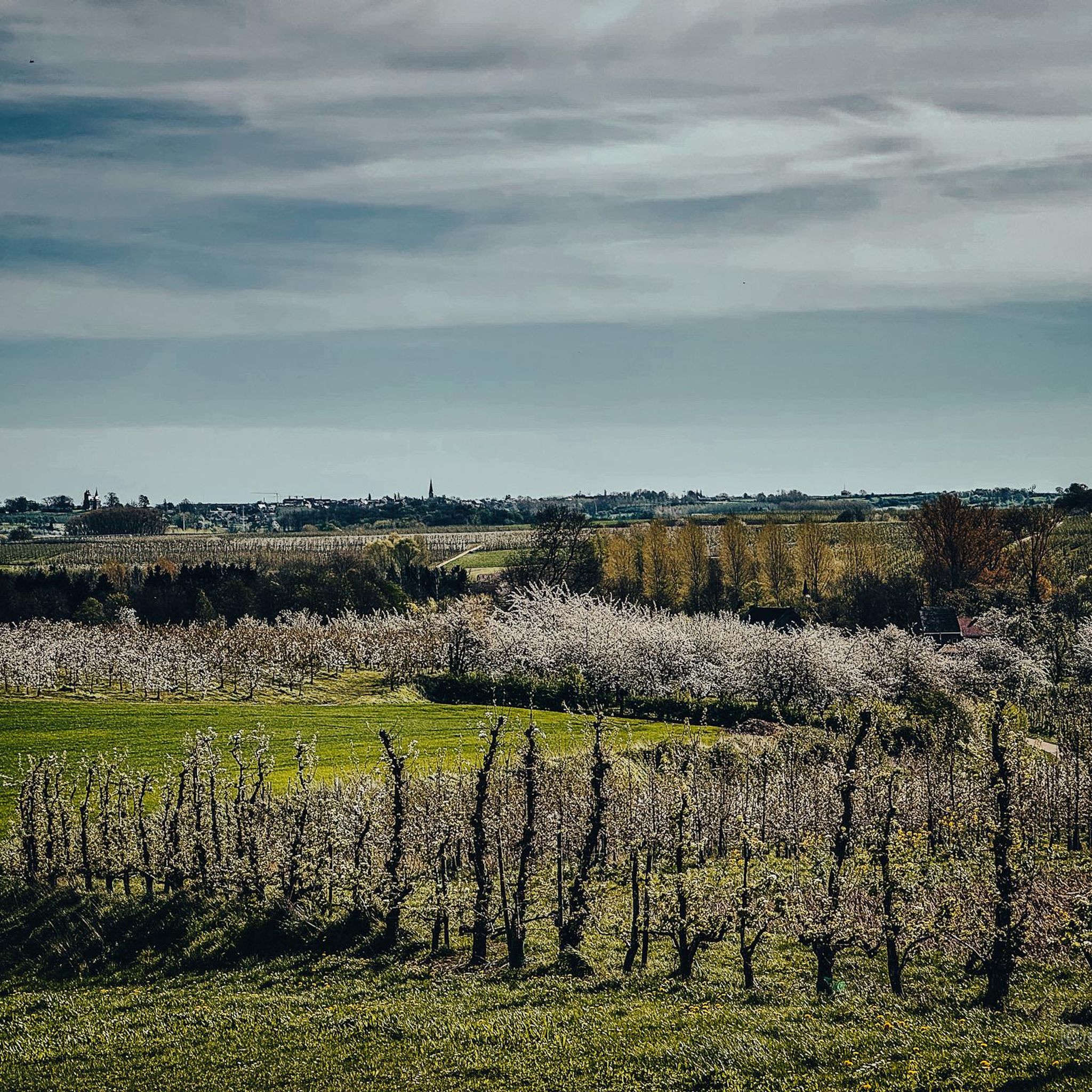
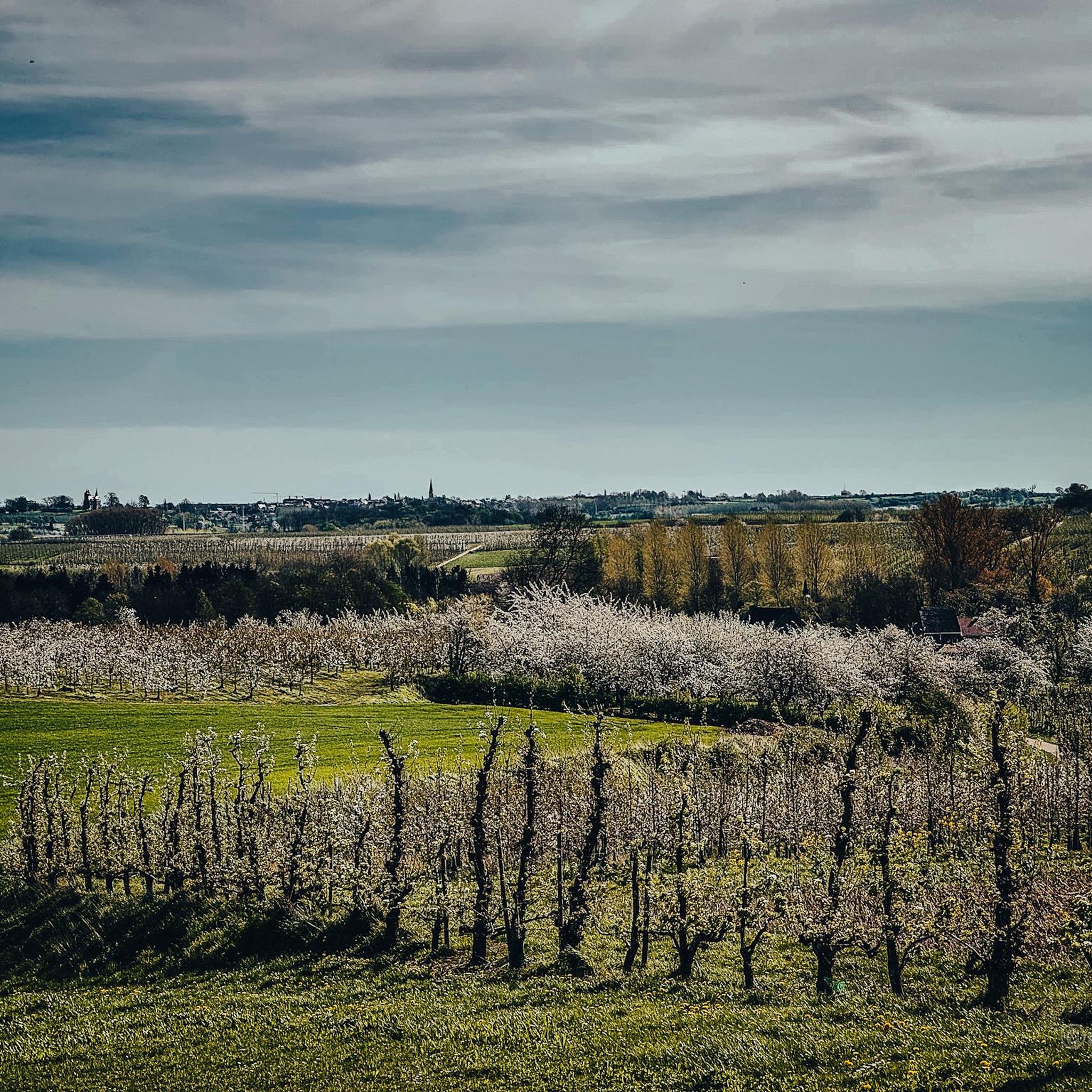
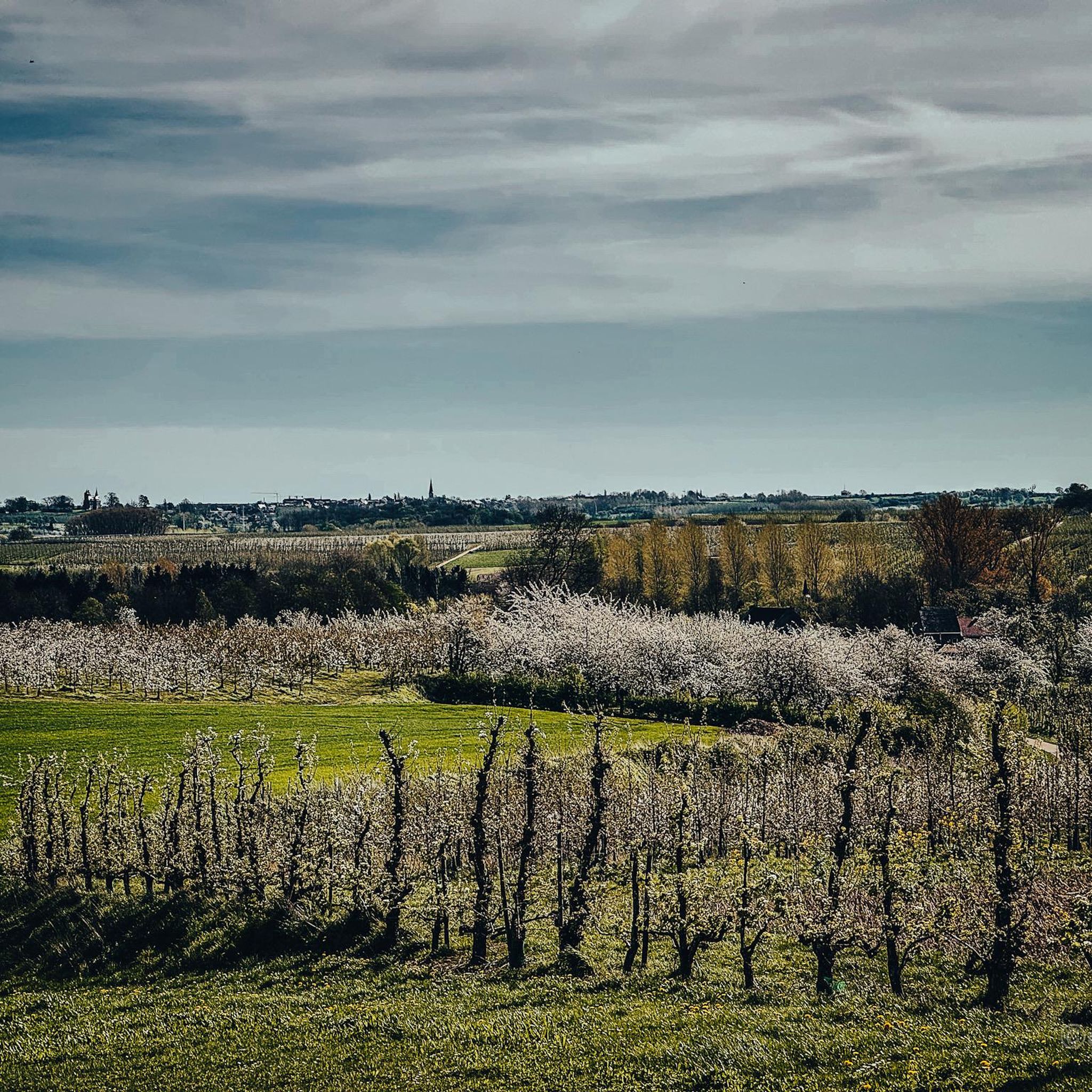
The Haspengouw region, where Sint-Truiden is located, is particularly stunning during the **blossom season** in spring (typically April). This is when the extensive fruit orchards, including the Grootloon High-Stem Orchards, burst into bloom, creating picturesque scenery and panoramic views. Autumn also offers beautiful colors as the leaves change.
What kind of hiking trails can I find near Sint-Truiden's natural monuments?
The area around Sint-Truiden offers a variety of signposted hiking routes that wind through the natural beauty of Haspengouw. You can find trails through the high-stem orchards, along sunken roads, and with green panoramas. For more detailed options, explore the Running Trails around Sint-Truiden guide, which includes routes suitable for walking.
Are there any accessible natural monuments for visitors with mobility needs?
Yes, Lake Het Vinne is noted for its accessibility. The provincial domain offers a range of possibilities for discovering nature, and they even provide two all-terrain wheelchairs and slings free of charge for visitors.
Where can I experience the famous high-stem orchards of Haspengouw?
The **Grootloon High-Stem Orchards** are a prime example and a significant natural monument in the Sint-Truiden area. You can find a high density of these traditional orchards around Grootloon, offering picturesque scenery, especially during blossom season, and numerous hiking and cycling routes through the fruit trees.
What historical sites are integrated with nature in the Sint-Truiden area?
The Herkenrode Abbey Site is an excellent example. This over 800-year-old historical site features restored buildings within a surrounding nature reserve, including a botanical garden with over 500 different species. Another notable site is Heks Castle, an 18th-century castle with a beautifully preserved landscape park and rose garden.
Can I go cycling near the natural monuments?
Absolutely. The Haspengouw region is well-suited for cycling, with many routes winding through the fruit orchards and scenic landscapes. You can find various options in the Road Cycling Routes around Sint-Truiden guide, or for more adventurous rides, check out the MTB Trails around Sint-Truiden.
Are there opportunities for bird watching in the natural monuments around Sint-Truiden?
Yes, the Lake Het Vinne is an ideal location for bird watching, especially for migratory birds. Additionally, the
What do visitors enjoy most about the natural monuments in Sint-Truiden?
Visitors particularly appreciate the tranquil atmosphere and the picturesque scenery, especially during the blossom season. The blend of ecological value, historical significance, and the opportunity to explore traditional agricultural landscapes through hiking and cycling routes contributes to a high experiential value. The unique art installations like the Floating Chapel of Helshoven also add to the appeal.
Where can I find panoramic views of the Haspengouw landscape?
For breathtaking views, visit the Floating Chapel of Helshoven, located at 'De Galg,' the highest point of Helshoven. Another excellent spot is the Observation tower Nature reserve De Herkwinning, which offers expansive views over the nature reserve and stream area.
Are there any green spaces or parks within Sint-Truiden itself?
While the main natural monuments are outside the city center, Sint-Truiden does offer green spaces and beautiful parks within the city for relaxation and leisurely strolls. These provide a pleasant urban natural experience.
Most popular routes around Sint-Truiden
Most popular attractions around Sint-Truiden

Get inspired with the komoot mobile app


Explore more
Extend your search for the best caves by checking out these guides of the top ones around Sint-Truiden:
