The best road cycling routes around Sint-Truiden
4.4
(62)
6,588
riders
547
rides
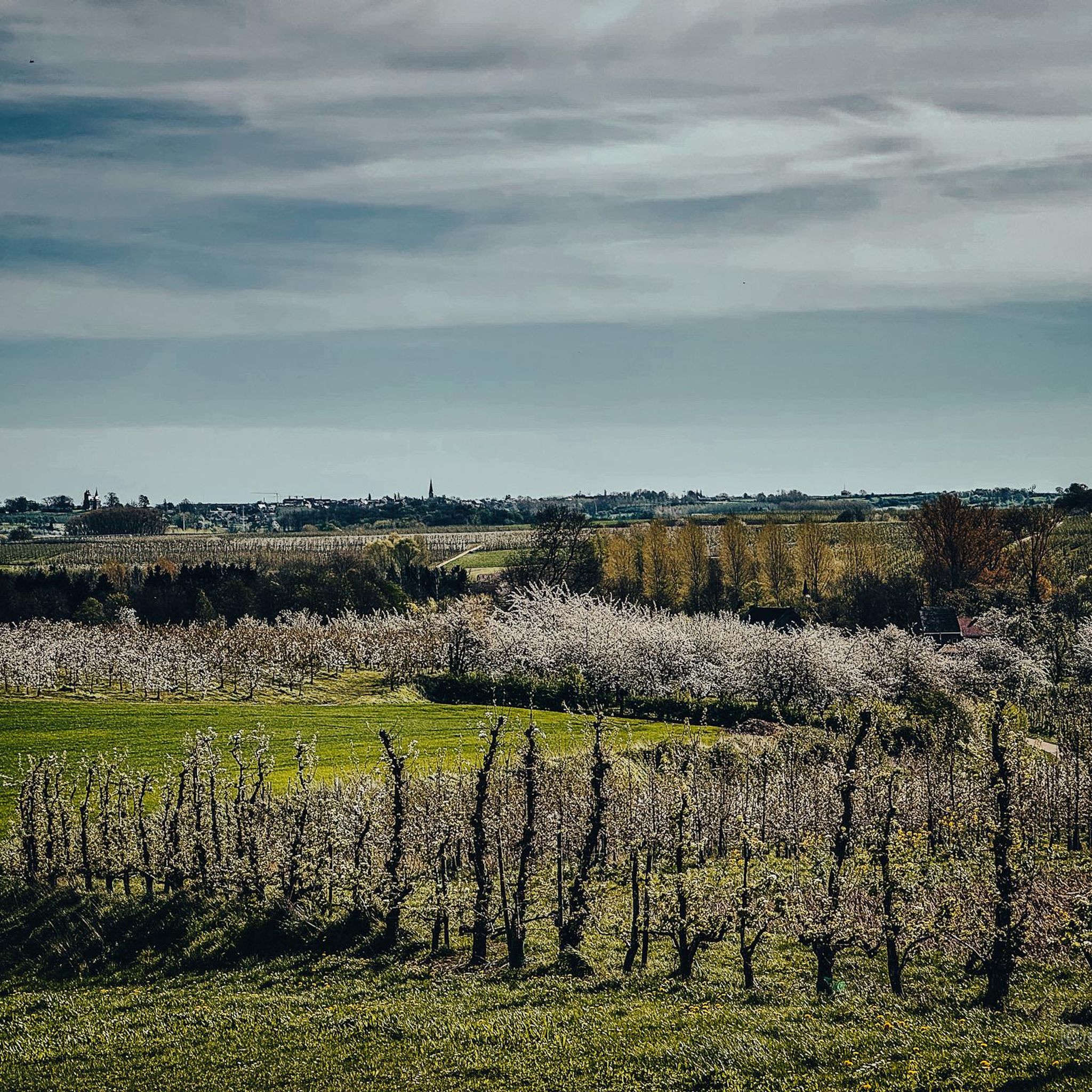
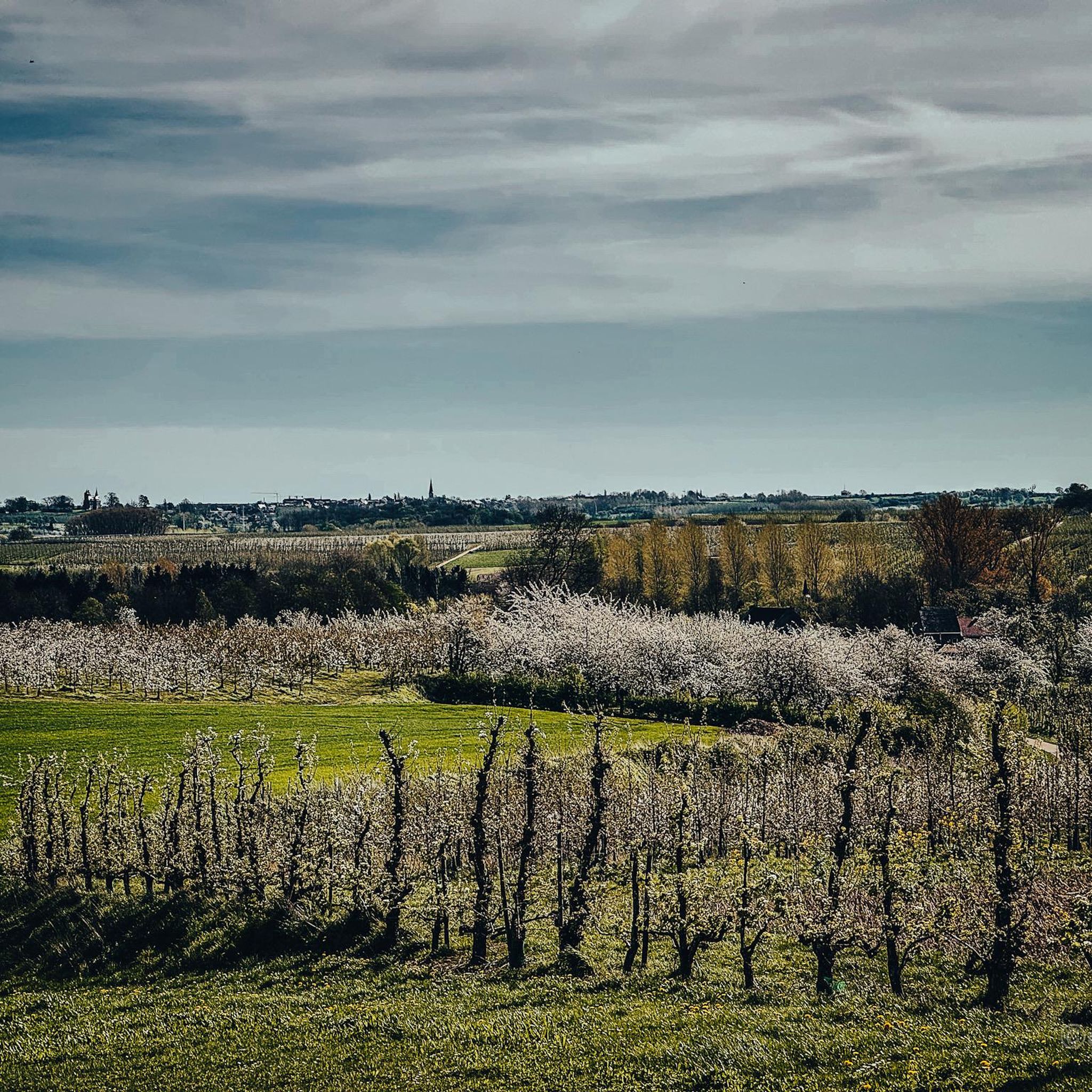
Road cycling around Sint-Truiden is characterized by its distinct "fruity landscapes" and the rolling terrain of Haspengouw. The region features extensive orchards, particularly vibrant during blossom season, and gentle hills that offer vistas over the "Moist Haspengouw." Cyclists navigate mostly paved surfaces through a blend of natural beauty and agricultural charm. This area provides a well-developed network of routes suitable for various fitness levels.
Best road cycling routes around Sint-Truiden
- The most popular road cycling route is Gallo-Roman Tumuli of…
Last updated: August 16, 2026
309
riders
39.6km
01:51
200m
200m
Easy road ride. Great for any fitness level. Mostly well-paved surfaces and easy to ride.
5.0
(6)
168
riders
54.1km
02:29
140m
140m
Moderate road ride. Good fitness required. Mostly well-paved surfaces and easy to ride.

Sign up for free
1.0
(1)
155
riders
107km
05:23
840m
840m
Hard road ride. Very good fitness required. Mostly well-paved surfaces and easy to ride.
5.0
(3)
119
riders
Moderate road ride. Good fitness required. Some segments of this route may be unpaved and difficult to ride.
132
riders
9.64km
00:27
40m
40m
Easy road ride. Great for any fitness level. Mostly well-paved surfaces and easy to ride.
Get access to more routes and recommendations from other explorers.
Sign up for free
Already have an account?
Our route recommendations are based on thousands of hikes, rides, and runs completed by other people on komoot.
Start today with a free account
Your next adventure awaits.
Login or Signup
Popular around Sint-Truiden
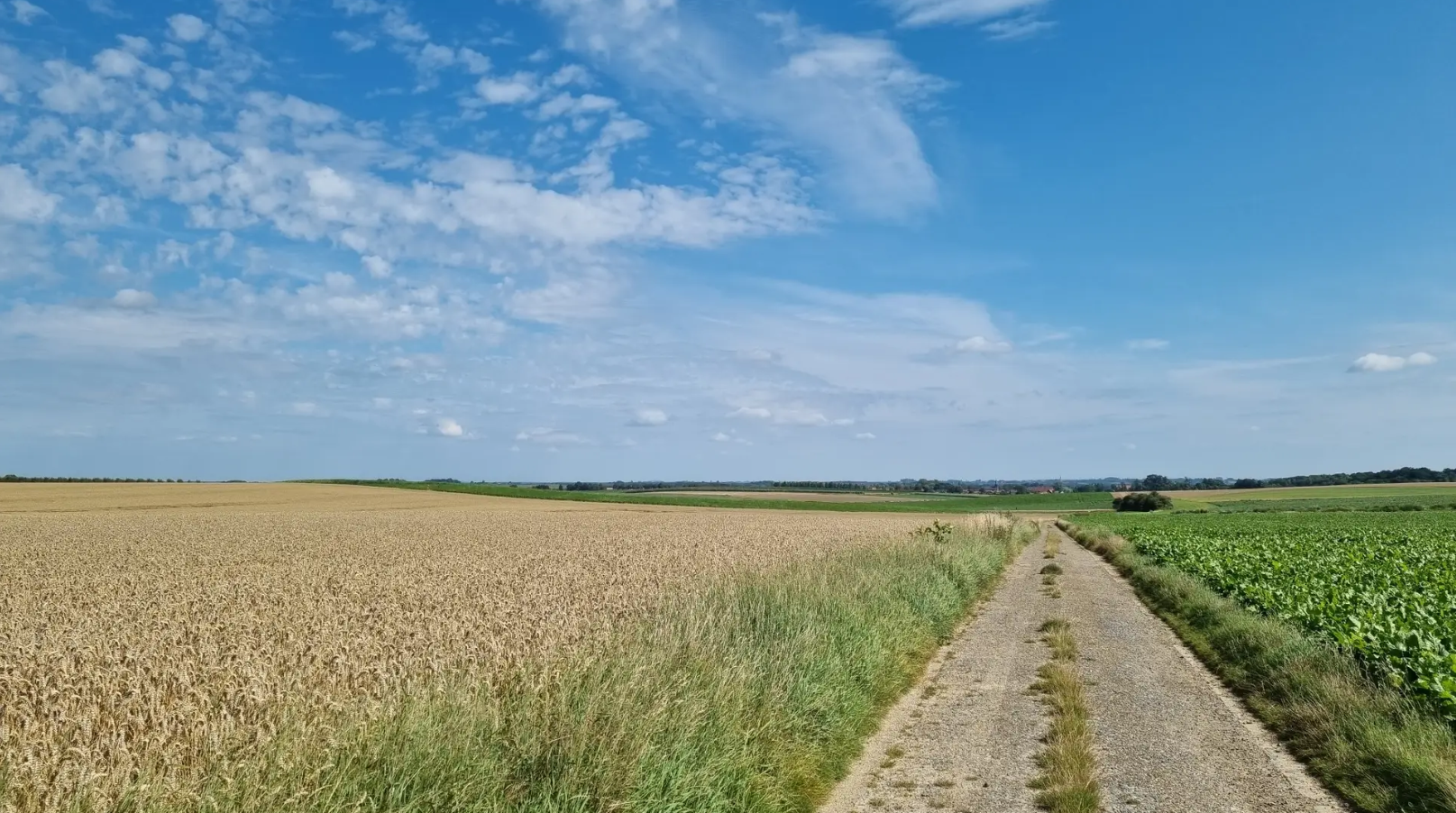
Bloesems, Forests and hidden Heritage – Streek-GR Haspengouw
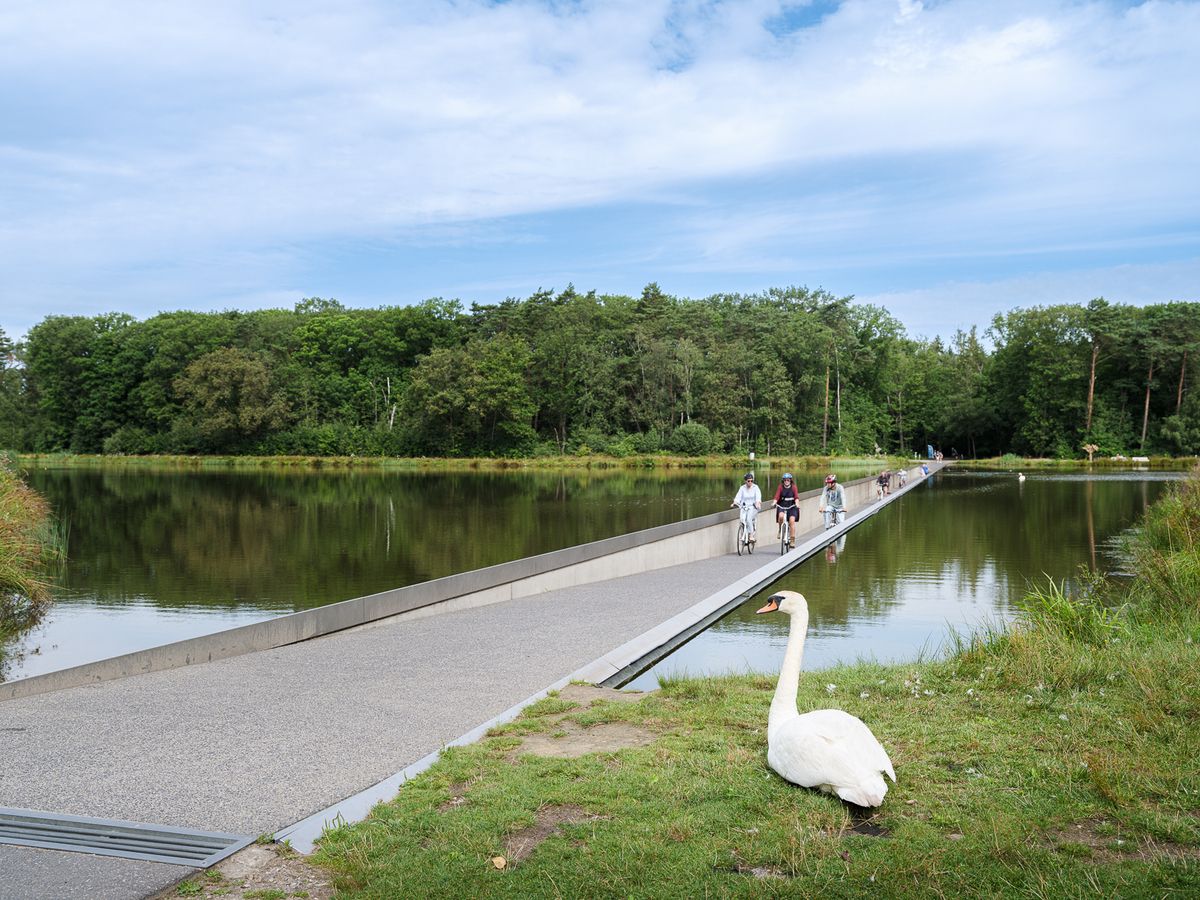
Flanders' Finest Cycle Routes: routes to discover Flemish nature and heritage
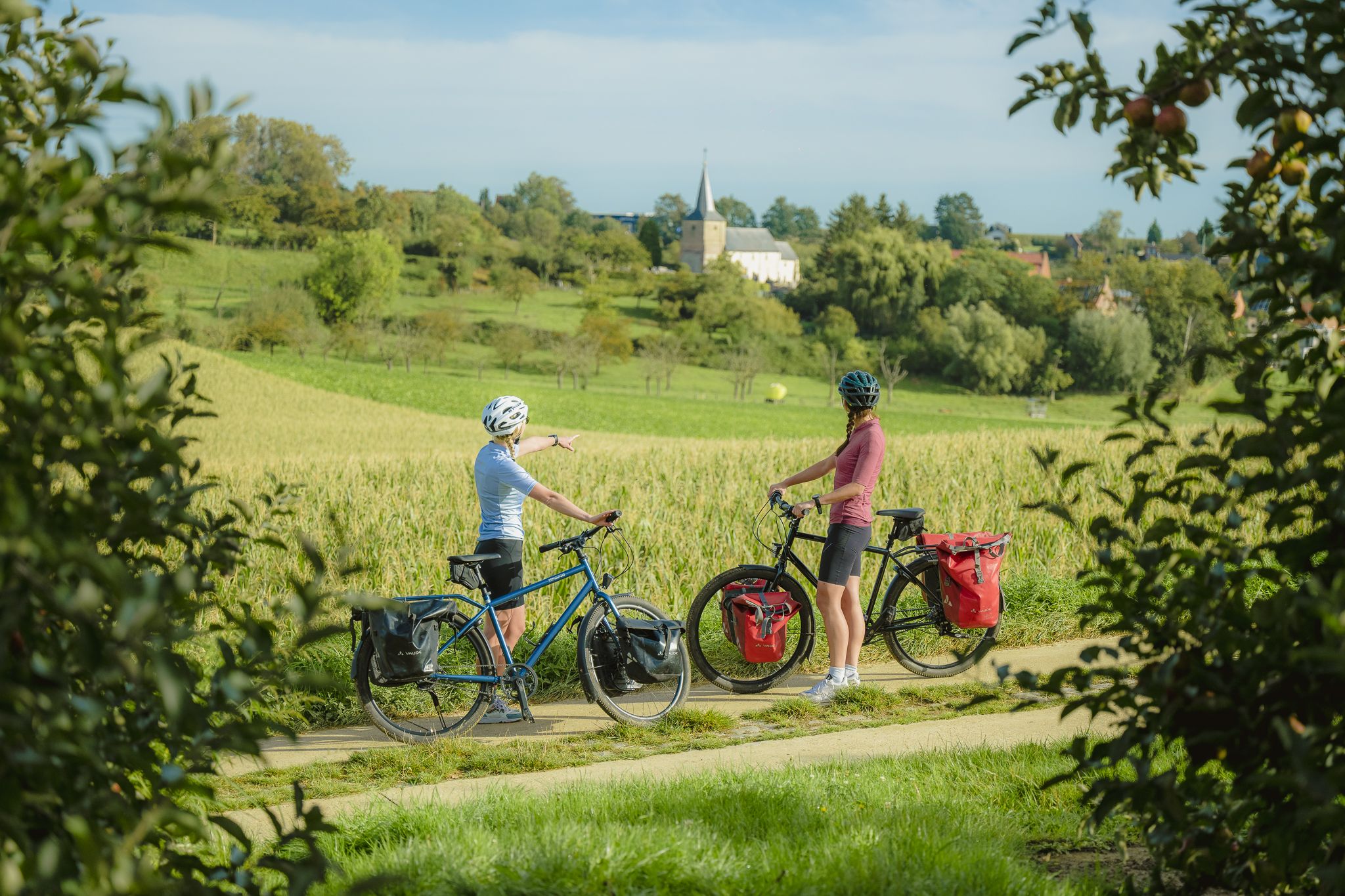
The best of Flanders — the Flanders Route
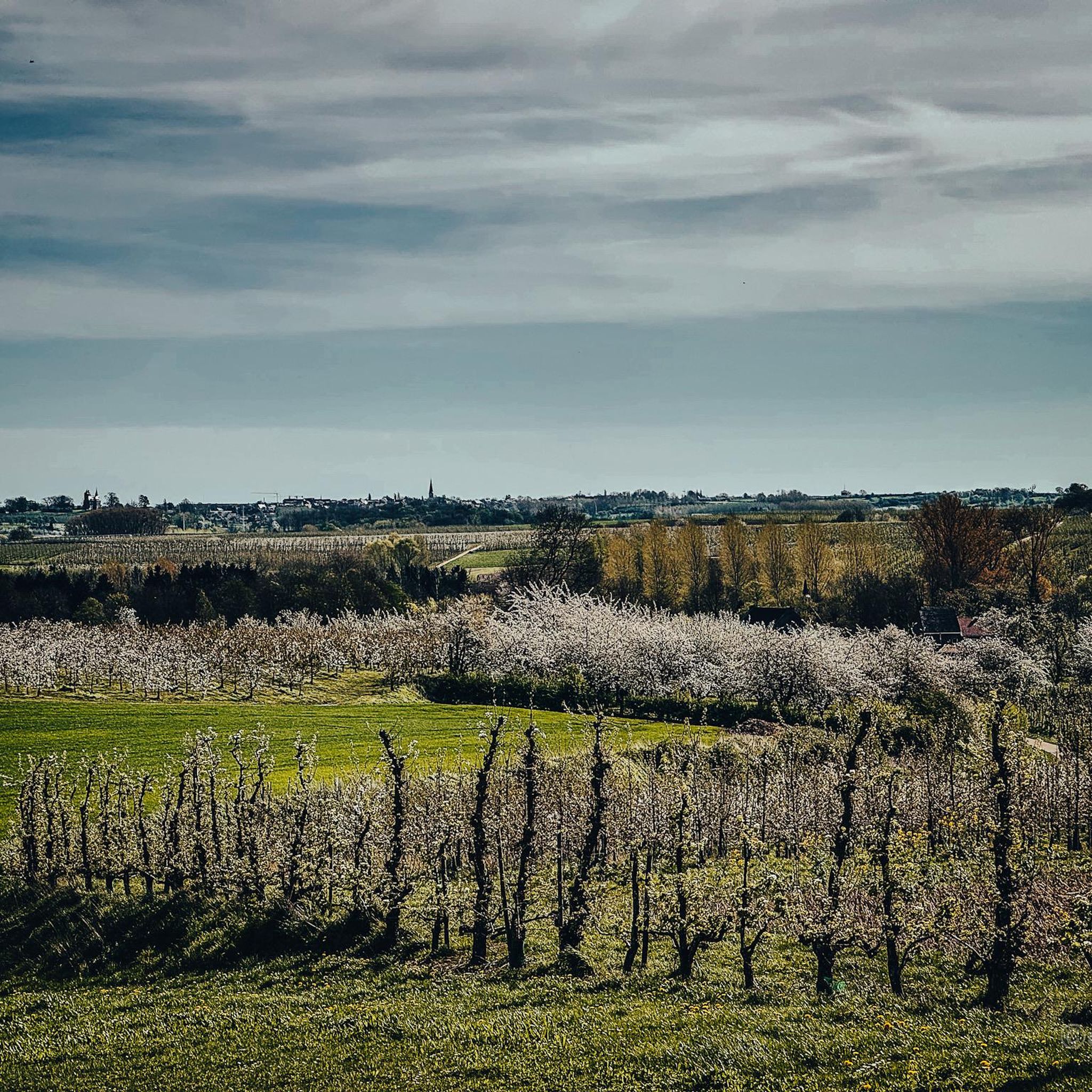
Hiking around Sint-Truiden
Cycling around Sint-Truiden
Running Trails around Sint-Truiden
MTB Trails around Sint-Truiden

Gravel biking around Sint-Truiden
Other adventures around Sint-Truiden


Tips from the Community

Between two smaller hills you pass this chapel...
3
0


The De Asdonkstraat is located in the middle of the Dassenaarde nature reserve in Molenstede. You walk there when you explore the nature reserve.
6
0

This section, together with the water lock and the outer bailey, belongs to the oldest parts: in the Apostles' House, remains of the late Gothic ordinance from the second half of the 16th century from the building campaign of Land Commander Wijnandt van Brijel have been preserved. The complex is located at the highest point of the domain, on the eastern side of the commandery. Seven avenues converge at the gate, symbolizing the Seven Sorrows and Joys of Mary. To the right of the gatehouse was the now disappeared Apostles' House; it was an L-shaped building of two storeys, with a chapel on the ground floor, and twelve rooms for needy men, hence the name Apostles' House; late Gothic core from the second half of the 16th century, enlarged and adapted in 1716-1726, under Commander Damian Hugo von Schönborn, as indicated by a facade stone. After World War II, the Apostles' House slowly deteriorated but has since been restored.
2
0

On the site where a lordly manor stood in the Middle Ages, the castle of Hardelingen was built in the 19th century. The site had continuous habitation from an early date and was closely linked for centuries to agricultural exploitation in the fertile valley of the Werm. As a lordly manor, the domain functioned not only as a residence but also as an economic center that managed and structured the surrounding land within the traditional Haspengouw agricultural landscape. Today, the castle of Hardelingen, located in the quiet village of Werm, represents a valuable example of the transformation of a medieval lordly manor into a stately 19th-century country residence. The castle and its surrounding park landscape strikingly illustrate the neoclassical ideals of order, harmony, and scenic beauty, thus occupying a special place within the heritage of Haspengouw. Want to know more about the past? Click through to https://www.burchten-kastelen.be/provincies/limburg/042%20Kasteel%20van%20Hardelingen/Kasteel%20van%20Hardelingen.html
6
0
On the site where a manor house stood in the Middle Ages, the castle of Hardelingen was built in the 19th century. The site had continuous habitation from early on and was closely linked for centuries to agricultural exploitation in the fertile valley of the Werm. As a manor house, the domain served not only as a residence but also as an economic center that managed and structured the surrounding land within the traditional agricultural landscape of Haspengouw. Today, the castle of Hardelingen, located in the quiet village of Werm, is a valuable example of the transformation of a medieval manor house into a stately 19th-century country residence. The castle and the surrounding park landscape strikingly illustrate the neoclassical ideals of order, harmony, and scenic beauty, thus occupying a special place in the heritage of Haspengouw. Want to know more about the past? Click through to https://www.burchten-kastelen.be/provincies/limburg/042%20Kasteel%20van%20Hardelingen/Kasteel%20van%20Hardelingen.html
5
0
Historical information about the Town Hall building: In 1526, the city council of Leeuw decided to build a new town hall. The building was constructed between 1530 and 1538, based on a design by Rombout II Keldermans. It is a rather rare monument in the transitional Gothic-Renaissance style: structurally Gothic, but the decorative elements are clear expressions of the Renaissance. The facade's façade is made of blue stone: it has a pedestal with richly decorated panels and a beautifully carved frame. At the foot of the town hall tower, remnants of the first defensive wall around the city, dating from the 12th century, can still be seen. The interior is magnificent: the ground floor housed the mayor's office, the council chamber, and the reception room, where the mural by Maurice Langaskens (early 20th century) is particularly striking. On the first floor, you can visit the exhibition "Archaeological Finds from the Kleine Gete." Explanation of the Lakkenhalle (Ladder Hall): The hall, next to the town hall, was built because Zoutleeuw was an important trading center in the Middle Ages. The city already had a Vleeshuys (butcher's hall) in 1281, but the current hall was intended to replace the building that had become too small and also testify to the greatness of Leeuw. The new hall was built on the wall of the first rampart, which still forms the rear facade. Besides trading, the hall was also used as a meeting place and barracks for the Schuttersgilde (shooting guild), which had a purely military function in the Middle Ages. The grain supplies for the Tafel van de Heilige Geest (Holy Spirit's Table), or poor relief, were stored in the attic: poor relief in Leeuw dates back to 1235 and is perhaps the oldest in the country. Source: https://www.zoutleeuw.be/activiteiten/detail/91/historisch-stadhuis-en-halle-zoutleeuw
3
0
On the site of the current St. Leonard's Church stood a chapel—the date of construction of which is unknown—in honor of Saint Leonard of Noblac. After this chapel was elevated to a parish church in 1231, it was replaced by the current church, which had a long construction history: the monumental Gothic building was largely constructed between the 13th and 16th centuries. St. Leonard's Church is rich in art treasures and owes its international fame primarily to them. The Iconoclasm of 1566 and the French Revolution passed the church by without significant damage, thus preserving most of the impressive artistic heritage accumulated over centuries: altarpieces, paintings, statues of saints, copper and silverwork, vestments, and other devout objects. Below, a few of these showpieces are presented. Upon entering, the first thing that catches the eye is the Marianum: this double statue (1533) is situated within the 15th-century veneration of Mary, which depicted the Virgin Mary as the apocalyptic woman and mediatrix of grace. Not-to-be-missed highlight inside: The Sacrament Tower: A tabernacle crafted from white Avesnes stone is undoubtedly the church's showpiece. The artwork was created in the workshops of Cornelis II Floris de Vriendt in Antwerp and erected in Zoutleeuw in 1552. The tower is 18 meters high, has nine stories, and contains approximately 200 statues depicting scenes from the Old and New Testaments. A replica is on display at London's Victoria and Albert Museum. The Paschal Candlestick This copper candlestick is 5.68 meters high and weighs approximately 950 kg. It was cast by Renier van Thienen, based on a design by Jan Bornam, and installed in the choir by the founder himself in 1483. It is the second-largest Easter candlestick in Europe. Source: https://www.zoutleeuw.be/sint-leonarduskerk
5
0
Frequently Asked Questions
What is the typical terrain like for road cycling in Sint-Truiden?
Road cycling in Sint-Truiden is characterized by its distinct "fruity landscapes" and the rolling terrain of Haspengouw. You'll navigate mostly paved surfaces through extensive orchards, especially vibrant during blossom season, and gentle hills that offer rewarding vistas over the "Moist Haspengouw."
How many road cycling routes are available around Sint-Truiden?
There are over 540 road cycling routes available around Sint-Truiden on komoot. These routes cater to various fitness levels, with options ranging from easy to difficult.
Are there easy road cycling routes suitable for beginners in Sint-Truiden?
Yes, Sint-Truiden offers several easy road cycling routes perfect for beginners. For example, the Gallo-Roman Tumuli of Vorsen – Sint-Petruskerk Gingelom loop from Velm is an easy 39.6 km trail that passes historical sites and quiet church villages.
Are there challenging road cycling routes for experienced cyclists?
Absolutely. For experienced cyclists seeking a challenge, routes like the Bissemstraat Climb – Glainberg Climb loop from Sint-Truiden offer significant elevation gains over longer distances, providing a demanding ride through the region's varied terrain.
When is the best time of year to go road cycling in Sint-Truiden?
The region is particularly stunning during the blossom season, typically in spring, when the extensive orchards are in full bloom, creating a vibrant and fragrant environment. The gentle hills and mostly paved surfaces make it enjoyable throughout the warmer months.
What interesting landmarks or natural features can I see along the road cycling routes?
Many routes weave through charming villages and past significant landmarks. You might encounter historical square farms, quiet church villages, and notable sights such as the unique Floating Chapel of Helshoven, Heks Castle, or the Lake Het Vinne. The Helshoven Chapel and Hermitage – Floating Chapel of Helshoven loop from Sint-Truiden is a great example of a route featuring such attractions.
Are most road cycling routes in Sint-Truiden circular?
Yes, many of the road cycling routes around Sint-Truiden are designed as loops, allowing you to start and finish at the same point. This makes planning your ride and return journey more convenient.
What do other road cyclists enjoy most about road cycling in Sint-Truiden?
The area is highly rated by the komoot community, with an average score of 4.3 stars from over 40 reviews. Cyclists often praise the picturesque 'fruity landscapes,' the well-maintained paved surfaces, and the blend of natural beauty with historical charm found along the routes.
Where can I park my car when starting a road cycling route in Sint-Truiden?
Sint-Truiden, as a well-equipped destination for outdoor activities, offers various parking options. You can typically find parking in and around the city center or at designated starting points for popular routes. It's advisable to check local parking regulations upon arrival.
Can I reach the road cycling routes in Sint-Truiden using public transport?
Sint-Truiden is accessible by public transport, including train and bus services, which can bring you to the city center. From there, many road cycling routes are easily reachable. For detailed public transport information, you can consult local transport providers or the official Sint-Truiden tourism website: visitsinttruiden.be.
Are there places to stop for refreshments along the road cycling routes?
Yes, many routes pass through charming villages and near the city center of Sint-Truiden, where you'll find cafes, pubs, and restaurants. The region's agricultural character also means opportunities to discover local produce. The View of the Grote Gete – Schulensmeer loop from Sint-Truiden, for instance, offers scenic views and proximity to amenities.
What are the typical distances for road cycling routes in Sint-Truiden?
The distances for road cycling routes in Sint-Truiden vary widely to suit different preferences and fitness levels. You can find shorter routes around 40 km, such as the Gallo-Roman Tumuli of Vorsen – Sint-Petruskerk Gingelom loop from Velm, up to longer rides exceeding 100 km, like the Bissemstraat Climb – Glainberg Climb loop from Sint-Truiden.
Most popular routes around Sint-Truiden
Most popular attractions around Sint-Truiden

Get inspired with the komoot mobile app


Explore more
Browse the best Road cycling routes in other regions.
