Top 20 Natural Monuments around Wichelen
Natural monuments around Wichelen are largely defined by the meandering Schelde river, which shapes the landscape of East Flanders. The region features extensive floodplains, such as the Kalkense Meersen, characterized by diverse ecosystems including grasslands, waterways, and forest areas. These natural features provide a tranquil setting for outdoor activities like hiking and cycling. Wichelen offers a variety of natural landmarks and quiet zones for exploration.
Best natural monuments around Wichelen
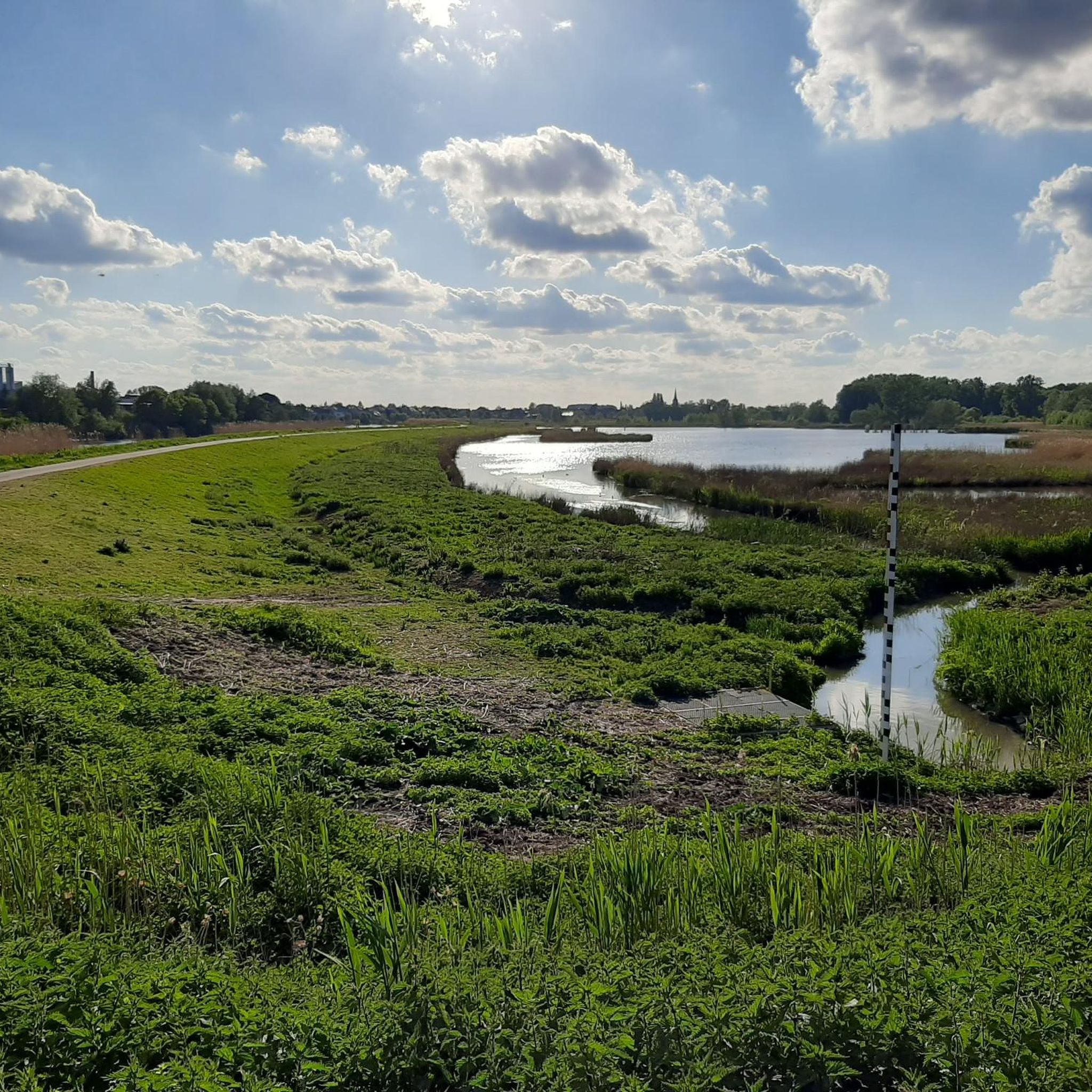
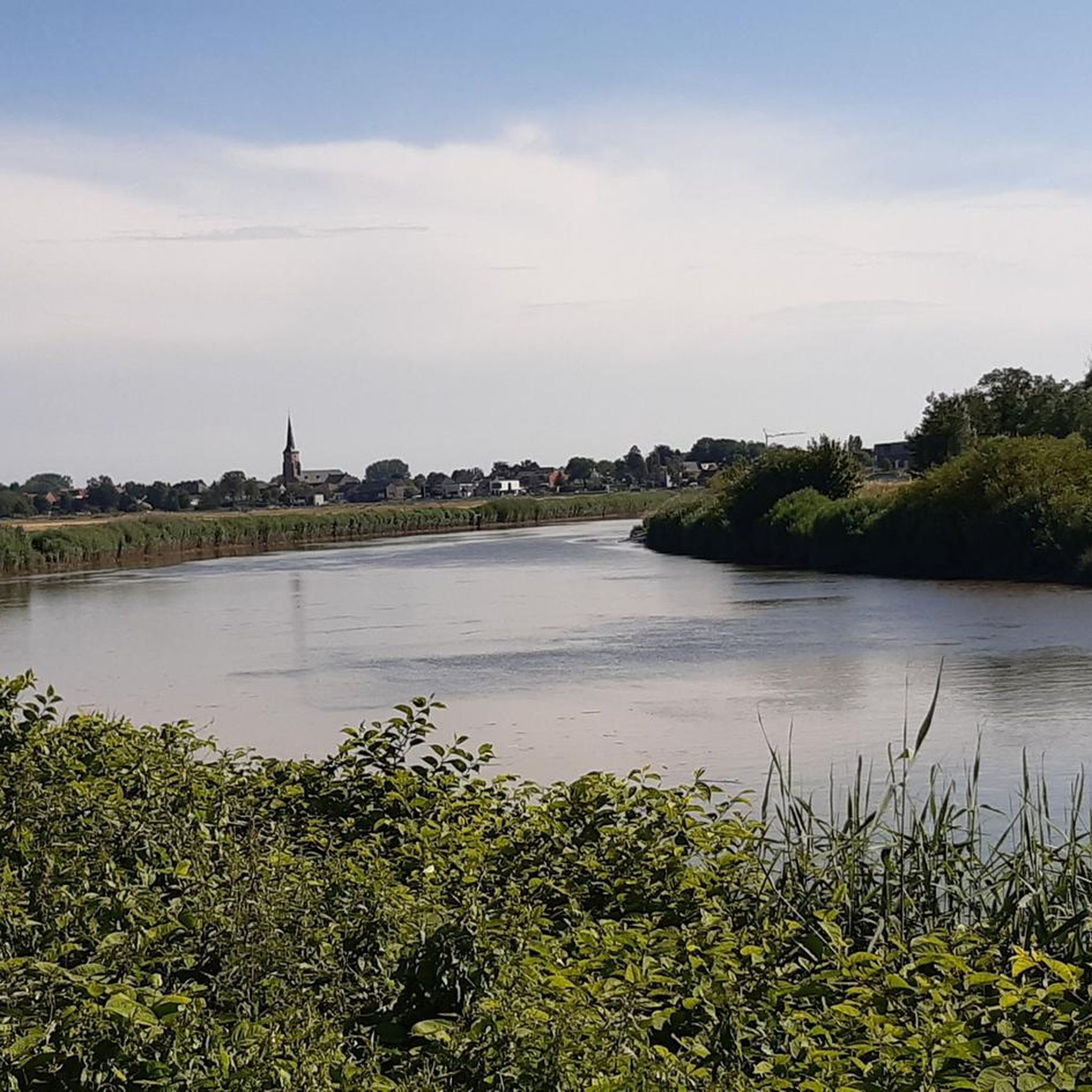
- The most popular natural monuments is Meandering Old Scheldt, a river that was restored to its former glory. This area is ideal for bird watching, with a lookout tower providing views of the meander.
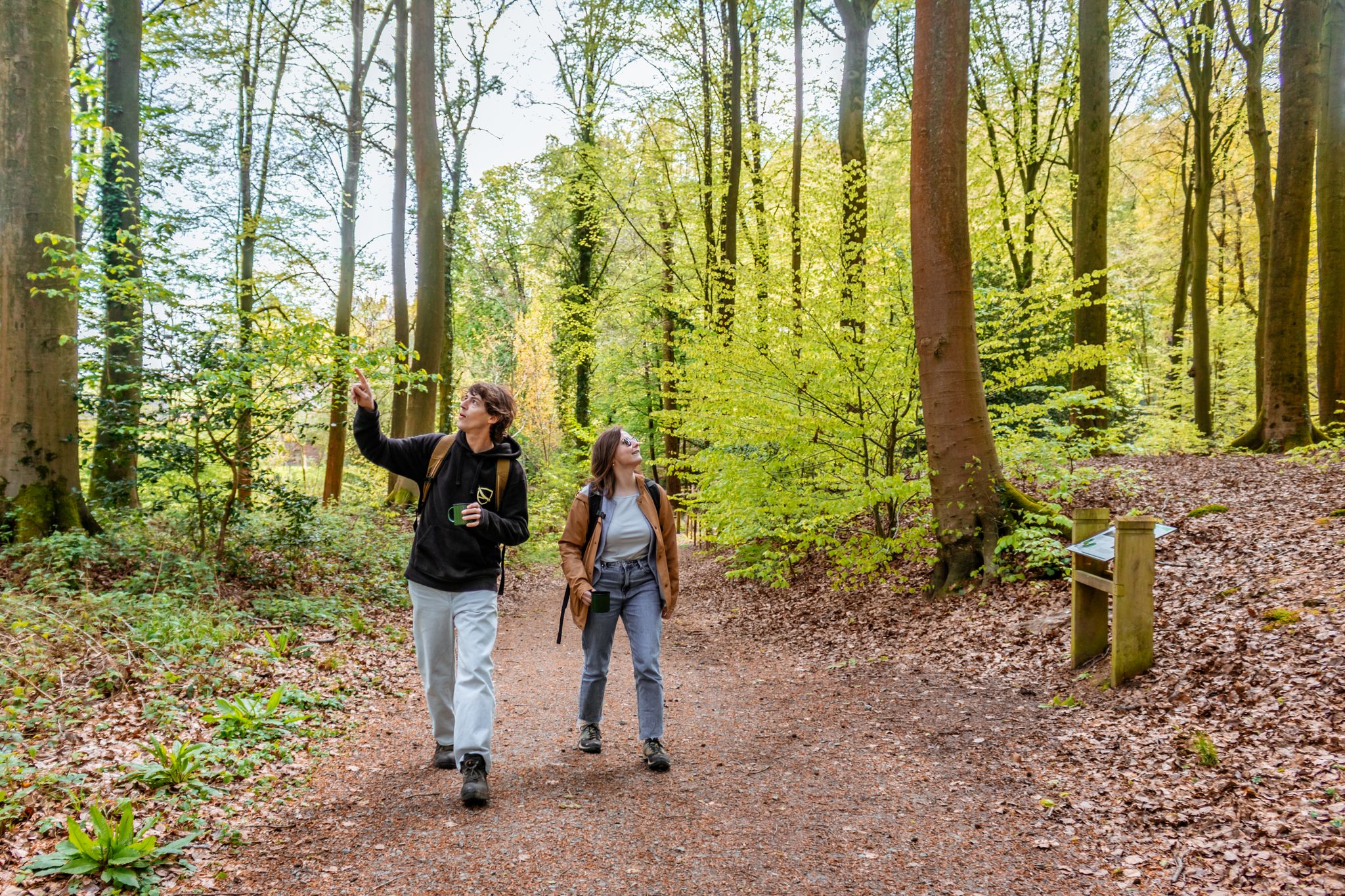
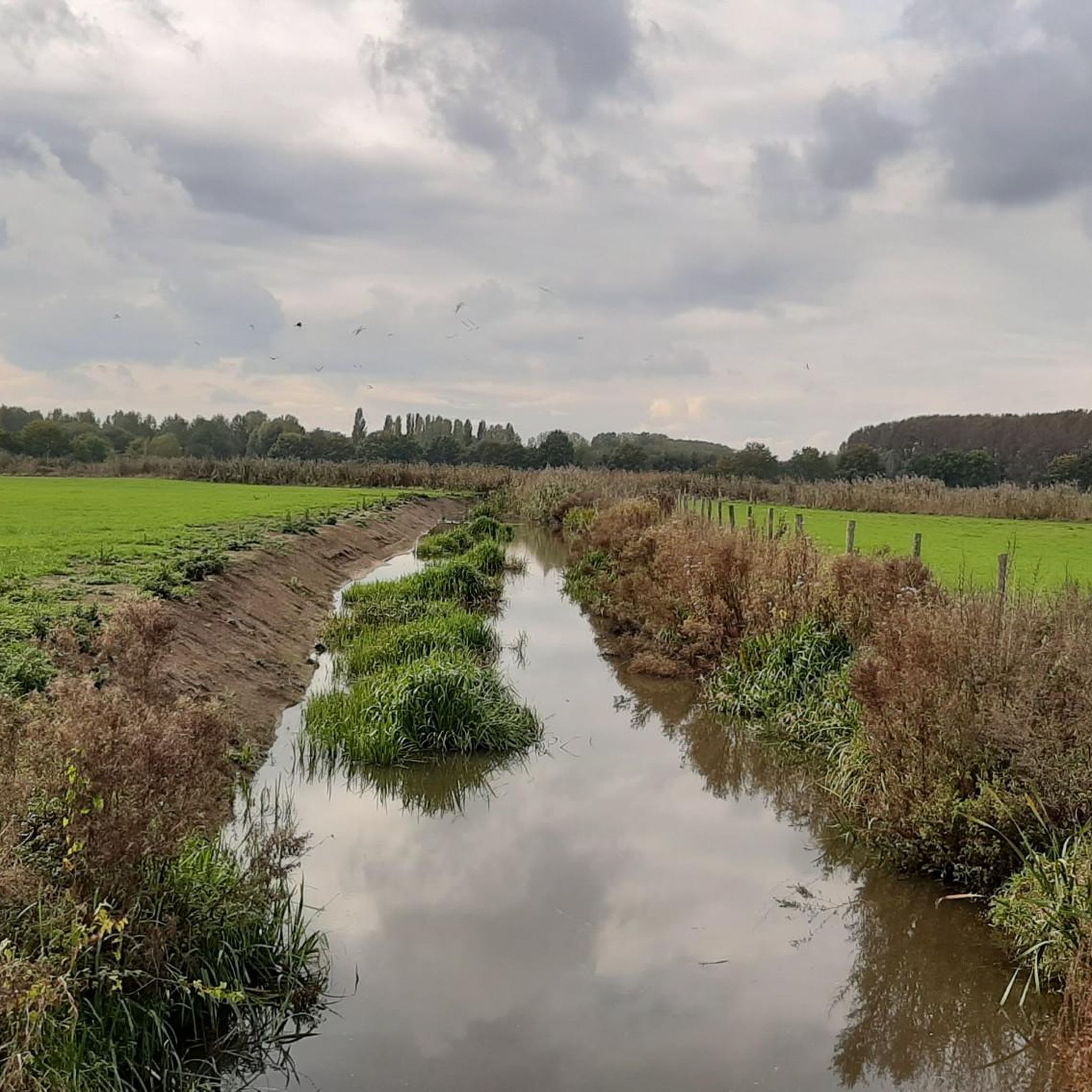
- Another must-see spot is Aelmoeseneiebos Stream and Wooden Bridge, a forest with more than 60 tree species. Large parts of this forest were replanted after the World Wars and are now managed as high wood, offering accessible walking paths.
- Visitors also love Hospiesbos, a forest known for its hyacinths in spring and mushrooms in autumn. This gem offers beautiful walking paths and natural play elements for children, with water features and untouched vegetation.
- Wichelen is known for its rivers, lakes, and forests, which are prominent natural monuments in the region. Visitors can explore a variety of ecosystems, from restored river meanders to diverse woodlands and tranquil lake areas.
- The natural monuments around Wichelen are appreciated by the komoot community, with more than 280 upvotes and 90 photos shared by visitors.
Last updated: May 17, 2026
Meandering Old Scheldt
Highlight • River
Translated by Google •
Tip by

Damvallei Lake
Highlight (Segment) • Lake
Translated by Google •
Tip by

Sign up now to discover places like this
Get recommendations on the best single tracks, peaks, & plenty of other exciting outdoor places.
Sign up for free
Duck Decoy and Keeper's Cottage Donkmeer
Highlight • Historical Site
Today the ducks are under nature protection and the "cage" is home to ducks, herons and storks. In this open-air museum you can learn about the history and workings of the cage, as well as the work of the "cage man". The square was recently supplemented by a petting zoo.
Check out the willow tunnel, a wildly dreamy place, or test your balance on the bridges over the water.
Translated by Google •
Tip by

Aelmoeseneiebos Stream and Wooden Bridge
Highlight • Forest
It includes more than 60 tree species, including all native trees of Flanders, as well as a number of park trees.
It is currently used as part of the Bioscience Engineering course in Forest and Nature Management and is freely accessible to walkers.
Translated by Google •
Tip by
Natuurpunt viewing platform at Blokstraat and the Oude Schelde
Highlight • Viewpoint
(Scheldt Valley National Park)
Translated by Google •
Tip by

Sign up for free to discover even more natural monuments around Wichelen.
Sign up for free
Already have an account?
Start today with a free account
Your next adventure awaits.
Login or Signup



Tips from the Community

Kijktoren Schellebelle; a viewing platform at the intersection of Tragelweg and Blokstraat offers you a unique view of the Kalkense Meersen. At this point, the Tragelpad with the old Scheldearm meets the Blokstraat, forming the nerve center of the recreational routes.
0
0

The viewing platform, strategically located at the intersection of the four municipalities that form the Kalkense Meersen, not only offers stunning views of the green landscape and the old Scheldt arm, but also allows visitors to observe the landscape's evolution over the years. According to Michaël Crapoen of Natuurpunt Scheldeland, the platform is a real asset because it offers the opportunity to experience nature from a different perspective. In addition, numerous recreational cycling and walking routes converge here. (Scheldt Valley National Park)
12
1

Nice addition to the area, but actually a bit too low to view the entire area
4
0

The Aelmoeseneiebos (or Aalmoezenijebos) is a nature reserve on the territory of the municipalities of Melle (Gontrode) and Oosterzele (Landskouter). The forest is 28.5 hectares in size and is owned by the University of Ghent. The forest area is now managed by the university Lab for Forest & Nature. The railway line Ghent-Geraardsbergen divides the forest in two. The Aelmoeseneiebos is an old forest area that already appeared on the Ferraris map in 1775. The forest was owned by the Saint Bavo's Abbey of Ghent for centuries. During the French period (1794-1815) it was transferred to the public poor relief of the city of Ghent. In 1967-1968 the Belgian State bought the forest so that the University of Ghent could use it as a test forest. The most important tree species are summer oak and beech, with ash and maple in the stream valleys. The Aelmoeseneiebos is known for its spring flora such as wood anemone, slender primrose, yellow dead-nettle and small periwinkle. During the First World War, the forest was largely cut down but replanted in 1920. Adjacent to the western part of the Aelmoeseneiebos, 10 hectares of plots of land belonging to Natuurpunt, Oosterzele department, are located in the valley of the Gondebeek. With the 'Rodeland landscape project' [1], the aim is to connect the Aelmoeseneiebos with the Makegemse forests through afforestation in the valleys of the Gondebeek, Kerkesbeek and Driesbeek[2][3]. In 2021, 5 amphibian tunnels were constructed in the Gondebeek valley[4]. Inventories and research in the Aelmoeseneiebos found 1329 different species: including 64 tree and shrub species and 599 species of invertebrates. The Aelmoeseneiebos is protected in Europe as part of the Natura 2000 area (habitat directive area) 'Forests of the south-east of the Zandleemstreek' (BE2300044). The forest is freely accessible on the footpaths.
1
0

Text on the photo: We with all our freedom Often get lost Also pass by Destructive choices We with so much freedom Digging holes in the earth Comets approaching at lightning speed
5
0
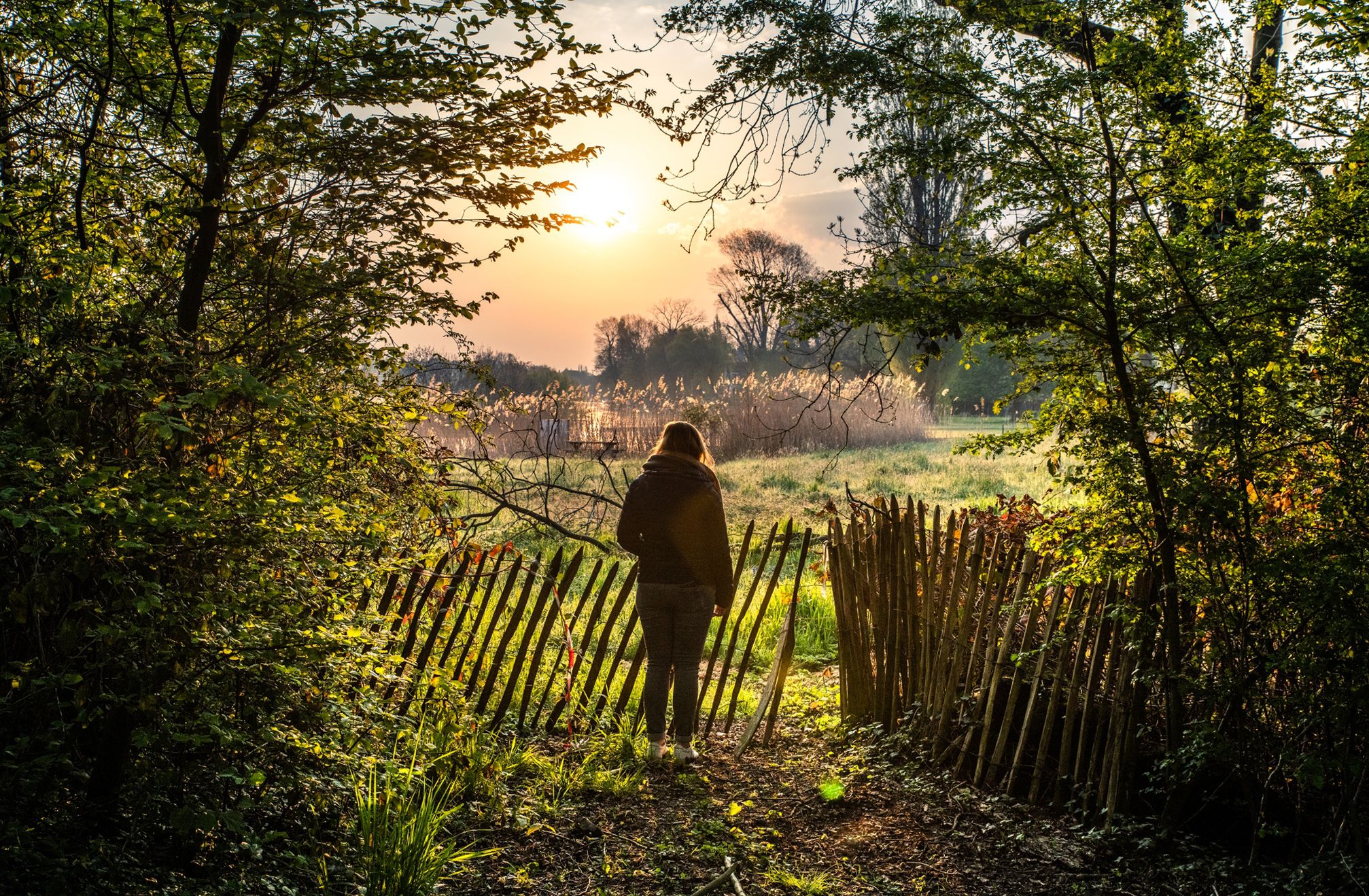
New viewing platform nature point is a tribute to Groene Lieve: “A monument in the nature conservation of the Kalkense Meersen” The platform that looks out 6.5 meters high above the Nature Reserve is also in a symbolic place. “As a young kid I still remember well that Lieve’s red and small Fiat was always parked at this place on the Blokstraat while she was clearing litter, handing out leaflets to hikers and reprimanding farmers. Always busy for nature”, says Peter Claus. The platform is located at a nerve point in the Kalkense Meersen close to the new Roerdompbrug and offers hikers a unique view of the Oude Schelde. That arm was dug out again a few years ago. Since then beavers have been living there again and from the platform you can spot deer and other animals and birds. “It offers a view of the past and the future of our National Park.”
5
0


This nature reserve is a remnant of an extensive forest area that gradually had to make way for agriculture in the 18th century. The surrounding land and the forest were owned for centuries by the Aalmoezenij, the poor relief of the Ghent Saint Bavo's Abbey. The production of wood was the main function at that time. The forest was purchased by the Belgian state in 1967-1968 so that the University of Ghent could use it as a test forest. In the early years, it was mainly used for studies on the growth and management of forests with a view to wood production. It also had a recreational and educational function. Railway line 122 Melle-Geraardsbergen divides the forest in two. In the western part (where we walked) an arboretum was created in 1973. With the 'Rodeland landscape project', the aim is to connect the Aelmoeseneiebos with the Makegemse forests through further afforestation of a number of stream valleys.
4
0
Frequently Asked Questions
What are the most popular natural monuments to visit around Wichelen?
Among the natural monuments around Wichelen, visitors particularly enjoy the Meandering Old Scheldt, which is ideal for birdwatching from its lookout tower. Another favorite is the Aelmoeseneiebos Stream and Wooden Bridge, a forest with over 60 tree species and accessible walking paths. The Hospiesbos is also highly regarded for its hyacinths in spring and diverse mushrooms in autumn, offering beautiful walking paths and natural play elements for children.
Are there family-friendly natural monuments in the Wichelen area?
Yes, several natural monuments around Wichelen are great for families. The Meandering Old Scheldt offers birdwatching opportunities, while the Aelmoeseneiebos Stream and Wooden Bridge provides accessible walking paths through a diverse forest. The Hospiesbos features natural play elements for children. Additionally, the Duck Decoy and Keeper's Cottage Donkmeer is a historical site with a petting zoo and a willow tunnel, making it an engaging spot for all ages.
What kind of wildlife can I expect to see in Wichelen's natural monuments?
Wichelen's natural monuments, particularly the Kalkense Meersen and areas along the Schelde river, are rich in wildlife. You can spot a multitude of bird species, including meadow birds, stilt-walkers, winter teal, herons, and storks. The Meandering Old Scheldt is a prime birdwatching spot. The Damvallei Lake is known for its many birds, dragonflies, frogs, and salamanders. Grazing Galloway cattle also contribute to nature management in the Kalkense Meersen.
What are the best times to visit the natural monuments for hiking and birdwatching?
Spring and autumn are generally ideal for visiting Wichelen's natural monuments. In spring, you can witness the exuberant bloom of hyacinths in places like the Hospiesbos. Autumn brings a display of many special fungi and mushrooms. For birdwatching, the Kalkense Meersen and the Meandering Old Scheldt are excellent year-round, but specific migratory bird seasons might offer unique sightings. The dynamic interplay of land and water in the floodplains means the landscape changes with the seasons, offering different experiences.
Are there good hiking or walking routes near Wichelen's natural monuments?
Yes, Wichelen offers a network of walking routes that allow you to explore its natural monuments. The Kalkense Meersen alone features 165 kilometers of trails. You can find various running routes, including those passing by the Meandering Old Scheldt and through the Bergenmeersen Nature Reserve. For more options, explore the Running Trails around Wichelen guide.
Can I go cycling near the natural monuments in Wichelen?
Absolutely. The Wichelen region, particularly around the Schelde river and the Kalkense Meersen, is excellent for cycling. The Schelde dikes provide beautiful panoramic views, and the overall peaceful ambiance makes for relaxing rides. You can find several cycling routes, such as the 'Kalkense Meersen Loop' or routes along the Scheldedijk. Discover more options in the Cycling around Wichelen guide.
What unique natural features define the Wichelen region?
The Wichelen region is primarily defined by the meandering Schelde river and its extensive floodplains, such as the Kalkense Meersen. These areas are characterized by a dynamic interplay of land and water, featuring flower-rich grasslands, waterways, and forest areas. The region also boasts picturesque U-bends of the Schelde, known as Scheldebochten, and diverse woodlands like the Aelmoeseneiebos with its wide variety of tree species.
Is the <a href="https://www.komoot.com/highlight/1364167" target="_blank" rel="noopener">Damvallei Lake</a> a good place for nature walks?
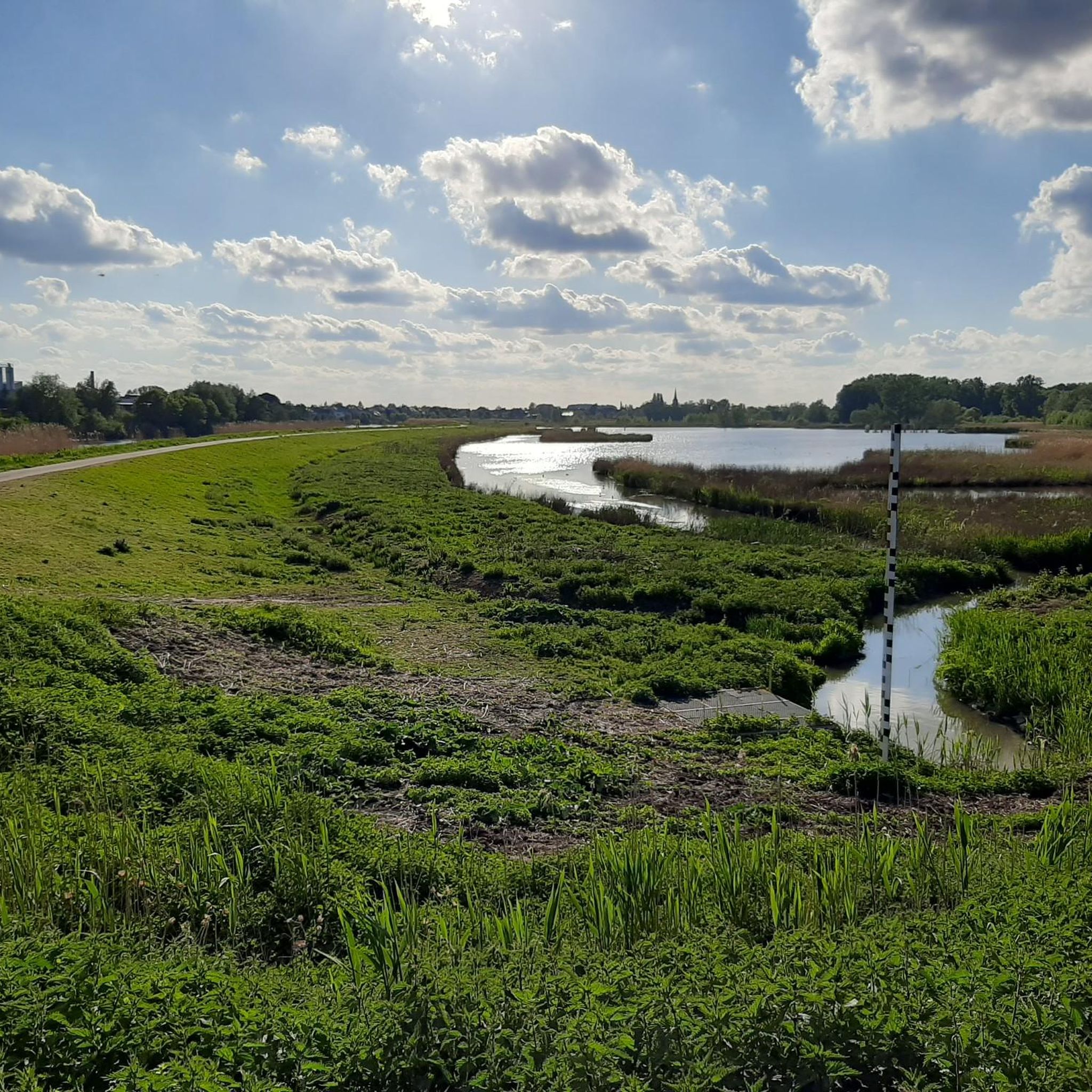
Yes, the Damvallei Lake is a beautiful and quiet nature reserve near Ghent, offering excellent opportunities for nature walks. It's a low moor ecosystem with marked walking routes that take you past flowery, moist hay meadows, peat pits, and willow and alder thickets. It's also a great spot for bird spotting, with diverse reed and swamp vegetation attracting various wildlife.
Are dogs allowed on the trails around Wichelen's natural monuments?
While specific dog policies can vary by individual reserve, many natural areas in Wichelen, including parts of the Kalkense Meersen and woodlands like the Aelmoeseneiebos, generally welcome dogs, often requiring them to be on a leash. It's always advisable to check local signage or specific reserve guidelines for the most up-to-date information on dog policies.
What is the <a href="https://www.komoot.com/highlight/3010208" target="_blank" rel="noopener">Duck Decoy and Keeper's Cottage Donkmeer</a>?
The Duck Decoy and Keeper's Cottage Donkmeer is a historical site located on an island in the Donkmeer, dating back to 1678. Originally used for catching ducks, it is now a protected natural monument and an open-air museum. It serves as a home for ducks, herons, and storks, and visitors can learn about its history and the work of the 'cage man'. The site also features a petting zoo and a willow tunnel, making it a unique blend of history and nature.
Are there any viewpoints to enjoy the natural scenery in Wichelen?
Yes, the Wichelen region offers several spots for scenic views. The Schelde dikes provide beautiful panoramic views over the landscape, especially along the Scheldebochten. The Meandering Old Scheldt features a new lookout tower specifically designed to offer views of the old meander and its birdlife. These locations allow you to appreciate the river's natural beauty and the surrounding tranquil environment.
What are the main characteristics of the Kalkense Meersen?
The Kalkense Meersen is an expansive nature reserve, approximately 950 hectares, characterized by a dynamic interplay of land and water, shaped by the Schelde river. It features diverse ecosystems including flower-rich grasslands, waterways, and forest areas. Known for its tranquility, it's a haven for bird species and grazing Galloway cattle. The area also showcases 'willow art' and offers extensive hiking and cycling routes, providing beautiful panoramic views from the Schelde dikes.
Most popular routes around Wichelen
Most popular attractions around Wichelen

Get inspired with the komoot mobile app


Explore more
Extend your search for the best caves by checking out these guides of the top ones around Wichelen:
