Top 20 Natural Monuments around Waasmunster
Best natural monuments around Waasmunster include a diverse range of natural areas shaped by the Durme river and a distinct cuesta landscape. This region in East Flanders, Belgium, offers various ecological and geological features. Visitors can explore river valleys, wetlands, and unique topographical formations. These areas provide opportunities to experience the local natural heritage.
Best natural monuments around Waasmunster
- The most popular natural monuments is Oude Durme Nature Reserve, a river and nature reserve that spans 3 hectares on…
Last updated: October 2, 2026
Duck Decoy and Keeper's Cottage Donkmeer
Highlight • Historical Site
Translated by Google •
Tip by

Oude Durme Nature Reserve
Highlight (Segment) • Natural
Translated by Google •
Tip by

Sign up now to discover places like this
Get recommendations on the best single tracks, peaks, & plenty of other exciting outdoor places.
Hingenewiel
Highlight • Lake
Translated by Google •
Tip by
Observation tower in the Boudelo Foundation
Highlight • Viewpoint
Translated by Google •
Tip by

The Washed-Out Pit - Grootbroek
Highlight • Lake
Translated by Google •
Tip by
Sign up for free to discover even more natural monuments around Waasmunster.
Already have an account?
Start today with a free account
Your next adventure awaits.

Other adventures around Waasmunster

Tips from the Community

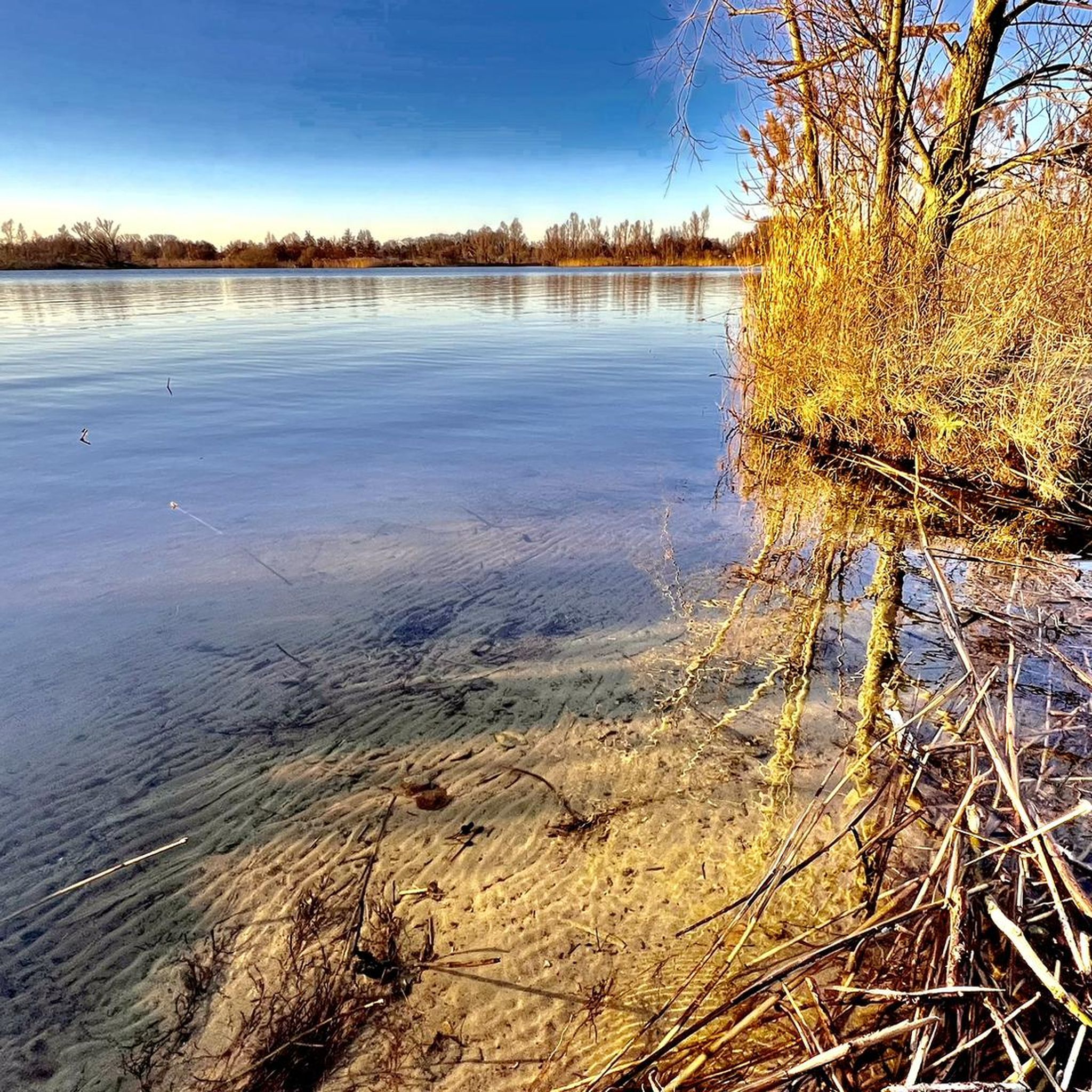
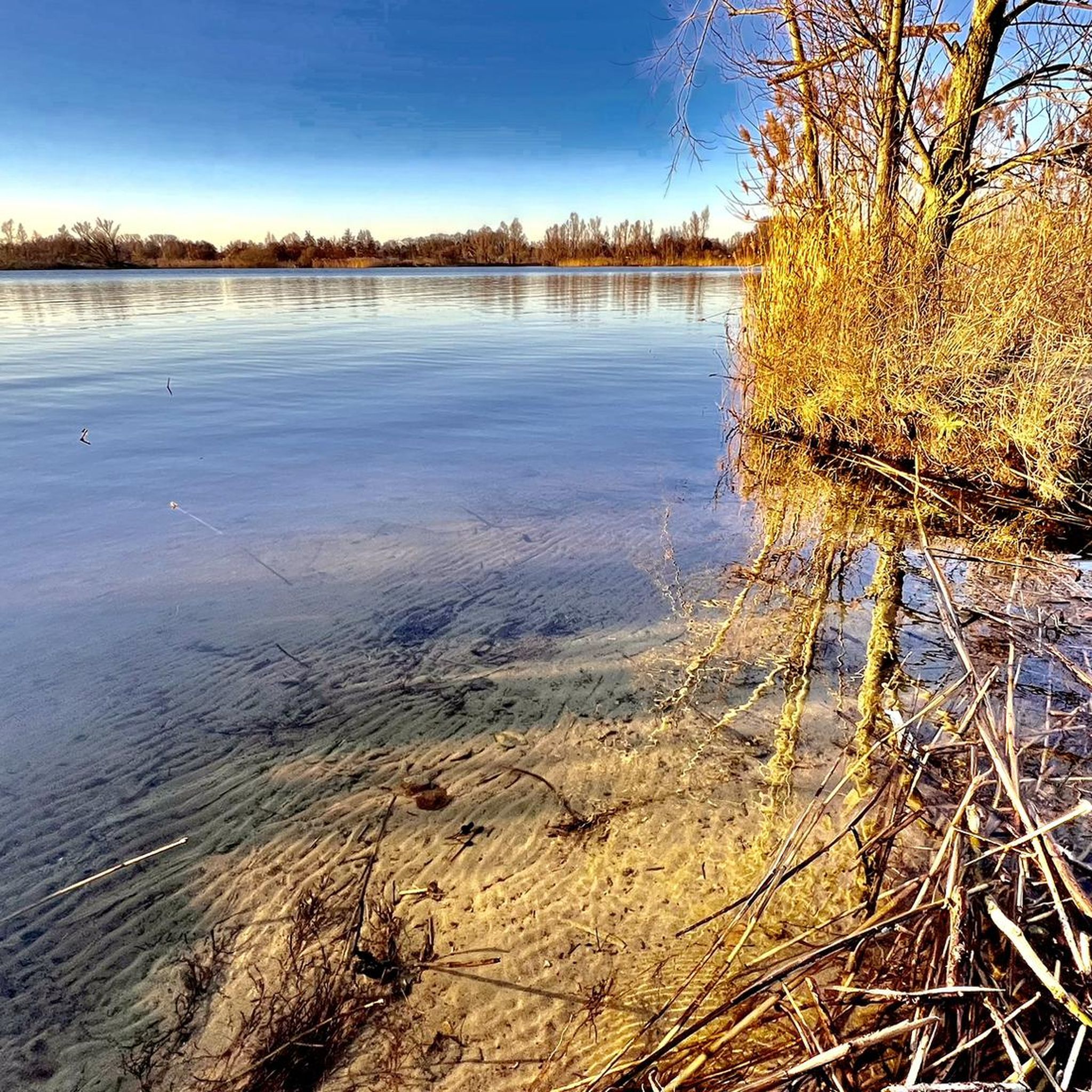
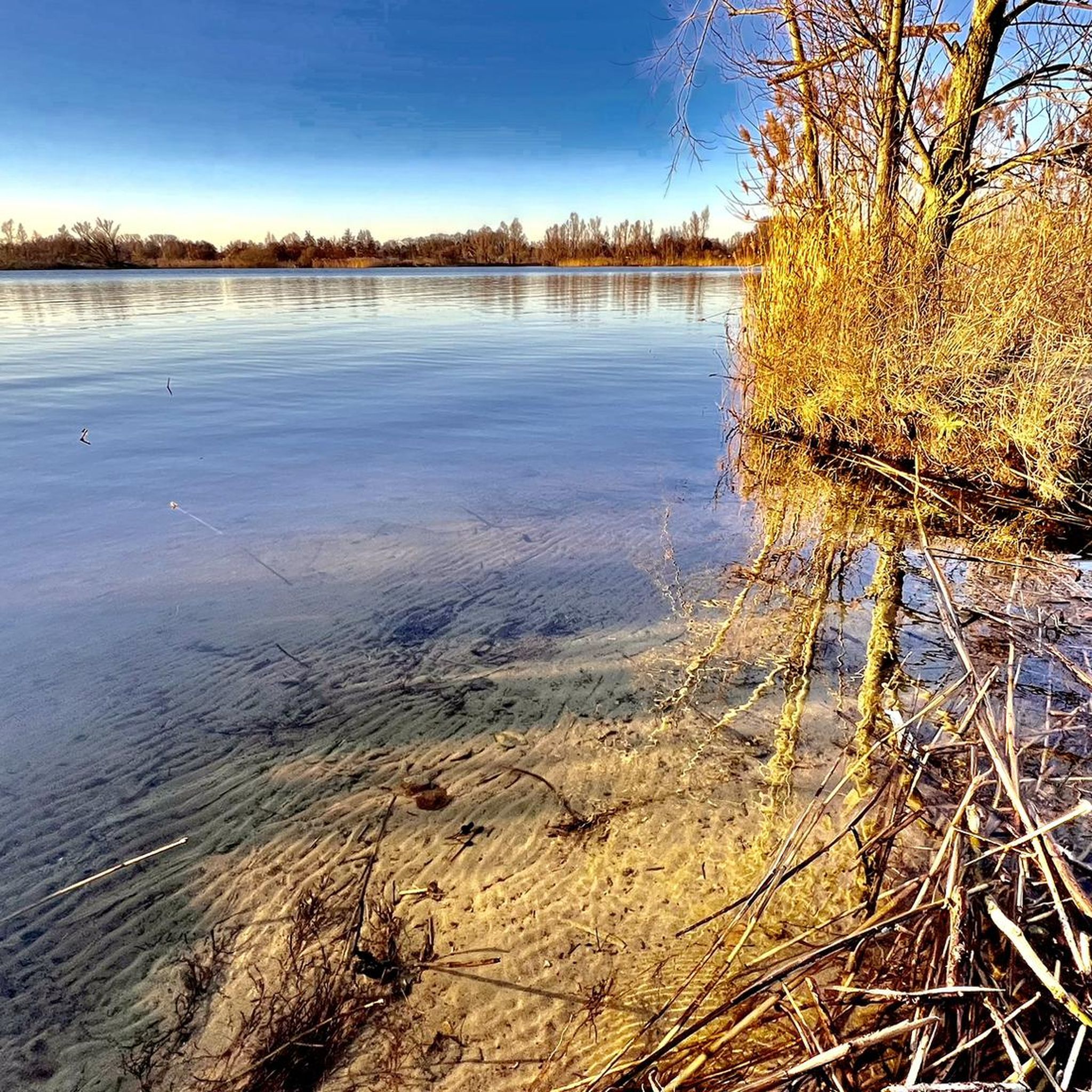
The Gespoelde Put in Moerzeke (Hamme) is a historic fishing pond and nature reserve that originated after a catastrophic dike breach. Topographically, the pond is a so-called 'wiel' or 'kreek'. The fishing pond is a so-called wiel or kolk. This is a typical relic of a historical flood. Today, the pond, together with the surrounding polder of the Grootbroek, forms a valuable nature and hiking area managed within the Scheldt Valley. More info at https://www.effenweg.be/events/hamme---gespoelde-put-en-grootbroek-7-5-km
0
0

The lookout tower in the Fondatie van Boudelo nature reserve is a design by the young architectural firm Baeten Hylebos Architecten. The tower stands diagonally relative to the avenue amidst the undergrowth, a few meters from the path. In the Architecture Book Flanders N°14 (2021), it is poetically described as follows: In the doorway "light seeps in through the cracks of the planked walls and falls onto a staircase that winds invitingly around the central column. The walk upwards already offers, here and there, some perspectives on the surrounding natural beauty. For this purpose, the planks of the wall conveniently lie in a horizontal articulation. At the top of the stairs, the true reward awaits: an impressive tableau of fields, ponds, forests, birds, and if you're lucky, a leap of deer."
3
0

The wheel is privately owned, but you walk right past it (on the Victor De Witstraat). No one knows for sure how the Hingenewiel was formed. We know that the Spierenbroek flooded around 1552. After failed attempts to close the Spierenbroekgat, the other polders flooded in November 1554, because the pladderdijk broke. We suspect that this is how the Hingenewiel was formed. A pladderdijk is a cross dike that runs from the stream through the polder (so not along the river). This large wheel was originally even larger, probably the Ketelwiel used to be part of this wheel. In the middle of this wheel was an island with a tower on it. The Hingenewiel became smaller due to natural silting up. Kingfisher, grebe, coot, moorhen, gadwall and shelduck breed here, among other things. But you can also admire fire damselfly, ostrich fern and yellow water lily here. (Regional Landscape Schelde-Durme)
11
0
The pond is a paid fishing spot (the price to fish on the flushed pond is €4 per day). It reaches depths of up to 4 meters and is regularly used for competitions. The flushed pond is primarily populated by carp. You can enjoy walks in the surrounding area, including nature walks and/or walks along the Scheldt dike.
15
0
The redevelopment of the duck decoy is part of the Berlare Broek-Donkmeer nature development project. This project fits in with the vision of the Berlare municipal council to give the popular Donkmeer and its surroundings a contemporary look. The site of the duck decoy was given a thorough makeover. It was redeveloped with respect for the most vulnerable zones and remains open to the public. (Public space database)
15
0
The small white building near the duck decoy, the cage house, was never a home, but the decoy man could warm himself by the fireplace, store his maintenance materials, temporarily store the captured ducks and possibly also spend the night in a sleeping alcove during a busy fishing period. This cage house burned down in 1995 and was rebuilt in 1997. On an old picture card, depicted on the information board against the wall of the house, published around 1913, we see the cage man Sander Goossens with his dog at the then cage house. The huge poplar near this cage house served as a beacon in the landscape: this way, flying ducks that had previously stayed here could recognize this place from afar. Source: information board on site
10
0
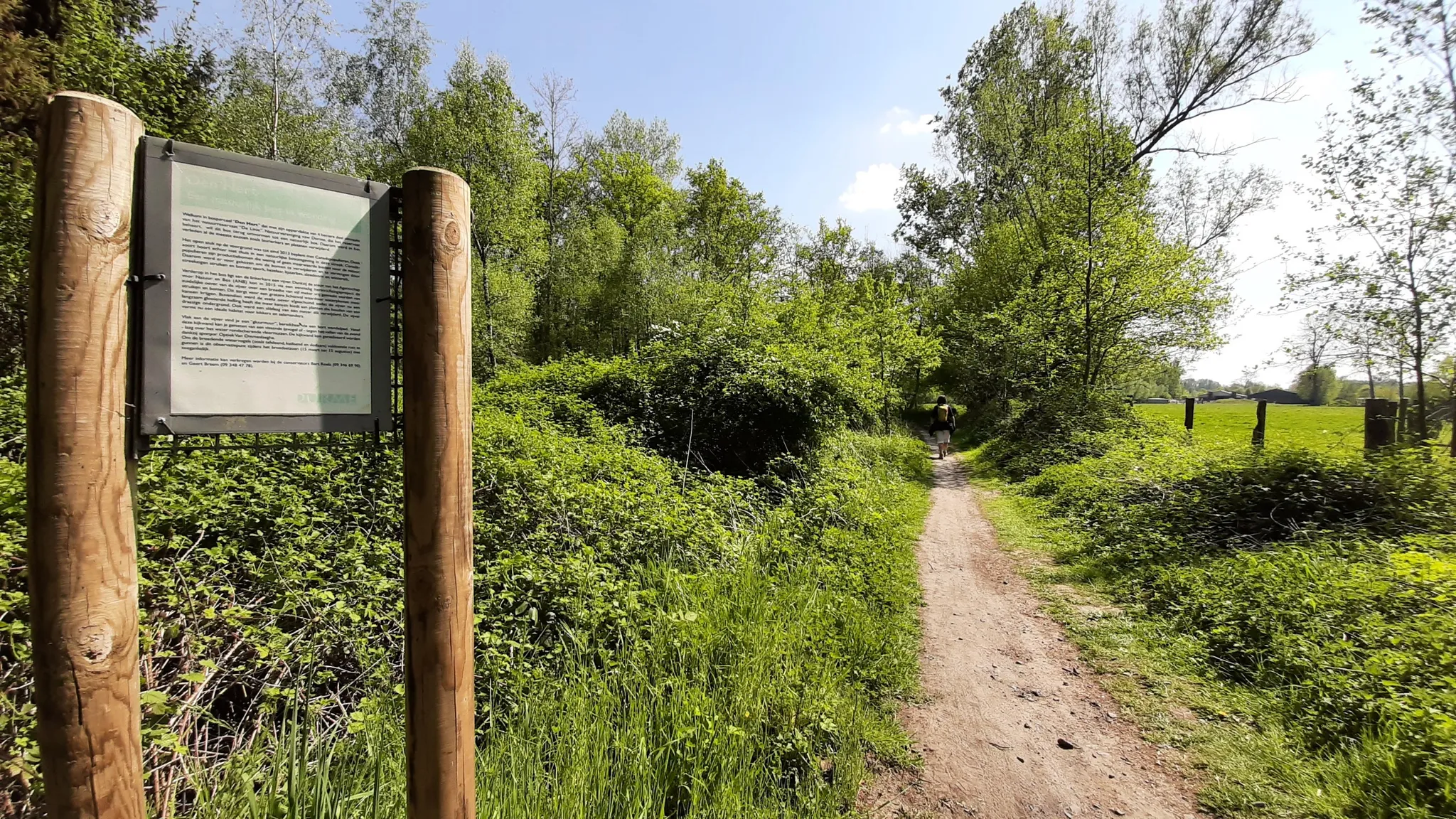
The Oude Durme is a young nature reserve of 3 hectares on the right bank of the Durme, between the village centers of Waasmunster and Hamme. The last reed cutters in our country were active in the reed fields here until after 1960. The reeds they cut here were used to make mats and cover roofs. Even though the professional activity has disappeared, some of the reed fields are still mowed as part of nature management. This gives other, often rare plant species such as the spider marigold the opportunity to grow. (Routen.be)
14
0

De Oude Durme is an oxbow lake of the Durme and a fairly young, three hectare nature reserve on the right bank of the Durme. It lies between the two villages of Waasmunster and Hamme. If you were to get into a time machine and go back just a few decades, you could see reed cutters. This was a real profession until the 1960s. The cut reeds were used to make mats or cover roofs. Even though professional management has ceased, some of the reed areas continue to be mown in order to preserve this unique cultural landscape. This creates space for other, often rare plant species such as the spindle tuber, which would otherwise have no chance against the fast-growing shill.
9
0
Frequently Asked Questions
What unique natural features can I explore around Waasmunster?
Waasmunster is known for its diverse natural landscape, including the picturesque Durme River Valley with its dikes and meadows, and a distinct cuesta landscape featuring sandy ridges and slopes. You can also find unique source areas in the Durme valley, particularly around Sombeke, known for rare spring flora.
Are there family-friendly natural monuments in the Waasmunster area?
Yes, several natural monuments are suitable for families. The Oude Durme Nature Reserve offers easy walks, and Hingenewiel is a beautiful lake where children can observe birds. The Duck Decoy and Keeper's Cottage Donkmeer is an open-air museum with a petting zoo, making it an engaging historical and natural site for all ages. Additionally, the Nature Education Center Bastion VIII is designed for experiencing nature up close.
What kind of wildlife can I expect to see in the natural monuments around Waasmunster?
The natural areas around Waasmunster are rich in wildlife. The Durme River Valley is a haven for waterfowl, especially in winter, including wild ducks, shelducks, blue herons, and coots. At Hingenewiel, you might spot kingfishers, grebes, and fire damselflies. The Duck Decoy and Keeper's Cottage Donkmeer is home to ducks, herons, and storks. De Vaag forest also attracts sand bees and various insects.
What historical natural monuments can I visit near Waasmunster?
The Duck Decoy and Keeper's Cottage Donkmeer is a historical site dating back to 1678, originally used for catching ducks and now an open-air museum. The Nature Education Center Bastion VIII was once part of a defensive belt around the city. Additionally, Haasdonk Fort, built between 1908 and 1913, is a protected natural monument with an accessible walking path around its moat.
When is the best time to visit the natural monuments around Waasmunster?
The natural monuments around Waasmunster offer different experiences throughout the year. For observing waterfowl, winter is an excellent time, especially in the Durme River Valley. To witness unique and colorful spring vegetation, particularly rare plants like slender primrose and wood anemone, visit the source areas around Sombeke from mid-March to late April.
Are there opportunities for hiking or walking near these natural monuments?
Yes, the region offers numerous opportunities for hiking and walking. The Durme River Valley and its dikes provide pleasant routes. You can find various running trails around Waasmunster, including the 'Old Durme Gravel Path – View of the Oude Durme River loop from Waasmunster' which is a moderate 14.8 km route. For more options, explore the Running Trails around Waasmunster guide.
Can I cycle through the natural areas of Waasmunster?
Absolutely. The Durme River Valley is popular with cyclists, offering scenic routes. You can find several cycling routes around Waasmunster, such as the 'Waasmunster and Lokeren Cycle Route' which is a moderate 35 km ride. For gravel biking enthusiasts, there's the 'Mira Bridge – Old Durme Gravel Path loop from Zele', a moderate 48.5 km route. Discover more options in the Cycling around Waasmunster guide and the Gravel biking around Waasmunster guide.
What is the Cuesta Landscape and where can I experience it?
The Cuesta Landscape in Waasmunster is a unique geological formation where a sandy ridge, reaching 30 to 35 meters in height, transitions into a short steep slope and then a long gentle slope towards the Durme valley. This varied terrain provides a distinct experience for hikers and cyclists, allowing them to feel the difference in soil. The deep bed of the E17 motorway also offers a clear view of this undulation.
What is De Vaag and what activities can I do there?
De Vaag is a 9-hectare forest complex in Waasmunster, managed as a play and walking forest. It's a place where efforts are made to preserve heather remnants, and open sandy areas attract unique plants and animals like sand bees. There's also a play and camping meadow with a fire pit, making it suitable for youth groups and families looking for recreational activities in nature.
Are there any viewpoints to enjoy the natural scenery?
Yes, the Oude Durme Nature Reserve offers scenic views of the river and its surroundings. The dikes along the Durme River Valley also provide excellent vantage points to observe the picturesque landscape and the diverse flora and fauna.
What do visitors particularly enjoy about the natural monuments around Waasmunster?
Visitors appreciate the tranquility and natural beauty of the area. Many enjoy the well-maintained walking paths, the opportunity to observe diverse birdlife, and the unique blend of natural and historical sites. The Oude Durme Nature Reserve is particularly popular for walking, with many routes available.
Are there any natural areas near Waasmunster known for rare plants?
Yes, the source areas in the Durme Valley, particularly around Sombeke, are known for their unique and colorful spring vegetation. These biotopes host rare plants such as slender primrose, yellow archangel, moschatel, marsh cress, and wood anemone. The Vlaszakbronbos and Dommelbronbos are peaty forests in Sombeke with moist soil and beautiful spring flora.
Most popular routes around Waasmunster
Most popular attractions around Waasmunster

Get inspired with the komoot mobile app


Explore more
Extend your search for the best caves by checking out these guides of the top ones around Waasmunster:
