Top 20 Natural Monuments around Blegny
Natural monuments around Blegny, a municipality in the Belgian province of Liège, offer diverse outdoor experiences. The region features a unique blend of industrial heritage transformed into natural biotopes and serene nature reserves. Visitors can explore landscapes shaped by both human activity and natural processes, providing opportunities for walks and observation. The area provides a variety of natural attractions for exploration.
Best natural monuments around Blegny
- The most popular natural monuments is Observation Bunker MN18 and Knuppelstock Orientation Table,…
Last updated: August 8, 2026
Observation Bunker MN18 and Knuppelstock Orientation Table
Highlight • Historical Site
Translated by Google •
Tip by

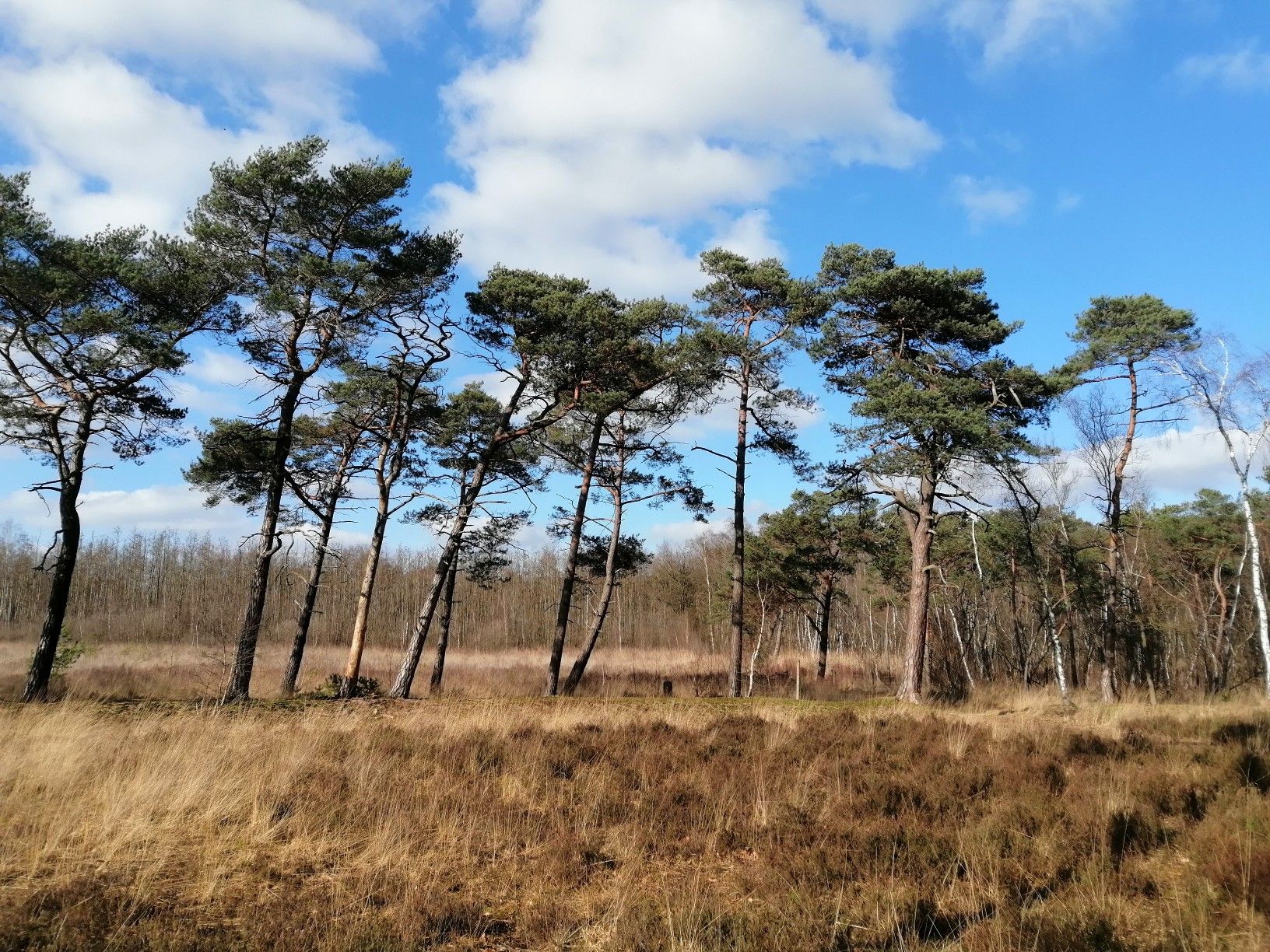
Broekbos Nature Reserve
Highlight • Forest
Translated by Google •
Tip by

Sign up now to discover places like this
Get recommendations on the best single tracks, peaks, & plenty of other exciting outdoor places.
Sign up for free
Thier des Vignes Flint Caves
Highlight • Cave
Source: mini-ardenne.be/poi.card.php?id=6036&language=fr
Translated by Google •
Tip by

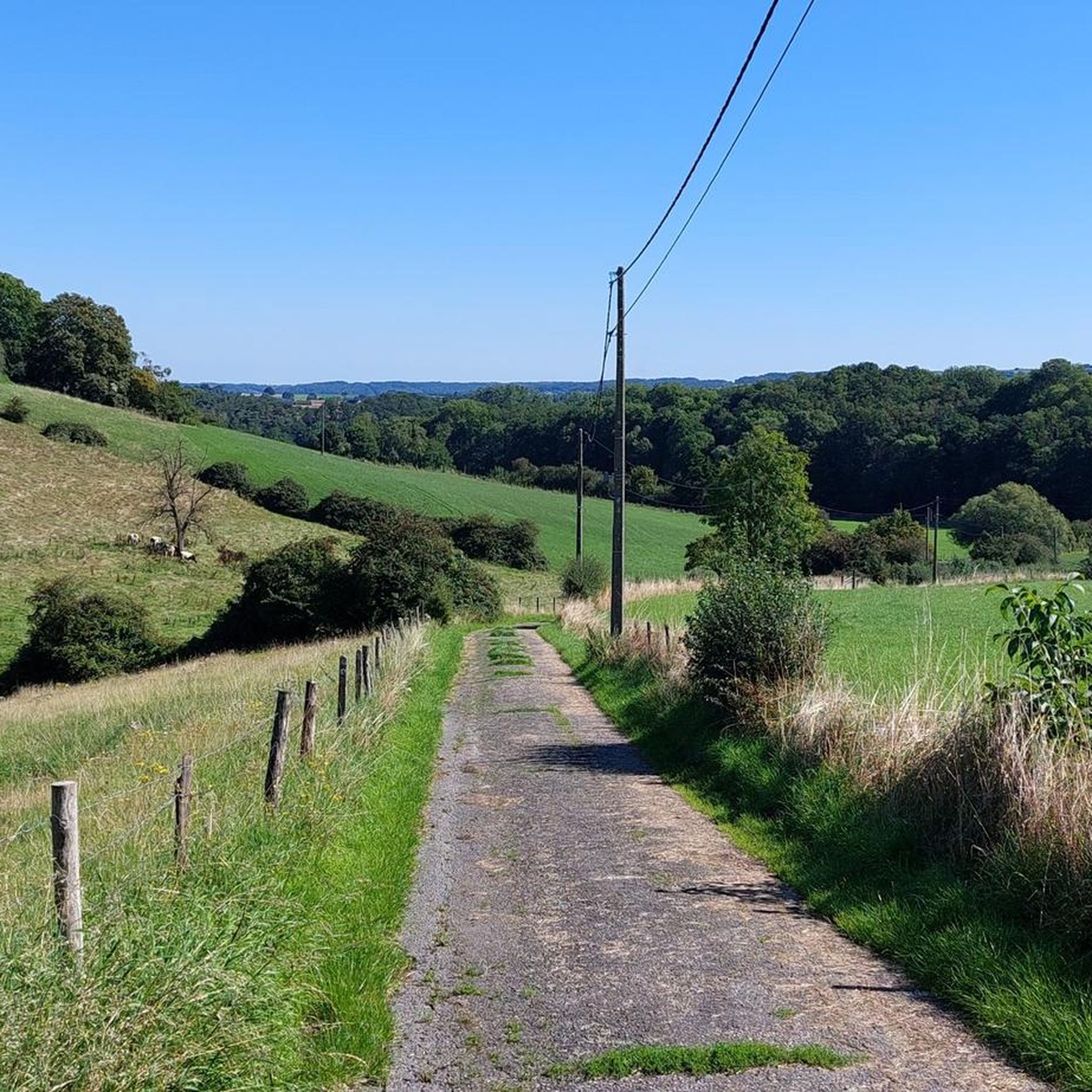
Trail through Veursbos Valley
Highlight • Forest
Translated by Google •
Tip by

Rijckholt Prehistoric Flint Mine
Highlight • Historical Site
Translated by Google •
Tip by
Sign up for free to discover even more natural monuments around Blegny.
Sign up for free
Already have an account?
Start today with a free account
Your next adventure awaits.
Login or Signup

Other adventures around Blegny

Tips from the Community

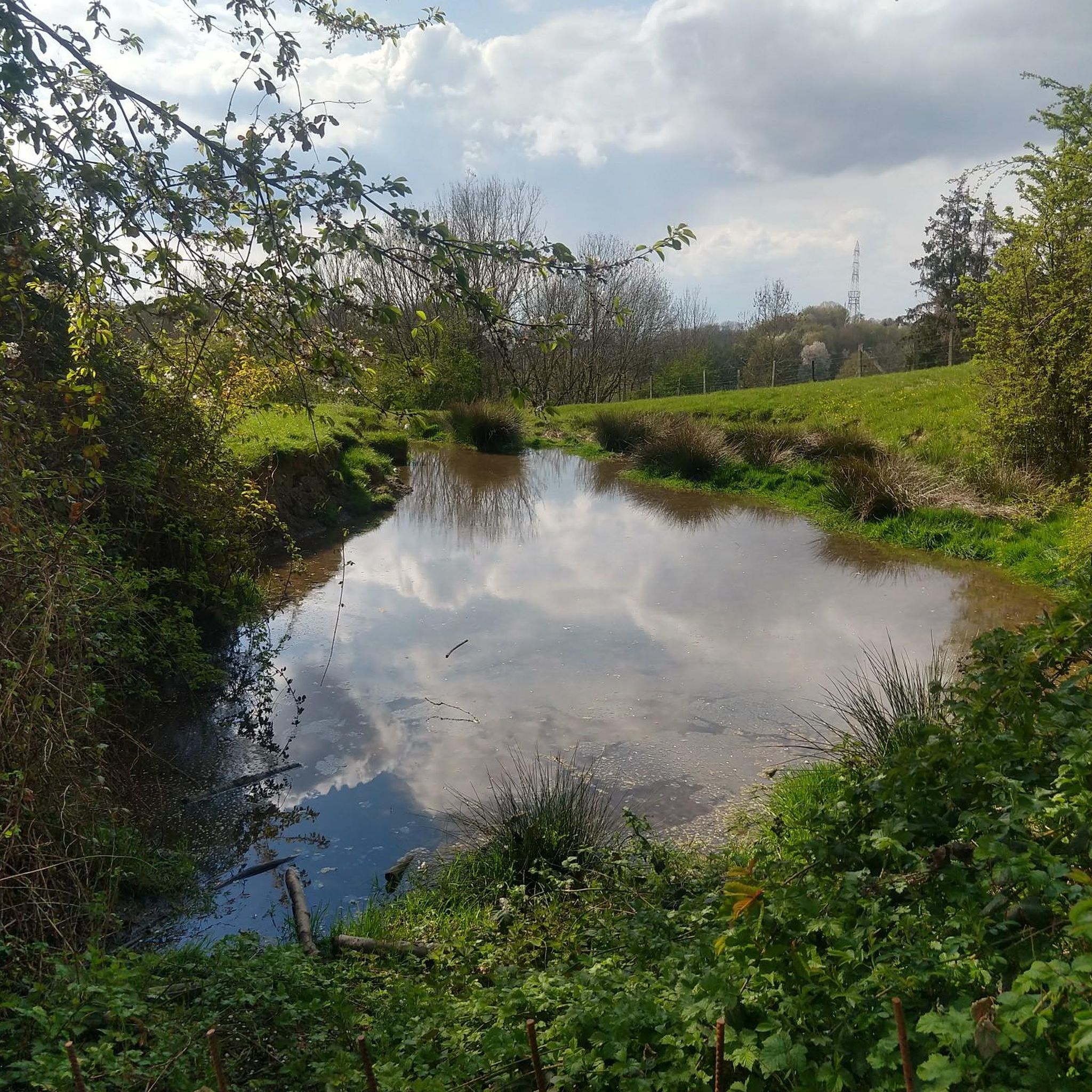
It's a typical Voeren hillside forest with a mix of deciduous trees and humid zones, and together with the surrounding forests, it forms a valuable ecological whole. It is managed by the Agency for Nature and Forests.
9
0

Broekbos is a valuable nature reserve in the Belgian Voer region, known for its rich biodiversity and serene atmosphere. The woodland consists of moist lowlands of old deciduous trees and small streams that together form a natural ecosystem supporting rare plants and animal species. The reserve is a paradise for hikers, birdwatchers, and nature lovers seeking tranquility and an authentic experience of the Voer landscape. The presence of wet grasslands and marshy areas makes Broekbos an important refuge for amphibians, insects, and birds. The walking path through the forest winds past these natural features and offers varied views, from sunny open spaces to densely vegetated, shady areas. Historical features such as old hedgerows and field crosses recall the traditional use of the landscape by the local population.
3
0
The MN18 Observation Bunker is part of the first line of defense of the Position Fortifiée de Liège (PFL), a network of bunkers built in the 1930s to defend Belgium against a German invasion. MN18 was the 18th bunker in the Margarins-Neufchâteau sector and equipped with an FM turret, recognizable by its tapered shape. During the German attack in May 1940, the bunker was destroyed by a 50 kg shaped charge placed on top of the turret, just where the periscope was located. The damage is still visible, making MN18 a tangible reminder of World War II. Right next to the bunker is the Knuppelstock orientation table, an impressive work of blue limestone with a diameter of 1.5 meters and weighing approximately one ton. The relief of the surrounding landscape is engraved on it based on data from the National Geographic Institute, with bronze details indicating the visible points. The table is also accessible for the visually impaired thanks to its tactile elements. The project, carried out by local organizations such as Qualité-Village-Wallonie and the municipality of Aubel, is unique in Belgium.
10
0

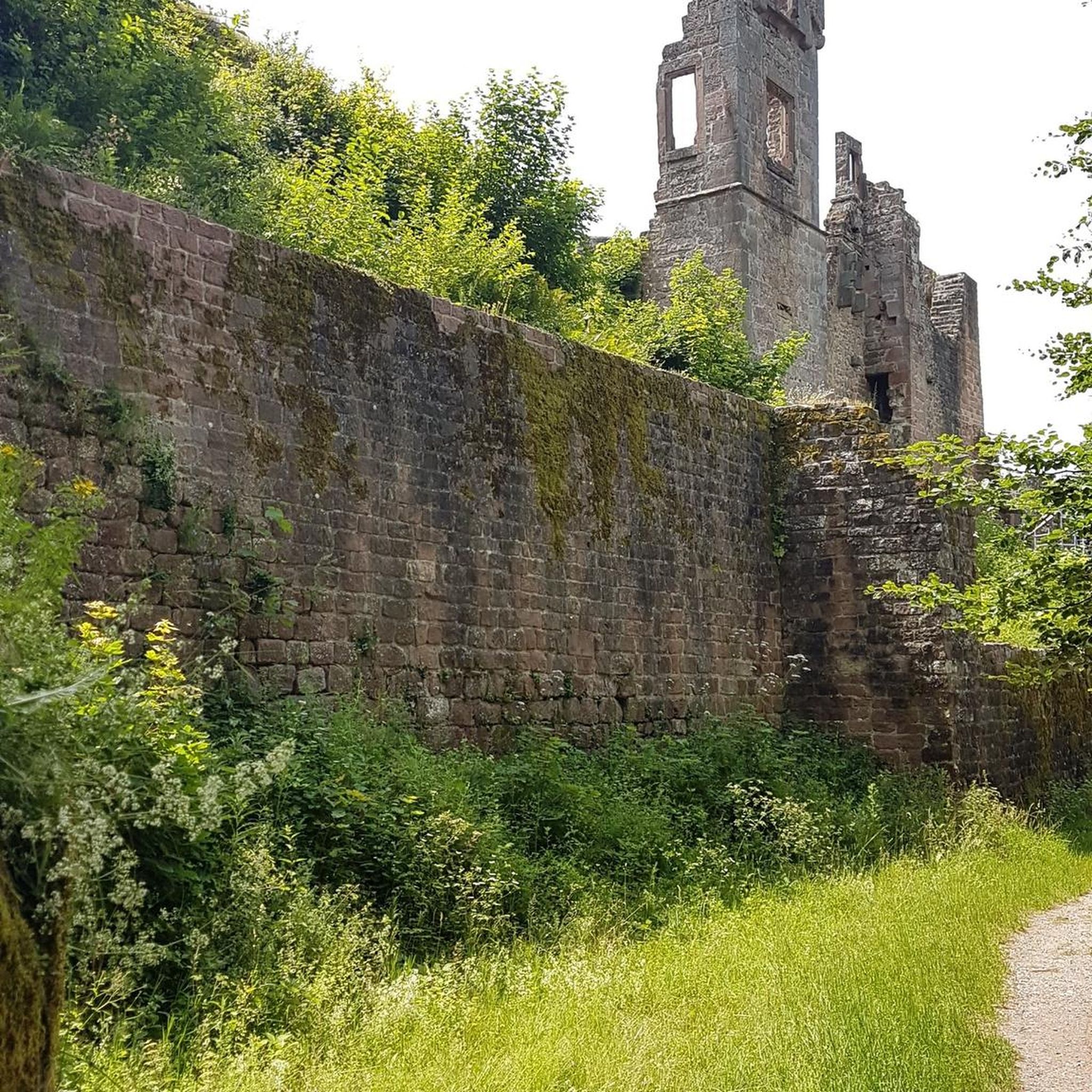
There are old flint quarries in this area: the “Carrières de silex du Thier des Vignes”.
1
0
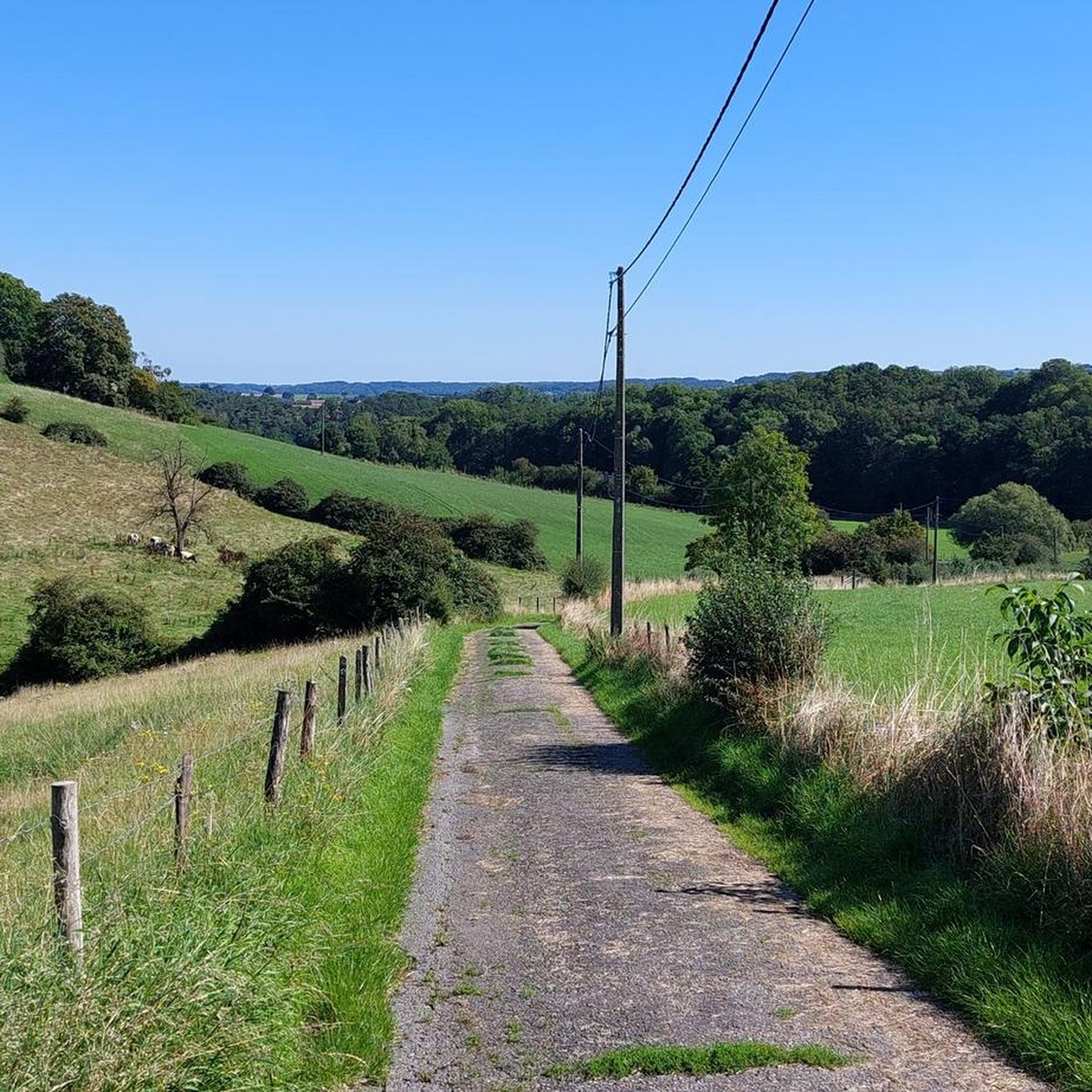
..a sloping stony path with many beautiful views.
4
0
A sloping forest and reserve for old trees, with a beautiful narrow walking path.
10
0
At this point, history and landscape converge. The MN18 observation bunker, a silent witness to the Second World War, still stands as a reminder of a turbulent period. From the bunker, you also have a unique view of the surrounding hilly landscape. Next to the bunker is the Knuppelstock orientation table, a platform that indicates the names and directions of villages, hills, and landmarks in the area. It's an ideal spot to get to know the region better and to enjoy a panoramic view of the border area between the Netherlands and Belgium.
3
0
A mysterious flint cave on the edge of the Albert Canal, near the locks at Klein Ternaaien. You reach the entrance via a steep path through the woods. The caves are dark, cool, and full of atmosphere—perfect for those who love hidden natural spaces. Bring a flashlight and good walking shoes!
2
0
Frequently Asked Questions
What unique natural monuments can I explore around Blegny?
The region around Blegny offers a fascinating mix of natural and historically significant sites. You can visit the unique Slag Heap Biotope at Blegny-Mine, where nature has reclaimed an industrial landscape, or explore the serene Nature Reserve at Val-Dieu Abbey. Other notable sites include the Thier des Vignes Flint Caves, a series of ancient flint caves, and the Broekbos Nature Reserve, a forest where nature is allowed to thrive undisturbed.
Are there natural monuments with historical significance near Blegny?
Yes, several natural monuments in the area have strong historical ties. The Slag Heap Biotope at Blegny-Mine is part of a UNESCO World Heritage site, showcasing nature's resilience on a former mining landscape. The Thier des Vignes Flint Caves are very old, with evidence of chalk mining. Additionally, the Observation Bunker MN18 and Knuppelstock Orientation Table combines a historical bunker from the Fortified Position of Liège with a panoramic viewpoint.
What kind of natural features can I expect to see in the Blegny area?
The natural monuments around Blegny feature diverse landscapes. You'll find unique biotopes on former industrial sites, serene nature reserves with ponds and wet meadows, and ancient flint caves. There are also protected forests like the Broekbos Nature Reserve and scenic valleys such as the Trail through Veursbos Valley, offering opportunities to observe local flora and fauna.
Are there family-friendly natural monuments around Blegny?
Absolutely! The Observation Bunker MN18 and Knuppelstock Orientation Table is considered family-friendly, offering historical context and panoramic views. The Slag Heap Biotope at Blegny-Mine features a 1 km trail with didactic panels and an audioguide, making it an educational and engaging experience for families. The Broekbos Nature Reserve also provides a gentle walking path suitable for families.
When is the best time to visit the natural monuments around Blegny?
The natural monuments around Blegny can be enjoyed throughout the year, but spring and autumn often offer the most pleasant conditions for outdoor exploration. In spring, you can witness the awakening of nature and vibrant flora, especially in areas like the Slag Heap Biotope. Autumn brings beautiful foliage. Summer is great for longer days, while winter offers a different, tranquil beauty, though some paths might be muddy.
What outdoor activities can I do near these natural monuments?
The area around Blegny is excellent for various outdoor activities. You can enjoy hiking on trails like the 'Devil's Path' in the Nature Reserve at Val-Dieu Abbey, or explore the hiking routes around Blegny. For cyclists, there are numerous road cycling routes that pass by natural attractions, and even mountain hikes for more challenging terrain.
Are there hiking trails near the natural monuments in Blegny?
Yes, there are many hiking opportunities. The Slag Heap Biotope at Blegny-Mine has a 1 km trail, and the Nature Reserve at Val-Dieu Abbey features marked paths, including the 'Devil's Path'. You can find a variety of hiking routes around Blegny, including moderate trails like the 'Dalhem Tunnel loop' or the 'View of Val-Dieu Abbey loop'.
Can I go cycling near the natural monuments in Blegny?
Absolutely. The region offers excellent cycling routes that allow you to discover the natural monuments. You can find various road cycling routes around Blegny, such as the 'Fort Battice – Abbey of Val-Dieu loop' or the 'Val-Dieu Abbey – Blegny Mine loop', which incorporate scenic natural areas.
What do visitors enjoy most about the natural monuments in Blegny?
Visitors frequently appreciate the unique blend of natural beauty and historical context. The panoramic views from sites like the Observation Bunker MN18 are highly rated. The resilience of nature at the Slag Heap Biotope and the tranquility of the Val-Dieu Abbey Nature Reserve are also popular. Many enjoy the well-maintained paths and the opportunity for educational walks, especially at the Thier des Vignes Flint Caves where exploring the shallow caves is a unique experience.
Where can I find more information about the biodiversity of the Blegny-Mine slag heap?
The Slag Heap Biotope at Blegny-Mine is a remarkable example of nature reclaiming an industrial site. For more detailed information about its diverse flora and fauna, including the various species of animals and plants that thrive there, you can visit the official tourism site: visitwallonia.com.
Are there any other notable historical flint mines or caves in the wider region?
Beyond the Thier des Vignes Flint Caves, the wider region also features the Rijckholt Prehistoric Flint Mine. This site offers a glimpse into how people 6,000 years ago extracted flint to create tools and arrowheads. Guided tours are available during specific periods, offering a deeper insight into this ancient industry.
Most popular routes around Blegny
Most popular attractions around Blegny

Get inspired with the komoot mobile app


Explore more
Extend your search for the best caves by checking out these guides of the top ones around Blegny:
