Top 5 Natural Monuments around Santa Maria Del Cedro
Best natural monuments around Santa Maria Del Cedro include a diverse range of geological features along Italy's "Riviera dei Cedri" in Calabria. This region is characterized by its rugged coastline, unique rock formations, and proximity to the Pollino National Park, a UNESCO Geosite. Visitors can explore caves, waterfalls, and river valleys that showcase the area's natural beauty. The landscape offers opportunities for outdoor exploration and appreciating the local environment.
Best natural monuments around Santa Maria Del Cedro
- The most popular natural monuments is San Ciriaco Cave, a cave that offers a deep feeling of inner peace. This mystical cave is where the sound of flowing water is amplified by walls carved by the Corvino River.
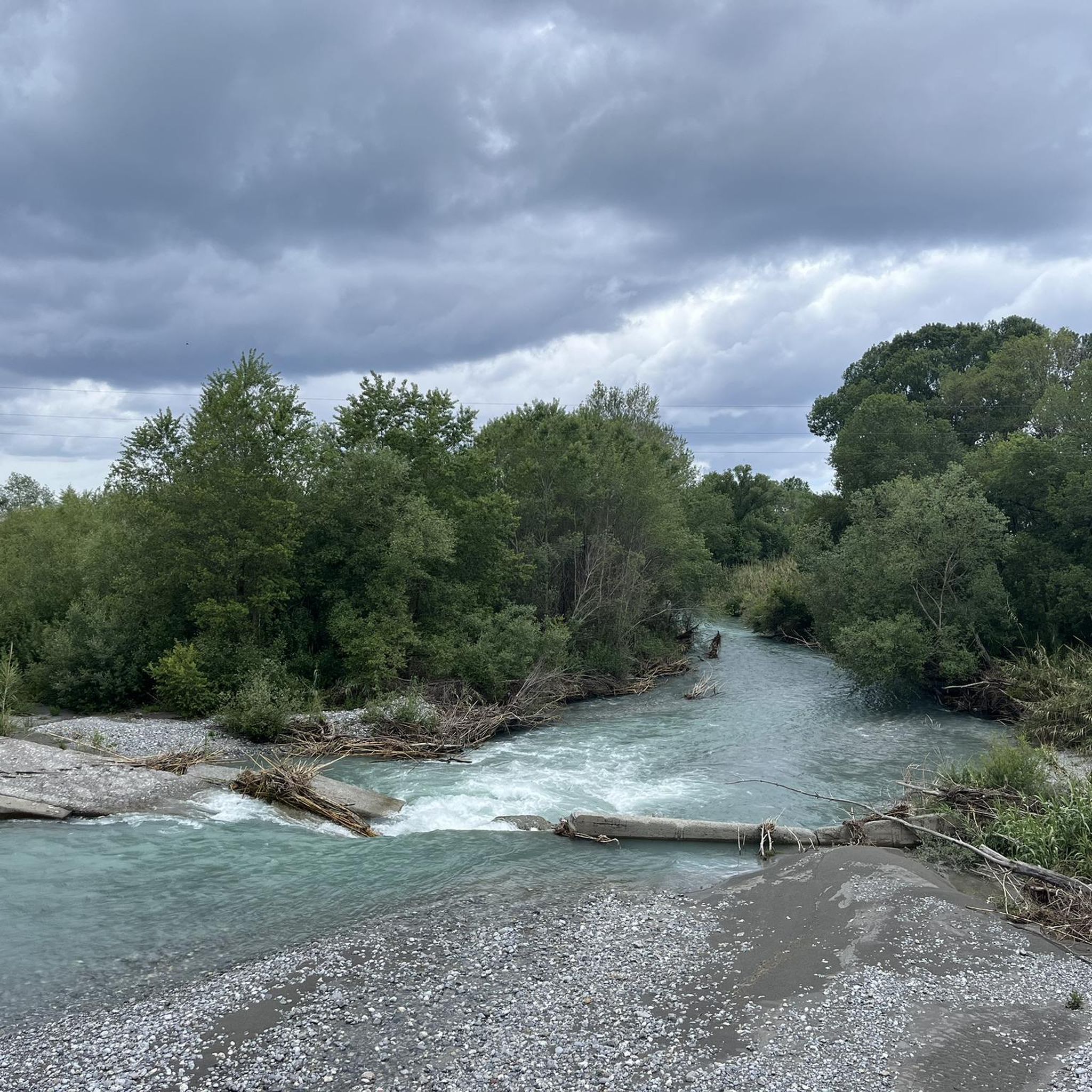
- Another must-see spot is Ficara Waterfall, a waterfall along the Argentino river. This suggestive waterfall is part of the Valle del Fiume Argentino nature reserve and is well-signposted.
- Visitors also love Valle del Fiume Argentino Nature Reserve, a nature reserve located in the heart of the Pollino National Park. Numerous paths branch off from this area, offering diverse exploration opportunities.
- Santa Maria Del Cedro is known for its caves, waterfalls, and river valleys. The region offers a variety of natural monuments to see and explore, from serene grottoes to expansive nature reserves.
- The natural monuments around Santa Maria Del Cedro are appreciated by the komoot community, with 22 photos and 24 upvotes highlighting their appeal.
Last updated: August 22, 2026
San Ciriaco Cave
Highlight • Cave
Translated by Google •
Tip by

Ficara Waterfall
Highlight • Waterfall
Translated by Google •
Tip by
Sign up now to discover places like this
Get recommendations on the best single tracks, peaks, & plenty of other exciting outdoor places.
Sign up for free
Madonna dell’Emigrato Cave
Highlight • Cave
Translated by Google •
Tip by

Valle del Fiume Argentino Nature Reserve
Highlight • River
Translated by Google •
Tip by

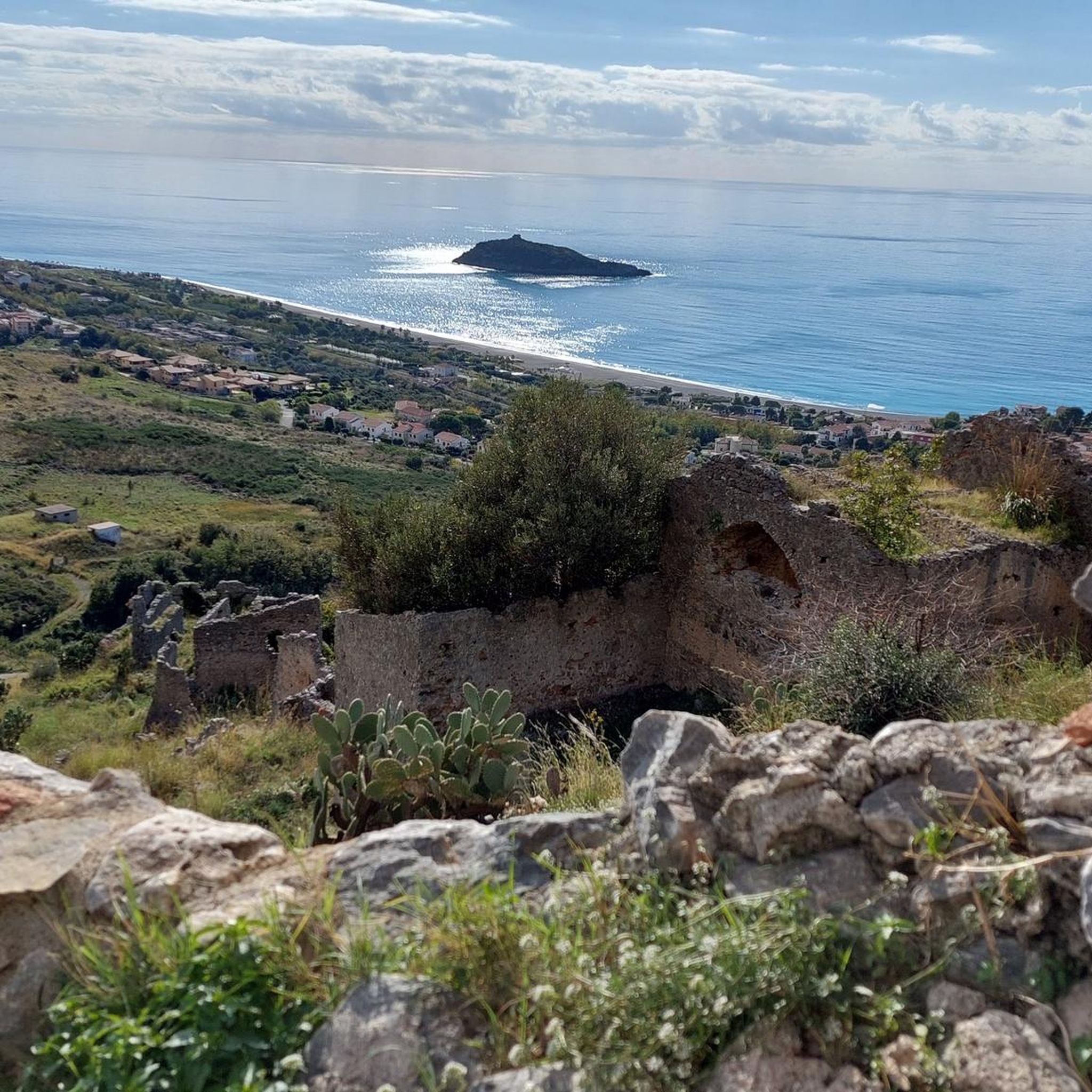
View of Isola di Cirella
Highlight • Viewpoint
It has an area of 0.12 km2 and a maximum height of 40 meters above sea level.
The typical Mediterranean maquis grows on the island and in the center there is an old watchtower from 1562.
In the seabed of the east side, rich in vegetation, the Posidonia oceanica grows and lives the Pinna nobilis, the largest mussel in the Mediterranean.
The island is easily accessible by boat as it is not far from the mainland.
Translated by Google •
Tip by

Start today with a free account
Your next adventure awaits.
Login or Signup
Tips from the Community

The Grotto of St. Cyriacus is the place where the saint prayed. A mystical and relaxing place where the sound of flowing water is amplified by the walls carved by the Corvino River, a natural spectacle.
0
0

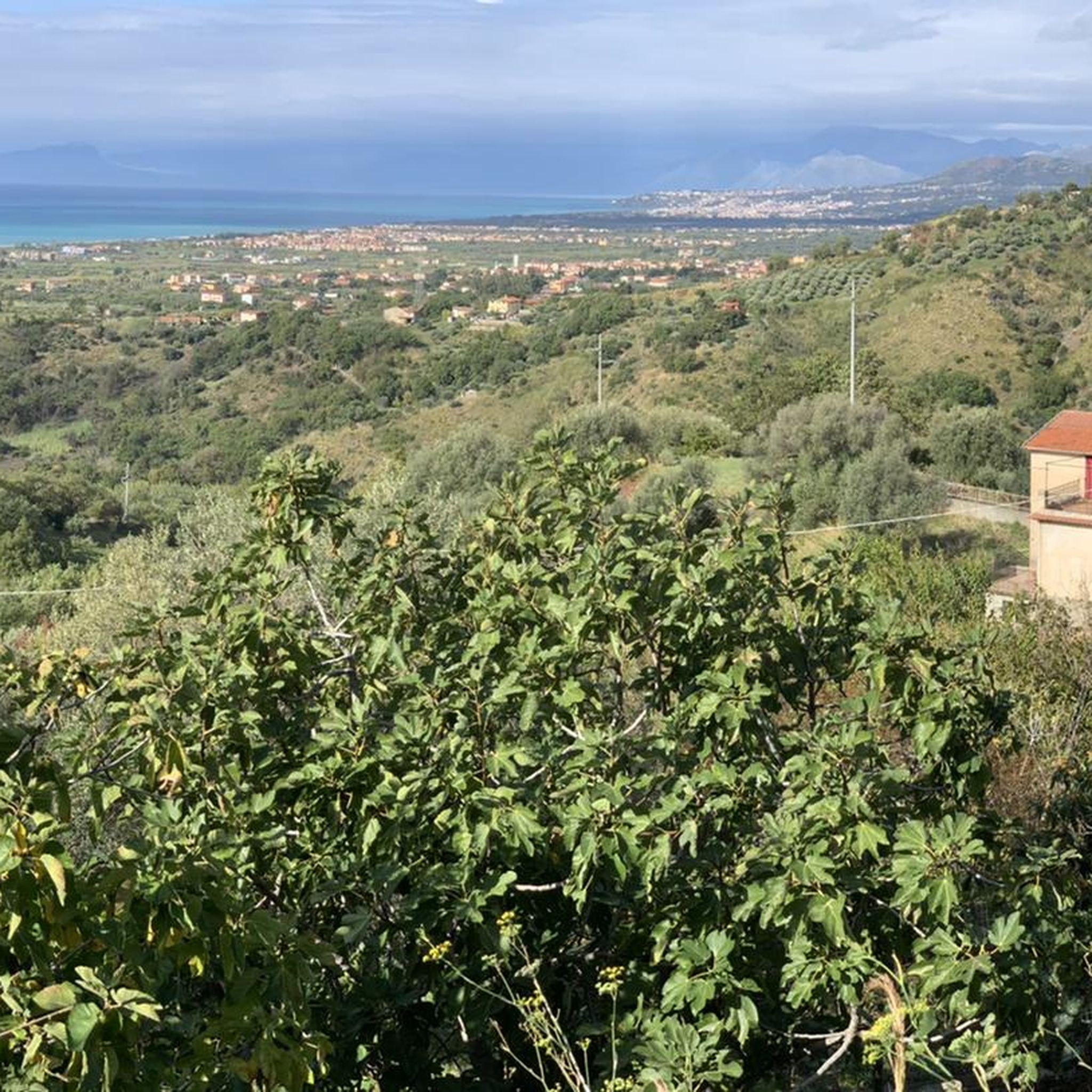
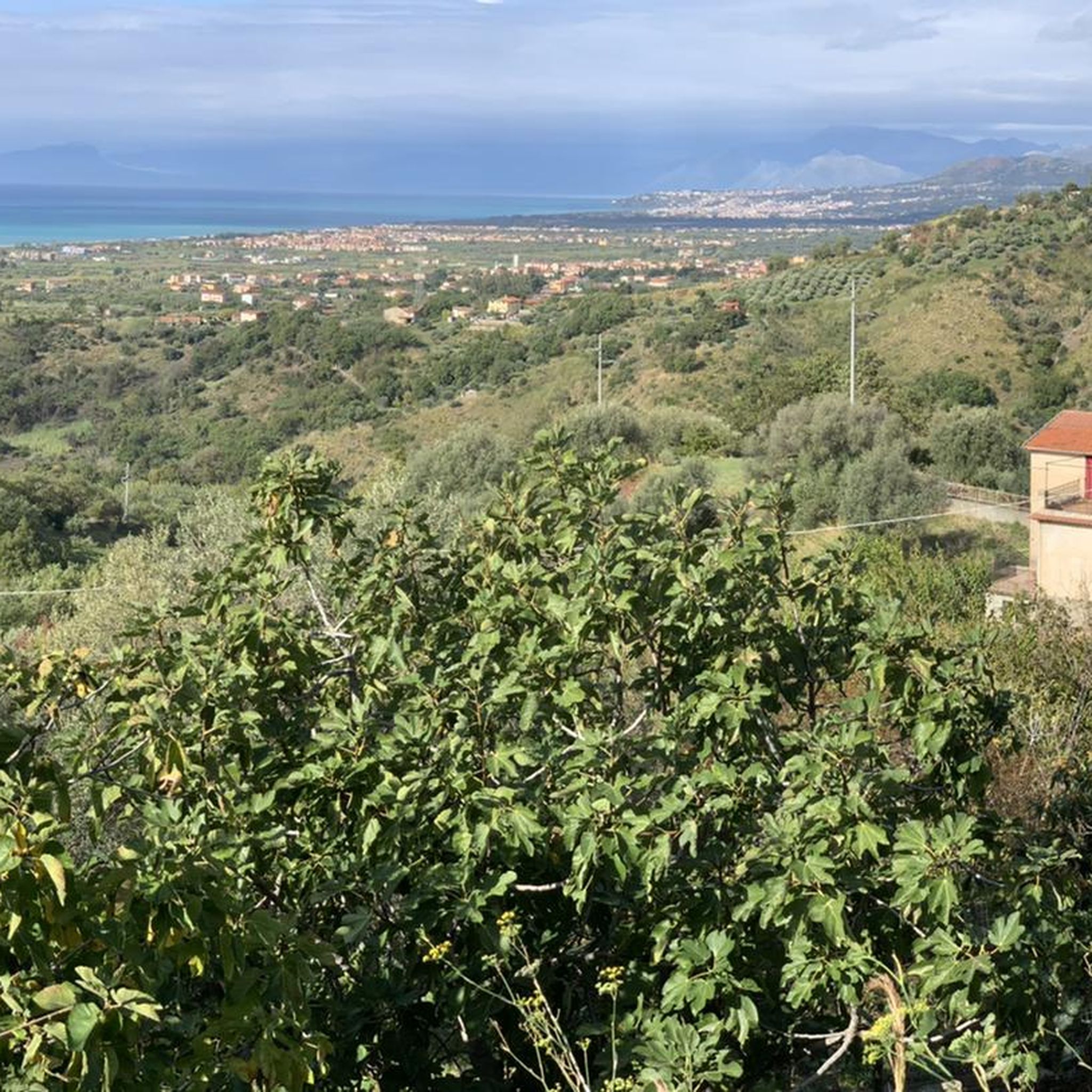
The Grota di San Ciarico offers a fantastic experience, even if the climb to Buonvicino is demanding. It is a magical cave, away from everything, which conveys a deep feeling of inner peace.
0
0

Nature reserve which is part of the municipality of Orsomarso and located in the heart of the Pollino National Park. Numerous paths branch off from here.
1
0

Ciriaco da Buonvicino, a priest and exorcist, is remembered with a pilgrimage to this cave every year on September 17th as in 2006 of the same year a rock had detached and fell into the city of Buonvicino, without any damage or injuries .
1
0
The Ficara waterfall is part of the Valle del Fiume Argentino nature reserve, and is fed by the water brought from the Ficara canal. In this area there are various animals, including roe deer, wild boars, foxes and hares.
4
0

The island is almost picturesque off the coast 🥰 It has an area of 0.12 km2 and a maximum height of 40 meters above sea level. The typical Mediterranean maquis grows on the island and in the center there is an old watchtower from 1562. In the seabed of the east side, rich in vegetation, the Posidonia oceanica grows and lives the Pinna nobilis, the largest mussel in the Mediterranean. The island is easily accessible by boat as it is not far from the mainland.
0
0
Prohibition of access and restrictions. Read and respect.
0
0
Suggestive waterfall along the Argentino river. it is accessed from the main road with a wooden bridge. Well signposted.
1
0
Frequently Asked Questions
What are some of the most popular natural monuments to visit near Santa Maria Del Cedro?
Visitors frequently enjoy the serene atmosphere of San Ciriaco Cave, where the sound of the Corvino River is amplified. Another favorite is Ficara Waterfall, a picturesque spot within the Valle del Fiume Argentino Nature Reserve. The impressive Valle del Fiume Argentino Nature Reserve itself is also highly regarded for its diverse exploration opportunities within the Pollino National Park.
Are there any unique geological features to explore in the area?
Absolutely. A prominent geological wonder nearby is the Arco Magno (Great Arch) in San Nicola Arcella. This magnificent natural arch, carved by centuries of sea and wind, spans approximately 50 meters and features a small, sheltered beach and the Grotta del Saraceno beneath it. It's a truly captivating sight, especially at sunset.
What is the best time of year to visit the natural monuments around Santa Maria Del Cedro?
The best time to visit is typically during the spring (April-June) and early autumn (September-October) when the weather is pleasant for hiking and exploring. For swimming and enjoying the coastal natural monuments like the Arco Magno, the summer months (July-August) are ideal, though they can be busier.
Are there family-friendly natural monuments or activities suitable for children?
Yes, several natural monuments are suitable for families. Ficara Waterfall is considered family-friendly and well-signposted. The Madonna dell’Emigrato Cave offers a reflective space with benches. Additionally, the View of Isola di Cirella provides a picturesque coastal vista that can be enjoyed by all ages, and the island itself is easily accessible by boat.
Can I bring my dog to the natural monuments or on nearby trails?
Some natural monuments and trails are dog-friendly. For instance, Ficara Waterfall is noted as dog-friendly. When visiting nature reserves like the Valle del Fiume Argentino Nature Reserve, it's always advisable to check for specific regulations or restrictions regarding pets, as some areas within national parks may have rules about leashes or access.
What kind of outdoor activities can I do near these natural monuments?
The region offers a variety of outdoor activities. You can find numerous hiking opportunities, including routes like the 'Ruins of the Castello – Cirella Castle Ruins loop' or the 'Stone Railway Underpass – Bench Near Castello loop'. For running enthusiasts, there are trails such as the 'Verbicaro and Abatemarco River Loop'. Road cyclists can explore routes like 'From Santa Maria del Cedro to Mormanno in the Riserva Statale Valle del Fiume Lao'. You can find more details on these activities in the Hiking around Santa Maria Del Cedro, Running Trails around Santa Maria Del Cedro, and Road Cycling Routes around Santa Maria Del Cedro guides.
Are there any natural monuments with historical or religious significance?
Yes, the San Ciriaco Cave is a place of pilgrimage, with a yearly remembrance on September 17th. It's considered a mystical place where Saint Cyriacus prayed. The Madonna dell’Emigrato Cave also holds religious significance, offering a quiet space for reflection and prayer.
Where can I find wild swimming spots near the natural monuments?
The small, sheltered beach beneath the Arco Magno in San Nicola Arcella is known for its golden sand and turquoise, transparent waters, making it an ideal spot for swimming. The region's coastline, part of the 'Riviera dei Cedri Regional Marine Park,' also offers many other clear water opportunities.
What kind of terrain can I expect on trails near the natural monuments?
The terrain varies significantly. Coastal areas feature rugged cliffs and beaches with dark pebbles, while inland, especially within the Valle del Fiume Argentino Nature Reserve and Pollino National Park, you'll find paths through forests and river valleys. Some trails can be demanding, such as the climb to Buonvicino near San Ciriaco Cave, while others are more moderate or easy.
Are there any hidden natural gems or less-known spots worth discovering?
While the Arco Magno is well-known, the Grotta del Saraceno (also known as Grotta d'u Saracinu or Grotta dei Saraceni) located within the arch itself adds to its mystique and offers a unique interplay of light and water. Exploring the numerous paths branching off from the Valle del Fiume Argentino Nature Reserve can also lead to discovering less-traveled, serene spots.
What do visitors appreciate most about the natural monuments in this area?
Visitors consistently highlight the breathtaking views, especially the sunsets at locations like the Arco Magno. The tranquil atmosphere, the unique geological formations, and the opportunity for peaceful immersion in nature are frequently praised. The clear waters for swimming and the sense of inner peace found in places like San Ciriaco Cave are also highly valued.
Is there parking available near the natural monuments?
While specific parking details for every monument are not always available, popular natural attractions like the Arco Magno typically have designated parking areas nearby, often requiring a short walk to reach the site. For trails within the Valle del Fiume Argentino Nature Reserve, parking is usually available at the reserve's access points.
Most popular routes around Santa Maria Del Cedro
Most popular attractions around Santa Maria Del Cedro

Get inspired with the komoot mobile app


Explore more
Extend your search for the best caves by checking out these guides of the top ones around Santa Maria Del Cedro:
