Top 20 Natural Monuments around Grado
Best natural monuments around Grado include diverse natural areas within a coastal town setting. Grado is situated on the Adriatic Sea, characterized by its lagoon environment and proximity to significant river deltas like the Isonzo. The region offers a variety of natural landscapes, from extensive wetlands and nature reserves to river springs. These areas provide habitats for numerous bird species and offer opportunities for nature observation.
Best natural monuments around Grado
- The most popular natural monuments is Isola della Cona…
Last updated: May 16, 2026
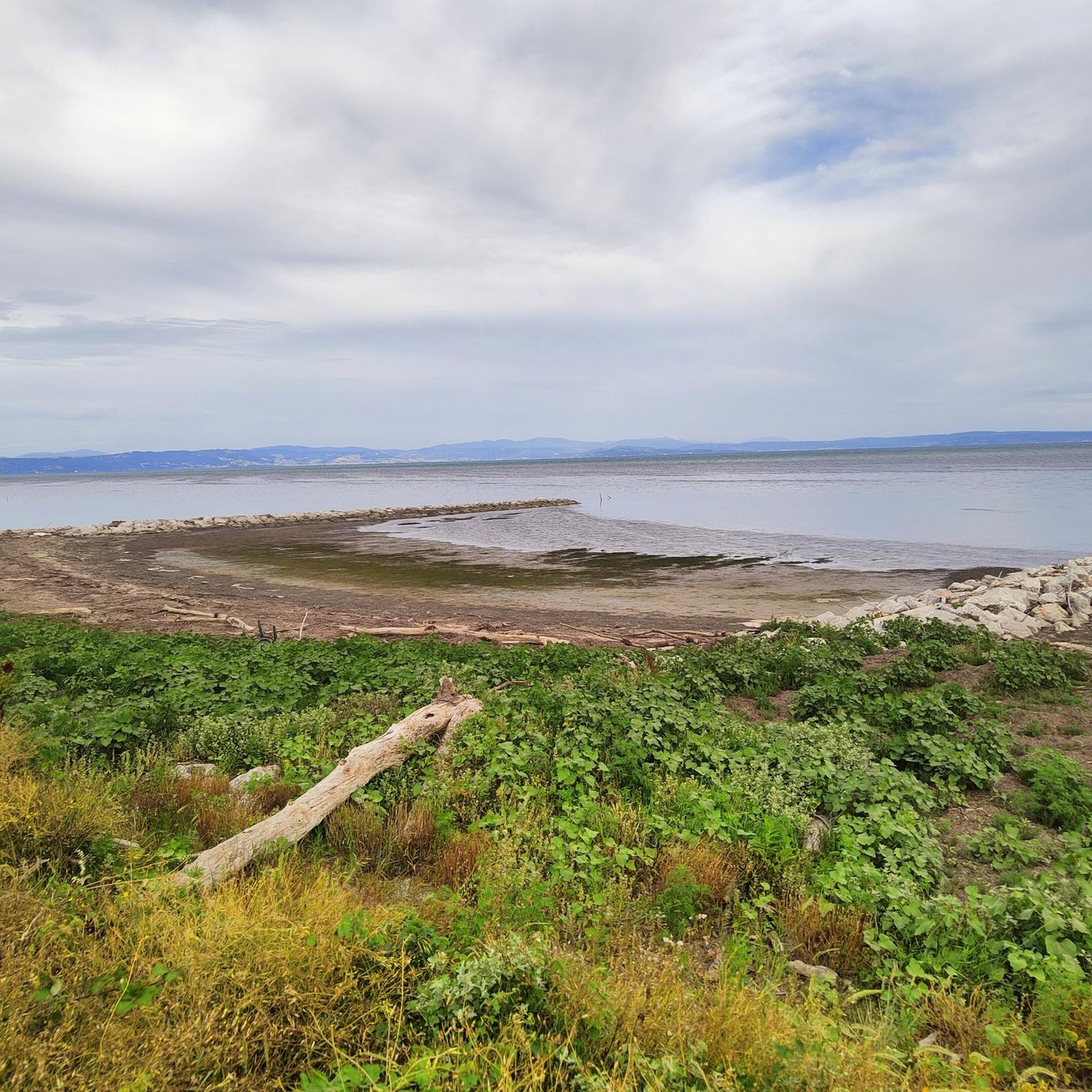
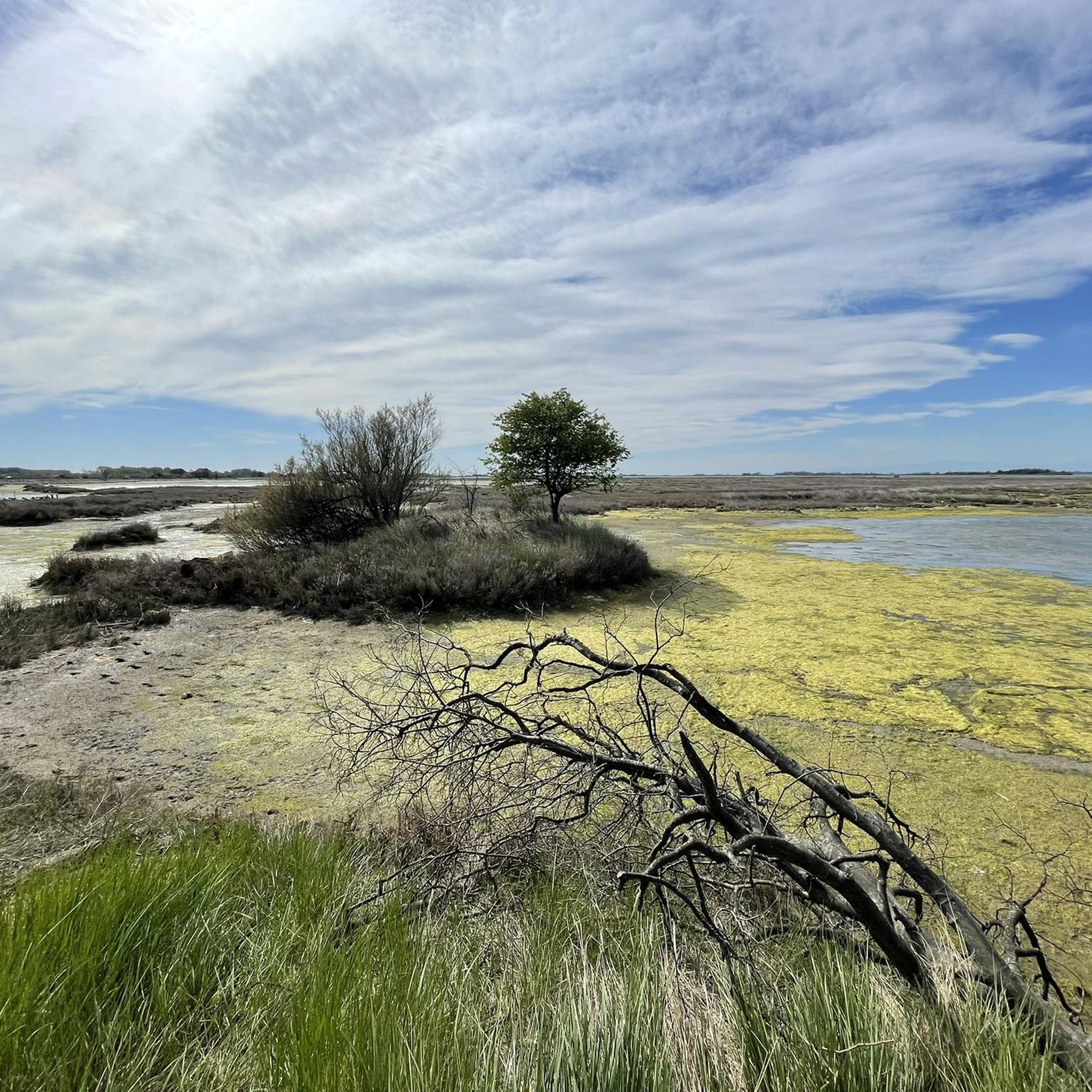
Valle Cavanata Regional Nature Reserve
Highlight • Natural Monument
Translated by Google •
Tip by

Valle Cavanata Regional Nature Reserve
Highlight • Natural Monument
Translated by Google •
Tip by
Sign up now to discover places like this
Get recommendations on the best single tracks, peaks, & plenty of other exciting outdoor places.
Sign up for free
Duino Castle
Highlight • Castle
Translated by Google •
Tip by

Timavo springs and the Church of San Giovanni in Tuba
Highlight • River
Translated by Google •
Tip by

Isola della Cona – Foce dell'Isonzo Nature Reserve
Highlight • Natural Monument
Translated by Google •
Tip by

Sign up for free to discover even more natural monuments around Grado.
Sign up for free
Already have an account?
Start today with a free account
Your next adventure awaits.
Login or Signup



Tips from the Community

Perched on a steep karst spur plunging into the blue of the Gulf of Trieste, Duino Castle embodies the charm of Central European nobility and poetic inspiration. Owned by the Della Torre e Tasso family, this historic residence welcomes visitors amidst sumptuous halls, precious relics, and the famous Palladian spiral staircase. But it is outside that the magic happens: the lush Mediterranean park and the Rilke Trail offer breathtaking panoramas that captivated the soul of Rainer Maria Rilke, who began composing his famous Elegies here. Walking among the ancient walls and the modern Second World War bunker, you breathe an atmosphere suspended in time, where the white rock of the cliffs meets the vastness of the Adriatic in an embrace of rare beauty.
0
0

Dominating the sea, this village always offers unexpected surprises.
0
0

In the area of the Risorgive del Timavo, where the Timavo river emerges from the vegetation, the medieval church of San Giovanni in Tuba stands suggestively with its late Gothic style.
0
0

This monument is nothing short of enchanting, not only for the structure but also for the site in which it is located, breathtaking!
1
0
www.viaggiatorelento.com Dating back to 1483, the place of worship is a rare example in the region of Gothic ogival style of Carinthian taste. It was built at the behest of the Walsee lords and partly rebuilt after the damage of the Second World War. It stands on the site of an early Christian basilica, of which a wall and a mosaic dating back to the 5th century are preserved in the presbytery, built on an ancient Roman temple. From 568 the territory was occupied by the Lombards. In 615 various relics and precious furnishings of the basilica of Aquileia were buried in the church to save them from the barbarian attack by the Avars on the Friuli area, they remained buried until their discovery in 1085. Around 950 the monastery of San Giovanni al Timavo or Tuba also arose. The monastery and the church were rebuilt again by the Benedictine monks towards the middle of the 10th century in conjunction with the chapter of the cathedral of San Giusto in Trieste which had rights over the church. In the 11th century the fief of Duino depended on the Patriarchate of Aquileia and the patriarch Enrico united the monastery of San Giovanni to the abbey of San Martino della Beligna in Aquileia, the patriarch Ulrico also confirmed this union. In 1085 during the restoration works the ancient buried treasure was discovered and brought back to Aquileia, the discovery increased the fame of the monastery and in particular the festival for the feast of the day of its patron saint (June 24), it began to attract a multitude of people from every part of the Carso up to Trieste, the patriarch Ulrico in 1112 had the basilica rebuilt, expanding it and in 1120 it became an abbey and therefore provided it with large possessions: ten mansi located in Duino, the parish of Marciliana (Monfalcone) and ten mansi in the locality of Gradisca. Source Wikipedia
0
0
The springs of the Timavo River, where the river resurfaces from its underground path for the last stretches before the sea. The area of the springs, located in the municipality of Duino-Aurisina, has been an important place of worship since ancient times. The presence of a river that flowed from the earth had intrigued and frightened primitive populations. Diomedes, Hercules, Saturn, the Spes Augusta, Liber Augustus and the god Temavus were venerated. Virgil was so impressed by it that he mentioned it three times: Eclogue VIII, 6, Georgics, book III, 475 and Aeneid, book I, 244. The Via Flavia passed through here and in the area of the mouth of the Timavo the amber road reached the Adriatic Sea, along which the precious fossil resin was imported from the Baltic since pre-Roman times.
0
0

Between Monfalcone and Trieste lies a spectacular castle overlooking the sea: Duino Castle, the private residence of the Princes of Thurn and Taxis. The castle has been open to the public since July 1, 2003. Be sure to plan a stop, it's worth it!
1
0

beautiful naturalistic street in ts
0
0
Frequently Asked Questions
What are the primary natural features to explore around Grado?
Grado is characterized by its unique lagoon environment and proximity to significant river deltas. You can explore extensive wetlands, nature reserves, and river springs. Key natural features include the Isola della Cona – Foce dell'Isonzo Nature Reserve, known for its diverse habitats and birdlife, and the Valle Cavanata Regional Nature Reserve, an internationally significant wetland.
Are there family-friendly natural monuments in the Grado area?
Yes, several natural monuments around Grado are excellent for families. Both the Isola della Cona – Foce dell'Isonzo Nature Reserve and the Valle Cavanata Regional Nature Reserve are family-friendly, offering observation points and easy trails. The Timavo springs and the Church of San Giovanni in Tuba also provide an impressive and relaxing spot suitable for all ages.
What kind of wildlife can I expect to see in Grado's natural monuments?
The natural monuments around Grado are renowned for their rich biodiversity, especially birdlife. The Foce dell'Isonzo Nature Reserve is Italy's best birdwatching area, home to hundreds of species, including red and great white herons, egrets, and gray geese. You can also spot free-roaming Camargue horses. The Valle Cavanata Regional Nature Reserve hosts over 260 bird species, including flamingos and the Greylag Goose, along with mammals like roe deer, hares, and foxes.
Are there historical or cultural sites near the natural monuments?
Yes, the Timavo springs and the Church of San Giovanni in Tuba is a notable example, where the Timavo river re-emerges near an ancient church. This area also has remains of caves and trenches from the first war, a monument to the Wolves of Tuscany, and nearby, an ancient Templar church and the Mithraeum, a Roman-era cave dedicated to the god Mithras.
What outdoor activities can I do near these natural monuments?
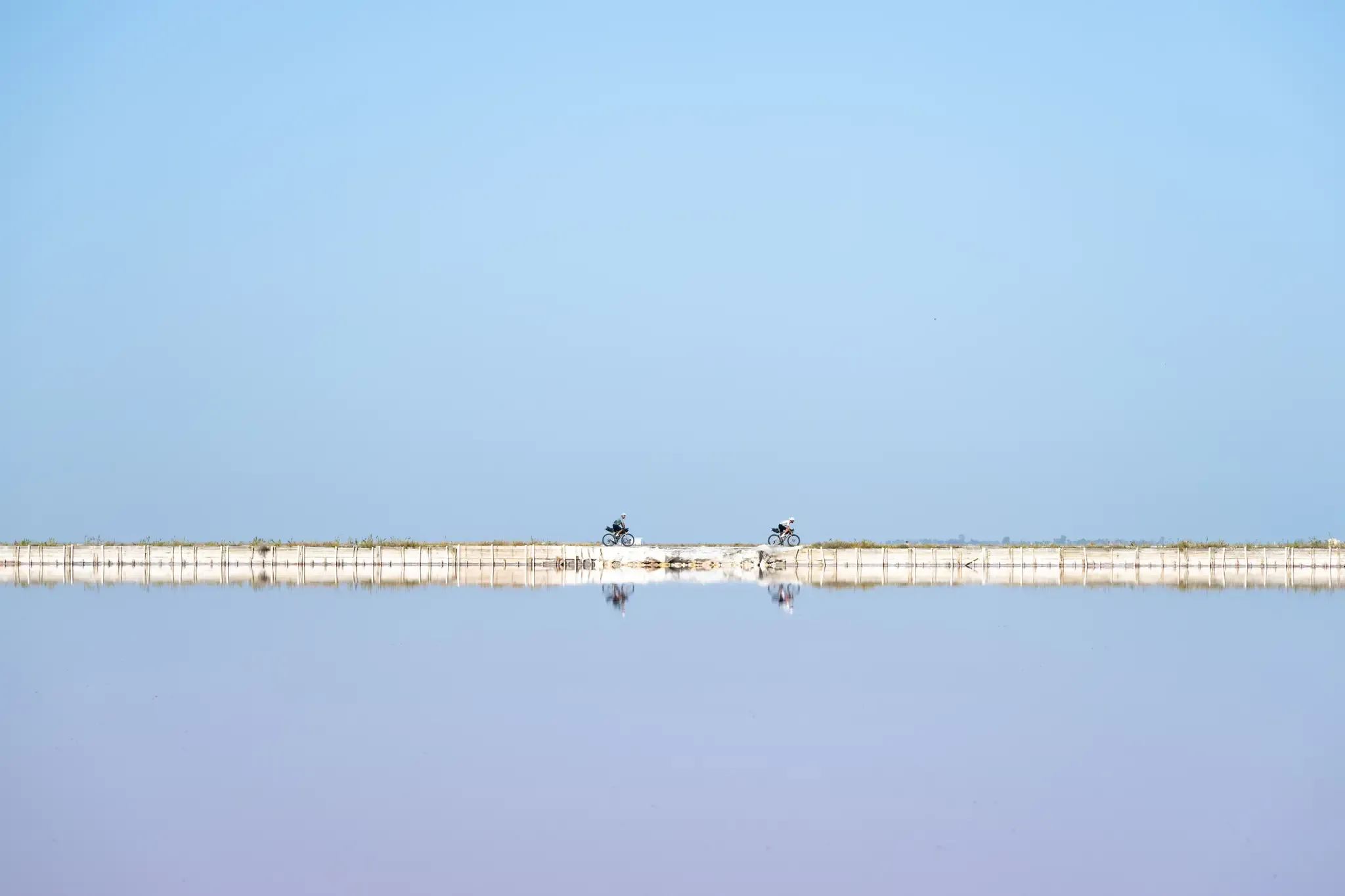
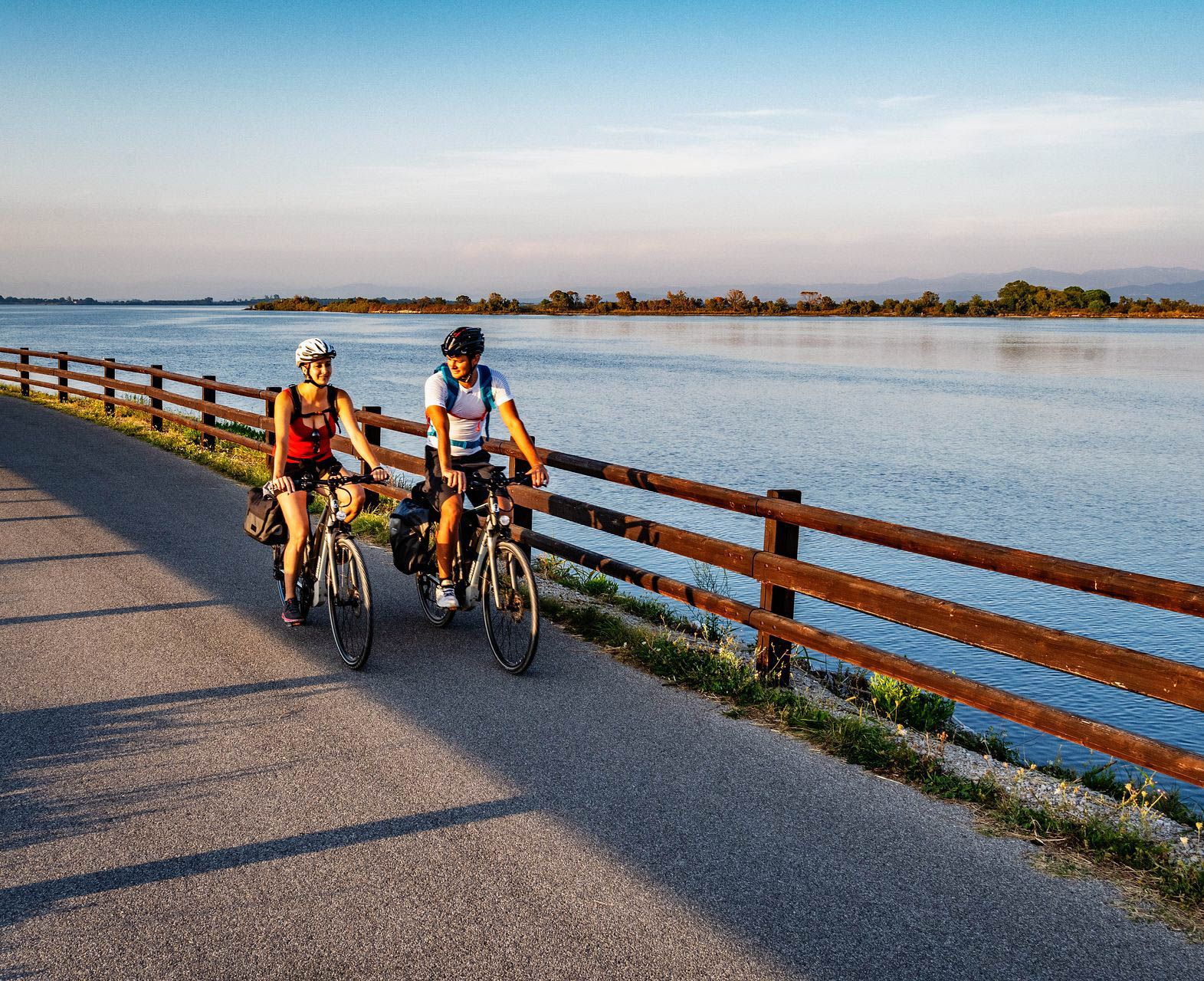
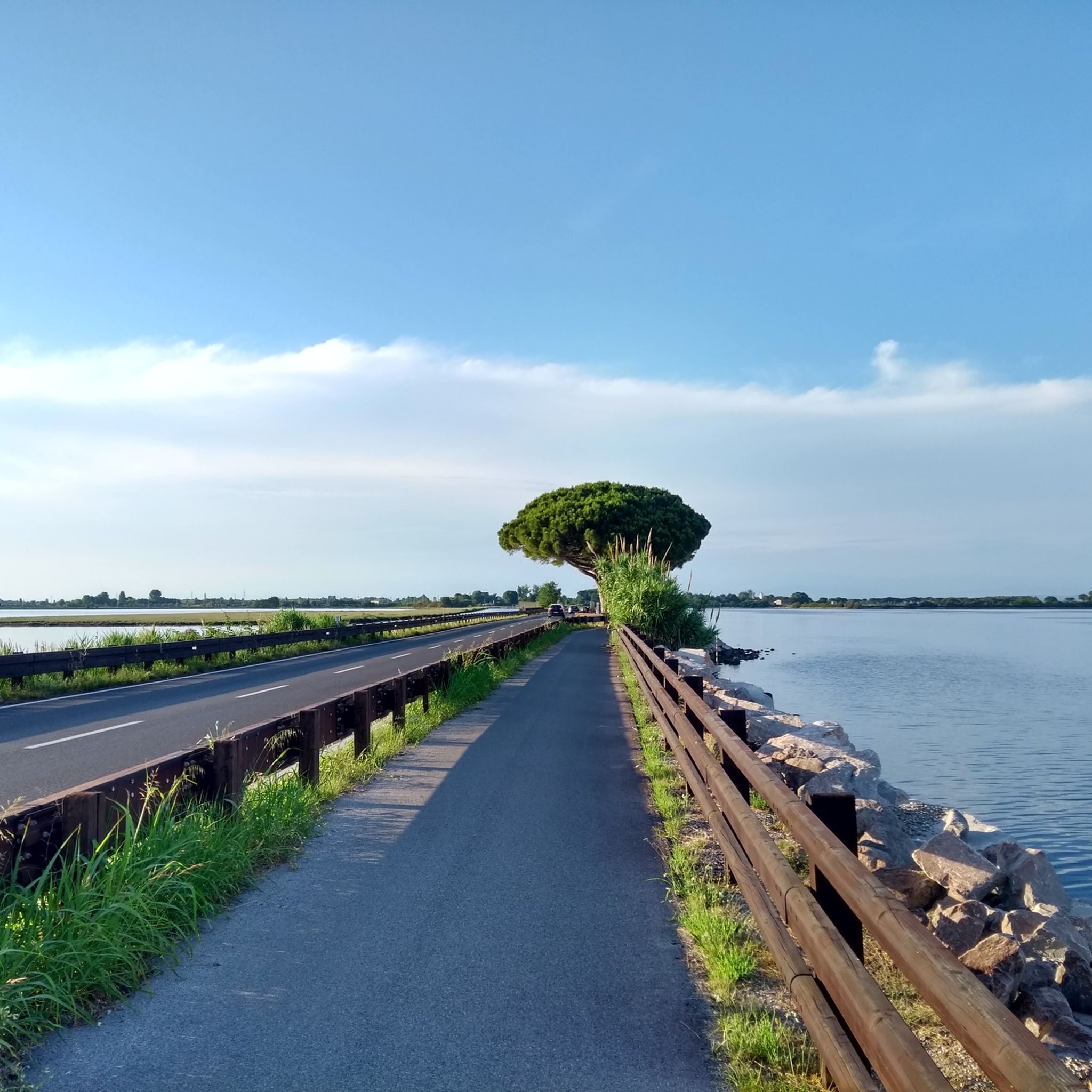
The natural monuments around Grado offer various outdoor activities. You can enjoy birdwatching from observation hides, walking, and cycling. For more structured activities, consider exploring the many routes available. For example, there are several hiking routes around Grado, including easy loops along the seafront promenade. Cycling is also very popular, with cycling routes through the lagoon and nature reserves, such as the beautiful bike path through Valle Cavanata Regional Nature Reserve.
What is the best time to visit the natural monuments around Grado?
The natural monuments around Grado, particularly the birdwatching reserves, are excellent to visit during spring and autumn when migratory birds are most active. Summer also offers opportunities to see flamingos and various heron species. The region's coastal climate makes it pleasant for outdoor activities for much of the year, though summer can be warm.
Are there facilities available at the nature reserves?
Yes, both major nature reserves offer facilities. The Isola della Cona – Foce dell'Isonzo Nature Reserve has a Visitor Center, guesthouse, photography huts, and a riding school. The Valle Cavanata Regional Nature Reserve features a Visitor Centre, observation hides, and bicycle and binoculars rental services, enhancing the visitor experience.
Can I go cycling through the natural monuments?
Absolutely. Cycling is a popular way to explore the natural monuments. The Valle Cavanata Regional Nature Reserve is particularly known for its great bike path that winds through the lagoon and the reserve, offering a relaxing experience. There are also numerous cycling routes around Grado that pass through or near these natural areas.
What do visitors enjoy most about the natural monuments in Grado?
Visitors frequently highlight the unparalleled birdwatching opportunities, the tranquil settings, and the chance to immerse themselves in diverse ecosystems. The sight of flamingos and Camargue horses, the beautiful lagoon views, and the relaxing atmosphere of places like Valle Cavanata are often mentioned as top attractions. The impressive natural phenomenon at the Timavo springs is also a favorite.
Is there a beach considered a natural monument in Grado?
While Grado's entire lagoon environment is a natural spectacle, the Costa Azzurra Beach, located on the western side of Grado Island, is a popular and historic natural feature. Known for its fine sand and shallow, clean sea, it's ideal for families and offers a relaxing day by the water with beautiful sunset views.
Are the natural monuments around Grado accessible for people with disabilities?
Some facilities within the natural monuments are designed for accessibility. For instance, the Visitor Center at Isola della Cona – Foce dell'Isonzo Nature Reserve is wheelchair accessible, providing a starting point for exploring the reserve. It's advisable to check specific reserve information for detailed accessibility options on trails and observation points.
How long should I plan for a visit to a natural monument?
The duration of your visit can vary. For a comprehensive experience at the Isola della Cona – Foce dell'Isonzo Nature Reserve, the 'United World Trail' can take about 3 hours round trip, while a shorter 'Ring Trail' is about 40 minutes. For Valle Cavanata, you can spend a few hours birdwatching and cycling. Shorter visits to places like the Timavo springs might take an hour or less for observation and relaxation.
Most popular attractions around Grado

Get inspired with the komoot mobile app


Explore more
Extend your search for the best caves by checking out these guides of the top ones around Grado:
