Top 8 Natural Monuments around Fontevivo
Best natural monuments around Fontevivo include significant natural features within the Province of Parma, Italy. The area is characterized by its green heritage, including ancient trees and unique natural spaces. Fontevivo's landscape offers opportunities to explore diverse flora and riverine environments. The region provides a blend of historical natural elements and unique botanical attractions.
Best natural monuments around Fontevivo
- The most popular natural monuments is Fontana del Trianon, a man-made monument that is beautiful to look at but difficult…
Last updated: June 28, 2026
Fontana del Trianon
Highlight • Monument
The green gradually overgrows the entire work of art. Pruning would be desirable.
Translated by Google •
Tip by

Monumental Plane Tree
Highlight • Natural Monument
Translated by Google •
Tip by
Sign up now to discover places like this
Get recommendations on the best single tracks, peaks, & plenty of other exciting outdoor places.
Sign up for free
Fountain of the Three Religions
Highlight • Monument
It represents the union of the three symbols of monotheistic religions: the cross (Christianity), the Star of David (Judaism), and the crescent moon (Islam)
Showing Translation
Tip by

Living Fossil: Ginkgo biloba (L., 1771)
Highlight • Natural Monument
Translated by Google •
Tip by

The Viarolo Springs
Highlight (Segment) • River
Dense patches of vegetation, with some notable examples of Farnia, Black Alder and …
Translated by Google •
Tip by

Sign up for free to discover even more natural monuments around Fontevivo.
Sign up for free
Already have an account?
Start today with a free account
Your next adventure awaits.
Login or Signup
Tips from the Community

The Fountain of the Three Religions in Parma is the work of sculptor Pietro Cascella. It represents the union of the three symbols of monotheistic religions: the cross (Christianity), the Star of David (Judaism), and the crescent moon (Islam)
1
0

Ginkgo biloba L., 1771 is a gymnosperm plant, the only surviving species of the Ginkgoaceae family, of the entire Ginkgoales order (Engler, 1898) and of the Ginkgophyta division. It is a very ancient tree whose origins date back 250 million years to the Permian[2] and is therefore considered a living fossil. It is a relict species and owes its resilience to its high resistance to drought and cold (−34°C) and air pollution.[3] Ginkgo biloba is the symbol of the city of Tokyo. WHY IT IS A FOSSIL: It belongs to the Gymnosperms: the seeds are not protected by the ovary. The apricot-shaped structures produced by female specimens are not fruits, but rather ovules covered by a fleshy envelope (they do not contain seeds, as no embryo exists yet. Fertilization, if it occurs, since the false fruit is produced regardless of contact with pollen, will only occur in the ground, after detachment from the tree). SOURCE and other information https://it.wikipedia.org/wiki/Ginkgo_biloba
0
0
“The Fountain of the Three Religions – explained the First Citizen, Federico Pizzarotti – was recovered by the Municipality, after a long period in which it remained dismantled in the warehouses of the Municipality itself, to be placed, not by chance, in this place where it conveys a message of civilization and brotherhood, in a time in which religions are often used in an instrumental way. It is a symbol of community and inclusion”. The widow of the sculptor Pitro Cascella, the sculptor Cordelia von de Steinen, focused on the meaning of the work. “My husband had conceived the idea of a sculpture dedicated to the Three Religions since the 1990s. Today, more than then, this fountain is current, for the meanings it implies: the basin represents the Mediterranean Sea into which the jets of water from the symbols of the Three Religions pour, each of which has contributed and contributes to its life”. The fountain represents the symbols of the three monotheistic religions: Christianity, represented by a cross; Judaism, represented by the Star of David; the crescent moon representing the Islamic world and Muslims. The choice to place the fountain near the Duc stems from the fact that it is a very popular space in today's increasingly cosmopolitan world. Situated, therefore, in a sort of pedestrian crossroads, it is an expression of the different cultural and religious realities of the world: a symbol, therefore, of social cohesion and intercultural dialogue. The fountain was included in the plan for the redevelopment, recovery and re-functionalization of the spaces outside Duc A and Duc B, which form a green strip between Viale Mentana and the two buildings that house the citizen counters, various offices, and public utility services. This closes the story linked to the fountain, which was commissioned in 2008 by the then Municipal Administration. Initially it should have been placed where the fountain is today, also by Cascella, located in the center of the roundabout of Strada Elevata (intersection of Via Zarotto, Mantova, Via Emilia). This was not the case, as a new one was commissioned, again by Pietro Cascella. The new fountain, at the intersection of Strada Elevata, was inaugurated, shortly after the artist's death, in October 2008. Subsequently, between 2008 and 2009 the idea was to mount the fountain of the Three Religions in the area where the EFSA is located, but the idea was then abandoned. The fountain of the Three Religions was preserved for years, dismantled, in the warehouses of the Municipality in Via Spezia. Hence the intention of the current Administration to recover it, enhancing it and inserting it into a new urban context. SOURCE: https://www.nonsoloeventiparma.it/curiosita-tradizioni-e/curiosita-articchie/parma-fontana-delle-tre-religioni-opera-dello-scultore-pietro-cascella
0
0

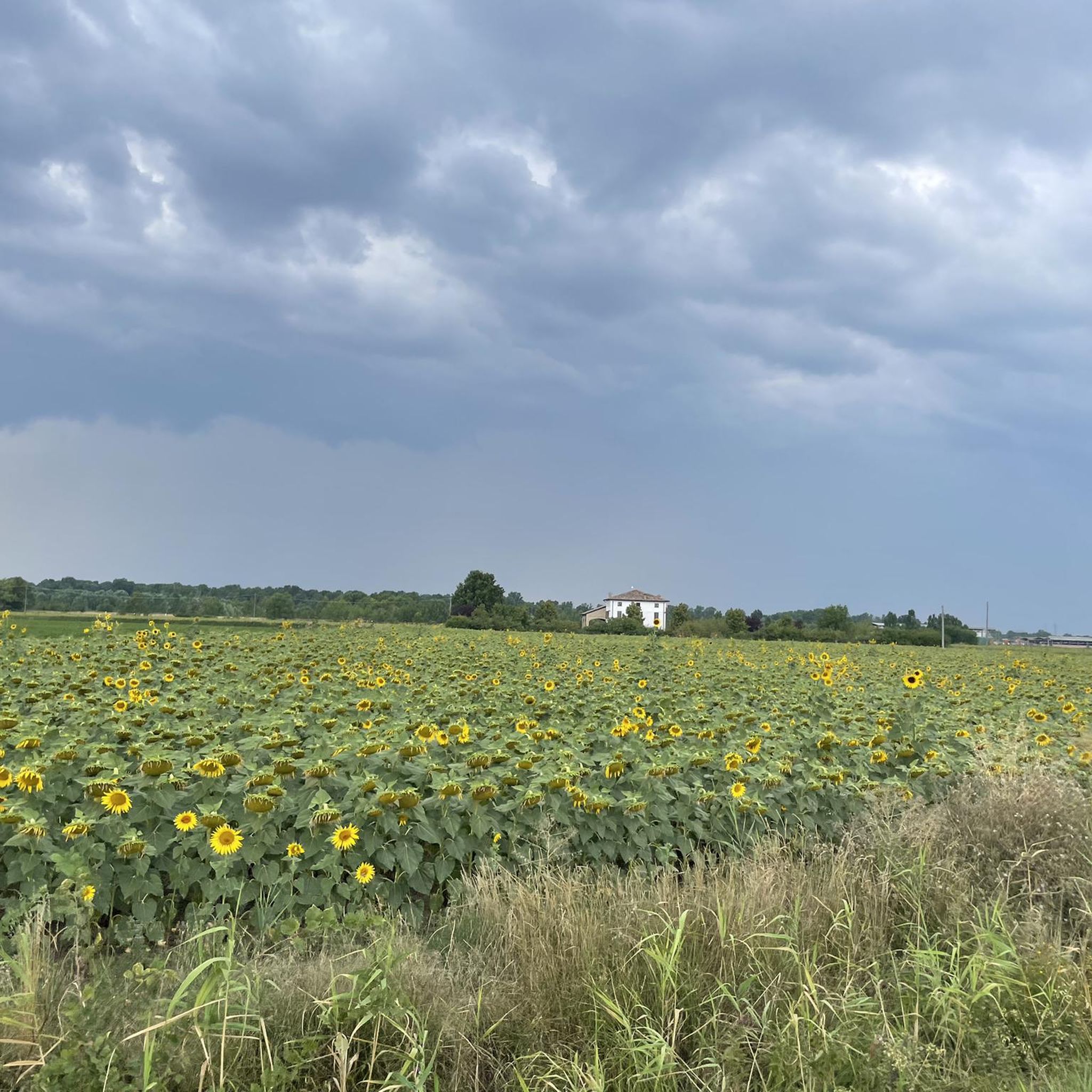
Beautiful to look at but difficult to reach. The green gradually overgrows the entire work of art. Pruning would be desirable.
6
0
Old trees in the park provide protection in all weather conditions. The ages of the trees inspire confidence. Sit down and enjoy beautiful crowns.
6
0

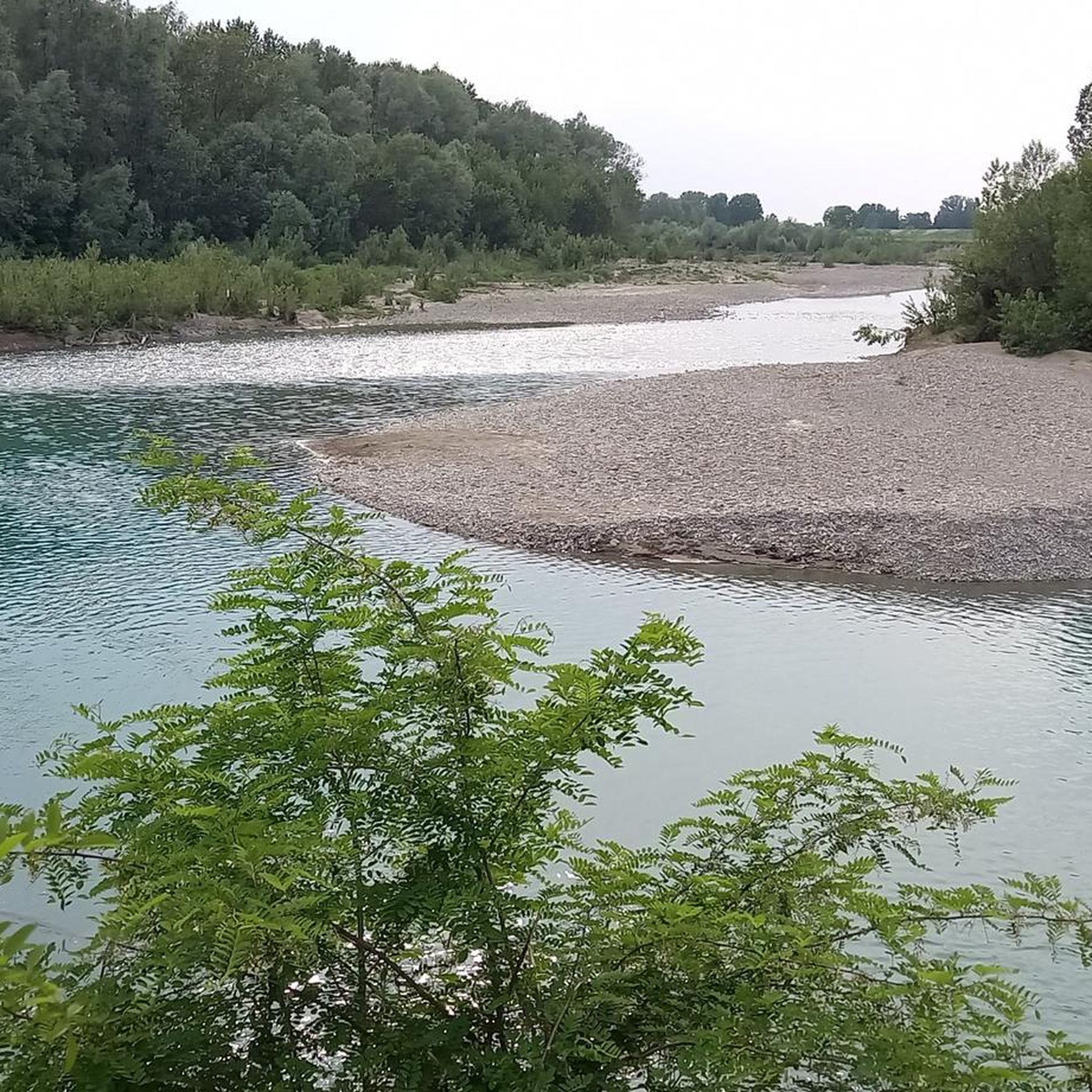
The Fontanili present near Viarolo are among the last examples of springs in the upper Parma plain. Dense patches of vegetation, with some notable examples of Farnia, Black Alder and Poplar, surround the points from which the clear and fresh waters flow, which a little further flow into the Lorno. The banks are covered with patches of Common Reed, Salcerella and Veronica beccabunga, while in the water, together with Common Brasca and Duckweed, uncommon herbs survive, such as Vallisneria spiralis, Samulus Valerandi, Ricci fluitans and dense Greenland. The faunal records include singular species, such as the Panzarolo or Ghiozzetto dei fontanili, a tiny fish that has become very rare, and several dragonflies.
2
2
Frequently Asked Questions
What are some of the most notable natural monuments to visit around Fontevivo?
The Fontevivo area offers a blend of natural and unique botanical attractions. You can explore the ancient trees lining Stradone Farnese, which are recognized for their monumental status. Another significant natural feature is the Monumental Plane Tree, appreciated for its age and the shade it provides. For a unique botanical experience, consider the Labirinto della Masone, the world's largest bamboo maze, located nearby.
Are there any natural areas suitable for birdwatching near Fontevivo?
Yes, the Taro River Regional Park, located near Fontevivo, is an excellent destination for birdwatching. This vital natural corridor is home to over 250 species of birds, offering rich ornithological diversity for enthusiasts.
What kind of natural features can I expect to see in the Fontevivo area?
The Fontevivo area is characterized by its green heritage, including ancient trees and riverine landscapes. You'll find significant natural features like monumental trees, diverse flora, and unique botanical specimens. The region's natural monuments offer a variety of ecosystems to explore.
Are there any family-friendly natural monuments around Fontevivo?
Yes, the Monumental Plane Tree is considered family-friendly, offering a pleasant spot to sit and enjoy its impressive crown. The Labirinto della Masone, while a man-made structure, provides an engaging and playful 'all-natural experience' with its vast bamboo maze, which can be fun for families.
What outdoor activities can I do near the natural monuments in Fontevivo?
The region around Fontevivo offers various outdoor activities. You can enjoy easy excursions, cycling, and mountain biking within the Taro River Regional Park. For hiking, there are routes like the 'Castle of Music loop from Noceto' or the 'Bamboo Pathway loop from Labirinto della Masone'. You can find more details on these activities and routes in the Hiking around Fontevivo guide.
Where can I find ancient trees in the Fontevivo area?
Stradone Farnese, the main access road to Fontevivo, is lined with large, secular oak trees that are recognized for their monumental status. Additionally, the Monumental Plane Tree is another example of the area's ancient arboreal heritage, offering protection and a sense of natural grandeur.
Is there a unique botanical attraction near Fontevivo?
Absolutely. The Labirinto della Masone, located very close to Fontevivo in Fontanellato, is the world's largest bamboo maze. It's an immersive experience constructed from hundreds of thousands of bamboo plants, blending nature and art in a captivating way.
What is the 'Living Fossil' natural monument mentioned in the area?
The 'Living Fossil' refers to a Ginkgo biloba tree. This ancient species dates back 250 million years and is known for its resilience to drought, cold, and pollution, making it a fascinating botanical highlight.
Are there any accessible natural monuments for visitors with mobility considerations?
The Living Fossil: Ginkgo biloba is noted as wheelchair accessible. While not strictly natural, the Monumental Fountain of Barriera Repubblica and the Fountain of the Three Religions are also listed as wheelchair accessible.
What do visitors particularly enjoy about the natural monuments around Fontevivo?
Visitors appreciate the historical and natural grandeur of the ancient trees, such as the Monumental Plane Tree, finding inspiration and a sense of confidence in their age. The unique blend of nature and art at the Labirinto della Masone also offers an immersive and captivating experience.
Can I find hiking trails that incorporate natural monuments near Fontevivo?
Yes, there are hiking opportunities that allow you to experience the natural beauty of the area. For example, the 'Bamboo Pathway – Bamboo Pathway loop from Labirinto della Masone' is an easy trail that takes you through the unique bamboo labyrinth. You can explore more hiking options in the Hiking around Fontevivo guide.
What is the best time to visit the natural monuments in Fontevivo?
The Fontevivo area, with its ancient trees and riverine landscapes, can be enjoyed across various seasons. Spring and autumn offer pleasant temperatures for exploring the Taro River Regional Park and its birdlife, as well as walking among the monumental trees. The Labirinto della Masone is also beautiful during these times, with the bamboo at its lush best.
Most popular routes around Fontevivo
Most popular attractions around Fontevivo

Get inspired with the komoot mobile app


Explore more
Extend your search for the best caves by checking out these guides of the top ones around Fontevivo:
