The best cycling routes around Fontevivo
4.6
(48)
670
riders
39
rides
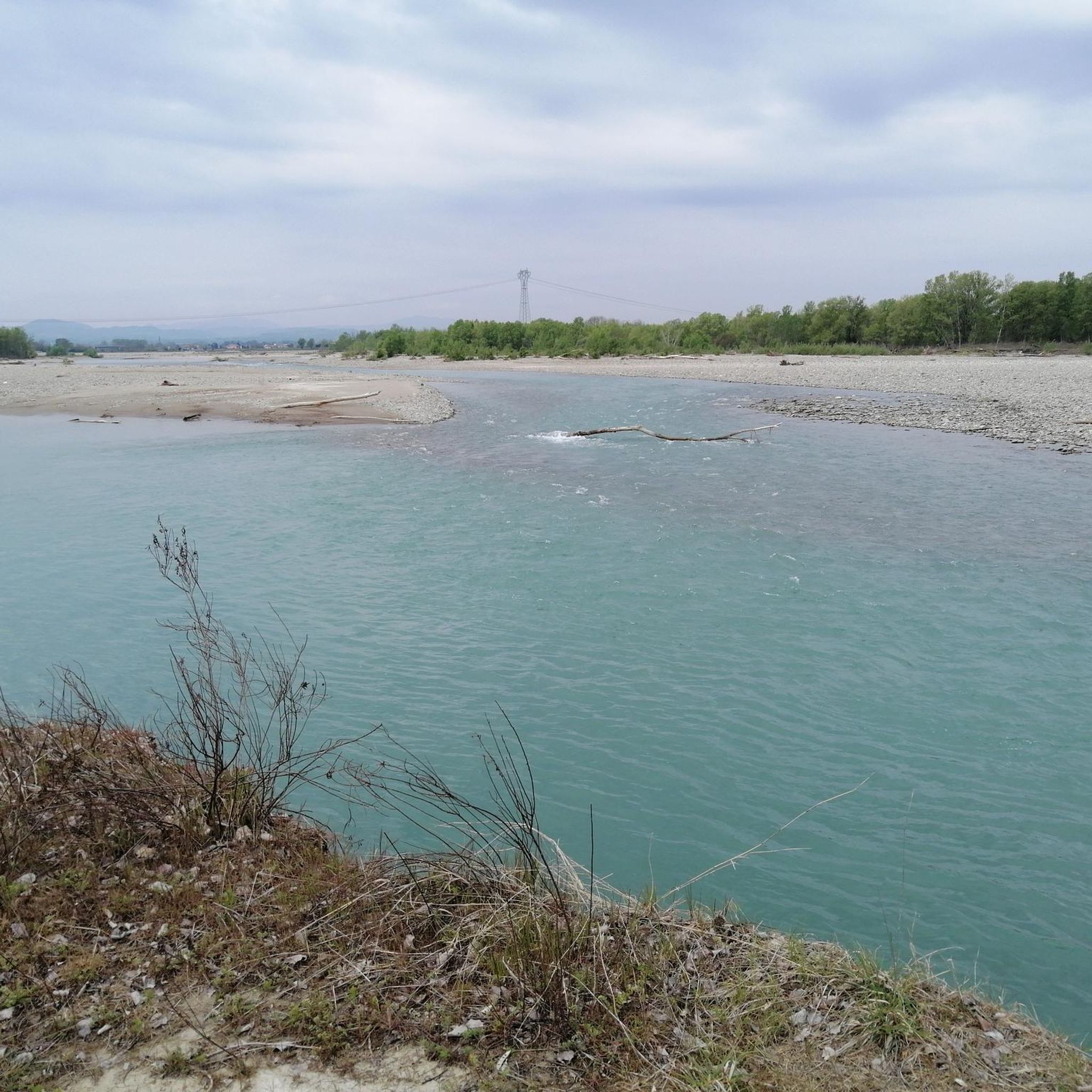
Touring cycling routes around Fontevivo offer a diverse landscape, from the flat plains of the Po Valley to the foothills of the Emilian Apennines. The region is characterized by fertile agricultural lands, riverbanks along the Taro River, and scenic countryside dotted with farms. While the immediate area provides mostly gentle gradients, more challenging routes with significant elevation changes are accessible towards the nearby mountains.
Best touring cycling routes around Fontevivo
- The most popular touring cycling route is Reggia di Colorno…
Last updated: July 2, 2026
4.1
(16)
66
riders
85.8km
05:00
110m
110m
Moderate bike ride. Good fitness required. Mostly paved surfaces. Suitable for all skill levels.
4.3
(6)
66
riders
100km
06:51
1,630m
1,630m
Hard bike ride. Very good fitness required. Mostly paved surfaces. Suitable for all skill levels.

Sign up for free
5.0
(7)
82
riders
Hard bike ride. Very good fitness required. Mostly paved surfaces. Suitable for all skill levels.
59
riders
83.8km
05:27
1,030m
1,030m
Hard bike ride. Very good fitness required. Mostly paved surfaces. Suitable for all skill levels.
48
riders
63.7km
04:13
900m
900m
Hard bike ride. Very good fitness required. Mostly paved surfaces. Suitable for all skill levels.
Get access to more routes and recommendations from other explorers.
Sign up for free
Already have an account?
Our route recommendations are based on thousands of hikes, rides, and runs completed by other people on komoot.
Start today with a free account
Your next adventure awaits.
Login or Signup
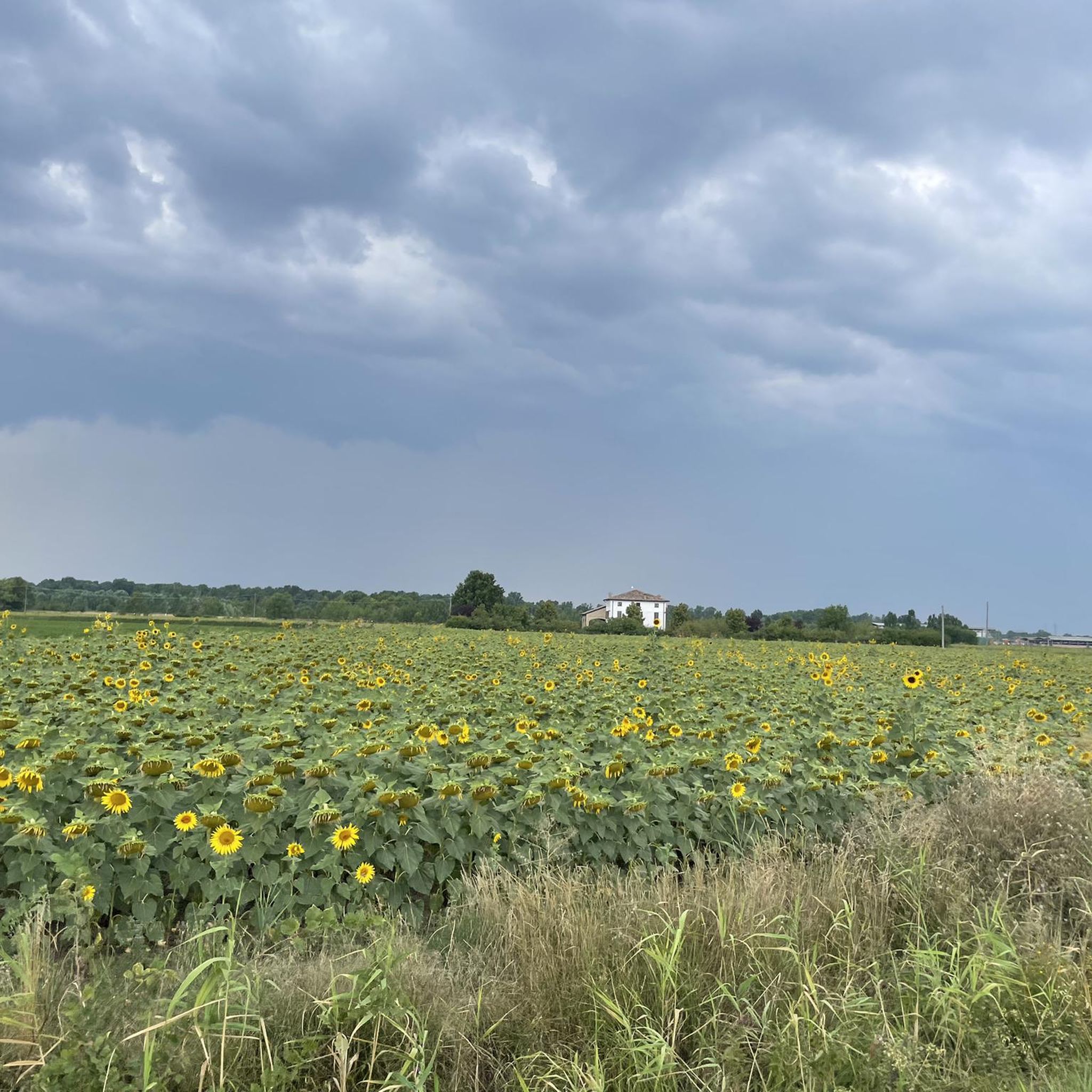
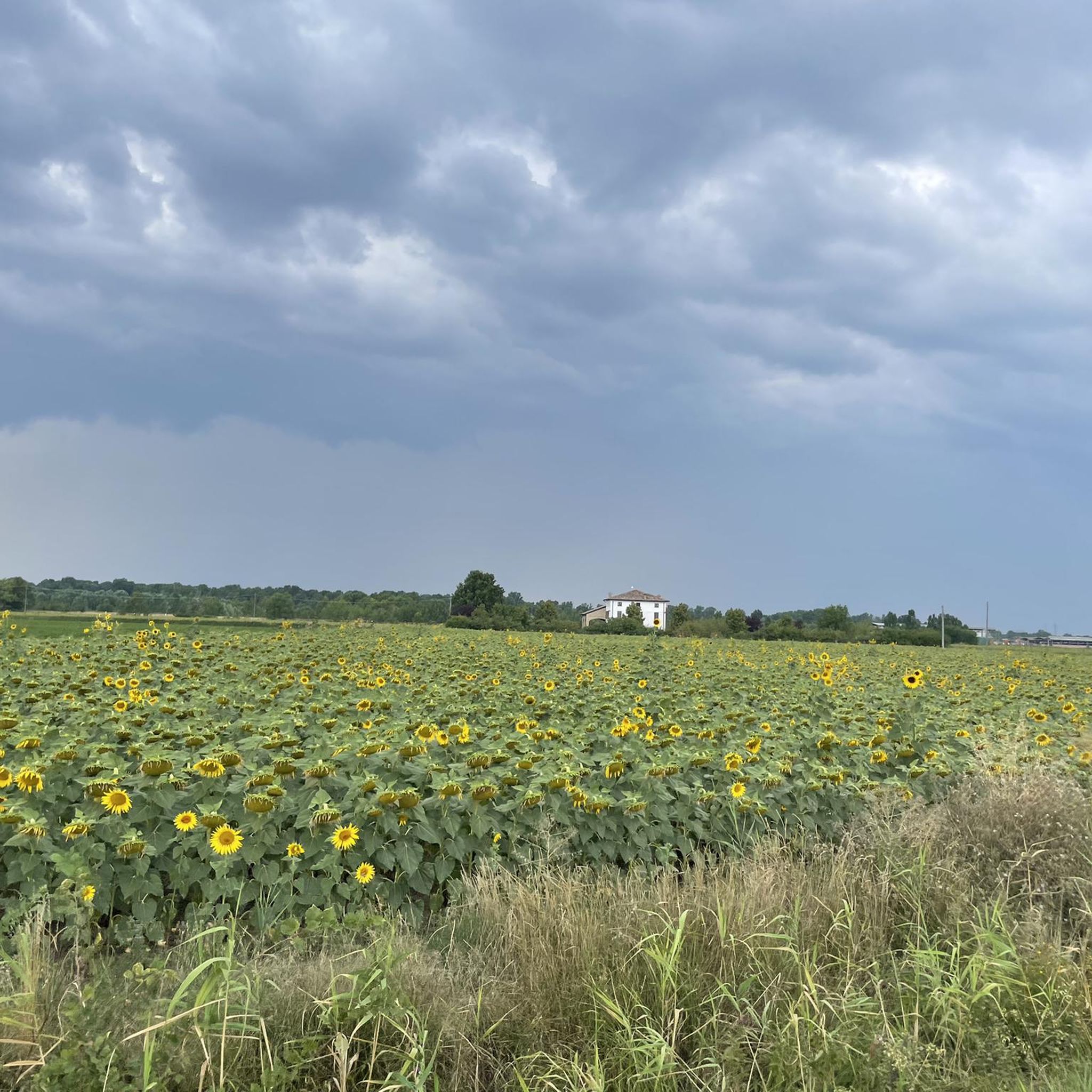
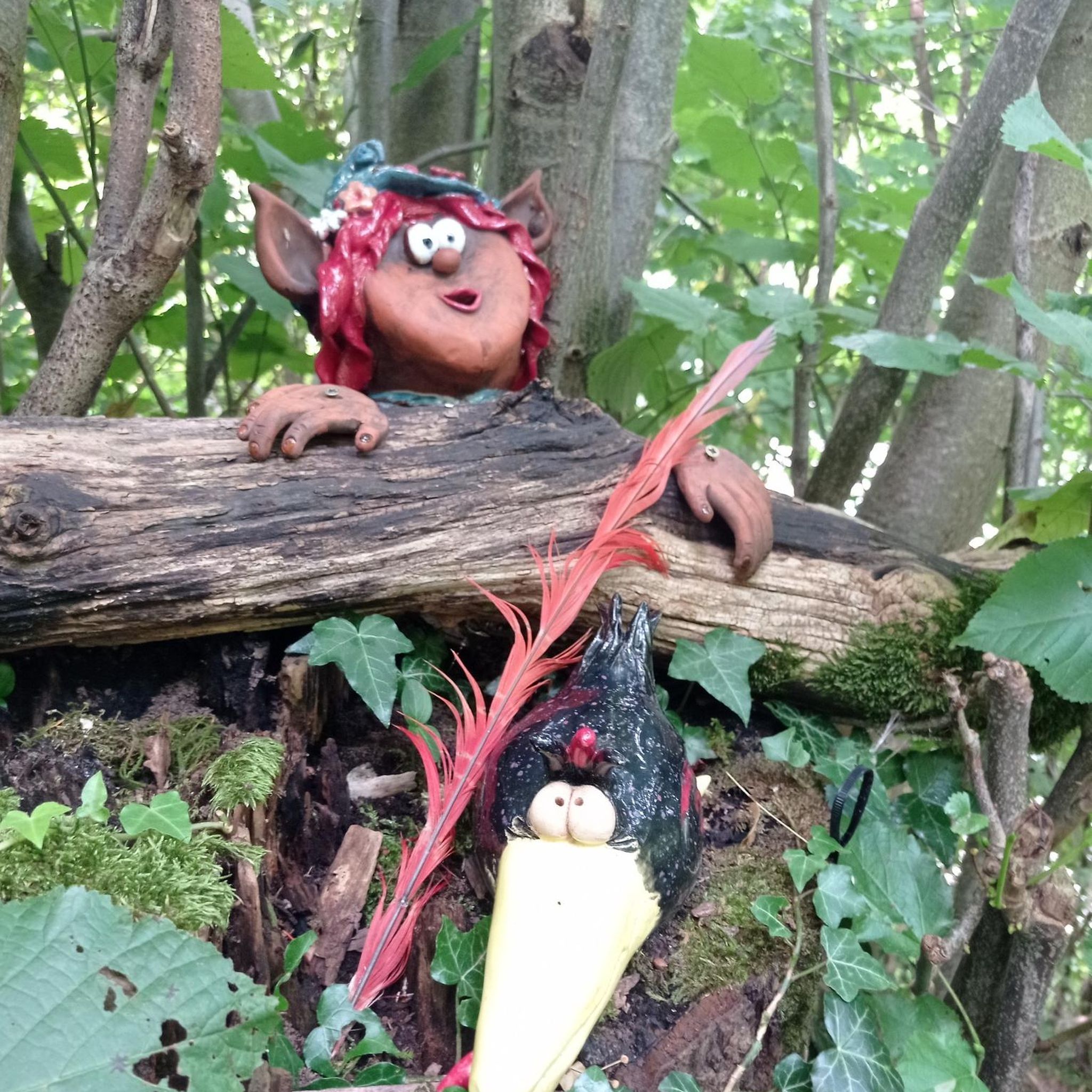
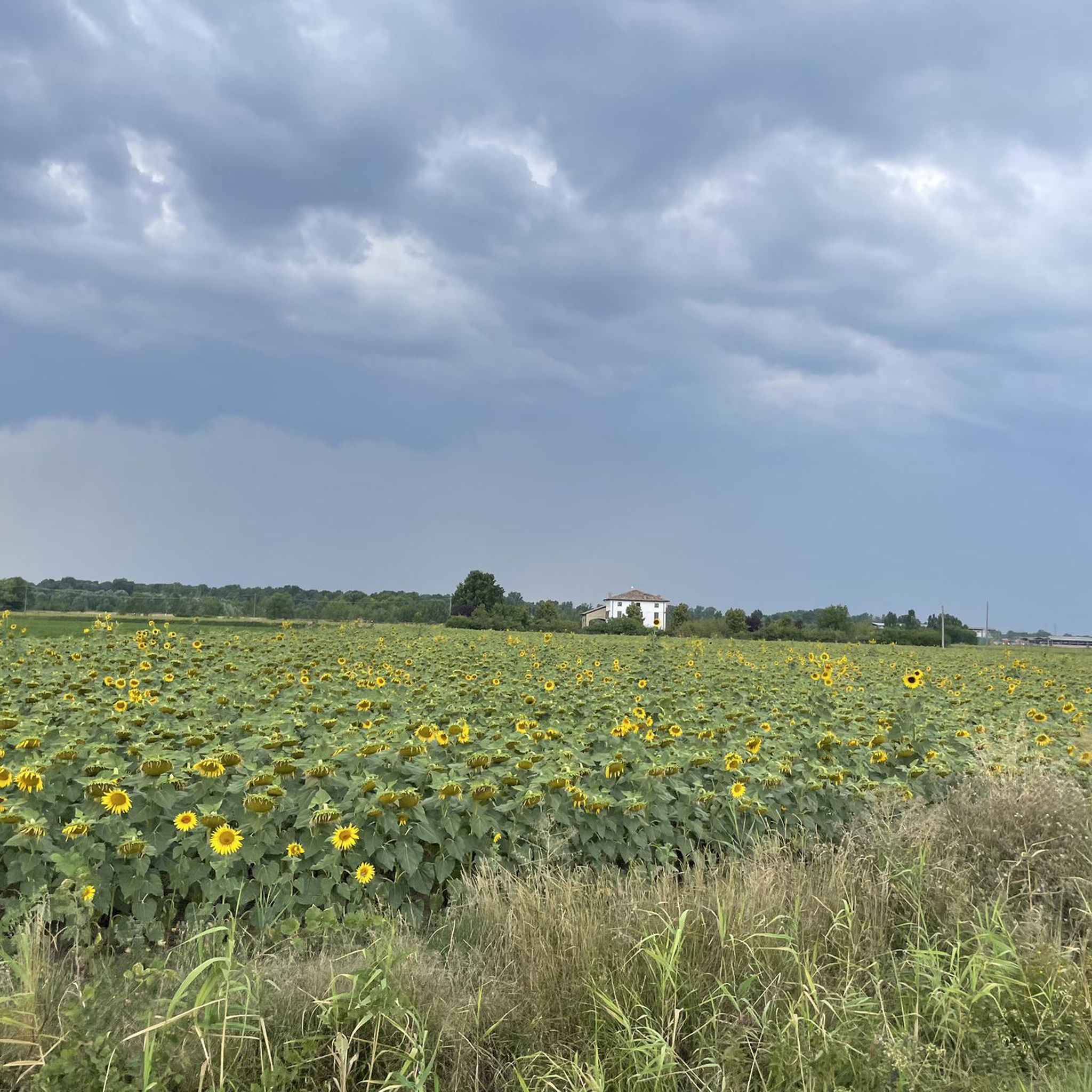
Tips from the Community

Romanesque parish church of great historical interest, the bas-reliefs on the facade are interesting
0
0

The Pallavicino Castle of Varano de' Melegari is an extraordinary medieval fortress located on a sandstone spur in the Ceno valley, in the province of Parma. Renowned for being a perfect example of defensive military architecture, the castle was designed to be completely impregnable. It is part of the prestigious circuit of the Castles of the Duchy of Parma, Piacenza and Pontremoli.
1
0

A beautiful town in the Parma Apennines. Worth a visit.
0
0

The Church of San Pietro Apostolo is a Catholic place of worship with neo-Byzantine architecture, located at Via Costa Pavesi 47 in Costamezzana, a hamlet of Noceto, in the province and diocese of Parma. It is the seat of a parish within the pastoral area of Pedemontana. HISTORY: The church was built starting in 1909 in the new lower village of Costamezzana, to replace the now inadequate medieval chapel located inside the castle. The work was completed in 1917, but the façade was not erected until 1930, designed by architect Camillo Uccelli. The adjacent rectory was built in 1932. In 1953, the monumental staircase in front of the façade was built, designed by engineer Celeste Merini. In 1954, the two main chapels and the apse were decorated with frescoes by the Noceto painter Pietro Furlotti. SOURCE and other information: https://it.wikipedia.org/wiki/Chiesa_di_San_Pietro_Apostolo_(Noceto)
0
0
The Church of San Giovanni Battista is a Catholic place of worship with modernist architecture, located at Via Picelli 45 in Felegara, a hamlet of Medesano, in the province and diocese of Parma. It is the seat of a parish in the pastoral area of Pedemontana. HISTORY The original place of worship, dedicated to St. Iohannis, was built in the Middle Ages; the earliest evidence of its existence dates back to 1230, when the chapel was mentioned in the Capitulum seu Rotulus Decimarum of the Diocese of Parma. In 1564, the church was elevated to the status of an independent parish, but due to its poor structural condition, Bishop Giovanni Battista Castelli, during his apostolic visit in 1579, ordered its demolition and reconstruction or suppression. Construction of the new church began by 1627, and it was completed before 1714. The bell tower was erected in 1790. The bell tower was raised in 1920. In 1934, further radical renovations were undertaken on the church, designed by architect Moderanno Chiavelli. He expanded the building, adding two aisles to the 16th-century central nave and transforming the two 17th-century side chapels into the two branches of the transept, and gave it a new façade. This modernist place of worship was completed in 1938. In 1959, the interior was decorated according to a design by architect Marco Pellegri, with the arches, pillars, and apse covered in terracotta tiles by sculptor Mario Orlandini, who also created some panels, as well as the high altar and the marble pulpit. Between 2014 and 2016, the church underwent restoration work designed by architects Alberto Bordi, Sauro Rossi, and Marco Zarotti. The restoration work included the façades, roofs, and interiors, as well as the redevelopment of the presbytery and the resurfacing of the paving and churchyard. SOURCE and other information https://it.wikipedia.org/wiki/Chiesa_di_San_Giovanni_Battista_(Medesano,_Felegara)
1
0

Vogoleno Castle is very beautiful
1
0
Originally built between the 10th and 11th centuries, the castle was rebuilt in 1153 and expanded several times in the following centuries. With the exception of a few brief periods in the 12th and 14th centuries, the Pallavicino marquises maintained it almost uninterruptedly until their extinction in 1756. Assigned to the Sermattei family, the manor was purchased a few years later by the Landi cousins. Sold in 1882 to the Corazza family, the manor was renovated and transformed into an elegant stately home, rich in frescoes and stucco decorations. Since the early 21st century, the building, along with the surrounding village, has been used as a scattered hotel, with an adjoining farm. SOURCE: https://it.wikipedia.org/wiki/Tabiano_Castello
0
0
Frequently Asked Questions
How many touring cycling routes are available around Fontevivo?
Fontevivo offers a wide selection of touring cycling routes, with over 45 options available. These routes cater to various skill levels, including easy, moderate, and difficult trails.
What kind of terrain can I expect on touring cycling routes in Fontevivo?
The terrain around Fontevivo is quite diverse. You'll find mostly flat plains in the immediate area, characterized by fertile agricultural lands and riverbanks along the Taro River. For those seeking more challenge, the region's proximity to the Emilian Apennines foothills provides access to routes with more varied topography and significant elevation changes.
Are there family-friendly touring cycling routes in Fontevivo?
Yes, Fontevivo offers several routes suitable for families. The flat plains and agricultural scenery provide gentle gradients, ideal for leisurely rides. While specific family-designated routes aren't listed, the easier options, particularly those following towpaths and low-traffic secondary roads, are generally well-suited for family outings.
What historical and cultural landmarks can I visit while cycling in Fontevivo?
Fontevivo and its surroundings are rich in history. You can visit the Cistercian Abbey in Fontevivo itself. Nearby, you can cycle to historical towns and castles such as Rocca Sanvitale di Fontanellato, just 4 km away, or explore Corte di Giarola, which is ideal for a break or visiting food museums. The region is also part of the 'Road of the Castles of the Bassa Parmense'.
Are there natural attractions or scenic viewpoints along the routes?
Absolutely. Many routes trace the banks of the Taro River, offering opportunities to cycle through natural reserves with diverse flora and fauna. The Po Valley provides scenic views of agricultural lands. While not a natural feature, you might encounter interesting man-made monuments like the Fontana del Trianon or a Monumental Plane Tree.
What is the 'Food Valley Bike' and how does it relate to Fontevivo?
The 'Food Valley Bike' is a renowned cycling experience in the Parma region, combining cultural exploration with gastronomic delights. While Fontevivo is not a direct starting point, its location in the heart of the food valley means you can easily access sections of this route. It typically traverses flat, easy routes, connecting Parma with Busseto, and allows you to explore areas famous for Parmigiano Reggiano cheese and Parma ham. More information can be found on Italia.it.
Are there options for more challenging touring cycling routes?
Yes, for experienced riders seeking a challenge, Fontevivo's proximity to the Emilian Apennines provides access to more varied topography. Routes like Reggia di Colorno – Busseto loop from Castelguelfo, though mostly flat, covers a significant distance of 75.4 miles (121.3 km). Other routes, such as Croce di Cella di Noceto – Church of Santa Lucia loop from Castelguelfo, feature substantial elevation gains, reaching over 760 meters.
What do other cyclists say about touring cycling in Fontevivo?
The touring cycling routes around Fontevivo are highly rated by the komoot community, with an average score of 4.9 stars from over 50 reviews. Cyclists often praise the diverse landscape, from the flat plains to the riverine sections, and the opportunity to combine cycling with cultural and gastronomic exploration.
Where can I find parking for my bike near Fontevivo's cycling routes?
Fontevivo is a small municipality, and parking is generally available in the town center or near major attractions. For specific routes, it's often possible to find parking in nearby villages or designated areas, especially if starting from points like Castelguelfo, which serves as a common starting point for several routes.
Is public transport available to reach cycling routes in Fontevivo, and can I bring my bike?
Public transport options, such as local buses, connect Fontevivo to larger towns like Parma. While some bus lines might accommodate bikes, it's advisable to check with the local transport provider (e.g., TEP bus line 2120) regarding their bike carriage policy, especially during peak times or for specific routes.
Are there circular touring cycling routes starting from Fontevivo?
Many of the touring cycling routes around Fontevivo are designed as loops, allowing you to start and finish in the same location. Examples include Church of Saint Peter the Apostle – Bridge in poor condition loop from Castelguelfo and Madonna with altar – Church of Saint Peter the Apostle loop from Castelguelfo, which offer convenient circular options.
What is the best time of year to go touring cycling in Fontevivo?
The best time to go touring cycling in Fontevivo is generally during the spring (April to June) and autumn (September to October). During these months, the weather is typically mild and pleasant, making for comfortable riding conditions. Summers can be hot, especially in the Po Valley, while winters can be chilly and sometimes foggy.
Are there places to eat or stay overnight near the cycling routes?
Yes, the region around Fontevivo is known for its culinary traditions, so you'll find various trattorias, restaurants, and cafes offering local delicacies. For accommodation, there are hotels, agriturismi (farm stays), and B&Bs in Fontevivo and nearby towns. Some establishments, like the ancient Cistercian abbey of San Bernardo, even offer unique lodging experiences.
Most popular routes around Fontevivo
Most popular attractions around Fontevivo

Get inspired with the komoot mobile app


Explore more
Browse the best Cycling routes in other regions.
