Top 15 Natural Monuments around Castrignano Del Capo
Natural monuments around Castrignano Del Capo showcase the rugged beauty of the Salento coastline at Puglia's southernmost tip. This region features unique geological formations and offers opportunities for exploration. The landscape provides diverse natural features for visitors to discover.
Best natural monuments around Castrignano Del Capo
- The most popular natural monuments is Ciolo Bridge, a bridge that stands 40 meters high above a majestic cove. This area is included in the Coastal Natural Park of 'Santa Maria di Leuca…
Last updated: June 28, 2026
Ciolo Bridge
Highlight • Bridge
Translated by Google •
Tip by

Cipolliane Cave
Highlight • Cave
Translated by Google •
Tip by

Sign up now to discover places like this
Get recommendations on the best single tracks, peaks, & plenty of other exciting outdoor places.
Sign up for free
Punta Ristola and Grotta del Diavolo
Highlight • Viewpoint
Translated by Google •
Tip by

Punta Ristola
Highlight • Viewpoint
Translated by Google •
Tip by
Dolmen Argentina
Highlight • Historical Site
Translated by Google •
Tip by

Sign up for free to discover even more natural monuments around Castrignano Del Capo.
Sign up for free
Already have an account?
Start today with a free account
Your next adventure awaits.
Login or Signup
Other adventures around Castrignano Del Capo

Tips from the Community

Reopened on April 24, 2024, after renovations and refurbishments. There are now separate pedestrian lanes alongside the road. In the evening, the bridge is illuminated with rainbow colors—haha, just kidding 😅—thankfully, they're the colors of the Italian flag 🇮🇹.
1
0


The Dolmen Argentina presents a number of interesting features. Compared to the classic dolmen structures, here there is a fairly deep hole inside, which in some way recalls sacred wells. Outside, however, there is a mound of stones which probably served to cover the Dolmen in the past.
1
0

Inserted in the collection https://www.komoot.com/it-it/collection/2431081/-pietre-del-salento - You will have to leave the edge of the road for about ten meters to find it. It's a little hidden and will be fun looking for it. https://www.salogentis.it/2012/03/01/il-dolmen-argentina-graziadei/
0
0

The Ciolo bridge is the perfect destination for those who love diving from great heights. The bridge connects the canyon and below is a beach. 40 meters high, there is a breathtaking panorama occasionally interrupted by the "splash" of those who dive. Near the bridge there are many caves including the Ciolo cave. The name “Ciolo” derives from the Salento word “Ciole”, to indicate the numerous magpies that nested along the coast.
2
0

August 2023 unfortunately currently closed due to construction work.
0
0

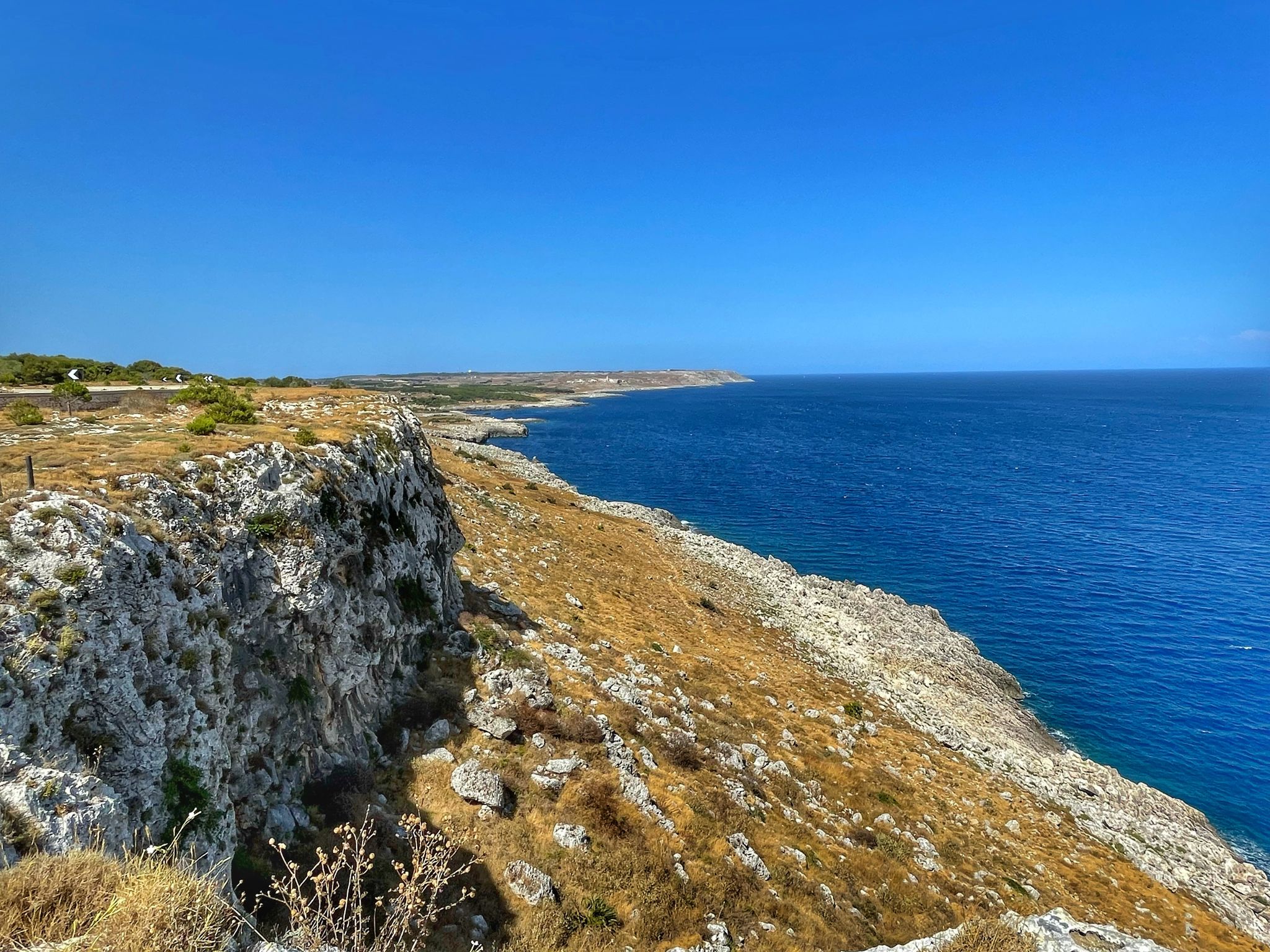
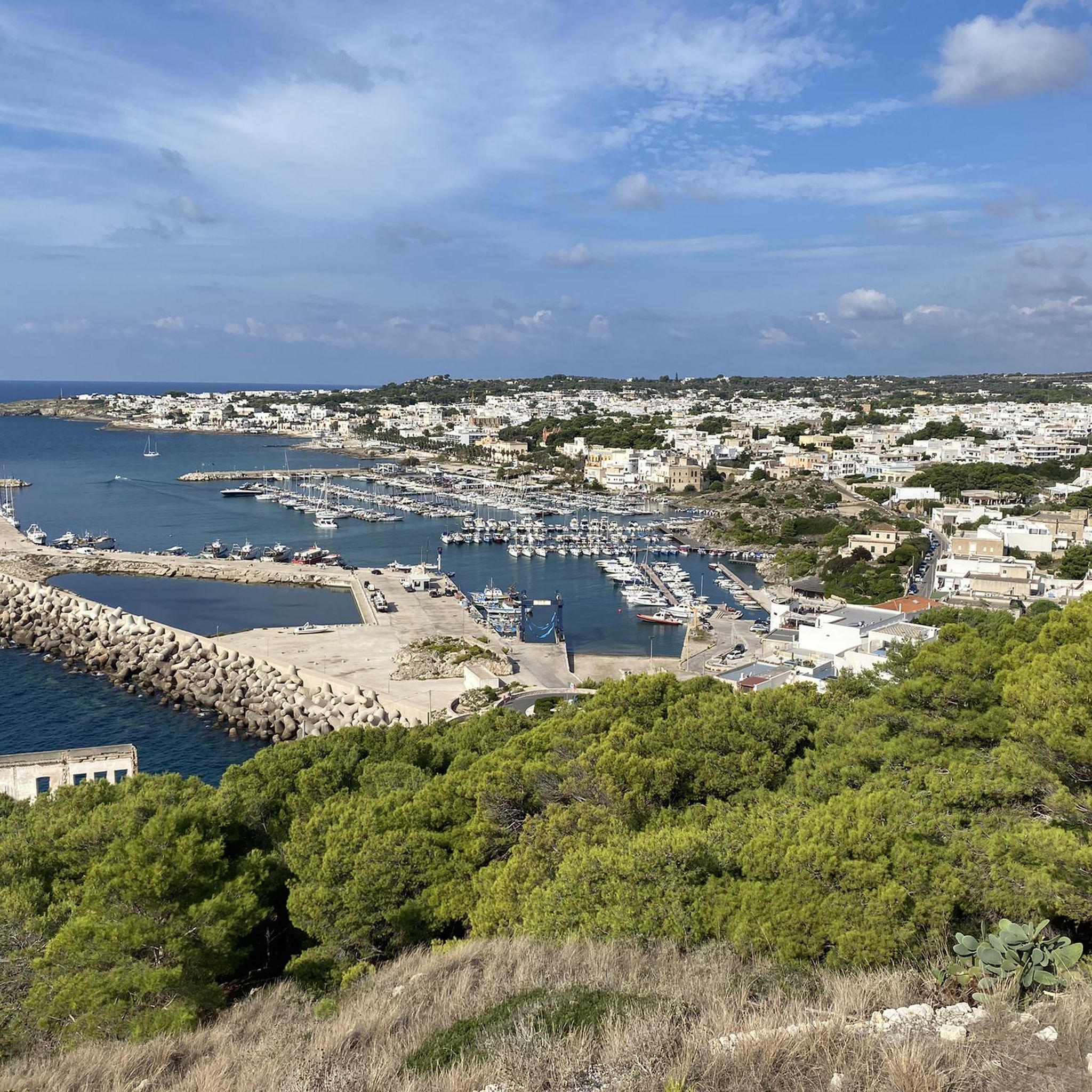
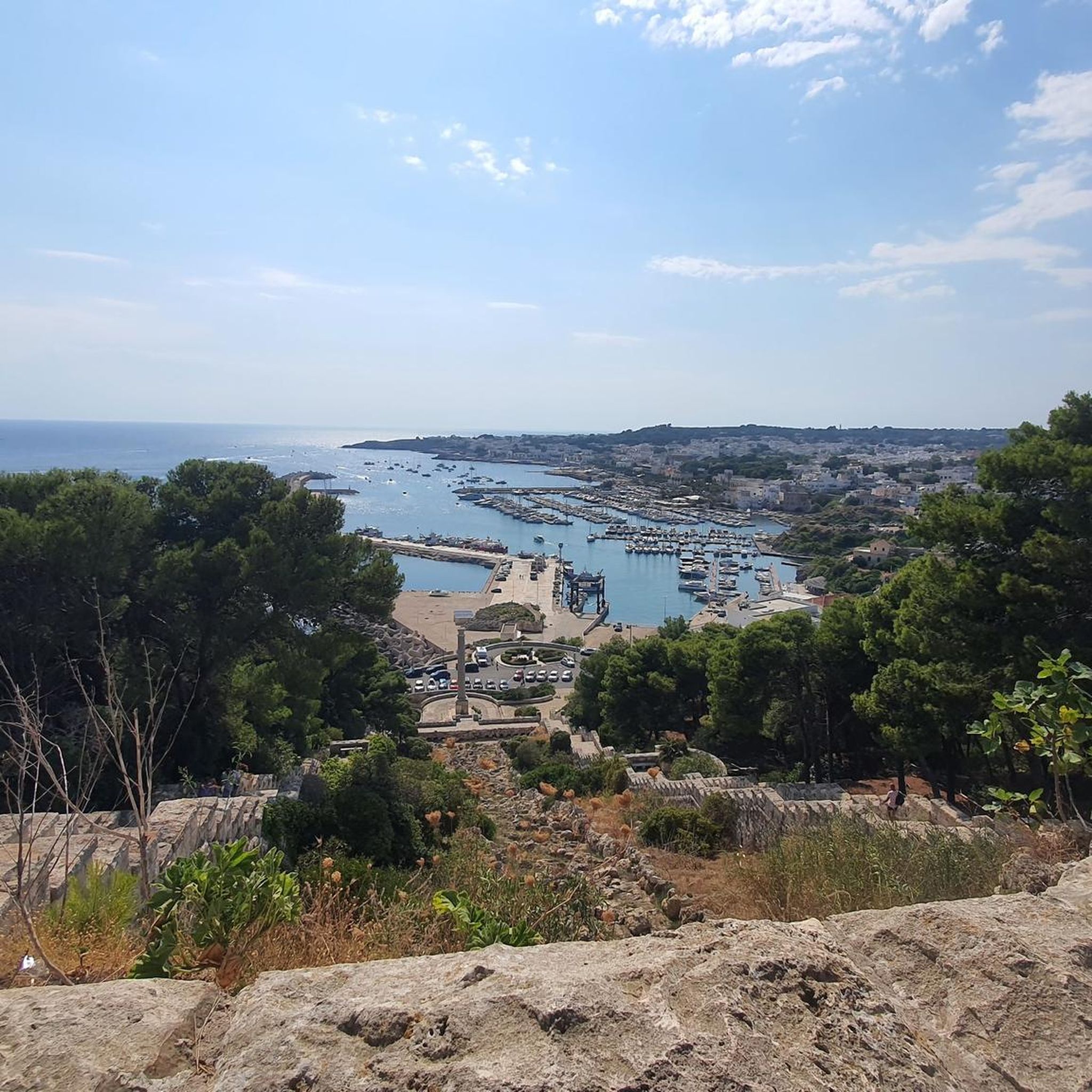
The panorama from here is truly breathtaking, on one side it opens up to the Ionian towards Calabria on the other you look at the bay of Santa Maria di Leuca, the imposing lighthouse and the Adriatic Sea. It is said that this is where the two seas meet. The rocks of this promontory hide two secrets: an imposing natural cave, called Grotta del Diavolo, and an underground bunker or casemate with a very special charm.
3
0

Be careful when going down. the purple clay is very slippery in places!
1
0
Frequently Asked Questions
What are some of the most unique natural monuments to visit around Castrignano del Capo?
The region offers several distinctive natural monuments. You can explore the dramatic Ciolo Bridge, which spans a majestic cove, or discover the ancient Cipolliane Cave, known for its immense natural cavities and historical traces. Another notable spot is Punta Ristola, the southernmost point of Puglia, offering panoramic views where the Ionian and Adriatic seas are said to meet.
What natural features can I expect to see along the Salento coastline near Castrignano del Capo?
The Salento coastline near Castrignano del Capo is characterized by rugged beauty, unique geological formations, and crystal-clear waters. You'll find dramatic sea caves, imposing rocky ridges shaped by erosion, and areas of Mediterranean scrub. Highlights include the deep gorge at Ciolo and the panoramic vistas from promontories like Punta Ristola.
Are there any natural monuments with historical significance in the area?
Yes, the Cipolliane Cave holds significant historical value, containing traces left by ancient human ancestors, including pebbles with unique engravings. Additionally, the Dolmen Argentina is a fascinating historical site with a deep hole inside, reminiscent of sacred wells, and a mound of stones that likely covered it in the past.
What kind of outdoor activities can I do near the natural monuments around Castrignano del Capo?
The area around Castrignano del Capo offers diverse outdoor activities. You can enjoy road cycling on routes like the 'Punta Ristola – Ciolo Bridge and Cove loop' or 'Ciolo Bridge and Cove – Torre Nasparo loop'. Gravel biking is also popular, with routes such as the 'Torre del Sasso Trail – Serra del Mito loop'. For runners, there are trails like the 'Punta Ristola loop' or the more challenging 'Baia di San Gregorio – Pathway to Malvindi Beach loop'. You can find more details on these activities in the Road Cycling Routes around Castrignano Del Capo, Gravel biking around Castrignano Del Capo, and Running Trails around Castrignano Del Capo guides.
Are there hiking trails associated with the natural monuments?
Yes, the Ciolo Bridge area is the starting point for scenic trails like the Path of Ciolo, which can lead to the Path of Cipolliane. The path to the Cipolliane Cave itself is a steep downhill walk with wooden protections, part of a larger trail that can extend to the Old Port of Novaglie, offering numerous historical and natural points of interest.
What is special about the Ciolo Bridge and its cove?
The Ciolo Bridge is a dramatic natural landmark, standing 40 meters high above a majestic cove. The area is known for its clear, blue-green waters and is part of the Coastal Natural Park of 'Santa Maria di Leuca - Bosco di Tricase'. While diving from the bridge is prohibited, visitors can still enjoy the sea from the cove below or explore the surrounding rocks. The bridge is particularly striking in the evenings when illuminated.
Can I explore the sea caves around Santa Maria di Leuca?
Yes, the coastline around Santa Maria di Leuca, within the territory of Castrignano del Capo, is dotted with numerous sea caves. Boat tours are highly recommended to explore formations like Grotta del Soffio, Tre Porte Caves, and Grotta del Lago. These caves are a testament to the powerful erosive forces on the rocky Salento coast.
What is the significance of Punta Ristola?
Punta Ristola is the southernmost point of Puglia, offering breathtaking panoramic views where the Ionian and Adriatic seas are said to merge. This promontory also hides natural caves, including the imposing Grotta del Diavolo, which legend defines as the Gate of Hell.
Are there any easy natural monuments to visit for a relaxed experience?
For a relaxed experience, you can enjoy the panoramic views from Punta Ristola, which is easily accessible. The cove below Ciolo Bridge also offers a pleasant spot to enjoy the sea, though reaching the cove involves a descent. Many of the viewpoints offer a chance to appreciate the natural beauty without strenuous activity.
What is the best time of year to visit the natural monuments in Salento?
The best time to visit the natural monuments in Salento is generally during the spring (April-May) and early autumn (September-October). During these periods, the weather is pleasant, ideal for hiking and exploring, and the crowds are smaller than in the peak summer months. The Mediterranean scrub is vibrant in spring, and the sea remains warm enough for swimming in early autumn.
Are there family-friendly options among the natural monuments?
Many natural monuments can be enjoyed by families. The coves and beaches, such as the one below Ciolo Bridge, offer opportunities for children to play by the sea. Exploring the coastline by boat to see the sea caves around Santa Maria di Leuca can also be a memorable family activity. Gentle walks along coastal paths provide scenic views suitable for all ages.
What do visitors enjoy most about the natural monuments around Castrignano del Capo?
Visitors frequently praise the breathtaking panoramas, especially from spots like Punta Ristola, where the Ionian and Adriatic seas meet. The clear, blue-green waters of places like the Ciolo cove are also highly appreciated for swimming and relaxation. Many are fascinated by the unique geological formations and the historical intrigue of sites like the Cipolliane Cave.
Most popular routes around Castrignano Del Capo
Most popular attractions around Castrignano Del Capo

Get inspired with the komoot mobile app


Explore more
Extend your search for the best caves by checking out these guides of the top ones around Castrignano Del Capo:
