Top 15 Natural Monuments around Frassino
Best natural monuments around Frassino offer diverse landscapes for exploration. This Italian municipality is situated in a mountainous region, featuring prominent summits and geological formations. The area provides opportunities to discover karst caves and panoramic viewpoints overlooking various valleys. Its natural features contribute to a rich outdoor experience.
Best natural monuments around Frassino
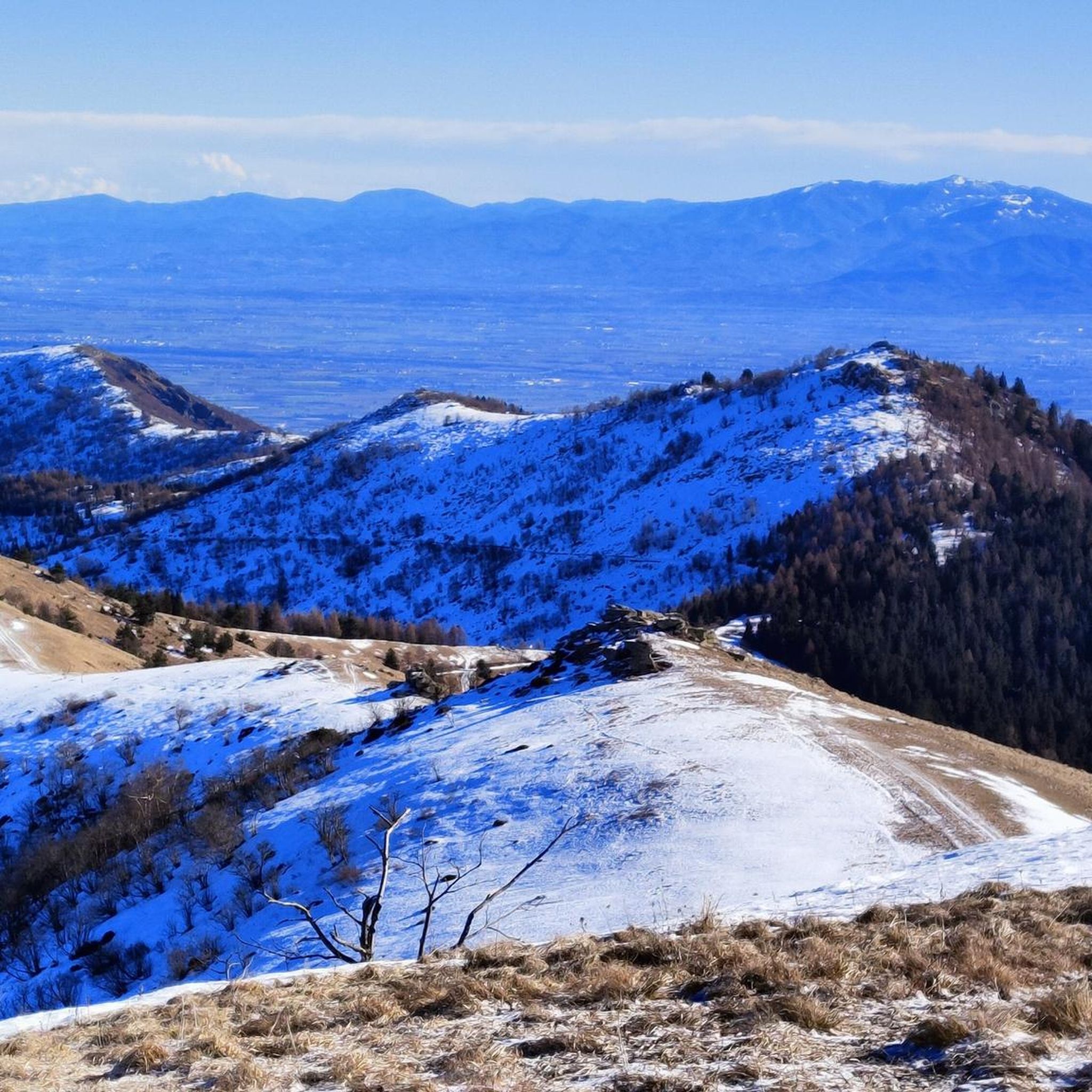
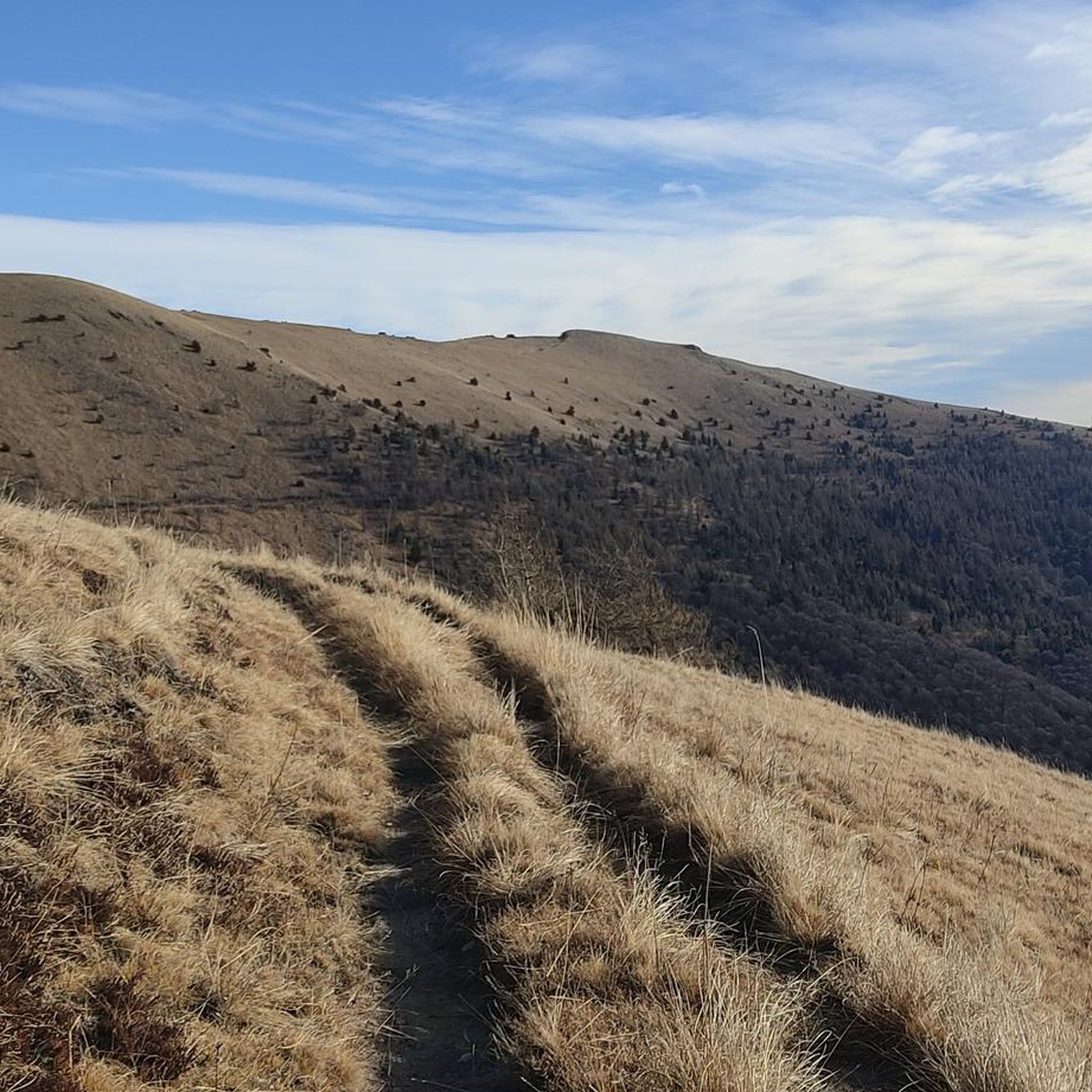
- The most popular natural monuments is Mount Roccerè, a summit that offers panoramic views over the Maira Valley, Monviso, and the Cuneo hills. It is also…
Last updated: October 1, 2026
Mount Roccerè
Highlight • Summit
Translated by Google •
Tip by

Balmascura Cave
Highlight • Cave
Translated by Google •
Tip by

Sign up now to discover places like this
Get recommendations on the best single tracks, peaks, & plenty of other exciting outdoor places.
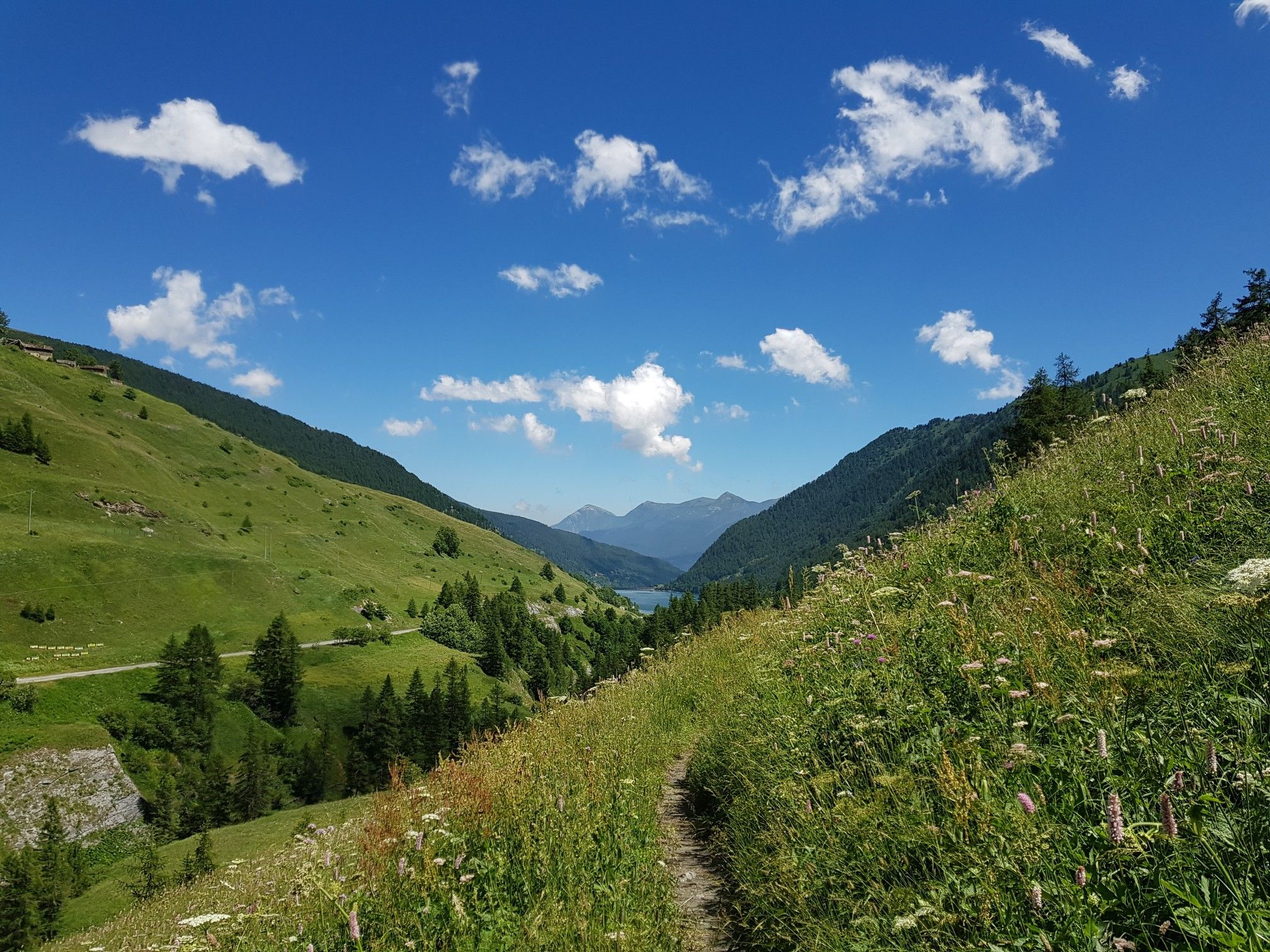
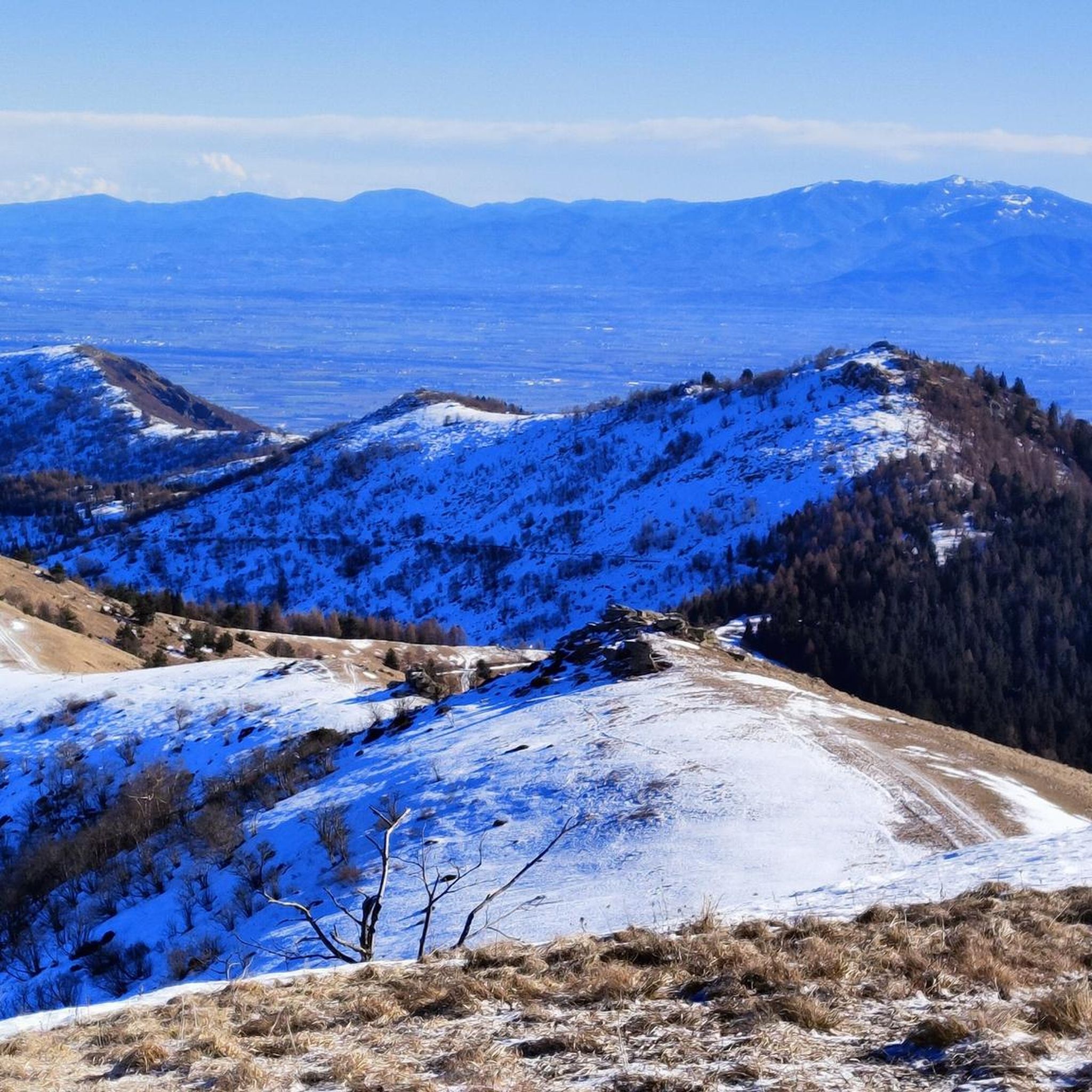
Scenic Viewpoint over the Gilba Valley
Highlight • Viewpoint
Translated by Google •
Tip by

Coppelle rock formations
Highlight • Natural Monument
Translated by Google •
Tip by
Guglia del Nivo
Highlight • Viewpoint
Translated by Google •
Tip by

Sign up for free to discover even more natural monuments around Frassino.
Already have an account?
Start today with a free account
Your next adventure awaits.
Other adventures around Frassino

Tips from the Community

Stunning panoramic viewpoint over the Gilba valley, overlooking the valley floor road. If you look carefully, you will also find some Neolithic cup marks, which add archaeological interest to the scenic one.
0
0

I visited in spring when there was a lot of snow, so unfortunately the carvings in the rock were buried by the snow.
0
0

It's nice to imagine a Shaman...with magic powders, liquids...smoke and songs to gain the good will of some unlikely Deity...
1
0

Balmascura Cave Inside a precious spring of water flows constantly. In front of the cave, about 20 meters away, the majestic balconies with engraved domes of the Massi Isoardi begin, above the cave there are numerous engraved domes. The second anthropomorphic specimen discovered in the immediate vicinity of this cave suggests that in that distant time it was the home of the shaman (or the) shaman or priest or “king” who succeeded one another in these places and were most likely the creators of those many domes and figures present on the site. Source: "https://www.coppelleroccere.com/sito-archeologico"
0
0

Panoramic viewpoint suspended over the Gilba valley
0
0

It is a large boulder positioned overhanging, an excellent panoramic point over the Gilba valley. It can be reached from two sides, starting from different hamlets of Melle, or from the capital itself. For those who suffer from vertigo, it is better not to get too close to the edge and look below.
0
0

WARNING, it is not an archaeological site, it's a natural formation, very interesting and special but has a natural origin. The Archaeological superintendency confirmed that. Nonetheless is a beautiful place.
1
0

On this panoramic point, you might find a gray goat, it always wanders around there, don't be scared and good but wary
0
0
Frequently Asked Questions
What unique geological formations can I explore around Frassino?
The region offers diverse geological features. You can visit the Coppelle rock formations, known for their interesting and special natural geological processes. Additionally, the Grotta di Rio Martino is a remarkable karst cave system featuring extensive halls, shafts, galleries, and unique formations like stalactites, stalagmites, and the distinctive 'Zampa d'Elefante' (Elephant's Paw).
Are there any significant caves to visit near Frassino?
Yes, two notable caves are accessible. The Grotta di Rio Martino is a major karst cave system with an underground river and a 40-meter high 'Pissai waterfall'. Another option is the Balmascura Cave, a very large cave offering beautiful views of the plain below, located on the path to Mount Roccerè.
Where can I find the best panoramic views around Frassino?
For breathtaking vistas, consider visiting Mount Roccerè, which offers panoramic views over the Maira Valley, Monviso, and the Cuneo hills. The Monte San Bernardo Summit and Panoramic View provides a 360° perspective of the surrounding valleys, including the Cuneo plain, Monte Rosa Group, and Monviso on clear days. You can also find a spectacular Scenic Viewpoint over the Gilba Valley.
What is the best time of year to visit the natural monuments around Frassino?
The ideal time to visit most natural monuments, especially for hiking and outdoor activities, is generally from spring to autumn. For the Grotta di Rio Martino, visits are permitted from April to October. Access is strictly prohibited from November 1st to March 31st to protect hibernating bat populations.
Are there guided tours available for any of the natural monuments?
Yes, guided tours are available for the Grotta di Rio Martino. The lower section of the cave is equipped with walkways and handrails, but visits are only permitted with a qualified naturalistic guide. These tours typically last about two hours and lead to the impressive Pissai waterfall.
What should I wear when visiting natural monuments in the Frassino area?
For general outdoor exploration, sturdy footwear and layers are recommended due to varying mountain weather. If you plan to visit the Grotta di Rio Martino, specific attire is crucial: sturdy, waterproof footwear, long trousers, a fleece, a waterproof jacket, and gloves are advised. The cave maintains a constant temperature of around 5°C with high humidity. Helmets and headlamps are usually provided by tour organizers.
What kind of wildlife can be observed in the natural monuments around Frassino?
The Grotta di Rio Martino is particularly significant for its biodiversity. It is a crucial habitat for bats, hosting at least 10 different species, including the Barbastelle, which forms Italy's most significant known winter aggregation within the cave.
Do any of the natural monuments have historical significance?
Yes, several sites hold historical interest. Mount Roccerè is known for the discovery of ancient cupels (small hollows in the rock) dating back to the Bronze Age. The Coppelle rock formations are also an archaeological site dedicated to similar Bronze Age excavations. The Grotta di Rio Martino has historical accounts from the 17th century and has revealed Neolithic tools and Roman-era remains through archaeological excavations.
What outdoor activities can I do near the natural monuments around Frassino?
The mountainous region around Frassino offers a variety of outdoor activities. You can explore numerous running trails, with options like the 'Colle di Melle – Monte della Ciabra loop' or the 'Colle del Prete loop'. For cyclists, there are challenging routes such as the 'Ascent to Col Agnel' or the 'Colle Sampeyre and the heights of Elva'. You can find more details on these activities in the Running Trails around Frassino and Cycling around Frassino guides.
Are there hiking trails near these natural monuments?
Absolutely. Many natural monuments are integrated into or accessible via hiking trails. For instance, the Balmascura Cave is located on the path to Mount Roccerè, which itself offers a loop trail that can be completed in about an hour and a half. The Monte San Bernardo Summit is also easily reachable from various valleys. You can discover more hiking opportunities in the Running Trails around Frassino guide, which includes routes suitable for hiking.
What do visitors particularly enjoy about the natural monuments in Frassino?
Visitors frequently praise the stunning panoramic views from summits like Mount Roccerè and Monte San Bernardo, often highlighting the clear views of the Cuneo plain and distant Alps. The unique geological formations, such as the Coppelle rock formations, are also appreciated for their natural beauty. The area's variety of natural monuments, including caves and viewpoints, contributes to a rich outdoor experience, as evidenced by over 70 upvotes and 80 photos shared by the komoot community.
Most popular routes around Frassino
Most popular attractions around Frassino

Get inspired with the komoot mobile app


Explore more
Extend your search for the best caves by checking out these guides of the top ones around Frassino:
