Top 6 Mountain Passes around Marostica
Best mountain passes around Marostica offer a variety of scenic hilly routes and significant climbs, particularly appealing to cyclists and hikers. The region features diverse landscapes, from rolling vineyards to shaded valleys and challenging ascents towards the Asiago Plateau. These routes often lead to panoramic viewpoints, providing extensive views over the surrounding Veneto region. Marostica's surroundings are characterized by significant elevation changes and ancient mule tracks.
Best mountain passes around Marostica
- The most popular mountain passes is Valstagna–Foza Climb,…
Last updated: August 8, 2026
Foza–Valstagna Hairpin Road
Highlight (Segment) • Mountain Pass
Little traffic, partly beautiful views.
From Valstagna to Foza to the Sette Comuni, the Asiago plateau.
More information: de.wikipedia.org/wiki/Sieben_Gemeinden_(Italien)
Translated by Google •
Tip by

Col d'Astiago
Highlight • Mountain Pass
Translated by Google •
Tip by

Sign up now to discover places like this
Get recommendations on the best single tracks, peaks, & plenty of other exciting outdoor places.
Sign up for free
Valstagna–Foza Climb
Highlight (Segment) • Climb
Translated by Google •
Tip by

Ascent to Monte Grappa from Romano d'Ezzellino
Highlight (Segment) • Climb
Translated by Google •
Tip by

View of Campocroce from Semonzo
Highlight (Segment) • Viewpoint
9 to 14%.
Always up.📈
Translated by Google •
Tip by

Sign up for free to discover even more mountain passes around Marostica.
Sign up for free
Already have an account?
Start today with a free account
Your next adventure awaits.
Login or Signup
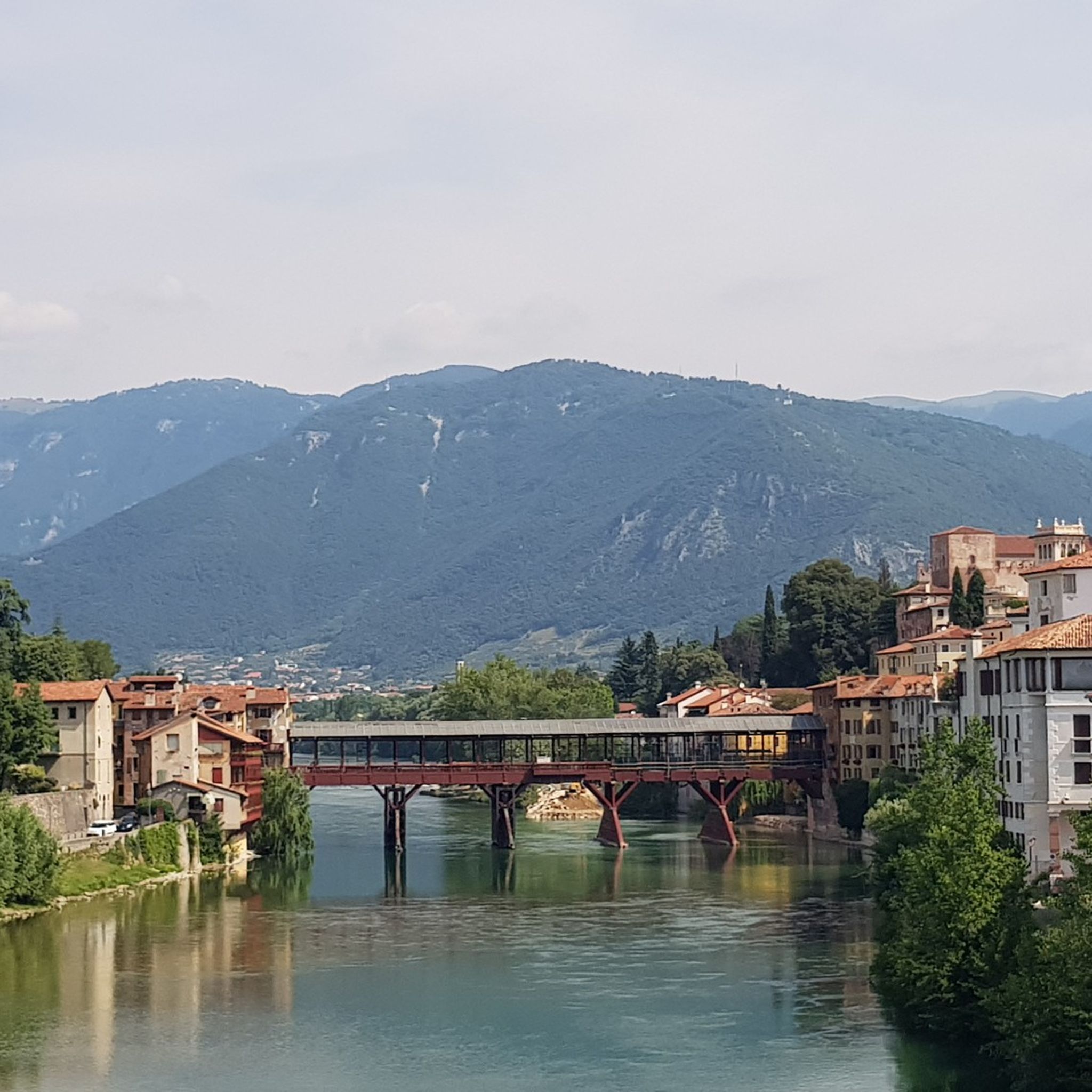

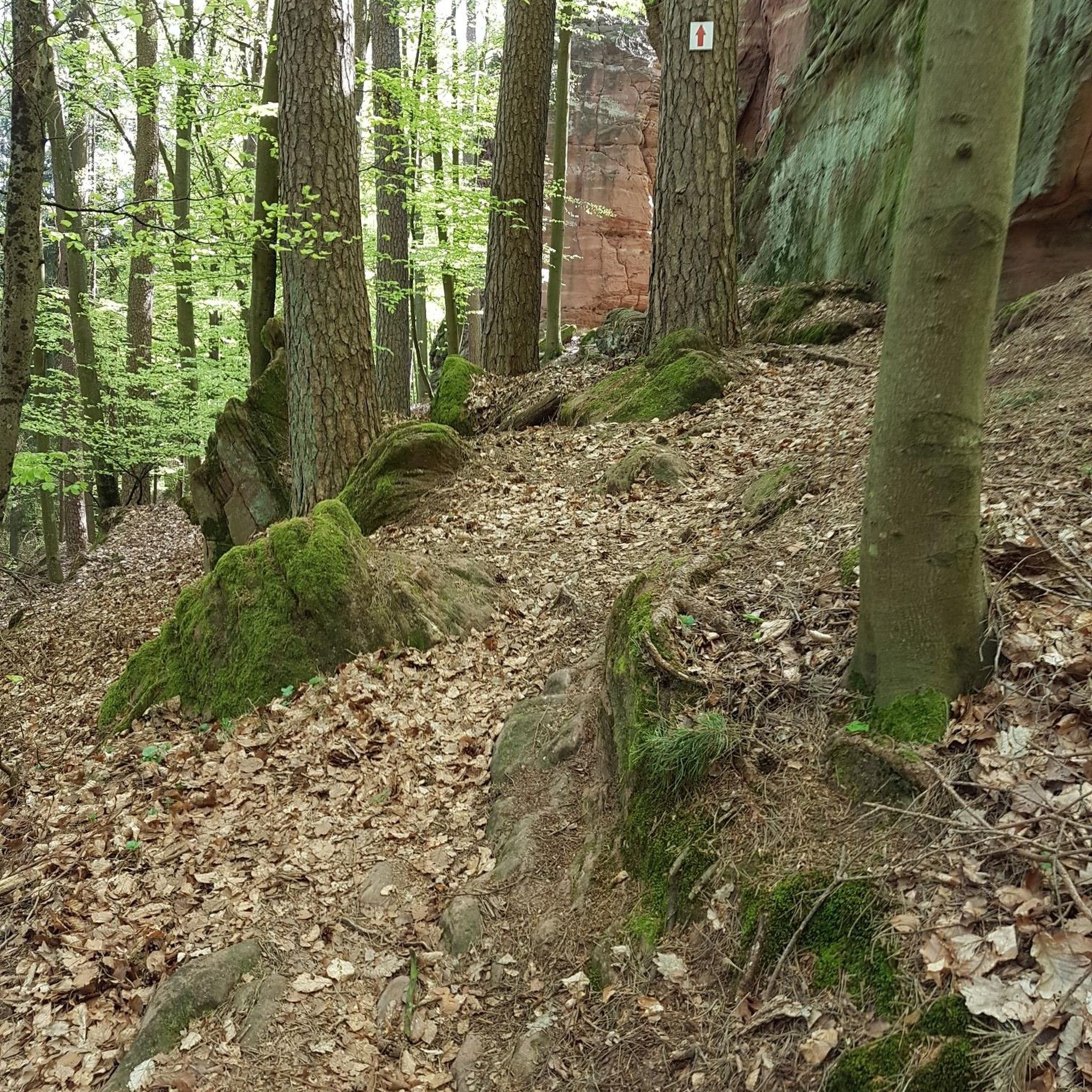
Tips from the Community

This climb is a must-do, and shouldn't be underestimated. Fortunately, it has some sections where you can catch your breath.
0
0

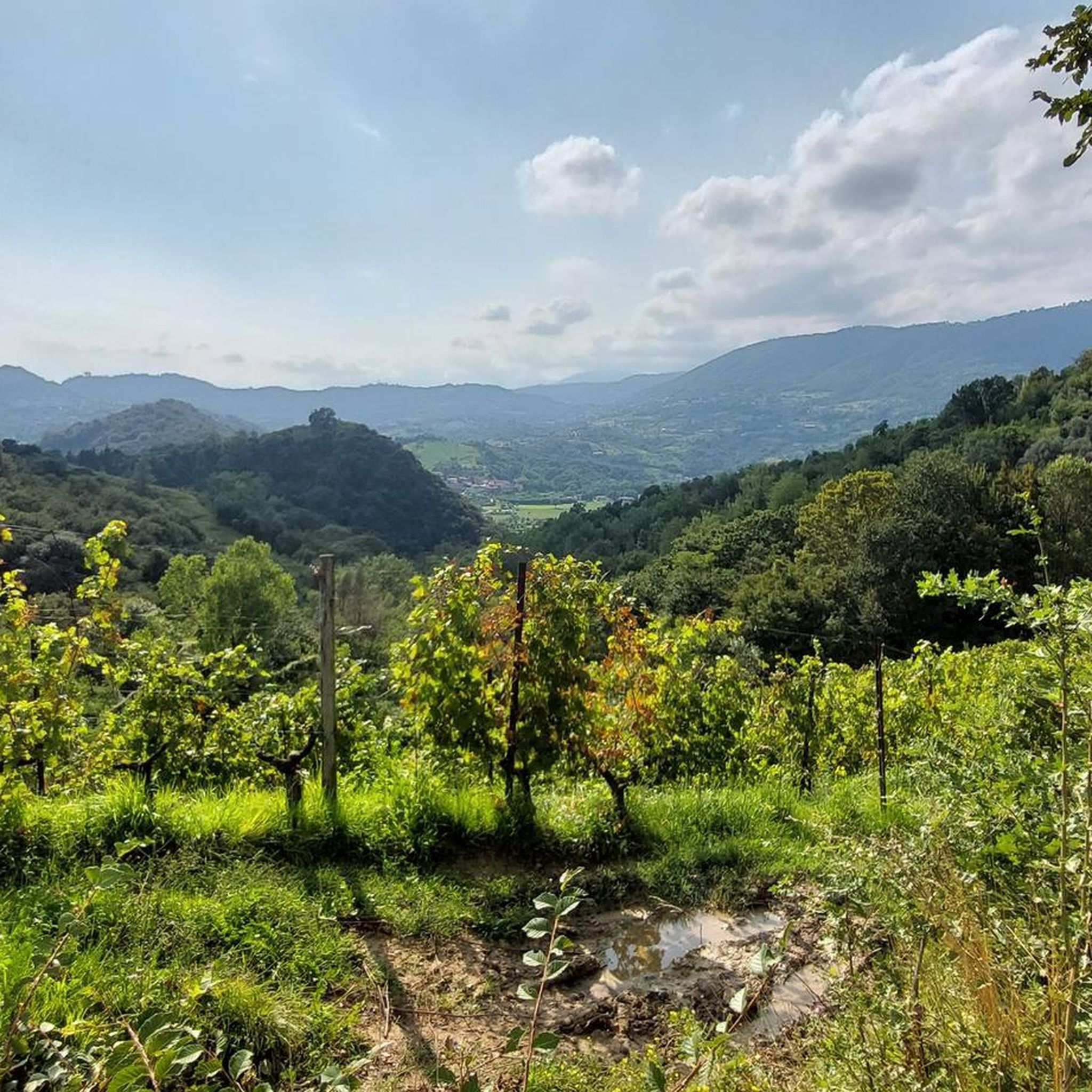
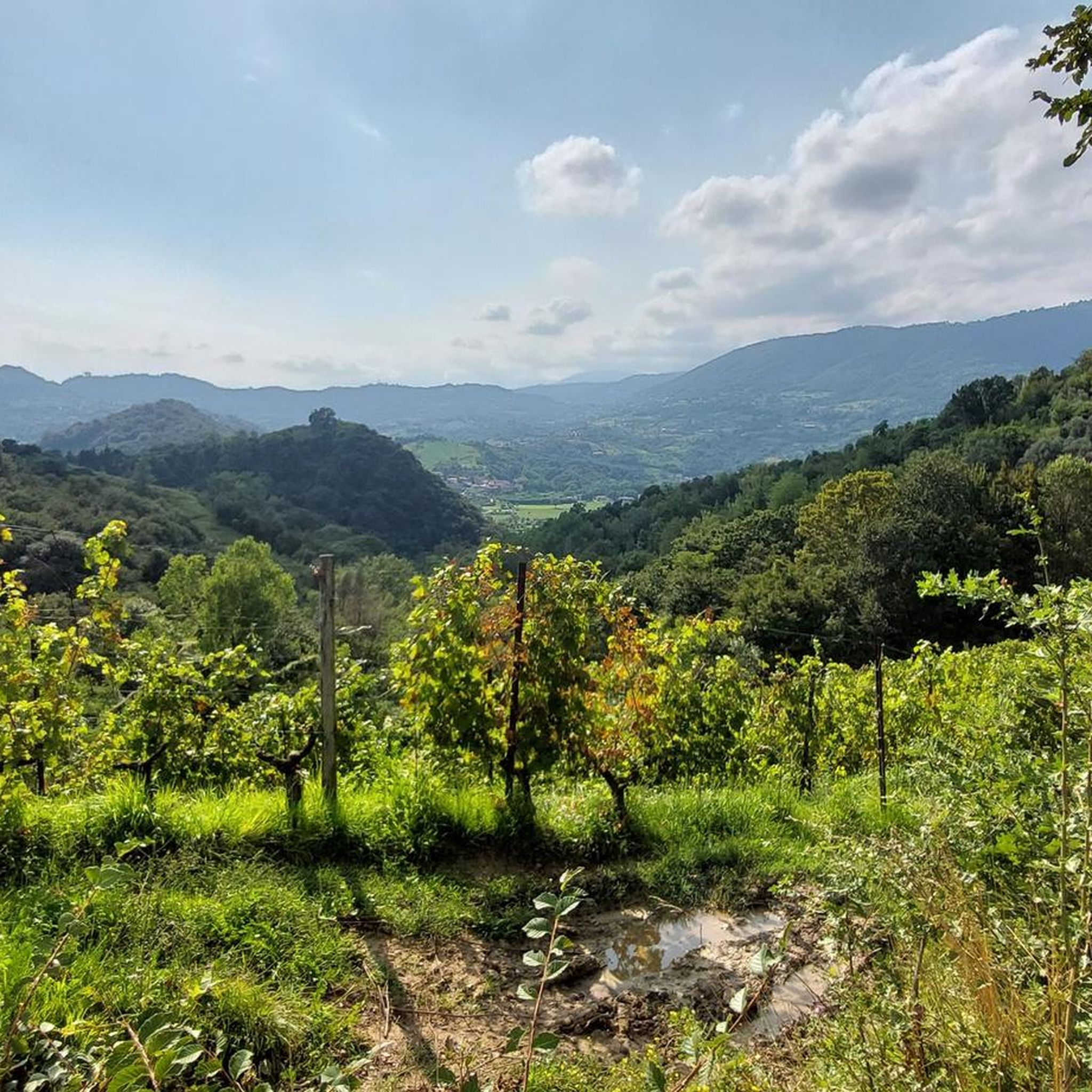
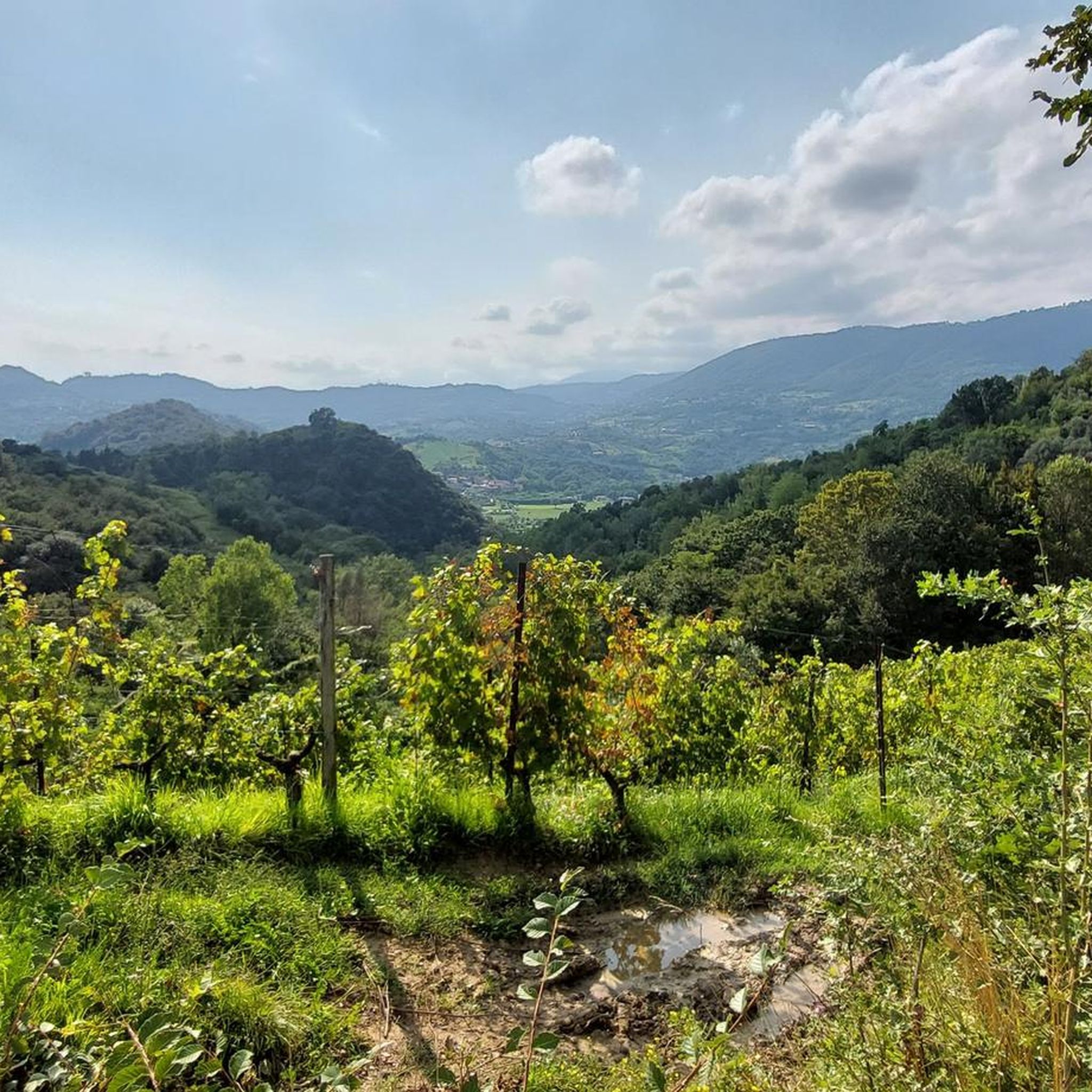
Col d'Asiago offers a beautiful and privileged panoramic point on the underlying Canale del Brenta, or the narrow and deep terminal part of Valsugana. But the view extends over the Asiago Plateau and the entire skyline of mountains that border it to the north, the Grappa Massif to the east and the mouth of Val Brenta. In the distance, the Piccole Dolomiti, the Pale di San Martino and the Vette Feltrine. Precisely because of its strategic position, during the First World War it was a strongly armed Italian defensive bastion and decisive in various phases of the conflict. The peak is also known locally by the ancient and dialect toponym 'Col del S-ciavo', dating back to the time of the Serenissima: on the slopes of the hill in fact the 'schiavoni' (i.e. the non-Latin inhabitants of the dominions of Dalmatia and the Venetian hinterland) cut wood for the naval fleet; the trunks (especially beech trees) were lowered down the valley through the famous and nearby Calà del Sasso; they were then loaded onto rafts that went down the entire Brenta, until they reached the lagoon and the Arsenale of Venice. A large concrete cistern dominates the summit, collecting the water pumped from the Oliero Caves, 1000m further downstream, and distributing it to the Plateau.
0
0

Euganean hills and beryxes emerging from the clouds
0
0

The easiest climb to tackle the grappa, which allows for some stretches to catch your breath
2
1

Thurs. October 12th '23 a car rally will be held on the public road that is not (!) closed. For the. For a long time I couldn't tell what was going on - until I noticed the folding chairs with the marshals... If available, the center line is the benchmark for the drivers and the hairpin bends are preferably driven on the inside: Have fun descending into the right-hand bends - there are always a few 'surprises'. I saw 2 Carabinieri vehicles on the way without any apparent surveillance activity - a third was taking care of an illegal parker. Well - I definitely won't be doing this (very nice) lap on this date again.
0
1

Col d'Astiago is located in the south-eastern sector of the Asiago plateau. Wide panorama of the Brenta and towards Monte Grappa. Here is the pumping station of the aqueduct that brings water from the Oliero caves to the plateau.
3
0

Nice cycling challenge, long and quite tough climb
0
0

Although the Piccolo Stelvio has nothing to do with the Passo di Stelvio, it does have some hairpin bends with a very pleasant gradient in a beautiful landscape. Highly recommended driveway!
0
1
Frequently Asked Questions
What are some of the most scenic climbs or "mountain passes" around Marostica?
The region around Marostica offers several notable climbs and routes that provide a mountain pass experience. Highlights include the challenging Valstagna–Foza Climb with its 20 hairpin bends leading to the Asiago Plateau, and the Col d'Astiago, offering wide panoramas of the Brenta and Monte Grappa. The View of Campocroce from Semonzo is also popular for its steep gradients and rewarding vistas.
Are there any historical sites or features to discover on these routes?
Yes, several routes are rich in history. The Col d'Astiago, for instance, was a strategic Italian defensive bastion during WWI and is known for its aqueduct system. The ancient paved mule track, Sentiero del Sette (Trail of Seven), also offers a sense of historical journey, once used for transporting livestock and timber. Additionally, the climb to Marostica's Upper Castle provides historical context and stunning views.
What kind of views can I expect from the mountain passes and climbs near Marostica?
The climbs around Marostica offer diverse and extensive views. From routes leading to the Asiago Plateau, you can expect panoramic vistas over the surrounding Veneto region. The Colline di San Benedetto provide splendid views of Marostica Castle, valleys, and the distant Asiago Plateau. The ascent to Marostica's Upper Castle offers one of the most beautiful views of the Pedemontana Veneta, encompassing the flatlands, Grappa mountain range, Euganean and Berici Hills, Piccole Dolomiti, and the Asiago Plateau.
Are there family-friendly hiking options near these mountain passes?
While many routes offer challenging ascents, the Colline di San Benedetto feature gentle, winding paths amidst vineyards and olive groves, making them suitable for families. For more specific family-friendly hiking routes, you can explore the options in the Hiking around Marostica guide, which includes trails like the San Benedetto Hills Trail from Marsan.
What is the best time of year to visit the mountain passes around Marostica?
The region offers beauty throughout the year. Spring brings cherry blossoms to the Colline di San Benedetto, summer offers pleasant trails, and autumn showcases colorful foliage. For challenging climbs like the Valstagna–Foza Climb, be prepared for potentially colder temperatures at higher altitudes in winter. Generally, spring and autumn provide comfortable conditions for exploring.
Where can I find trails for mountain biking near Marostica's climbs?
The routes towards the Asiago Plateau are particularly appealing for mountain biking, offering a true mountain biking feeling with pleasant trails. For a comprehensive list of trails, refer to the MTB Trails around Marostica guide, which includes routes like the Pradipaldo climb to Rubbio – Monte Frolla loop.
Are there road cycling routes that incorporate these climbs?
Absolutely. The region is very popular with road cyclists due to its challenging climbs and scenic roads. The Foza–Valstagna Hairpin Road is a well-known cycling challenge. You can find more road cycling options in the Road Cycling Routes around Marostica guide, such as the Cima Grappa – Monte Grappa loop from Marostica.
What unique natural features can be found on these routes?
Beyond the panoramic views, you can discover unique natural features. The Colline di San Benedetto are an "oasis of peace" with vineyards, olive groves, and cypress trees, and are home to the Gorghi Scuri Waterfall. The Val d'Inverno route offers a "shady and suggestive" valley environment, providing a different kind of natural beauty.
What do visitors enjoy most about the mountain passes and climbs around Marostica?
Visitors frequently praise the challenging yet rewarding ascents, the breathtaking panoramic views, and the diverse landscapes ranging from rolling vineyards to shaded valleys. The historical significance of some routes and the opportunity for a "true mountain biking feeling" on the Asiago Plateau also receive high acclaim. The Valstagna–Foza Climb is particularly noted for its fascinating ascent and limited traffic.
Is there a specific climb that offers views of Monte Grappa?
Yes, the Col d'Astiago provides a wide panorama that includes views towards Monte Grappa. Additionally, the Ascent to Monte Grappa from Romano d'Ezzellino is a direct route to the summit, offering extensive views of the massif itself.
Are there any specific trails known for their hairpin bends?
The Valstagna–Foza Climb is famous for its 20 hairpin bends, offering an exciting and challenging ascent. Similarly, the Foza–Valstagna Hairpin Road is known for its 20 bends, providing a pleasant gradient for cyclists.
Most popular routes around Marostica
Most popular attractions around Marostica

Get inspired with the komoot mobile app


Explore more
See even more epic mountain passes by checking out these guides around Marostica:
