Top 20 Natural Monuments around Bagni Di Lucca
Natural monuments around Bagni Di Lucca offer a diverse range of geological formations and natural landscapes within the picturesque Tuscan region. The area is characterized by its mountainous terrain, carved by ancient glaciers and rivers, leading to unique features like deep gorges, high-altitude lakes, and prominent peaks. These natural sites provide opportunities to experience the region's rich biodiversity and geological history.
Best natural monuments around Bagni Di Lucca
- The most popular natural monuments is Lake Scaffaiolo, a lake located…
Last updated: June 28, 2026
Lake Scaffaiolo
Highlight • Lake
Translated by Google •
Tip by

Monte Cimone Summit
Highlight • Summit
Too bad for the significant anthropization of the summit due to the weather station and the military base below.
Magnificent view that reaches up …
Translated by Google •
Tip by

Sign up now to discover places like this
Get recommendations on the best single tracks, peaks, & plenty of other exciting outdoor places.
Sign up for free
Lago Nero (Abetone)
Highlight • Lake
Translated by Google •
Tip by

Dardagna Waterfalls
Highlight • Waterfall
Translated by Google •
Tip by

Lago Santo Modenese
Highlight • Lake
Translated by Google •
Tip by

Sign up for free to discover even more natural monuments around Bagni Di Lucca.
Sign up for free
Already have an account?
Start today with a free account
Your next adventure awaits.
Login or Signup
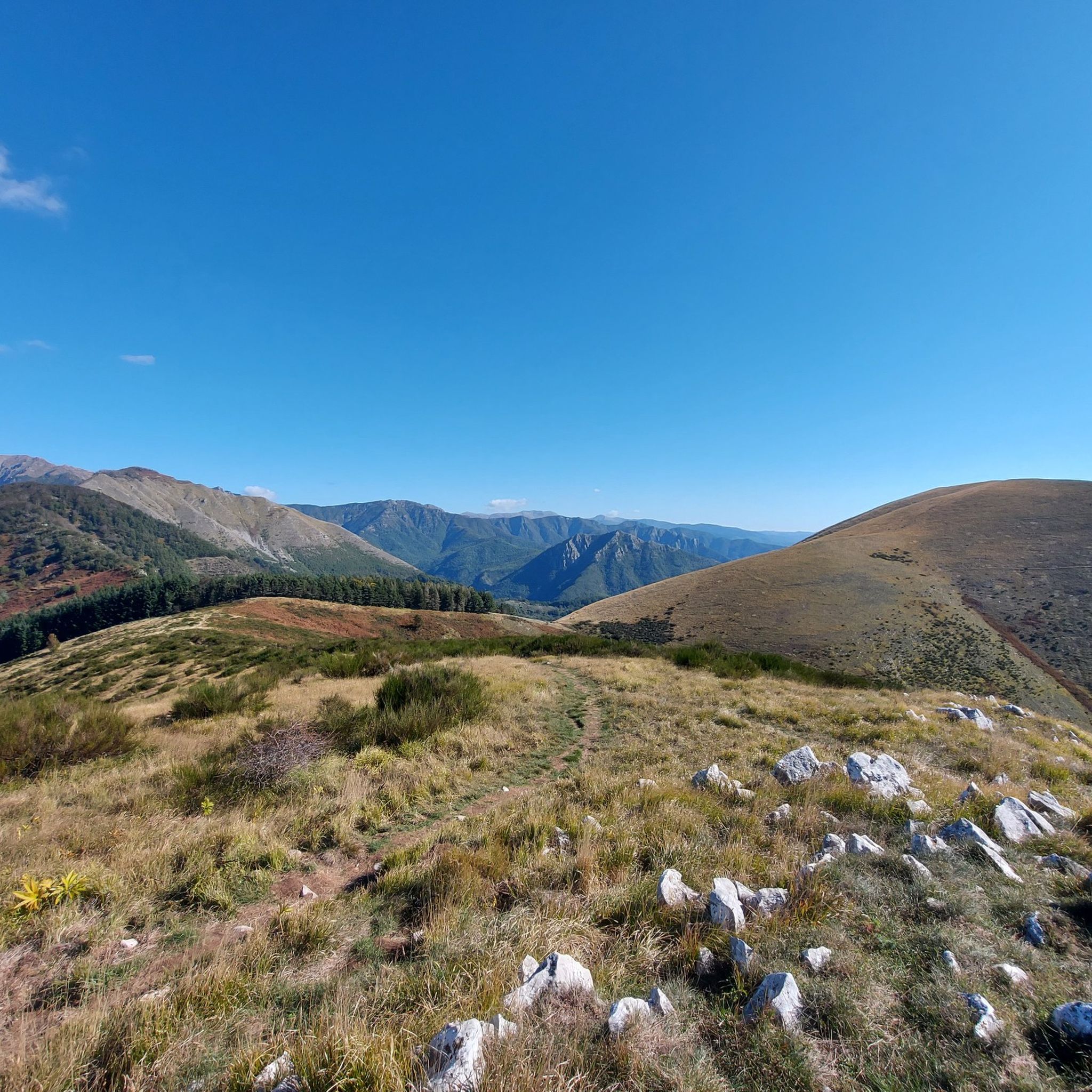
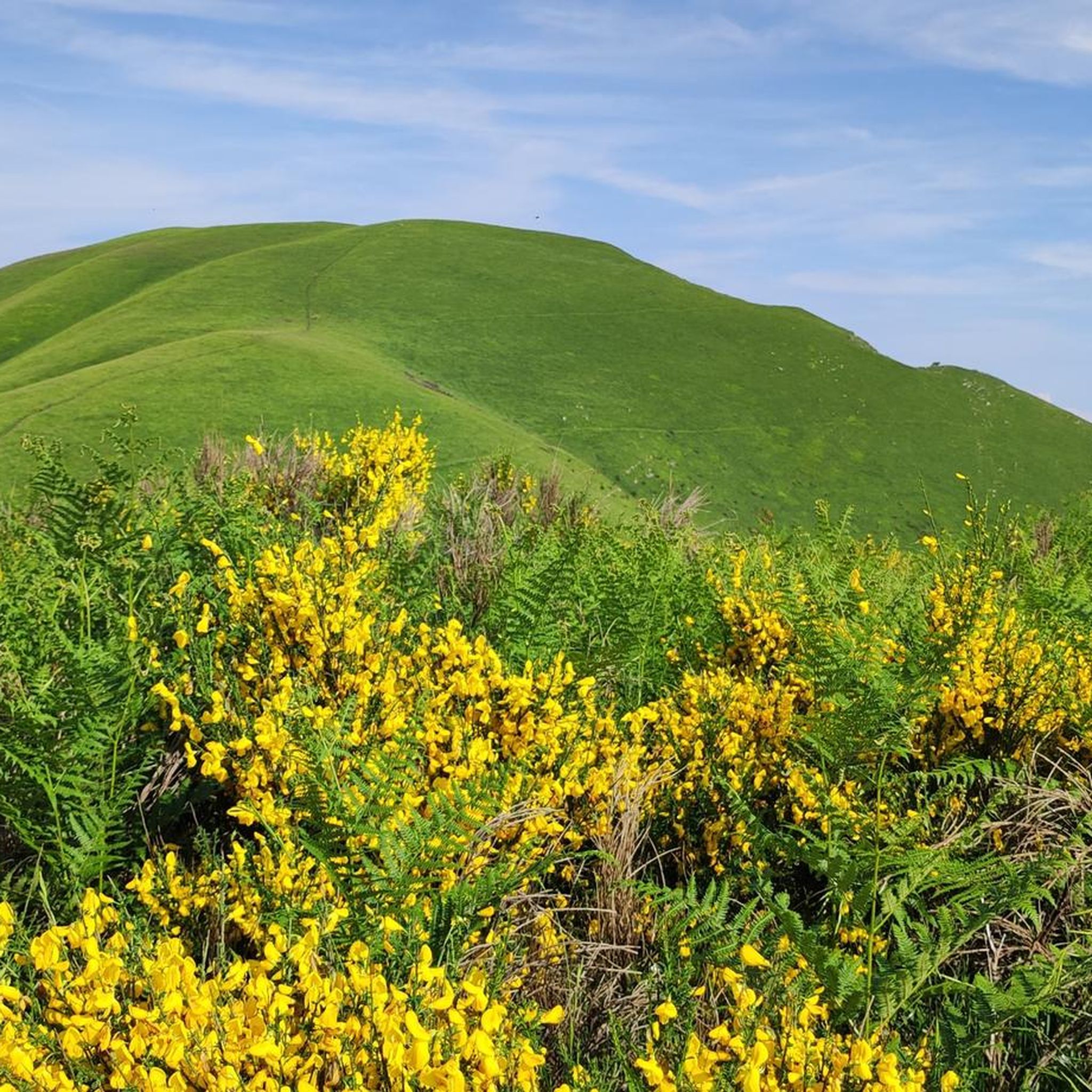


Tips from the Community

Don't be discouraged by the climb, it's not very long and the arrival is worth the journey.
0
0

A refuge with renovated private rooms and excellent cuisine. It's an excellent starting point for various hikes in the area, and the management is very friendly. From the (paid) parking lot, it's about a 10-minute walk uphill to the refuge. The manager, Massimo, is a wonderful person; it's always a pleasure to return!
1
0
An excellent rest stop where you can stay in the dormitory or stop for lunch. With a donation, you can get bread, cheese, and a tart, or whatever else they have on hand. Volunteers are definitely available on weekends. In winter, the winter shelter is open in case of emergency. There is no bathroom.
0
0

DARDAGNA waterfalls, very beautiful and easy to reach from the Madonna dell'acero path
0
0

Lovely place! Great for resting and refueling after a hike.
0
0

beautiful lake from which many paths start, the food at the refuge is very good and the manager is very friendly
0
0

Italian peak from where, on the clearest days, the largest Italian surface can be observed.
1
0

The lake is located at an altitude of 1,501 m above sea level. and it is the largest natural lake in the Modena Apennines and the second, slightly surpassed by the homonymous lake in Parma, in the entire northern Apennines: it has a perimeter of 1250 m, a length of approximately 550 m and its surface measures 58,000 m2 while its maximum depth is approximately 20 metres, found in the sector below the wall of Monte Giovo; its reservoir is approximately 450,000 m3. Lago Santo is fed by three tributaries: one descends from the Boccaia, another from the Serra coast and the third from the Borra dei Porci terrace; instead there is a single emissary located at the southern end near the Rifugio Vittoria. The lake has a mixed origin, glacial and landslide.
0
0
Frequently Asked Questions
What are some other significant natural monuments to explore near Bagni di Lucca?
Beyond the most popular spots, you can discover the dramatic Orrido di Botri, a spectacular limestone gorge often called 'the Canyon of Tuscany'. Another must-see is the Grotta del Vento, a renowned cave system in the Apuan Alps with incredible formations. For a blend of nature and history, the iconic Ponte della Maddalena, also known as the Devil's Bridge, is a distinctive medieval structure crossing the Serchio River.
What unique geological features can be found in the natural monuments around Bagni di Lucca?
The region boasts diverse geological wonders. The Orrido di Botri features towering limestone gorge walls carved by streams, showcasing significant erosion. The Grotta del Vento offers a subterranean world of stalactites, stalagmites, crystal lakes, and underground streams. You can also find glacial lakes like Lago Nero (Abetone), whose basin was formed by ancient glaciers, and Lake Scaffaiolo, which formed from mountain sinking due to erosion.
Are there any natural monuments with historical significance in the Bagni di Lucca area?
Yes, the Ponte della Maddalena, or Devil's Bridge, is a prime example. This medieval stone bridge, with its unique asymmetrical arches, was a vital crossing on the Via Francigena, an important pilgrimage route. It's also steeped in local folklore and legends, adding to its historical charm.
What kind of adventurous activities can I do at the natural monuments?
For adventure seekers, the Orrido di Botri offers an exhilarating experience, allowing visitors to hike along the Pelago River through the gorge, especially in summer when water levels are lower. The Grotta del Vento provides guided tours through its complex cave system, with itineraries of varying lengths. You can also challenge yourself by hiking to summits like Monte Cimone Summit, the highest peak of the Tuscan-Emilian Apennines.
Are there family-friendly natural monuments suitable for children?
Absolutely. The Dardagna Waterfalls are easily accessible and offer a beautiful walk through a beech wood, perfect for families. Lago Santo Modenese is another great option, with a short walk from paid parking to the lake and a refuge nearby. The Grotta del Vento also offers different guided itineraries, including shorter ones that are suitable for families, providing an educational and engaging underground experience.
What is the best time of year to visit the natural monuments around Bagni di Lucca?
The best time depends on the specific monument and activity. The Orrido di Botri is typically open from mid-June to mid-September, ideal for riverbed exploration. The Grotta del Vento is a great escape from summer heat due to its constant cool temperature. For waterfalls like Dardagna Waterfalls, autumn offers spectacular foliage, while winter can present beautiful frozen scenes. Mountain lakes and summits are generally best visited in late spring, summer, and early autumn for pleasant hiking conditions.
How can I access the Orrido di Botri nature reserve, and what should I know before visiting?
The Orrido di Botri is a protected nature reserve. It's typically open from mid-June to mid-September, with daily entry limited to 300 visitors. Guided tours are available, and protective helmets and trekking shoes are essential for exploring the gorge. For more detailed information on access and booking, you can check the Visit Tuscany website.
What makes the Grotta del Vento a unique natural monument?
The Grotta del Vento, or Wind Cave, is considered one of Europe's most complete and beautiful cave systems. Its uniqueness comes from the strong air currents blowing through it, its constant cool temperature, and its incredible array of spectacular formations, including stalactites, stalagmites, columns, crystal lakes, and underground streams. It offers a rare glimpse into an active, evolving subterranean world.
Can I find hiking trails near these natural monuments?
Yes, the region around Bagni di Lucca offers numerous hiking opportunities. Many trails lead to or pass by these natural monuments. For example, you can find routes that explore the area around Lake Scaffaiolo or the Lago Nero (Abetone). You can explore various running trails, MTB trails, and road cycling routes that connect to these natural features.
What should I wear or bring when visiting the natural monuments in this region?
For exploring the Orrido di Botri, protective helmets and trekking shoes are essential. When visiting the Grotta del Vento, remember that the cave maintains a constant cool temperature of 10.7°C, so a light jacket is advisable even in summer. For any hiking or outdoor activity, sturdy footwear, appropriate layers of clothing, water, and sun protection are always recommended, especially when heading to higher altitudes or exposed areas like Monte Cimone Summit.
What do visitors enjoy most about the natural monuments around Bagni di Lucca?
Visitors frequently highlight the breathtaking views and the sense of being immersed in wild, untouched nature. The unique geological formations, from deep gorges to spectacular cave systems and high-altitude glacial lakes, are a major draw. The blend of adventurous exploration, historical significance, and the opportunity to experience rich biodiversity also makes these sites highly appreciated by the komoot community, who have shared over 300 photos and given more than 500 upvotes.
Most popular routes around Bagni Di Lucca
Most popular attractions around Bagni Di Lucca

Get inspired with the komoot mobile app


Explore more
Extend your search for the best caves by checking out these guides of the top ones around Bagni Di Lucca:
