Top 4 Castles around Badalucco
Castles around Badalucco are primarily represented by historical fortifications and the remnants of ancient structures that shaped the village's development. Badalucco itself retains a medieval character, with its layout reflecting its fortified past. The village is situated in the Argentina Valley, offering elevated positions that historically served as defensive lookout points. Exploring the area provides insight into the region's strategic importance and historical architecture.
Best castles around Badalucco
- The most popular castles is Castle Ruins of Lingueglietta, a castle…
Last updated: October 1, 2026
Castle Ruins of Lingueglietta
Highlight • Castle
Translated by Google •
Tip by

Prelà Castle Ruins
Highlight • Castle
Translated by Google •
Tip by

Sign up now to discover places like this
Get recommendations on the best single tracks, peaks, & plenty of other exciting outdoor places.
Ancient Cobblestone Path and Ruins of Vasia Castle
Highlight • Castle
Translated by Google •
Tip by
Doria Castle of Prelà
Highlight • Castle
Translated by Google •
Tip by
Descent from Prelà Castle
Highlight (Segment) • Trail
Translated by Google •
Tip by
Start today with a free account
Your next adventure awaits.

Tips from the Community

MTB descent from Prelà Castello to Molini di Prelà, all on a well-maintained mule track but with frequent curves. Excellent for MTB, very fun, never too steep. Some difficult passages.
0
0
ancient castle of the Doria, placed to guard the road of fortification towards the Via del Sale that passed from Prelà Castello. Destroyed by the Spanish and never rebuilt. It was paired with the Maro castle of which only a few stones remain. It was recently purchased by a foreigner who began the restoration with the intent of rebuilding it as it was. The works, however, have been stopped for a few years. Currently the castle has at least been cleaned and made safe.
0
0

A rock separates the two halves of Lingueglietta. On it stand the remains of the castle of the lords of Lengueglia from the 12th to 13th centuries.
2
0
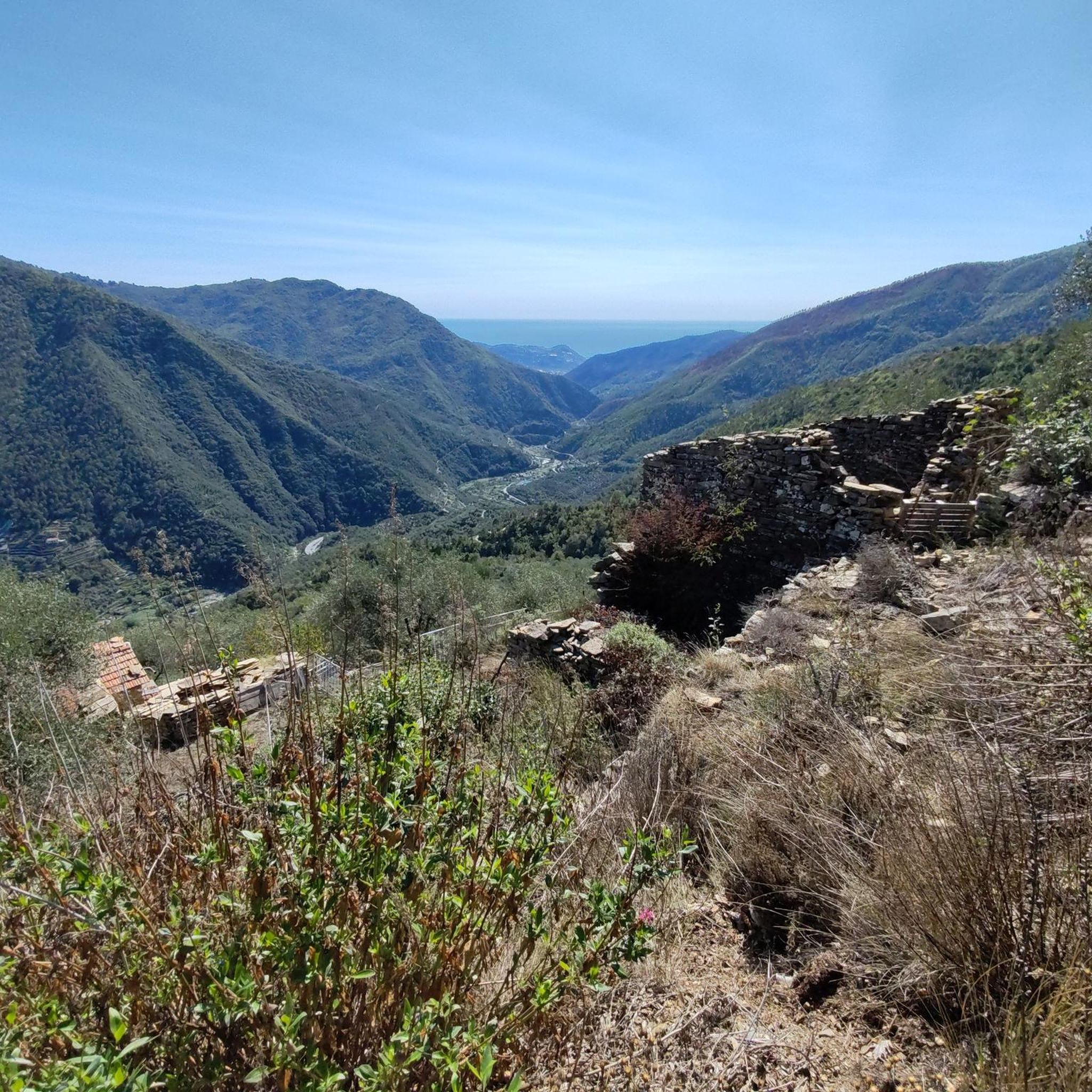
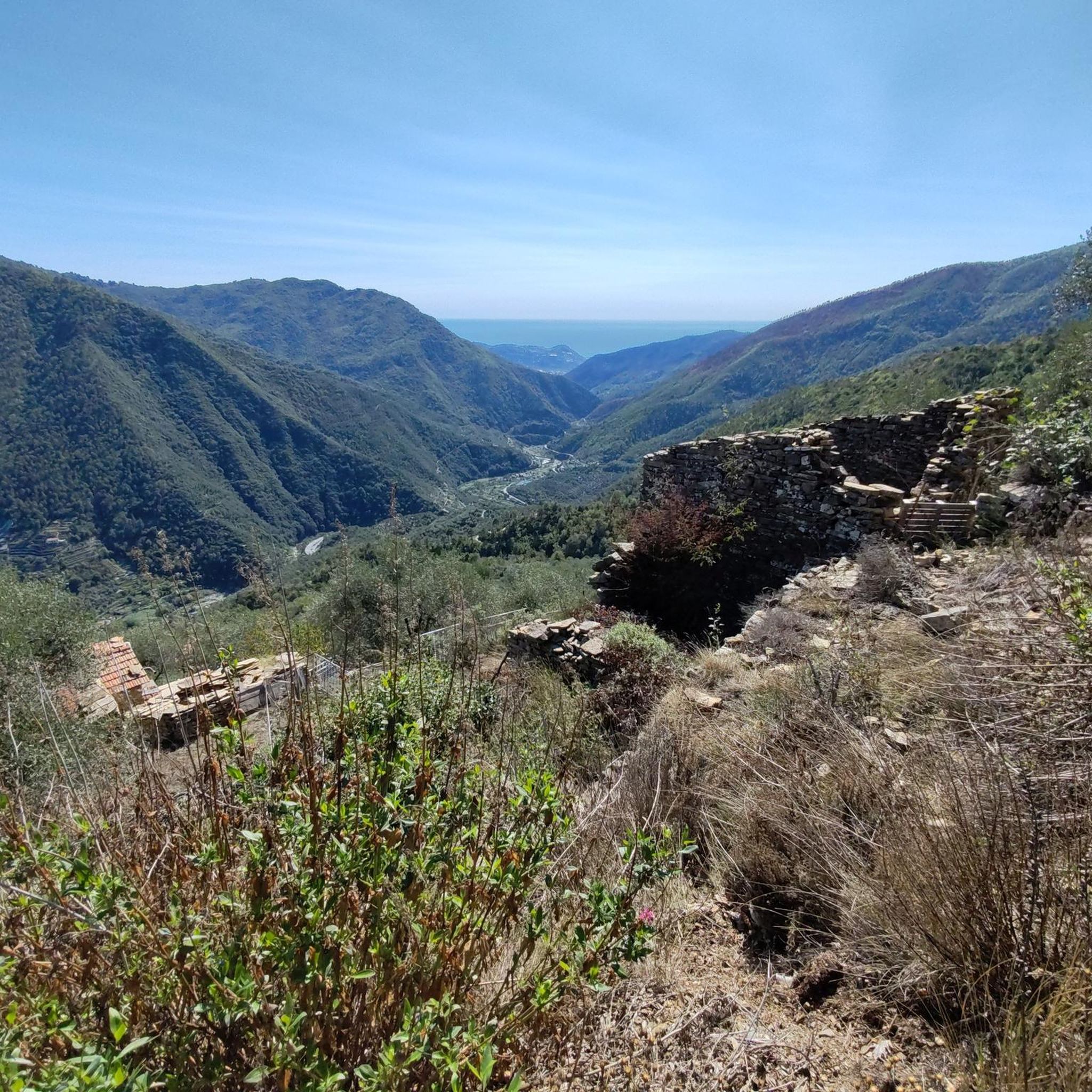
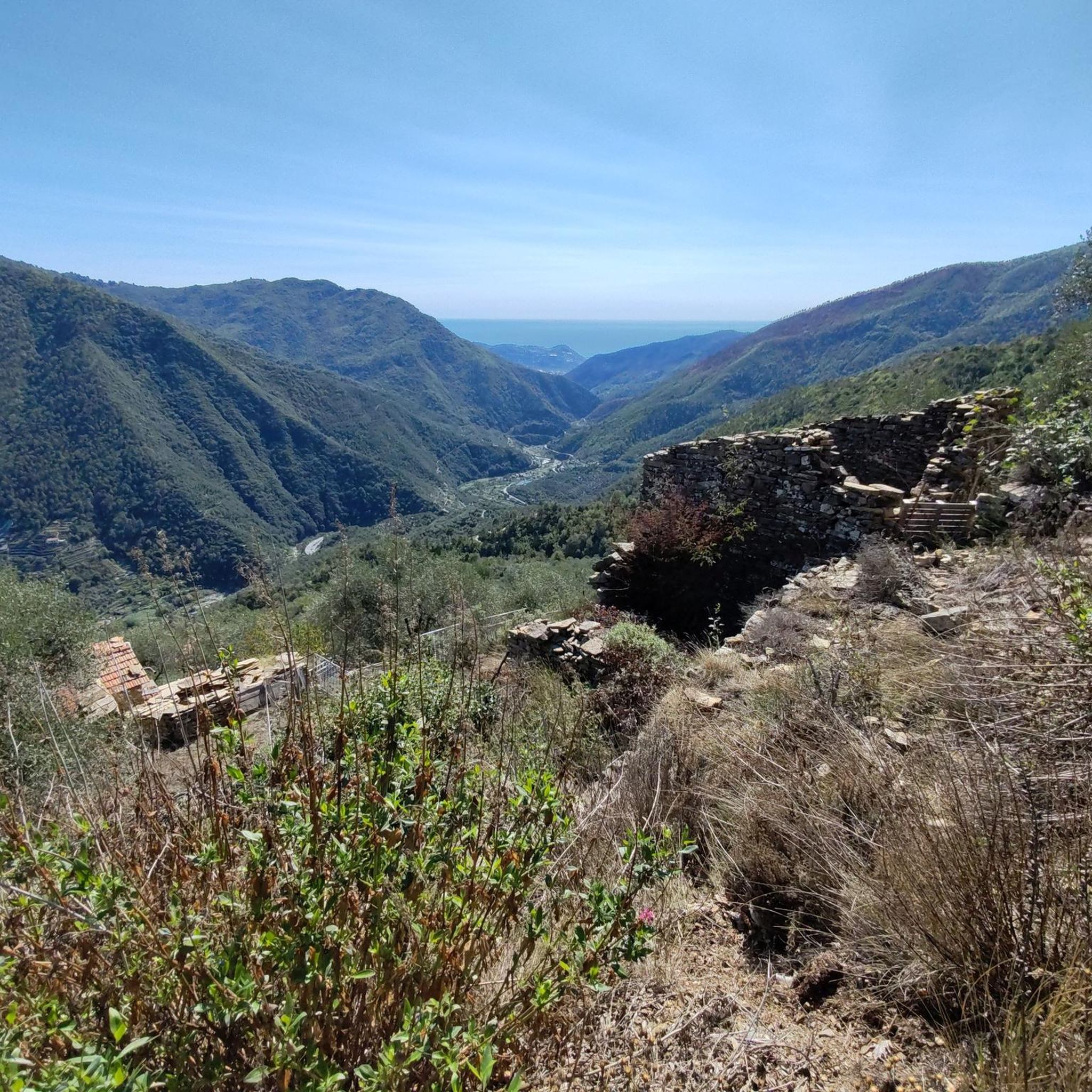
This trait Brevisismo has recently been redone as it once was, that is, with stones positioned cut and stuck together, without concrete. The result is one of the few occasions to see how the mule tracks used to be, when they were still well maintained, without weeds and years of neglect. In addition, from here you can take excellent photos of the town, the castle and towards Vasia PS: you can go down on foot, gravel or MTB
0
0
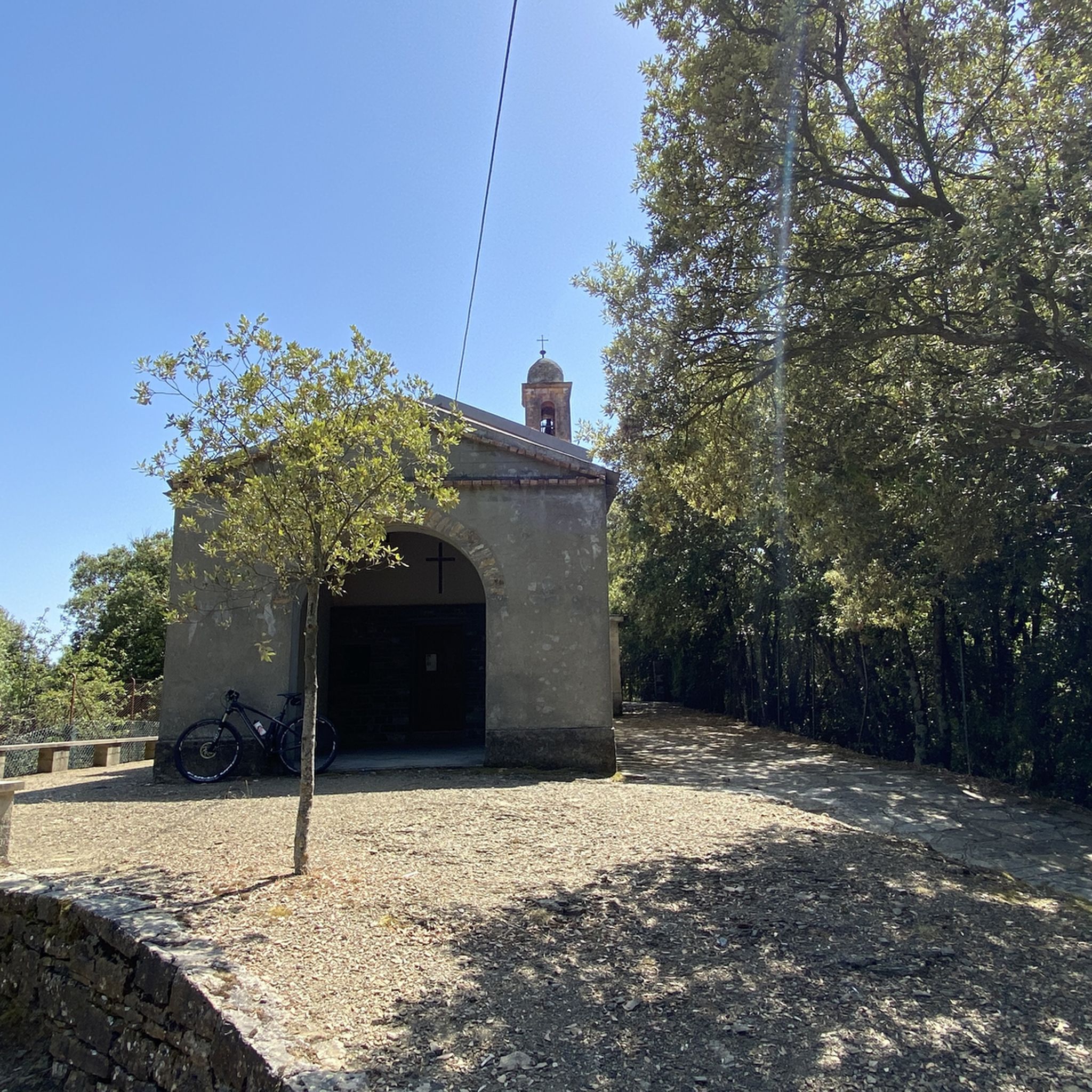
The village of Prela is now reduced to a few houses, a row of buildings almost entirely restored by foreign owners who understood the value of the country years ago. The houses are compressed between the ruins of the ancient castle and the church of SS. Giacomo and Nicolò, which closes the village downstream. This place took its name from the "petralata" that is the large stone on which the feudal lords had built the fortress several times destroyed and rebuilt. The castle, placed to guard the via Marenca, which connects with the via del Sale, was demolished after the last Genoese reconquest. Antonio Doria in 1340 destroyed the castle of Prela Soprana from the very foundations; the castle itself was later rebuilt further down on the rocky spur, where the remains of the four semicircular towers can still be seen today. The massive construction with huge irregular stone blocks, a wall and a contiguous tower, have some slits in the upper part and traces of internal stairs for the disengagement of the various floors and environments. The external tower was connected to the castle; according to popular tradition, the various "colombere" or watchtowers located in the surroundings were also connected by means of tunnels. Since the early 2000s it has been owned by a German private individual who is taking care of its restoration. The church at the end of the village, recently restored, stands on a mass of overlapping rocks segregated from each other so as to leave interstices and underground caves, which, pushing under the floor of the church, form a kind of impracticable and deep underground, within where until 1845 the dead were laid, through a hole in the center of the floor of the main nave. Inside there are decorations, stuccoes and a complete organ from around 1700. The church is the matrix of all the others in the valley (i.e. the one that first generated all the other churches, making new copies of the original sacred scriptures)
0
0
Frequently Asked Questions
What kind of castles can I expect to find around Badalucco?
Badalucco itself was built around a former castle site, now home to the Church of St. Nicholas, offering panoramic views. The surrounding area features several castle ruins and fortified villages, reflecting the region's historical significance. You'll find remnants like the Castle Ruins of Lingueglietta and the Prelà Castle Ruins, which offer glimpses into medieval fortifications.
Are there any well-preserved castles or are they mostly ruins?
Most of the castles around Badalucco are historical ruins, offering a sense of their past grandeur rather than fully preserved structures. For example, the Prelà Castle Ruins and the Doria Castle of Prelà are undergoing restoration or have visible remnants of their original construction, including walls and towers.
Can I combine a castle visit with a hike?
Absolutely. Many castle sites are integrated into the natural landscape, making them ideal for combining with a hike. The Ancient Cobblestone Path and Ruins of Vasia Castle is a great example, featuring a restored mule track that leads to the castle ruins. For more hiking options, explore the hiking trails around Badalucco.
What is the best time of year to visit the castles and surrounding area?
The spring and autumn months are generally ideal for visiting the castles and exploring the Badalucco region. The weather is pleasant for walking and hiking, and the natural scenery is vibrant. Summer can be warm, but still enjoyable, especially in the mornings or late afternoons. Winters are milder but some trails might be less accessible.
Are there any family-friendly castle sites or activities nearby?
While the castle sites are primarily historical ruins, the experience of exploring medieval villages and their fortifications can be engaging for families. The village of Badalucco itself, with its narrow alleys and historic atmosphere, offers a charming environment. Gentle walks around the castle ruins, such as those near Lingueglietta, can be suitable for families.
What kind of natural features or viewpoints can I expect to see near the castles?
The castle ruins often boast strategic locations with excellent viewpoints. The Church of St. Nicholas in Badalucco, built on a former castle site, offers panoramic views of the village and the Argentina Valley. Similarly, sites like the Ancient Cobblestone Path and Ruins of Vasia Castle provide opportunities for excellent photos of the town and surrounding landscape.
Are there any cycling routes that pass by or near these castles?
Yes, the region offers various cycling opportunities. While some castle sites might be on unpaved paths, you can find road cycling routes that take you through the scenic areas surrounding these historical sites. Check out the Road Cycling Routes around Badalucco for options that explore the wider region.
What are the typical difficulty levels for trails near the castle ruins?
Many trails leading to or around the castle ruins are rated as intermediate, often involving mule tracks or paths with some elevation changes. For example, the Descent from Prelà Castle is an intermediate MTB trail on a well-maintained mule track. It's advisable to wear appropriate footwear and check specific route details for difficulty.
Can I find places to eat or stay near the castle sites?
The villages where these castle ruins are located, such as Badalucco and Prelà, offer local cafes, restaurants, and accommodation options. Exploring these charming villages will provide opportunities to experience local cuisine and hospitality after your castle visits.
How long should I allocate to visit a castle ruin?
The time needed to visit a castle ruin varies. For sites like the Castle Ruins of Lingueglietta or the Prelà Castle Ruins, you might spend 30 minutes to an hour exploring the remnants and enjoying the views. If you combine it with a hike or exploring the surrounding village, plan for a half-day or full-day excursion.
Are there any running trails that incorporate historical sites?
Yes, the area around Badalucco offers running trails that pass through historical landscapes and charming villages. While not directly on castle grounds, routes often connect various points of interest. You can find suitable options by exploring the Running Trails around Badalucco, which may include sections near ancient paths or village centers.
Most popular attractions around Badalucco

Get inspired with the komoot mobile app


Explore more
Looking for the best castles somewhere else? Discover other guides around Badalucco:
