Top 14 Natural Monuments around Villorba
Best natural monuments around Villorba are characterized by the Sile River Regional Natural Park, a significant protected area spanning over 4,000 hectares. This region features a unique resurgence river system, supporting a diverse ecosystem of flora and fauna. The landscape offers a blend of natural beauty and historical elements, with opportunities for various outdoor activities. Villorba serves as a key municipality within this extensive natural area, providing access to its unique features.
Best natural monuments around Villorba
- The most popular…
Last updated: October 1, 2026
Burci Boat Cemetery
Highlight • Historical Site
Translated by Google •
Tip by

Botteniga River
Highlight • River
Translated by Google •
Tip by

Sign up now to discover places like this
Get recommendations on the best single tracks, peaks, & plenty of other exciting outdoor places.
Monument to General Giuseppe Pennella and Valley of the Dead
Highlight • Monument
Translated by Google •
Tip by

Monumental Tree with Exposed Roots
Highlight • Natural Monument
Translated by Google •
Tip by

Source of the Meolo River
Highlight • River
Translated by Google •
Tip by
Sign up for free to discover even more natural monuments around Villorba.
Already have an account?
Start today with a free account
Your next adventure awaits.

Tips from the Community

Much water flows around the historic old town of Treviso
0
0

The Botteniga is a resurgence river in the Veneto-Friuli plain. It rises a few kilometers north of the city of Treviso (San Pelaio); shortly after it receives the waters of the La Cerca canal, the Pegorile and the Piavesella di Nervesa and then divides into several branches at the gates of the walls of Treviso, near the Ponte de Pria: • The Cagnan Grande or della Pescheria; • The Cagnan Medio or canale dei Buranelli (0.743 km); • The Cagnan della Roggia or Siletto (1.117 km); • The Convertite or Santa Sofia canal (0.882 km, mostly buried); • the canal that laps the outside of the walls on the eastern side (the western one has been buried). This system is actually part of a notable work of hydraulic engineering designed in the sixteenth century by Giovanni Giocondo for the defense of the walls. All the branches finally flow into the hydrographic left of the Sile river. The waters of the Botteniga also feed the spring from which the Cantarane canal flows (0.447 km, now mostly filled in).
0
0

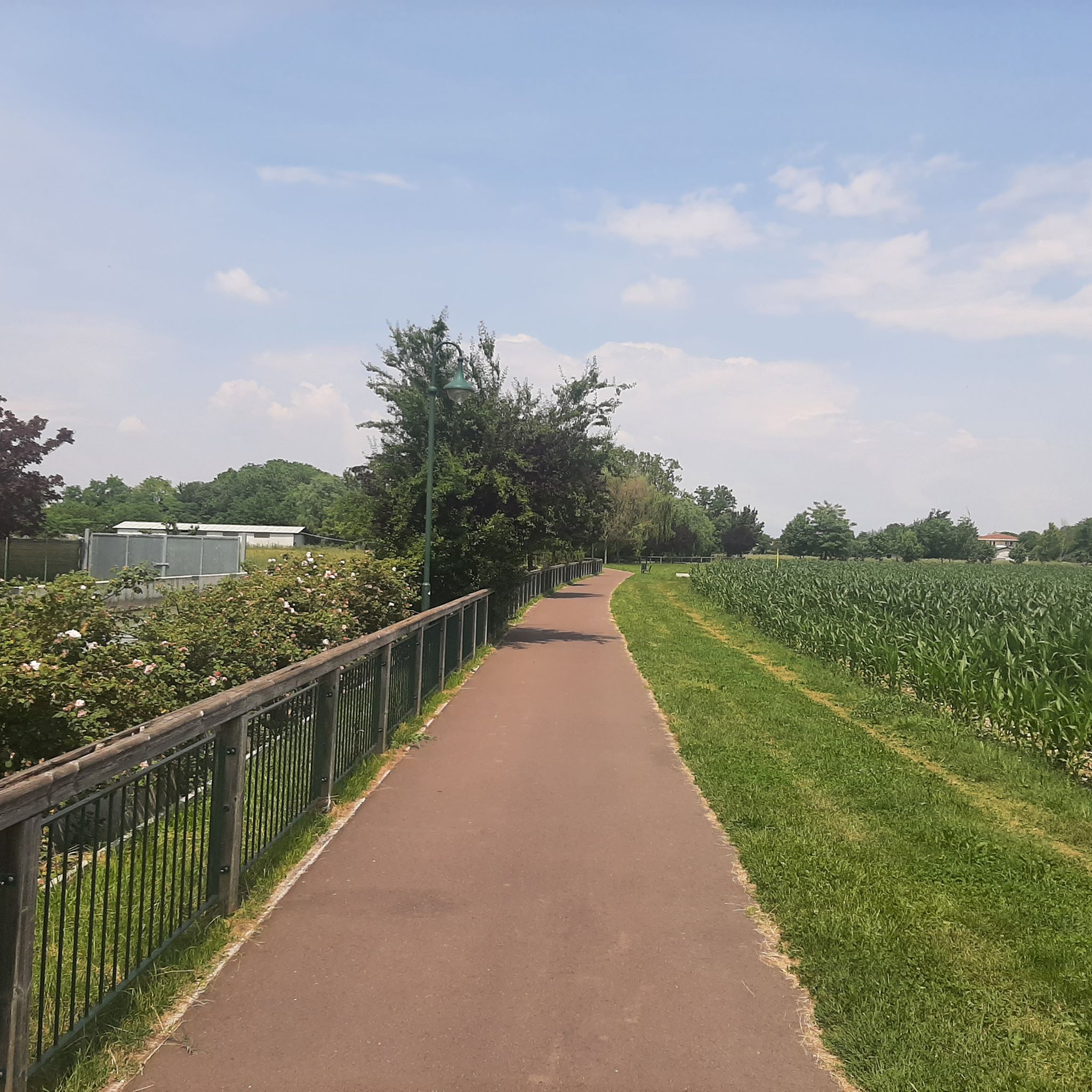
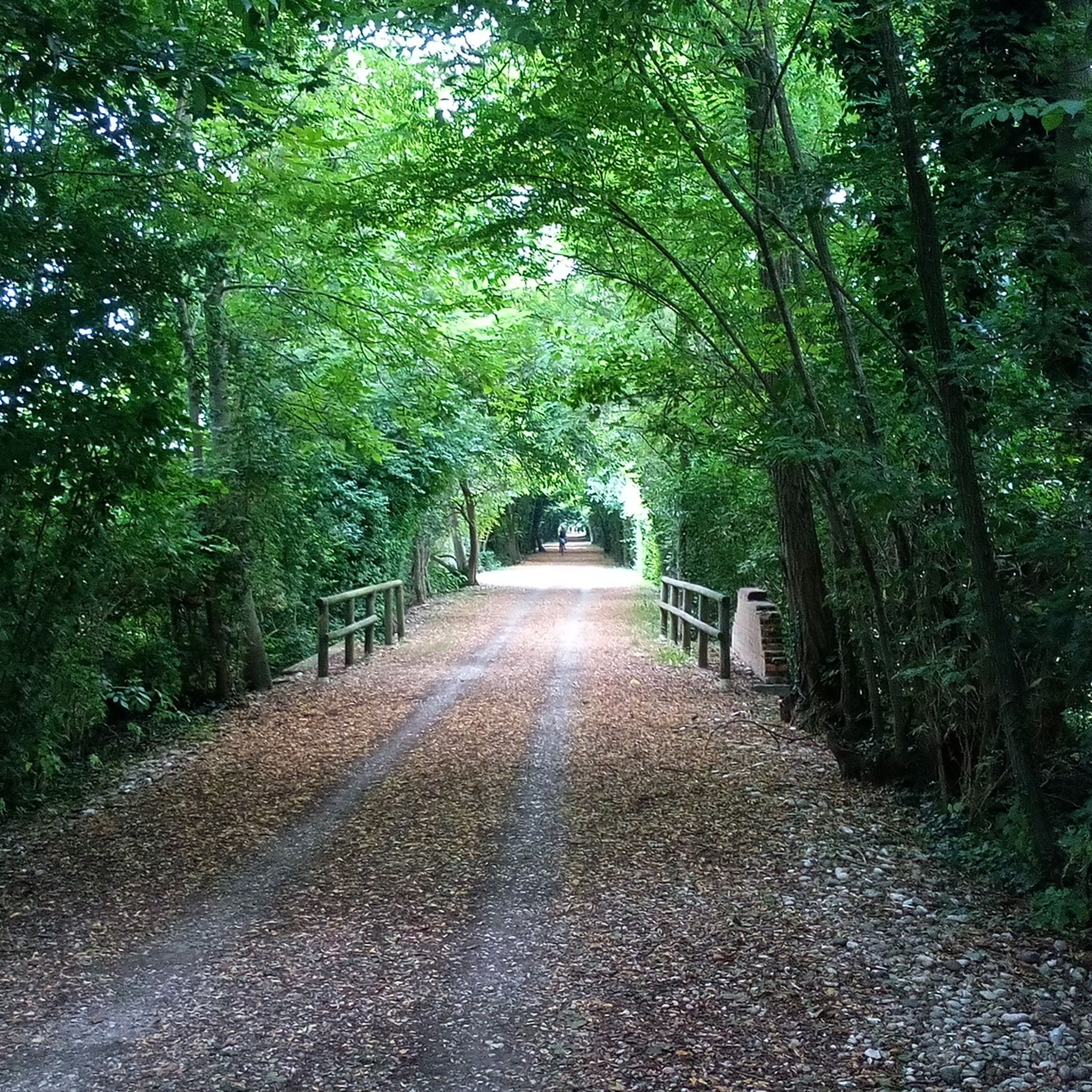
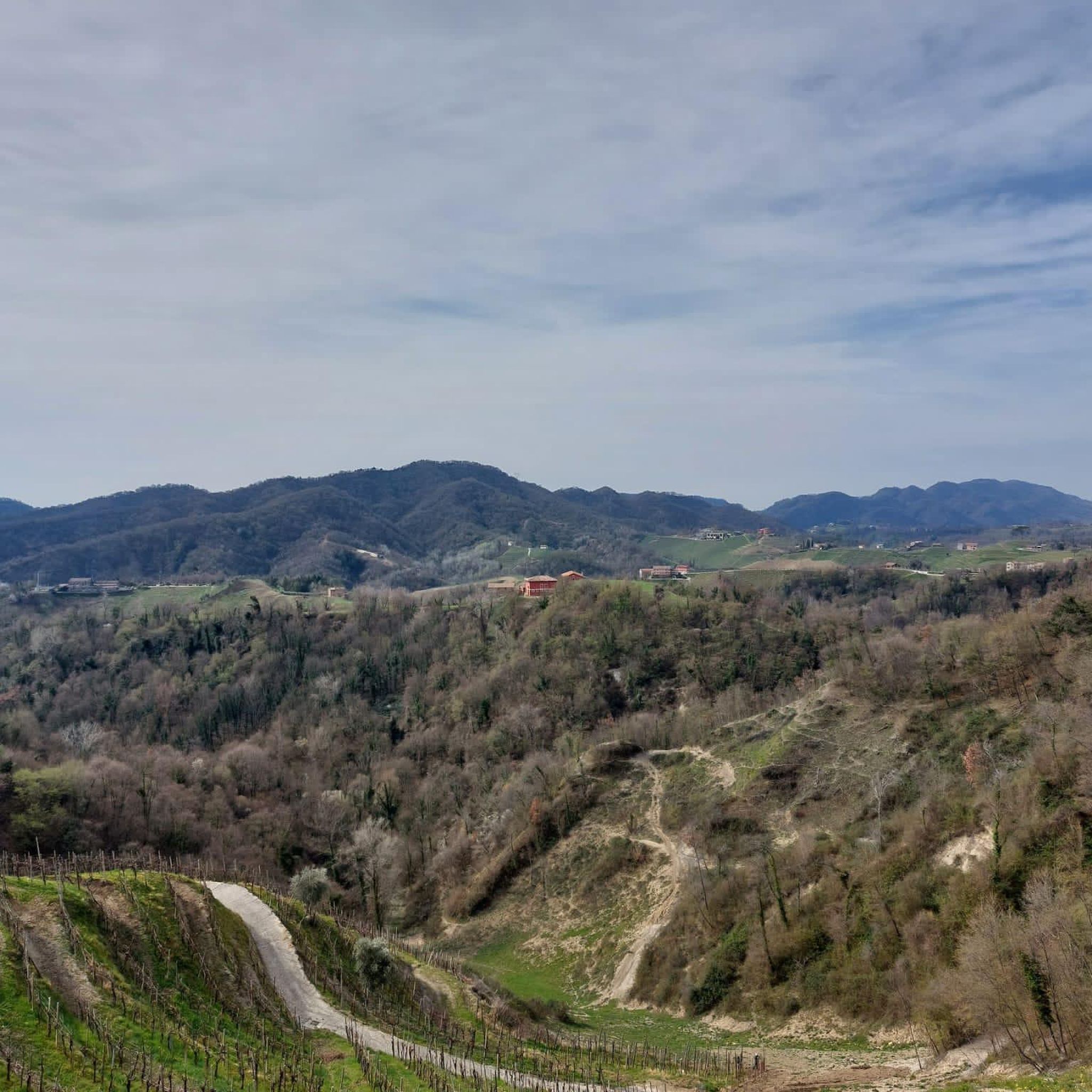
This area offers a nice variety of pleasant paths immersed in greenery within everyone's reach.
0
1

Place where a very tough battle took place between 15 and 23 June 1918.
17
0

The Giant Tree, as it is commonly called, is a majestic example of beech whose roots, during the Christmas period, host a singular nativity scene. Easily identifiable, it can be reached by walking along the crossroads between socket VIII and socket IX. There is also a small table with bench nearby.
1
0

The old name of the Meolo river is Pero. This is why, in these parts, river and place names blend together
0
0
The sources of the Meolo river are about 200 m away. from the bridge, unfortunately it was not possible to approach them because they were fenced off. It originates east of Breda di Piave, in the Campagne area, and flows for about twenty kilometers in the provinces of Treviso and Venice, crossing, among others, San Biagio di Callalta and Monastery of Treviso. At the town of the same name, the river bifurcates: the new main axis, maintaining the name of the Meolo river, heads south and flows shortly afterwards into the Vallio; the historic course, called the Meolo flowway, moves towards the south-east and its waters flow partly into the Colatore Principale reclamation canal and partly, by means of a structure that bypasses the previous watercourse, into the Fossetta canal. This situation is the result of the reclamation that affected the Lower Piave and was completed in the 1930s. Along its course there are country residences built by Venetian families between the 15th and the 19th centuries as well as the former Abbey of Santa Maria di Pero
11
0

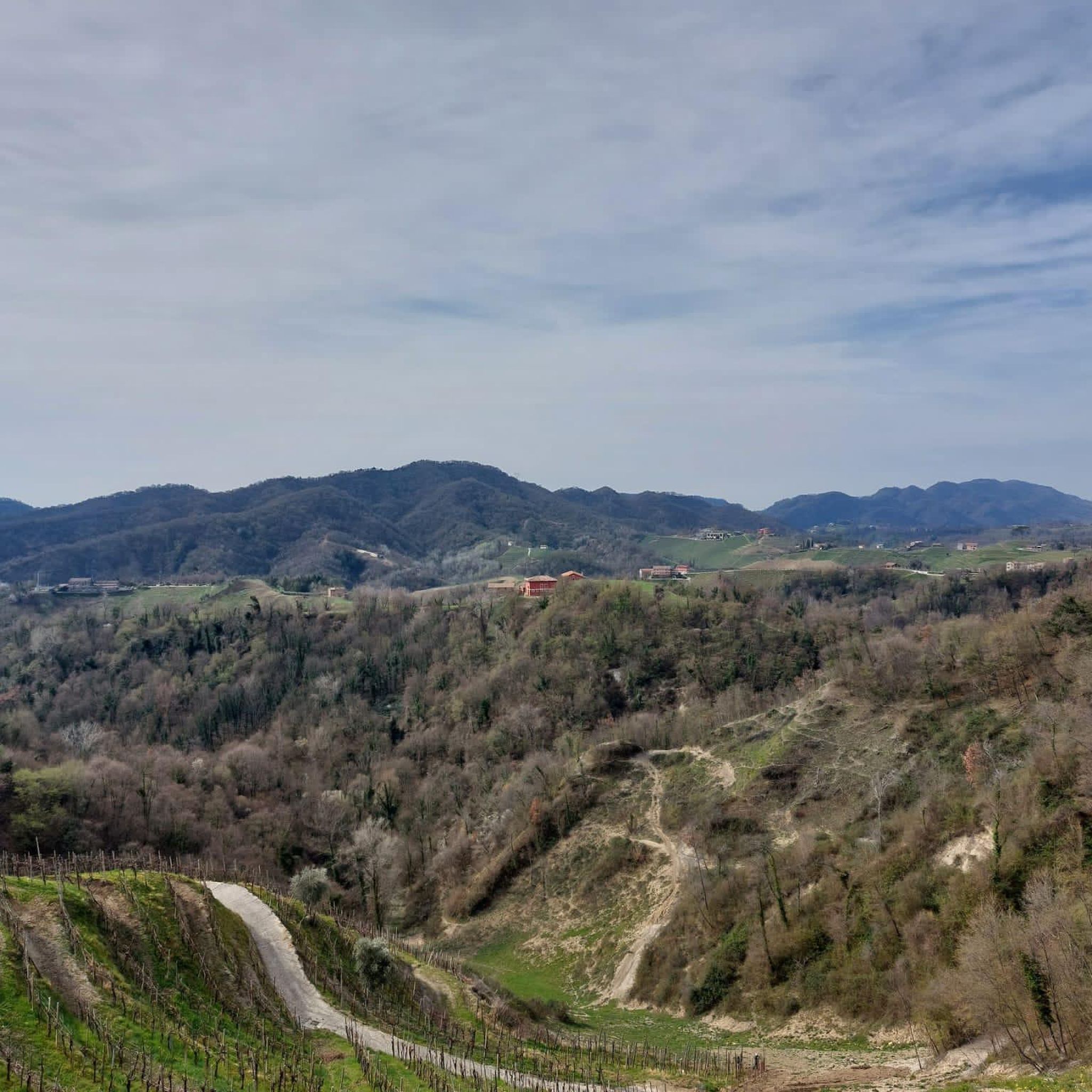
Nice climb, excellent road surface
2
0
Frequently Asked Questions
What are some of the most popular natural monuments to visit around Villorba?
Visitors frequently enjoy the unique Burci Boat Cemetery, where ancient wooden boats rest in a bend of the Sile River, offering a historical and evocative sight. Another popular spot is the Monument to General Giuseppe Pennella and Valley of the Dead, which combines natural features with significant historical commemoration.
Are there any family-friendly natural monuments near Villorba?
Yes, several natural monuments are suitable for families. The Burci Boat Cemetery offers wooden walkways for easy exploration. The tranquil Botteniga River and the Source of the Meolo River are also pleasant for family outings, providing gentle natural settings.
What kind of natural features can I expect to see in the Villorba area?
The primary natural feature is the Sile River Regional Natural Park, known for its unique resurgence river system, where springs well up from deep within the plain. You'll find diverse ecosystems with small lakes, marshy areas, and rich biodiversity. The area also features rivers like the Botteniga and Meolo, and historical sites like the San Girolamo Cave.
What historical or cultural sites are integrated with the natural monuments?
The Sile River itself has a rich history as a trade waterway. The Burci Boat Cemetery is a historical site where traditional wooden boats lie. The Monument to General Giuseppe Pennella and Valley of the Dead commemorates historical events from the Battle of the Solstice. Additionally, the San Girolamo Cave has a history of being used as a shelter since the Middle Ages.
What outdoor activities can I do near the natural monuments around Villorba?
The Sile River Regional Natural Park offers extensive opportunities. You can explore the area by cycling along the GiraSile path, canoeing or kayaking on the tranquil waters, or birdwatching. For more specific activities, you can find various hiking trails, running routes, and MTB trails around Villorba.
Are there hiking trails suitable for different difficulty levels?
Yes, the terrain around Villorba, especially within the Sile River Regional Natural Park, is generally flat, making it accessible for various hiking abilities. You can find many easy hiking loops, such as those from Villorba or Fontane Chiesa Vecchia, as well as moderate options like the loop from Lancenigo.
What is the best time of year to visit the natural monuments in this region?
Spring and summer are ideal for birdwatching, as the Sile River Regional Natural Park serves as a nesting ground for numerous bird species. Autumn and winter are crucial for migrating water birds. The generally mild climate makes outdoor activities enjoyable for much of the year, but spring and autumn offer pleasant temperatures for exploring.
Is the Bosco del Fagarè considered a natural monument near Villorba?
While not directly within Villorba, the Bosco del Fagarè in nearby Cornuda is a significant natural site in the province of Treviso. It's an ancient woodland ecosystem with majestic oaks and hornbeams, rich biodiversity, and historical importance, offering well-maintained trails for visitors.
What kind of wildlife can I spot in the Sile River Regional Natural Park?
The park is a haven for diverse flora and fauna. You can spot numerous bird species, including coots, little grebes, moorhens, and the rare great crested grebe, especially during nesting season. In autumn and winter, it's a vital stop for migrating water birds. The riverbanks and wetlands support a multitude of other animal and plant species.
Are there any viewpoints or scenic spots within the natural monuments?
The Burci Boat Cemetery offers a unique and somewhat melancholic viewpoint with its wooden walkways suspended over the water, providing a close-up view of the ancient boats. The tranquil riverbanks of the Sile and Botteniga rivers also offer scenic spots for relaxation and observation.
What do visitors particularly enjoy about the natural monuments around Villorba?
Visitors appreciate the unique blend of natural beauty and historical significance. The evocative atmosphere of the Burci Boat Cemetery is often highlighted. The peacefulness of the rivers and the opportunity for diverse outdoor activities like cycling and birdwatching within the Sile River Regional Natural Park are also highly valued.
Are there options for running trails near these natural monuments?
Yes, the flat terrain of the region is well-suited for running. You can find various running trails around Villorba, including moderate loops like the 'Lago Le Bandìe loop' or longer routes such as 'Return to the Past loop' from Lancenigo.
Can I explore the natural monuments by mountain bike?
Absolutely. The area offers several MTB trails around Villorba. Options range from moderate routes like the 'Ponte della Priula – Grave del Piave loop' to more difficult ones such as the 'San Tomaso Gate – Boat graveyard loop', allowing you to explore the natural landscapes on two wheels.
Most popular routes around Villorba
Most popular attractions around Villorba

Get inspired with the komoot mobile app


Explore more
Extend your search for the best caves by checking out these guides of the top ones around Villorba:
