The best cycling routes around Villorba
4.4
(110)
767
riders
62
rides
Touring cycling around Villorba offers diverse landscapes, characterized by the tranquil Sile River and its network of cycling paths. The region features converted railway lines, such as the Treviso-Ostiglia Cycle Path, providing traffic-free routes. Surrounding Villorba, rolling hills offer varied terrain, with the nearby Prealps providing more challenging climbs for experienced cyclists. This area provides a mix of flat riverine routes and undulating paths through agricultural land.
Best touring cycling routes around Villorba
- The most popular touring cycling route is…
Last updated: June 29, 2026
4.2
(17)
76
riders
99.5km
05:41
180m
180m
Hard bike ride. Very good fitness required. Mostly paved surfaces. Suitable for all skill levels.
4.8
(59)
220
riders
Easy bike ride. Great for any fitness level. Mostly paved surfaces. Suitable for all skill levels.

Sign up for free
28
riders
106km
06:32
400m
400m
Hard bike ride. Very good fitness required. Mostly paved surfaces. Suitable for all skill levels.
4.0
(5)
17
riders
51.2km
03:02
80m
80m
Moderate bike ride. Good fitness required. Mostly paved surfaces. Suitable for all skill levels.
27
riders
Hard bike ride. Very good fitness required. Mostly paved surfaces. Suitable for all skill levels.
Get access to more routes and recommendations from other explorers.
Sign up for free
Already have an account?
Our route recommendations are based on thousands of hikes, rides, and runs completed by other people on komoot.
Start today with a free account
Your next adventure awaits.
Login or Signup

Tips from the Community

Porta San Tommaso is the most imposing of Treviso's gates.
12
0

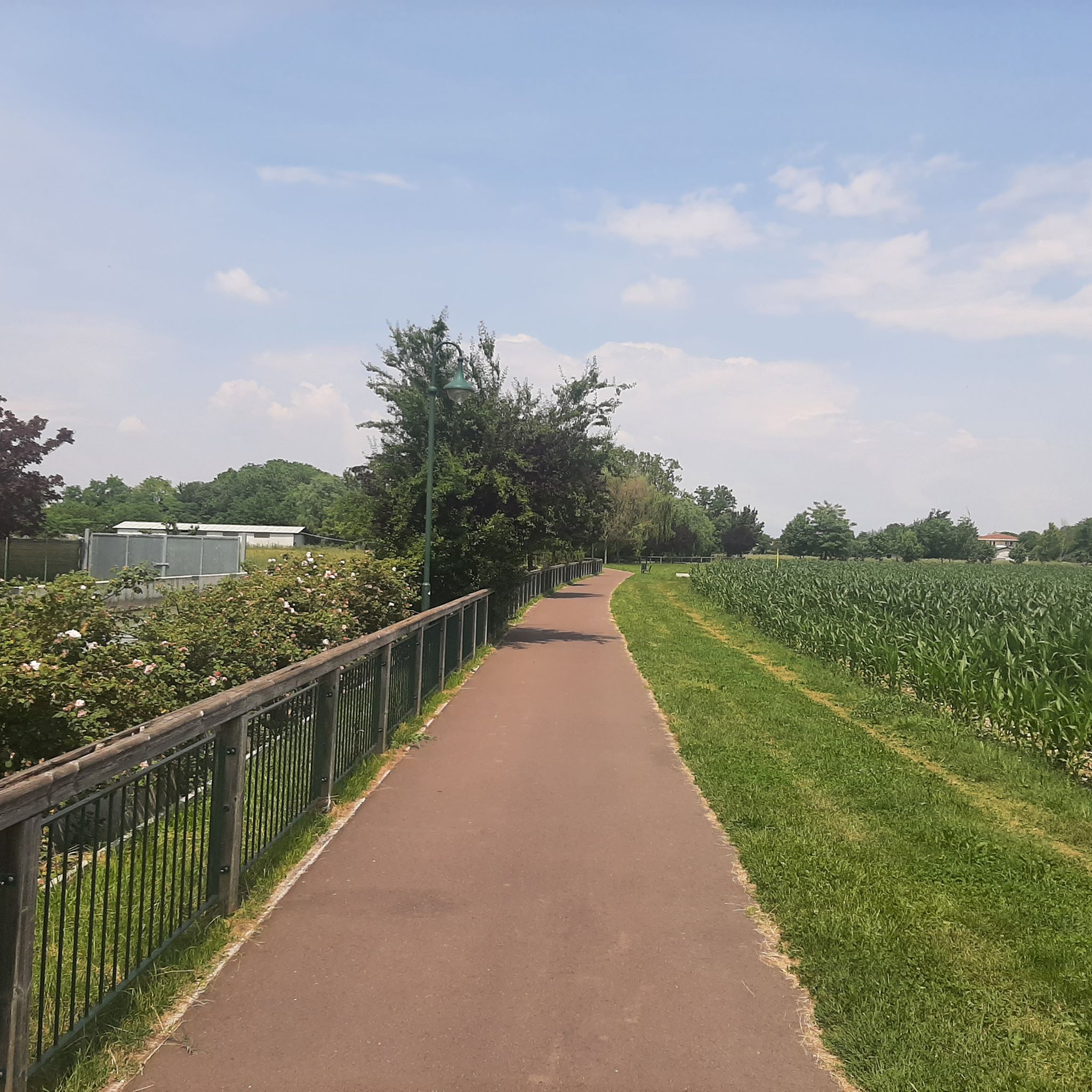
The first section of the Treviso-Ostiglia cycle path entering the province of Padua.
0
0

Built in 1518 under the direction of the podestà Paolo Nani, Porta San Tommaso is the most imposing of Treviso's three 16th-century gates. Probably designed by Fra’ Giovanni Giocondo, it is distinguished by its lavish Istrian stone facade, conceived more as a Renaissance triumphal arch than a simple military structure. The external facade is richly decorated with trophies, coats of arms, and the monumental Lion of Saint Mark, a symbol of Venetian rule. A curious detail concerns the statue placed on top: it depicts Saint Paul, a tribute to the podestà Nani (Paolo), although the gate takes its name from the nearby church dedicated to Saint Thomas Becket. Inside, the structure preserves the large arches that once housed the guardrooms and drawbridge mechanisms, still representing today the main access point for those coming from the north.
4
0
The "La Tradotta" cycle-pedestrian path winds for about 20 kilometers in the province of Treviso, following the old military railway line used during the Great War between Montebelluna and Susegana. This flat and protected route crosses the municipalities of Montello, offering a total immersion between nature and historical memory. The path is ideal for families and cycle tourists thanks to the absence of slopes and the safety of the route, which allows you to observe old recovered railway houses and valuable agricultural landscapes. Today it represents a fundamental green corridor that connects the historical heritage of the Piave river with the natural beauty of the hills of Treviso.
0
0

A few kilometers were enough for the route to begin to tell its story. The creaking wood of a long bridge accompanied us towards one of the most silent and memory-laden places: the cemetery of the Burci. Amidst the still water and the vegetation that now reclaims every space, the wrecks of old boats emerge like forgotten thoughts, suspended between past and present. There time seems to slow down, almost to stop, and we too, for a moment, truly stop pedaling...
0
0

Very beautiful. Slight incline and very pleasant.
0
0
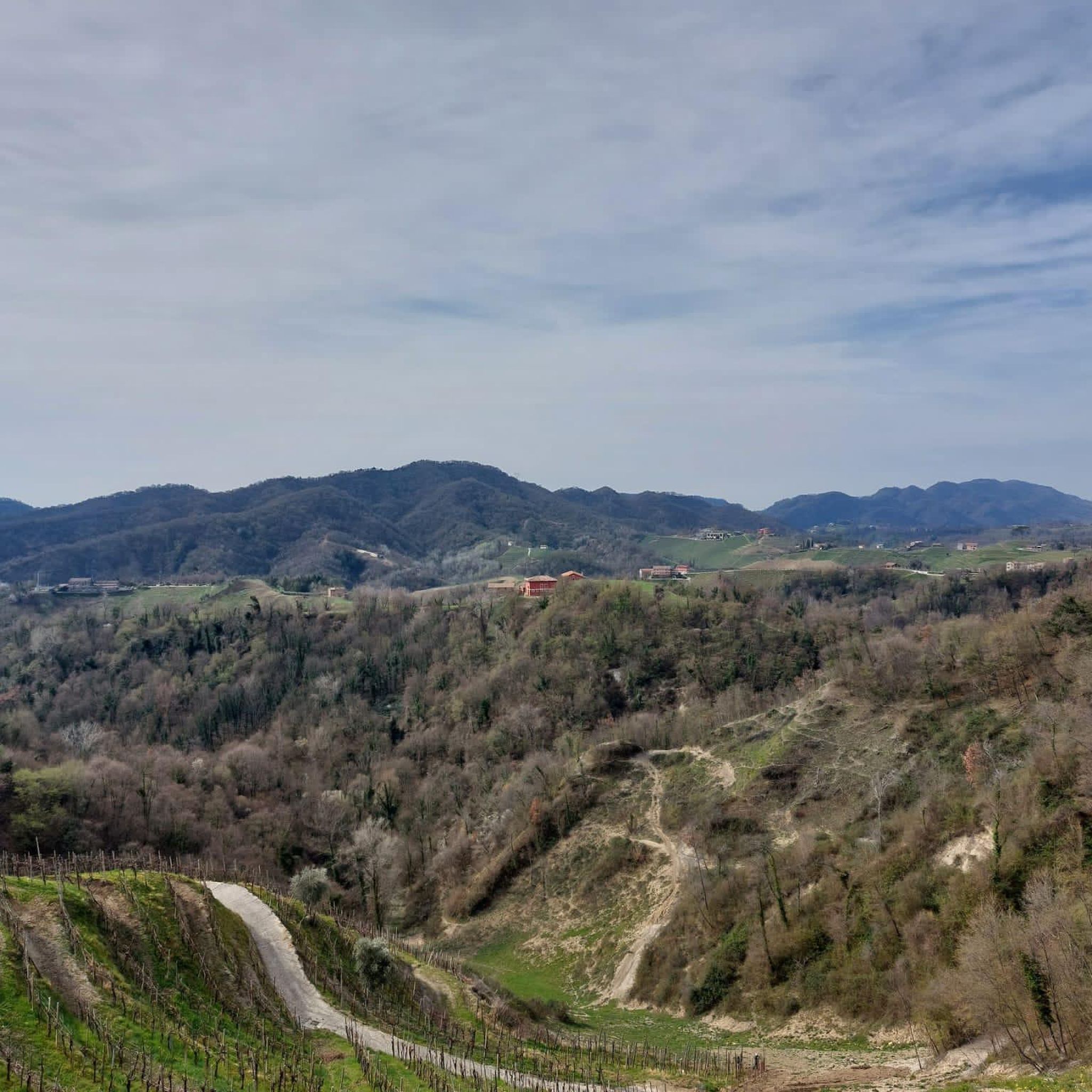
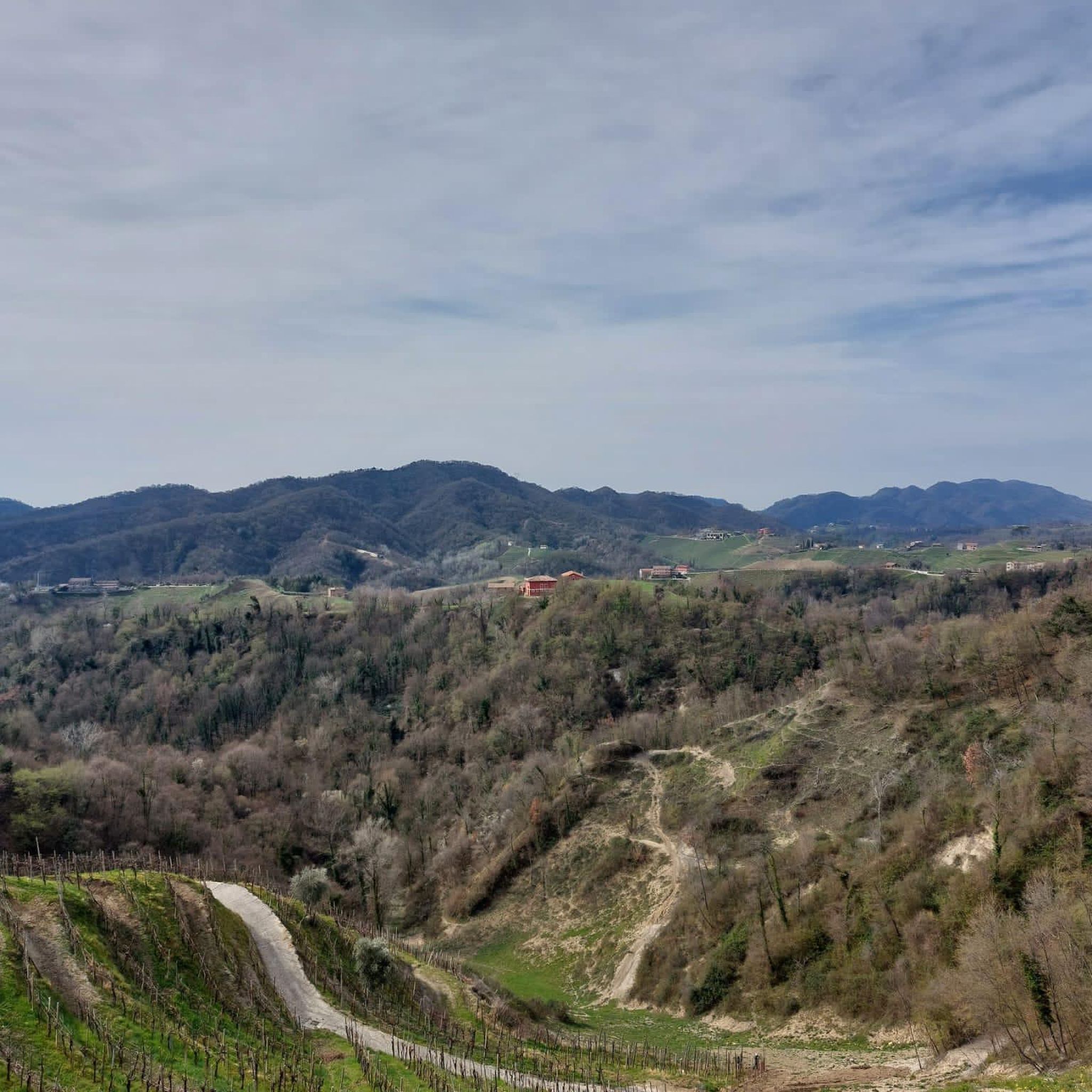
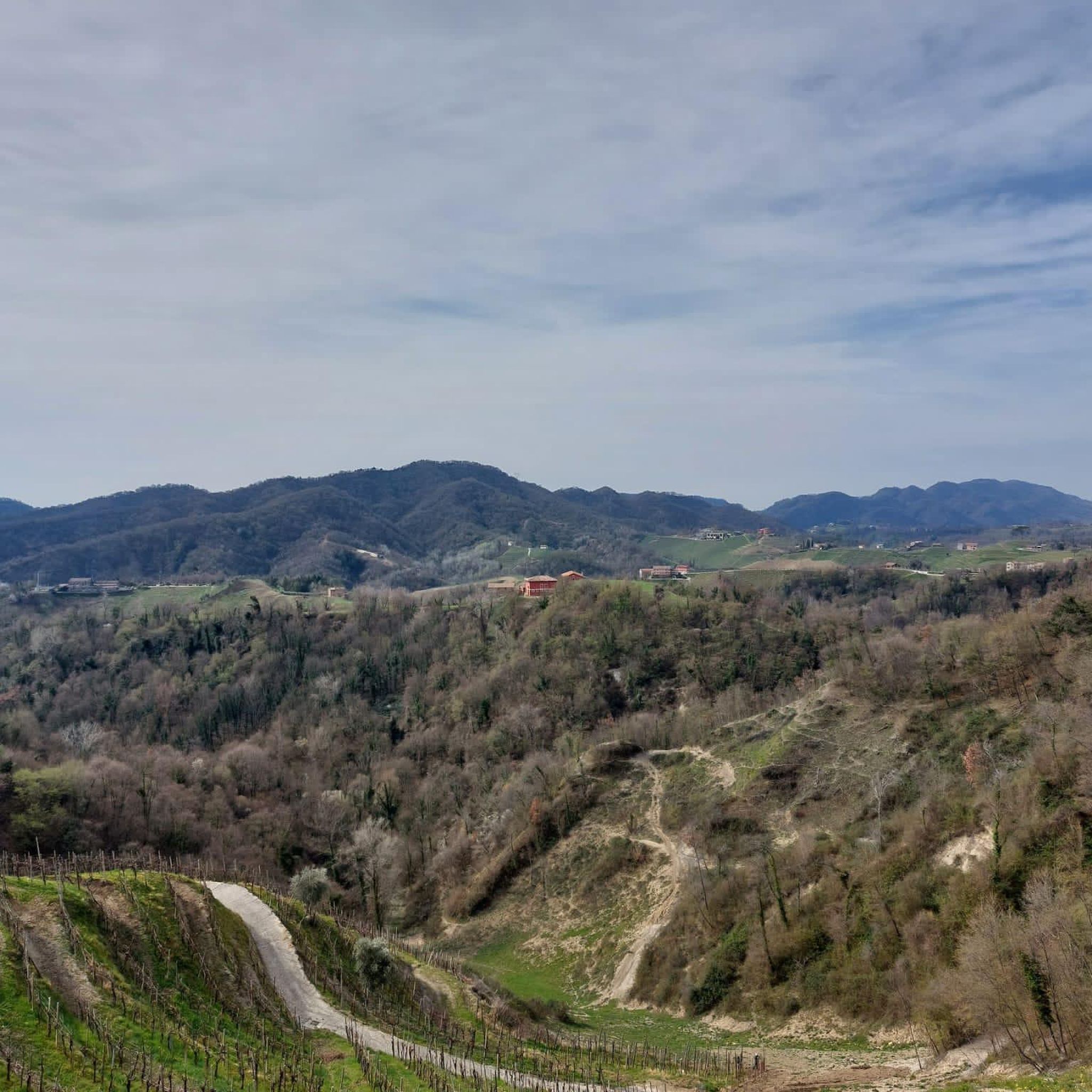
The first section on the Montebelluna side and the last on the Nervesa side, the rest is a bit boring and dusty.
0
0
Route done in Mbk, quiet and beautiful
0
0
Frequently Asked Questions
How many touring cycling routes are available around Villorba?
There are over 55 touring cycling routes around Villorba, offering a wide range of options for different skill levels and preferences. These routes explore diverse landscapes, from tranquil river paths to rolling hills.
What types of terrain can I expect on touring cycling routes in Villorba?
Villorba's touring cycling routes feature diverse terrain. You'll find tranquil paths along the Sile River, converted railway lines like the Cycle Path of the Former Treviso-Ostiglia Railway, and undulating paths through agricultural areas. Some routes, especially those closer to the Prealps, include rolling hills and more significant climbs for experienced cyclists.
Are there any easy, family-friendly touring cycling routes in Villorba?
Yes, Villorba offers several easy routes suitable for families. For instance, the San Tomaso Gate – Piazza dei Signori, Treviso loop from Villorba is an easy 22.1 km route with minimal elevation gain, perfect for a relaxed family outing. The Sile River paths also provide generally flat and scenic options.
What natural features and landmarks can I see along the touring cycling routes?
Many routes follow the tranquil Sile River, where you can discover unique sites like the Burci Boat Cemetery, a historical site with traditional wooden boats. You'll also encounter picturesque cycle paths such as Along the Sile and the Cycle Path of the Former Treviso-Ostiglia Railway. For historical architecture, routes like the View of Susegana – Piazza dei Signori, Treviso loop from Lancenigo offer views of sites like View of Susegana and Castello di San Salvatore (Susegana).
Are there any circular touring cycling routes starting near Villorba?
Yes, many touring cycling routes in the Villorba area are designed as loops. For example, the Canale della Vittoria – Osteria Ai Pioppi loop from Lancenigo is a moderate 54.4 km circular trail. Another option is the Palazzo Rosso – Lake Le Bandie loop from Lancenigo, an easy 22.8 km route.
What is the best time of year for touring cycling in Villorba?
The spring and autumn months generally offer the most pleasant conditions for touring cycling in Villorba, with mild temperatures and beautiful scenery. Summer can be warm, especially in July and August, while winter can bring cooler temperatures and occasional fog, particularly along the river paths.
Are there dog-friendly cycling routes in Villorba?
Many of the natural paths, especially those along the Sile River and converted railway lines, are suitable for cycling with dogs, provided they are kept on a leash and you adhere to local regulations regarding pet waste. Always ensure your dog is comfortable with the distance and terrain.
Where can I find parking for touring cycling routes in Villorba?
Parking is generally available in Villorba and nearby towns like Lancenigo, which serve as common starting points for many routes. For routes along the Sile River or the Treviso-Ostiglia Cycle Path, look for designated parking areas near access points in towns along the route.
What do other touring cyclists enjoy most about touring cycling in Villorba?
The area is highly rated by the komoot community, with an average score of 4.3 stars from over 48 reviews. Reviewers often praise the diverse landscapes, the tranquility of the Sile River paths, and the well-maintained converted railway lines that offer traffic-free cycling through nature.
Are there cafes or restaurants along the touring cycling routes in Villorba?
Yes, many routes pass through or near charming villages and towns where you can find cafes, pubs, and restaurants. The region is known for its culinary offerings, so you'll have opportunities to refuel and enjoy local specialties, especially in towns like Treviso or along the popular Sile River paths.
How difficult are the touring cycling routes around Villorba?
Villorba offers a range of difficulties. There are 25 easy routes, 20 moderate routes, and 10 difficult routes. Easy routes typically follow flat river paths or converted railway lines, while difficult routes, such as the Asolo – Villa Barbaro (Villa di Maser) loop from Lancenigo, involve more significant elevation gains through rolling hills and closer to the Prealps.
Most popular attractions around Villorba

Get inspired with the komoot mobile app


Explore more
Browse the best Cycling routes in other regions.
