Top 4 Natural Monuments around San Stino Di Livenza
Natural monuments around San Stino Di Livenza are primarily centered around the Livenza River and the nearby Vallevecchia Nature Reserve in the Veneto region. This area features a landscape shaped by river systems and coastal ecosystems. The Livenza River flows through the town, offering scenic views and a rich environmental heritage. The region provides diverse natural features for exploration.
Best natural monuments around San Stino Di Livenza
- The most popular natural monuments is Vallevecchia Nature Reserve, a natural monument…
Last updated: June 28, 2026
Palù del Bandiziol
Highlight • Lake
Showing Translation
Tip by

Vallevecchia Nature Reserve
Highlight • Natural Monument
Translated by Google •
Tip by

Sign up now to discover places like this
Get recommendations on the best single tracks, peaks, & plenty of other exciting outdoor places.
Sign up for free
Observation Tower at Brussa Wetlands
Highlight • Monument
Translated by Google •
Tip by

Confluence of the Monticano and Livenza Rivers
Highlight • River
Translated by Google •
Tip by

Birdwatching Tower in Valle Vecchia Nature Reserve
Highlight • Viewpoint
Translated by Google •
Tip by

Sign up for free to discover even more natural monuments around San Stino Di Livenza.
Sign up for free
Already have an account?
Start today with a free account
Your next adventure awaits.
Login or Signup

Tips from the Community

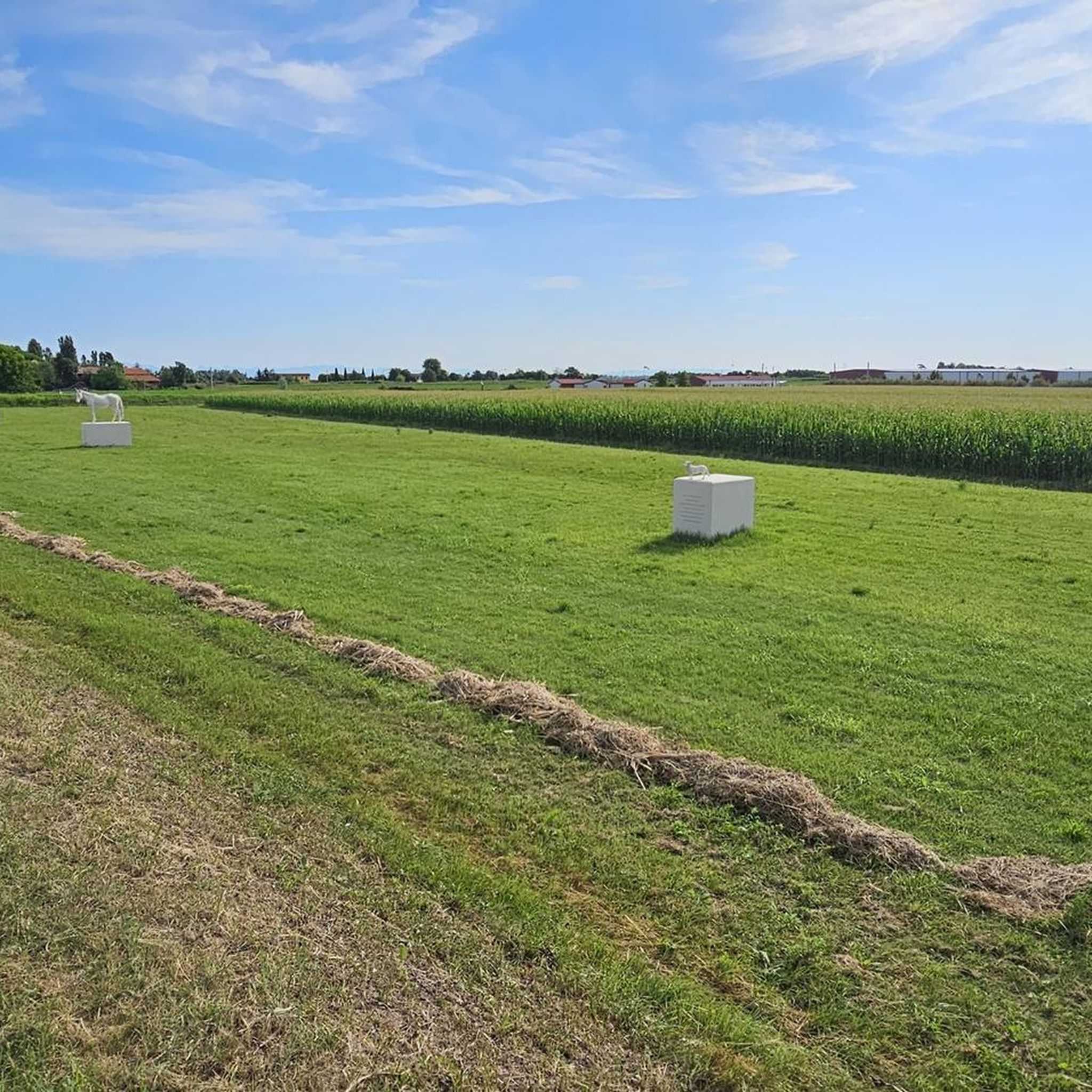
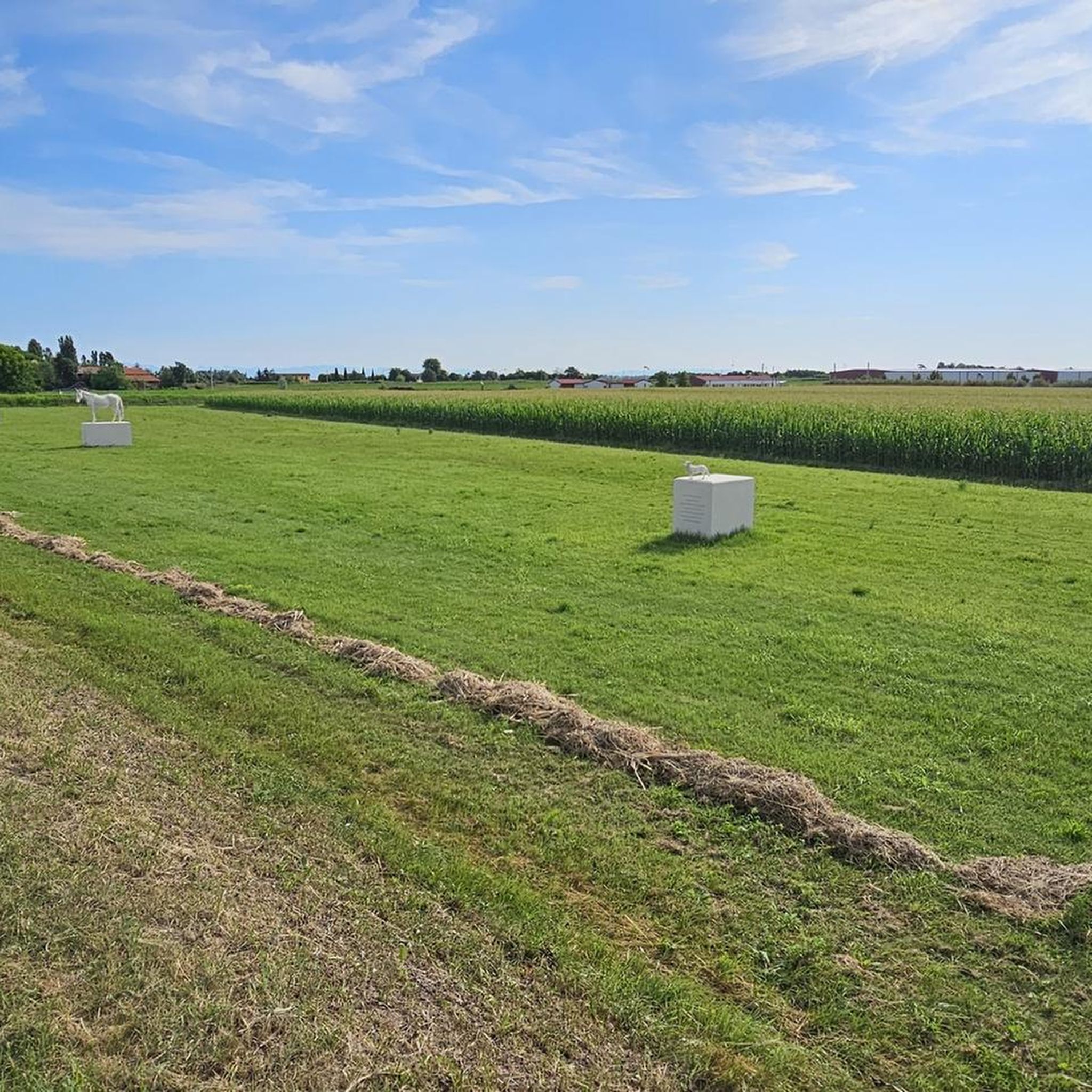
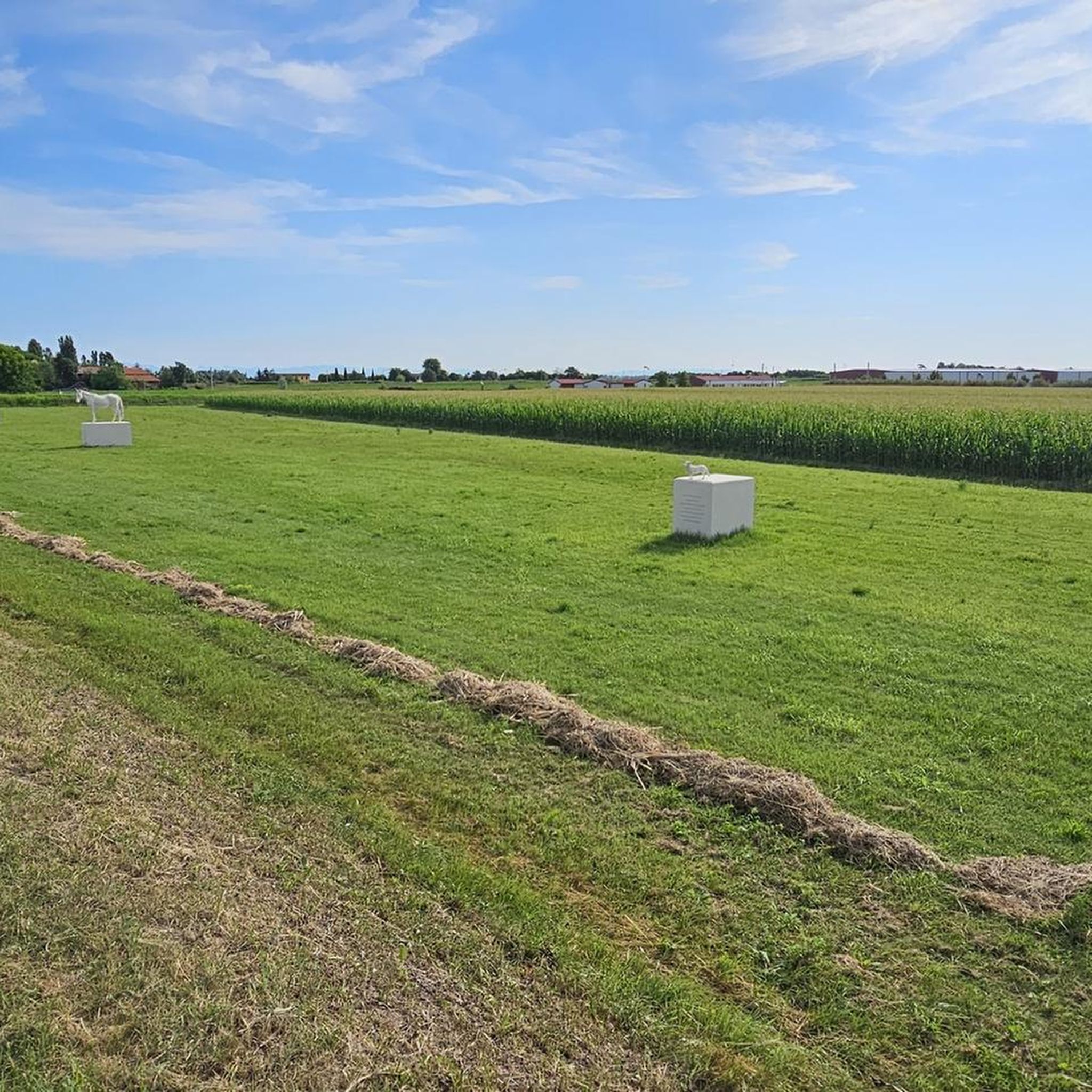
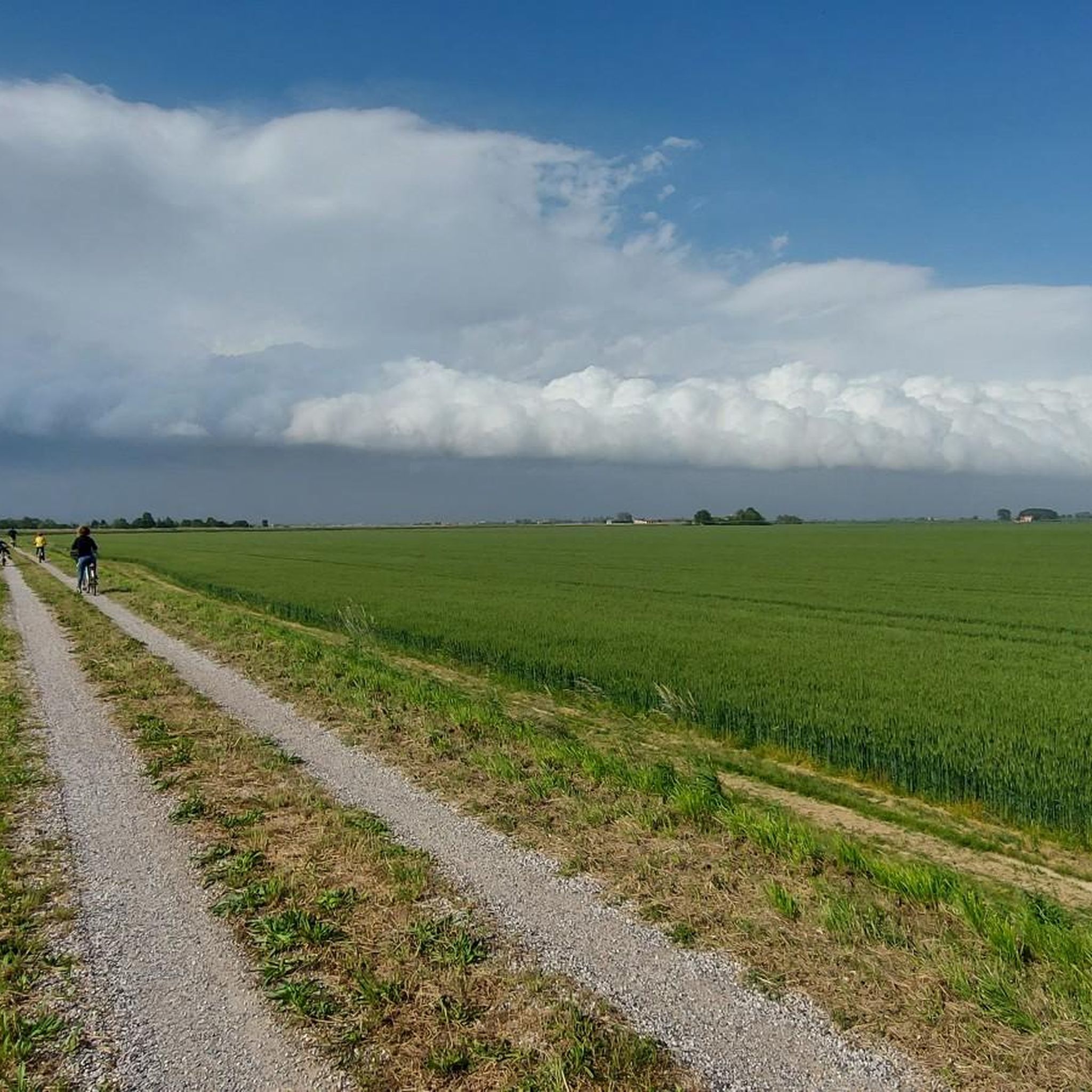
A true natural paradise, one of the last remaining areas with wetlands. Well-maintained forest paths, country lanes, gravel roads, and paved sections, as well as stretches along the dikes, invite you to cycle. Tip: visit while it is still so natural.
0
0

The Sanstino territory was characterized in its southern part by large lagoons and marshes until a few decades ago. Until the first half of the 20th century, these environments proved very harmful to humans, in various aspects, as they were a source of diseases, such as malaria, and were not sufficiently productive. Thus, with major land reclamation works, the land was taken from the water to make it cultivable and to obtain products that allowed many families to live. However, the lagoons were also a huge reservoir of biodiversity with many species of animals and plants that were largely destroyed during the land reclamation operations. It is also for this reason that, within the project for the historical reconstruction of the Bandiziol and Prassaccon woods, it was desired to leave a further mark of what the territory and landscape of S. Stino once were, by creating a wetland area, partly similar to the numerous wetlands once present even within the woods, called "bassone". This intervention is not only an operation of "philological" recovery of the pre-reclamation hydraulic system but, above all, presents a significant environmental value as it reconstructs the natural habitat of various bird species. The small lake is located in the eastern part of the Bosco di Bandiziol, covers an area of approximately 10,000 sq m and has a rounded shape with small islands within it. To better reproduce different lake habitats, the small lake has varying depths, from a few centimeters to over 2 meters, thus offering many bird species the opportunity to find a suitable environment to stay. In fact, in the shallower waters and marginal areas, it is possible to see herons, egrets, plovers, mallards, and other surface ducks. In the rest of the lake, there are divers, cormorants, and diving ducks that find food in open water or on deep bottoms. The islands and the winding perimeter shapes were created specifically to allow the avifauna to hide and find refuge, so that it can be disturbed as little as possible by human presence. In fact, the conformation of the banks and the vegetation (reeds, herbaceous and shrubby vegetation) offer all the necessary environments for the rest, feeding, and nesting of birds.
11
0

The Palù del Bandiziol is a wetland formed by a sulfur spring that, at its source, gives off the characteristic smell of rotten eggs. This wetland is of great naturalistic value due to the presence of numerous bird species.
1
0

peace and quiet, a tour for everyone.
0
0

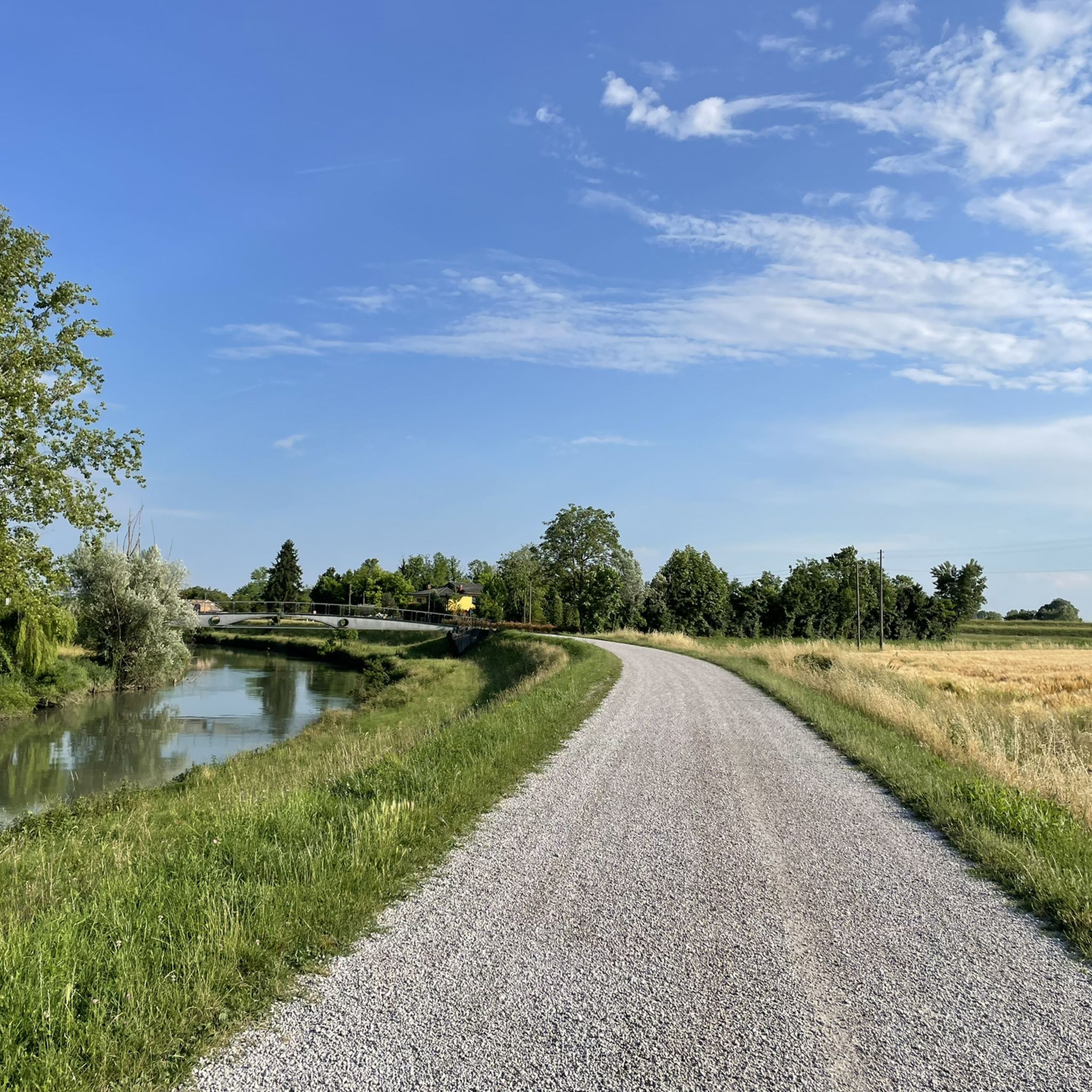
where the Monticano flows into the Livenza. The track is new, just widened and well beaten
0
0
Bosco Bandiziol, a green lung between San Stino di Livenza and Loncon
0
0
Here we have reached the end of the descent of the Monticano river to the confluence with the Livenza river.
1
0

A great way to observe nature. With binoculars you can easily spot the different bird species. A must for bird lovers.
2
0
Frequently Asked Questions
What are the most notable natural monuments around San Stino Di Livenza?
The region's natural beauty is primarily centered around the Livenza River and the nearby Vallevecchia Nature Reserve. Vallevecchia is an island encompassing about 900 hectares, known for its diverse ecosystems and pristine, wild sandy beach. The Livenza River itself offers picturesque scenery and a rich environmental heritage.
Are there family-friendly natural monuments to visit?
Yes, several natural monuments are suitable for families. The Vallevecchia Nature Reserve is great for walks and enjoying nature. The Observation Tower at Brussa Wetlands offers wide views and birdwatching opportunities, which can be engaging for children. Additionally, the Confluence of the Monticano and Livenza Rivers features a well-maintained track, making it accessible for everyone.
What kind of wildlife can I expect to see in the natural areas?
The natural monuments around San Stino Di Livenza are rich in wildlife. At Vallevecchia Nature Reserve and the Brussa Wetlands, you can observe many bird species, especially from the dedicated Birdwatching Tower. Bosco Olmè, an ancient forest, provides refuge for various mammals such as hedgehogs, moles, hares, and weasels.
What are the best activities to do near the natural monuments?
You can enjoy a variety of outdoor activities. Hiking and cycling are popular, with numerous trails available. For example, you can find routes for hiking, mountain biking, and touring cycling around San Stino Di Livenza. Birdwatching is also a highlight, particularly at the Observation Tower at Brussa Wetlands and the Birdwatching Tower in Valle Vecchia Nature Reserve.
What is the terrain like in the natural areas around San Stino Di Livenza?
The terrain varies, offering diverse experiences. Areas like Vallevecchia Nature Reserve feature sandy beaches and coastal ecosystems. Along the Livenza River, you'll find flat, well-maintained tracks suitable for walking and cycling, such as near the Confluence of the Monticano and Livenza Rivers. Bosco Olmè offers a forest environment with natural paths.
When is the best time to visit the natural monuments?
While every season has its charm, it's generally recommended to avoid the peak summer months for places like Vallevecchia Nature Reserve due to potential heat and crowds. Spring and autumn offer pleasant temperatures and are ideal for exploring the natural landscapes and observing wildlife, especially for birdwatching.
Are there specific trails for birdwatching?
Yes, the Birdwatching Tower in Valle Vecchia Nature Reserve is specifically designed for observing different bird species. The Observation Tower at Brussa Wetlands also provides excellent opportunities for birdwatching with wide views over the water landscape.
Where can I find peace and quiet in nature?
For peace and tranquility, the Vallevecchia Nature Reserve is an ideal refuge. The Confluence of the Monticano and Livenza Rivers also offers a serene environment with a well-maintained track, perfect for a quiet stroll.
What are the main natural features of the Livenza River?
The Livenza River, flowing through San Stino di Livenza, is known for its clear, cold, and silent waters, especially near its springs. Its banks are lined with various types of willows, aspens, elms, alders, and rare oaks, preserving a rich environmental heritage. The river's scenic beauty makes it ideal for leisurely walks or bike rides.
Is there parking available near the natural monuments?
For the Observation Tower at Brussa Wetlands, there is a large open space at the end of the dirt road from the Brussa beach car park where you can leave your car before continuing on foot to the tower.
How long should I plan for a visit to these natural monuments?
The duration of your visit can vary. For a comprehensive experience at Vallevecchia Nature Reserve, including walks and beach time, you might spend a half to a full day. Shorter visits of an hour or two are suitable for specific viewpoints like the Observation Tower at Brussa Wetlands or a leisurely walk along the Livenza River.
Are there any ancient forests or woodlands to explore?
Yes, Bosco Olmè is a significant natural wood, spanning 28 hectares. It's an ancient forest consisting of white willow, hornbeam, oak, elm, maple, and ash, with a rich undergrowth. It serves as a vital refuge for various mammals and offers a unique natural experience.
Most popular routes around San Stino Di Livenza
Most popular attractions around San Stino Di Livenza

Get inspired with the komoot mobile app


Explore more
Extend your search for the best caves by checking out these guides of the top ones around San Stino Di Livenza:
