Top 10 Natural Monuments around Acquapendente
Best natural monuments around Acquapendente include diverse landscapes at the borders of Lazio, Umbria, and Tuscany. The area features prominent natural reserves and ancient forests, shaped by volcanic activity and rich in biodiversity. It offers a mix of geological formations, historical sites, and varied ecosystems. These natural features provide opportunities for outdoor exploration and appreciation of the region's unique environment.
Best natural monuments around Acquapendente
- The most popular natural monuments is Lake Bolsena, a lake that is a crater…
Last updated: May 16, 2026
Lake Bolsena
Highlight • Lake
Translated by Google •
Tip by

Via Cava di San Rocco
Highlight (Segment) • Gorge
Translated by Google •
Tip by

Sign up now to discover places like this
Get recommendations on the best single tracks, peaks, & plenty of other exciting outdoor places.
Sign up for free
Lake Bolsena
Highlight • Lake
Translated by Google •
Tip by

Avamposto delle Rocchette
Highlight • Cave
Translated by Google •
Tip by

Etruscan Necropolis of Centocamere
Highlight • Historical Site
Translated by Google •
Tip by

Sign up for free to discover even more natural monuments around Acquapendente.
Sign up for free
Already have an account?
Start today with a free account
Your next adventure awaits.
Login or Signup
Popular around Acquapendente
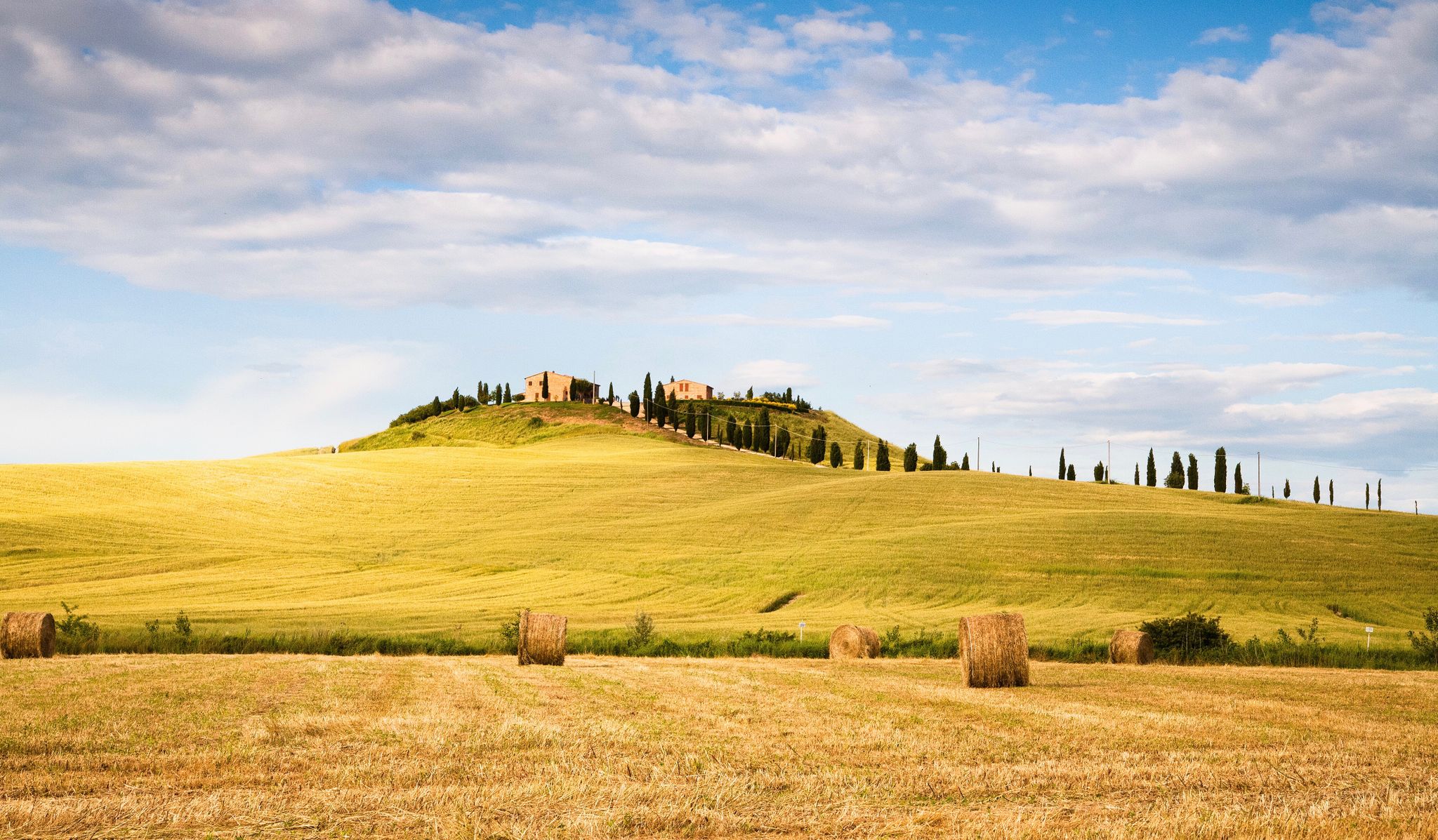
Via Francigena South — Siena to Rome
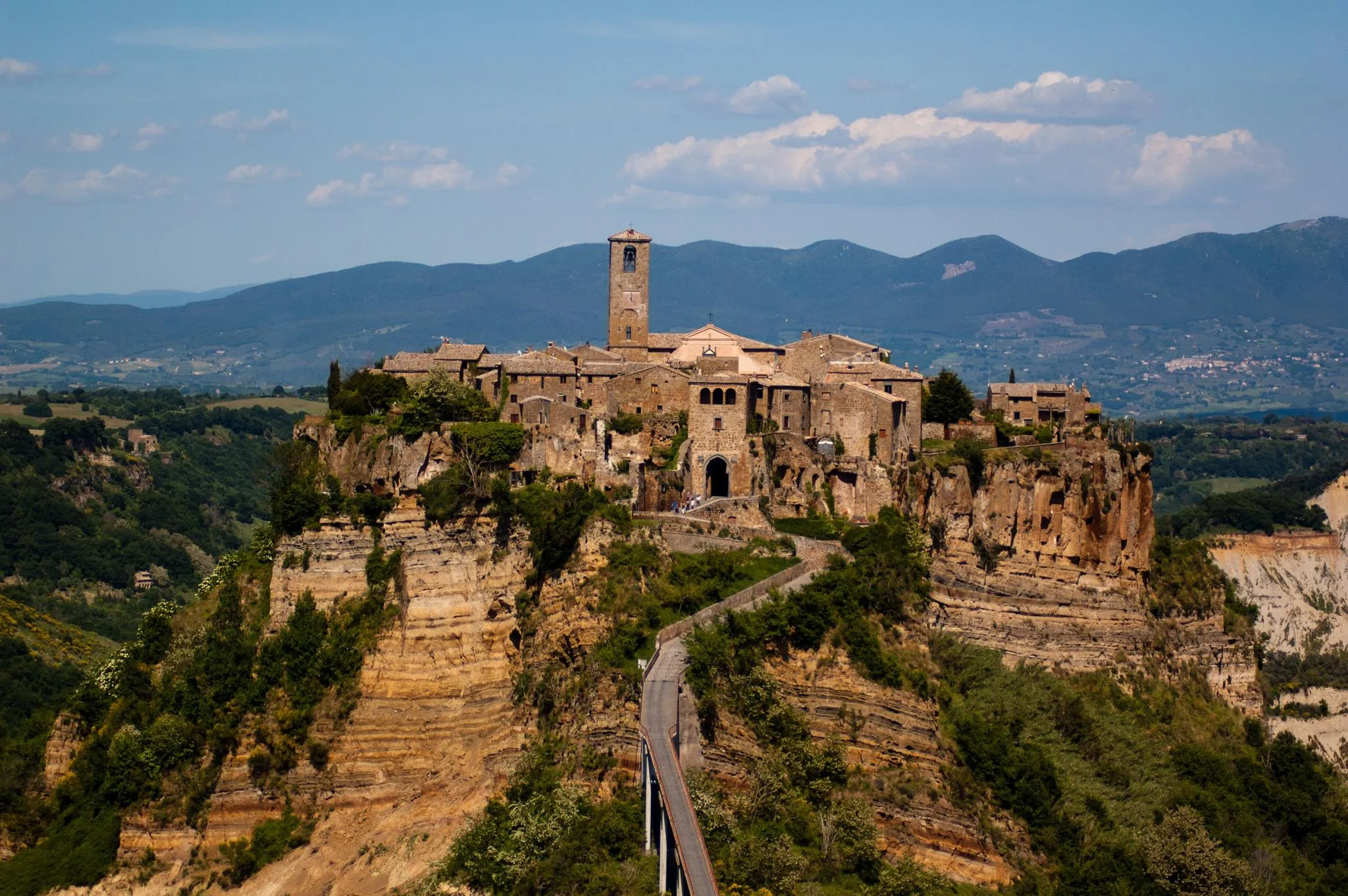
Lazio by bike – suspended villages, turquoise waters and natural parks
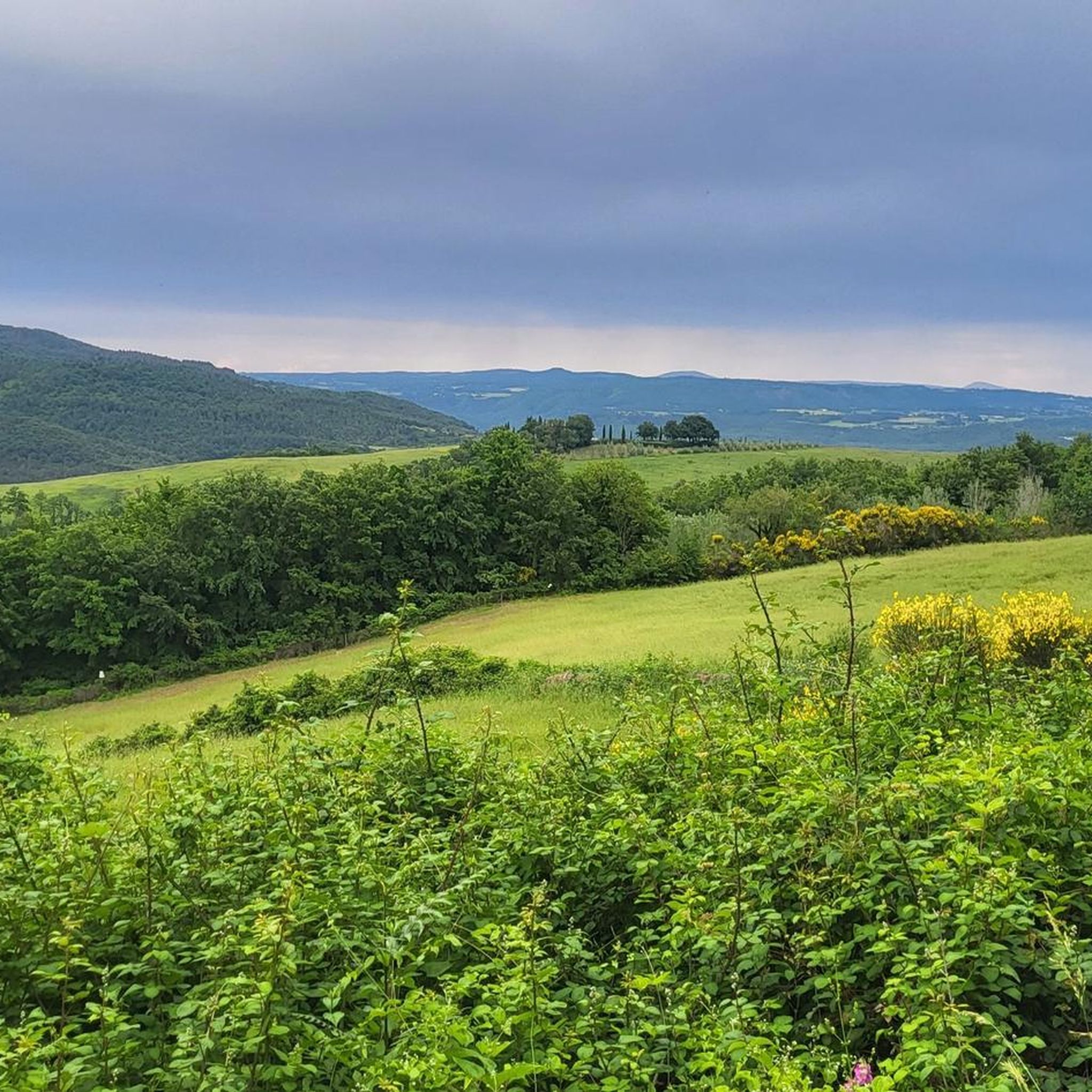
Cycling around Acquapendente
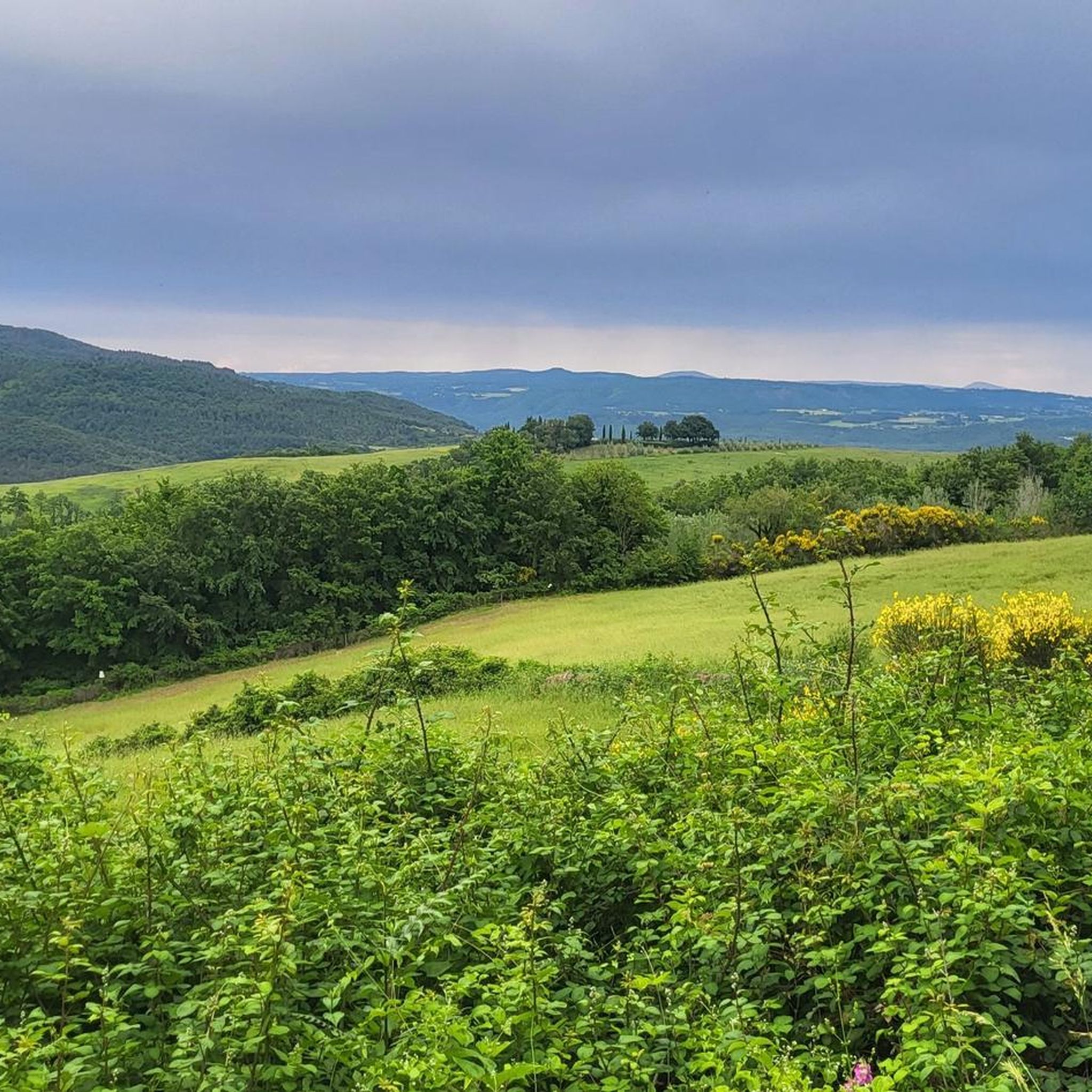
MTB Trails around Acquapendente
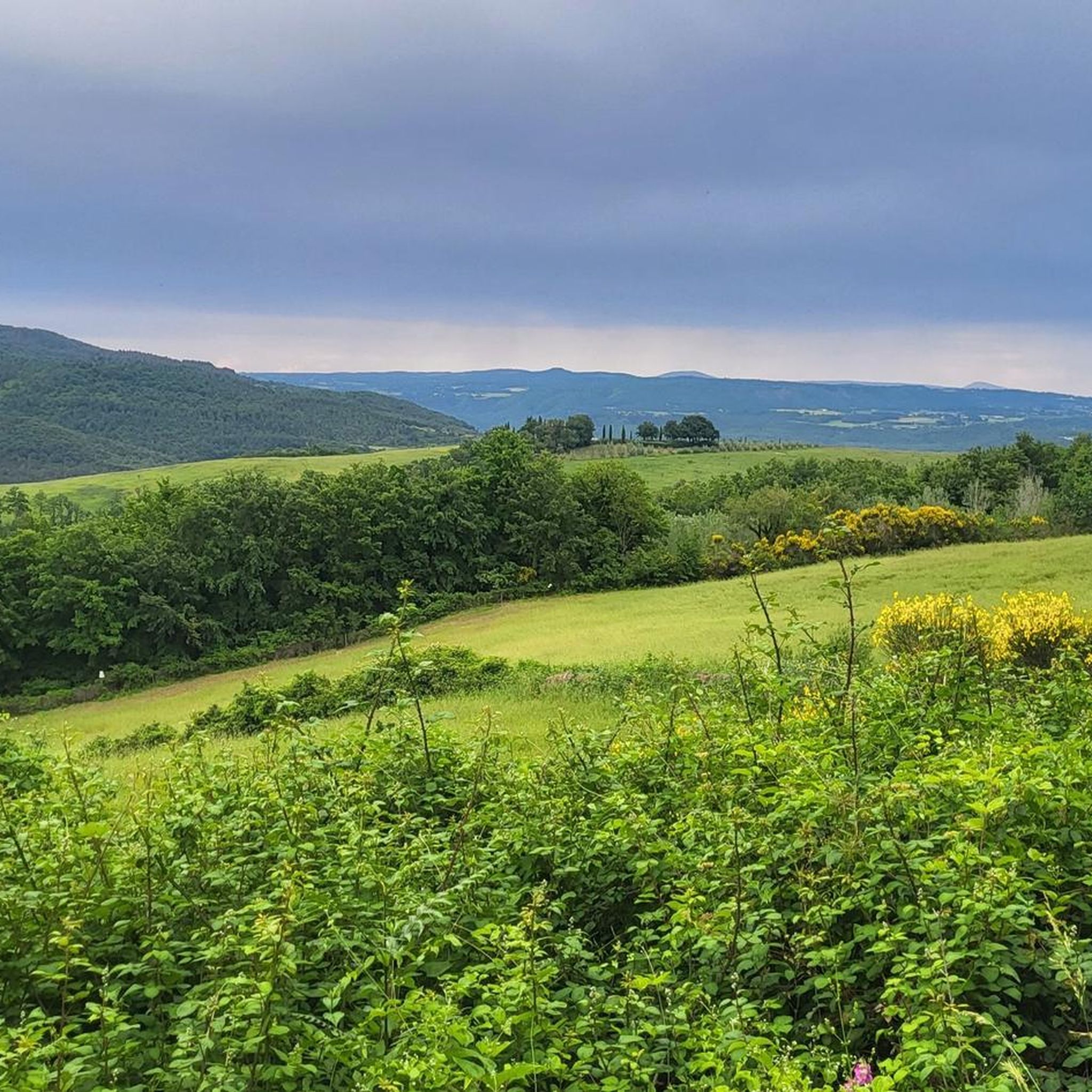
Hiking around Acquapendente
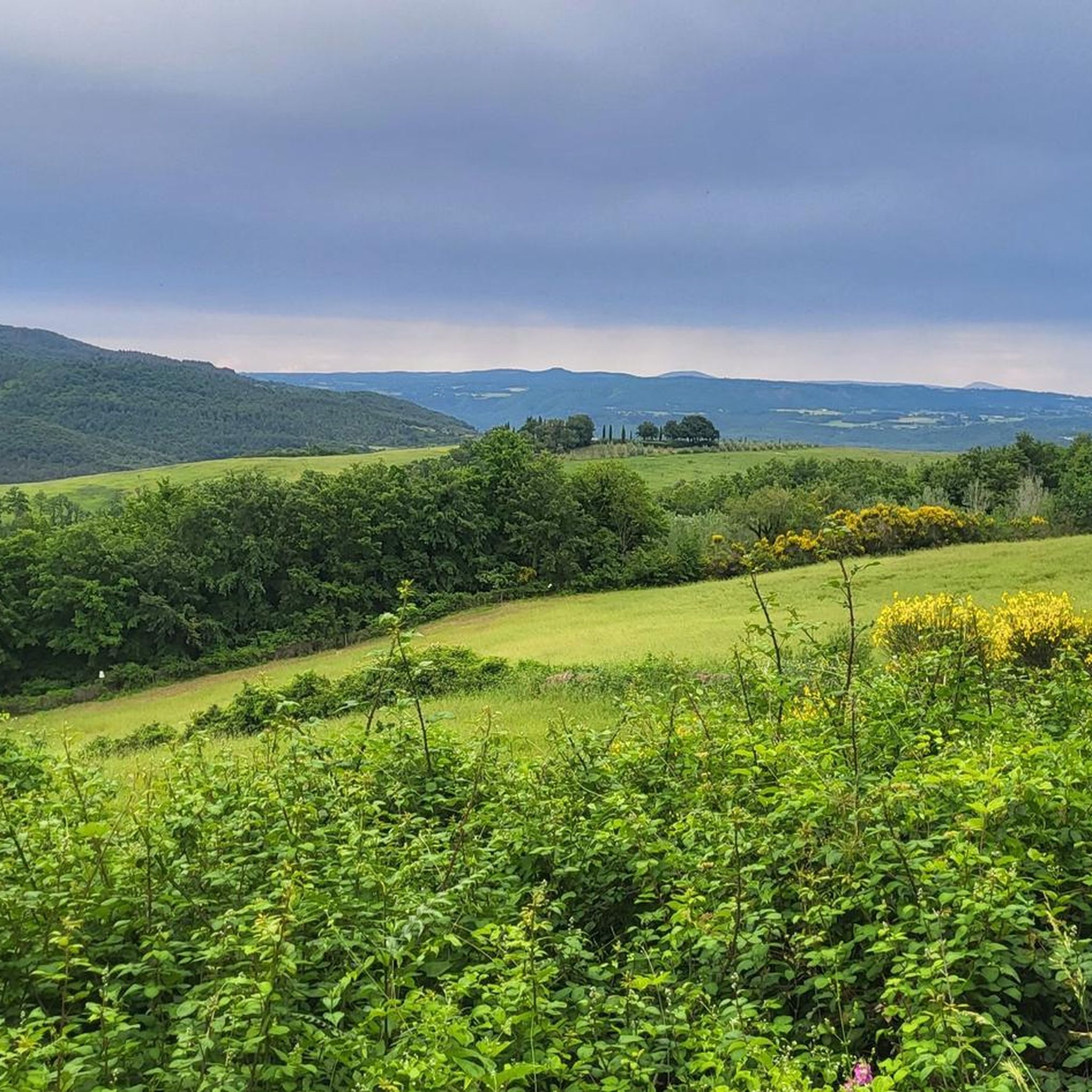
Road Cycling Routes around Acquapendente
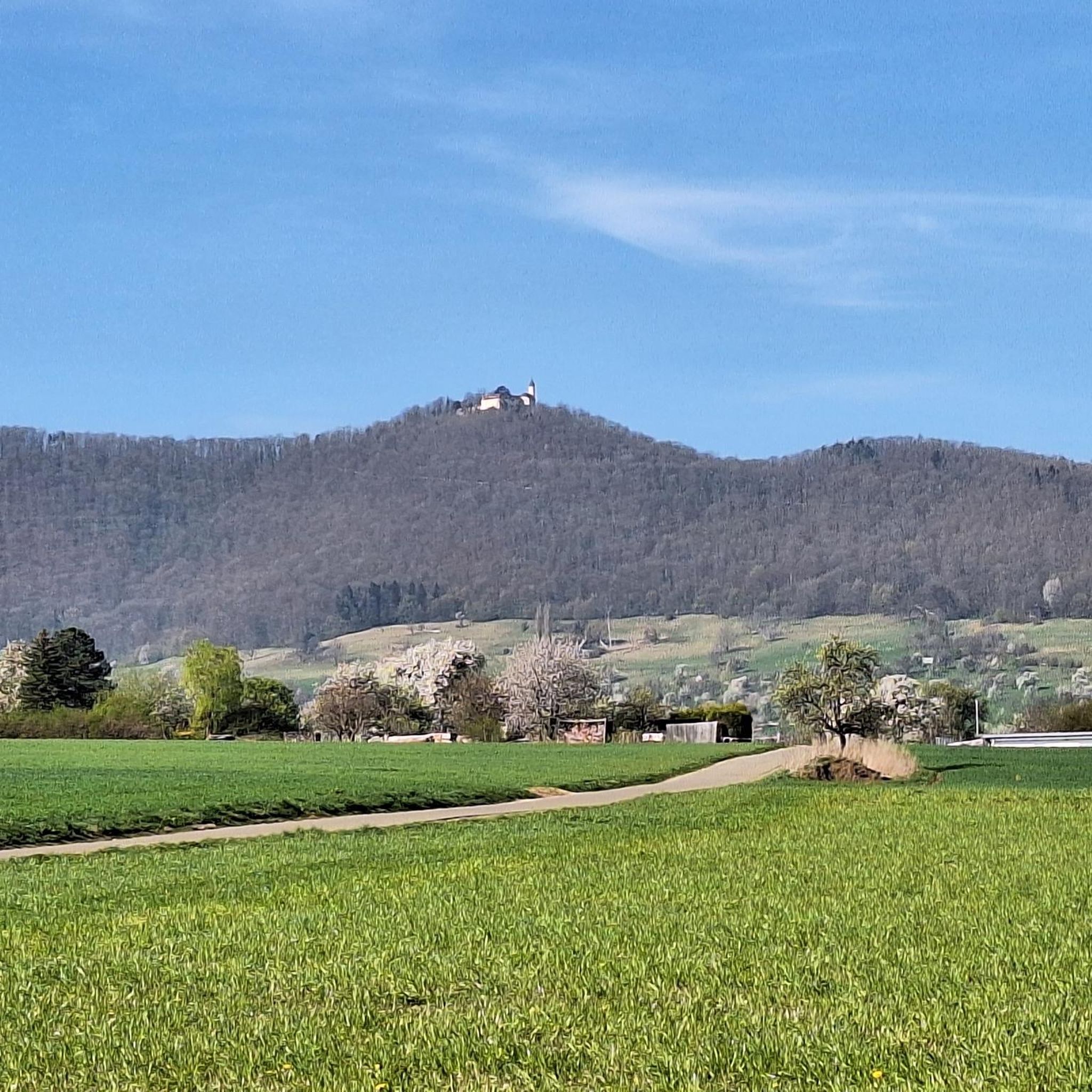
Gravel biking around Acquapendente
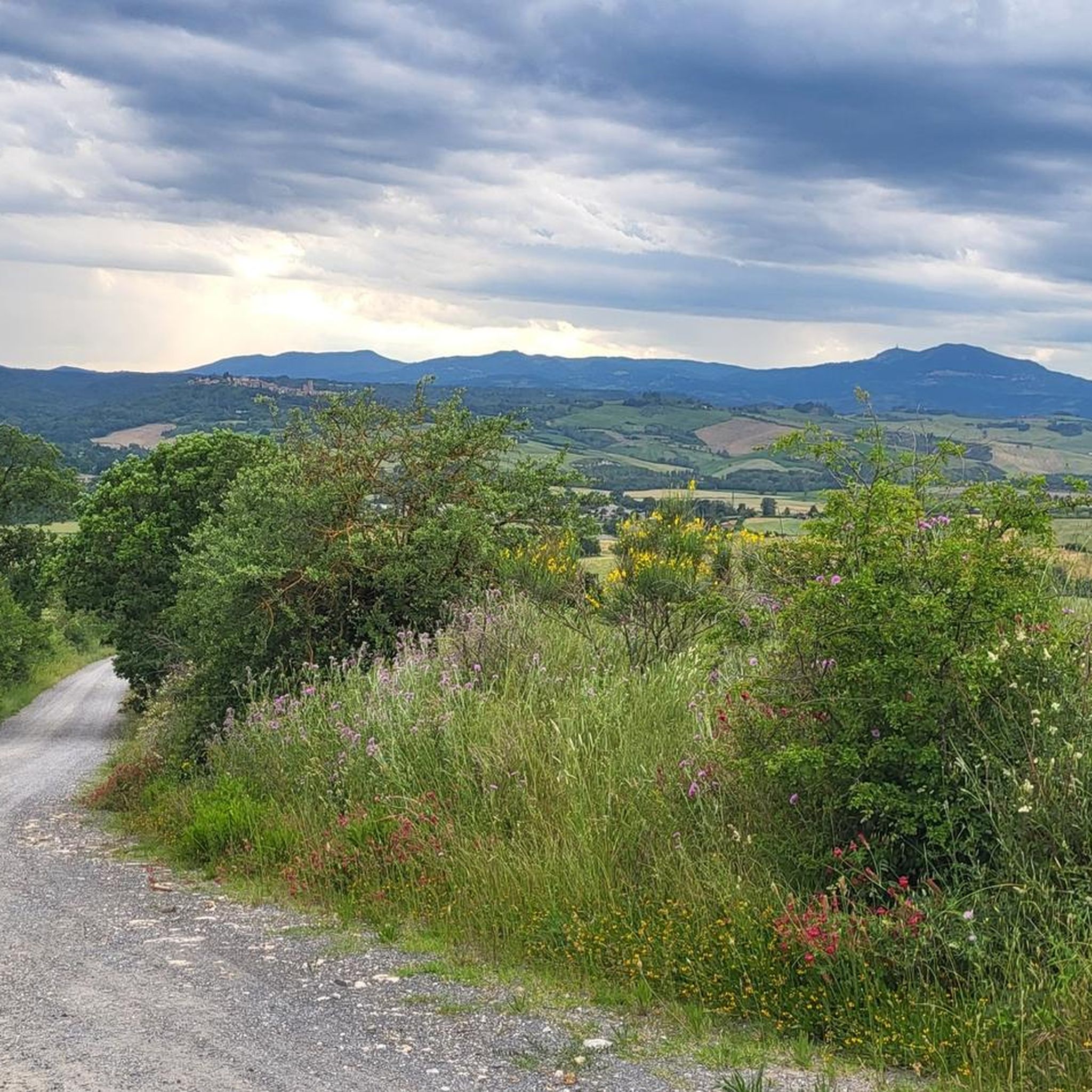
Running Trails around Acquapendente


Tips from the Community

The Via Cava di San Rocco is one of the most impressive Etruscan paths in the area. The trail is entirely dug into the tuff, with vertical walls reaching up to 20 meters high, hosting lush vegetation of ferns and mosses. The route connects the Lente river valley with the plateau above. Along the ascent, you will encounter ancient water channeling systems and stairs carved into the rock. Once you reach the upper end, you arrive at the panoramic area of San Rocco, from which you can enjoy the most iconic view of the settlement of Sorano and the Orsini Fortress. The ground can be damp and slippery due to the cool microclimate of the walls.
0
0

The Via Cava di San Rocco goes up the opposite side of Sorano, skirting the remains of the church of San Rocco, a religious building in Romanesque style now reduced to ruins that maintain sections of the original wall structures. Behind these remains extends a vast Etruscan necropolis with tombs dug into the tuff. The Vie Cave, dug by the Etruscans about 3000 years ago in the tuff, are still shrouded in mystery regarding the technique used to sculpt the rock so precisely and vertically. This street represents the most important of the Vie Cave around Sorano, as it guided the Etruscans to their necropolis. Incredibly, for over six centuries, from the Middle Ages until 1940, it was the only road that connected the city of Sorano to Sovana. Every horse, cart and traveler had no choice but to travel this steep, damp road between its high walls.
1
0

This exciting spot is not easy to find despite the signs and it is definitely worth looking a little further. After the last small sign, a narrow, steep branch leads to a small plateau with a thick wall and two rocky bulges. If you continue, you will discover the remains of old stairs and two collapsed caves. But the stairs bend and lead to the next plateau. Here you can discover some holes in the ground that belong to chimneys and cave openings below us. If you go slightly down to the right you will reach the cave with a fireplace that is open to the slope. If you continue straight ahead and take a little scramble down to the left, you will discover two more chambers.
0
1

Class view over the lake on the promenade; Access to the port with excursion boats, beach - well... nice promenade for strolling.
0
0

Lake of volcanic origin, nestled at the foot of the Cimini Mountains. It is possible to bathe in its waters. In a few minutes you reach the beautiful historic center of Ronciglione which is the closest town
0
0

Beautiful beach promenade in Bolsena with a number of bars and restaurants right on the lake shore.
0
0
Manageable, small port with a few bars and restaurants in the immediate vicinity.
0
0

Lake Bolsena is located in Lazio, it is the fifth largest lake in Italy and is also the largest lake of volcanic origin in Europe. The main caldera, which has taken on the characteristic elliptical shape typical of lakes of volcanic origin, is set in the mountainous-hilly group of the Volsini Mountains. The formation of Lake Bolsena was very turbulent. The volcanic system of the Volsini, following the eruptions, emptied of magmatic material and ended up collapsing on itself creating a large caldera which over the years was filled with water. it is largely powered by rainwater. The only emissary is the Marta stream which flows into the Tyrrhenian Sea. Two islands emerge within Lake Bolsena: Bisentina Island and Martana Island.
1
0
Frequently Asked Questions
What unique natural features can I explore around Acquapendente?
The region offers diverse natural features, including volcanic crater lakes like Lake Bolsena, which is the fifth largest lake in Italy and features two islands. You can also discover ancient gorges carved into tuff, such as Via Cava di San Rocco, and unique cave systems like the Avamposto delle Rocchette.
Are there any natural monuments with historical significance in the area?
Yes, several natural monuments are rich in history. The Via Cava di San Rocco is an ancient Etruscan road carved into volcanic rock, leading to a vast necropolis. The Monte Rufeno Nature Reserve also holds historical importance, with evidence dating back to Etruscan and Roman times, and served as a crossroads for pilgrims along the Via Francigena.
What outdoor activities can I do near these natural monuments?
The area around Acquapendente is excellent for various outdoor activities. You can find numerous trails for hiking, cycling, and running. For example, the Monte Rufeno Nature Reserve is ideal for hiking, cycling, and horseback riding, with trails catering to different levels.
What makes the Bosco del Sasseto a special natural monument?
The Bosco del Sasseto, often called the 'Fairy Tale Forest,' is renowned for its enchanting atmosphere. It features majestic centuries-old trees, moss-covered volcanic rocks, and winding paths. This ancient forest is a unique example of a high forest with over 60 species of trees, some over 25 meters tall. It also contains the Neogothic mausoleum of Marquis Edoardo Cahen, adding a mysterious historical element.
Is the Monte Rufeno Nature Reserve worth visiting?
Absolutely. The Monte Rufeno Nature Reserve spans nearly 2,900 hectares and offers diverse ecosystems, from mixed oak forests to Mediterranean scrub. It's a haven for biodiversity, with over 1,000 plant species, including rare wild orchids, and 122 vertebrate species like wolves and freshwater turtles. The reserve also hosts museums and an Astronomical Observatory, making it a multifaceted destination for nature lovers and those interested in local history.
Are there family-friendly natural monuments around Acquapendente?
Yes, several natural monuments are suitable for families. Lake Bolsena offers free access to its shores for swimming and relaxing. The Via Cava di San Rocco provides an exciting hike in the footsteps of the Etruscans, which can be engaging for young explorers. The Monte Rufeno Nature Reserve also has various trails suitable for different ages and abilities.
What is the best time of year to visit the natural monuments?
The region's natural monuments offer beauty throughout the year. Spring brings vibrant blooms, especially in the Bosco del Sasseto's rich undergrowth, and pleasant temperatures for hiking. Autumn provides stunning foliage and comfortable weather for exploration. Summer is ideal for activities around Lake Bolsena, while winter offers a tranquil, serene experience, particularly in the forests.
Can I find dog-friendly trails near these natural monuments?
Many natural areas and trails around Acquapendente are suitable for walks with dogs, provided they are kept on a leash and you respect local regulations and wildlife. The extensive network of trails within the Monte Rufeno Nature Reserve and other areas offers opportunities for dog-friendly excursions. Always check specific trail rules before you go.
Are there any easy walks or beginner-friendly hikes?
Yes, there are options for easy walks. Within the Monte Rufeno Nature Reserve, you can find trails like the 'Charcoal Burners' Village – View of Monte Rufeno loop,' which is rated as easy. The Bosco del Sasseto also offers relatively easy paths, though guided tours are often recommended to fully appreciate its delicate environment. For more options, explore the hiking guide for Acquapendente.
What kind of wildlife can I expect to see in the natural monuments?
The Monte Rufeno Nature Reserve is particularly rich in biodiversity, boasting 122 vertebrate species. You might spot elusive animals like wolves and freshwater turtles, which indicate a healthy environment. The reserve is also home to a wide variety of birds and smaller mammals. The diverse ecosystems support a thriving natural habitat.
Where can I learn more about the local flora and fauna?
The Monte Rufeno Nature Reserve is an excellent place to learn about local biodiversity. It features over 1,000 different plant species, including rare ones like the Scopina herb, red lily, and 39 species of wild orchids. The reserve also hosts environmental education centers, such as the Museum of Flowers, which can provide deeper insights into the region's natural heritage. For more general information about the reserve, you can visit visittuscia.eu.
Are there any natural monuments that showcase unique geological formations?
Yes, the region is characterized by its volcanic past. Lake Bolsena is a prime example, being a crater lake of volcanic origin surrounded by the Monti Volsini. The Bosco del Sasseto's name, meaning 'stony place,' comes from the numerous lava boulders originating from an ancient volcanic cliff, which shaped the area around 820,000 years ago, creating its unique rocky landscape.
Most popular routes around Acquapendente
Most popular attractions around Acquapendente

Get inspired with the komoot mobile app


Explore more
Extend your search for the best caves by checking out these guides of the top ones around Acquapendente:
