Top 20 Natural Monuments around Lastra A Signa
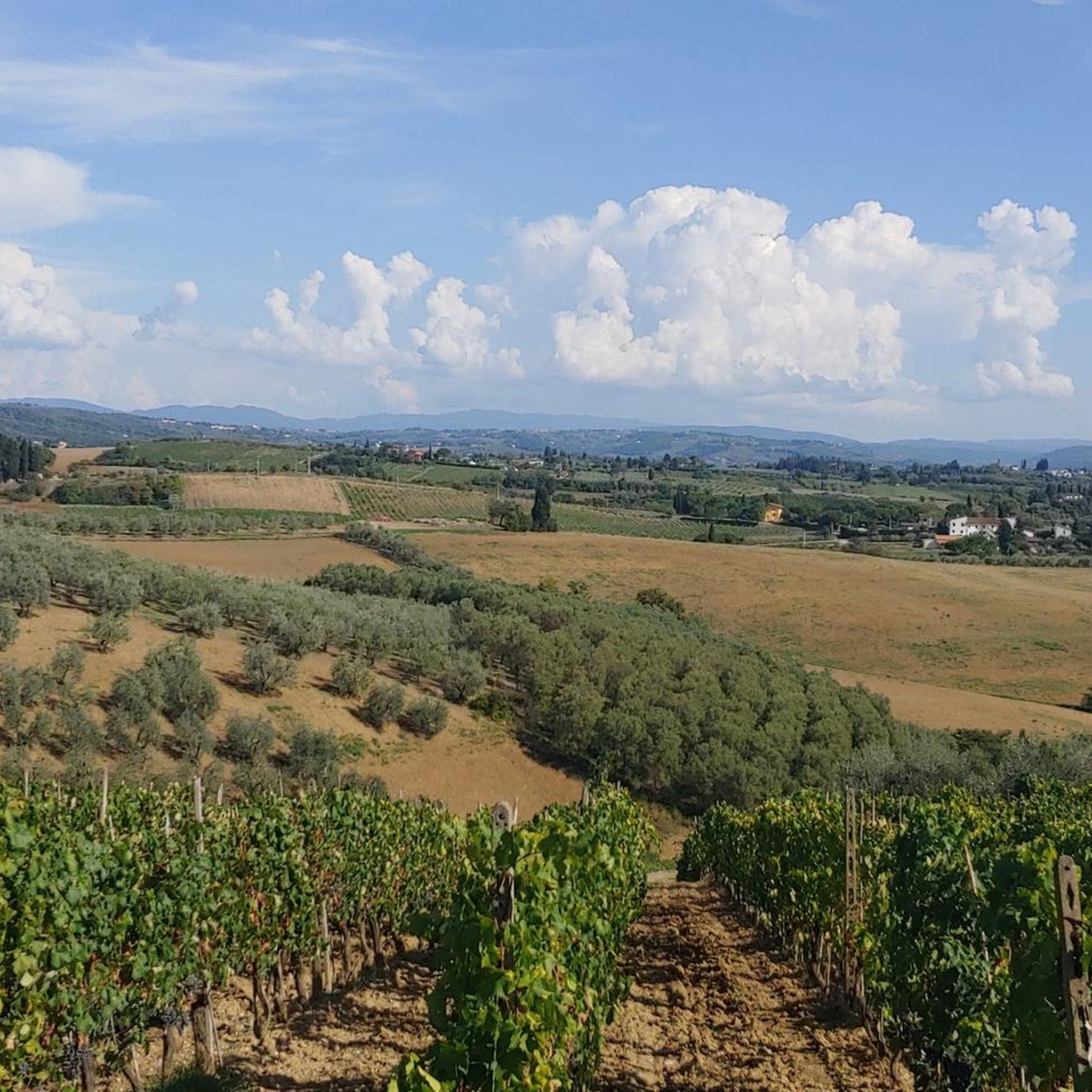
Natural monuments around Lastra A Signa offer a blend of historical charm and natural beauty on the outskirts of Florence. The area features diverse natural landscapes, including expansive river parks and local woodlands. These sites provide opportunities for outdoor activities and appreciating the local ecosystem. Lastra A Signa serves as a green lung, offering natural retreats away from urban areas.
Best natural monuments around Lastra A Signa
- The most popular natural monuments is Devil’s Rock (Pietramarina), a natural monument…
Last updated: June 28, 2026
Devil’s Rock (Pietramarina)
Highlight • Natural Monument
Translated by Google •
Tip by

Faltognano Holm Oak
Highlight • Natural Monument
Translated by Google •
Tip by

Sign up now to discover places like this
Get recommendations on the best single tracks, peaks, & plenty of other exciting outdoor places.
Sign up for free
Cascine di Tavola Park
Highlight • Forest
Translated by Google •
Tip by

Pietramarina Archaeological Area
Highlight • Historical Site
Translated by Google •
Tip by
Arnovecchio Nature Reserve
Highlight • Natural Monument
Tip by

Sign up for free to discover even more natural monuments around Lastra A Signa.
Sign up for free
Already have an account?
Start today with a free account
Your next adventure awaits.
Login or Signup

Tips from the Community

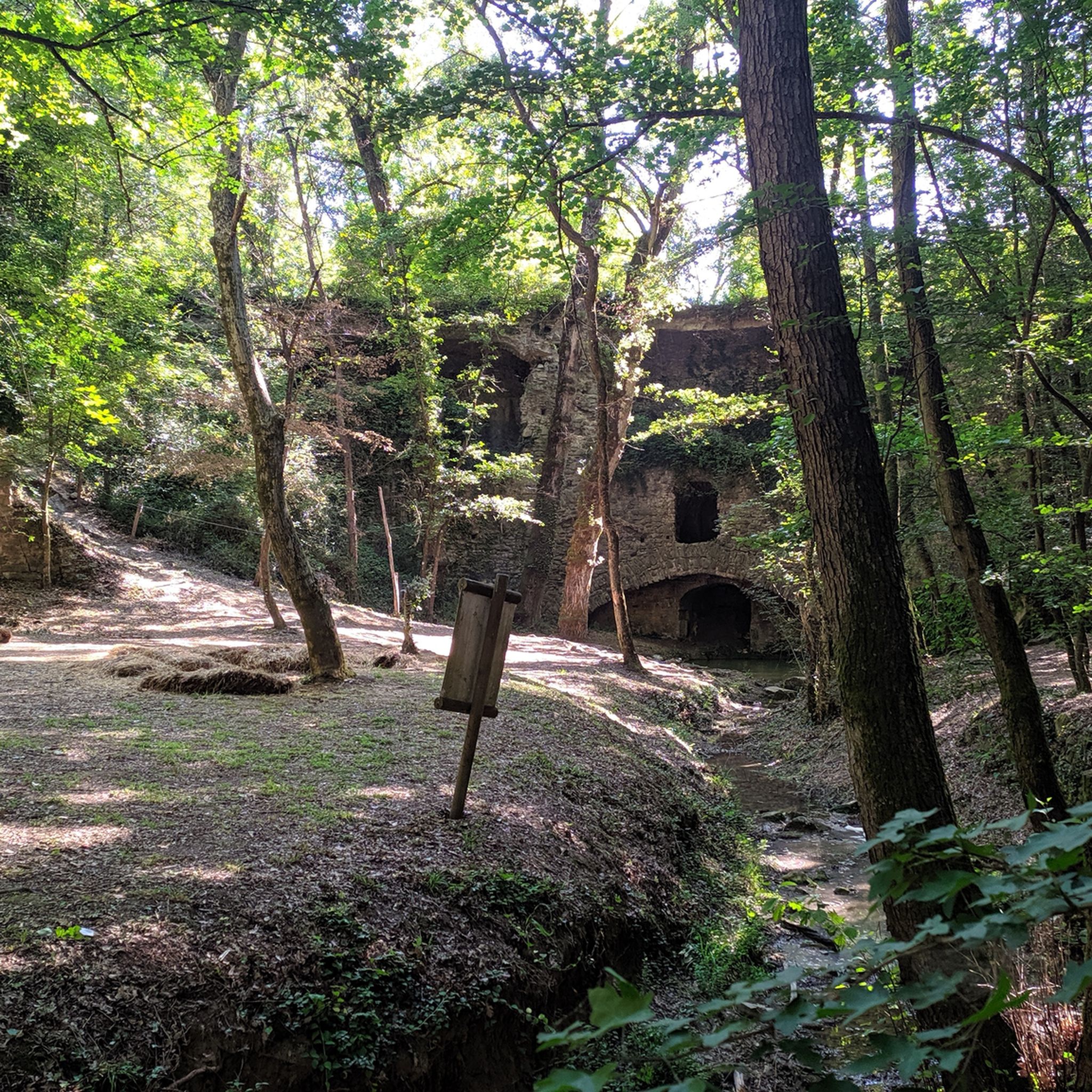
Parco delle Cascine di Tavola is a protected natural area and a public park of about 300 hectares located in the southern area of the municipality of Prato. Born in the 15th century at the behest of Lorenzo the Magnificent, it represents the city's main green lung and combines immense historical, landscape, and agricultural value. History and Medici Origins Conceived in the 15th century together with the nearby Villa Medicea di Poggio a Caiano. It was born as a model farm with a dense network of canals for land reclamation from swamps. The Medici Farm: A square-plan building with a water moat, built by Giuliano da Sangallo between 1477 and 1479 for livestock breeding and the production of cheeses destined for Florence.
0
0

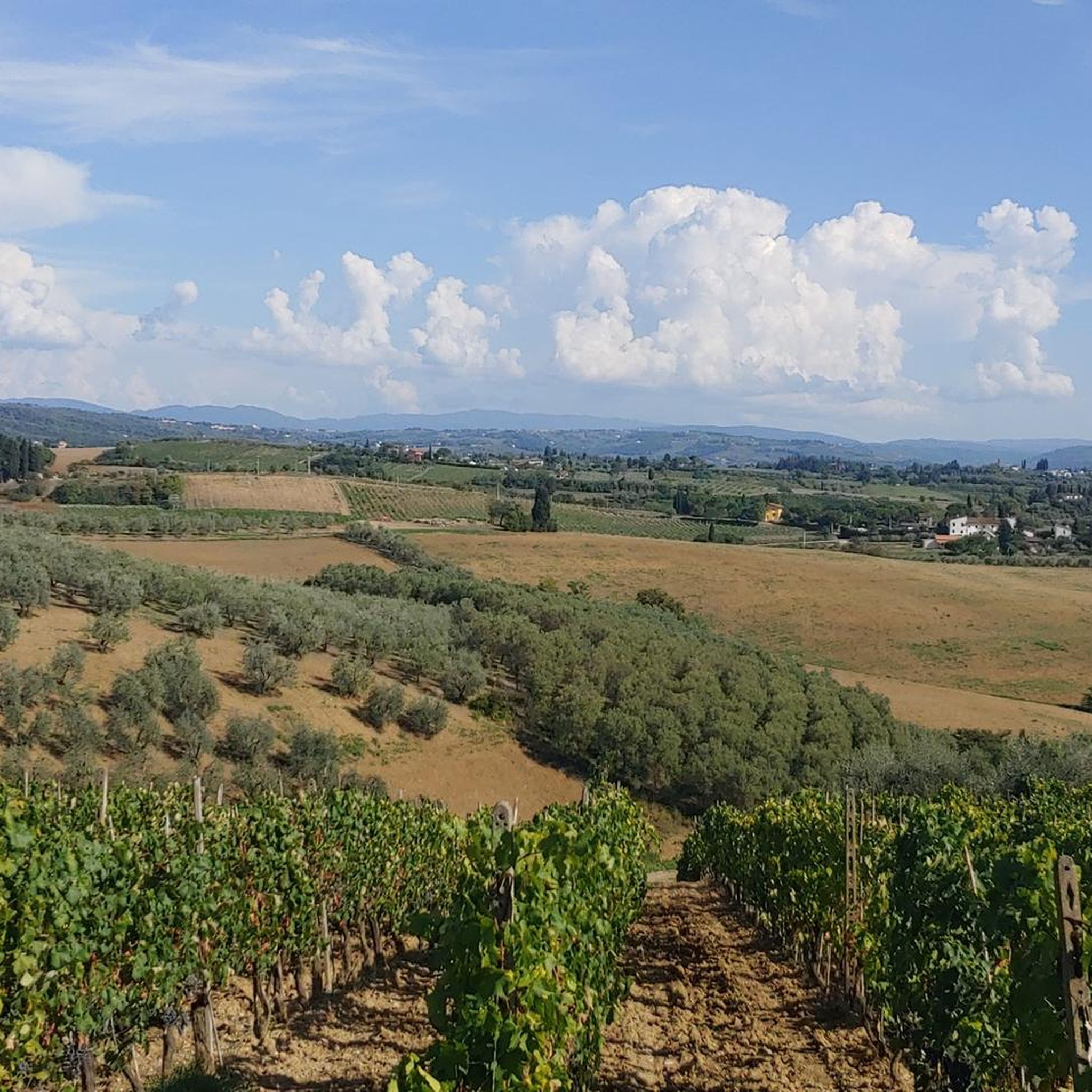
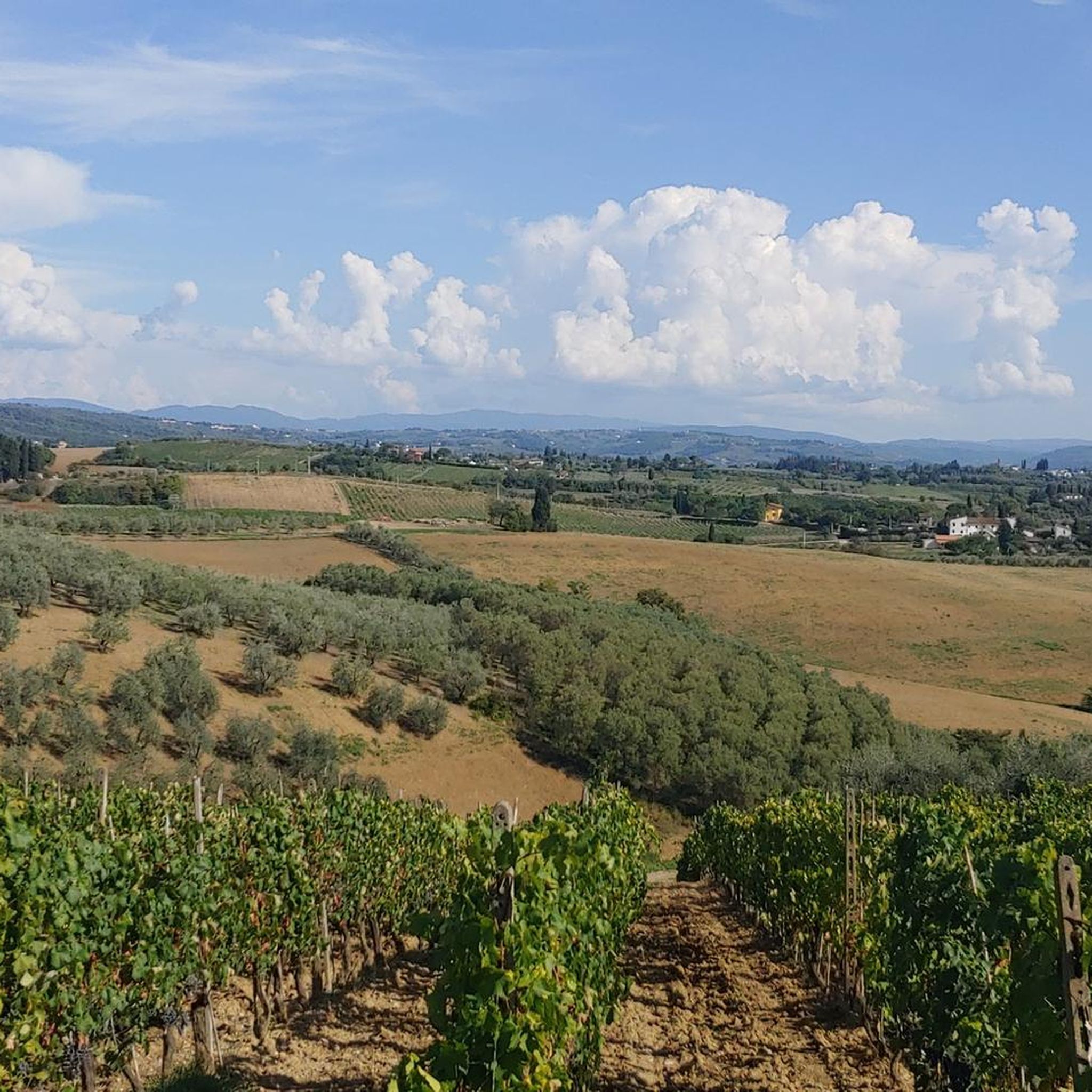
The holm oak of Faltognano is a monumental tree that is over a century old and is located near the church of Santa Maria Assunta in Faltognano, in the municipality of Vinci in the province of Florence. It is a specimen of holm oak (Quercus ilex) that has a trunk circumference of 4.60 m, is 11 m tall and dates back to before 1750 according to the inventory of monumental trees of Tuscany (progressive n°47). Over time it has undergone numerous prunings and interventions that have partially reduced its size and grandeur and altered its shape, which was once more dome-shaped. The plant has suffered from fungal attacks in recent decades and requires periodic care; at the moment various safety systems have been installed such as ropes, supports and a railing around the trunk to prevent branches from falling and limit access. In 2007 it received the Touring Club Award, an award announced by the TCI consuls of Tuscany for monumental trees. It is the symbol of the community of Faltognano and is located a short distance from the birthplace of Leonardo Da Vinci and the center of the city of Vinci; a center that can be seen inside the wonderful panoramic view that can be enjoyed from the foot of the tree.
1
0

Devil's Boulder. It is a particular monolith located on the edge of a plateau surrounded by centenary holm oaks, similar - with smaller dimensions - to the so-called Etruscan Pyramid of Bomarzo. On the boulder there are writings that probably date back to a couple of centuries ago and indecipherable signs but what is most striking are the deep grooves perhaps due to uses and rituals that are lost in the mists of time. It is called "The Devil's Boulder" and is surrounded by centuries-old holm oaks in the Pietramarina woods, one of the most mysterious environments of Montalbano. The boulder is located near an area occupied by an Etruscan settlement, perhaps a sacrificial altar renamed "of the devil" by Christians to exorcise its pagan affiliation or, as a legend has it, "of the devil" because the devil left the the imprint of his hoof. However, the “Masso di Pietramarina” makes this corner of Montalbano suggestive and mysterious. It was also in a strategic position, given that from the top it is possible to see the sea.
0
0


The Parco delle Cascine di Tavola is a beautiful park that extends over about 300 hectares, just a few minutes from the city center, taking its name from the neighborhood of the same name in which it is located. In the fifteenth century, the farmhouses were created on the initiative of Lorenzo di Piero de' Medici, better known as the Magnificent. At the time, the livestock breeding and the production of cheeses originating in this locality satisfied the demand of all of Florence. Today, the park offers several opportunities to enjoy the spaces: walking, running, on one of the many benches or relaxing on the grass. It is not uncommon to spot wild animals. The park, usually quiet, offers panoramas and colors that strike the eyes and cheer up the spirit.
1
0

The Pietramarina site is located on the top of the southern offshoot of Montalbano, at 585 meters above sea level, in one of the most fascinating places in Montalbano. The elevated and strategic position, on the western border of the territory of Artimino, allowed to control a vast territory and constituted a reference for those who used the paths of the plains or came from the Apennine passes. Reconstruction of Pietramarina Reconstruction of Pietramarina Facing Artimino, Fiesole and Volterra, it made it possible to put these large centers in communication with each other through a visual triangulation, as well as the territory behind the middle-Valdarno with the Livorno coast, visible today in optimal atmospheric conditions. We must also assume that Pietramarina was inserted within a wider range of communications system, which had to cross the Apennines. Probably due to this strategic position, the site - a fortified sanctuary area - was occupied for a long period of time, which at the present time is documented at least from the 7th to the 1st century BC. Systematic research in the area was initiated by the Superintendence of Archaeological Heritage of Tuscany in the years 1991-1996; from 1999 to 2015 they were taken over by the Municipality of Carmignano, under the concession scheme. The top of the hill is enclosed by a wall that has an approximately calculable linear development of about 360 meters, now visible for a stretch on the west and south sides. It is about 2.90 meters wide, has an external and an internal facing in polygonal work with a small device and, in various points of the stretch under investigation, it is preserved for about 2 meters in height. Its construction is located in a post-archaic horizon.
0
0
Near the top of Pietramarina, one of the most fascinating places in Montalbano, lies a strange rock formation, a single large sandstone monolith, which stands isolated in the holm oak forest. They call it the Devil's Boulder, because someone recognized the imprint of the Evil One's goat's paw in an ancient engraving at the foot of the rock. A series of steps dug directly into the stone help you climb to the top of the boulder and once upon a time, when the forest was less developed, from up there the view could extend to the sea and the distant island of Gorgona There are those who recognize the boulder as an Etruscan altar, but most likely the staircase was dug in the recent past by the inhabitants of Bacchereto with the aim of helping the first tourists to go up and admire the landscape. There can be no doubt, however, that that wonderfully isolated boulder did not remain indifferent to the Etruscans who inhabited the citadel for six hundred years, whose excavations are visible today just a few meters away. Indeed, it is probable that the boulder was actually frequented in remote times: on its surface, among the engravings and writings left from the early twentieth century to today, some deeper and more rounded grooves seem to belong to peoples and uses lost in the mists of time.
6
1

Magic, the stone and the clearing !!!
0
0
Frequently Asked Questions
What are some unique natural features to explore around Lastra a Signa?
Lastra a Signa offers a variety of unique natural features. You can visit the Devil’s Rock (Pietramarina), a large sandstone monolith within a holm oak forest, with steps carved into the stone allowing access to its top. Another notable site is the Faltognano Holm Oak, a monumental tree over 200 years old, offering panoramic views. Additionally, the Masso della Gonfolina is a fascinating large rock formation steeped in local folklore.
Are there family-friendly natural monuments in the Lastra a Signa area?
Yes, several natural sites are suitable for families. The Faltognano Holm Oak is considered family-friendly, offering a beautiful natural setting. The Etruscan Source is also a family-friendly natural monument and historical site. The Parco Fluviale Lastra a Signa, while not a listed highlight, is a large river park with cycling paths, pedestrian walkways, and open meadows, making it ideal for all ages.
What kind of outdoor activities can I do near the natural monuments in Lastra a Signa?
The region around Lastra a Signa is excellent for various outdoor activities. You can enjoy hiking on trails like the 'Villa Caruso loop' or 'The Moon loop' which are moderate to easy. For cycling enthusiasts, there are numerous routes, including moderate touring bicycle options like 'Arno River – Cascine Park, Florence loop' or more challenging road cycling routes such as 'San Vito Ascent to Malmantile'. You can find more details on these activities in the Hiking around Lastra A Signa and Cycling around Lastra A Signa guides.
Are there any natural reserves or protected areas to visit?
Yes, the Arnovecchio Nature Reserve is a protected natural area located in a paleomeander of the Arno. It features a mosaic of environments, including lake basins, and offers a nature path with structures for observing plants and wild animals. This reserve is designed for complete accessibility, including for people with walking difficulties or visual impairments.
What historical or cultural sites are integrated with the natural monuments?
The area beautifully blends natural beauty with history. The Etruscan Source is a natural monument near the remains of an Etruscan village. Additionally, the Pietramarina Archaeological Area, located near Devil's Rock, is a fortified sanctuary site occupied from the 7th to the 1st century BC, offering insights into ancient Etruscan civilization.
What is the best time of year to visit the natural monuments around Lastra a Signa?
While specific recommendations for natural monuments are not provided, the region's natural beauty, including river parks and woodlands, can be enjoyed across seasons. Spring and autumn generally offer pleasant temperatures for outdoor activities like hiking and cycling, with vibrant flora. Summer allows for enjoying the 'beach on the Arno' at Parco Fluviale, though it can be warmer.
Are there any accessible natural monuments for visitors with mobility challenges?
Yes, the Arnovecchio Nature Reserve is specifically designed for accessibility. It features a nature path with structures that facilitate observation and is equipped for people with walking difficulties or blind individuals, including tactile panels and Braille texts.
Can I bring my dog to the natural areas and monuments?
The Parco Fluviale Lastra a Signa, a significant river park in the area, includes a spacious off-leash area specifically for dogs to run and socialize. While specific regulations for all natural monuments are not detailed, this park offers a great option for dog owners.
What kind of flora and fauna can I expect to see in the woodlands of Lastra a Signa?
The woodlands, such as Bosco del Leccio and Bosco della Caligiana, contribute significantly to the local ecosystem. You can observe diverse plant life including oaks, ash, holm oaks, lime trees, elms, and weeping willows. Wildlife includes mustelids, squirrels, porcupines, hares, roe deer, wild boar, and foxes. Birdlife is rich, with pheasants, pigeons, and various waterfowl like mallards and grey herons along streams.
Are there any viewpoints offering panoramic scenery?
Yes, the Faltognano Holm Oak is known for offering beautiful panoramic views of the surrounding landscape, including the city of Vinci. The elevated position of the Pietramarina Archaeological Area also allowed for control over a vast territory, and in optimal atmospheric conditions, views can extend to the Livorno coast.
What do visitors enjoy most about the natural monuments around Lastra a Signa?
Visitors appreciate the tranquility and natural beauty of these sites. For instance, the Devil’s Rock (Pietramarina) is described as a 'quiet and suggestive place' that offers 'peace of mind' upon reaching its summit. The Faltognano Holm Oak is admired for its monumental size and the beautiful panorama it provides.
How long does it typically take to explore some of these natural monuments?
The time required varies by site. For a highlight like the Faltognano Holm Oak, a stop to admire the tree and panorama might take a short while. Exploring the Devil’s Rock (Pietramarina) and its nearby archaeological area could involve a moderate hike. For larger areas like the Parco Fluviale Lastra a Signa, you could spend several hours walking, cycling, or relaxing.
Most popular routes around Lastra A Signa
Most popular attractions around Lastra A Signa

Get inspired with the komoot mobile app


Explore more
Extend your search for the best caves by checking out these guides of the top ones around Lastra A Signa:
