Top 20 Natural Monuments around Perosa Canavese
Natural monuments around Perosa Canavese are situated in the picturesque Canavese region of Piedmont, Italy. This area features diverse natural beauty, encompassing lakes and protected areas. The landscape combines natural attractions with historical sites, offering varied outdoor experiences. Unique geological features and natural landmarks are present throughout the region.
Best natural monuments around Perosa Canavese
- The most popular natural monuments is Lake Candia, a lake located between Chivasso and Ivrea. This lake is frequented by families, especially in summer,…
Last updated: October 1, 2026
Lake Pistono and the Archaeological Park of the Stilt Houses
Highlight • Lake
Translated by Google •
Tip by

The Dancing Lands
Highlight • Natural Monument
Translated by Google •
Tip by

Sign up now to discover places like this
Get recommendations on the best single tracks, peaks, & plenty of other exciting outdoor places.
Lake Candia
Highlight • Lake
Translated by Google •
Tip by
Glacial Erratic Boulders of Vialfrè
Highlight • Natural Monument
Translated by Google •
Tip by

Monti Pelati Mountain Bike Trail
Highlight (Segment) • MTB Park
Translated by Google •
Tip by

Sign up for free to discover even more natural monuments around Perosa Canavese.
Already have an account?
Start today with a free account
Your next adventure awaits.

Tips from the Community

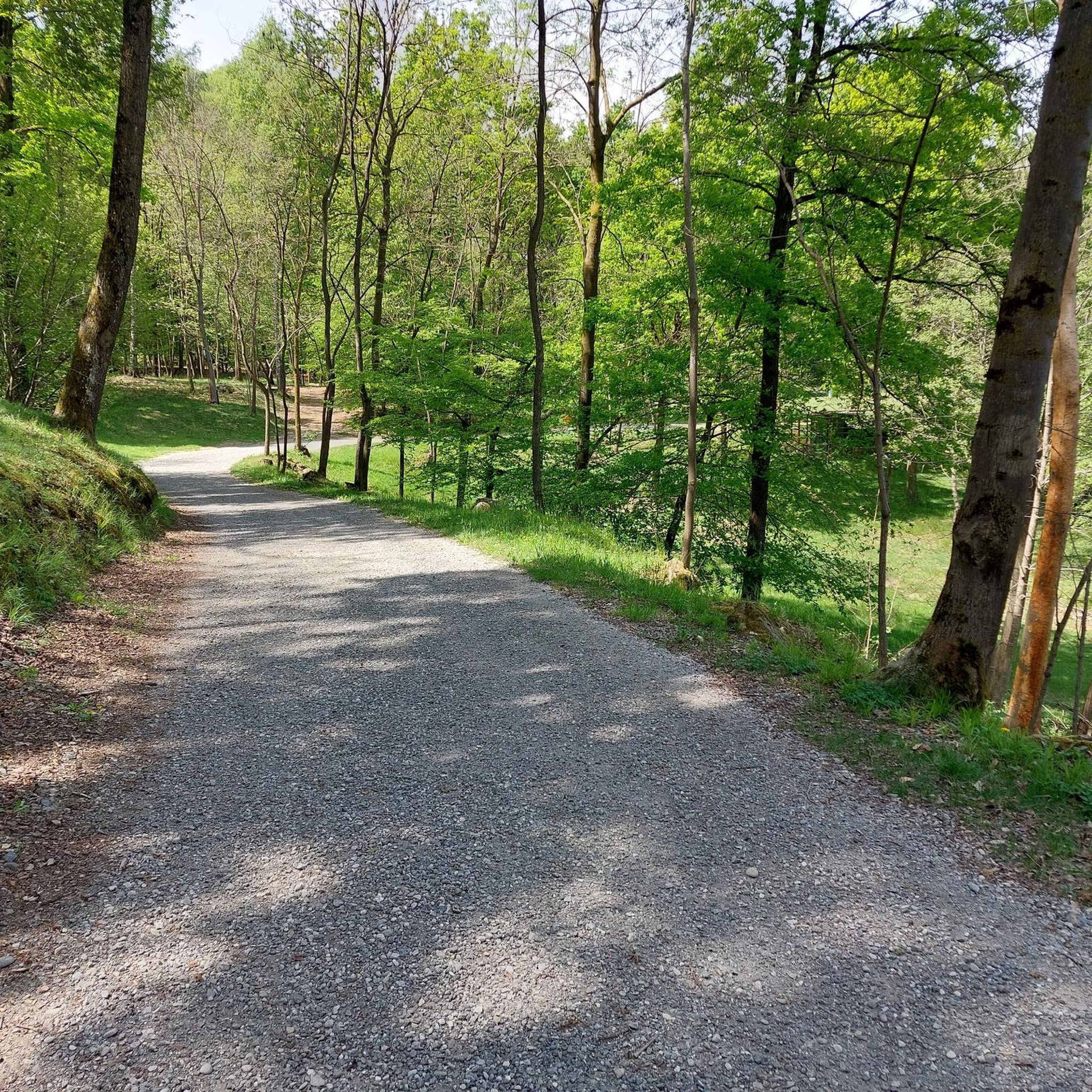
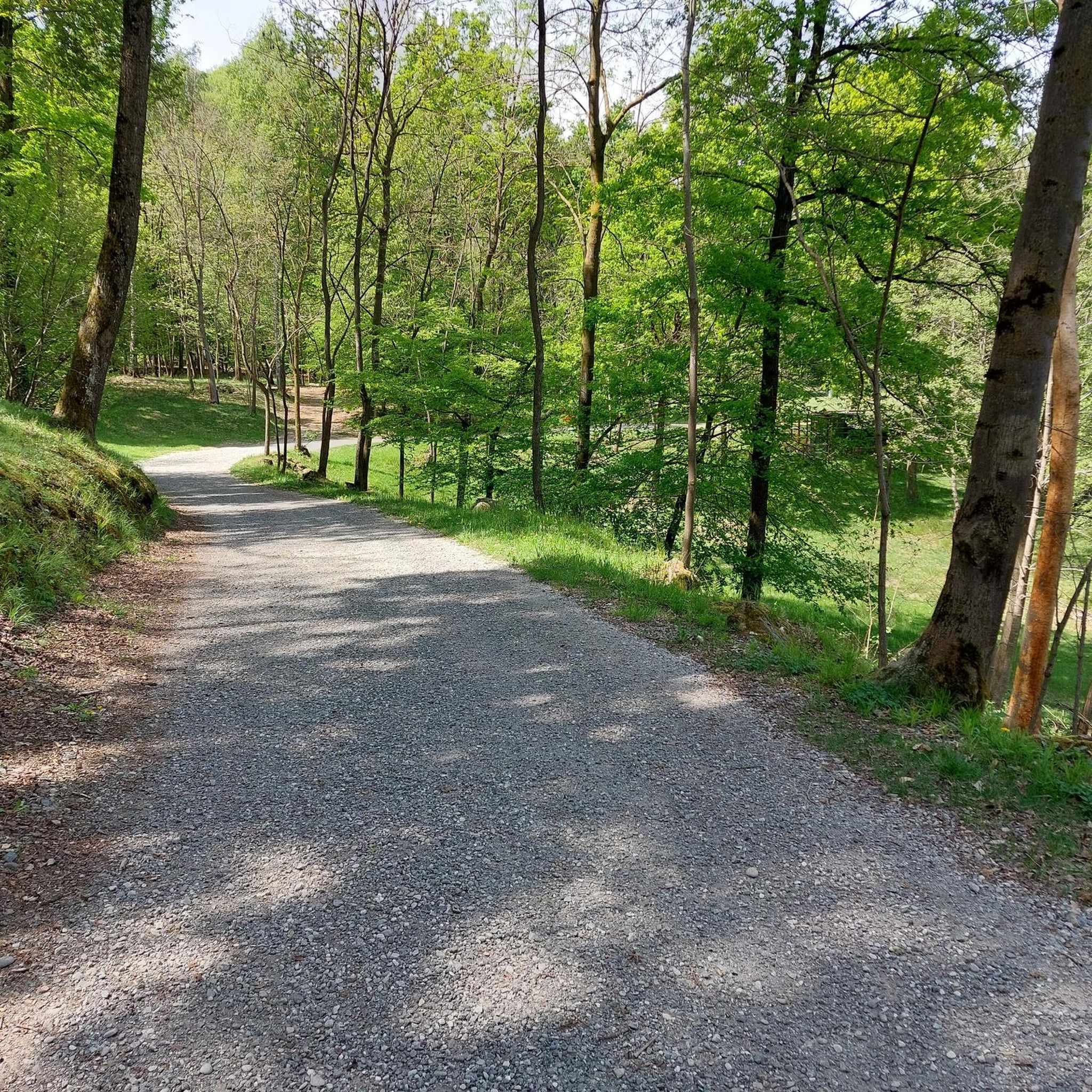
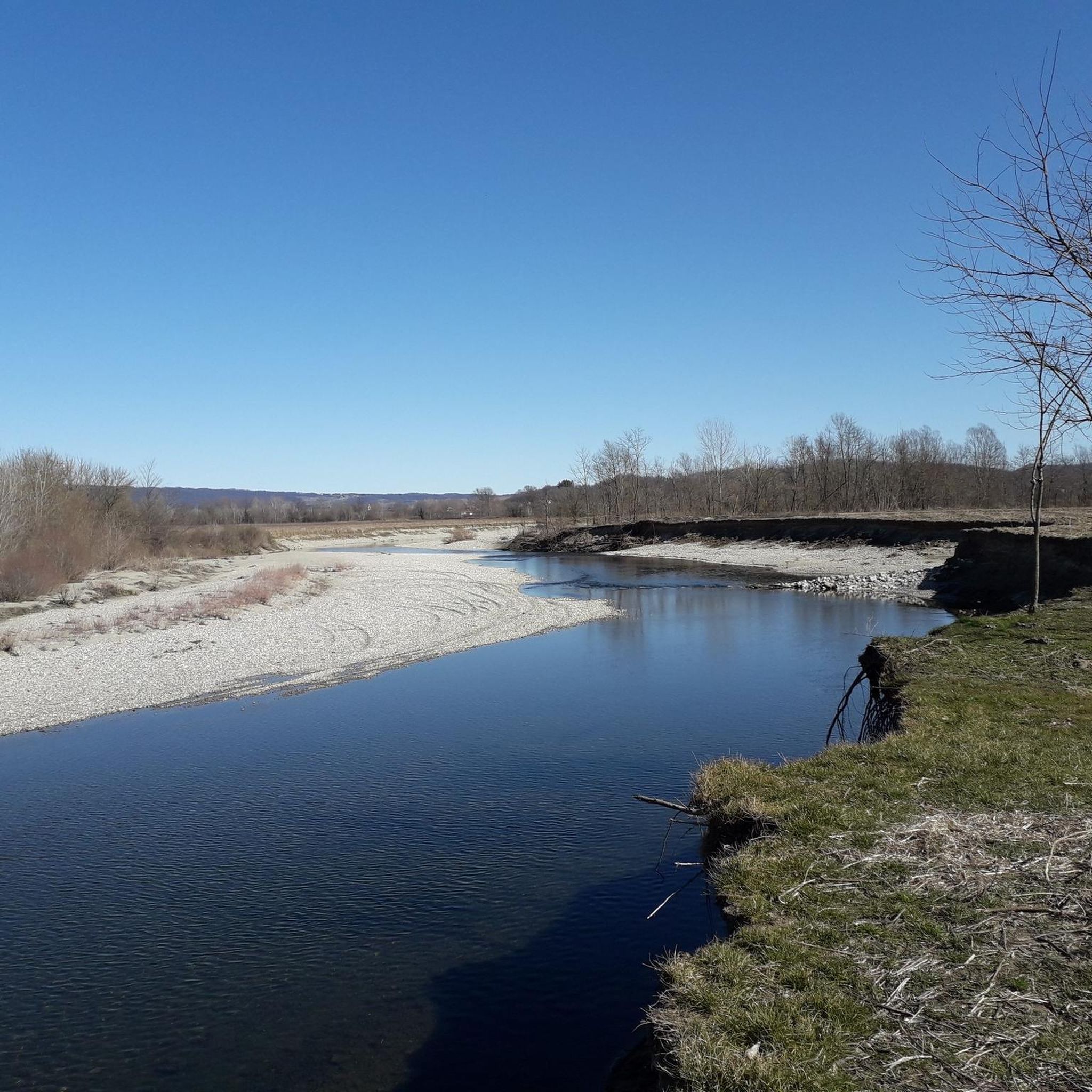
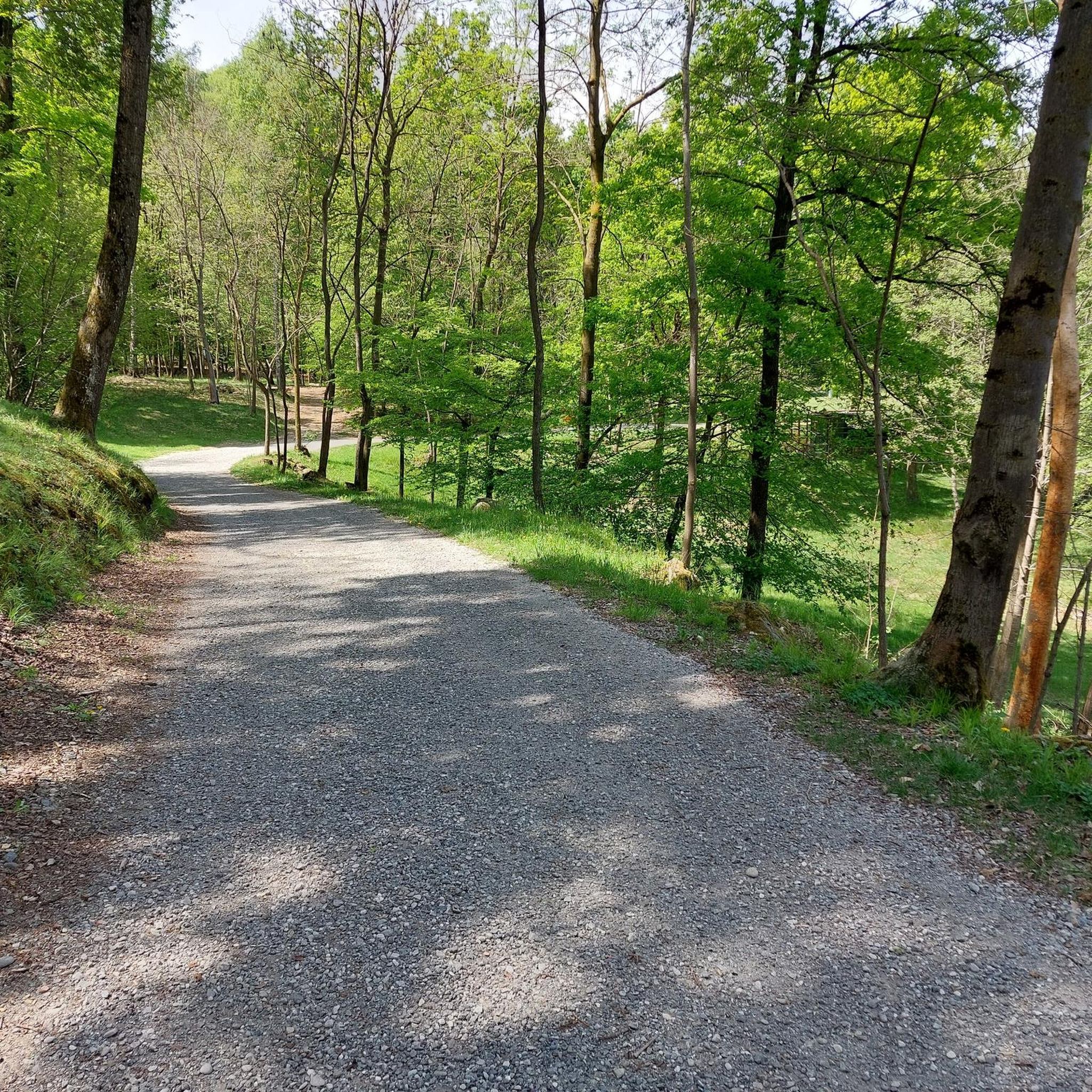
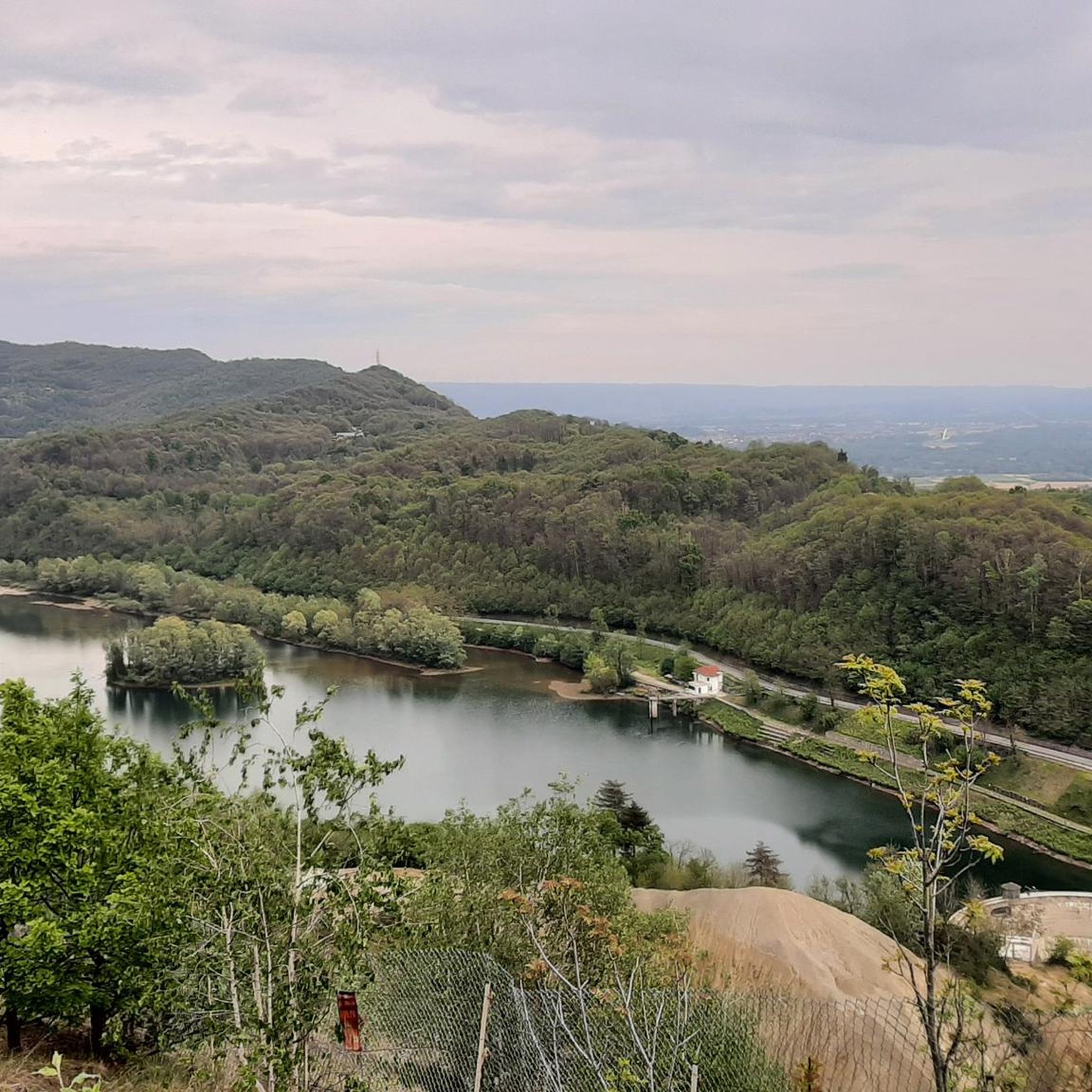
The area depicted in these images is located a short distance from the parking lot where it's best to leave your car and explore (on foot or by bike) the countless trails that surround the lake. This is one of the few truly accessible areas along the entire perimeter because, perhaps to protect the lake's fragile ecosystem, the trail that circles it is kept at a constant distance. In any case, aside from the lake, the entire surrounding rural area is worth a visit, still pleasantly unspoiled. A trip in autumn is highly recommended for the myriad colors of the vegetation. Both cyclists and walkers should be careful, as I didn't notice any distinction between trails reserved for mountain bikes and those reserved for pedestrians; many secondary paths have dead ends!
0
0

A photo on the park's pier is a must. Stunning view...
0
0
After crossing Vialfrè along via Roma and via Borghetto, after a trail that runs alongside a fence you find yourself... in a meadow! Luckily, a providential sign guides you, to the left, to the start of the erratic boulders trail, other signs, to follow, show the right path first along an asphalt road, finally, with another left turn at a hairpin bend, back on the right path. Here begins a nice flowing stretch, never difficult (S2 max), but not at all trivial, because the ground, almost always pebbly, requires constant attention when driving. The trail is not critical, in the sense that, even "skipping" some deviations, you still find yourself on other paths almost parallel to the one I took. In the end, all the paths converge almost in the same point... in front of the highway to Aosta: following the trail, other nice paths lead to Villate.
0
0

It is a unique place of its kind. In a rather small and circumscribed area 2 steps from the Montalto lake (also called "Rabbit" lake) there is an area with a very dark soil composed of water, peat, earth and medium-sized trees. Especially when the ground is wet or it has rained previously if you jump on the surface, it moves creating small waves making the surrounding trees dance. A real show! You can reach the dancing lands from 2 different dirt tracks. For those with good technical skills the entry or exit paths in both directions are also fun to pedal.
0
0
Regardless of whether you reach the Serra di Ivrea or not, even wandering around these lakes, taking advantage of the good signage present, pays off! There is a nice variety of environments and paths, from single track to dirt road, ending on cobblestone sections, never too banal, especially in the wet... the lake environments are beautiful, given that most of these lakes are not very urbanized, the stilt houses rebuilt on the shore of Lake Pistono are very beautiful, they certainly deserve a stop. Places also suitable for children, given that in the lake area the differences in altitude are very modest... just watch out for hikers, because the paths are open to everyone!
4
0

Here, during the Ice Age, the Balteo Glacier transported enormous boulders to its surface, which were then released when rising temperatures melted the ice.
0
0

In this beautiful peat bog in Montaldo Dora there is a very particular natural phenomenon, which gives the place its name. The Terre Ballerine are in fact called this way because of the particular consistency of the ground, which makes those who walk on it feel like they are walking on a mattress.
1
0

Frequently Asked Questions
What unique natural monuments can I explore around Perosa Canavese?
The region offers several distinctive natural monuments. One notable example is The Dancing Lands, a forest where the ground, composed of peat on water, literally moves when you walk on it. Another is Glacial Erratic Boulders of Vialfrè, where you can see enormous prehistoric boulders transported by ancient glaciers.
Are there family-friendly natural monuments in the Perosa Canavese area?
Yes, several natural monuments are suitable for families. Lake Candia is a popular spot, especially in summer, offering a pleasant environment within the Natural Park of Lake Candia. Lake Pistono and the Archaeological Park of the Stilt Houses also provides scenic views and an engaging historical reconstruction that can be interesting for all ages.
What kind of outdoor activities can I do near these natural monuments?
The Perosa Canavese area, part of the broader Canavese region, is excellent for various outdoor activities. You can find numerous hiking trails, such as those detailed in the Hiking around Perosa Canavese guide, including sections of the Ivrea Morainic Amphitheatre High Route. There are also extensive options for mountain biking and road cycling, with guides like MTB Trails around Perosa Canavese and Road Cycling Routes around Perosa Canavese available.
What is the best time to visit the natural monuments around Perosa Canavese?
The Canavese region offers diverse natural beauty throughout the year. While many natural monuments are accessible year-round, spring and autumn generally provide the most pleasant weather for outdoor activities like hiking and exploring. Summer is ideal for lake activities, particularly at Lake Candia, though it can be busier. Winter can offer a different, serene experience, especially in protected areas, but some trails might be less accessible depending on snow conditions.
Are there any natural monuments that combine nature with historical interest?
Yes, Lake Pistono and the Archaeological Park of the Stilt Houses is a prime example. While Lake Pistono offers natural beauty and scenic views, the adjacent Archaeological Park features a full-scale reconstruction of a prehistoric stilt house village, providing a fascinating glimpse into ancient life alongside the natural landscape.
What makes 'The Dancing Lands' such a unique natural phenomenon?
The Dancing Lands is unique because its ground is composed of peat resting on a surface of water, with a forest growing atop it. This creates an elastic, bouncy sensation when walked upon. Visitors often describe it as walking on a mattress, and jumping can cause nearby plants to visibly move, offering a truly interactive natural experience.
Are there challenging trails or natural monuments for experienced hikers?
For those seeking more challenging experiences, the Monti Pelati Mountain Bike Trail, while primarily for MTB, is located within a natural reserve and can be quite demanding due to its terrain and slope. The broader Canavese region, including areas near Perosa Canavese, also offers sections of the Ivrea Morainic Amphitheatre High Route, which can present moderate to challenging hiking opportunities.
What geological features are prominent in the natural monuments around Perosa Canavese?
The region is characterized by unique geological features. Beyond the peat bog of The Dancing Lands, you can observe glacial remnants such as the Glacial Erratic Boulders of Vialfrè. These massive boulders were transported by the ancient Balteo Glacier during the Ice Age, offering a tangible connection to the region's geological past.
What do visitors enjoy most about the natural monuments in this region?
Visitors frequently appreciate the unique and interactive experiences offered, such as the 'dancing' sensation at The Dancing Lands. The scenic views, particularly from spots overlooking Lake Pistono and Lake Candia, are also highly valued. Many enjoy the combination of natural beauty with historical insights, like the archaeological park, and the opportunity for diverse outdoor activities.
Are the natural monuments around Perosa Canavese accessible by public transport?
While some natural monuments might be reachable via a combination of public transport and walking, direct public transport access to all sites can be limited. It is generally recommended to check local bus schedules or consider using a car for greater flexibility when exploring the more remote natural monuments in the Canavese region. For broader information on the region's parks and reserves, you might find resources on the Visit Piemonte website helpful.
How long should I plan for a visit to the natural monuments?
The duration of your visit depends on the specific monument and your planned activities. For a site like The Dancing Lands, a short visit of 1-2 hours might suffice to experience the phenomenon. However, if you plan to combine it with hiking or exploring the surrounding area, or visit a larger site like Lake Pistono and the Archaeological Park, you could easily spend half a day or more, especially if you include a walk around the lake or explore the historical reconstructions.
Most popular routes around Perosa Canavese
Most popular attractions around Perosa Canavese

Get inspired with the komoot mobile app


Explore more
Extend your search for the best caves by checking out these guides of the top ones around Perosa Canavese:
