The best cycling routes around Perosa Canavese
4.5
(489)
6,267
riders
306
rides
Touring cycling around Perosa Canavese offers diverse landscapes within the broader Canavese region of Piedmont, Italy. The area features agricultural plains, rolling hills, and the foothills of the Piedmont Alps, providing varied terrain for cyclists. Notable natural features include scenic lakes such as Lake Pistono and Lake Candia, alongside numerous forests and dirt roads. This blend of flat sections, gentle ascents, and unique natural monuments like the "Terre Ballerine" creates a dynamic environment for cycling exploration.
Best touring cycling routes…
Last updated: October 4, 2026
5.0
(1)
6
riders
65.4km
04:14
430m
430m
Moderate bike ride. Good fitness required. Some segments of this route may be unpaved and difficult to ride.
1
riders
15.1km
01:09
60m
60m
Hard bike ride. Great for any fitness level. You may need to push your bike for some segments of this route.

3.9
(17)
91
riders
48.5km
03:07
480m
480m
Hard bike ride. Very good fitness required. Mostly paved surfaces. Suitable for all skill levels.
3.9
(10)
81
riders
45.8km
02:54
410m
410m
Moderate bike ride. Good fitness required. Mostly paved surfaces. Suitable for all skill levels.
5.0
(3)
30
riders
Moderate bike ride. Good fitness required. Mostly paved surfaces. Suitable for all skill levels.
Get access to more routes and recommendations from other explorers.
Already have an account?
Our route recommendations are based on thousands of hikes, rides, and runs completed by other people on komoot.
Start today with a free account
Your next adventure awaits.

Tips from the Community

Place of worship and for those seeking peace.
0
0

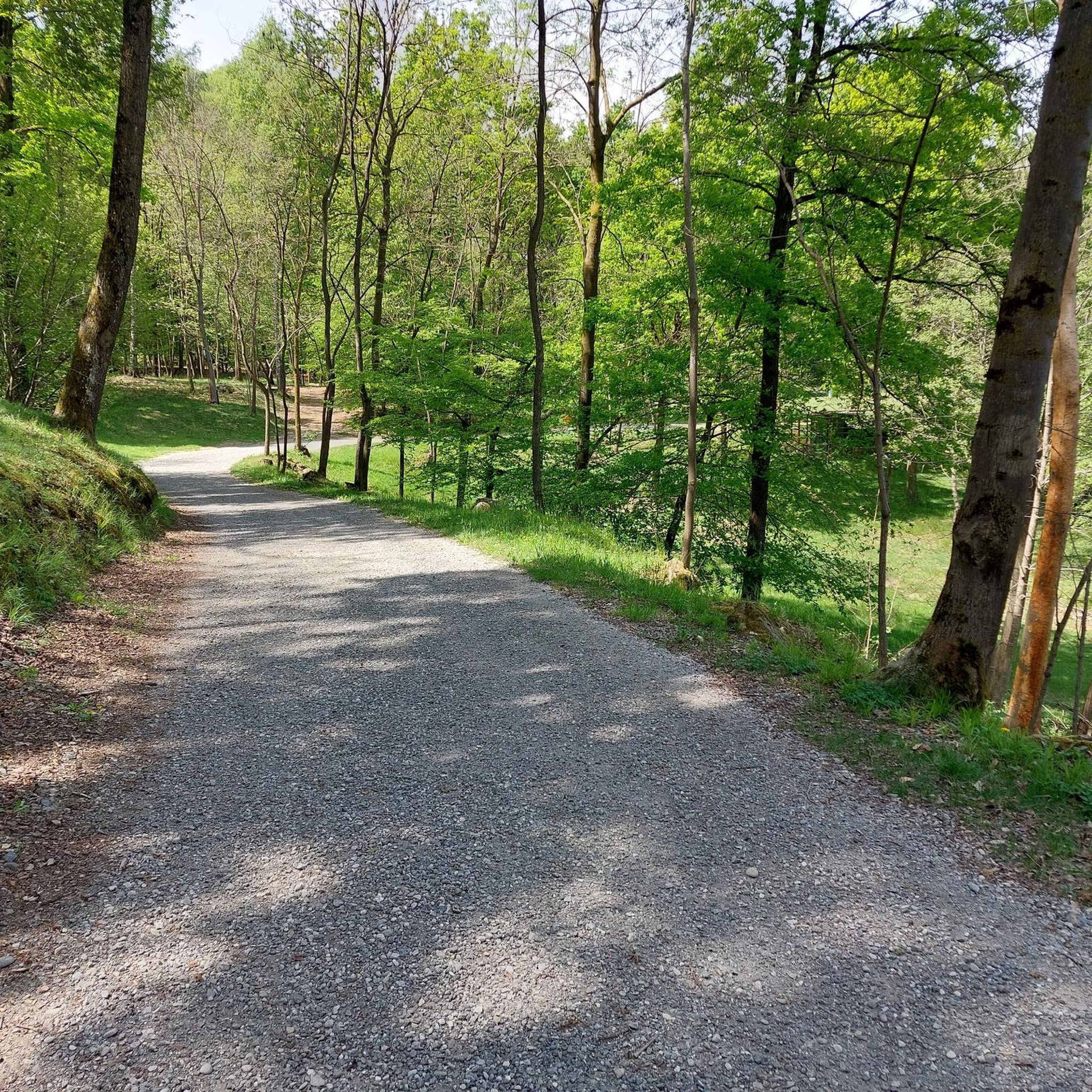
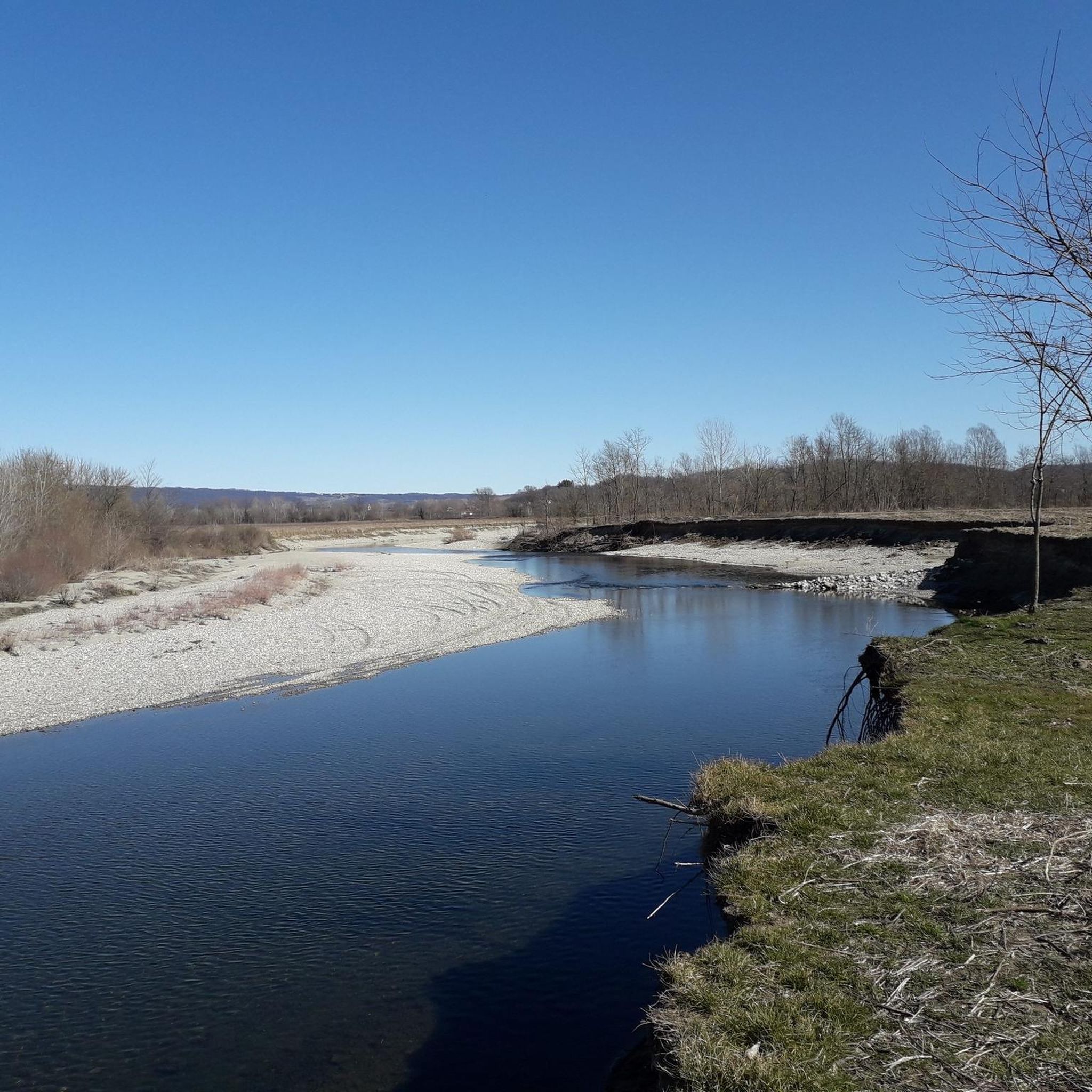
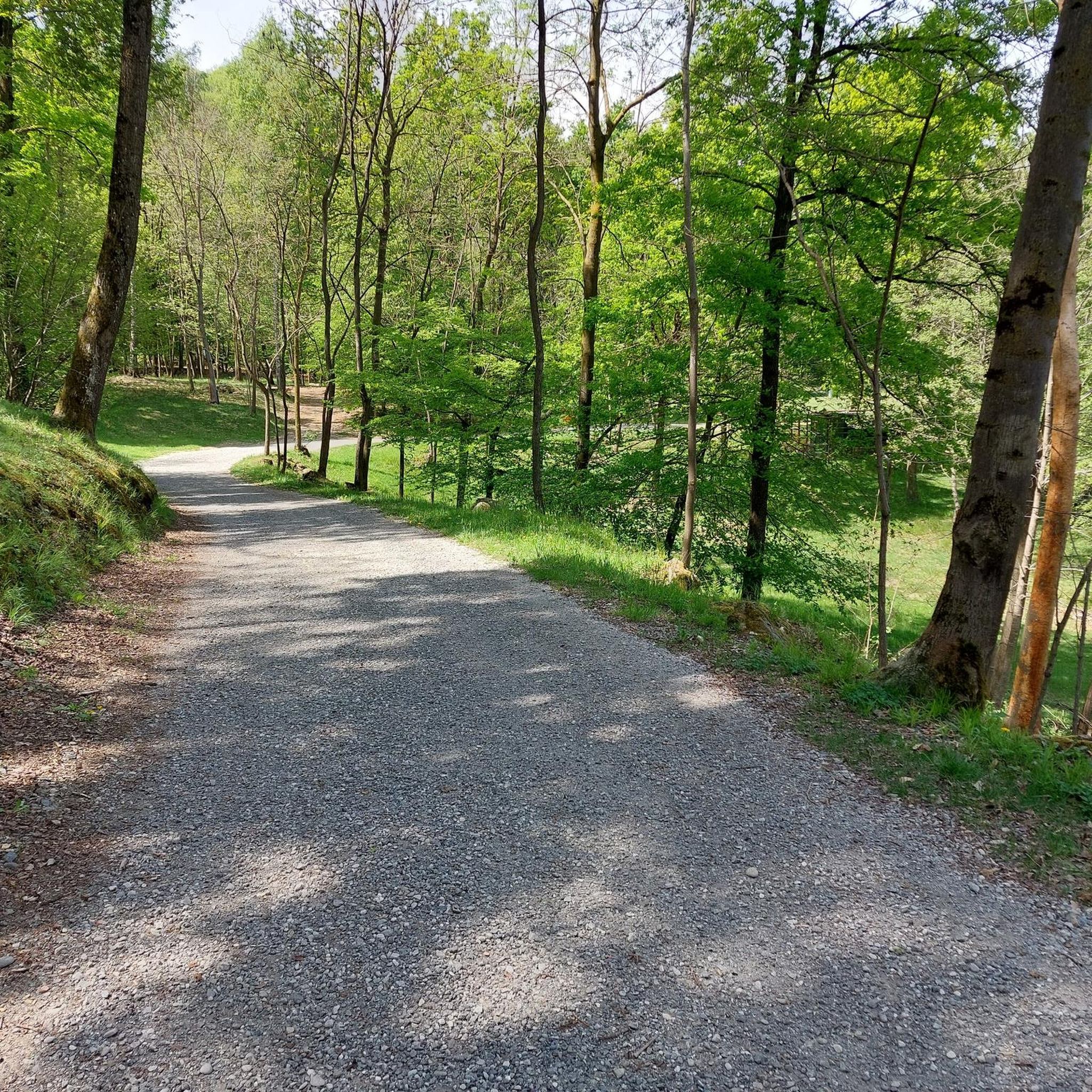
The area depicted in these images is located a short distance from the parking lot where it's best to leave your car and explore (on foot or by bike) the countless trails that surround the lake. This is one of the few truly accessible areas along the entire perimeter because, perhaps to protect the lake's fragile ecosystem, the trail that circles it is kept at a constant distance. In any case, aside from the lake, the entire surrounding rural area is worth a visit, still pleasantly unspoiled. A trip in autumn is highly recommended for the myriad colors of the vegetation. Both cyclists and walkers should be careful, as I didn't notice any distinction between trails reserved for mountain bikes and those reserved for pedestrians; many secondary paths have dead ends!
0
0

Beautiful old town with imposing buildings and views of the mountains.
0
0

The Church of Sant’Andrea Apostolo has a neoclassical façade dominated by four Ionic columns leading to a triangular tympanum.
1
0

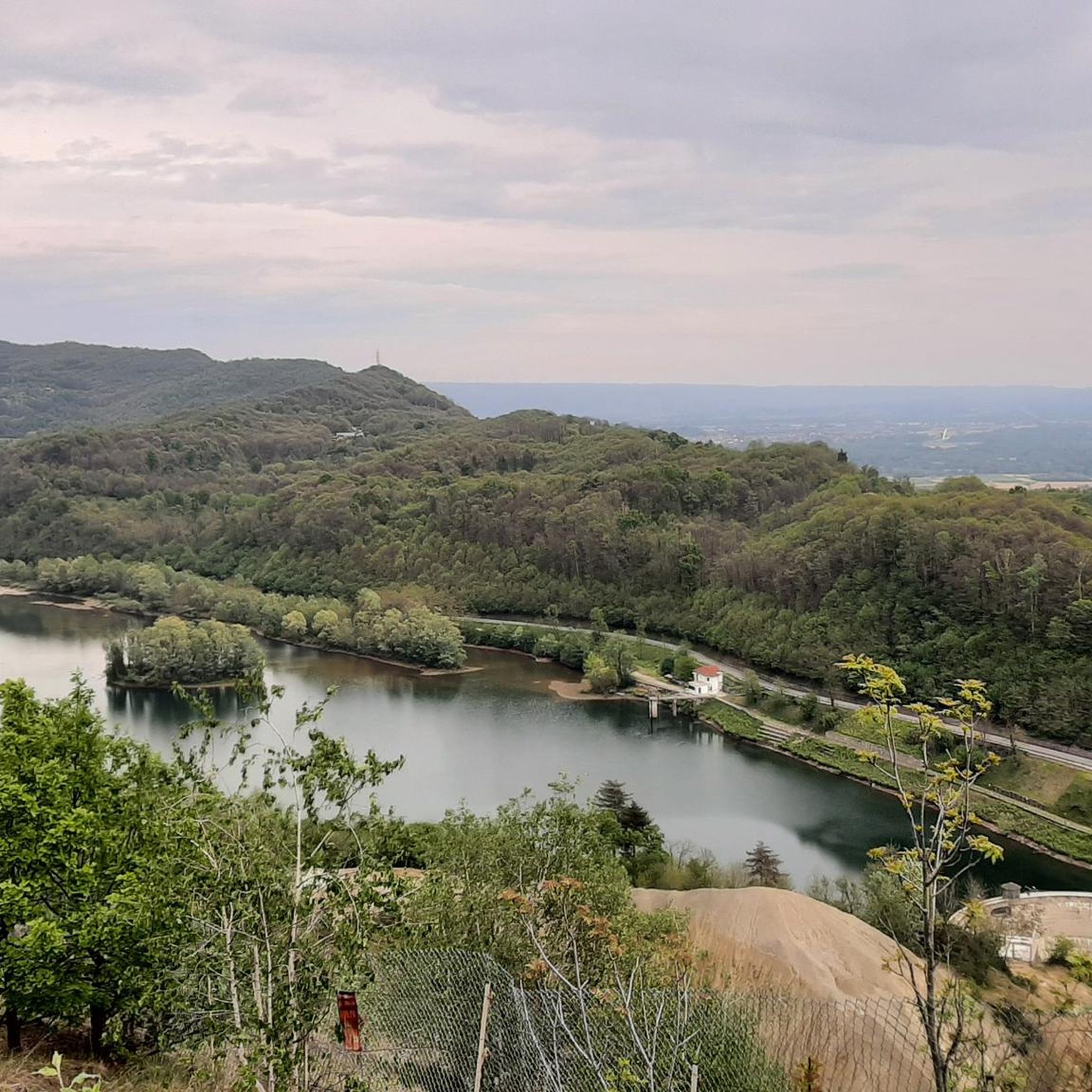
very nice lake view and also very easy to get there
1
1

A photo on the park's pier is a must. Stunning view...
0
0

Agliè, an enchanting village in the heart of Canavese, boasts a thousand-year history that has its roots in the Roman era. The original nucleus, probably located on the hills of the current hamlet of Santa Maria delle Grazie, was known as "Macunciacum" and depended on the Abbazia Fruttuaria di San Benigno. Agliè, as a fortified village, emerges in documents in 1141, when the feudal lords of Canavese divided the territory. The town became one of the lands of the San Martino di Rivarolo and Agliè, a family that would profoundly mark the history of the village. Despite the feudal struggles that raged in the region, Agliè maintained relative stability, even if it was not immune to looting and devastation. With the arrival of the Savoy, Agliè experienced a period of growth and development. In 1448, the village obtained municipal statutes, a sign of autonomy and recognition. The most emblematic figure of this period was Count Filippo San Martino di Agliè, a man of culture and prominent politician. Minister of Cristina of France, regent of the Duchy of Savoy, Filippo transformed the castle of Agliè into a sumptuous residence, enriching it with works of art and gardens. Today, Agliè is a village that preserves its historical and artistic charm intact. The Ducal Castle, with its gardens and richly decorated rooms, is an unmissable destination for visitors. The streets of the village, with their stone houses and noble palaces, tell the story of a place that has managed to preserve its identity over the centuries.
0
0
The Church of San Pietro is the church of the cemetery of Vialfrè of which a beautiful Romanesque bell tower is visible with a large single-lancet window and a double-lancet window, probably built by those who erected the bell tower of the Fruttuaria and of S. Stefano di Ivrea. This bell tower of the 12th century is a further testimony of the importance of Vialfrè in the medieval period. It is the bell tower of the ancient parish church dedicated to San Pietro. The main building is 12 steps long and 6 steps wide and has two altars.
0
0
Frequently Asked Questions
How many touring cycling routes are available around Perosa Canavese?
There are over 320 touring cycling routes around Perosa Canavese, offering a wide variety of options for different skill levels and preferences. This includes more than 60 easy routes, 120 moderate routes, and over 130 difficult routes for more experienced cyclists.
Are there easy touring cycling routes suitable for beginners or families?
Yes, Perosa Canavese offers over 60 easy touring cycling routes. These routes often traverse agricultural plains and rolling hills with minor elevation changes, making them suitable for beginners and families. Many routes are designed for any bicycle type, ensuring a pleasant experience for all.
What kind of landscapes can I expect to see while cycling in the Perosa Canavese region?
The Perosa Canavese region, part of the broader Canavese area, offers a rich tapestry of landscapes. You'll cycle through agricultural plains, gentle rolling hills, and the foothills of the majestic Piedmont Alps. The area also features beautiful lakes like Lake Pistono and Lake Candia, as well as numerous forests and dirt roads, providing diverse scenery for your rides.
Are there any challenging routes for advanced touring cyclists?
Absolutely. For advanced touring cyclists, there are over 130 difficult routes available. These routes often venture into more mountainous terrain, offering significant climbs and rewarding views. An example of a challenging ride is the Pavone Canavese route, which provides a demanding experience through the area surrounding the village.
What are some interesting landmarks or attractions I can visit along the cycling routes?
The region is rich in historical and natural attractions. You can explore ancient villages and castles, such as those featured in the Tour of the castles in Canavese (second part) - Ring Tour. Other notable sites include the Ivrea Historic Centre, Ivrea Castle, and the impressive Castello di Masino. Natural highlights include Lake Candia, which you can cycle around on routes like the Lake Candia – Lake Candia loop from Loranzè, and the unique 'Terre Ballerine' (Dancing Lands) natural monument.
Are there circular touring cycling routes available?
Yes, many touring cycling routes in the Perosa Canavese area are designed as loops, allowing you to start and end at the same point. An excellent example is the Tour of the castles in Canavese (second part) - Ring Tour, which is a 40.6-mile circular route exploring historical sites. Another option is the Lake Candia – Lake Candia loop from Loranzè.
What is the best time of year to go touring cycling in Perosa Canavese?
The spring and autumn months are generally ideal for touring cycling in Perosa Canavese, offering pleasant temperatures and beautiful scenery. Summer can be warm, especially in the plains, but higher altitude routes provide cooler options. While winter cycling is possible, some routes might be affected by colder weather or snow in the higher elevations.
Are the cycling routes in Perosa Canavese well-maintained and signposted?
Yes, many cycle routes in the Canavese region, including those around Perosa Canavese, are well-signposted and equipped with good reception facilities. The secondary roads often have low-intensity traffic, contributing to a more pleasant and safer cycling experience.
Can I find routes that pass by lakes or other natural water bodies?
Definitely. The region is known for its beautiful lakes. You can find routes that take you around Lake Candia, which is surrounded by a natural park, offering scenic views and opportunities for activity. Lake Pistono and its Archaeological Park of the Stilt Houses are also highlights near Perosa Canavese.
What do other touring cyclists say about the routes in Perosa Canavese?
The touring cycling routes in Perosa Canavese are highly rated by the komoot community, with an average score of 4.4 stars from over 400 reviews. Cyclists often praise the diverse terrain, ranging from agricultural plains to rolling hills, and the picturesque lakes. Many appreciate the variety of options available for different skill levels and the opportunity to explore historical castles and charming villages.
Are there options for e-bike users in the region?
Yes, the region is increasingly accommodating to e-bike users. The availability of e-bikes allows less trained cyclists to explore more challenging mountainous areas. Some routes even feature free charging points at their start, making cycling accessible to a broader audience.
Can I combine cycling with visiting historical sites like castles?
Absolutely. The Canavese region is dotted with historical and cultural heritage, including ancient villages and castles. Routes like the Castello di Pavone Canavese – Fort Bard loop from Pavone Canavese allow you to integrate cultural exploration with your ride, passing through charming villages and historical landmarks.
Most popular routes around Perosa Canavese
Most popular attractions around Perosa Canavese

Get inspired with the komoot mobile app


Explore more
Browse the best Cycling routes in other regions.
