Top 10 Natural Monuments around Mongiardino Ligure
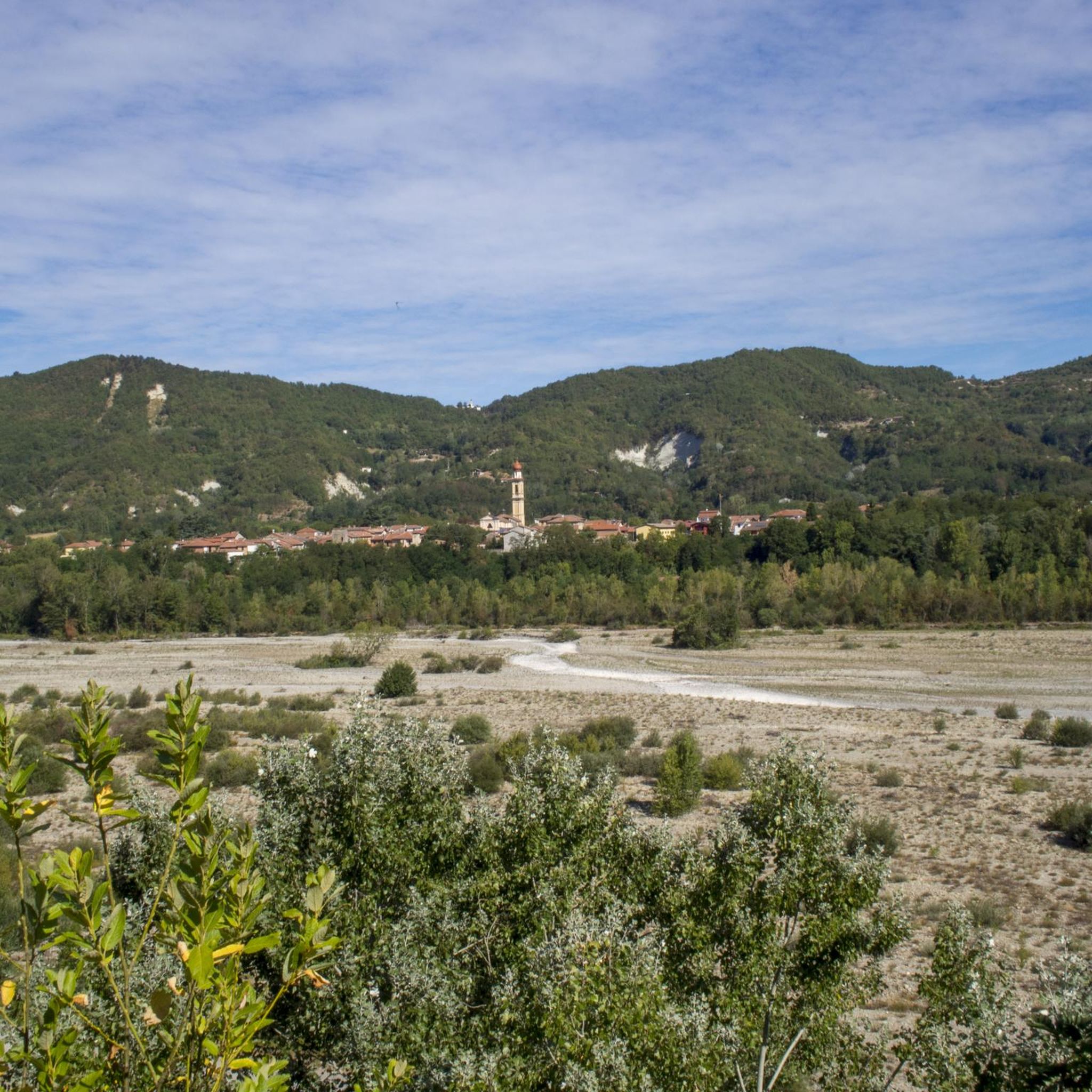
Best natural monuments around Mongiardino Ligure are primarily found within the Ligurian Apennines, featuring impressive mountain peaks and diverse natural features. This region is characterized by its mountainous terrain, offering extensive panoramic views across valleys. The area provides opportunities for outdoor activities amidst striking geological formations.
Best natural monuments around Mongiardino Ligure
- The most popular natural monuments is Mount Antola, a summit considered one of the best-known peaks of the Ligurian Alps. The route passes the "pass of the…
Last updated: June 28, 2026
Mount Antola
Highlight • Summit
Translated by Google •
Tip by

Monte Ebro
Highlight • Summit
Translated by Google •
Tip by

Sign up now to discover places like this
Get recommendations on the best single tracks, peaks, & plenty of other exciting outdoor places.
Sign up for free
Castello della Pietra
Highlight • Castle
Translated by Google •
Tip by

Monte Costrone
Highlight • Summit
Translated by Google •
Tip by
Strette del Borbera
Highlight (Segment) • Gorge
Translated by Google •
Tip by

Sign up for free to discover even more natural monuments around Mongiardino Ligure.
Sign up for free
Already have an account?
Start today with a free account
Your next adventure awaits.
Login or Signup
Tips from the Community


Each of these crosses, which travelers often encounter in the fields or, as here, on mountain peaks, is a reminder of the crucifixion and resurrection of Jesus Christ. “Here on earth, His memory exists, but in the Kingdom of Heaven is His presence: this presence is the joy of those who have already attained salvation. Remembrance is our comfort, we who are still wanderers, traveling toward our homeland.” (Saint Bernard of Clairvaux, c. 1090–1153)
0
0

Walking along this stream offers wonderful views.
17
0

Whether you choose to climb from the parking lot below the castle (moderate difficulty, about 40 minutes on a well-marked path, steps, and a walkway) or follow the "Castellani's Path" from Vobbia (about two hours, including stops), the arrival near the castle is breathtaking! Spectacular, simply! This view is worth the effort (by car) to reach the tiny village of Vobbia, which, however, is located in an area rich in natural beauty! For information, visit this wonderful website: https://www.parcoantola.it/pagina.php?id=47
0
0


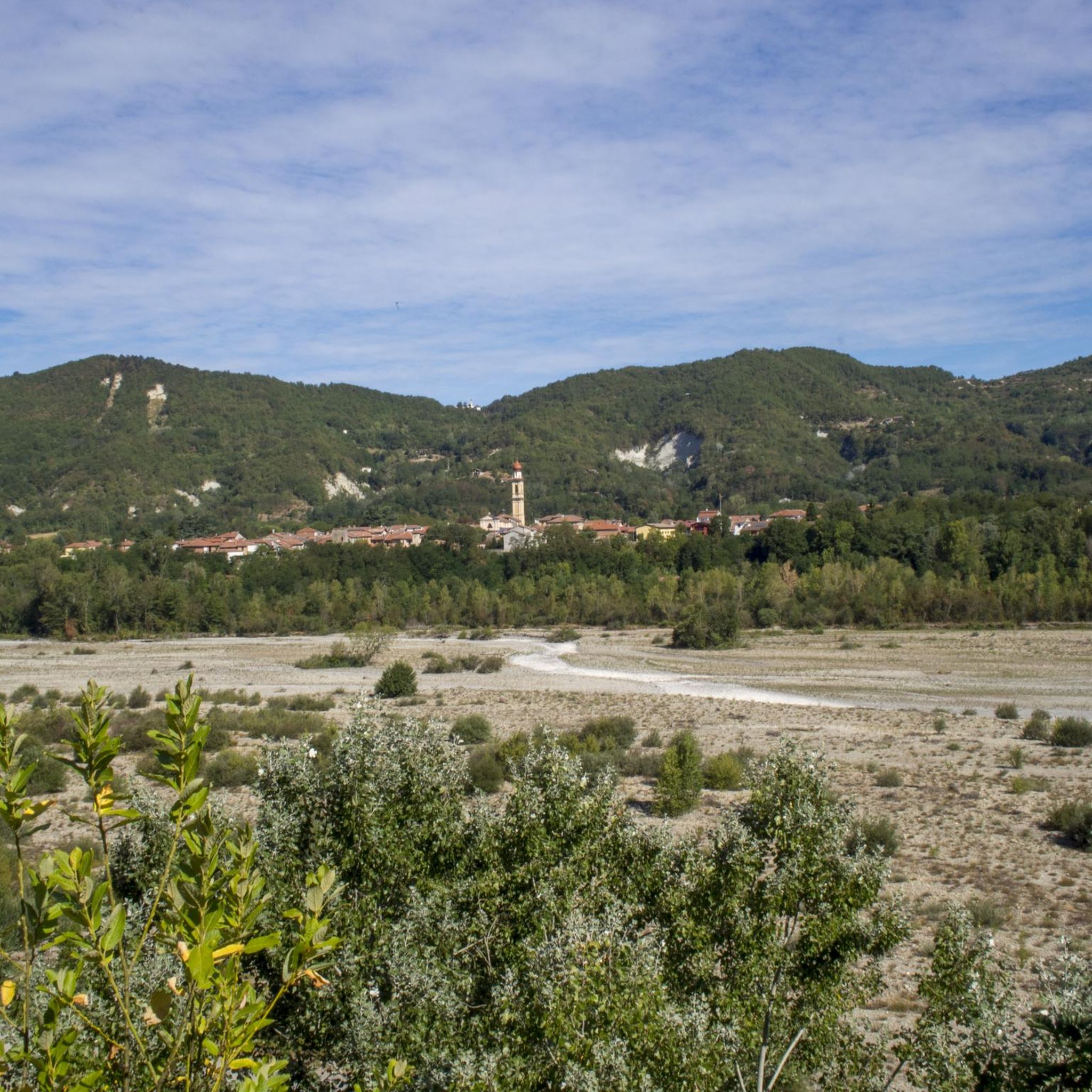
This mountain rises to 1667 meters, marking the border between the municipalities of Cabella Ligure and Fabbrica Curone, in the province of Alessandria. A curious detail is that on different maps its name changes: some call it Monte Oserone, others even Monte Coserone, but the correct name is Monte Cosfrone.
2
0
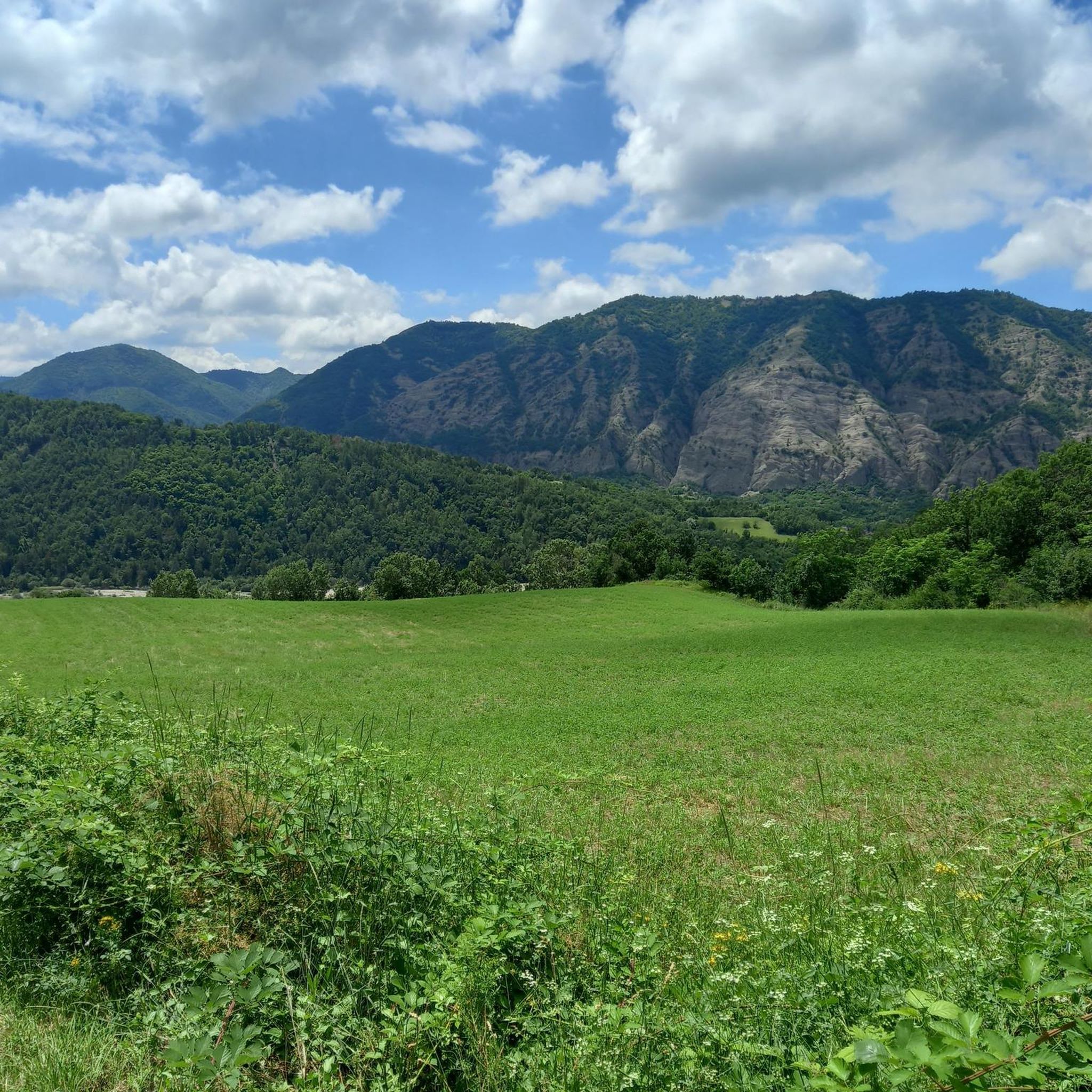
Mount Ebro (1700 m above sea level) is the most beautiful and panoramic mountain of the entire Ántola chain, and one of the most beautiful and panoramic of the entire Ligurian Apennines. It is a gigantic pyramid, mostly grassy, that rises on the watershed between Borbera and Curone, a short distance from the important node of Mount Chiappo. The slopes of the mountain are generally wide and slightly sloping, covered by thick woods at lower altitudes, and meadows above 1400-1500 meters. The imposing southern slope is an exception, which towers, very high and steep, over the village of Aie di Cósola.
4
0

Monte loved by the Genoese in summer and winter
0
0
Frequently Asked Questions
Which natural monuments around Mongiardino Ligure offer the most impressive panoramic views?
For breathtaking panoramic views, consider visiting Monte Ebro, which provides expansive vistas across the Borbera and Curone valleys. Mount Antola also offers rewarding views from its summit, as does Mount Buio, with views stretching from the Ligurian Sea to the Alps.
Are there any historical or cultural sites among the natural monuments in the region?
Yes, Castello della Pietra is a notable example, showcasing Ligurian defensive architecture towering over the Vobbia gorge. It has been restored and hosts cultural events, offering a rich historical experience. Additionally, Mount Giarolo features a statue of Christ the Redeemer, and the Feast of the Redeemer is celebrated there annually, adding a cultural dimension to the natural landscape.
What kind of outdoor activities can I do near the natural monuments around Mongiardino Ligure?
The mountainous terrain around Mongiardino Ligure is ideal for various outdoor activities. You can find numerous hiking trails, ranging from moderate to difficult, that lead to summits like Mount Antola and Monte Ebro. There are also options for mountain biking and running. For detailed routes, explore the hiking trails, MTB trails, and running routes available in the area.
Are there family-friendly natural monuments or walks suitable for children?
While many trails in the Ligurian Apennines can be challenging, some areas offer more accessible options. For example, near the summit of Mount Antola, there is a picnic area which can be a good spot for families to rest and enjoy a packed lunch after a walk. When planning, look for routes described as 'moderate' or 'easy' in the hiking guide, and always check the difficulty and length.
What is the best time of year to visit the natural monuments in Mongiardino Ligure?
The best time to visit is generally during the spring and autumn months when the weather is milder and ideal for hiking. Summer can also be pleasant, especially at higher altitudes, but be prepared for warmer temperatures. If you're interested in cultural events, the Feast of the Redeemer is celebrated on Mount Giarolo annually on the first Sunday of August.
Can I find unique geological features or natural formations in this region?
Absolutely. The region is known for its striking geological formations. A prime example is the Strette del Borbera, a splendid gorge carved by the Borbera river, offering truly suggestive canyon views. The impressive pyramid shape of Monte Ebro is another unique natural feature.
What should I wear or bring when hiking to these natural monuments?
Given the mountainous terrain, it's advisable to wear sturdy hiking boots, layered clothing suitable for changing weather conditions, and bring plenty of water and snacks. Sun protection, such as a hat and sunscreen, is also recommended. For longer hikes, a map or GPS device is essential, and consider trekking poles for stability on steeper sections.
Are there any specific trails recommended for experienced hikers seeking a challenge?
Experienced hikers will find challenging routes leading to the summits of Mount Antola and Monte Ebro. The ascent to Monte Ebro, for instance, features particularly steep ramps. Many trails in the area are rated as 'difficult' and offer significant elevation gains. You can find detailed difficult routes like the 'Monte Antola from Vallenzona Trail' or 'Vallenzona - Monte Buio - Monte Antola Trail' in the hiking guide.
What do visitors appreciate most about the natural monuments around Mongiardino Ligure?
Visitors frequently praise the breathtaking panoramic views from the mountain summits, the diverse natural landscapes, and the opportunities for outdoor activities. The sense of tranquility and the chance to connect with nature are also highly valued. The historical significance of sites like Castello della Pietra also adds to the appeal.
Is it possible to reach these natural monuments using public transport?
While public transport options might be limited directly to the trailheads of some remote natural monuments, it is generally possible to reach the vicinity of Mongiardino Ligure by public transport. From there, local buses or a short taxi ride might be necessary to access specific starting points for hikes. It's always best to check local transport schedules in advance for the most up-to-date information.
Are there any natural monuments that are particularly good for wildlife spotting?
The Ligurian Apennines, with their diverse ecosystems, offer opportunities for wildlife observation. While specific wildlife is not detailed for each monument, the extensive woods at lower altitudes and meadows at higher elevations provide habitats for various species. Keeping an eye out during your hikes, especially in quieter areas, may reward you with sightings of local fauna.
Most popular attractions around Mongiardino Ligure

Get inspired with the komoot mobile app


Explore more
Extend your search for the best caves by checking out these guides of the top ones around Mongiardino Ligure:
