Top 5 Mountain Passes around Albera Ligure
Best mountain passes around Albera Ligure are found in the Val Borbera, within the Ligurian Apennines. This region features significant peaks and high-altitude routes, offering opportunities for hiking and cycling. The area is characterized by its natural landscapes and diverse terrain, from forested slopes to expansive meadows. It provides a setting for exploring the geographical meeting points of multiple regions.
Best mountain passes around Albera Ligure
- The most popular mountain passes is Capanne di Cosola, a hut and mountain…
Last updated: June 28, 2026
Passo del Giovà
Highlight • Mountain Pass
Translated by Google •
Tip by

Capanne di Cosola
Highlight • Mountain Hut
Translated by Google •
Tip by
Sign up now to discover places like this
Get recommendations on the best single tracks, peaks, & plenty of other exciting outdoor places.
Sign up for free
Monte Costrone
Highlight • Summit
Translated by Google •
Tip by

Pass with a view
Highlight • Mountain Pass
Showing Translation
Tip by
Emilia-Romagna–Piedmont Border
Highlight • Mountain Pass
Showing Translation
Tip by
Start today with a free account
Your next adventure awaits.
Login or Signup
Other adventures around Albera Ligure

Tips from the Community

Beautiful and scenic stop after the climb along the Apennine bike tour
1
0

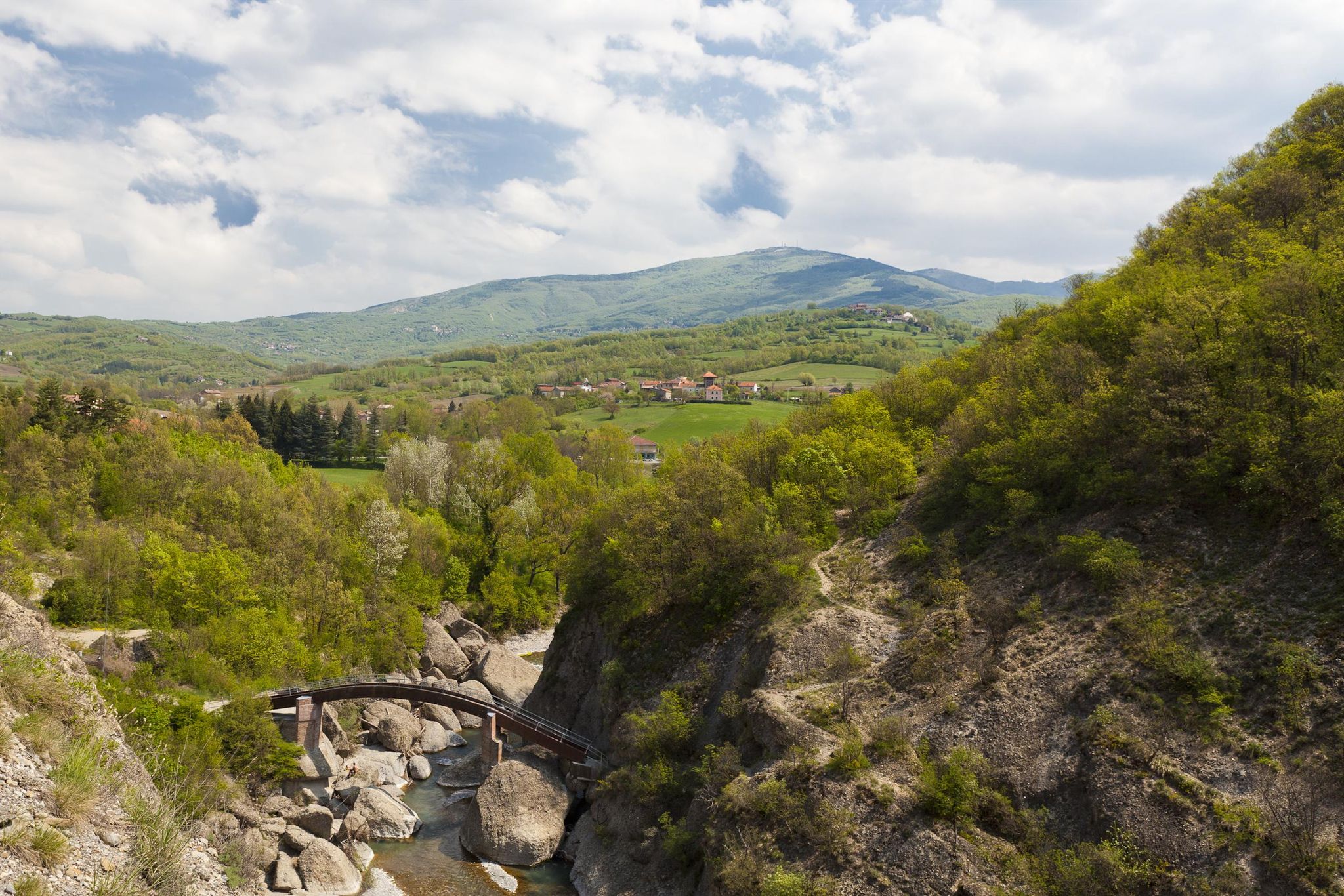
The border between Emilia-Romagna and Piedmont crosses a very mountainous and sparsely populated part of the northern Apennines. It largely follows the mountain ridges, which separate the river basins of the two regions.
14
0
Panoramic viewpoint for exceptional photos.
14
0

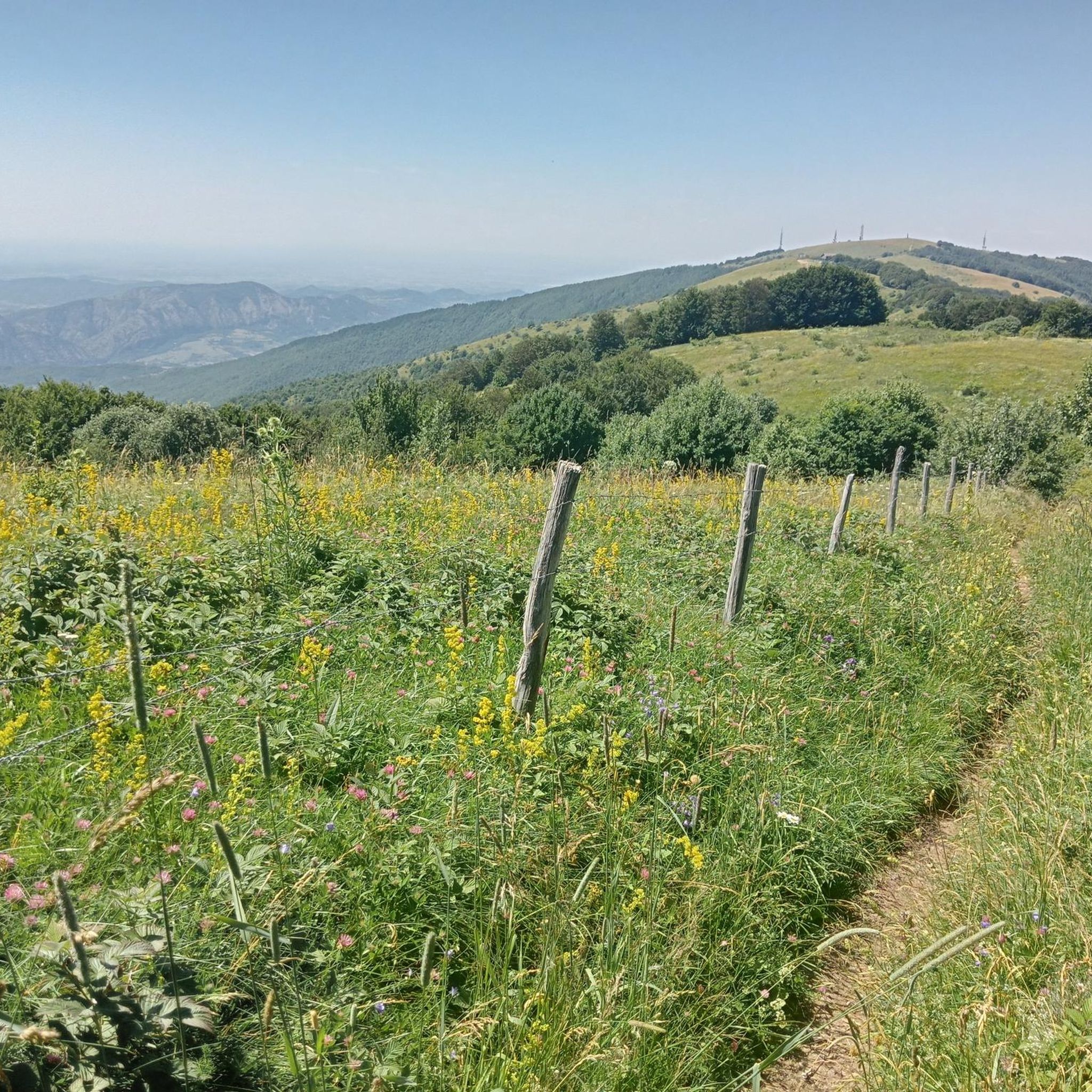
Traveling along the Appennino Bike Tour, the pass is reached after about two km of descent from the Capanne di Cosola towards the Staffora Valley. The views towards the valley begin.
3
0

This mountain rises to 1667 meters, marking the border between the municipalities of Cabella Ligure and Fabbrica Curone, in the province of Alessandria. A curious detail is that on different maps its name changes: some call it Monte Oserone, others even Monte Coserone, but the correct name is Monte Cosfrone.
2
0
Climb with terrible asphalt from Brallo but the views are stupendous.
29
0
Very long climb but not very difficult.
25
0

The Giova' pass (1,368 m above sea level) is a pass located between the Colletta peak (1,490 m above sea level) and the Capanne di Cosola pass (1,500 m above sea level). It is best known for its clear night skies, for which it is called the "star pass". Even during the day it offers breathtaking views.
6
0
Frequently Asked Questions
What are some notable peaks and high-altitude routes in the Albera Ligure region?
The Albera Ligure region, nestled in the Val Borbera, is known for significant peaks and high-altitude routes rather than traditional mountain passes. Key highlights include Capanne di Cosola, a popular destination for cyclists and hikers, and Passo del Giovà, known for its clear night skies. Other prominent peaks offering panoramic views are Monte Chiappo, Monte Ebro, and Monte Giarolo.
What kind of views can I expect from the mountain passes and peaks around Albera Ligure?
The mountain passes and peaks around Albera Ligure offer breathtaking panoramic views. From Monte Chiappo, you can see across the regional borders of Piedmont, Emilia-Romagna, and Lombardy. Monte Ebro provides exceptional vistas over the Borbera and Curone valleys, while Monte Costrone also offers expansive views of the Ligurian Apennines. Visitors often praise the 'Pass with a view' for its rewarding scenery after a climb.
What outdoor activities can I do near the mountain passes in Albera Ligure?
The Val Borbera region around Albera Ligure is a natural paradise for outdoor enthusiasts. You can enjoy extensive hiking through forests and past waterfalls, as well as cycling on roads once used by legendary Italian cyclist Fausto Coppi. There are also numerous mountain biking opportunities. For detailed routes, you can explore guides like Hiking around Albera Ligure, MTB Trails around Albera Ligure, and Cycling around Albera Ligure.
Are there specific hiking trails recommended near these mountain passes?
Yes, the area offers a variety of hiking trails. Notable routes include the 'Rebels' Trail' and 'Trail 200 – Borbera-Spinti Loop' for exploring the valley's untouched terrain and cultural heritage. For specific trails, consider the 'Caldirola, Monte Giarolo, and Monte Ebro Loop' or the 'Monte Costrone Summit Trail (via Route 220)'. You can find more options in the Hiking around Albera Ligure guide.
What is the best time of year to visit the mountain passes and peaks around Albera Ligure?
The best time to visit the mountain passes and peaks around Albera Ligure for hiking and cycling is generally during the warmer months, from late spring to early autumn. This period offers pleasant temperatures and clear conditions, ideal for enjoying the panoramic views and outdoor activities. Winter can bring snow, making some routes more challenging or inaccessible.
Are there any family-friendly options for exploring the Albera Ligure region?
While many routes involve significant elevation, the Val Borbera offers varied terrain. Lower altitude trails and areas around ancient villages can be more suitable for families. For specific family-friendly hiking options, it's recommended to check the difficulty grades within the Hiking around Albera Ligure guide, looking for moderate or easy routes.
Can I find accommodation or refuges near the mountain passes?
Yes, there are amenities available for visitors. Capanne di Cosola, for example, is a hut and mountain pass that includes a refuge, making it a convenient stop for hikers and cyclists. The broader Val Borbera also offers various accommodation options in its ancient villages.
What unique natural features can I discover in Val Borbera?
Val Borbera is a region of significant natural beauty. The Borbera Stream has carved dramatic canyons, such as the Strette di Pertuso, where cliffs can reach up to 100 meters high. The landscape transitions from thick forests at lower altitudes to expansive meadows above 1400-1500 meters, offering diverse ecosystems and striking scenery.
Are there any historical or cultural sites near the mountain passes?
The Val Borbera is rich in ancient villages and historical sites. While the mountain passes themselves are primarily natural features, exploring the valleys will lead you to charming old settlements. Monte Giarolo, for instance, features a prominent statue of Christ the Redeemer on its summit, adding a unique cultural element to the natural landscape.
What do visitors particularly enjoy about the mountain passes and peaks in Albera Ligure?
Visitors frequently praise the stunning panoramic views from peaks like Monte Chiappo and Monte Ebro, and the clear night skies at Passo del Giovà. The challenging yet rewarding climbs, the diverse natural landscapes from forests to meadows, and the sense of being at a geographical meeting point of regions are also highly appreciated.
Is it possible to reach the mountain passes using public transport?
While Albera Ligure is known for its natural, somewhat remote beauty, public transport options directly to the highest mountain passes might be limited. It's generally recommended to plan your journey with a combination of transport and hiking/cycling. For specific details on public transport to the Val Borbera area, local information sources would be the most reliable.
Are there any regulations or permits required for hiking in Val Borbera?
Generally, hiking on established trails in the Val Borbera region does not require special permits. However, it's always advisable to respect local regulations, stay on marked paths, and be mindful of private property. For specific protected areas or unique routes, it's good practice to check with local tourism offices or park authorities if any specific rules apply.
Most popular attractions around Albera Ligure

Get inspired with the komoot mobile app


Explore more
See even more epic mountain passes by checking out these guides around Albera Ligure:
