Top 5 Natural Monuments around Pino D'Asti
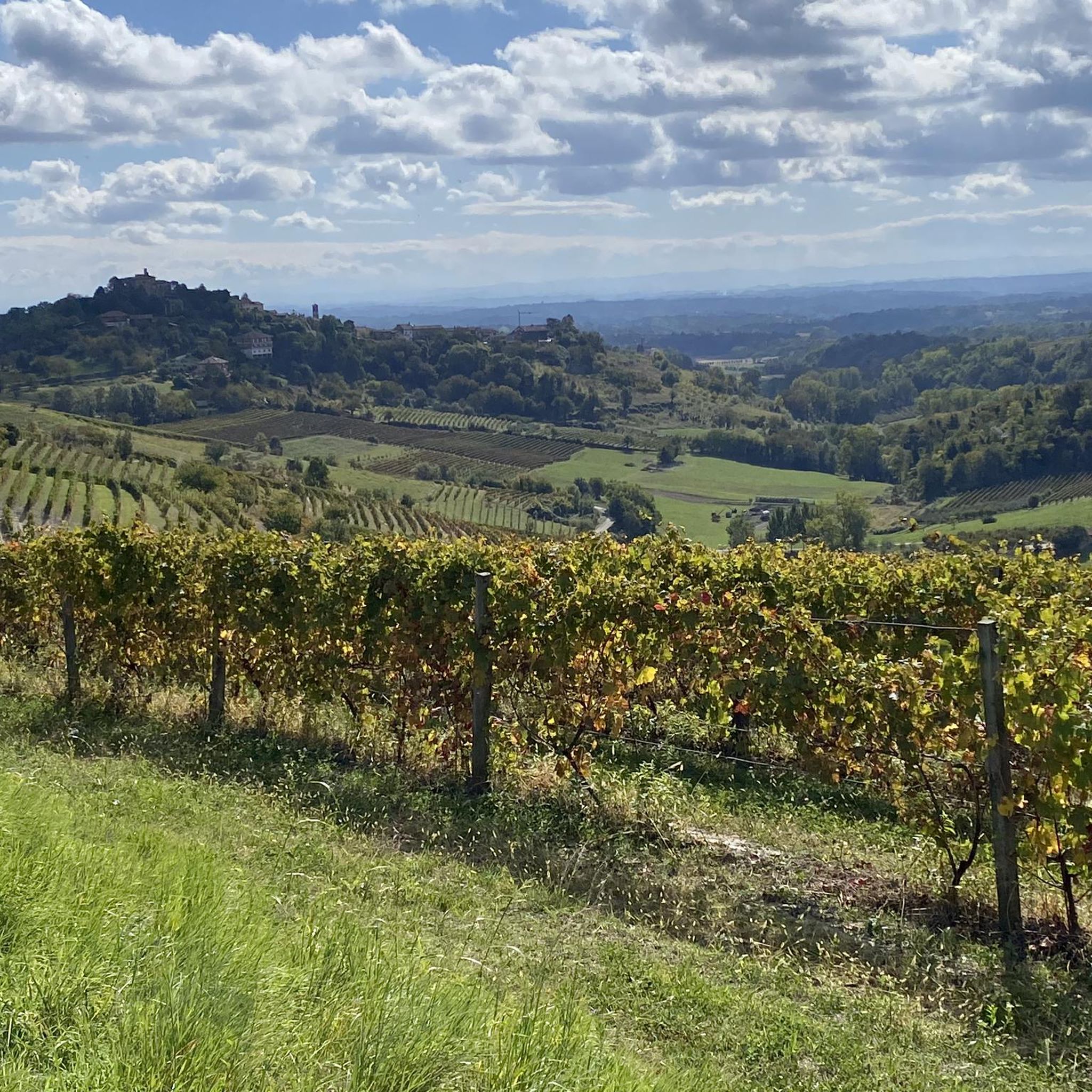
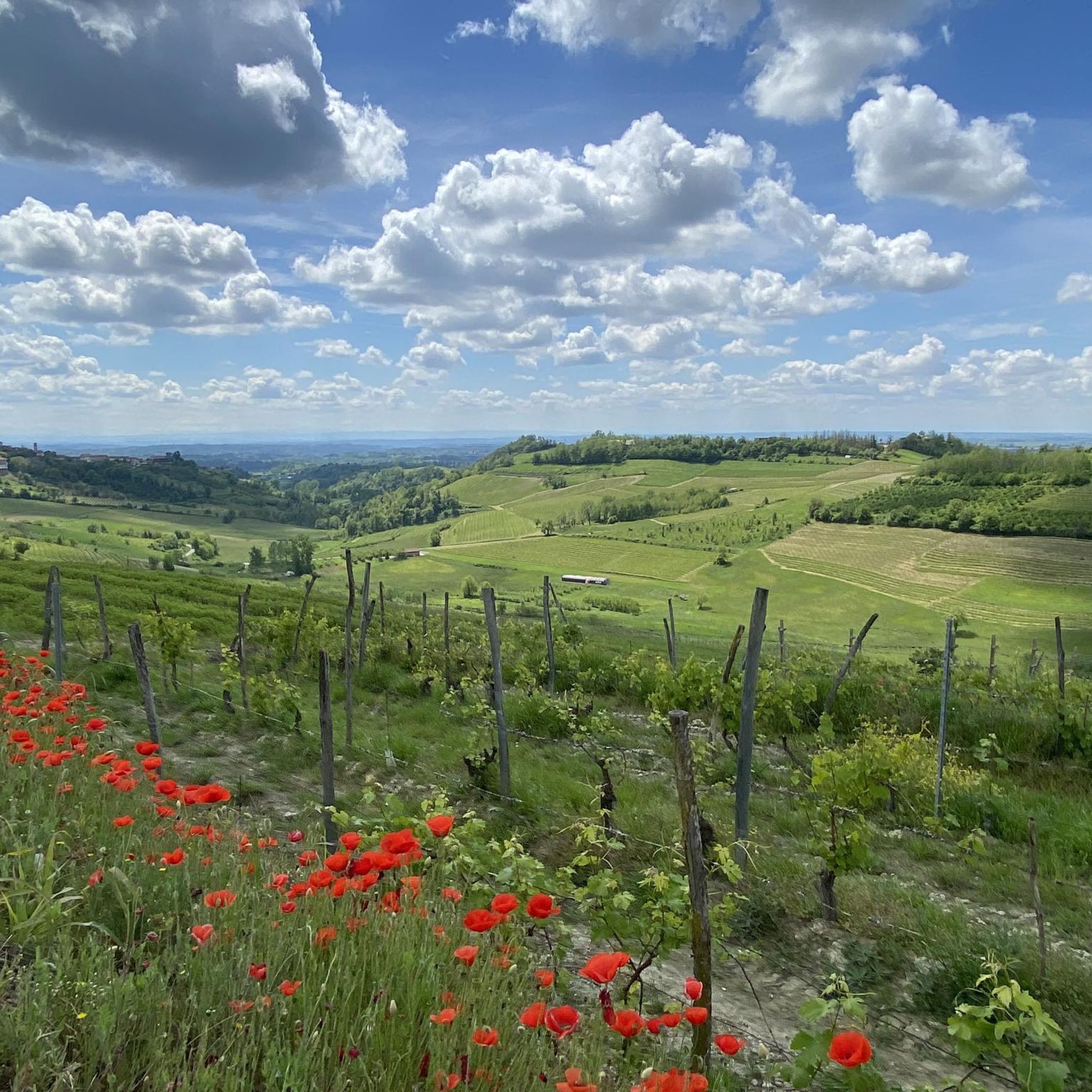
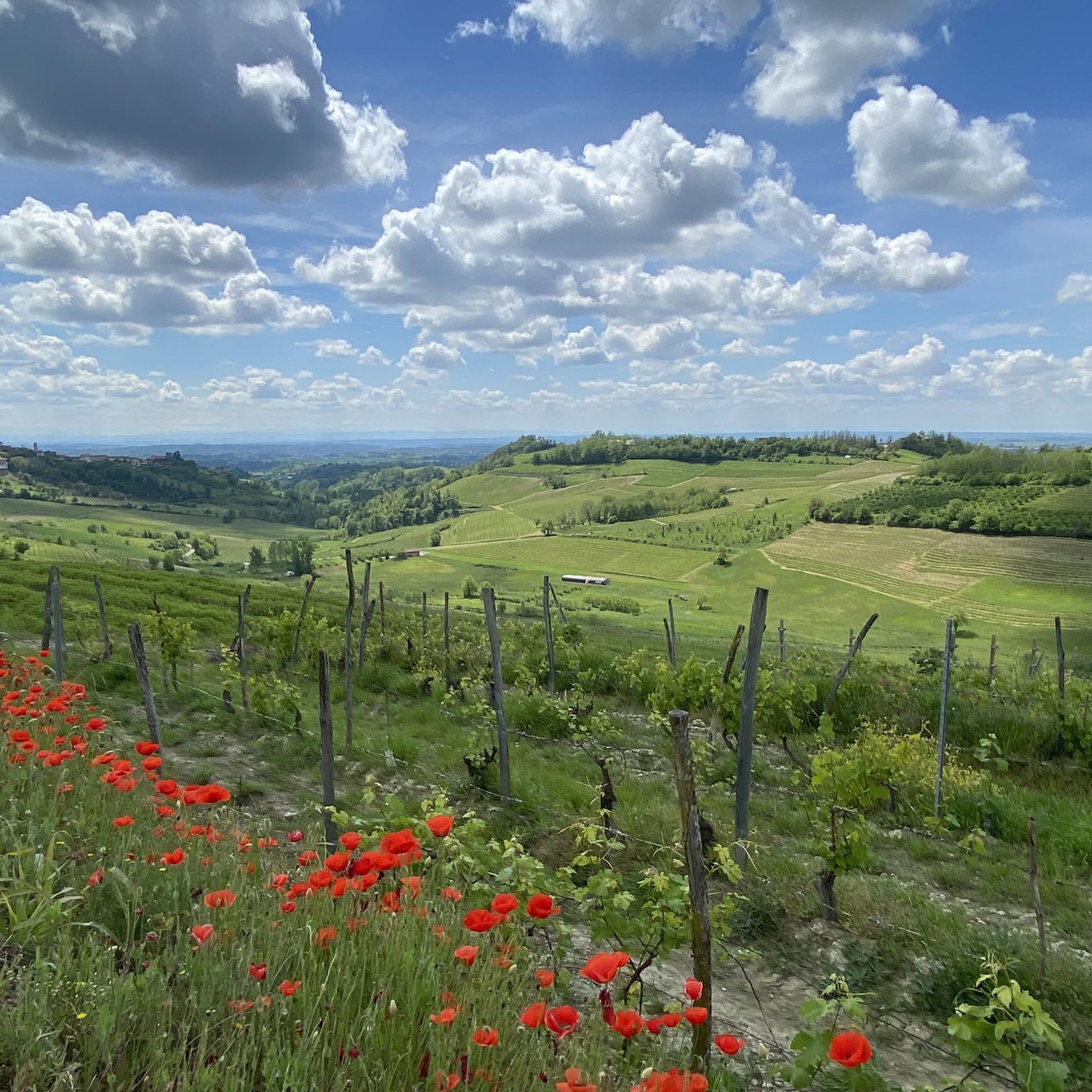
Best natural monuments around Pino D'Asti are found within a landscape characterized by rolling hills and ancient geological features in the Piedmont region of Italy. The area offers a variety of natural attractions, including historical springs and significant paleontological sites. Visitors can explore untouched wooded landscapes and discover remnants from a tropical sea that once covered the region. This natural heritage provides opportunities for outdoor exploration and appreciation of the local environment.
Best natural monuments around Pino D'Asti
- The most…
Last updated: June 28, 2026
Romanesque Church of San Giorgio in Andezeno
Highlight • Religious Site
Translated by Google •
Tip by

Crotin del Cerro
Highlight • Cave
Showing Translation
Tip by

Sign up now to discover places like this
Get recommendations on the best single tracks, peaks, & plenty of other exciting outdoor places.
Sign up for free
Rol Verda Oak
Highlight • Natural Monument
Translated by Google •
Tip by

Sulphur Fountain of San Dionigi
Highlight • Natural Monument
Translated by Google •
Tip by

Zolfo locality (Montafia AT)
Highlight • Natural Monument
Translated by Google •
Tip by

Start today with a free account
Your next adventure awaits.
Login or Signup
Tips from the Community

The Crutin del Cerro, in the woods between Rivalba and Castagneto Po, is a suggestive cave dug into sandstone/tuff, used in the past as a pastoral shelter and rural storage. The Piedmontese term 'crutin' actually indicates a small cellar or cavity dug into the rock. This place is also linked to the local history of the Resistance: during the German occupation, the crutin was used as a partisan refuge and hiding place. Today it is immersed in the silent environment of the Bosc Grand, among paths, oaks, and panoramas of the Po hills, and is a curious destination for naturalistic and historical excursions.
3
0

The locality of Zolfo, under the municipality of Montafia, so called because it is home to a source of sulphurous water.
0
0

Beautiful places! However, as far as I know, the hybrid oak, quercus crenata, is called Ro(l) Verda sul Bric Turniola, in Piedmontese Ro or Rol are the sessile oaks, the oaks.
1
0

The Andezeno cemetery is located at the top of a hill which offers a stupendous panorama over the entire surrounding countryside, up to the Turin hill and, beyond, up to the Alps. Inside, the church of San Giorgio al Cimitero, dating back to 12 century, very simple and elegant. Outside, the memorial park for the victims of the two world wars - with two cannons on display, which always leaves me a little perplexed. The park has tall, leafy trees and benches. Just inside the cemetery, drinking water point. It's a little out of the way, it's a blind road and you have to go there on purpose, climbing up rather steep slopes, but it's worth the effort. Recommended destination.
0
0

Small caves inside a rock, free to be visited.
1
0

Refuge of brigands at the end of the 19th century
2
0
Romanesque church of San Giorgio inside the Andezeno cemetery.
0
0
Refuge of brigands of the last century dug into the plunge !!!
1
0
Frequently Asked Questions
What natural features can I explore around Pino D'Asti?
The area around Pino D'Asti is rich in natural features, including the rolling landscape of the Monferrato Hills. You can find ancient trees like the Rol Verda Oak, historical natural springs such as the Sulphur Fountain of San Dionigi, and unique geological formations like the small caves of Crotin del Cerro. The broader region also features the widespread Parco Paleontologico Astigiano, known for its untouched wooded landscapes and fossil concentrations.
Are there any historical natural monuments in the area?
Yes, the region offers several natural monuments with historical significance. The Sulphur Fountain of San Dionigi, located in the Zolfo locality near Montafia, is a historical natural monument known for its sulfur water source and associated narratives. Additionally, the Crotin del Cerro caves are historically significant as they were once a refuge for brigands.
What are some family-friendly natural monuments to visit near Pino D'Asti?
For families, the Sulphur Fountain of San Dionigi is considered family-friendly and offers a pleasant spot for a break. The Rol Verda Oak, a huge and beautiful old tree, is also a great family-friendly destination, accessible via various paths. The Zolfo locality itself, home to the sulfur spring, is also noted as family-friendly.
Can I find good viewpoints among the natural monuments?
Absolutely. The Rol Verda Oak is situated in a forest that offers a viewpoint. For broader panoramic vistas, the Motta Viewpoint near Albugnano, though not a natural monument itself, provides breathtaking views of the Monferrato, Langhe, and Roero regions, extending to Turin and even Mont Blanc on clear days.
What kind of outdoor activities can I do near these natural monuments?
The natural monuments around Pino D'Asti are set within a landscape ideal for various outdoor activities. You can enjoy running, mountain biking, and cycling on numerous trails. For specific routes and guides, you can explore options like Running Trails around Pino D'Asti, MTB Trails around Pino D'Asti, and Cycling around Pino D'Asti.
Are there specific hiking trails associated with the natural monuments?
While specific hiking trails directly named after each natural monument are not detailed, the Rol Verda Oak can be reached via various paths, offering a pleasant walk through the forest. The general Monferrato Hills area provides ample opportunities for hiking and walking, with many trails passing through picturesque landscapes. You can find various routes in the Running Trails around Pino D'Asti guide, which includes walking-friendly paths.
What is the best time of year to visit the natural monuments around Pino D'Asti?
The Monferrato region, including Pino D'Asti, is beautiful throughout much of the year. Spring and autumn offer pleasant temperatures for outdoor exploration, with blooming landscapes in spring and vibrant colors in autumn. Summer can be warm but is also suitable for visits, especially in the mornings or late afternoons. Winter offers a different, often tranquil, experience, though some paths might be less accessible depending on weather conditions.
Where can I see ancient geological formations or fossils?
The broader Asti region is home to the Parco Paleontologico Astigiano, a widespread park dedicated to showcasing the area's ancient geological past. This park includes several nature reserves like Valle Andona, Valle Botto, Valle Grande, and Val Sarmassa, which are known for their high concentration of fossils from a tropical sea that covered the region millions of years ago. These reserves are excellent places to explore for those interested in geology and paleontology.
Are there any unique or 'hidden' natural gems worth discovering?
A unique natural gem is Crotin del Cerro, a series of small caves inside a rock. These caves are free to visit and have a fascinating history, having served as a refuge for brigands in the past. They offer a glimpse into a less-known natural and historical aspect of the region.
What makes the Sulphur Fountain of San Dionigi significant?
The Sulphur Fountain of San Dionigi is significant for its natural sulfur water source and its rich historical context. It's a place steeped in local history, offering visitors a chance to learn about its past while enjoying a small break in a unique natural setting. The Zolfo locality itself is named after this sulphurous water source.
Are there places to eat or stay near the natural monuments?
Pino D'Asti and its neighboring municipalities like Albugnano and Castelnuovo Don Bosco offer various options for cafes, pubs, restaurants, and accommodation. While specific establishments directly adjacent to each natural monument might be limited, you'll find choices within a short driving distance in the local towns and villages, allowing you to combine your natural exploration with local culinary experiences and stays.
What wildlife might I encounter near Pino D'Asti's natural monuments?
The natural landscapes around Pino D'Asti, particularly in the wooded areas of the Monferrato Hills and the nature reserves of the Parco Paleontologico Astigiano, support diverse wildlife. You might encounter various bird species, small mammals like hares and foxes, and insects. The untouched wooded landscapes provide habitats for local fauna, offering opportunities for wildlife observation, especially during quieter times of the day.
Are there any natural reserves or parks nearby?
Yes, the region is home to the Parco Paleontologico Astigiano, a significant natural park that includes several nature reserves. These reserves, such as Valle Andona, Valle Botto, Valle Grande, and Val Sarmassa, are characterized by their untouched wooded landscapes and are important for their paleontological findings. You can find more information about parks in the Monferrato area at visitlmr.it and general information on parks and natural reserves in Piedmont at visitpiemonte.com.
Most popular routes around Pino D'Asti
Most popular attractions around Pino D'Asti

Get inspired with the komoot mobile app


Explore more
Extend your search for the best caves by checking out these guides of the top ones around Pino D'Asti:
