Top 20 Natural Monuments around Postiglione
Natural monuments around Postiglione are situated at the foot of the Alburni Mountains, within the Cilento, Vallo di Diano and Alburni National Park. This region features a diverse landscape, including extensive cave systems, mountain peaks, and unique geological formations. Visitors can explore a variety of natural attractions that showcase the area's biodiversity and geological history. The municipality serves as a base for discovering these natural features.
Best natural monuments around Postiglione
- The most popular natural monuments is Summit of Monte…
Last updated: June 28, 2026
The “Grotta Profunnata” in the Oasi Valle della Caccia
Highlight • Cave
This place, already known as a refuge for brigands in the …
Translated by Google •
Tip by

Summit of Monte Panormo
Highlight • Summit
Translated by Google •
Tip by

Sign up now to discover places like this
Get recommendations on the best single tracks, peaks, & plenty of other exciting outdoor places.
Sign up for free
Tana del cinghiale - Natural rock cavity
Highlight • Cave
Trekking clothes and sturdy shoes!
Translated by Google •
Tip by
The Brigand's Cave
Highlight • Cave
Translated by Google •
Tip by
Moss Cave
Highlight (Segment) • Cave
Translated by Google •
Tip by
Sign up for free to discover even more natural monuments around Postiglione.
Sign up for free
Already have an account?
Start today with a free account
Your next adventure awaits.
Login or Signup
Tips from the Community

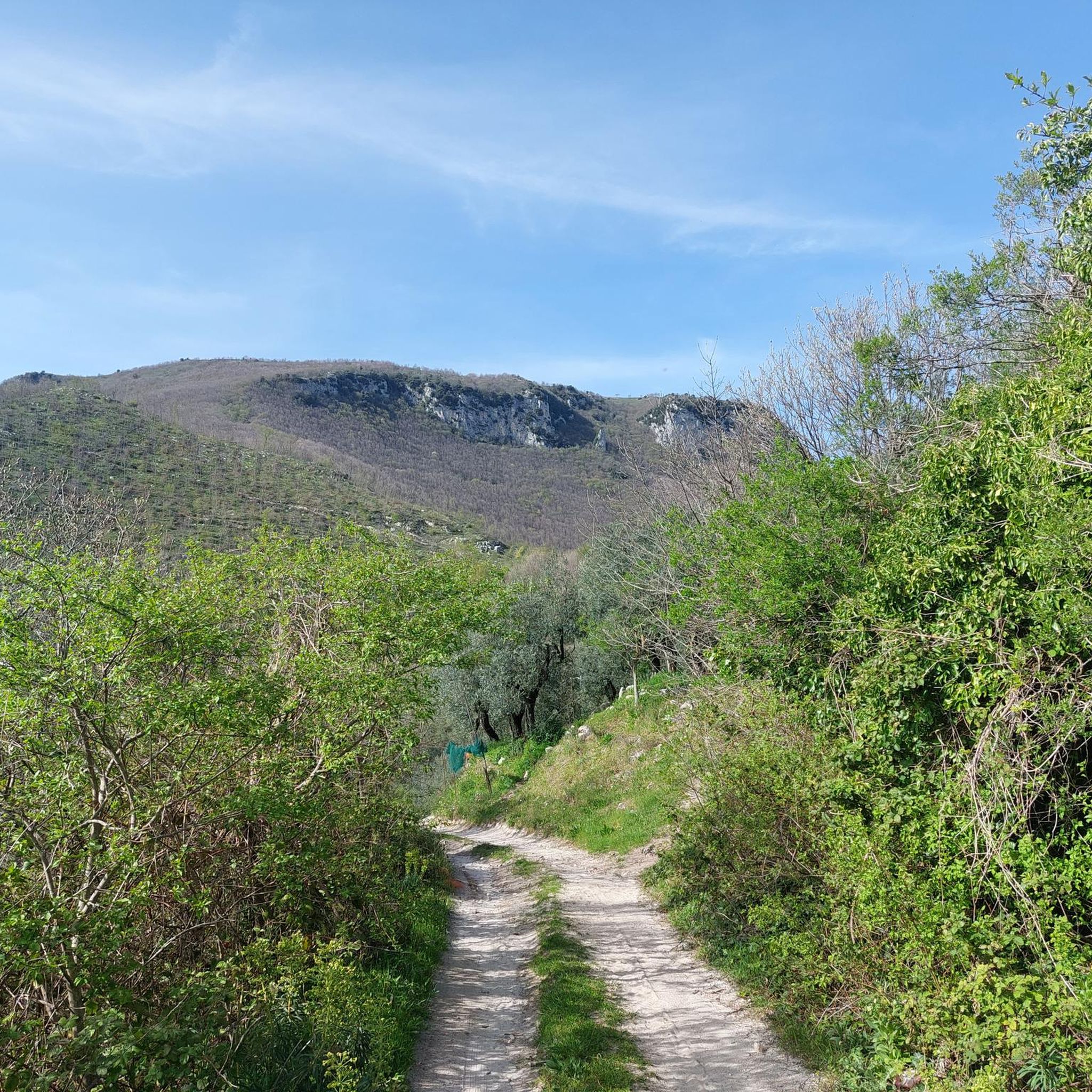
Images from the summit of Mount Panormo (1742 meters) Good mountaineering experience required.
3
0

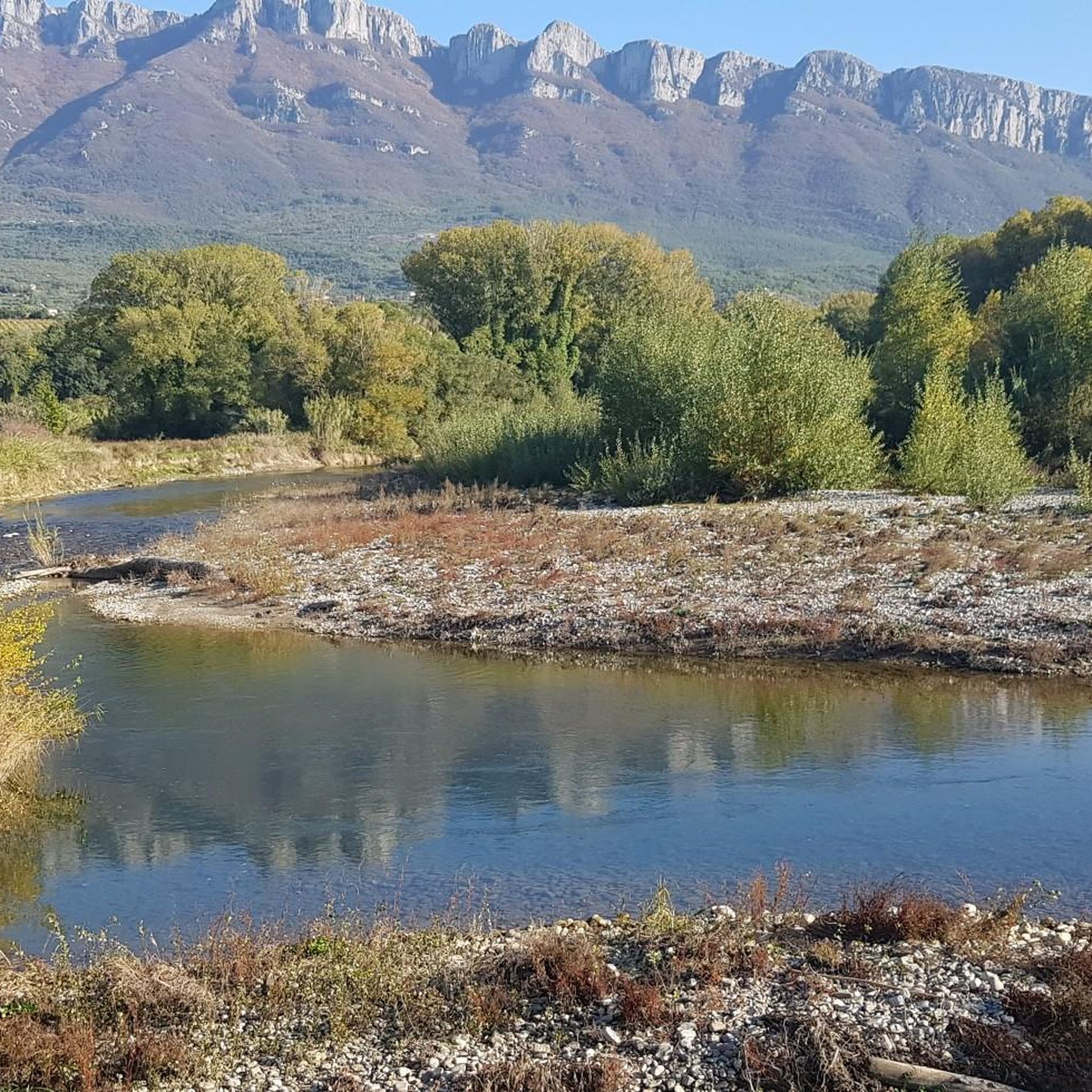
The Grotta Profunnata is one of the most interesting attractions of the Oasi Valle della Caccia. It has different environments, and is only partially accessible to visitors, with the help of suitable equipment and under the guidance of an expert.
2
0

Monte Panormo is located at an altitude of 1,742 metres. It is also often known by the name of Monte Alburno. From its peak you can enjoy a breathtaking view of the surrounding woods and peaks.
2
0
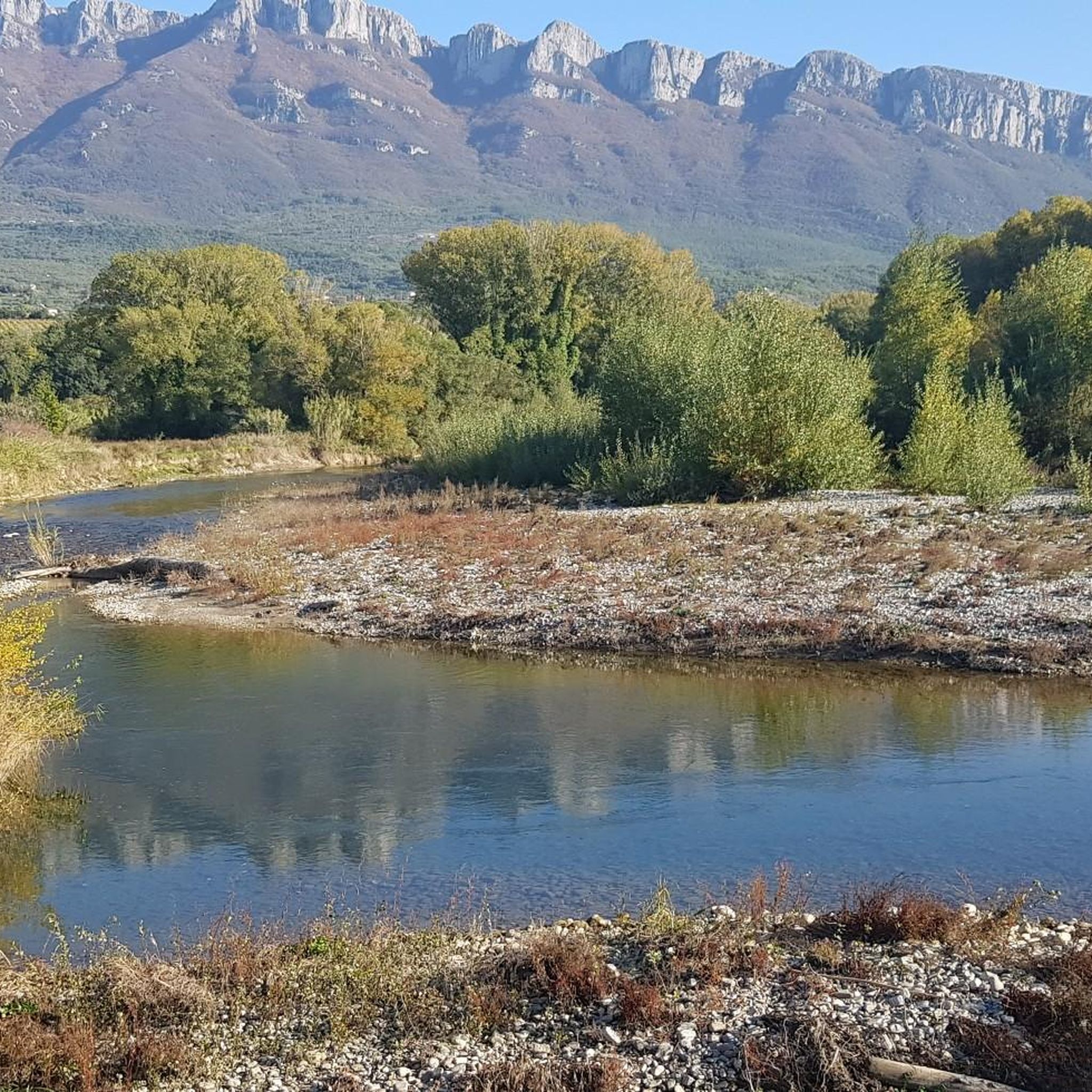
Along the path that leads from the Valle della Caccia WWF Oasis to the "Grotta Profunnata" you come across a natural rock cavity called the "Boar's Den". Trekking clothes and sturdy shoes!
5
0
One of the jewels of the Picentini Mountains is the "Grotta Profunnata", an interesting discovery inside the mountain massif. This place, already known as a refuge for brigands in the second half of the 19th century, saw its first official exploration only in 2004. The speleologists who ventured there managed to identify real "environments" within it: a small cave joined by a corridor to a larger one, which overlooks the Valle del Trientale. Continuing along the path, stalactites and stagmites dominate, leading to a small lake, characterized by crystal clear water. Unfortunately, the cave in its entirety is not a place accessible to everyone: in its entirety it can only be visited by speleologists or, in any case, experts equipped with the appropriate equipment. For ordinary visitors, the excursion is only possible in the initial part, always with the aid of suitable equipment and under the guidance of an expert. https://grandecampania.it/oasi-valle-della-caccia/
4
1
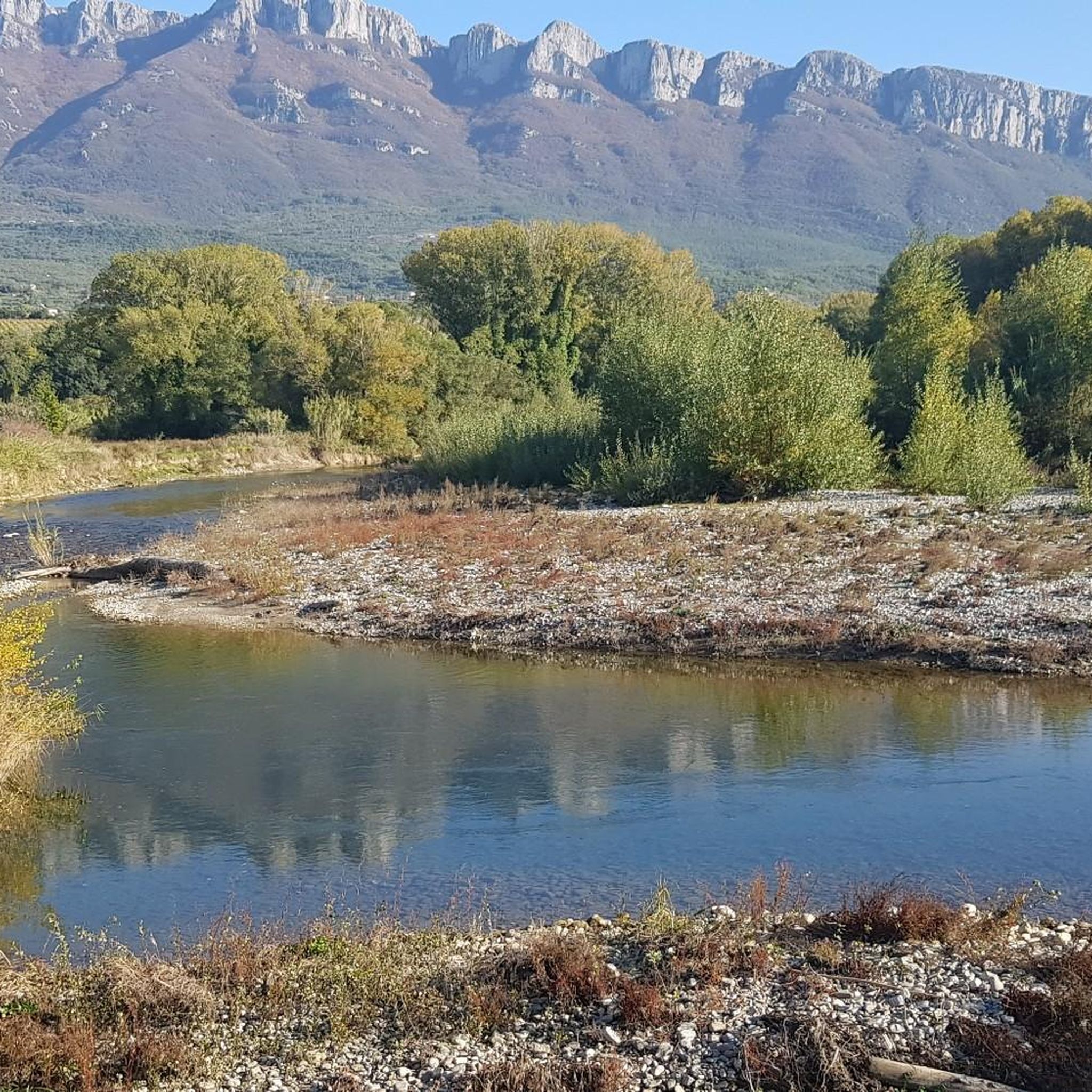
Along the Nature Trail to reach the Acquabianca waterfall, you come across the "grotta del moss", the result of a calcareous concretion that opens onto a rock wall. A thousand rivulets of water fall from the top of the wall, feeding large layers of moss. The drops that descend profusely seem to originate from the roots of the trees above and give life to suggestive chromatic effects. Appropriate clothing and sturdy shoes.
4
0
The "grotta dei Briganti", located at the foot of Monte Ripalta, is one of the many caves in the countryside of the countryside, it has been for years a safe haven for criminals, Brigands or for those who had problems in the town, as its position did not it was easy to access. In fact, until the 70s of the last century, the road below did not exist, the steep slope plunged directly into the nearby river Atri, it could be reached either via the river or from the Patia bridge located near the chapel of the Madonna dell Thanks to the fattening of the Old Town. In the present cave we can still see an opening at the top left, which leads to a path that, through considerable difficulties, at 850 m a.s.l., leads to the so-called 2grotta del Prete ", the cave where the" Banda Giardullo "held hostage the priest Giuseppe Olivieri during the kidnapping which took place in 1864. These events fall within the historical period of the "Brigandage" and what resulted from the unification of Italy.
1
0

The name of the chain is given by the "Monte Alburno" near Sicignano and Petina, whose peak reaches 1742 m. Also known as Monte Panormo for the wide views it offers from its slopes [2], it was mentioned by Virgil in his Georgics (III, 146). Local people believed its mountains were Titans coming from the opposite Tyrrhenian Sea to escape the wrath of Neptune. [Citation needed] In the Cilento area, the Panormo is the third highest mountain, preceded by Monte Cervati (1,899 m) and by Cima di Mercori (1788m asl). The mountain is often covered with snow from early December to mid-April.
2
1
Frequently Asked Questions
What unique geological features can I explore around Postiglione?
The region around Postiglione, nestled in the Cilento, Vallo di Diano and Alburni National Park, offers a variety of unique geological features. You can explore extensive karst cave systems like the Grotta Profunnata, known for its impressive stalactites, stalagmites, and underground lakes. The area also features natural rock cavities such as the Tana del Cinghiale and the Moss Cave, which showcases calcareous concretions and cascading water. Additionally, the majestic Alburni Mountains, often called the 'Dolomiti of the South,' present striking rock formations and panoramic vistas.
Are there any significant cave systems to visit near Postiglione?
Yes, the area is renowned for its cave systems. The most prominent are the Grotte di Castelcivita, an extensive karst system with spectacular limestone formations and archaeological significance, located near Postiglione. You can also visit the Grotta Profunnata, a jewel of the Picentini Mountains with diverse environments and a small crystal-clear lake. Another notable site is the Brigand's Cave, which holds historical intrigue as a former refuge.
Where can I see a wide variety of wild orchids?
For an extraordinary display of wild orchids, visit the Valle delle Orchidee (Orchid Valley) in Sassano. While located in a nearby town, it's an integral part of the Cilento and Vallo di Diano National Park. This open-air museum boasts an impressive 184 different entities of wild orchids, making it a unique natural heritage site. The peak blooming season is typically from late April to early June.
What kind of views can I expect from the mountain peaks in the area?
From mountain peaks like the Summit of Monte Panormo (also known as Monte Alburno) at 1,742 meters, you can expect expansive, breathtaking views of the surrounding woods and peaks of the Alburni Mountains. The area is characterized by rich Turkey oak and broad-leaved tree forests. At sunset, the rocks of the Alburni Mountains often appear pink, creating a stunning landscape.
What outdoor activities are available near the natural monuments around Postiglione?
The natural monuments around Postiglione offer excellent opportunities for various outdoor activities. You can enjoy hiking and trekking, especially in the Alburni Mountains and around Monte Panormo. Caving is also a popular activity for exploring the region's extensive cave systems. For those interested in cycling, there are numerous routes available. You can find more details on specific routes for hiking, mountain biking, and touring bicycle adventures.
Are there specific hiking trails recommended for exploring the natural monuments?
Yes, there are several recommended hiking trails. For a challenging mountain experience, consider the Monte Panormo Loop Trail or the Mount Panormo summit 1,742 m loop from Vucculo della Carità, both offering stunning views from the Summit of Monte Panormo. For cave exploration, trails leading to the Grotta Profunnata and Tana del Cinghiale are popular. You can find more detailed information and routes in the hiking guide for Postiglione.
Are there family-friendly natural monuments or trails suitable for children?
While many trails in the Alburni Mountains can be challenging, the Grotte di Castelcivita offer a relaxed 1200-meter tourist route with well-lit passages, making it accessible and engaging for families. The Valle delle Orchidee also provides a serene and scenic path suitable for nature walks with children, especially during the blooming season. Always check specific trail conditions and difficulty before heading out with family.
Can I bring my dog to the natural monuments around Postiglione?
Generally, dogs are welcome on many outdoor trails in the Cilento, Vallo di Diano and Alburni National Park, including those around Postiglione. However, specific rules may apply to protected areas or inside certain natural monuments like caves. It's always best to keep dogs on a leash and ensure you clean up after them. For specific natural monuments or guided tours, it's advisable to check in advance for any restrictions.
What is the difficulty level for exploring the caves and mountains?
The difficulty level varies. For caves like the Grotte di Castelcivita, there's a tourist route that is generally accessible, while other sections require expert guidance and equipment. The Grotta Profunnata is only partially accessible to ordinary visitors, requiring suitable equipment and an expert guide for the initial part. Mountain trails, such as those to the Summit of Monte Panormo, are often rated as intermediate to difficult, requiring good mountaineering experience and sturdy shoes.
What is the best season to visit the natural monuments around Postiglione?
The best season to visit largely depends on your interests. Spring (late April to early June) is ideal for witnessing the spectacular bloom of wild orchids in the Valle delle Orchidee. Summer offers pleasant conditions for mountain hiking, though it can be warm. Autumn provides beautiful foliage and comfortable temperatures for exploring. Winter can bring snow to the higher peaks like Monte Panormo, offering opportunities for winter hiking for experienced individuals, but some areas might be less accessible.
Are there any historical or archaeological sites among the natural monuments?
Yes, several natural monuments in the area also hold historical and archaeological significance. The Grotte di Castelcivita, for instance, have yielded discoveries of stone tools and fossil remains, indicating human presence dating back approximately 40,000 years. The Grotta Profunnata and the Brigand's Cave are known to have served as refuges for brigands in the 19th century, adding a layer of historical intrigue to their natural beauty.
Do I need a permit to hike or visit the natural monuments in the Cilento, Vallo di Diano and Alburni National Park?
Generally, you do not need a specific permit for general hiking on established trails within the Cilento, Vallo di Diano and Alburni National Park. However, for more adventurous activities like speleological routes in caves or accessing certain restricted areas, permits or guided tours might be required. It's always advisable to check with local visitor centers or park authorities for the most current regulations, especially if planning off-trail exploration or specialized activities.
What should I wear when visiting the natural monuments?
Appropriate clothing and sturdy shoes are highly recommended for exploring the natural monuments around Postiglione. For cave visits, comfortable clothing and non-slip footwear are essential, and a light jacket might be useful due to cooler underground temperatures. For hiking in the mountains, layered clothing, waterproof outerwear, and proper hiking boots are crucial, especially for higher altitudes and varying weather conditions. Always check the weather forecast before your visit.
Most popular attractions around Postiglione

Get inspired with the komoot mobile app


Explore more
Extend your search for the best caves by checking out these guides of the top ones around Postiglione:
