Top 20 Natural Monuments around Fara Vicentino
Best natural monuments around Fara Vicentino showcase the diverse natural features of the Venetian Prealps. The region is characterized by its hilly landscape, watercourses, and verdant valleys. These areas offer opportunities for outdoor activities and experiencing the local natural beauty.
Best natural monuments around Fara Vicentino
- The most popular natural monuments is Silan Waterfalls, a waterfall that descends through a lush forest, forming spectacular cascades and natural pools of crystalline water. The name 'Silàn' is of Cimbrian origin, meaning…
Last updated: October 1, 2026
Silan Waterfalls
Highlight • Waterfall
Translated by Google •
Tip by

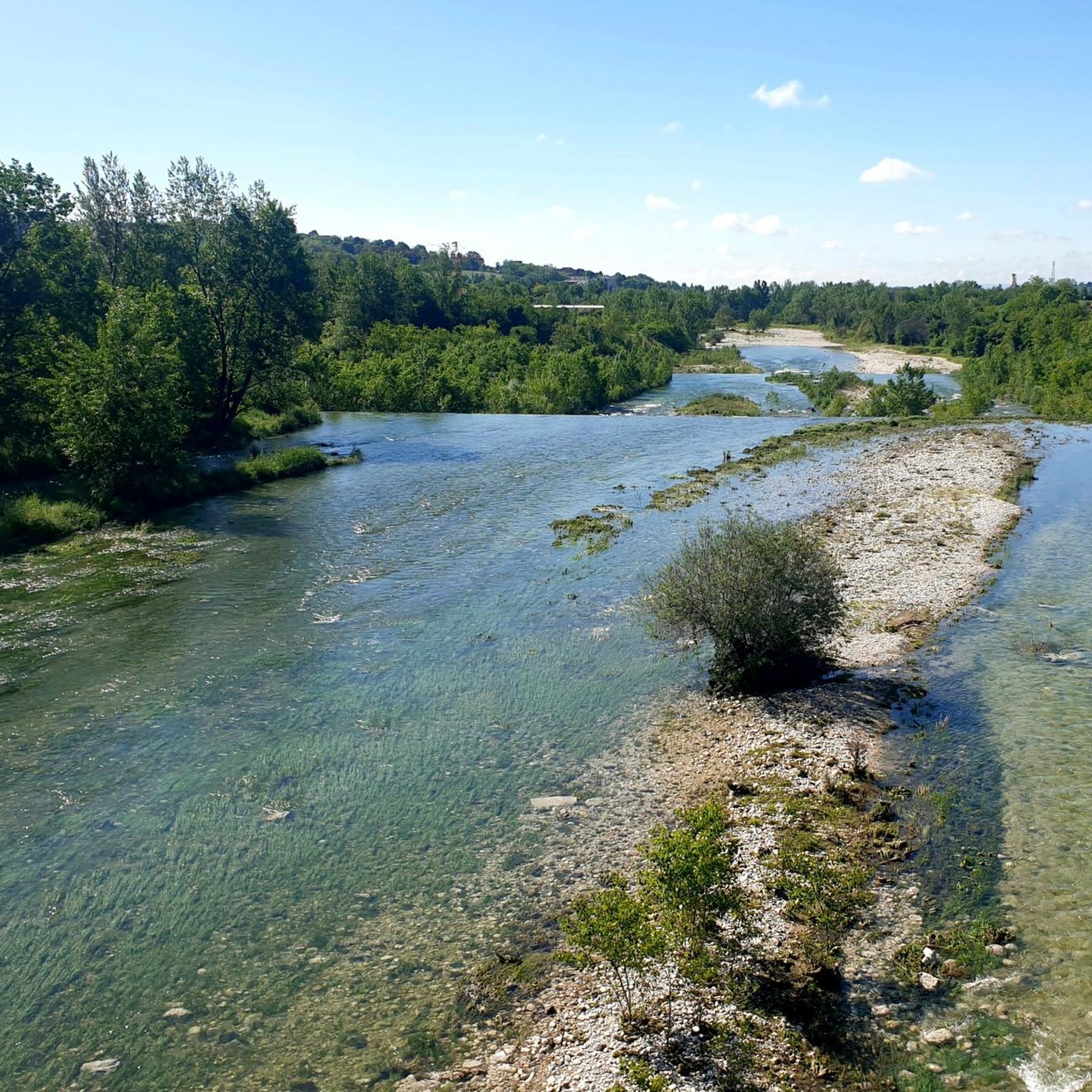
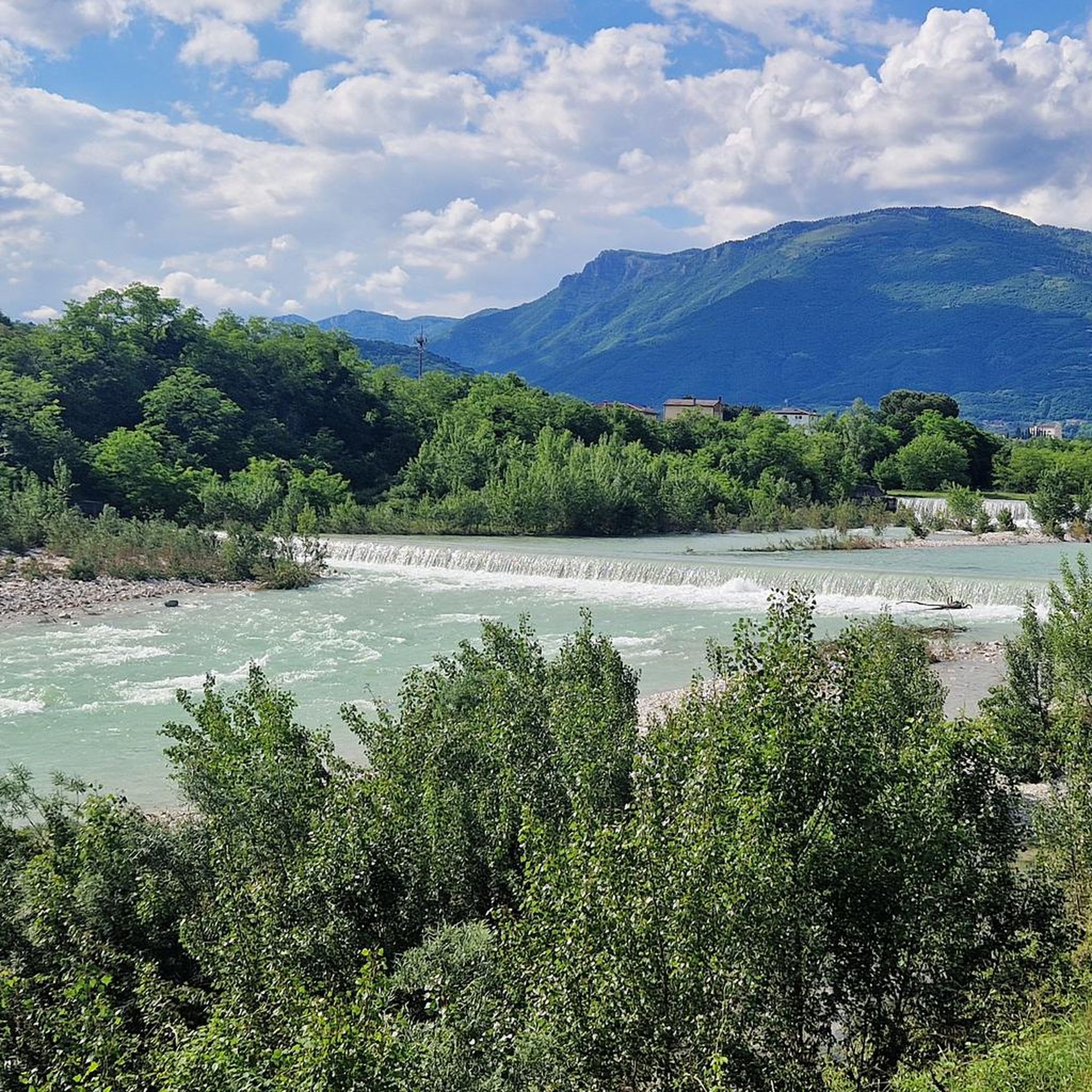
Bacchiglione Springs Nature Reserve
Highlight • Natural Monument
For the gravel it is a paradise!
DESCRIPTION:
A resurgence, or fountain, is a source of fresh water of natural origin, sometimes made to …
Translated by Google •
Tip by

Sign up now to discover places like this
Get recommendations on the best single tracks, peaks, & plenty of other exciting outdoor places.
Anguane's Cave
Highlight • Cave
Translated by Google •
Tip by

Monte Lèmerle — WWI
Highlight • Historical Site
Translated by Google •
Tip by
Monte Corno Rock Labyrinth
Highlight • Gorge
Translated by Google •
Tip by
Sign up for free to discover even more natural monuments around Fara Vicentino.
Already have an account?
Start today with a free account
Your next adventure awaits.

Tips from the Community

it is worth visiting these places for the tranquility and the scenery
0
0

Very small rock labyrinth, but nice to do, be careful in winter that between fallen trees that do not allow passage and the frozen snow you risk getting hurt.
0
1


Among the Bassano hills, the Silàn stream rises in the hamlet of Valrovina and descends along the valley of the same name, forming here a spectacular and unexpected waterfall with jutting out and natural pools of crystalline water. The waterfall ends in an enchanting clearing, in the middle of a lush forest with impressive centuries-old chestnut trees, with enormous and twisted trunks. 'Silàn' is a Cimbrian toponym that means 'place where water flows'.
7
0
Mount Lèmerle, along with nearby Mount Zovetto and the Magnaboschi Valley that separates them, held great historical significance during the First World War, as the scene of two distinct and bloody battles. In the first battle, in June 1916, the Italian army managed to hold off the advancing Austro-Hungarian army for 10 days, which, with the Strafexpedition, was attempting to break through and invade the nearby Veneto plain. The second battle, the Battle of the Solstice, took place in June 1918: this time it was the British troops, who arrived in the spring to garrison and fortify the area in support of their Italian allies, who countered the last desperate attack of the imperial forces. Today, the mountain's summit is covered in a dense and beautiful forest of tall spruce trees, but during the Great War, Italian engineers had cleared the view to control the entire Asiago basin. On the slopes of the mountain, in 2016, the remains of an unknown Italian soldier and an Austro-Hungarian soldier who fell nearby were accidentally discovered. https://www.storiaememoriadibologna.it/monte-lemerle-monte-zovetto-monte-magnaboschi-3580-luogo
0
0
Cave with a considerable development of over 400 meters. At the entrance it immediately divides into two narrow and winding branches: the Ramo dei Ghiri, on the right, and the Ramo dee Strighe, on the left. The tunnels are twisted, very narrow (so much so that the backpack is an impediment to leave at the entrance!), in total darkness, with protruding concretions and narrow passages that at a certain point force you to advance on all fours or to crawl. Entering it is quite impressive: avoid if you are afraid of closed and narrow spaces, complete darkness, bats, cave crickets, spiders (present in the initial meters) and various creatures of the darkness! According to legend, the anguane live near a water source or a stream, inside caves or grottos: hence the toponym 'buso' = hole in Venetian dialect, to be understood as a home or refuge. https://www.ecovicentino.it/esplorare-il-vicentino/la-valle-delle-anguane-e-la-carega-del-diavolo-a-laverda/
1
0

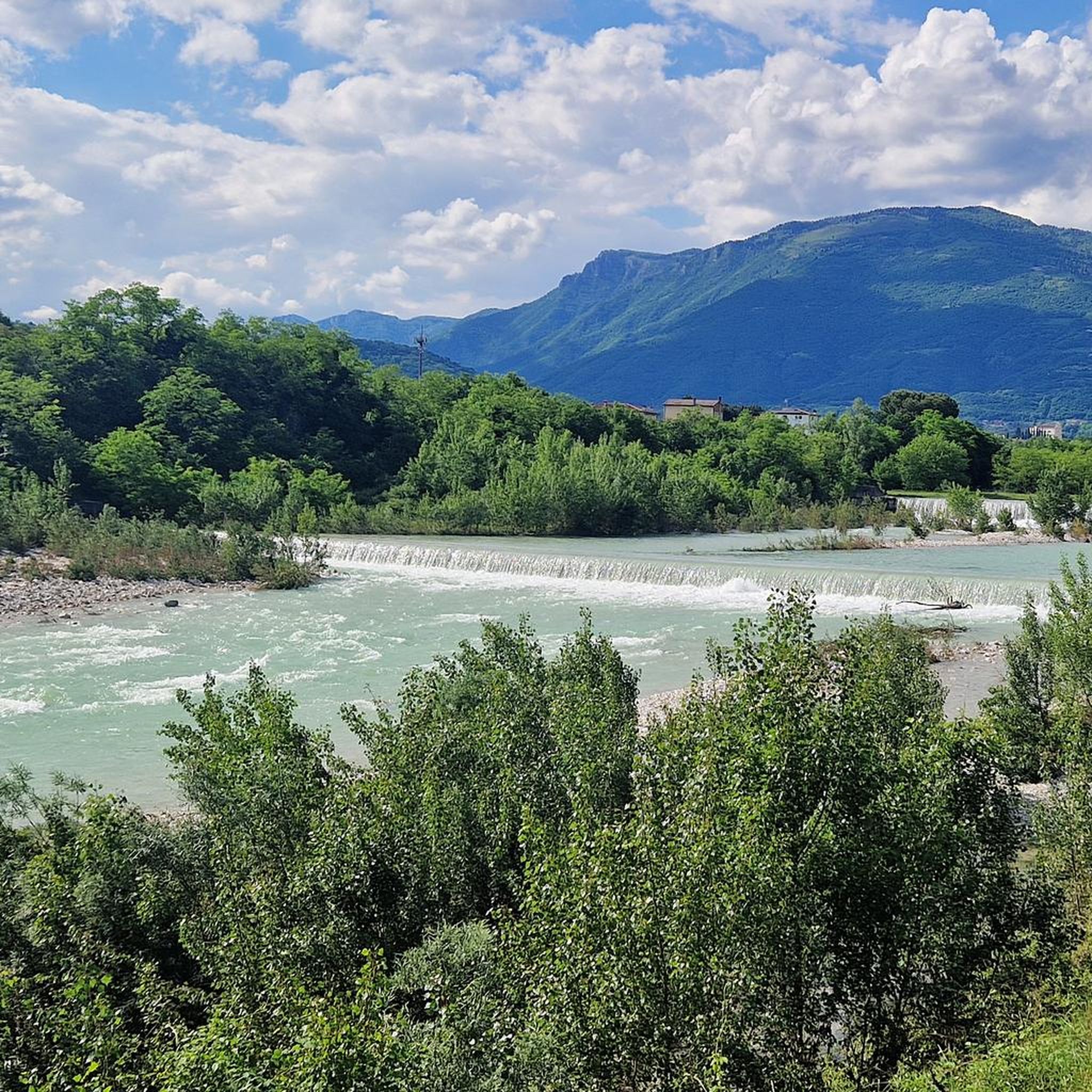
Enchanting place where you only hear the sound of water pouring between rocks and stones...
2
0
lovely place ... just the sound of 'water and nothing more.
2
0
Frequently Asked Questions
What unique natural features can I explore around Fara Vicentino?
Fara Vicentino is characterized by its diverse natural landscape, including spectacular waterfalls, serene caves, and significant nature reserves. You can discover the Silan Waterfalls with their crystalline pools, the tranquil Anguane's Cave, and the Bacchiglione Springs Nature Reserve, known for its unique resurgence springs and diverse ecosystem.
Are there natural monuments with historical significance in the area?
Yes, the region offers natural sites intertwined with history. The Monte Corno Rock Labyrinth is a geological marvel with deep furrows carved into Rosso Ammonitico limestone, and it also features Italian artillery emplacements from the First World War. Additionally, the Sentiero Natura di Valle Zaccona, while not a formal monument, winds through historical local areas and offers insights into the region's past.
What kind of outdoor activities can I do near these natural monuments?
The natural monuments around Fara Vicentino are excellent starting points for various outdoor activities. You can find numerous hiking trails, such as the 'Villa Piovene – Vineyard Farmhouse in Veneto loop,' or explore running and MTB routes. For more details on routes, visit the Hiking around Fara Vicentino, Running Trails around Fara Vicentino, and MTB Trails around Fara Vicentino guide pages.
Are there family-friendly natural monuments or trails suitable for children?
Absolutely. The Silan Waterfalls are considered family-friendly, offering a picturesque and refreshing experience. The Bacchiglione Springs Nature Reserve also provides beautiful areas for walking and cycling that are suitable for families. Additionally, the Parco del Sojo — Open-air Contemporary Art Park, while an art park, is set within a forest and offers accessible paths for a unique family outing.
Where can I go for birdwatching or tranquil nature walks?
For birdwatching and peaceful walks, Oasi Selgea, near the Astico torrent, is an excellent choice. This reclaimed quarry has become a haven for various bird species, including ducks and waterfowl. You can enjoy tranquil walks along the Astico and relax by the small lake. The Bacchiglione Springs Nature Reserve also offers a serene environment with its unique ecosystem.
What is the best time of year to visit the natural monuments around Fara Vicentino?
The region's natural monuments can be enjoyed throughout the year, but spring and autumn generally offer the most pleasant weather for outdoor activities. Spring brings lush greenery and blooming flora, while autumn showcases vibrant fall colors, especially in areas with chestnut trees like around the Silan Waterfalls. Summer is ideal for enjoying the refreshing waters of the waterfalls and natural pools.
Are there any challenging natural monuments for experienced hikers?
Yes, for those seeking a more challenging experience, Anguane's Cave is categorized as challenging, offering a unique natural monument with peaceful surroundings. The Monte Corno Rock Labyrinth is rated intermediate, but some passages can be tricky, especially in winter with ice or in summer with nettles, requiring careful navigation.
What are the local watercourses and how can I explore them?
Fara Vicentino is shaped by the Chiavone Nero and Chiavone Bianco torrents. These watercourses contribute to the area's verdant landscape. You can explore paths along their valleys, which offer picturesque routes. The Sentiero Natura di Valle Zaccona, for instance, runs along the Chiavone Bianco valley, providing an immersive experience into the local flora and historical context.
What do visitors enjoy most about the natural monuments in Fara Vicentino?
Visitors frequently praise the tranquility and natural beauty of the area. The Silan Waterfalls are loved for their spectacular cascades and lush forest setting. Anguane's Cave is appreciated for its unique and peaceful atmosphere. The Bacchiglione Springs Nature Reserve is highlighted for its beautiful walking and cycling opportunities amidst unique resurgence springs.
Is there a natural monument that combines art and nature?
Yes, the Parco del Sojo — Open-air Contemporary Art Park is a unique destination. While primarily an art park, it is set within a thick forest and features a labyrinth of paths on different levels, making it a natural monument that blends contemporary art with the surrounding natural environment. It offers an artistic-naturalistic experience with numerous works scattered throughout the woods.
Are there specific tips for visiting the Silan Waterfalls?
When visiting the Silan Waterfalls, it's recommended to wear trekking shoes as the path can be slippery. The area is known for its impressive centuries-old chestnut trees and crystalline water. It's a lovely spot for nature immersion, and some visitors suggest combining the outing with a stop at local bakeries in Valrovina.
Most popular routes around Fara Vicentino
Most popular attractions around Fara Vicentino

Get inspired with the komoot mobile app


Explore more
Extend your search for the best caves by checking out these guides of the top ones around Fara Vicentino:
