Top 4 Natural Monuments around Forru/Collinas
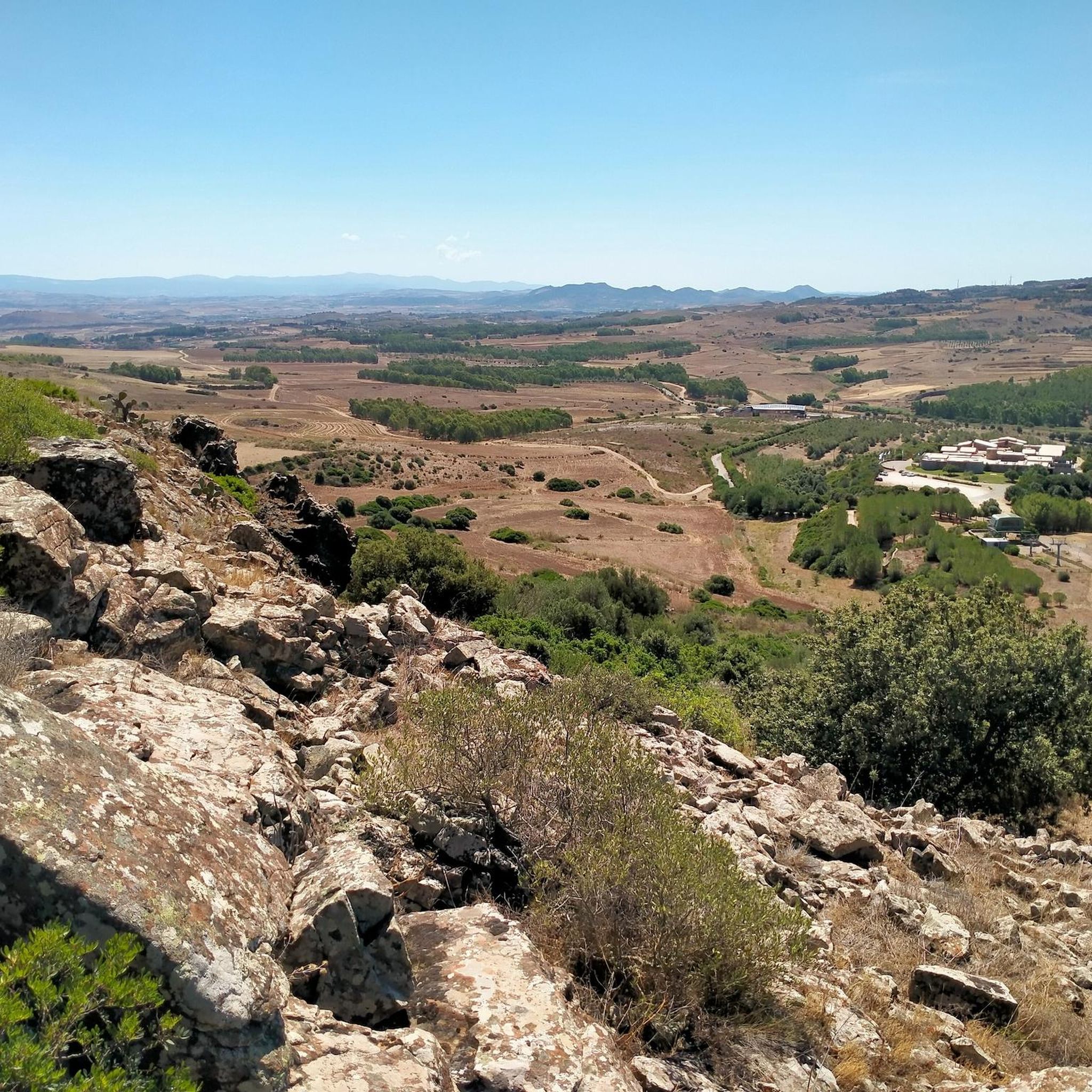
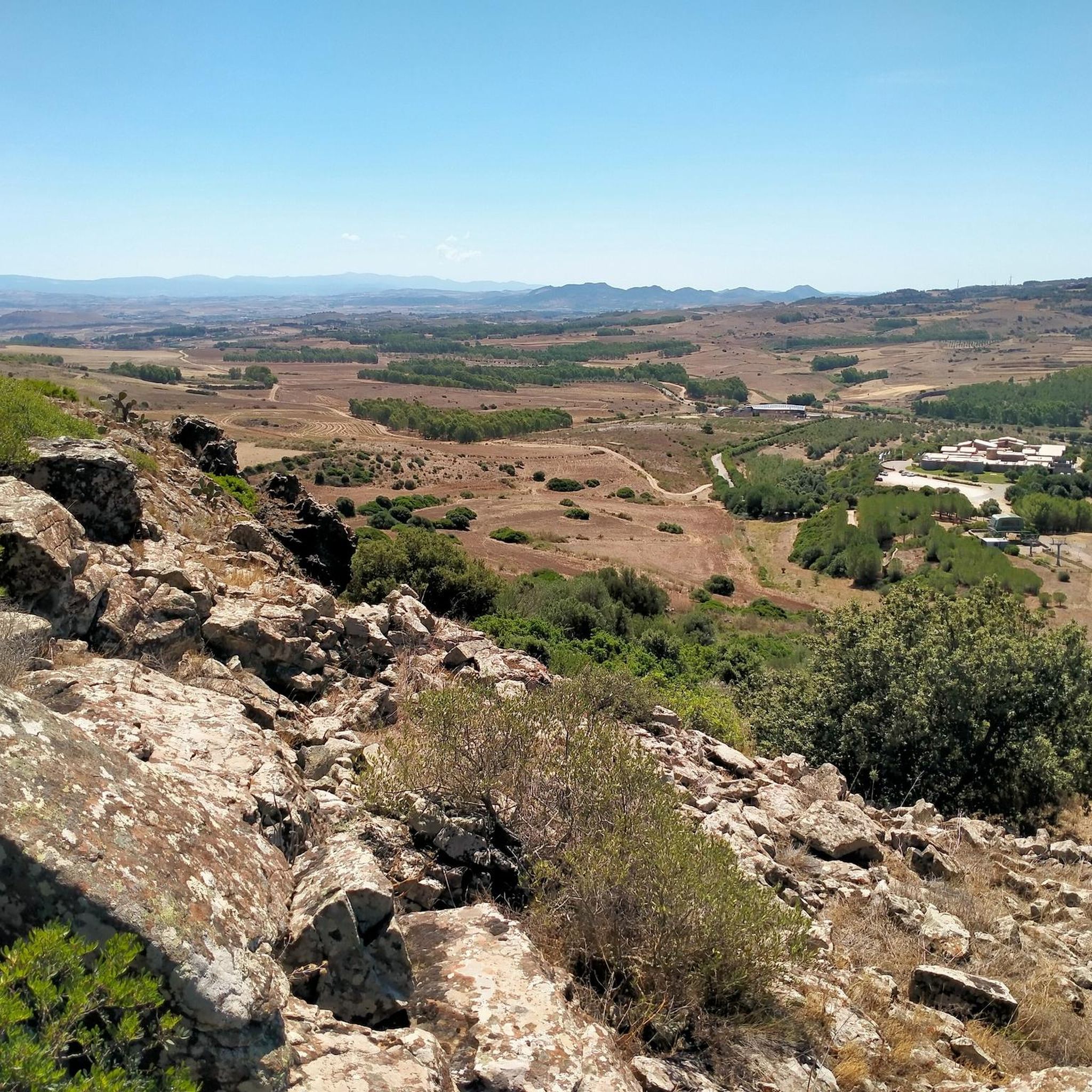
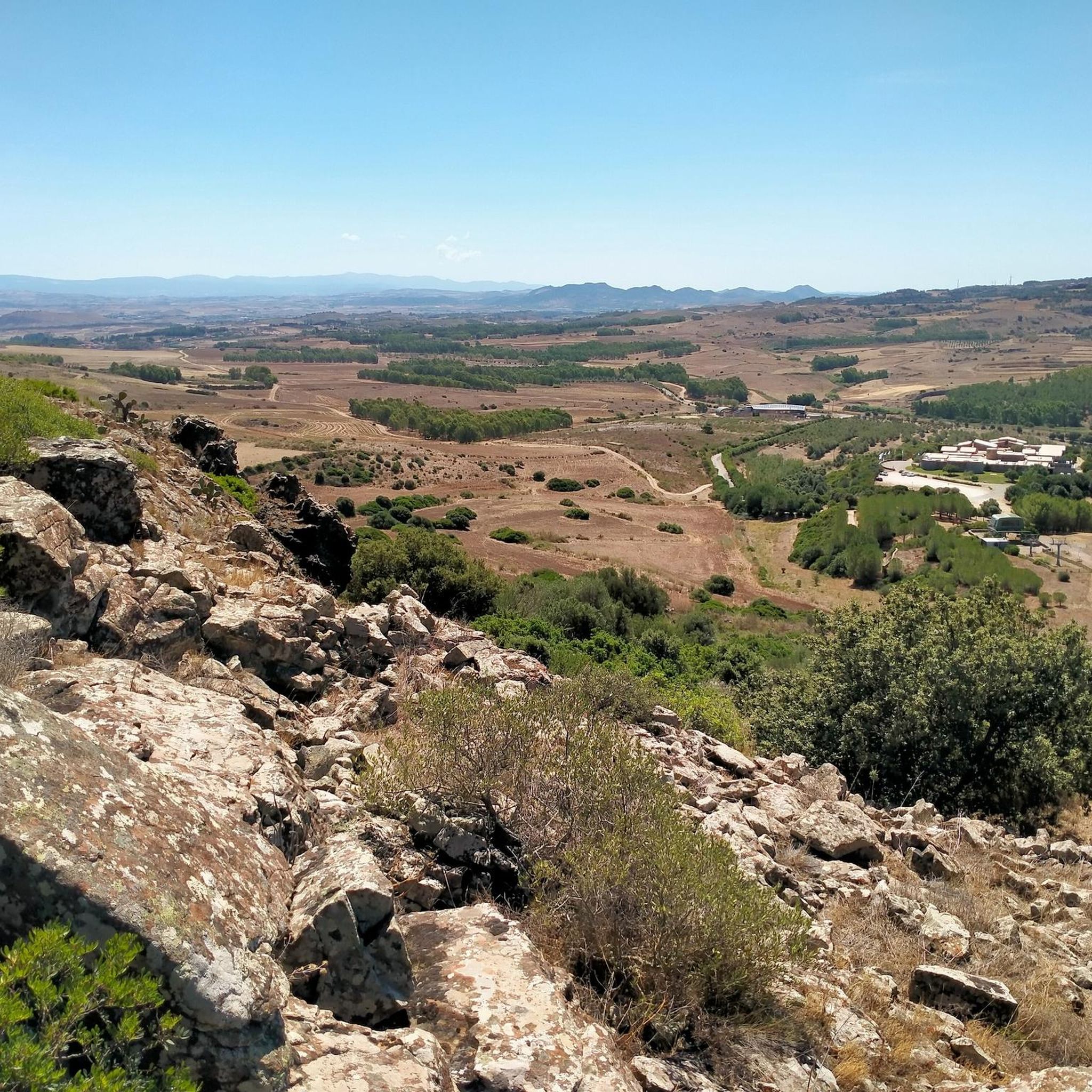
Natural monuments around Forru/Collinas are characterized by rolling hills, verdant valleys, and a landscape where ancient history intertwines with nature. The area, known for its agricultural traditions, features diverse flora and geological formations. Visitors can explore a serene environment that showcases a harmonious relationship between natural beauty and historical heritage, including ancient Nuragic sites. This region offers opportunities for hiking and enjoying scenic views amidst its tranquil setting.
Best natural monuments around Forru/Collinas
- The most popular natural monument is Tomb…
Last updated: June 28, 2026
Tomb of the Giants Sa Domu e S'Orku
Highlight • Historical Site
Translated by Google •
Tip by

Giara di Siddi
Highlight (Segment) • Natural Monument
Translated by Google •
Tip by

Sign up now to discover places like this
Get recommendations on the best single tracks, peaks, & plenty of other exciting outdoor places.
Sign up for free
Giants' Tomb of Su Cuaddu 'e Nixias
Highlight • Historical Site
Translated by Google •
Tip by

Natural Monument "Fossil Schist of Valmadrera 2012" by Pinuccio Sciola
Highlight • Natural Monument
Translated by Google •
Tip by
Sa Tanca Manna
Highlight • Historical Site
Translated by Google •
Tip by

Start today with a free account
Your next adventure awaits.
Login or Signup


Tips from the Community

Sa Dome and s'Orku, one of the best preserved giants' tombs on the island
0
0

Tamba dei Giganti really beautiful and impressive, a pity that part of the arch on the sides of the entrance is missing
0
0
Not complete, but the main stone is very beautiful
1
0

There are about 800 Giants' Tombs in Sardinia. The one inside the archaeological site of the Giara di Siddi is one of the best preserved Nuragic funerary monuments.
1
0
Inside the Monte Arci Park, in the Tanca Manna jar, the Nuraghe Inus is located, surrounded by a dense forest of holm oaks, downy oaks, cork oaks and Mediterranean scrub. There is a picnic area and lookout point with views of the valley below.
0
0

It represents the oldest tomb of the giants in Sardinia, dating back to the centuries 1700-1600 BC. The hole on the upper part of the stele is particular, according to popular legend it was used to tie up horses.
1
0

It represents the oldest tomb of the giants in Sardinia, dating back to the centuries 1700-1600 BC. The hole on the upper part of the stele is particular, according to popular legend it was used to tie up horses.
1
0

Municipal park with bar (closed when I pass) and with sculpture by the famous Sardinian sculptor Pinuccio Sciola, who unfortunately passed away.
1
0
Frequently Asked Questions
What are some notable natural monuments to visit around Forru/Collinas?
The region offers a blend of natural beauty and historical significance. You can explore the ancient Tomb of the Giants Sa Domu e S'Orku, one of Sardinia's best-preserved Nuragic funerary monuments. Another significant site is the Giants' Tomb of Su Cuaddu 'e Nixias, which dates back to 1700-1600 BC. Also, consider visiting Sa Tanca Manna within the Monte Arci Park, featuring the Nuraghe Inus amidst a dense forest.
What kind of landscapes can I expect to see around Forru/Collinas?
Forru/Collinas is characterized by its gently rolling hills and verdant valleys, adorned with cultivations of cereals, vines, and holm oaks. The landscape offers panoramic views and a tranquil environment where human activity and nature have coexisted for millennia. You'll also find areas with ancient olive groves and golden fields of wheat, contributing to the region's rich biodiversity.
Are there historical or archaeological sites integrated with the natural landscape?
Yes, the area is rich in ancient Nuragic archaeological sites that are deeply embedded within the natural landscape. These include the remains of the Concali Nuraghe on Mount Concali, the Nuraghe of Genn'e Maria, and the Tomb of the Giants of Sedda sa Caudeba. These millennia-old structures offer a unique opportunity to explore history amidst beautiful natural surroundings.
What outdoor activities can I do near the natural monuments?
The rolling hills and natural settings around Forru/Collinas are ideal for various outdoor activities. You can find numerous trails for hiking, cycling, and mountain biking. For specific routes and more details, check out the hiking guide, cycling guide, and MTB trails guide for the area.
Are there hiking trails suitable for exploring the natural monuments?
Absolutely. The region offers a variety of hiking trails that allow you to immerse yourself in the natural beauty and discover archaeological sites. For example, you can find moderate trails like the 'View from Castle of Sanluri loop' or easier options like the 'Castello di Sanluri loop'. More details and routes are available in the Hiking around Forru/Collinas guide.
When is the best time to visit the natural monuments in Forru/Collinas?
The area's pleasant climate generally makes it suitable for visiting throughout much of the year. Spring and autumn offer mild temperatures ideal for outdoor activities like hiking and cycling. Summer can be warm, but the natural landscapes remain beautiful. Always check local weather forecasts before your visit.
Are the natural monuments in Forru/Collinas family-friendly?
Many of the natural and historical sites in Forru/Collinas can be enjoyed by families. The serene environment and opportunities for gentle walks make it suitable for all ages. For example, the Natural Monument "Fossil Schist of Valmadrera 2012" by Pinuccio Sciola is categorized as family-friendly. Some sites, like Sa Tanca Manna, even offer picnic areas.
What geological features can I observe in the region?
Sardinia has a remarkably ancient and diverse geology. In the Forru/Collinas area, you can observe the effects of this history, particularly the rolling hills (collina) that define the landscape. The broader region features basaltic rocks, such as those found near the Giara di Siddi, which is one of three basaltic 'tables' formed by ancient lava flows.
What do visitors enjoy most about the natural monuments in Forru/Collinas?
Visitors appreciate the harmonious blend of natural beauty and historical heritage. The ancient Nuragic funerary monuments, like the Tomb of the Giants Sa Domu e S'Orku, are often highlighted for offering a timeless experience. The serene environment, panoramic views, and the opportunity to explore millennia-old structures within a natural setting are frequently praised.
Are there options for cycling or mountain biking near these natural monuments?
Yes, the varied terrain around Forru/Collinas provides excellent opportunities for both cycling and mountain biking. You can find routes like the 'Giara di Siddi Loop' for cycling or the 'Percorso turistico Giara di Siddi — Giro ad anello' for MTB. For detailed routes and difficulty levels, refer to the Cycling around Forru/Collinas guide and the MTB Trails around Forru/Collinas guide.
What should I bring when visiting the natural monuments?
When exploring the natural monuments, it's advisable to wear comfortable walking shoes, bring water, and consider sun protection, especially during warmer months. If you plan to hike or spend extended time outdoors, a map or GPS device can be helpful. For archaeological sites, a camera is recommended to capture the unique blend of history and nature.
Most popular attractions around Forru/Collinas

Get inspired with the komoot mobile app


Explore more
Extend your search for the best caves by checking out these guides of the top ones around Forru/Collinas:
