Top 8 Natural Monuments around Spilinga
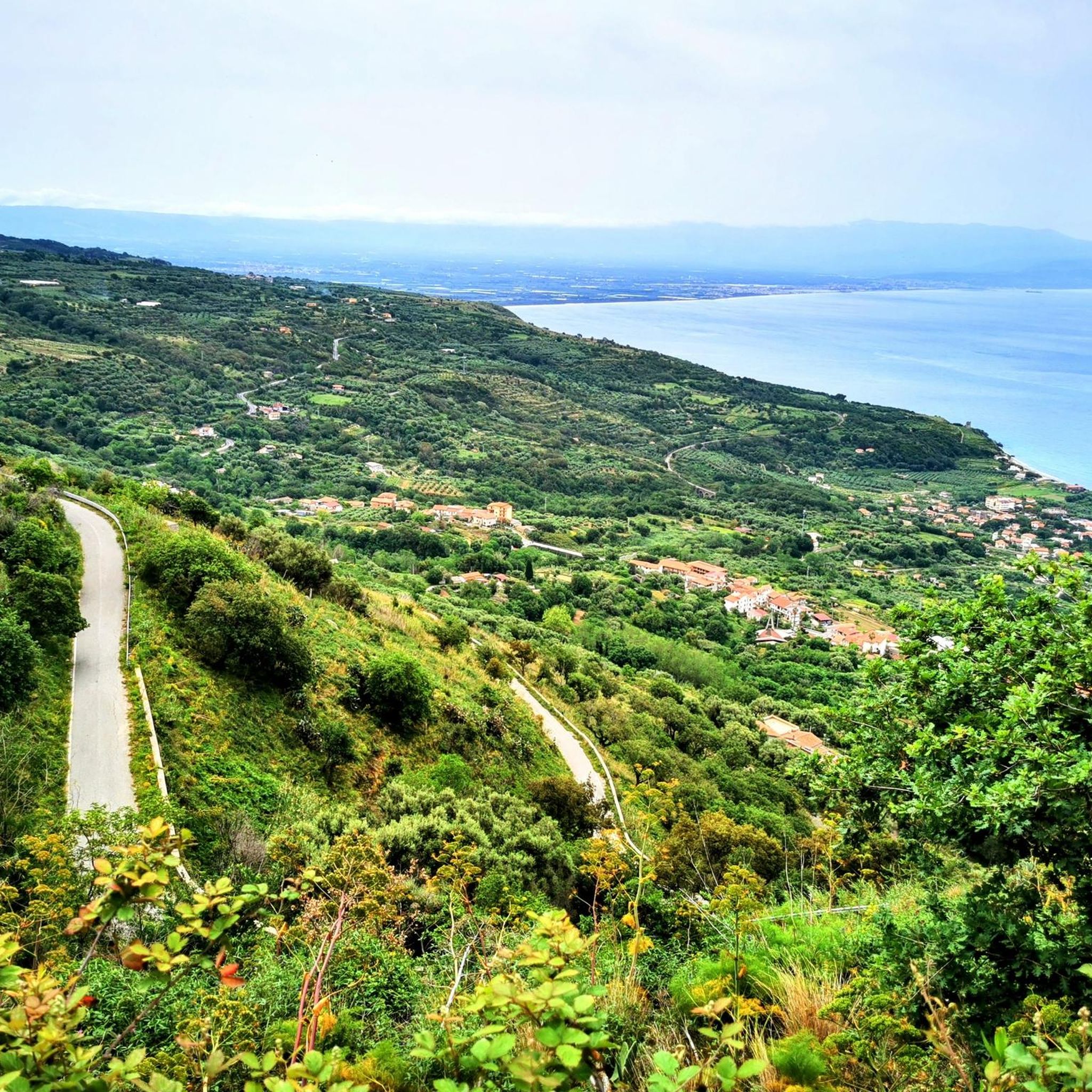
Natural monuments around Spilinga are characterized by a blend of geological formations and historical significance. The region, possibly named from the Greek "Spelunga" for "cave," features a landscape rich in subterranean structures. These natural formations have historically served as refuges and sites of spiritual practice. The area offers diverse natural landmarks, including caves, valleys, and coastal viewpoints.
Best natural monuments around Spilinga
- The most popular natural monument is Sanctuary of Santa Maria dell'Isola, a religious building and natural monument…
Last updated: June 28, 2026
Sanctuary of Santa Maria dell'Isola
Highlight • Religious Site
Translated by Google •
Tip by

Zungri Cave Settlement
Highlight • Cave
Translated by Google •
Tip by

Sign up now to discover places like this
Get recommendations on the best single tracks, peaks, & plenty of other exciting outdoor places.
Sign up for free
Palombaro Grotto
Highlight • Cave
Translated by Google •
Tip by
Cannon Viewpoint
Highlight • Viewpoint
Translated by Google •
Tip by

Cannone Beach
Highlight • Beach
Translated by Google •
Tip by
Sign up for free to discover even more natural monuments around Spilinga.
Sign up for free
Already have an account?
Start today with a free account
Your next adventure awaits.
Login or Signup
Tips from the Community

Beautiful view and peaceful to stay for a small contribution. The garden is cozy to walk around in, although some cannot resist carving their names into the cacti.
0
0

Great sea cave. Wonderful place for sunbathing along the rocks with crystal clear water.
0
0
The sea cave can be walked through. No entrance fee. A small staircase leads there from the harbor. From the other side, you can get there via the beach.
0
0
It is worth climbing the steps up to the church. From up there you have a magnificent view of the Tropea cityscape and the mountain landscape behind it. The basilica is surrounded by a garden with cacti and olive trees. The dreamlike view of the turquoise-blue sea and the beach "Spiaggia della Rotonda" below the old town of Tropea, in particular, makes a visit to the small park worthwhile. (Source KunstundReisen)
0
0

Located under the very famous Marina of the island of Tropea, a spectacular and immense cave with a very white beach can be reached from the sea
0
0


To say that the Benedictine Sanctuary of Santa Maria dell'Isola (the Santuario benedettino di Santa Maria dell'Isola) is magnificent would be a sheer understatement, and it's not hard to see why it's one of Tropea's most photographed attractions. The sanctuary stands on a high rocky outcrop, surrounded by the beach and sparkling sea. Source: https://www.italia.it/en/calabria/things-to-do/tropea
5
1

A mixture of local history museum and contemporary history. The collections range from old clay pots to a wedding dress from 1990. Included in the entrance fee to the grottos (4 euros in 2024), there are toilets with washbasins.
0
0
Frequently Asked Questions
What are some of the most unique natural monuments to visit around Spilinga?
Beyond the well-known spots, consider exploring the Hermits' Caves, which were historically used as shelters and places of prayer, offering a glimpse into the region's past. Another unique site is the Sanctuary of Madonna della Fontana, an ancient hermit cave that combines natural beauty with religious history and fresh water springs. For a blend of nature and industry, the Ruffa Valley is notable for its diverse flora, including a rare fern species, and features old mills, some even set within caves.
Are there any natural monuments around Spilinga that are particularly family-friendly?
Yes, the Zungri Cave Settlement is categorized as family-friendly. This unique rock formation features ancient dwellings carved into sandstone, providing an engaging historical and natural experience for all ages. The site also has natural freshwater springs.
What kind of geological features can I expect to see among Spilinga's natural monuments?
Spilinga is particularly rich in subterranean formations. You'll encounter numerous caves, many of which have historical significance as refuges. The region's landscape also features dramatic viewpoints, valleys like the Ruffa Valley, and coastal formations such as rocky bays and sandy beaches, showcasing a diverse geological heritage.
What historical or cultural significance do the natural monuments in Spilinga hold?
Many natural monuments around Spilinga are deeply intertwined with history. The region's name itself, possibly from the Greek for 'cave,' hints at its past. Sites like the Hermits' Caves were used by medieval hermits, while the Zungri Cave Settlement showcases ancient dwellings carved into rock, offering insight into past cultures. The Sanctuary of Madonna della Fontana is a significant religious site within an ancient cave, reflecting local spiritual practices.
What outdoor activities can I do near the natural monuments in Spilinga?
The area around Spilinga offers a variety of outdoor activities. You can find numerous hiking trails, including easy routes like the 'Sunset View of Stromboli – Tropea loop' or more moderate options such as the 'Cannon Viewpoint – View from the Faro Vaticano loop'. For cyclists, there are road cycling routes and mountain biking trails that explore the diverse landscapes.
Are there any natural monuments with great viewpoints around Spilinga?
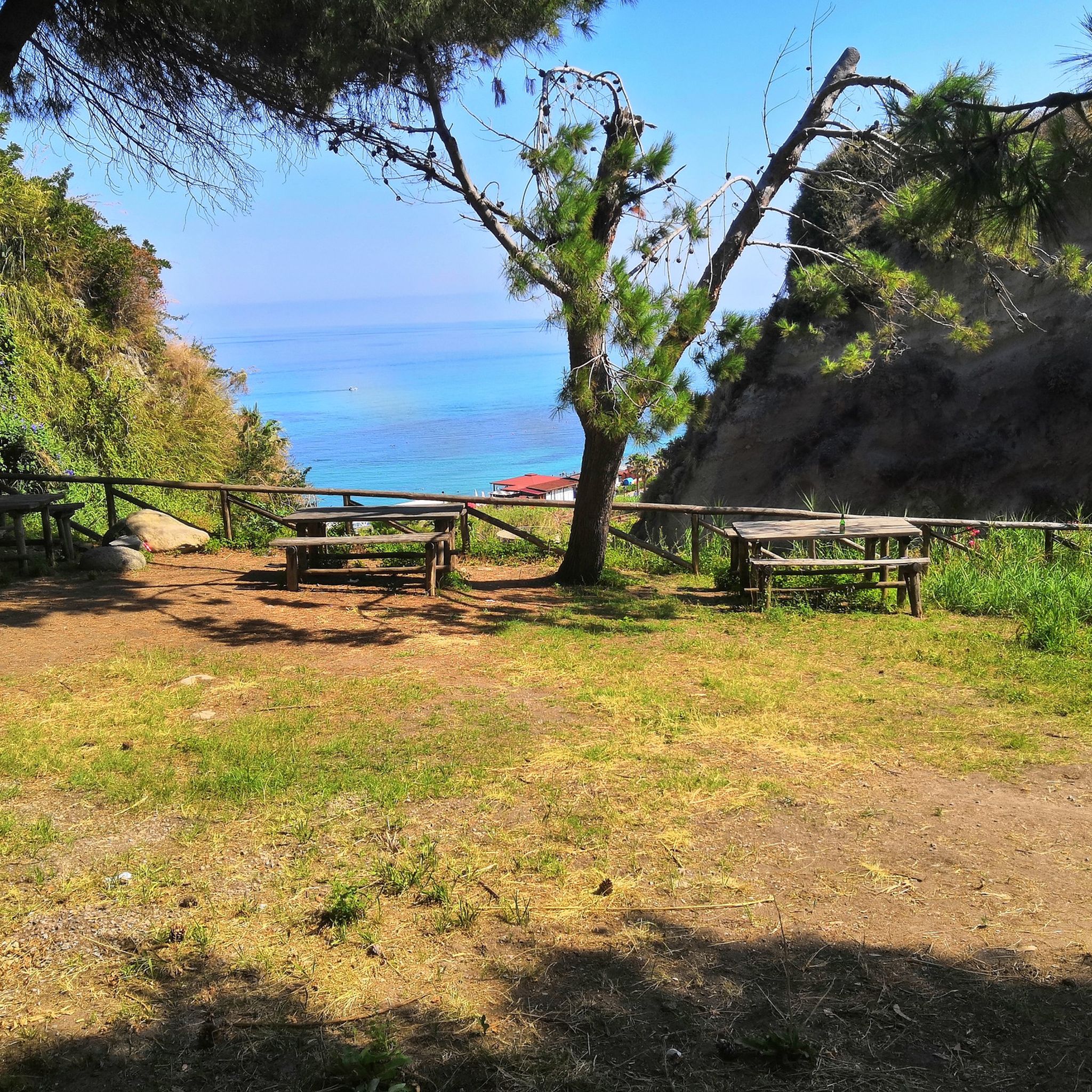
Absolutely. The Cannon Viewpoint is highly recommended, offering wonderful panoramic views of the Calabrian coast and the sea. Another excellent spot is the Sanctuary of Santa Maria dell'Isola, which provides expansive views from its unique position on a rock.
What is the best time of year to visit the natural monuments around Spilinga?
While specific data isn't available, generally, spring (April-May) and autumn (September-October) offer pleasant temperatures for exploring natural sites and hiking in Calabria, avoiding the intense heat of summer. May is particularly significant for the Sanctuary of Madonna della Fontana due to pilgrimages.
What do visitors enjoy most about the natural monuments in this region?
Visitors frequently appreciate the blend of natural beauty and historical significance. The unique rock formations, ancient settlements like the Zungri Cave Settlement, and the stunning coastal views from places like the Cannon Viewpoint are often highlighted. The opportunity to immerse oneself in both nature and culture is a major draw.
Are there any natural monuments that involve caves or grottoes?
Yes, Spilinga is known for its caves. Besides the Hermits' Caves and the Sanctuary of Madonna della Fontana, you can explore the Zungri Cave Settlement, which features numerous caves used as dwellings. There are also the Palombaro Grotto and Grotta del Palombaro, which offer unique experiences, though access might vary.
Are there any natural monuments that are close to beaches or coastal areas?
Yes, several natural monuments are near the coast. The Sanctuary of Santa Maria dell'Isola is famously perched on a rock overlooking the sea, with a beach nearby. The Cannon Viewpoint also leads down to an impressive rocky bay with a sandy beach, offering both scenic views and coastal access.
What is the difficulty level for exploring the natural monuments and nearby trails?
The difficulty varies. Some natural monuments, like the Sanctuary of Santa Maria dell'Isola and Cannon Viewpoint, are generally intermediate to access. For hiking, you can find trails ranging from easy, such as the 'Sunset View of Stromboli – Tropea loop', to moderate, like the 'Cannon Viewpoint – View from the Faro Vaticano loop'. Some cave explorations might involve challenging sections, as noted for the Palombaro Grotto.
Most popular attractions around Spilinga

Get inspired with the komoot mobile app


Explore more
Extend your search for the best caves by checking out these guides of the top ones around Spilinga:
